Caffeine
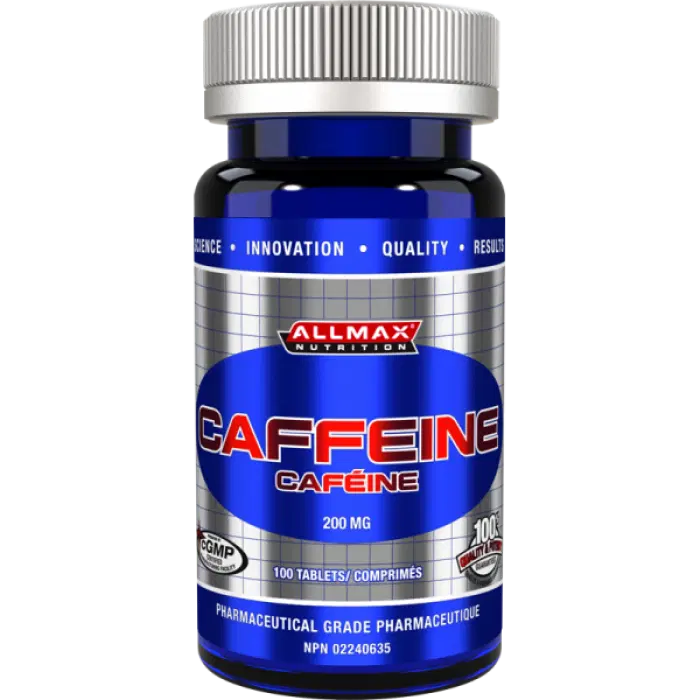
- AllMax - Caffeine / 100tabs. – 5.11 €
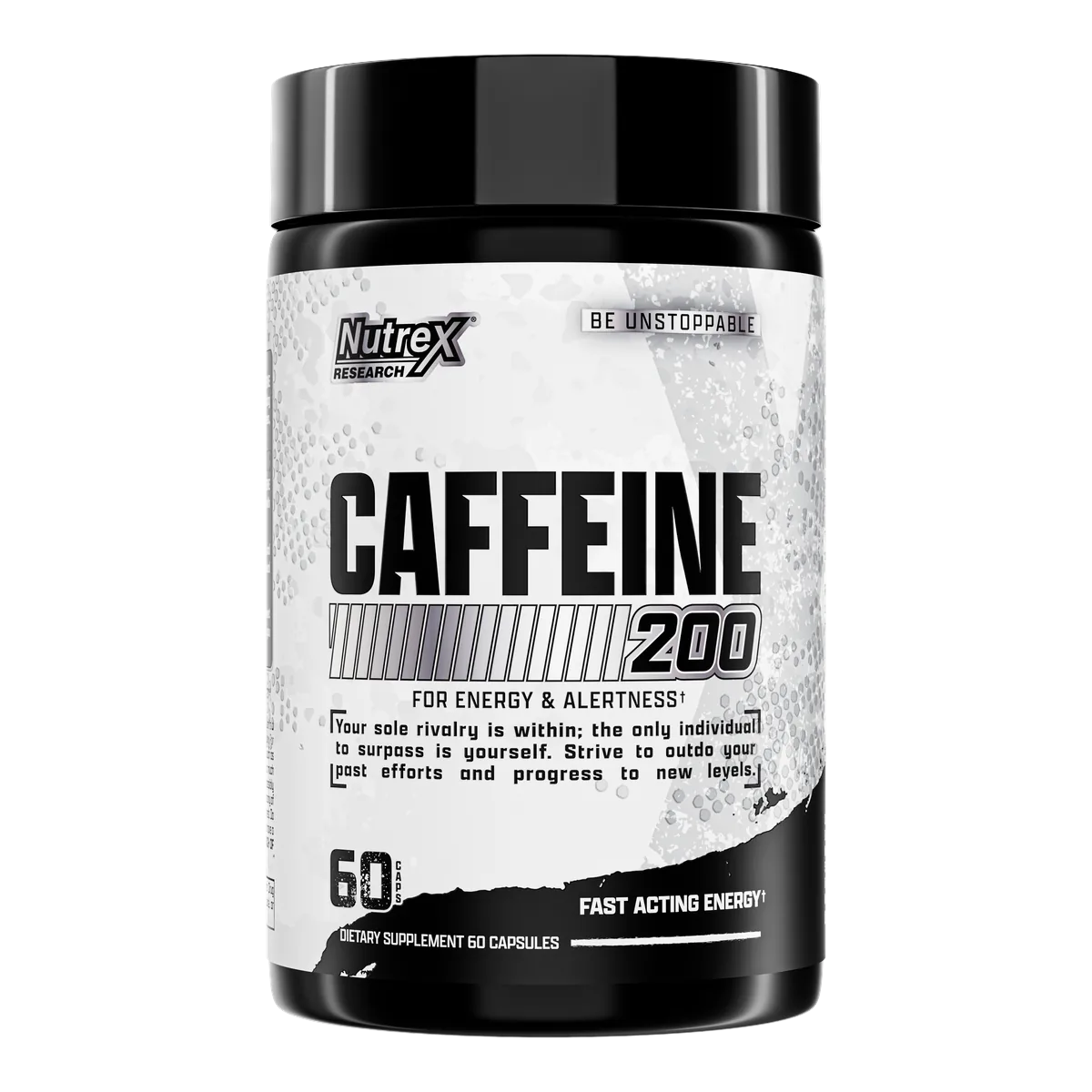 Caffeine 200 Nutrex – 9.99 €
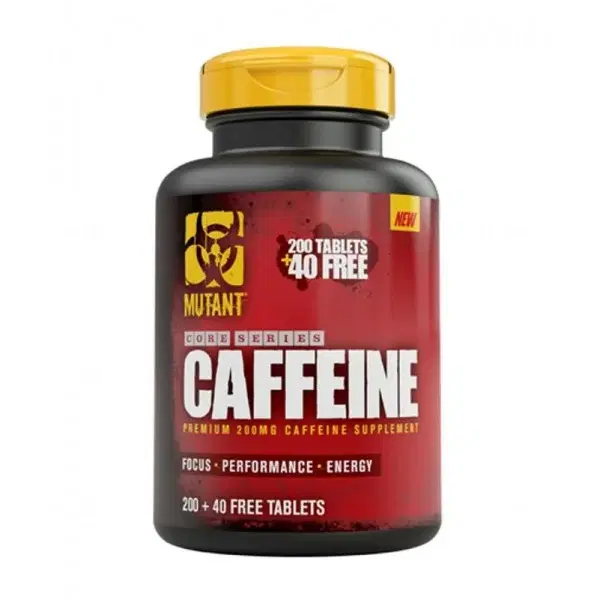 MUTANT - CAFFEINE Premium 200mg / 200tabs. + 40 FREE tabs – 11.20 €
How does caffeine 'hack' your brain for more energy?
You probably know that caffeine wakes you up, but let me explain exactly how the magic happens at a biochemical level. In your brain, there's a substance called adenosine, which accumulates throughout the day and makes you feel tired. Caffeine, in its structure, is very similar to it. When you consume it, it binds to adenosine receptors, literally 'taking the parking spot' of adenosine, but without activating the fatigue signal. The result? Your brain doesn't receive the 'time to sleep' command. Instead, the nervous system is stimulated, neurotransmitters like dopamine and norepinephrine are released, leading to increased alertness, better focus, and a feeling of energy. This is why you feel 'on edge' and ready for a tough workout.
The golden rules for dosage and timing
Here, things are strictly individual, but there are established working practices. For sports purposes, the effective dose is between 3 and 6 milligrams per kilogram of body weight. For example, if you weigh 80 kg, that means between 240 and 480 mg. My advice is always to start from the lower limit to assess your tolerance. Take the dose about 30-60 minutes before training to allow it to reach peak concentration in the blood. Avoid drinking it less than 6-8 hours before bedtime, because quality sleep is more important than any supplement. For pure mental focus during the day, doses of 100-200 mg are completely sufficient and gentler.
Mistakes I see every day (and how to avoid them)
The biggest mistake I see is the pursuit of ever-higher doses. The body develops tolerance, and soon 200 mg no longer works. Instead of increasing indefinitely, it's better to take periodic 'caffeine vacations' – 1-2 weeks without any caffeine to reset your receptors. Another mistake is relying on it to compensate for poor sleep. This is a recipe for burnout. Caffeine doesn't create energy; it only borrows it from the future. People with high blood pressure, heart problems, or anxiety disorders should be extremely careful. If you have doubts, consulting a doctor is mandatory, not me or a friend from the gym.
How to 'upgrade' the effect of caffeine?
Pure caffeine is great, but it can get even better in the right company. The classic combination for focus without jitters is with L-theanine, an amino acid from green tea. The ratio is usually 2:1 in favor of theanine (e.g., 200 mg theanine to 100 mg caffeine). This smooths out the sharp edges of stimulation. For training, the combination with citrulline malate is perfect – caffeine provides energy and focus, and citrulline improves blood circulation and pump. If you're aiming for endurance during longer sets, adding beta-alanine 30-45 minutes before training will help buffer lactic acid. This way, you create your own, targeted pre-workout stack.
Is standalone caffeine for you?
Caffeine in tablets or capsules is ideal for several types of people. First, for athletes who want complete control over their dosage, without unnecessary ingredients and fillers from complex formulas. Second, for people who react poorly to other stimulants or ingredients in pre-workout products. Third, for anyone looking for a clean, predictable, and budget-friendly way to improve their focus and energy, whether for training, studying, or work. However, it is not suitable if you are hypersensitive and even one coffee makes you nervous. If you train late in the evening, also avoid it. And most importantly – if you are a beginner, first fix your nutrition, hydration, and sleep. Caffeine is the icing on the cake, not the cake itself.