Leg protectors
Leg protection is essential in any combat sport. Kicks, often reaching speeds over 50 km/h, require reliable protection for the shins and feet, both for the attacker and the defender. Our 53 products in the "Leg Guards" category offer specialized solutions for boxing, Muay Thai, MMA, kickboxing, sparring training, and bag work.
Crafted from durable materials such as genuine leather, high-quality PU, and innovative combinations of high-density EVA foam and shock-absorbing gel, these protectors guarantee optimal impact absorption. Sizes range from children's to XL, and some models offer choices based on the fighter's weight, ensuring a personalized fit and maximum comfort.
When choosing, it's important to consider the intensity of your training. Lighter and more flexible protectors are suitable for light training and bag work, while models with denser padding and reinforced shin and foot protection are recommended for intense sparring and competitions. Always choose a size that provides a snug fit without restricting movement.
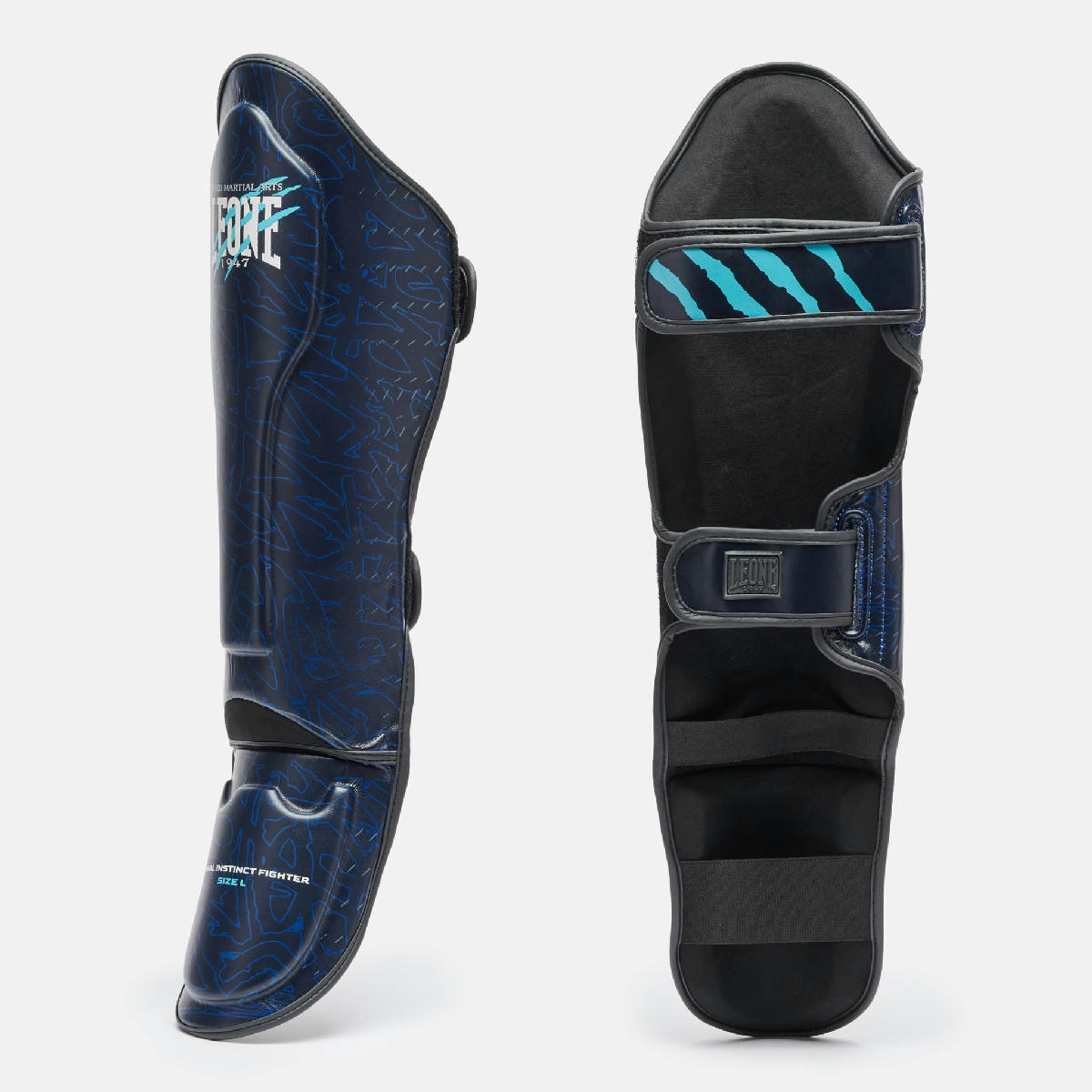
- Leone 1947 Primal Instinct Shin Guards - Blue – 65.01 €
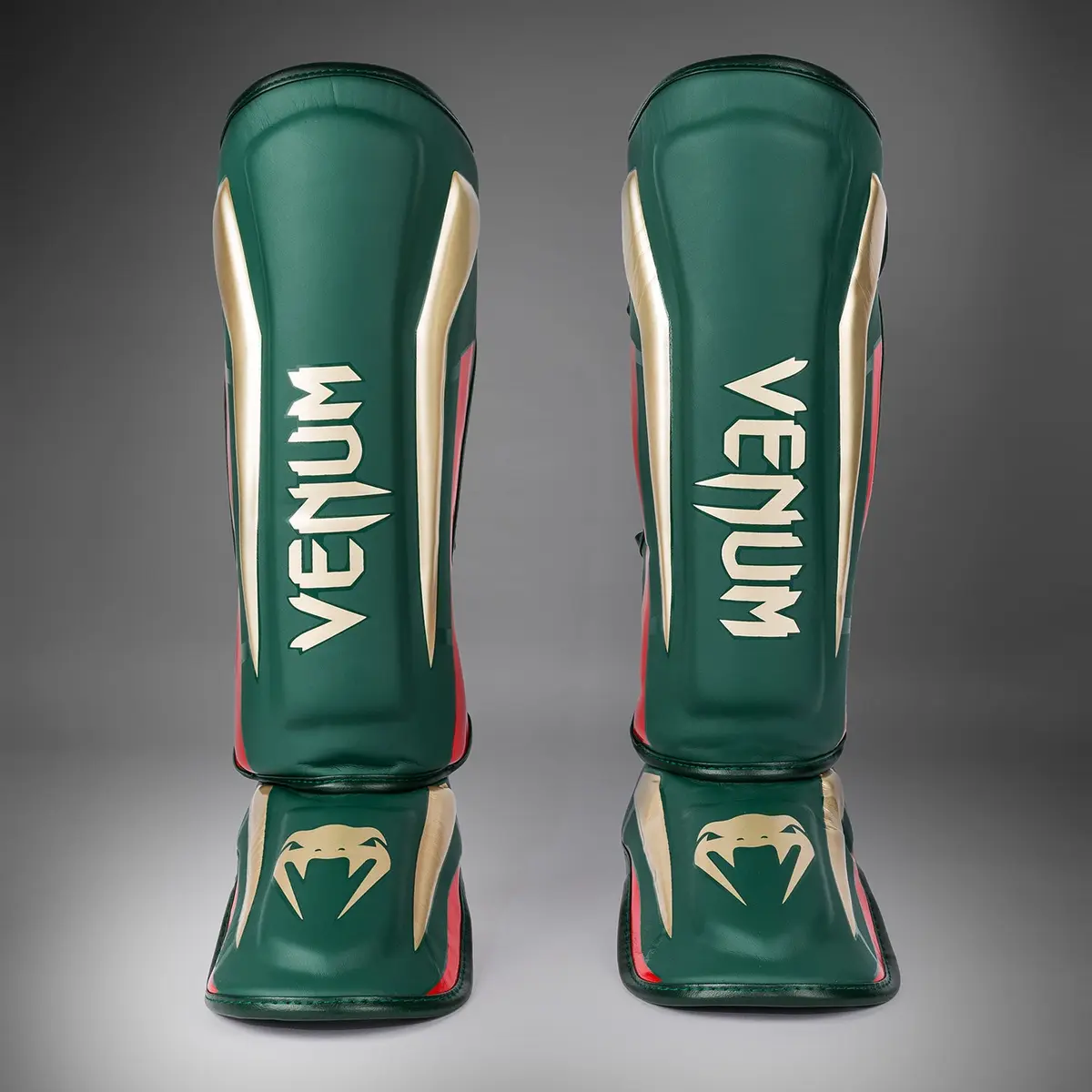 Venum Elite Shin Guards - Green - Special Edition – 181.30 €
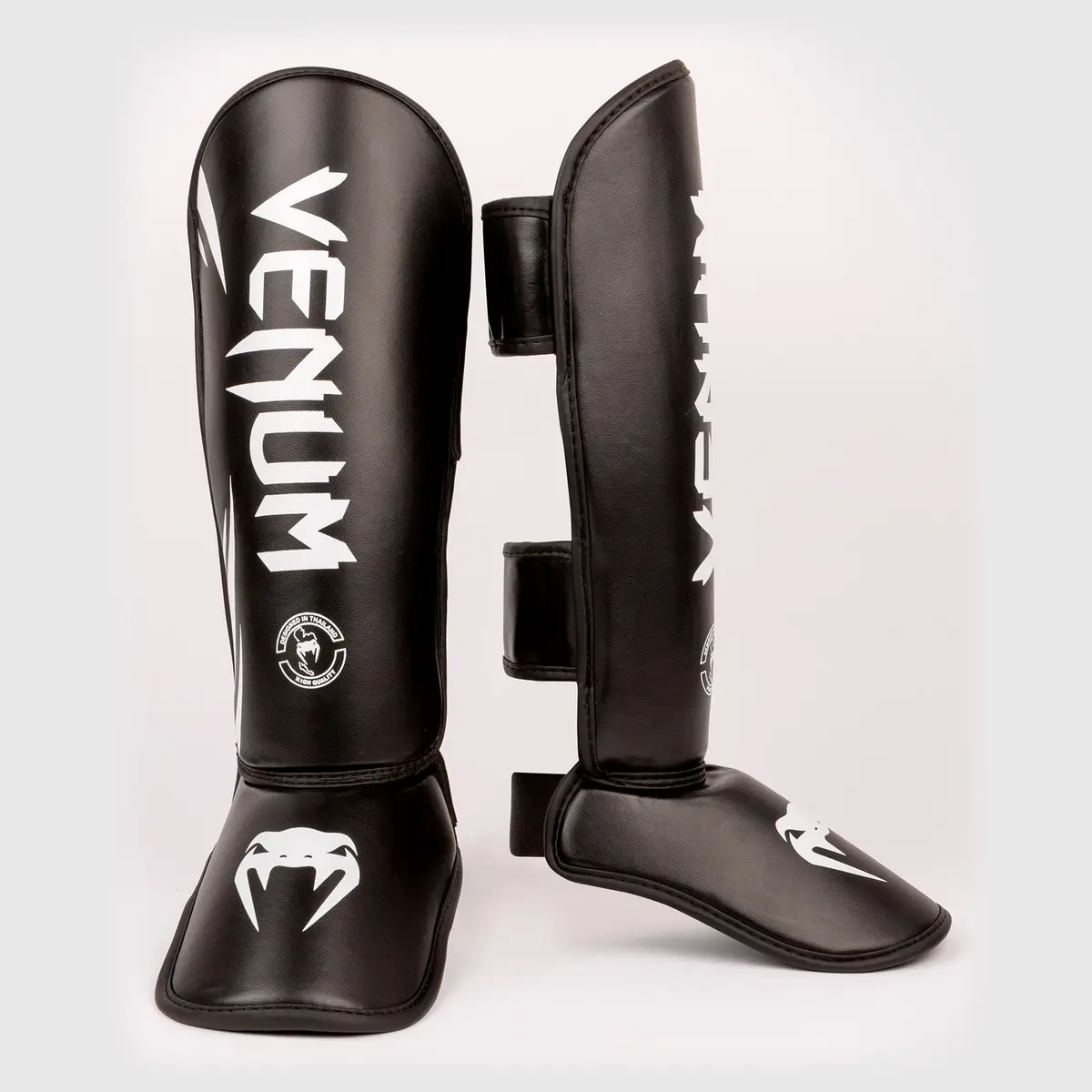 Venum Challenger Kids Shin Guards - Black/White – 83.09 €
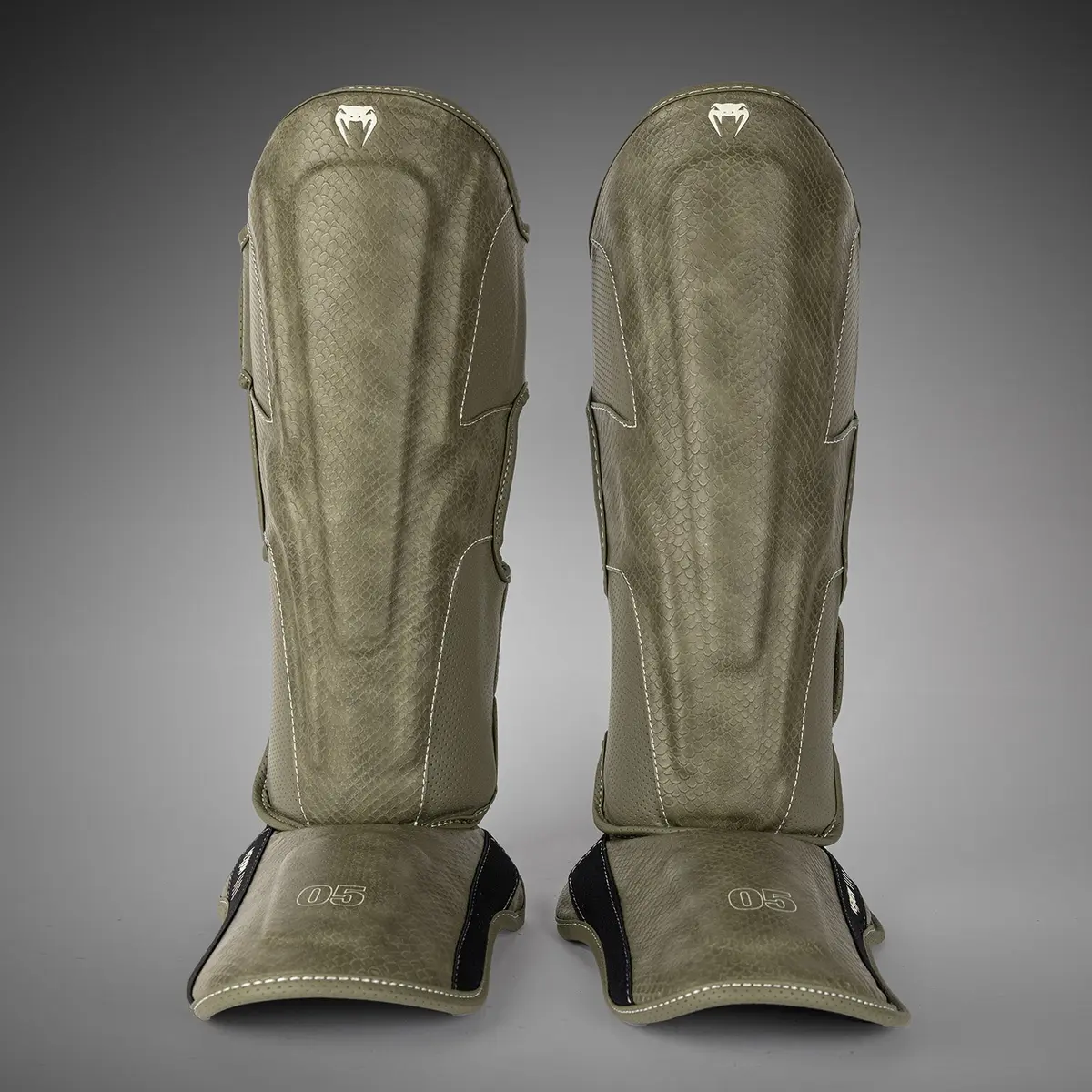 Venum Impact Evo Scales Shin Guards - Army Green – 137.49 €
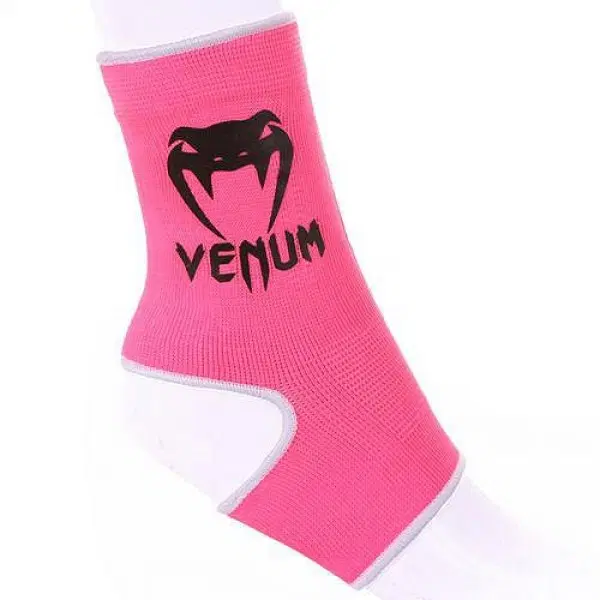 Наглезенки - VENUM KONTACT ANKLE SUPPORT GUARD / PINK
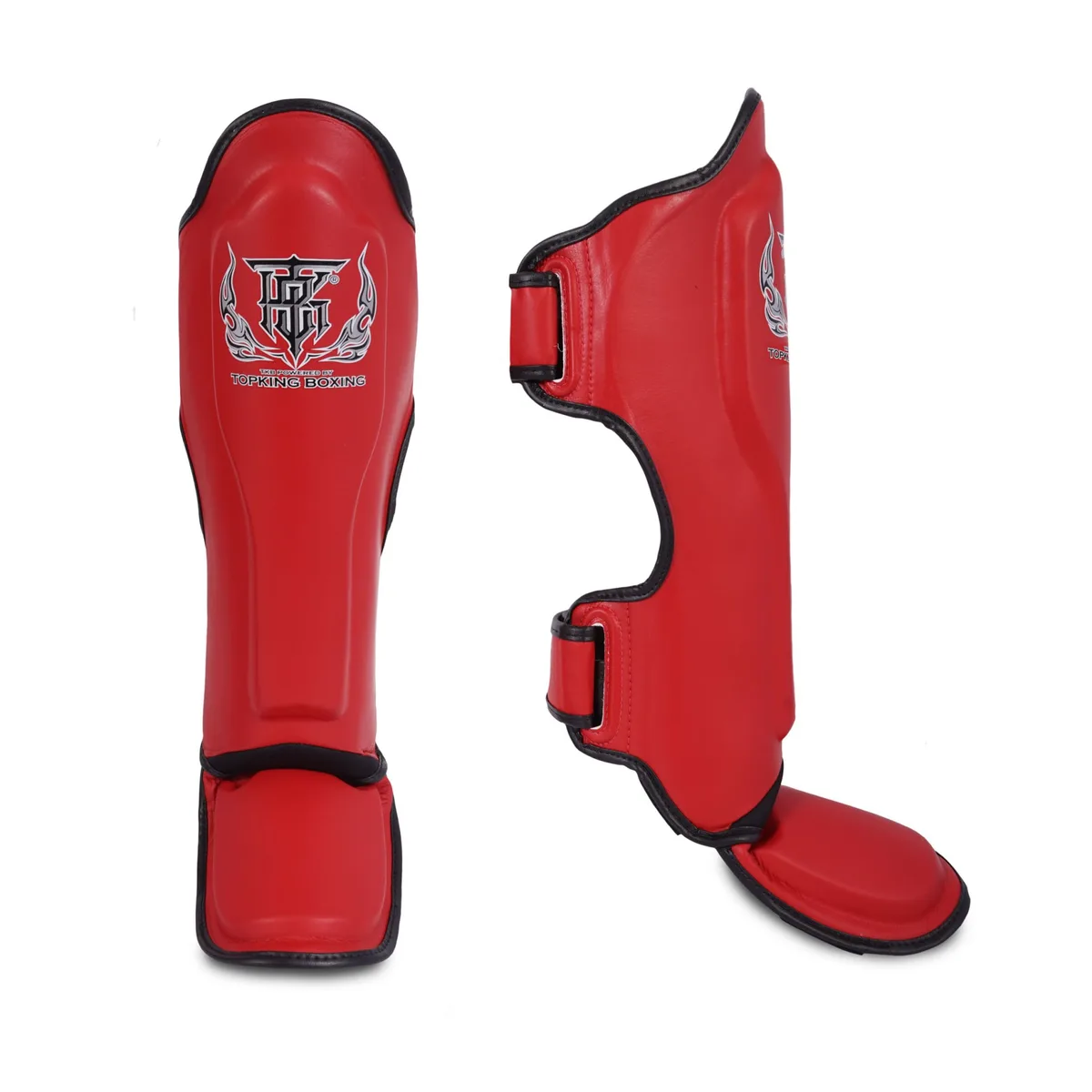 TOPKING SHIN GUARDS RED BLACK "PRO" SEMI LEATHER
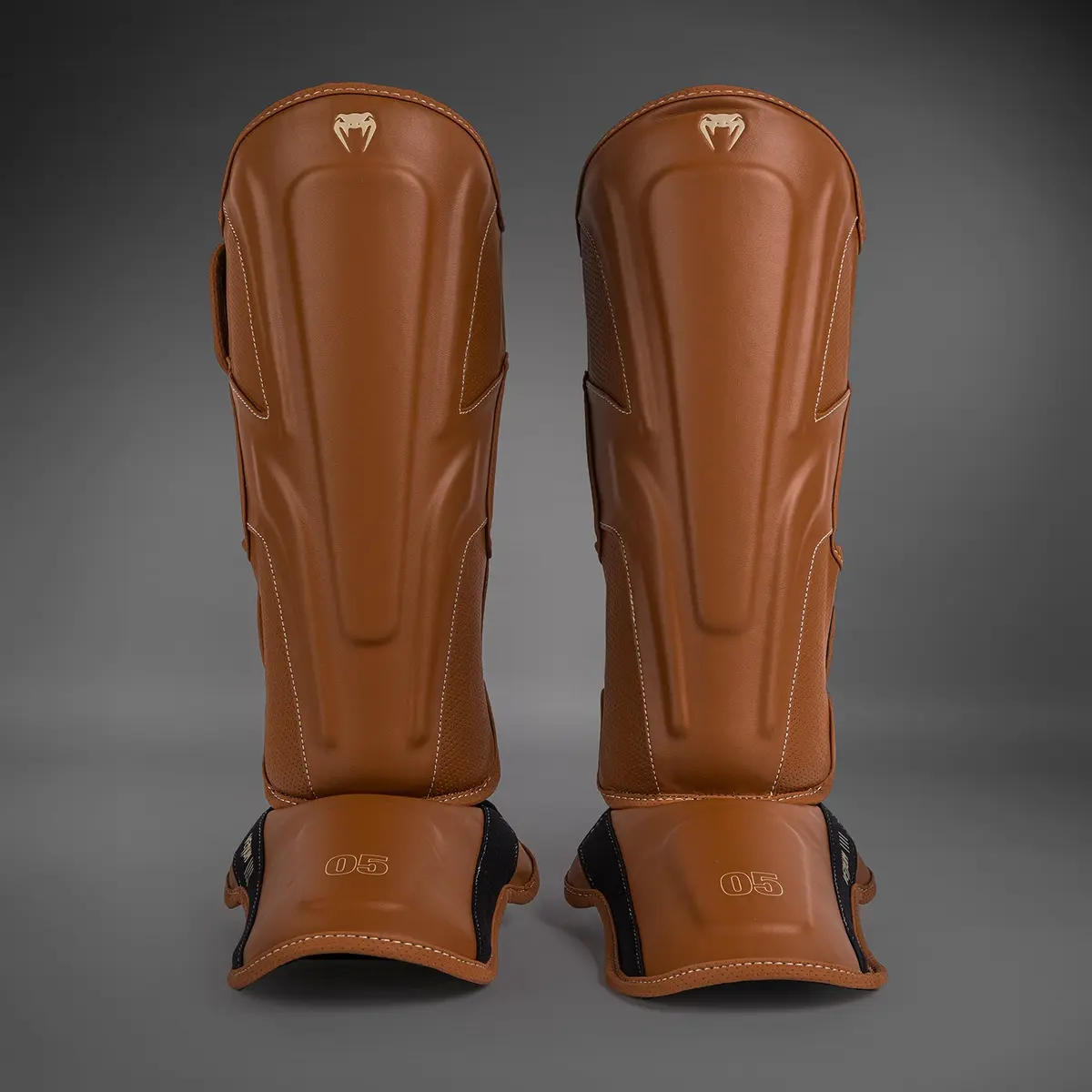 Venum Impact Evo Shin Guards - Havana – 181.30 €
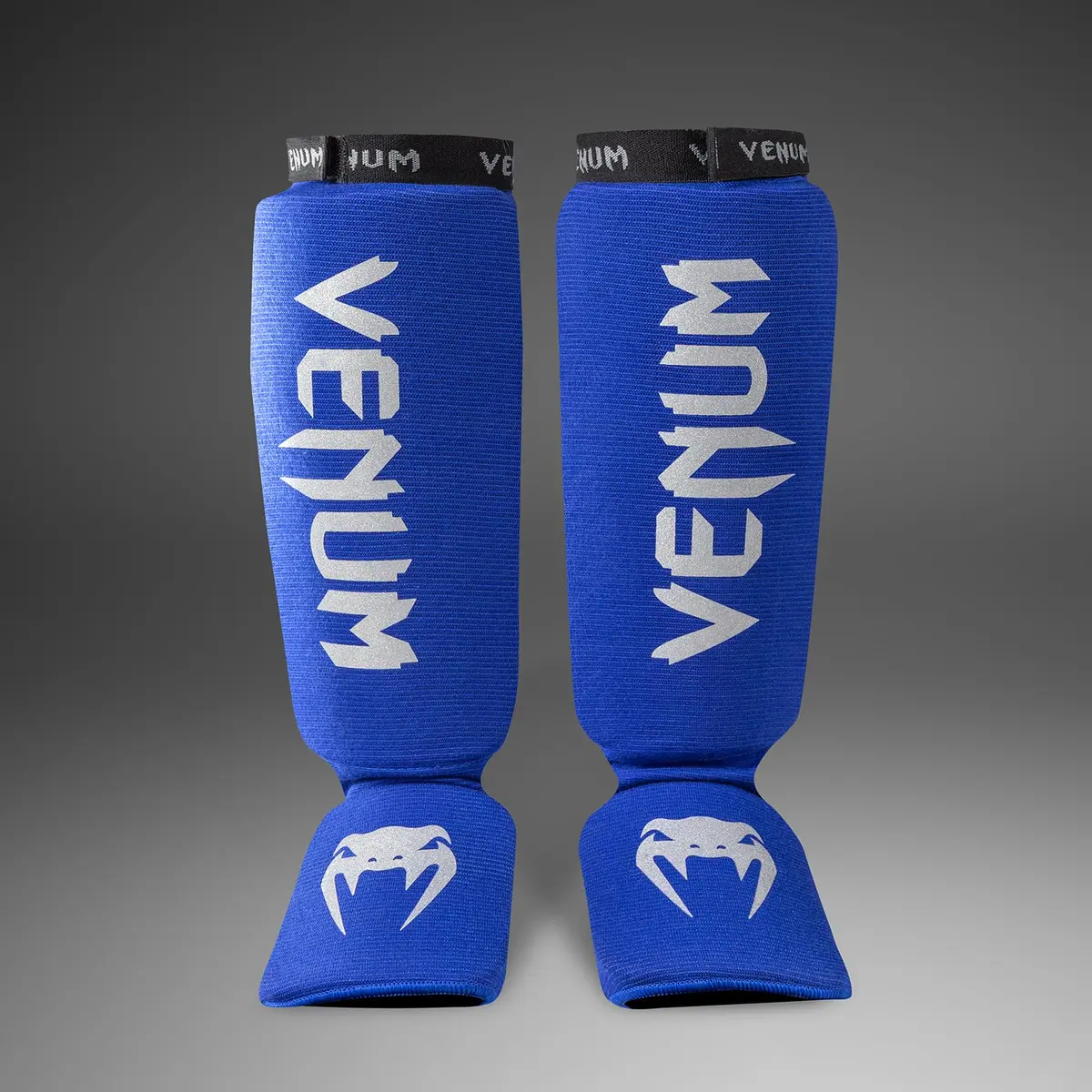 Venum Kontact Shinguards - Royal Blue/ Silver – 42.29 €
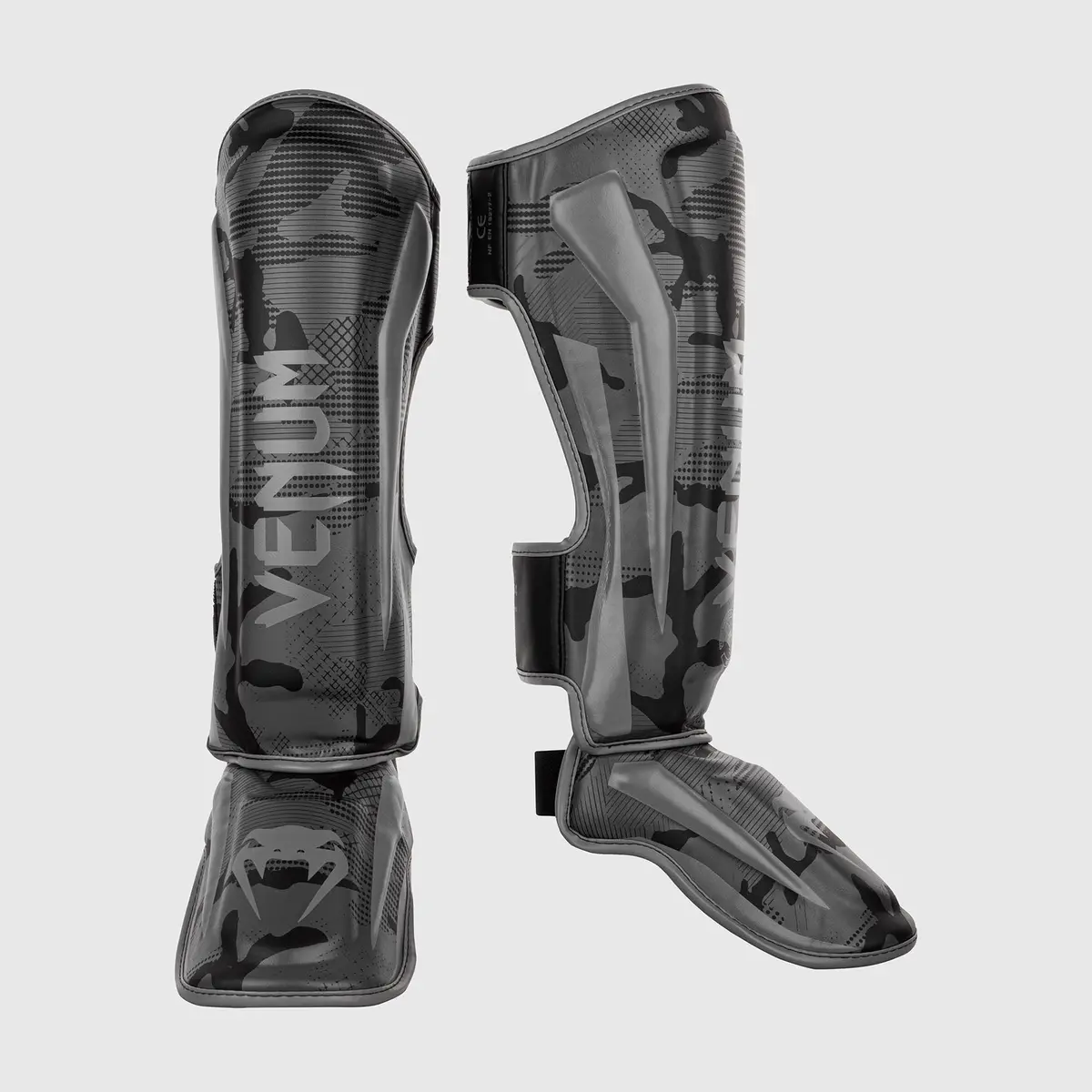 Venum Elite Shin Guard - Black Camo – 181.30 €
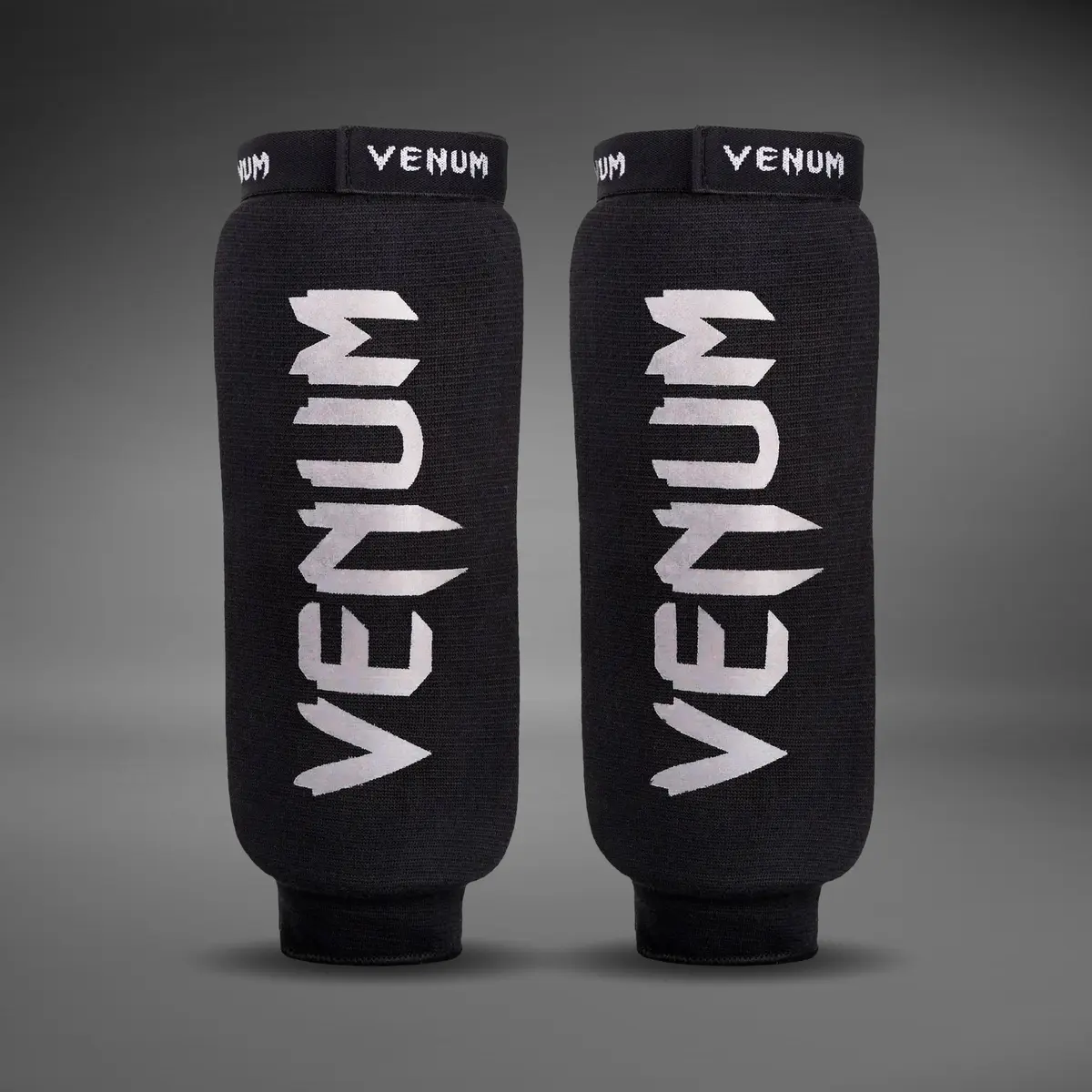 Venum Kontact Shin Guards Without Foot - Black – 31.72 €
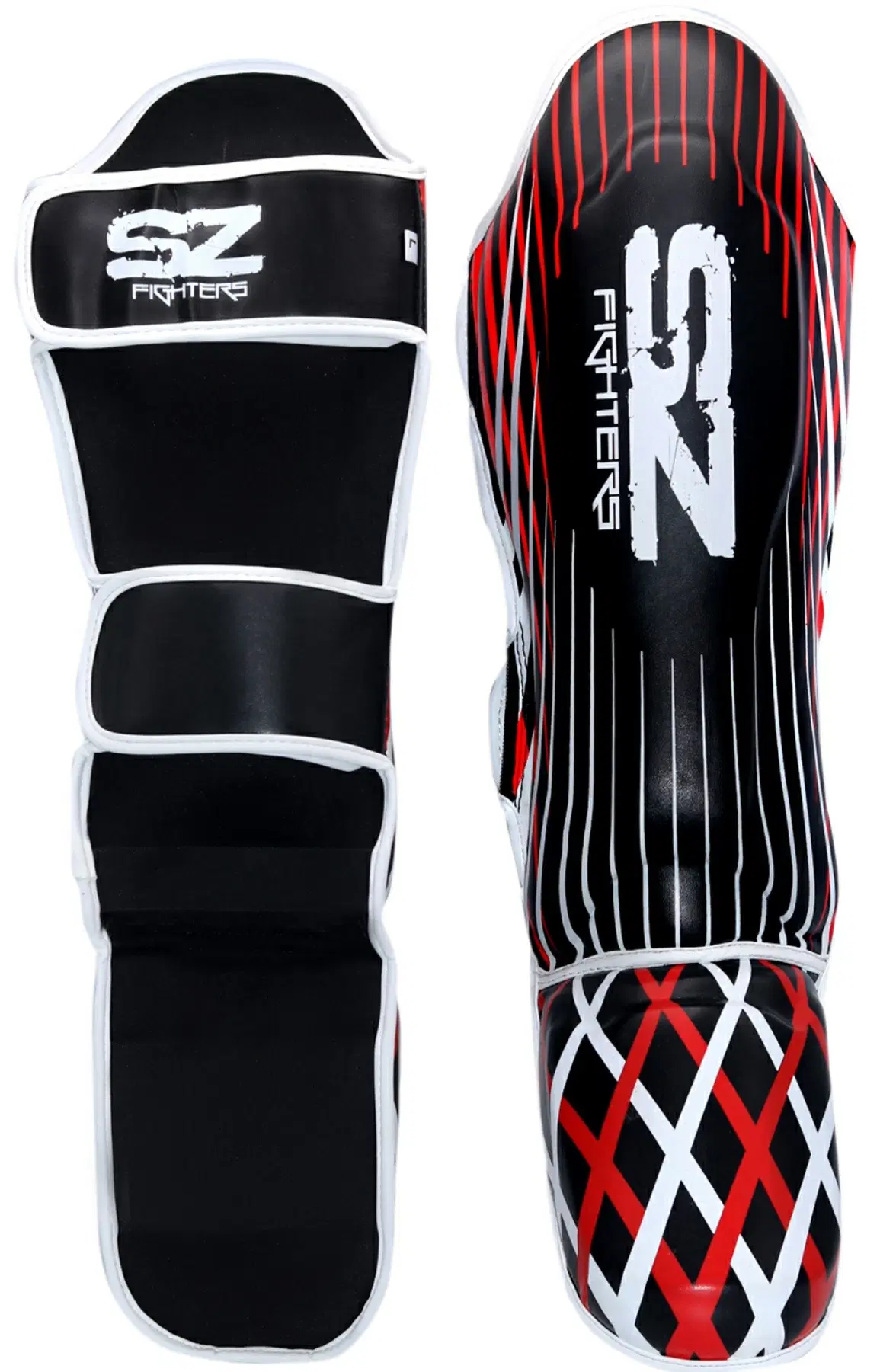 SZ Fighters – Тай Протектори за Крака Plasma – Red – 30.43 €
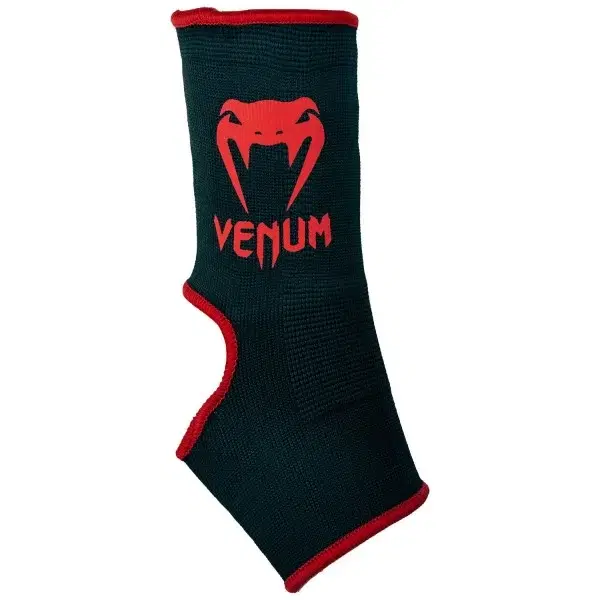 Наглезенки - Venum Kontact Ankle Support Guard - Black/Red – 15.34 €
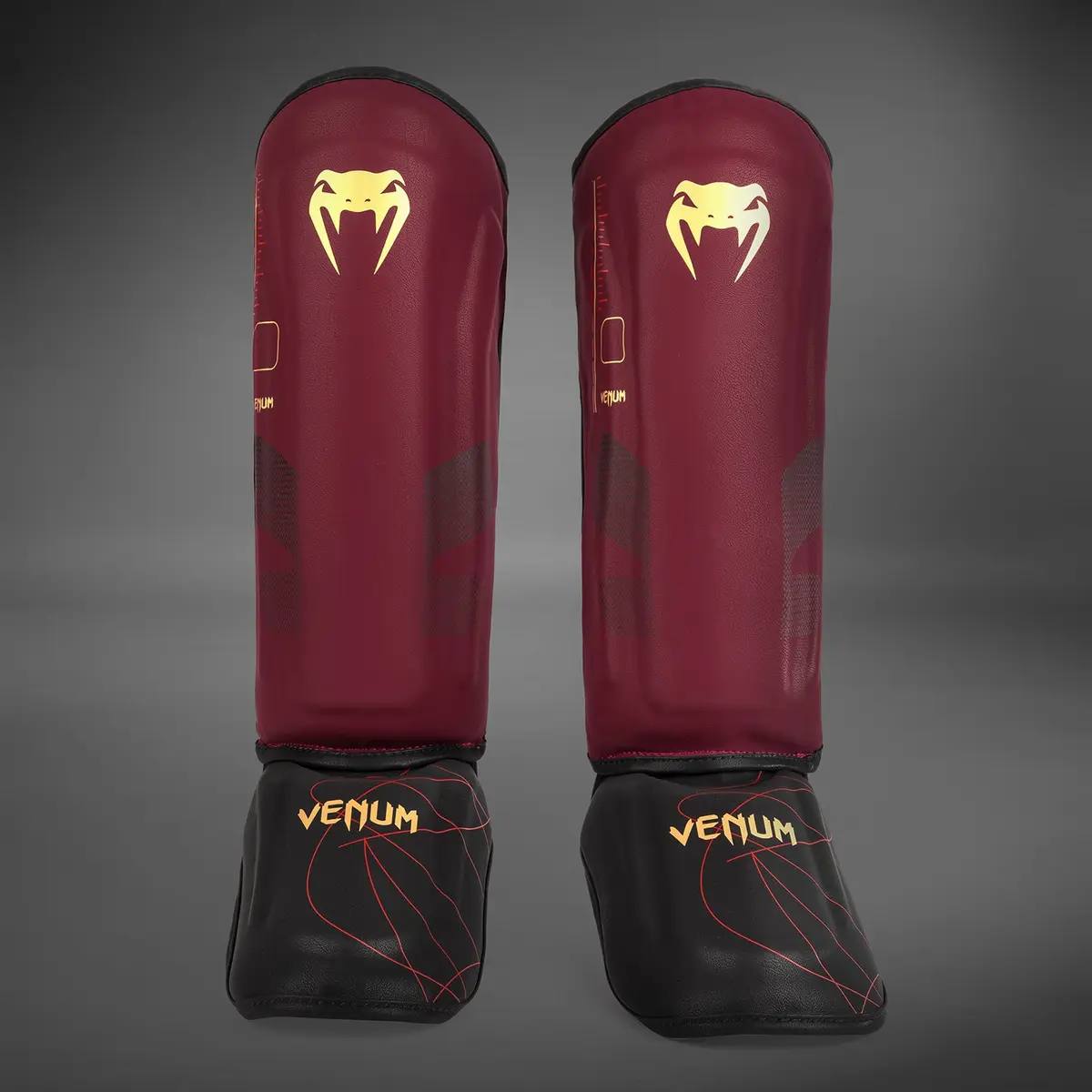 Venum Tactical XT Shinguards - Black/Burgundy/Gold – 90.66 €
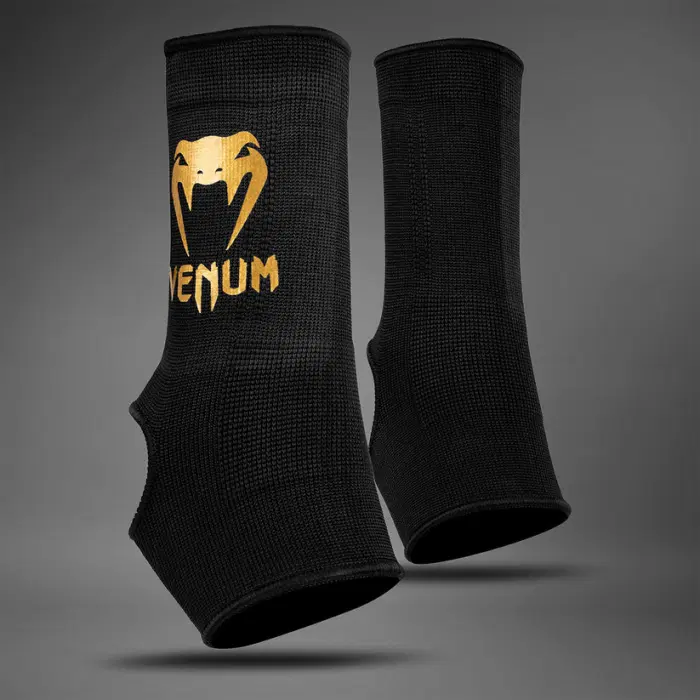 НАГЛЕЗЕНКИ - Venum Kontact Ankle Support Guard - Black/Gold – 29.00 €
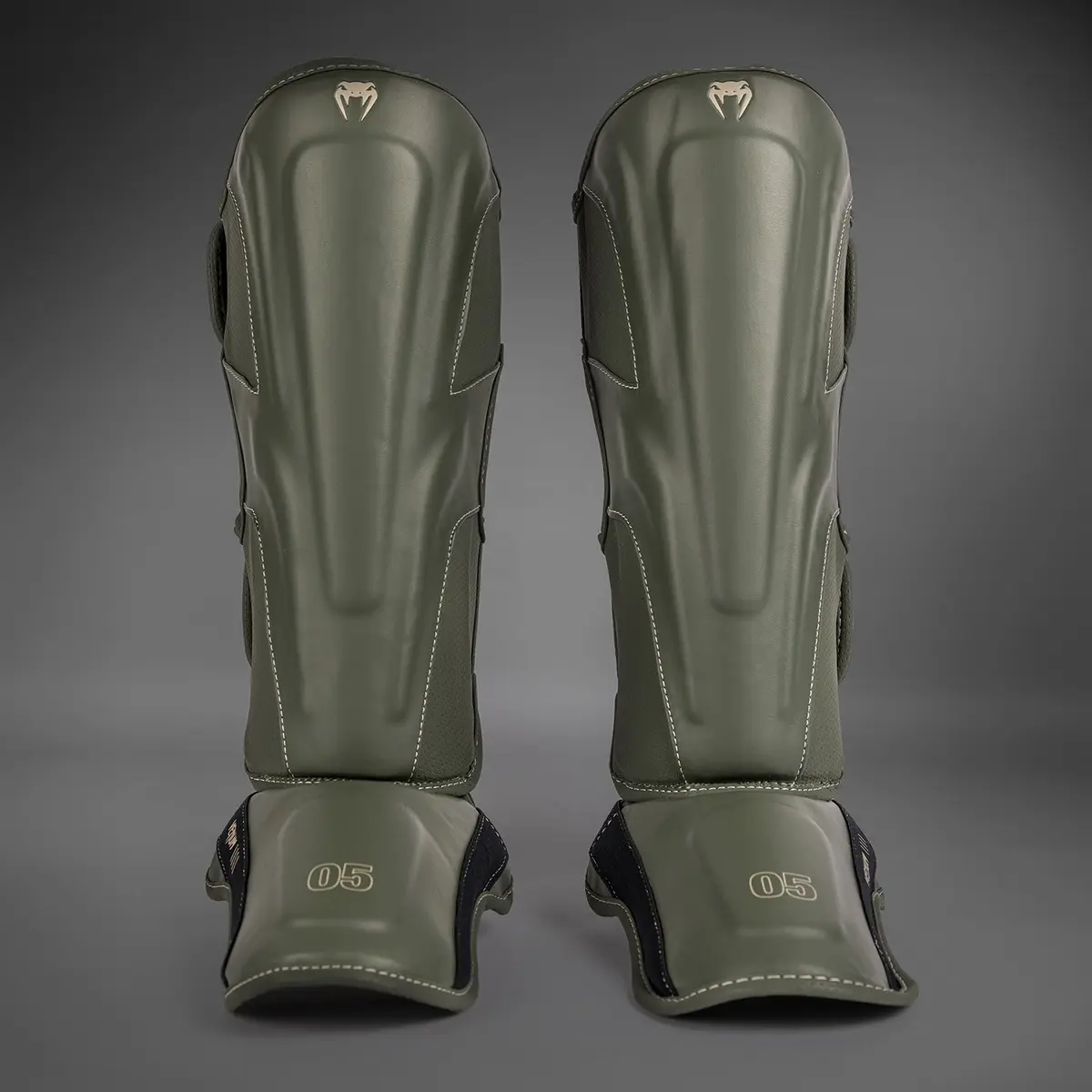 Venum Impact Evo Shin Guards - Military Green – 181.30 €
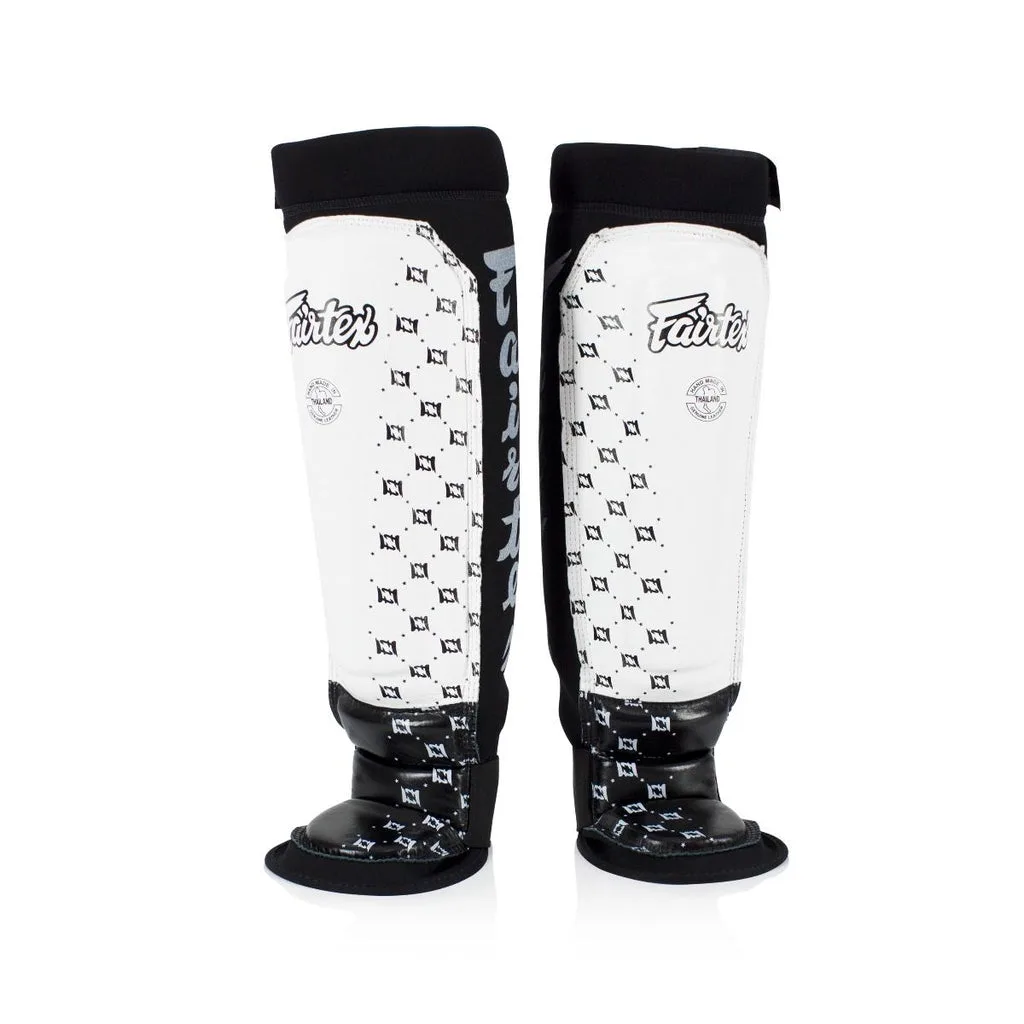 Fairtex Neoprene Shin Guards SP6 — White/Black – 60.90 €
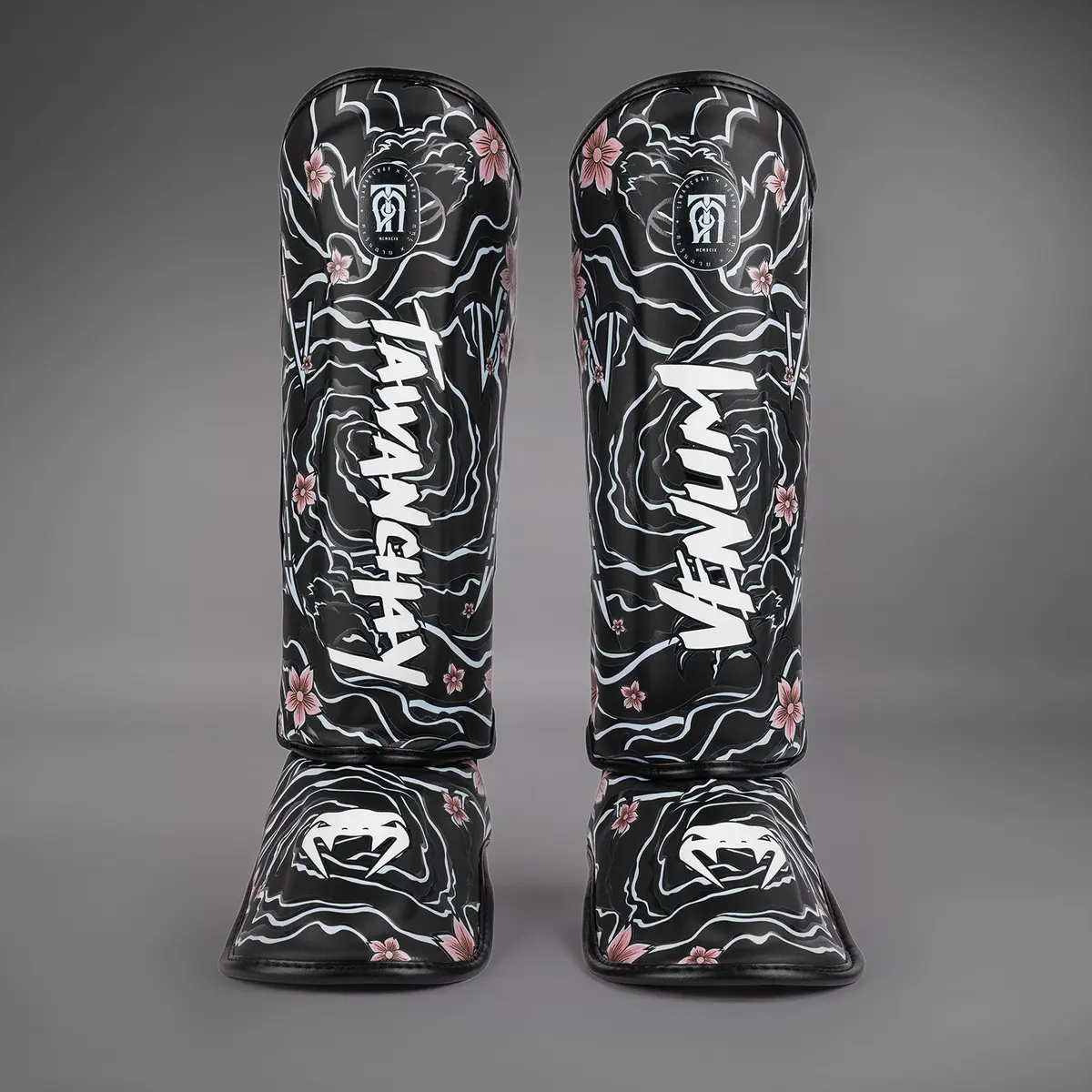 Venum x Tawanchay Shinguards Black/White – 158.64 €
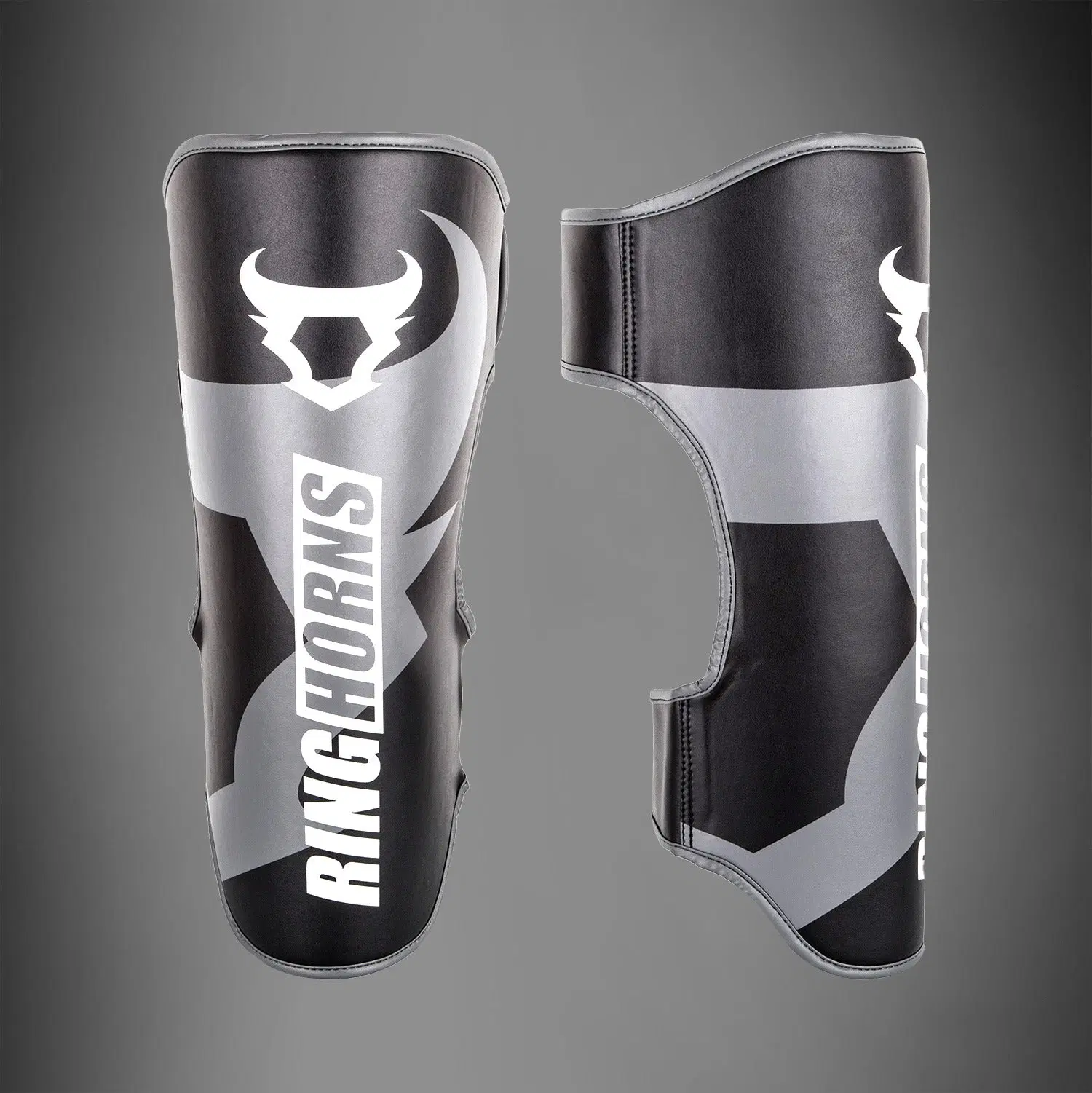 Ringhorns Charger by Venum Shin Guards - Black – 48.97 €
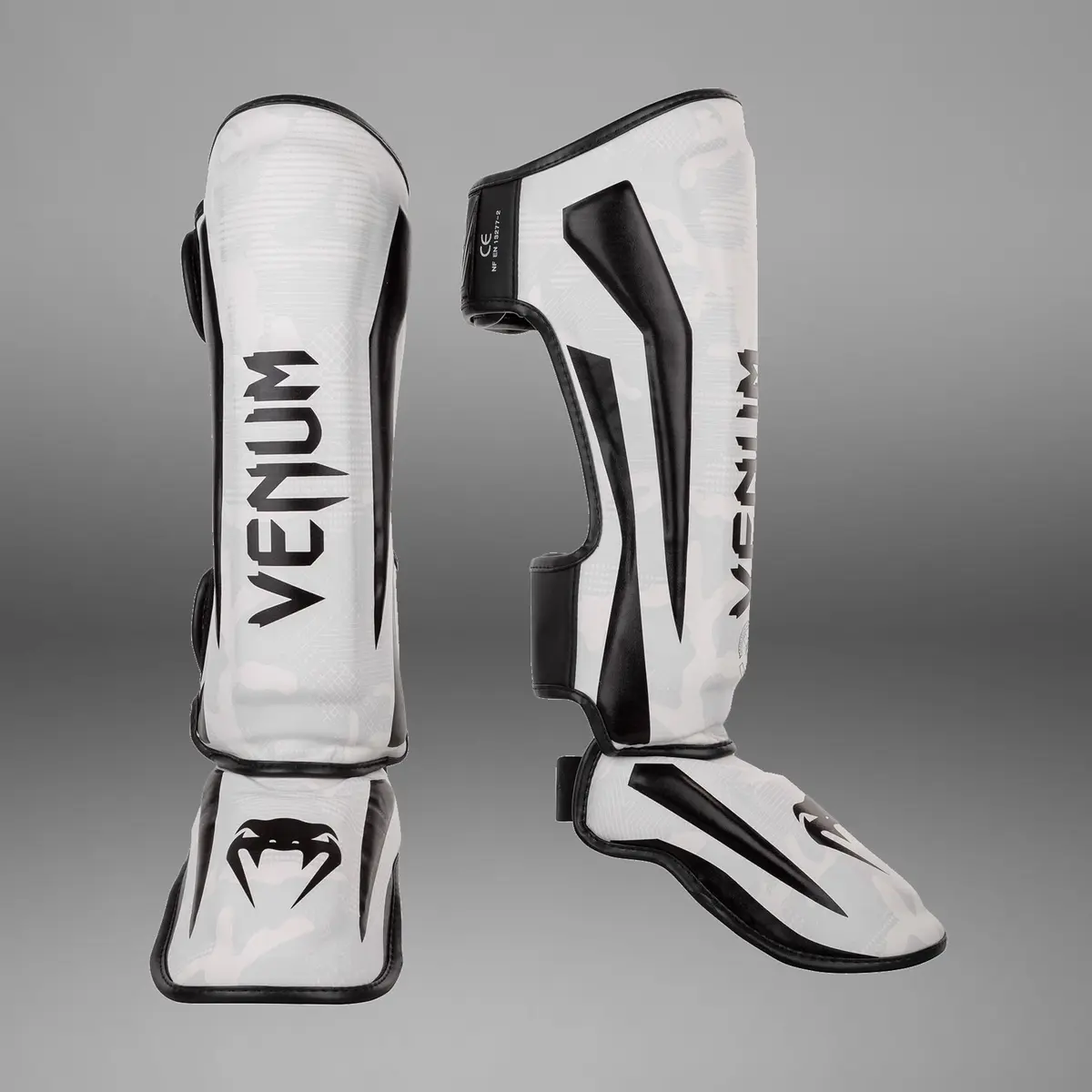 Venum Elite Shin Guards - White Camo – 181.30 €
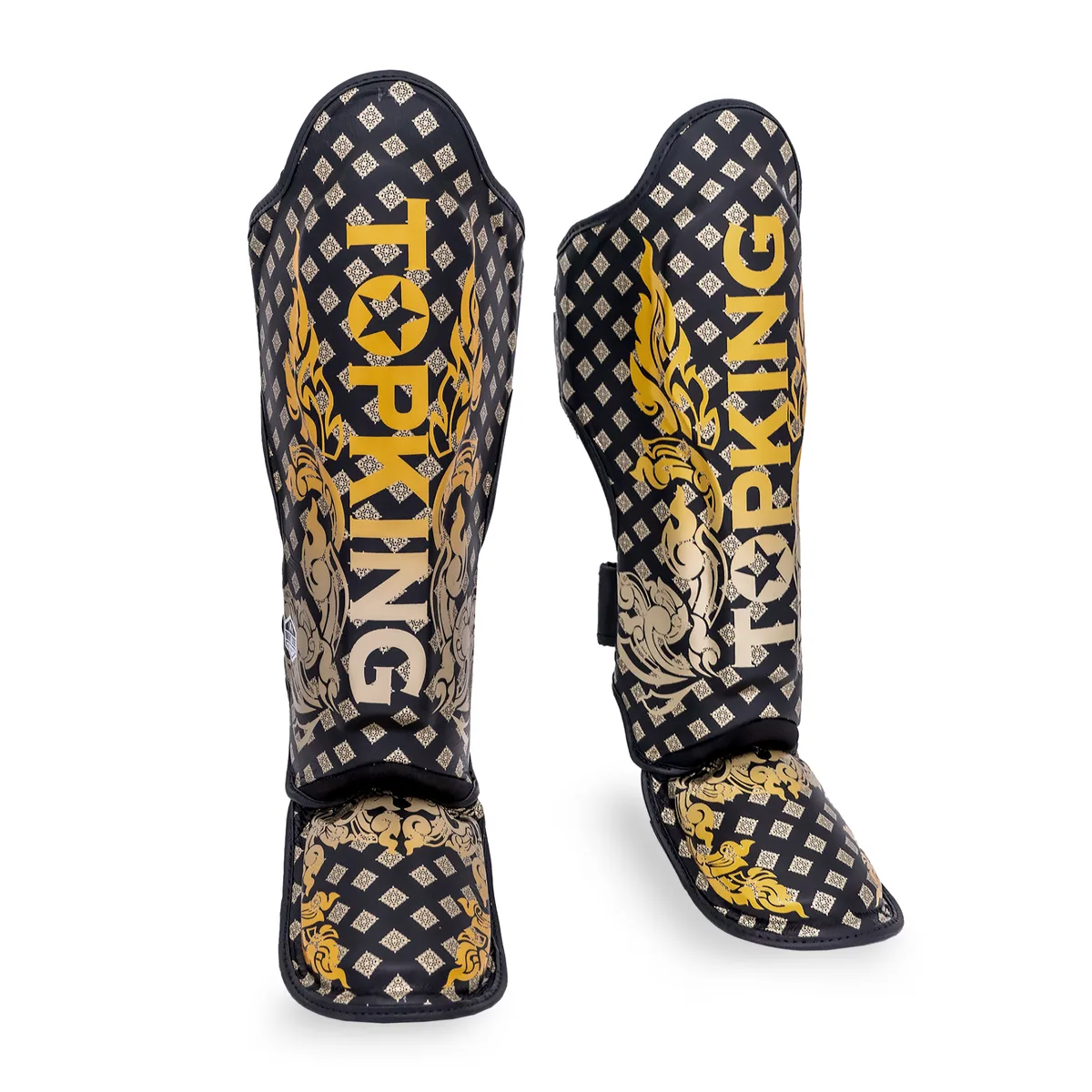 TOPKING SHIN GUARDS BLACK KANOK2
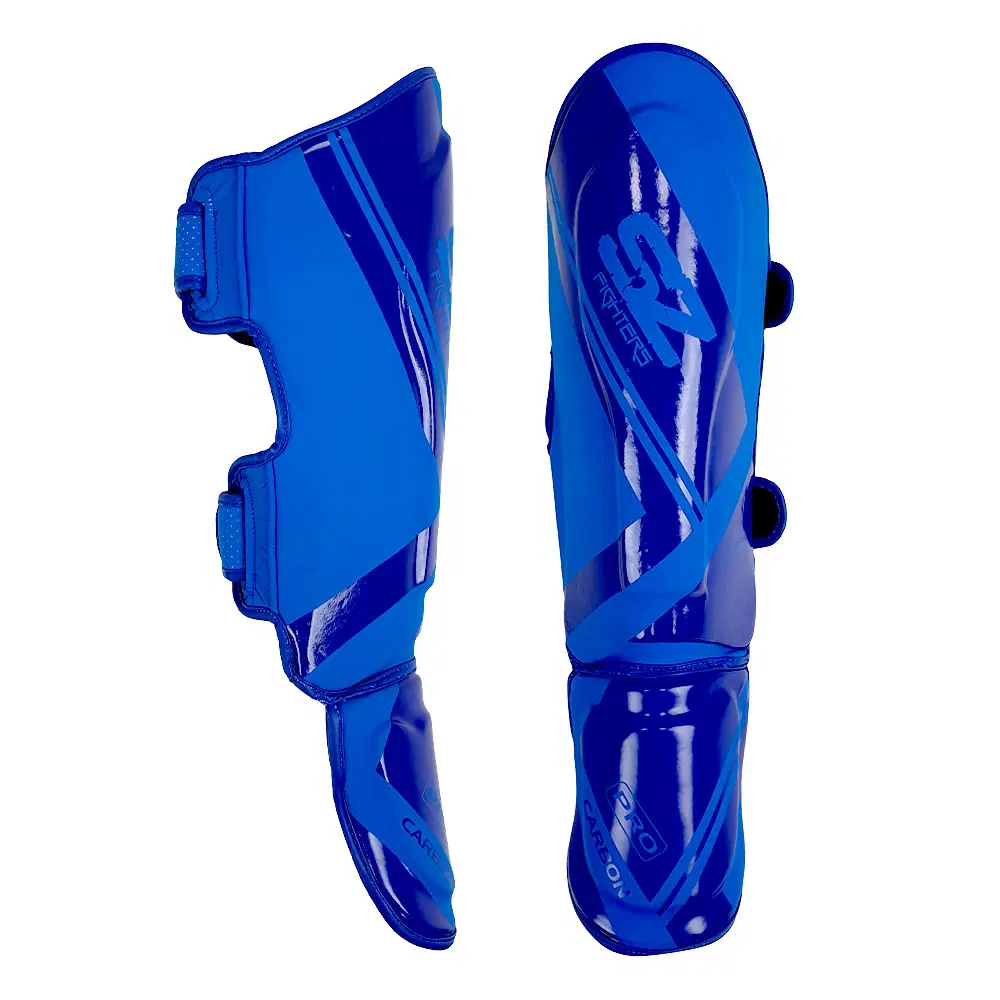 SZ Fighters – Тай Протектори за Крака Indigo – Blue Matt – 33.28 €
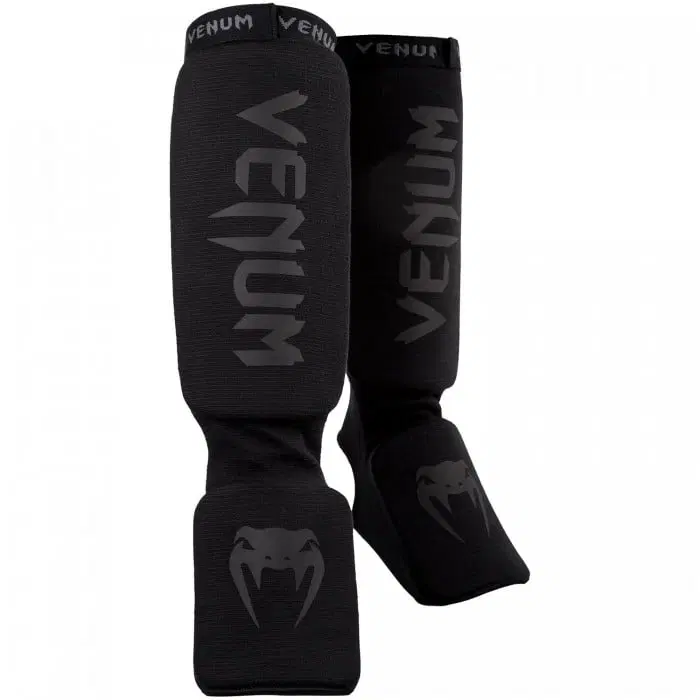 Протектори за Крака - VENUM KONTACT SHINGUARDS - COTTON / BLACK / BLACK – 60.00 €
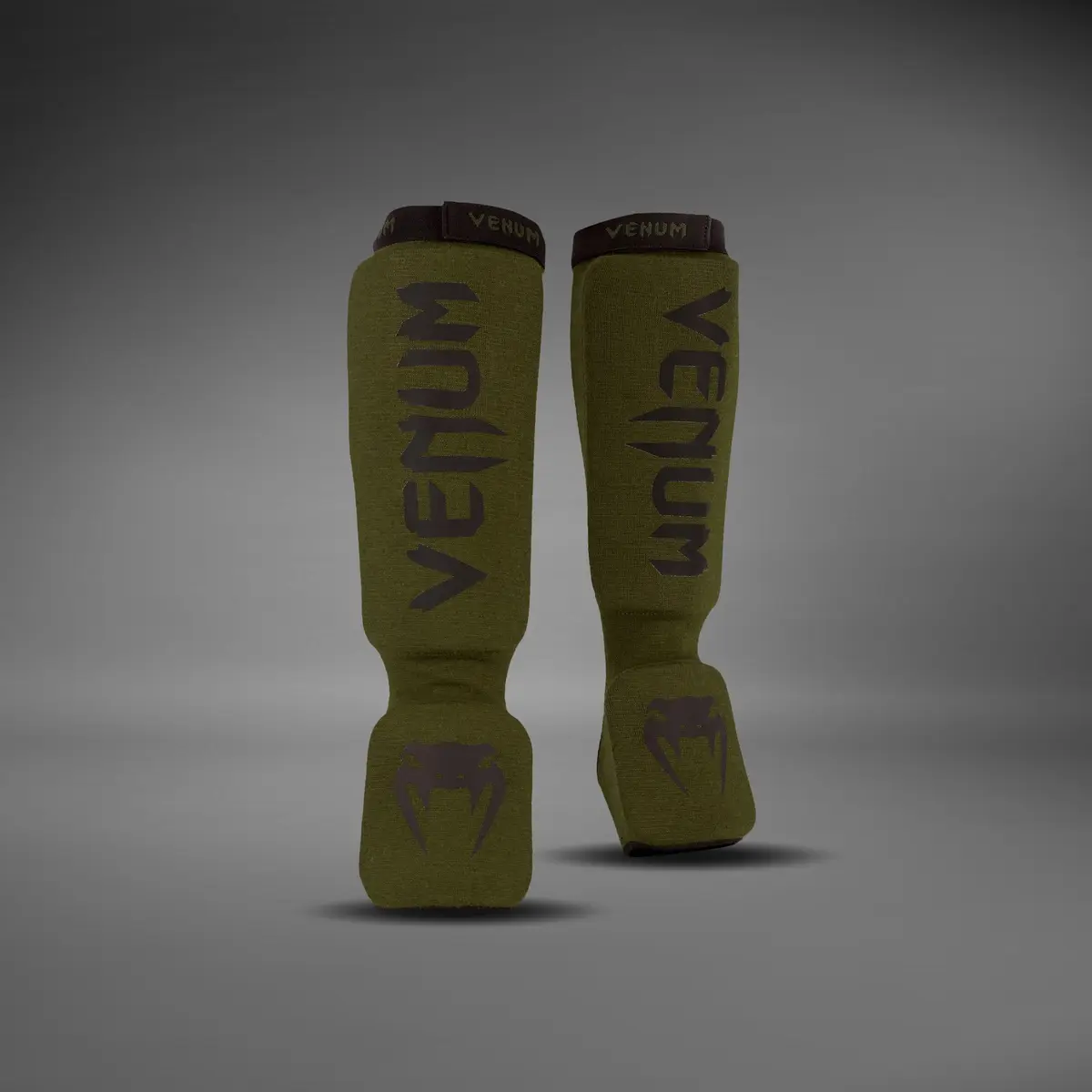 Venum Kontact Shin Guards - Khaki/Black – 40.78 €
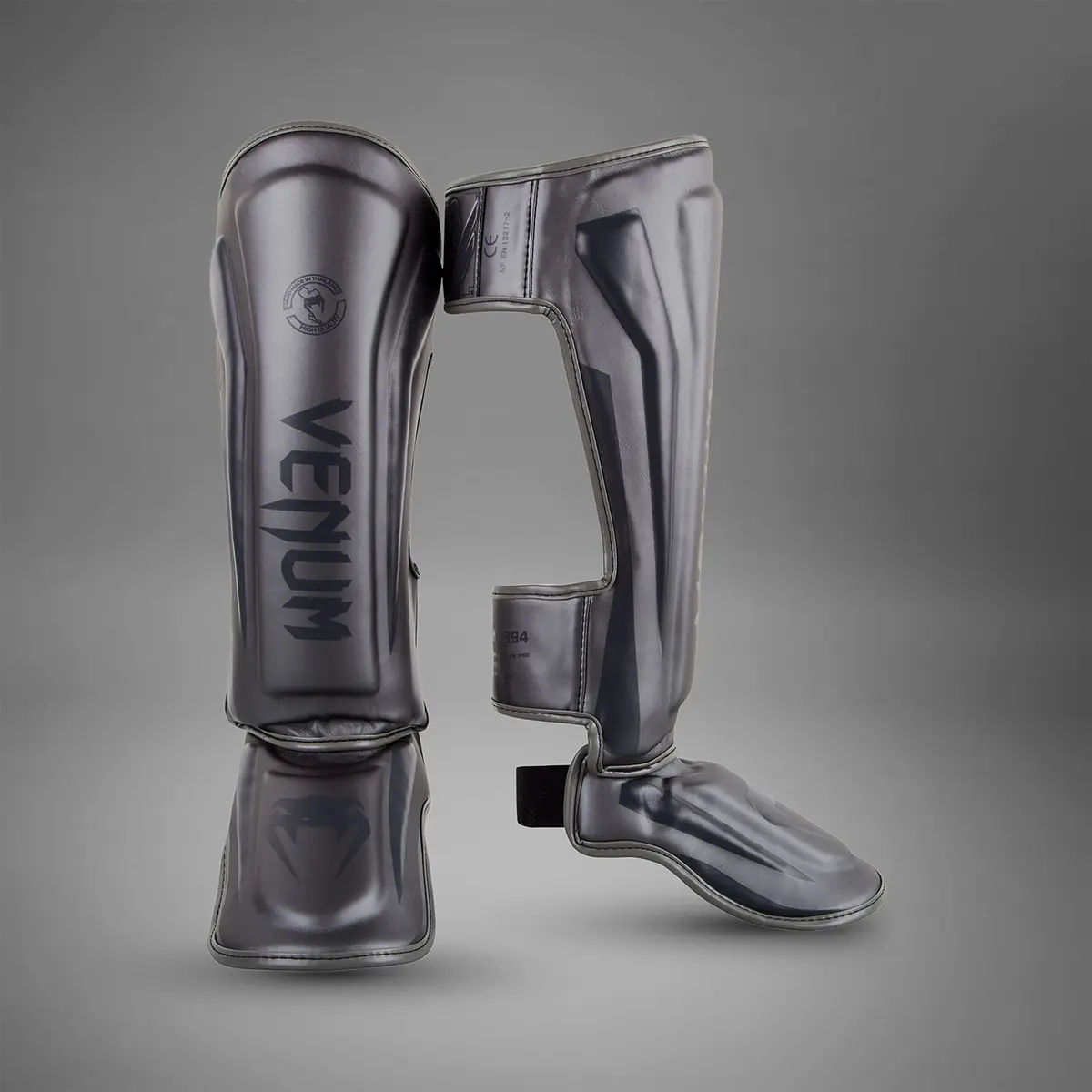 Venum Elite Standup Shinguards - Grey – 181.30 €
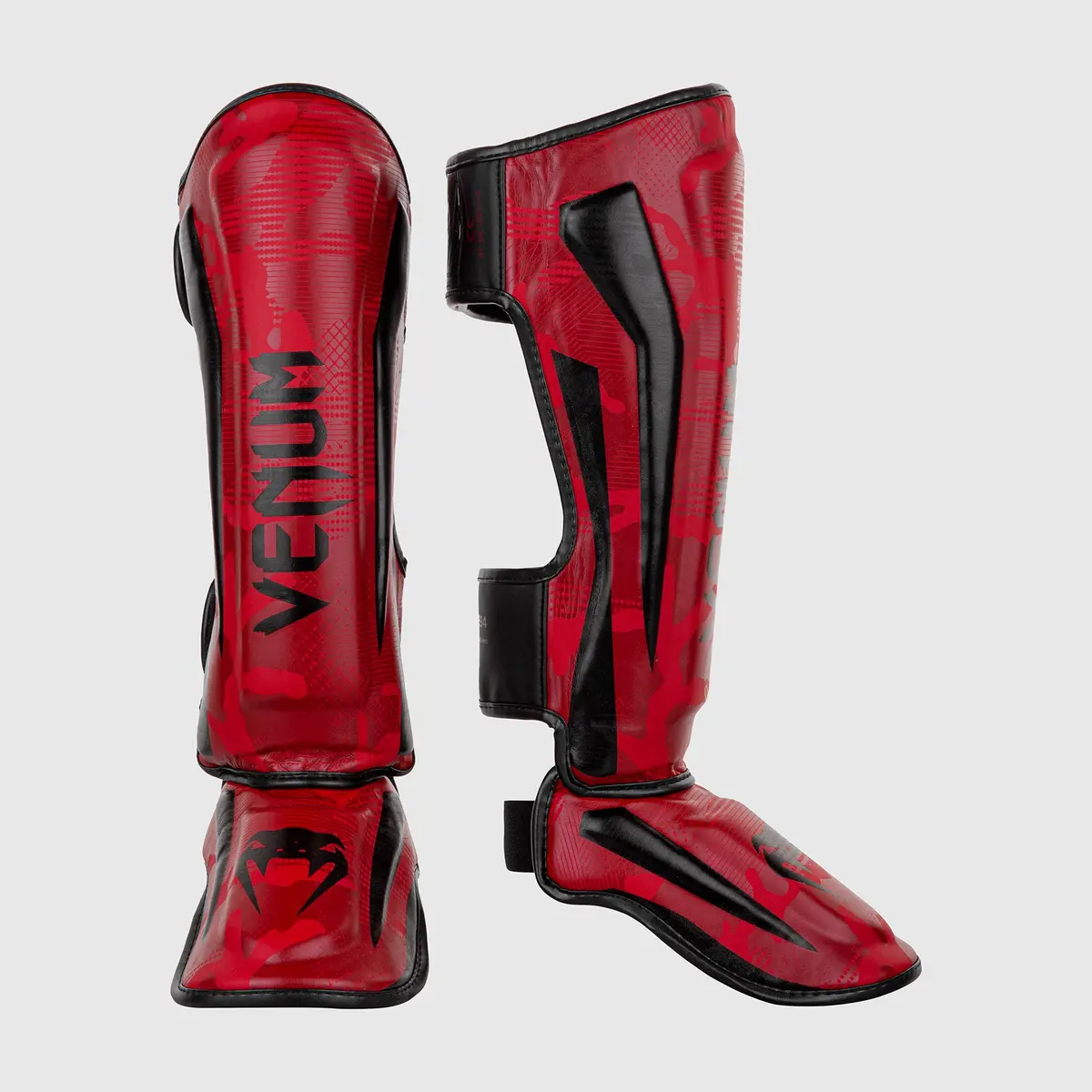 Venum Elite Shin Guard - Red Camo – 181.30 €
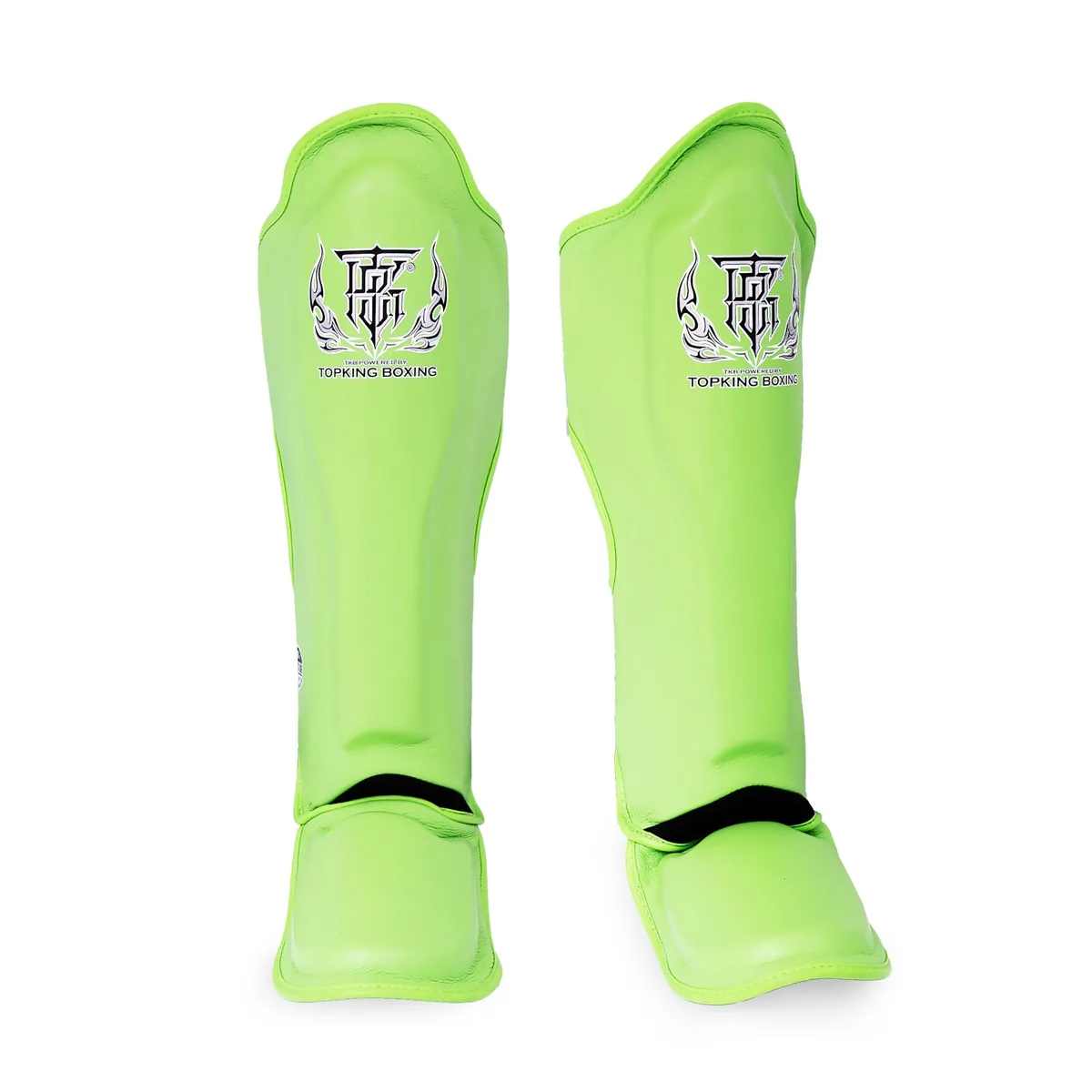 TOPKING SHIN GUARD GREEN “ PRO ” GENUINE LEATHER
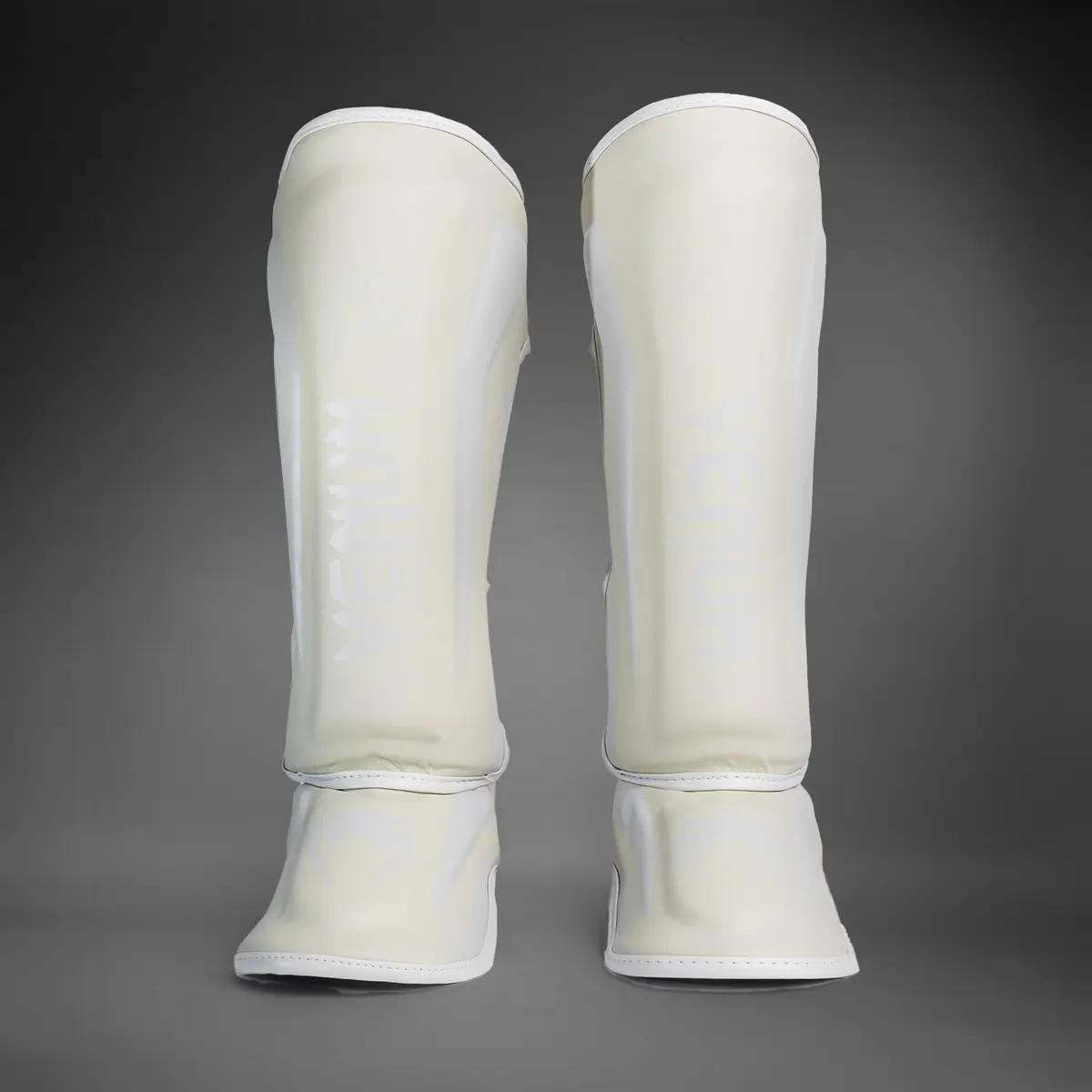 Venum Elite Standup Shinguards - White – 181.30 €
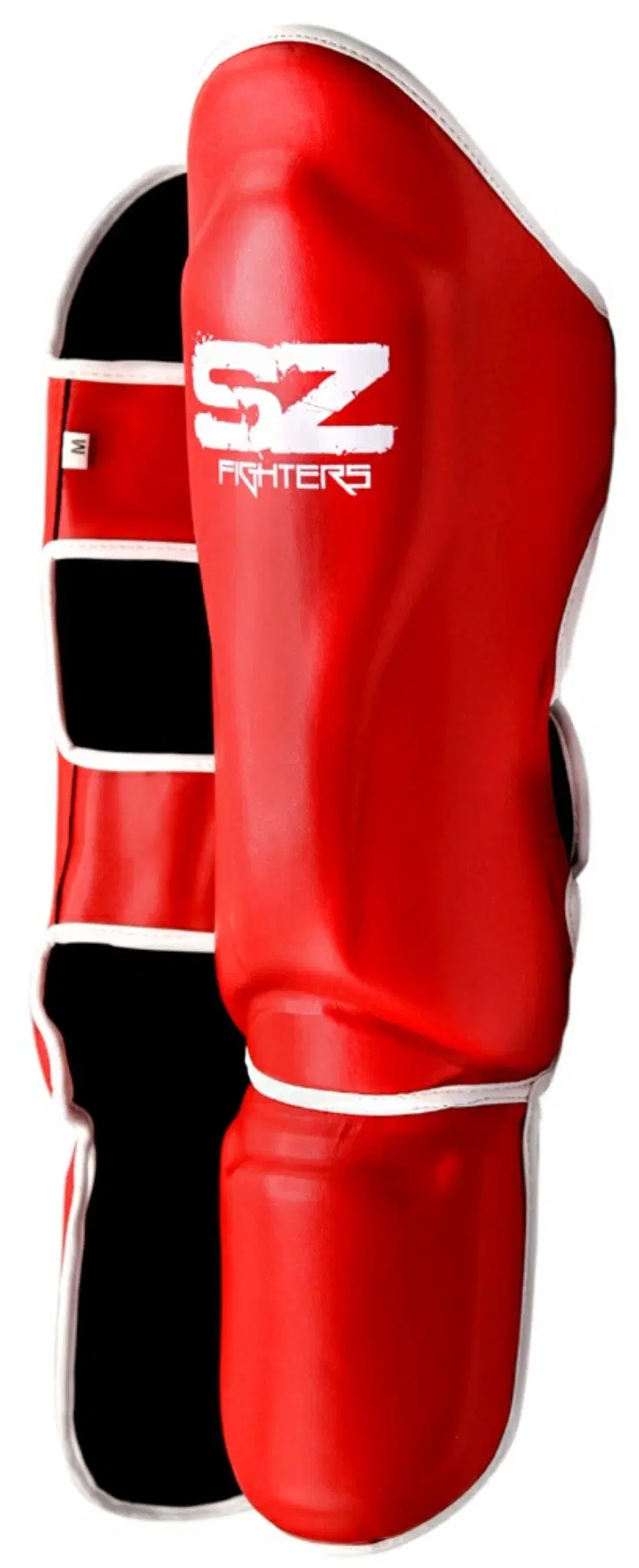 SZ Fighters – Тай Протектори за крака – Red – 30.43 €
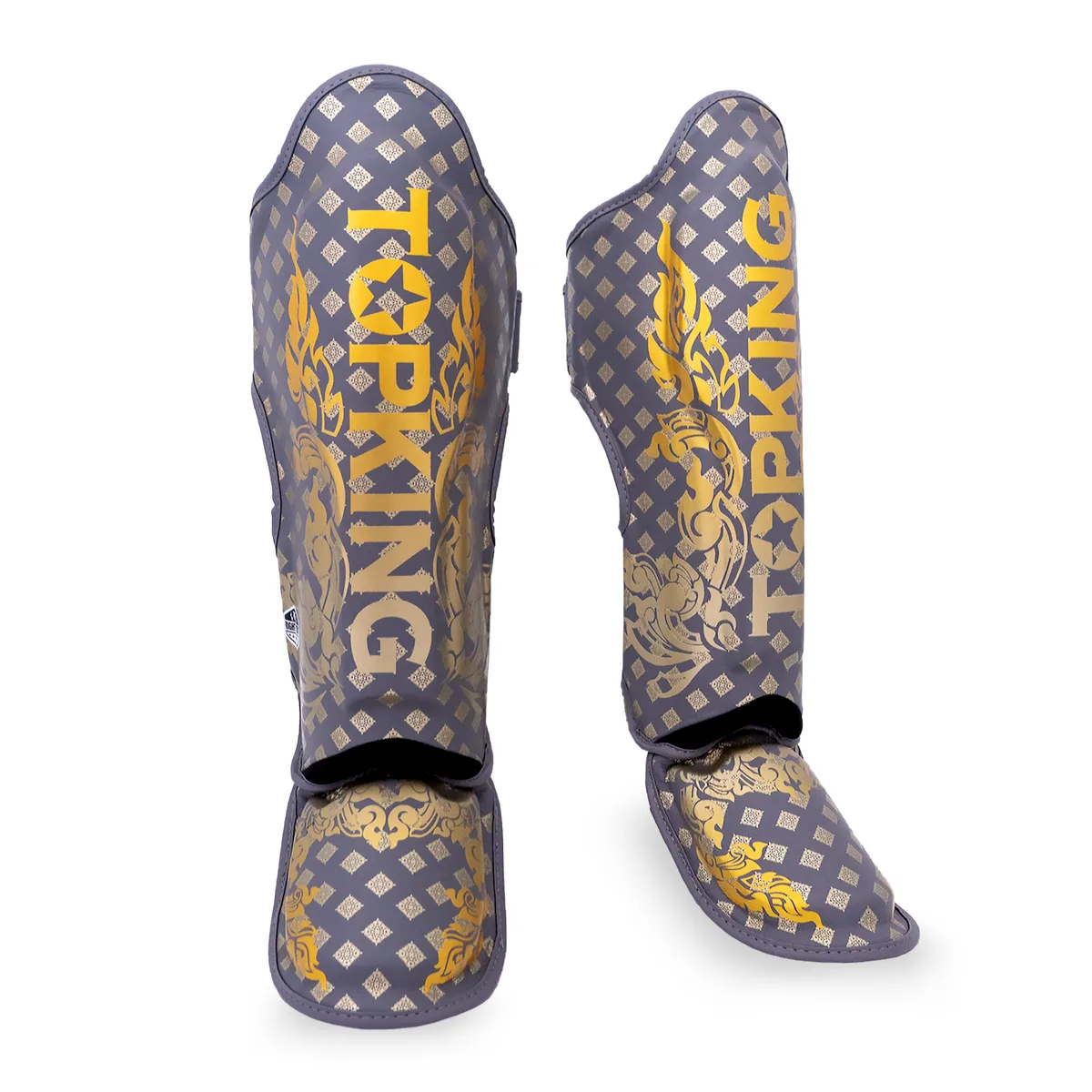 TOPKING SHIN GUARDS GREY KANOK2
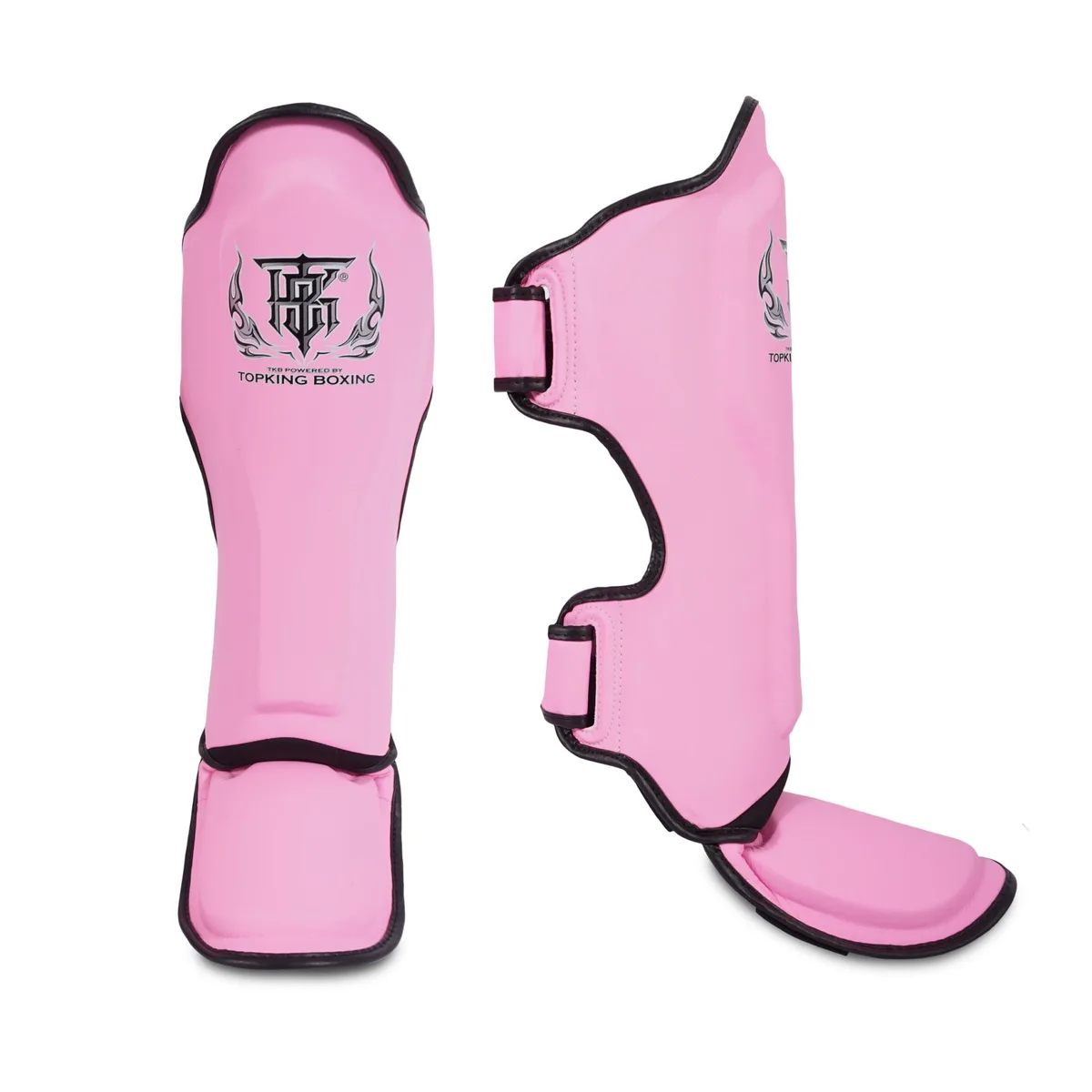 TOPKING SHIN GUARD PINK BLACK “ PRO ” GENUINE LEATHER
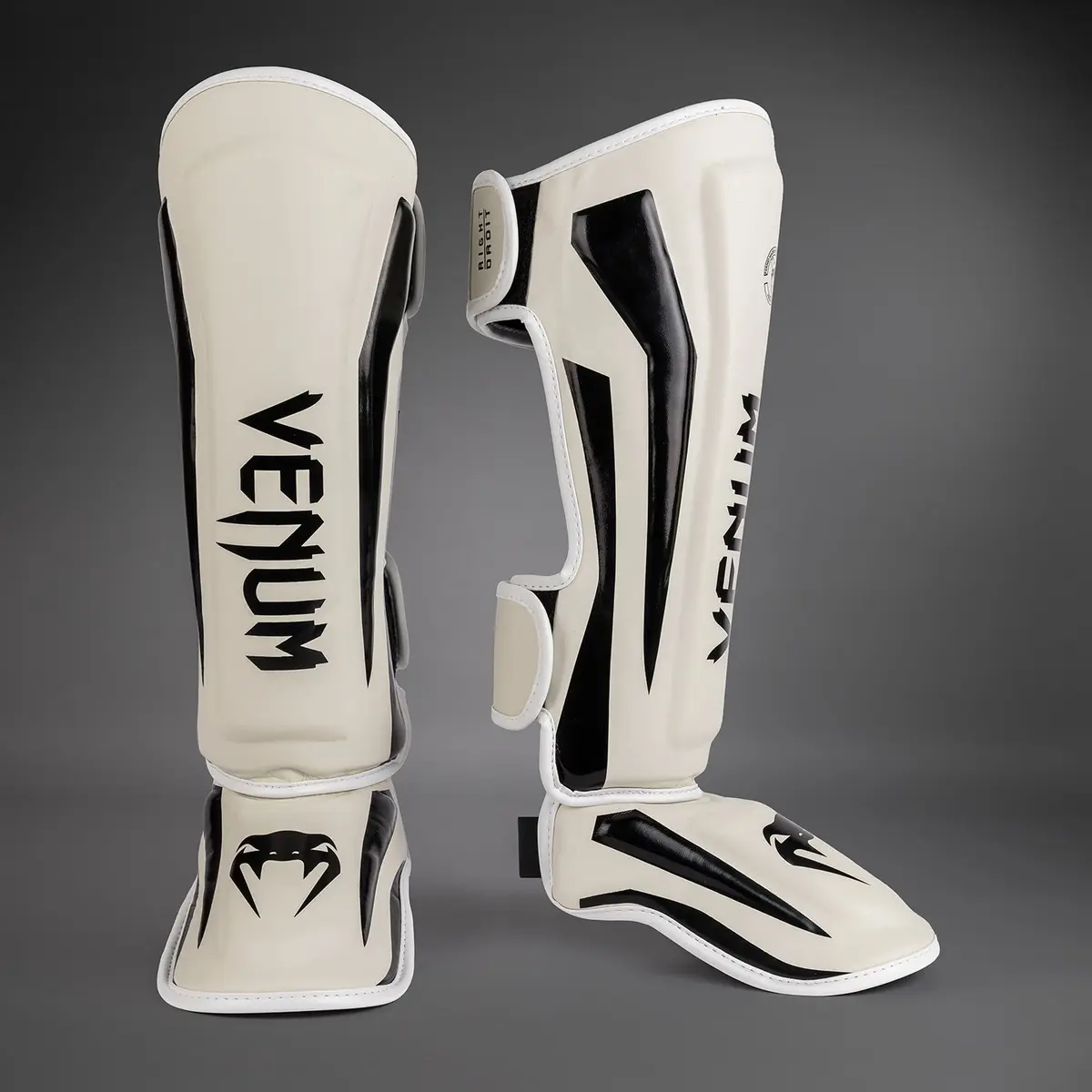 Venum Elite Standup Shinguards - White/Black – 181.30 €
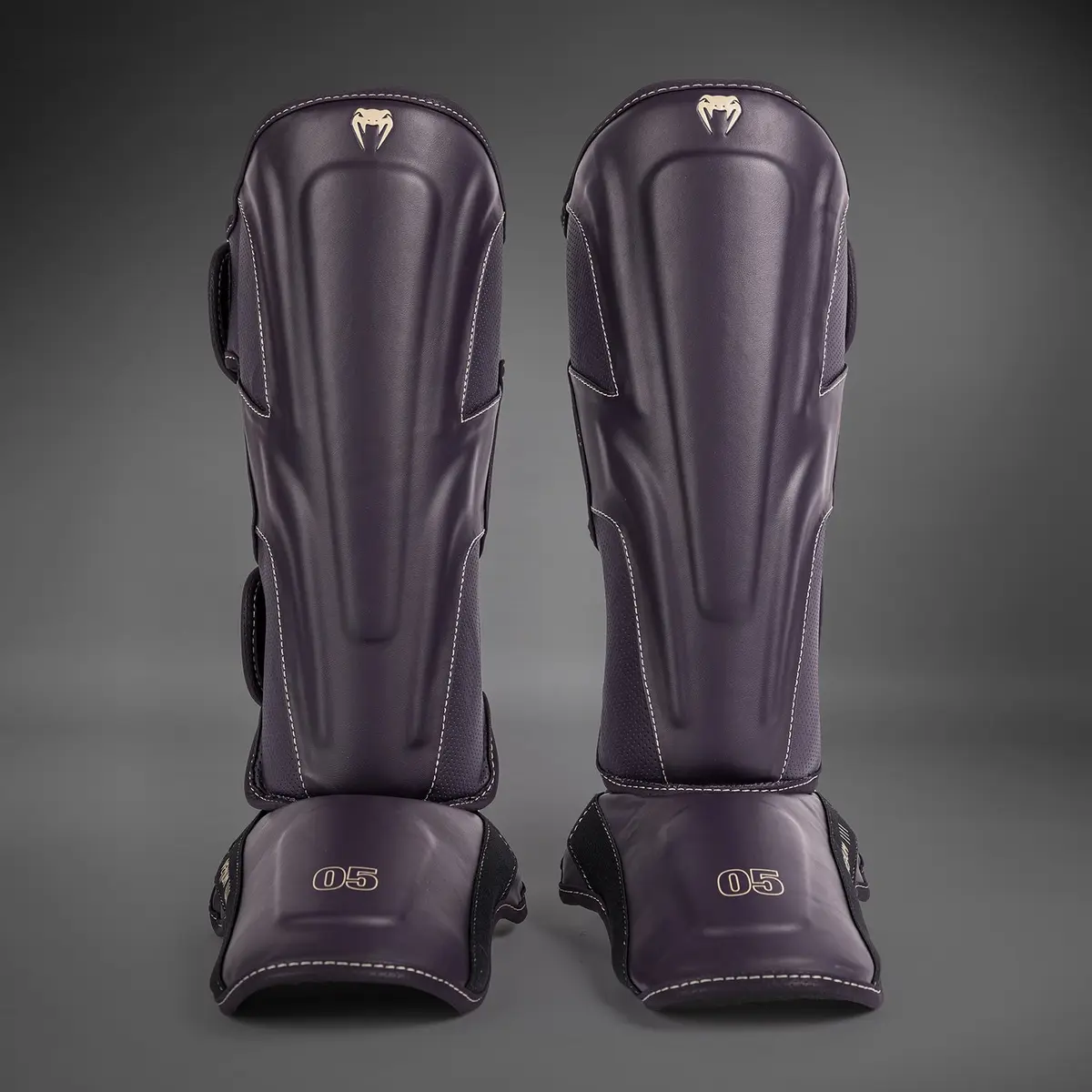 Venum Impact Evo Shin Guards - Deep Purple – 181.30 €
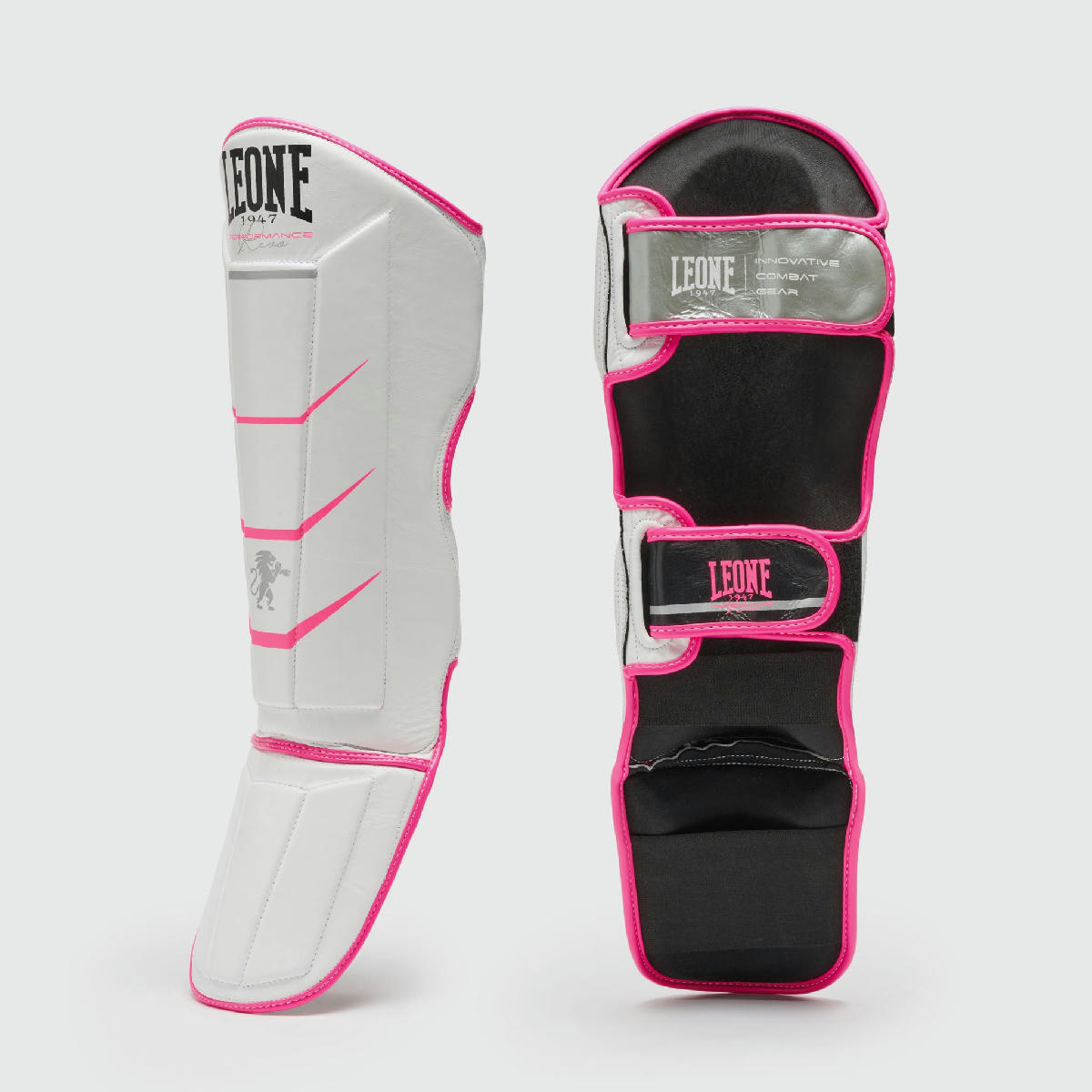 Leone 1947 Revo Fluo Shin Guards - White – 65.01 €
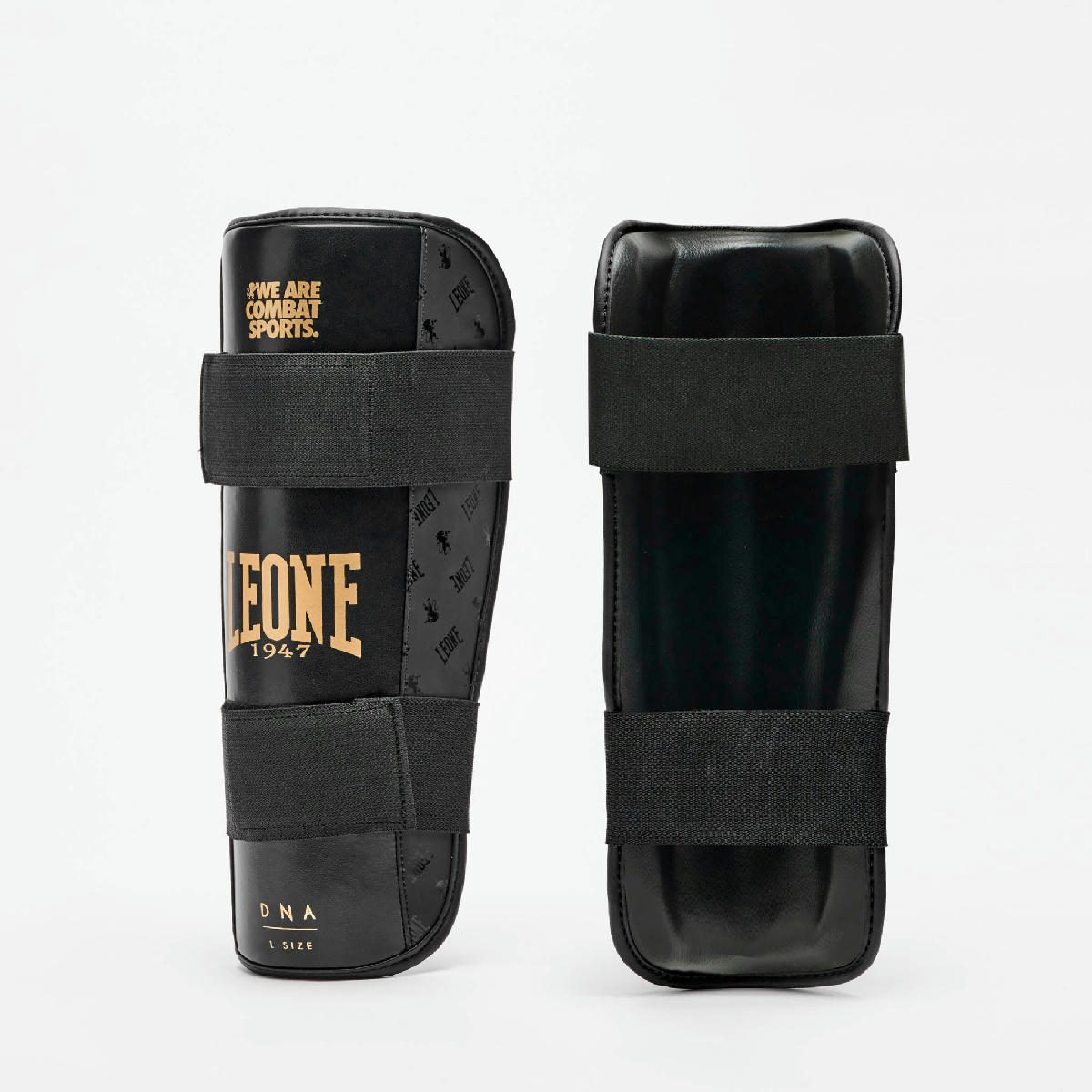 Leone 1947 DNA Shin Guards PT188 – 30.60 €
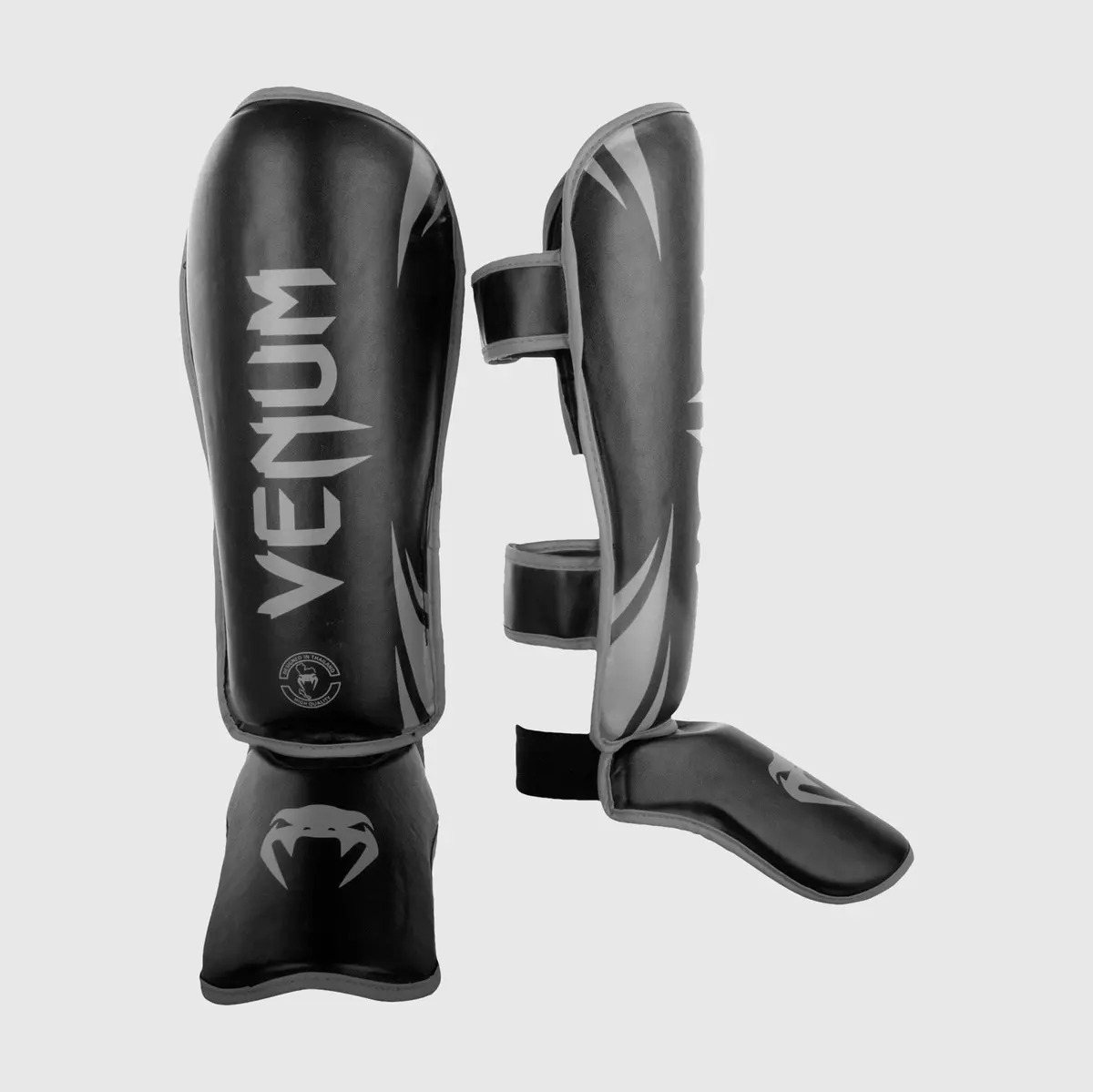 Venum Challenger Standup Shin guards - Black/Grey – 90.64 €
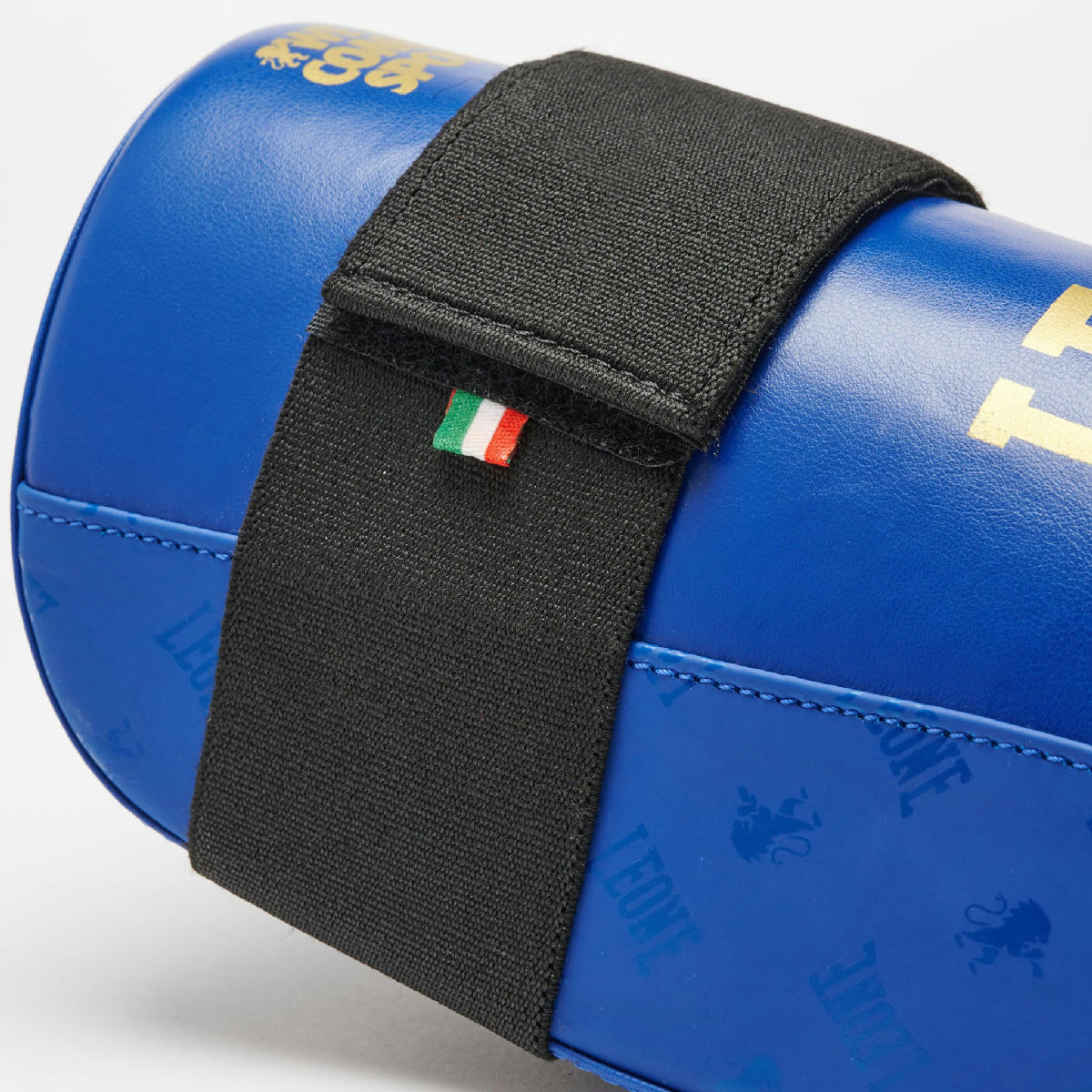 Leone 1947 DNA Shin Guards PT188 - Blue – 30.60 €
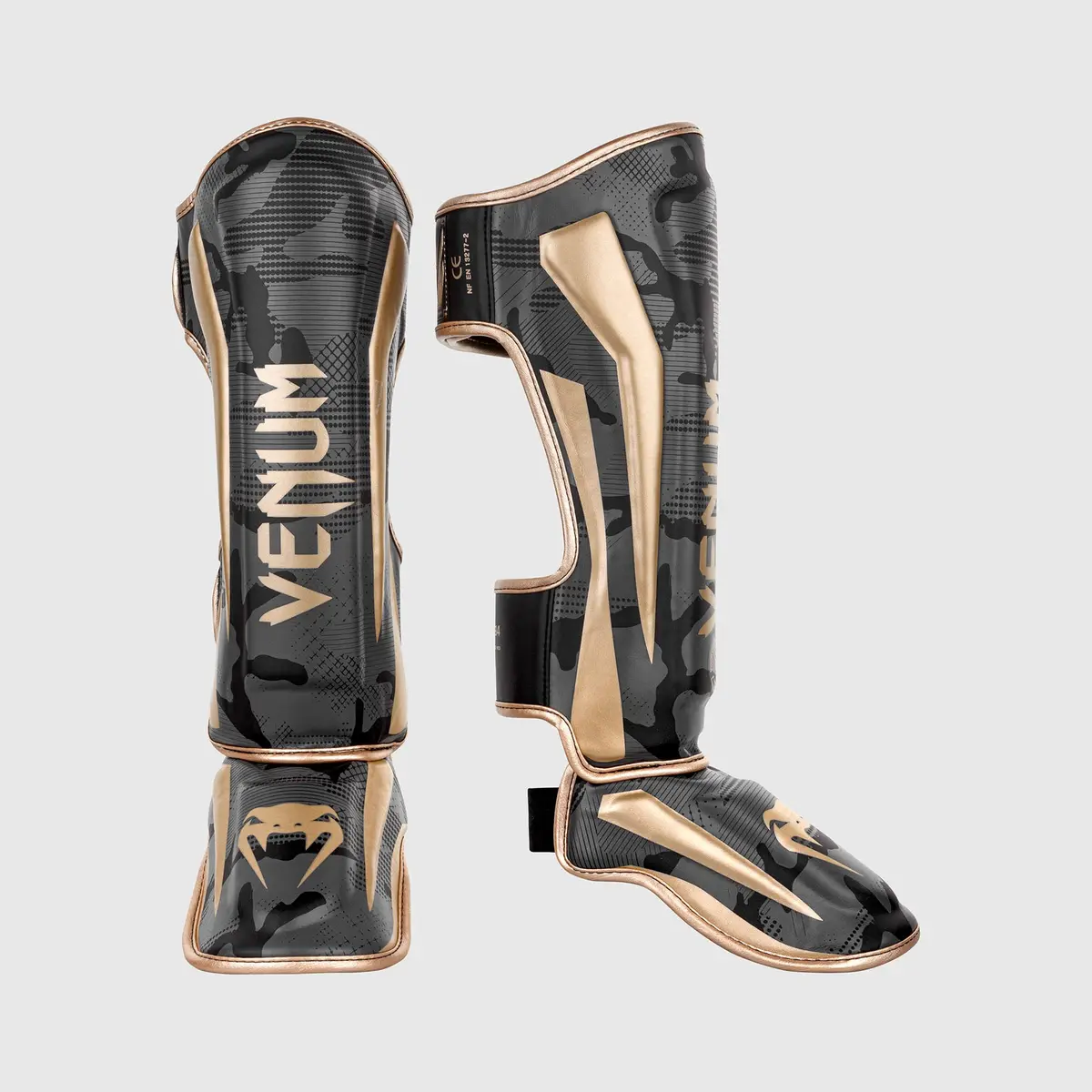 Venum Elite Shin Guard - Gold Camo – 181.30 €
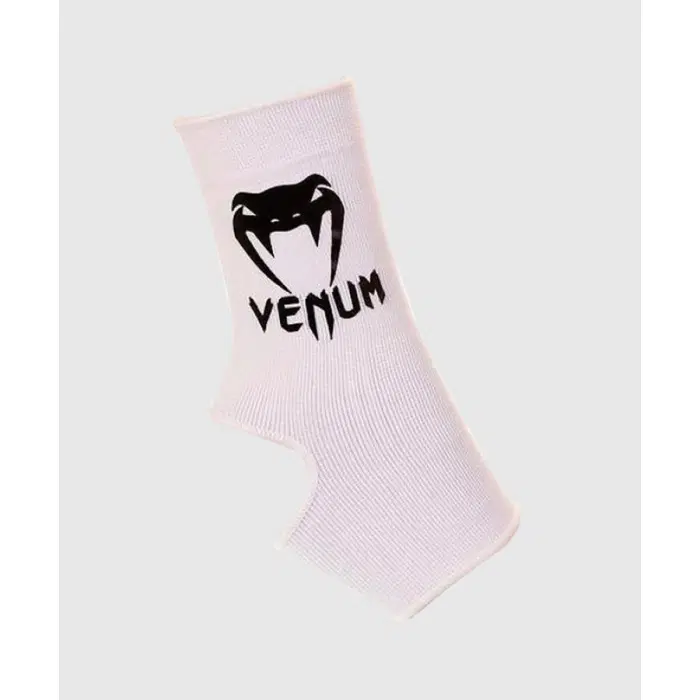 Наглезенки - Venum Kontact Ankle Support Guard - White – 13.80 €
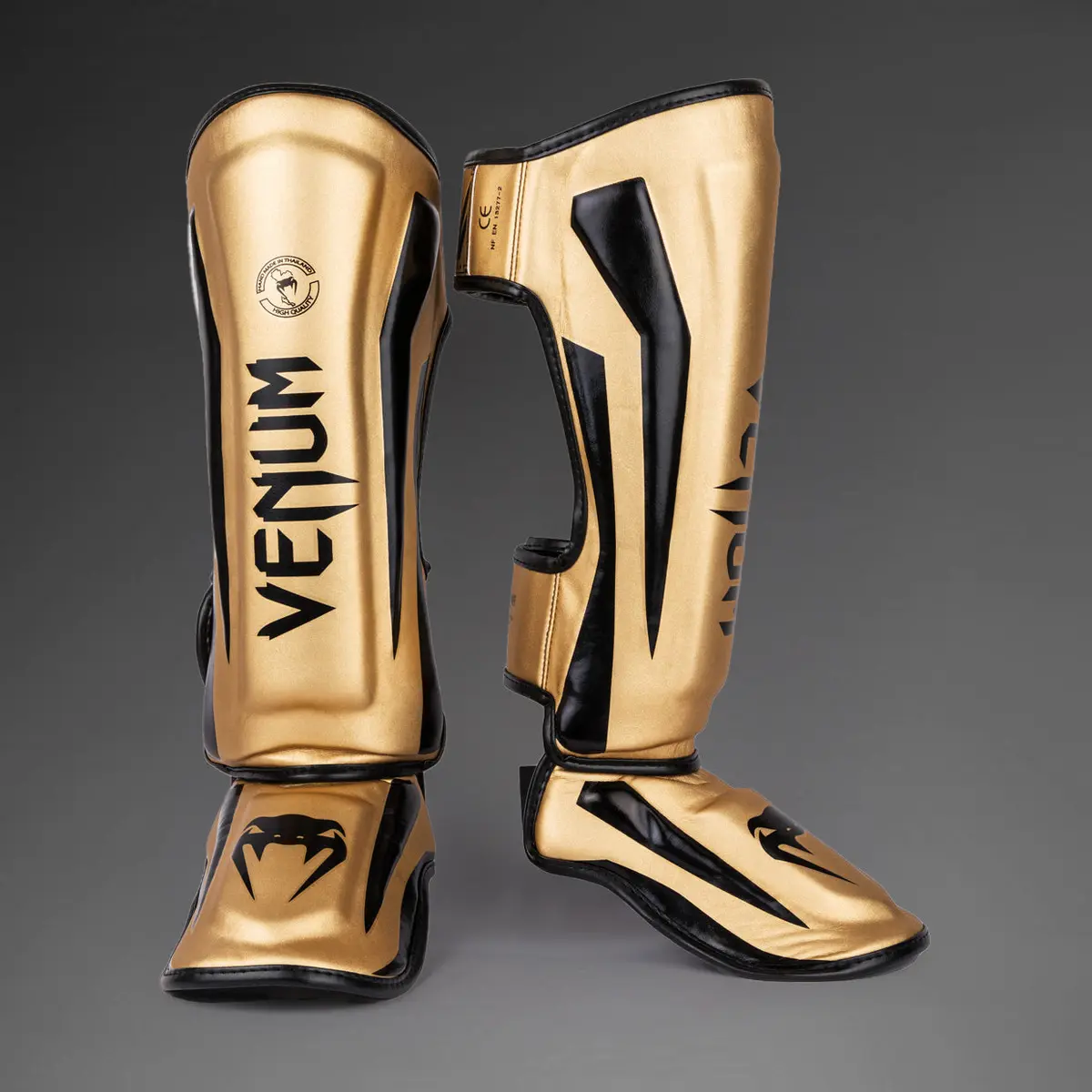 Venum Elite Standup Shin guards - Gold/Black – 181.30 €
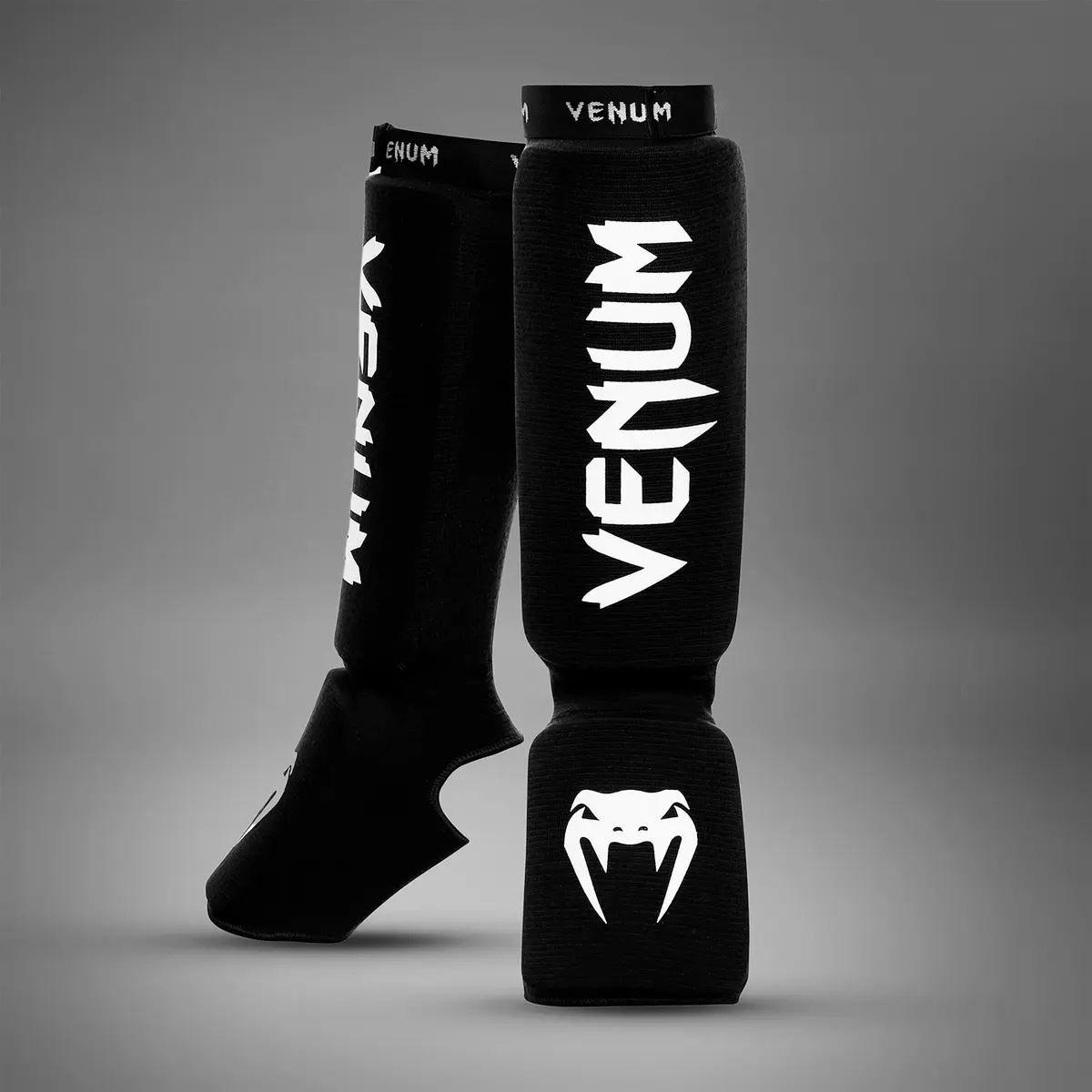 Venum Kontact Shin Guards - Black – 40.78 €
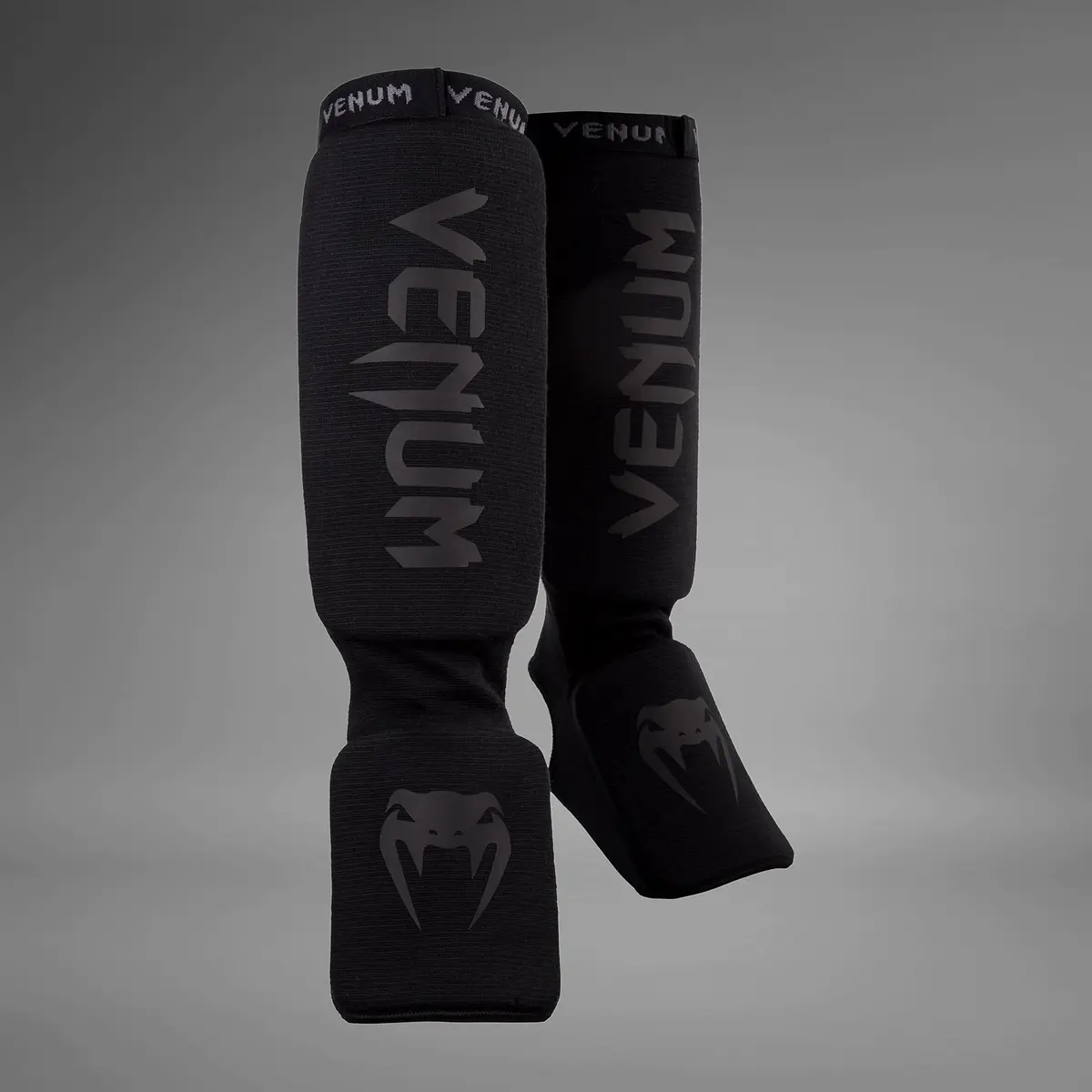 Venum Kontact Shin Guards - Black/Black – 40.78 €
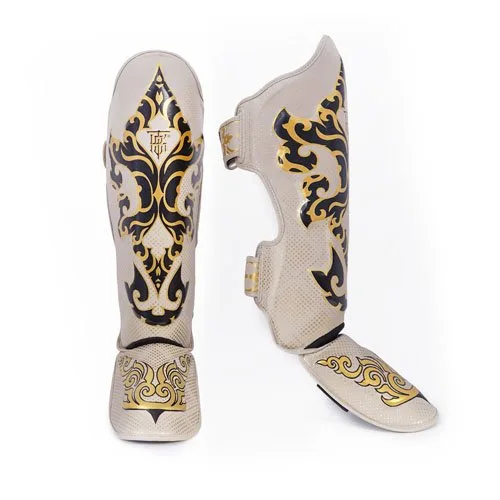 TOPKING SHIN GUARDS BEIGE KANOK
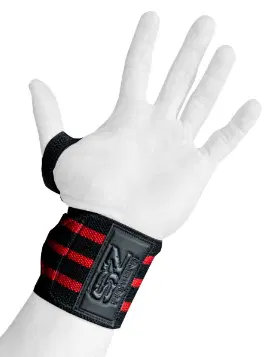 SZ Fighters – Накитник с палец – 4.75 €
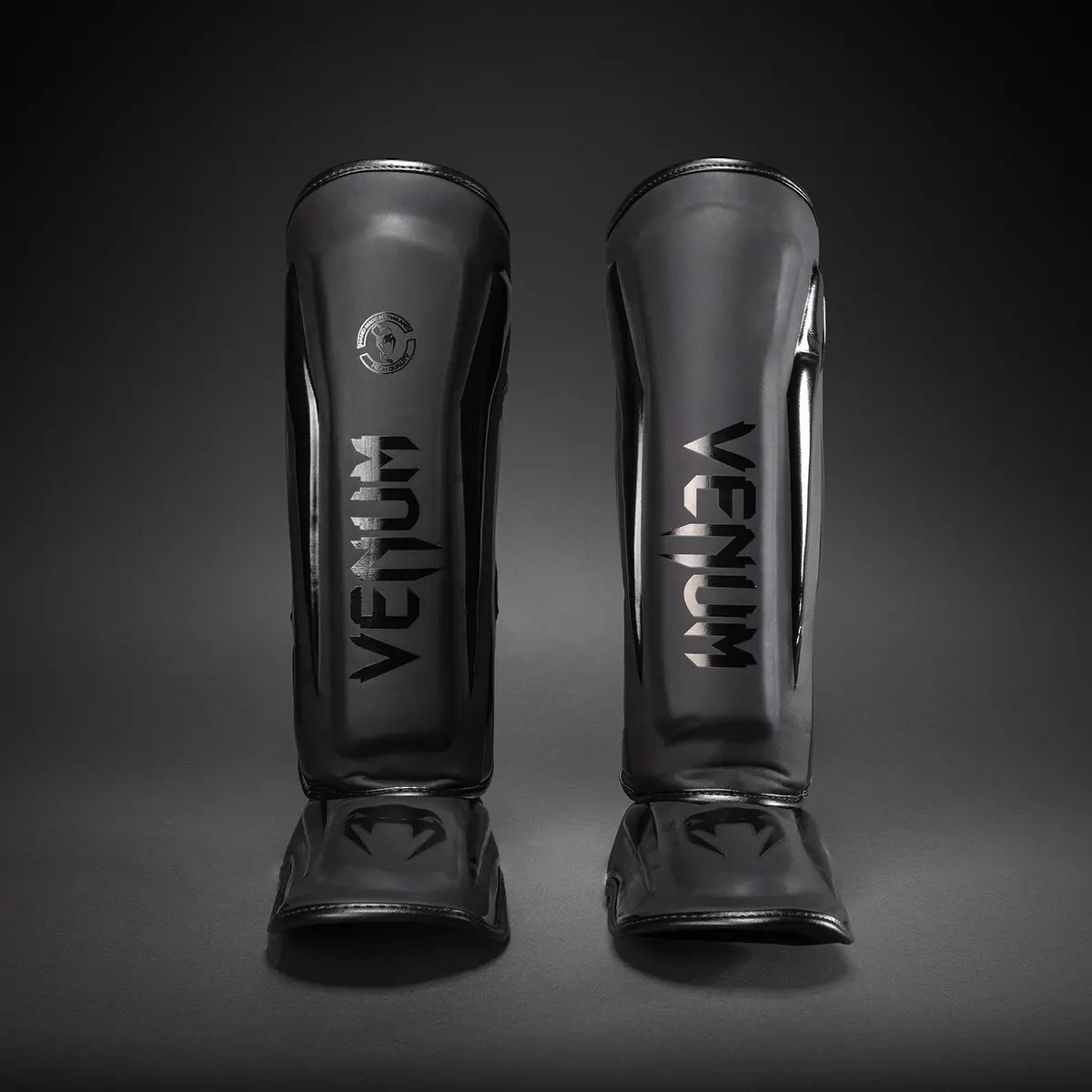 Venum Elite Standup Shin Guards - Matte/Black – 181.30 €
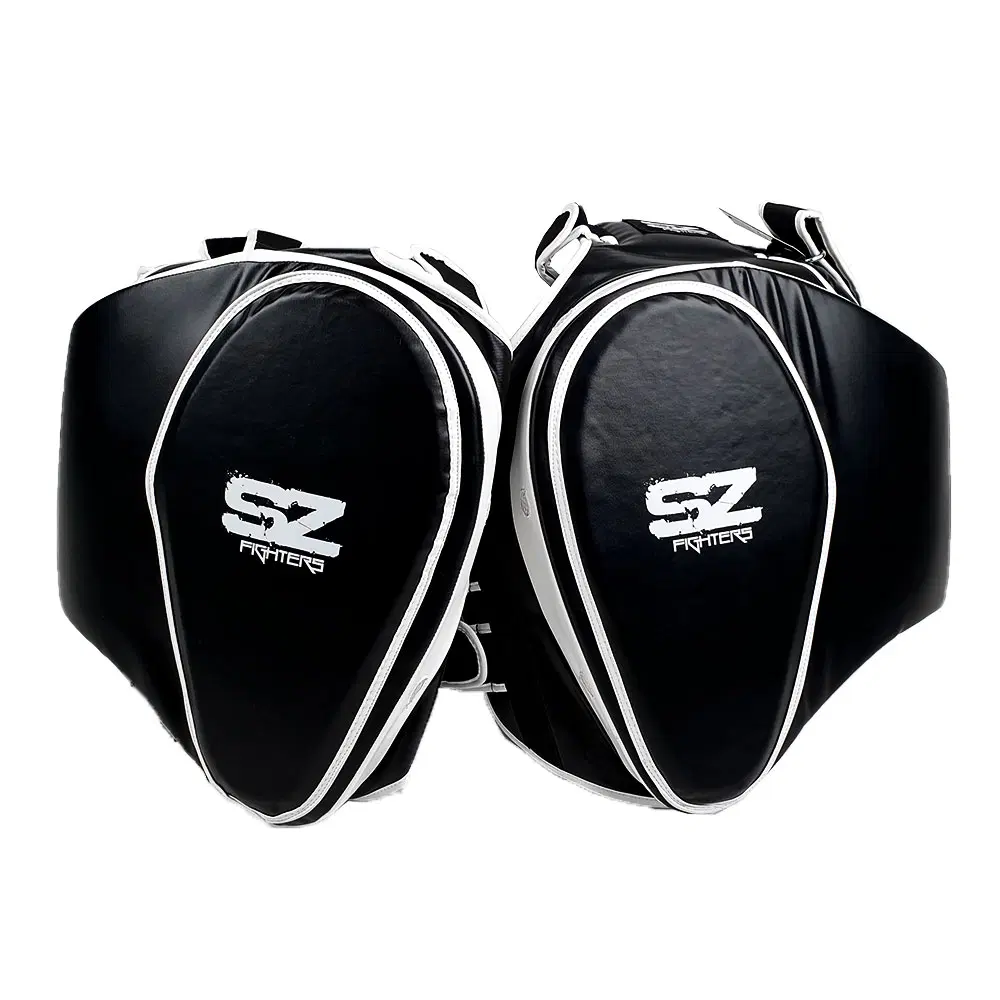 SZ Fighters – Протектори за бедра – 83.22 €
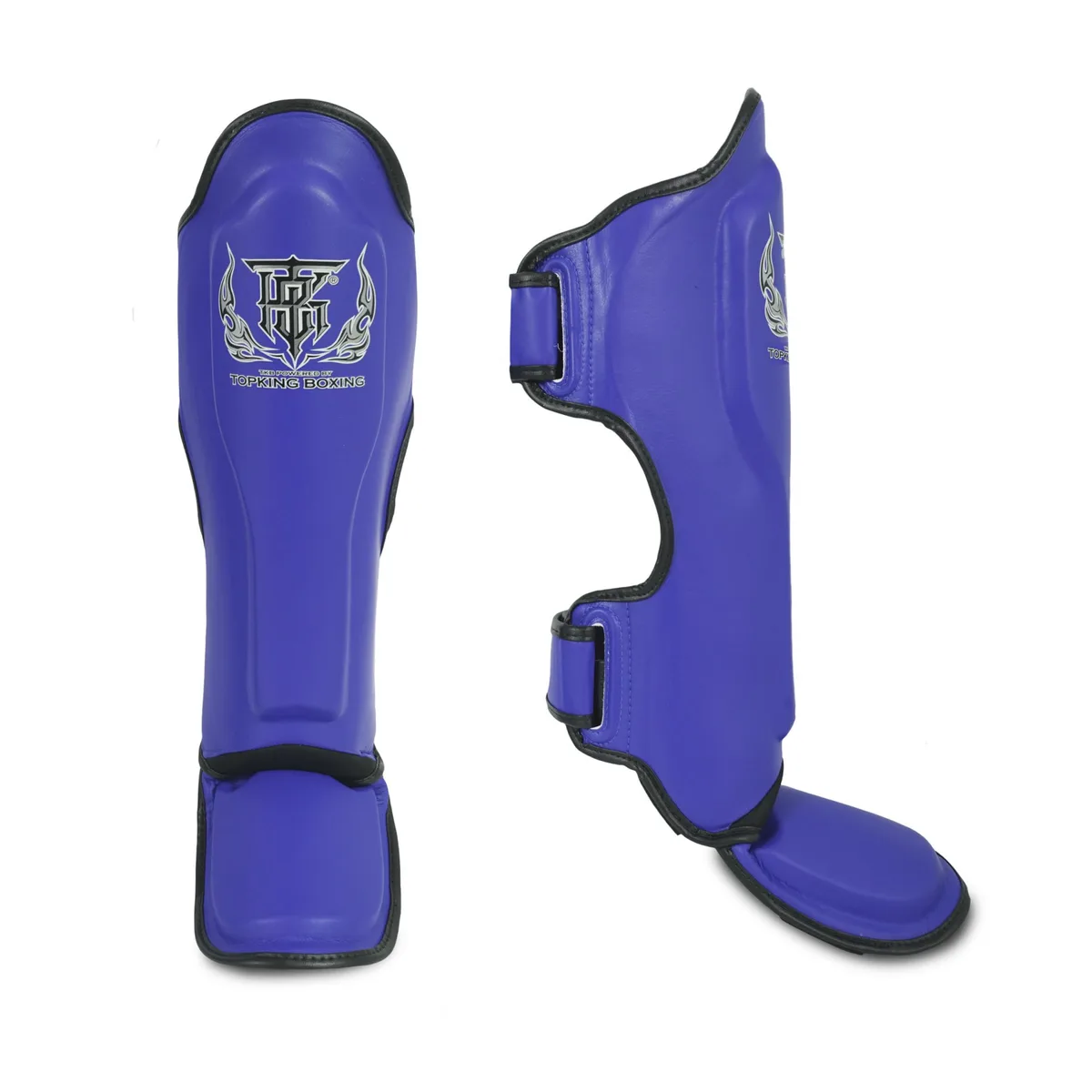 TOPKING SHIN GUARD BLUE BLACK “ PRO ” GENUINE LEATHER
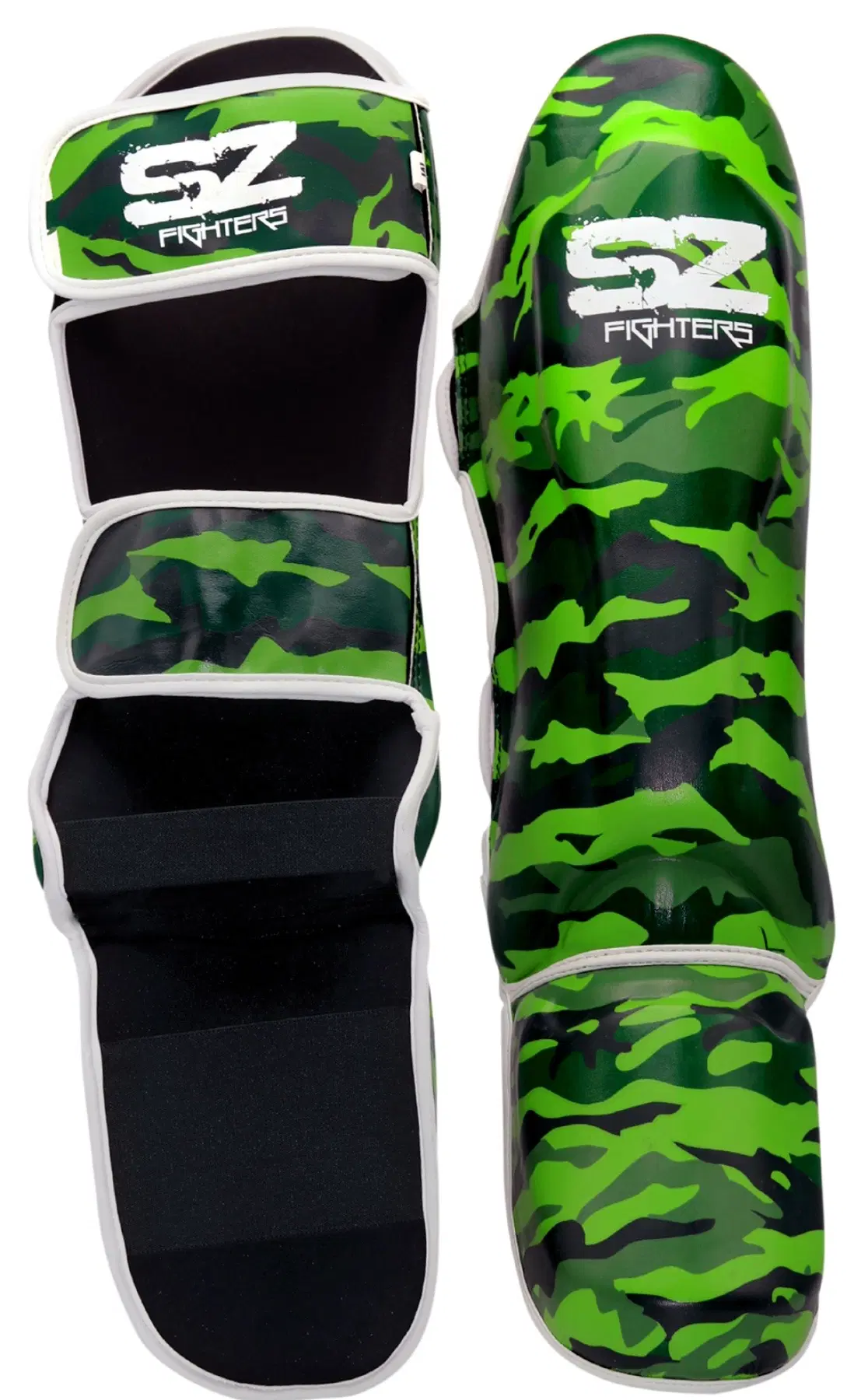 SZ Fighters – Тай Протектори за Крака Camo – Green – 30.43 €
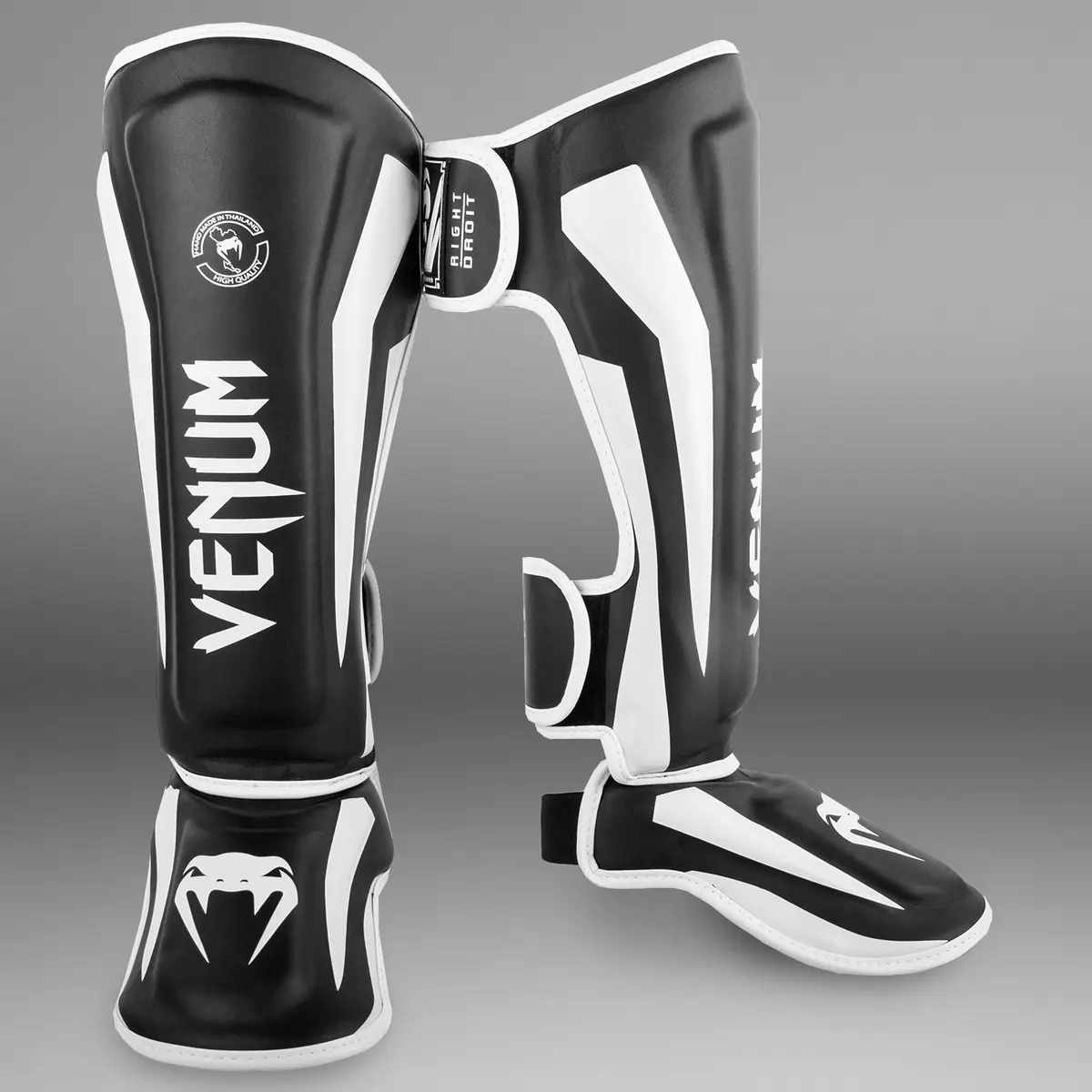 Venum Elite Standup Shinguards - Black/White – 181.30 €
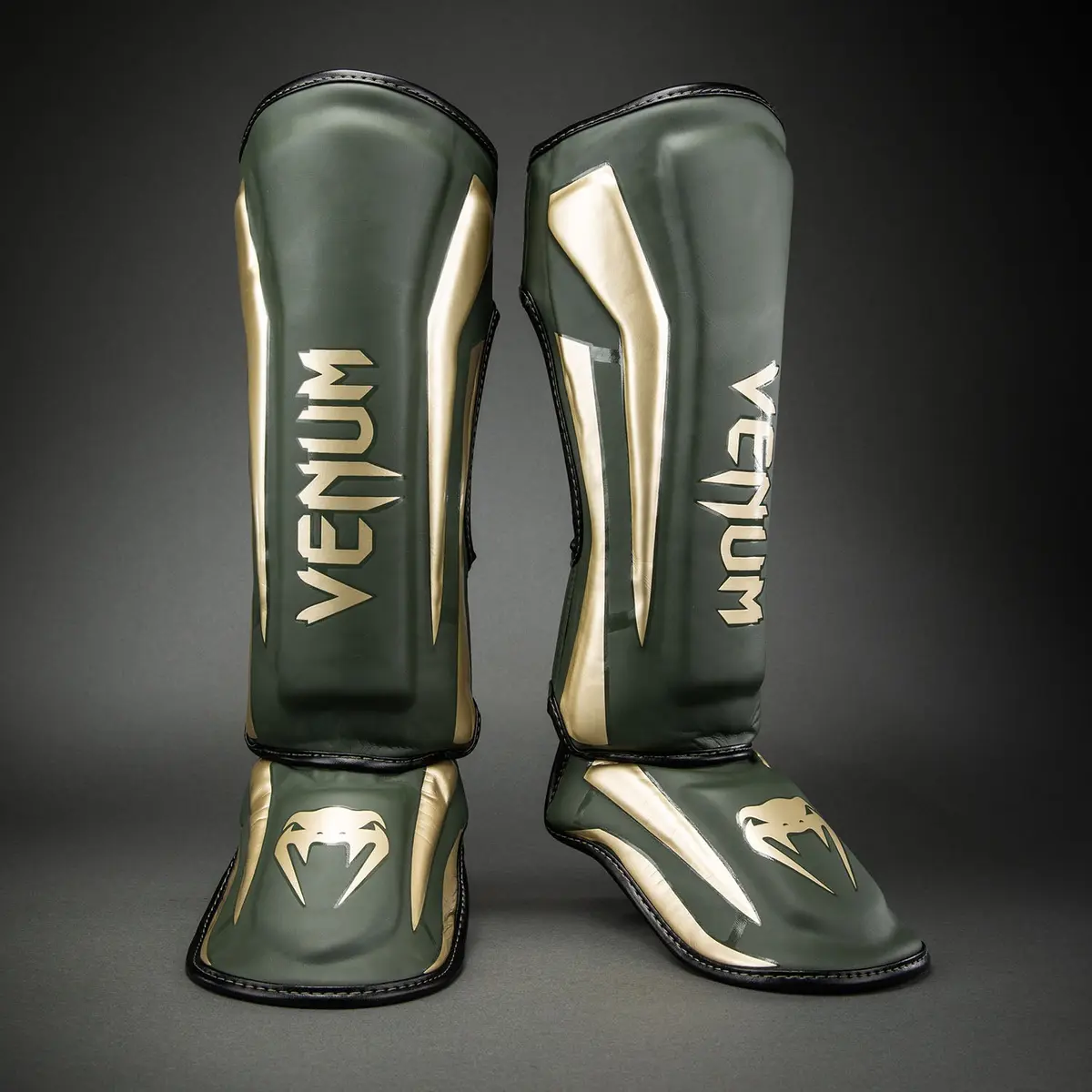 Venum Elite Shin Guards - Khaki – 181.30 €
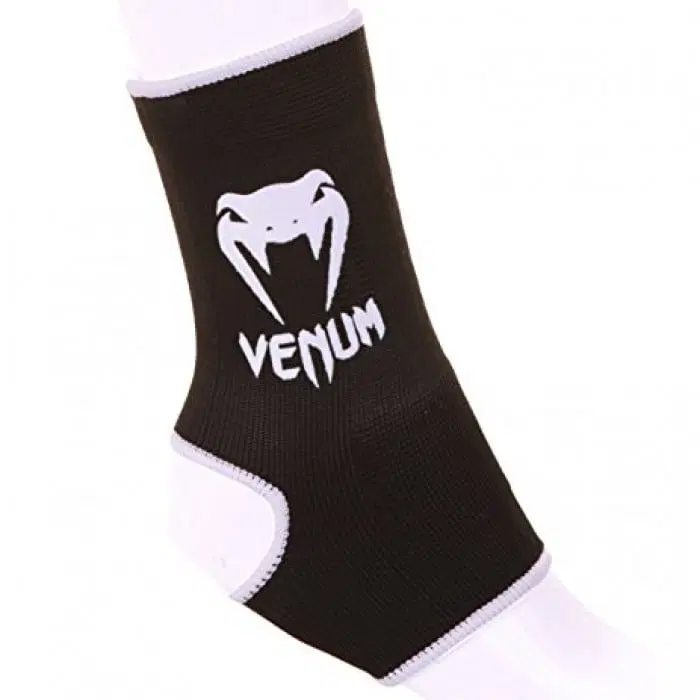 НАГЛЕЗЕНКИ - Venum Kontact Ankle Support Guard - Black – 26.99 €
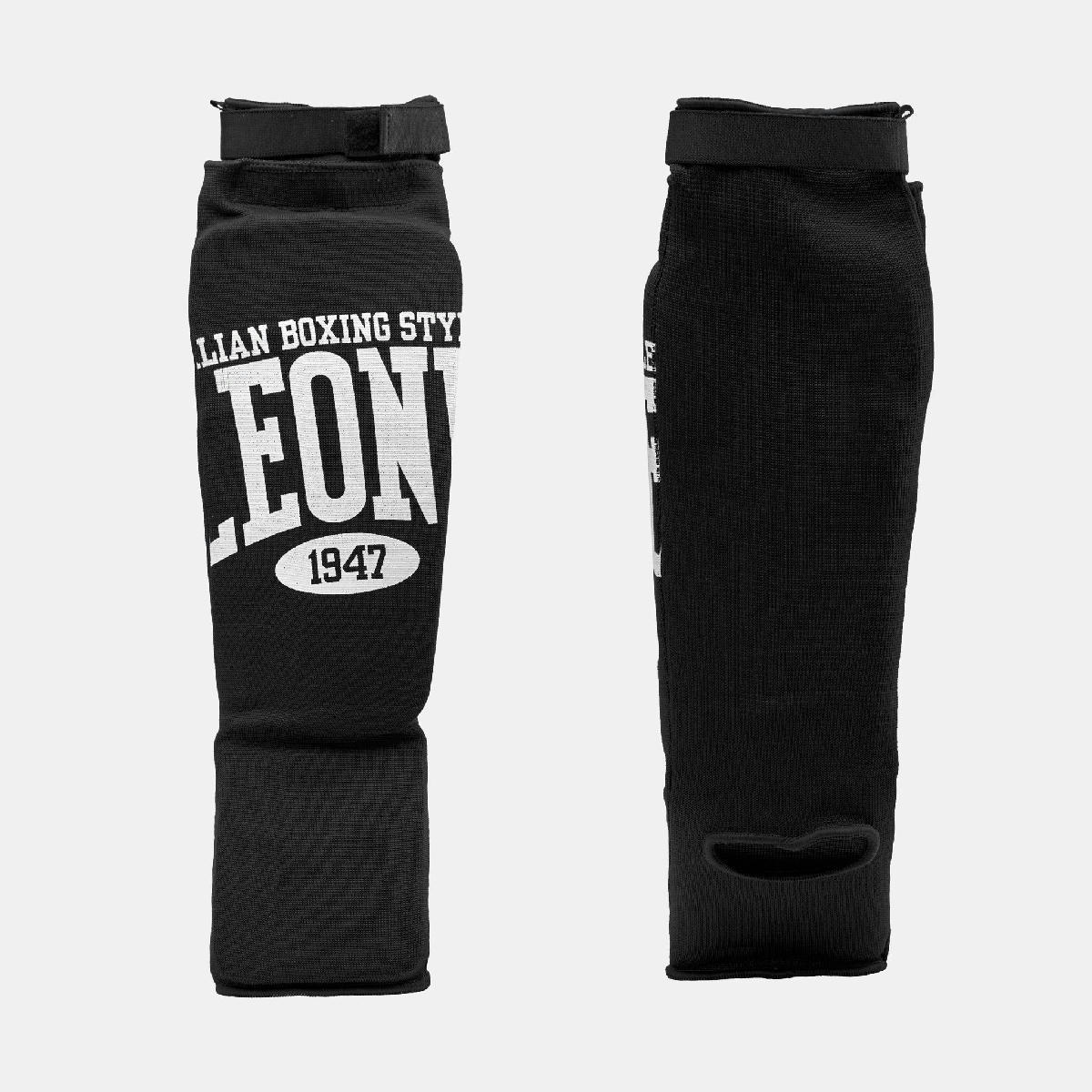 Leone 1947 Comfort Shin Guards – 21.30 €
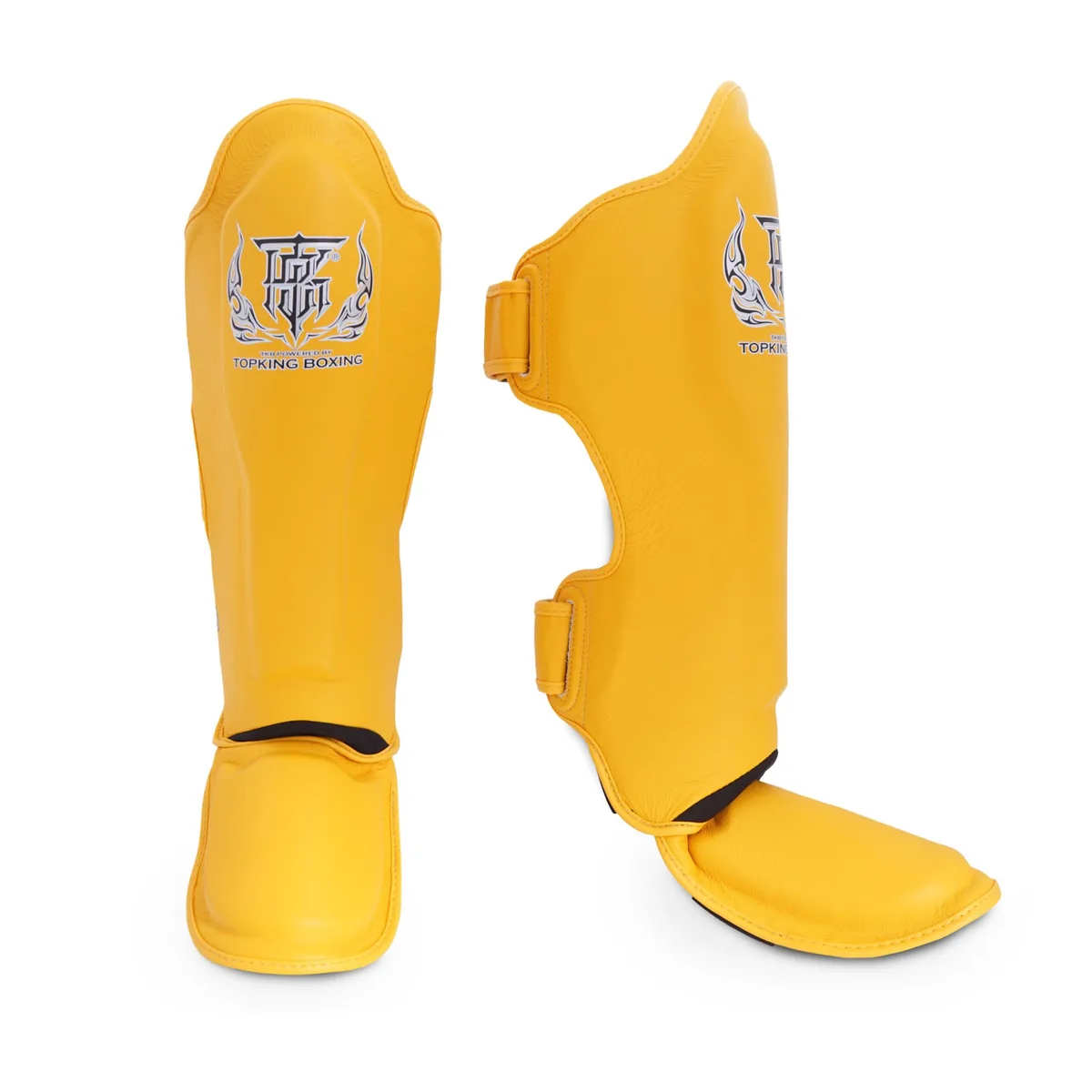 TOPKING SHIN GUARD YELLOW “ PRO ” GENUINE LEATHER
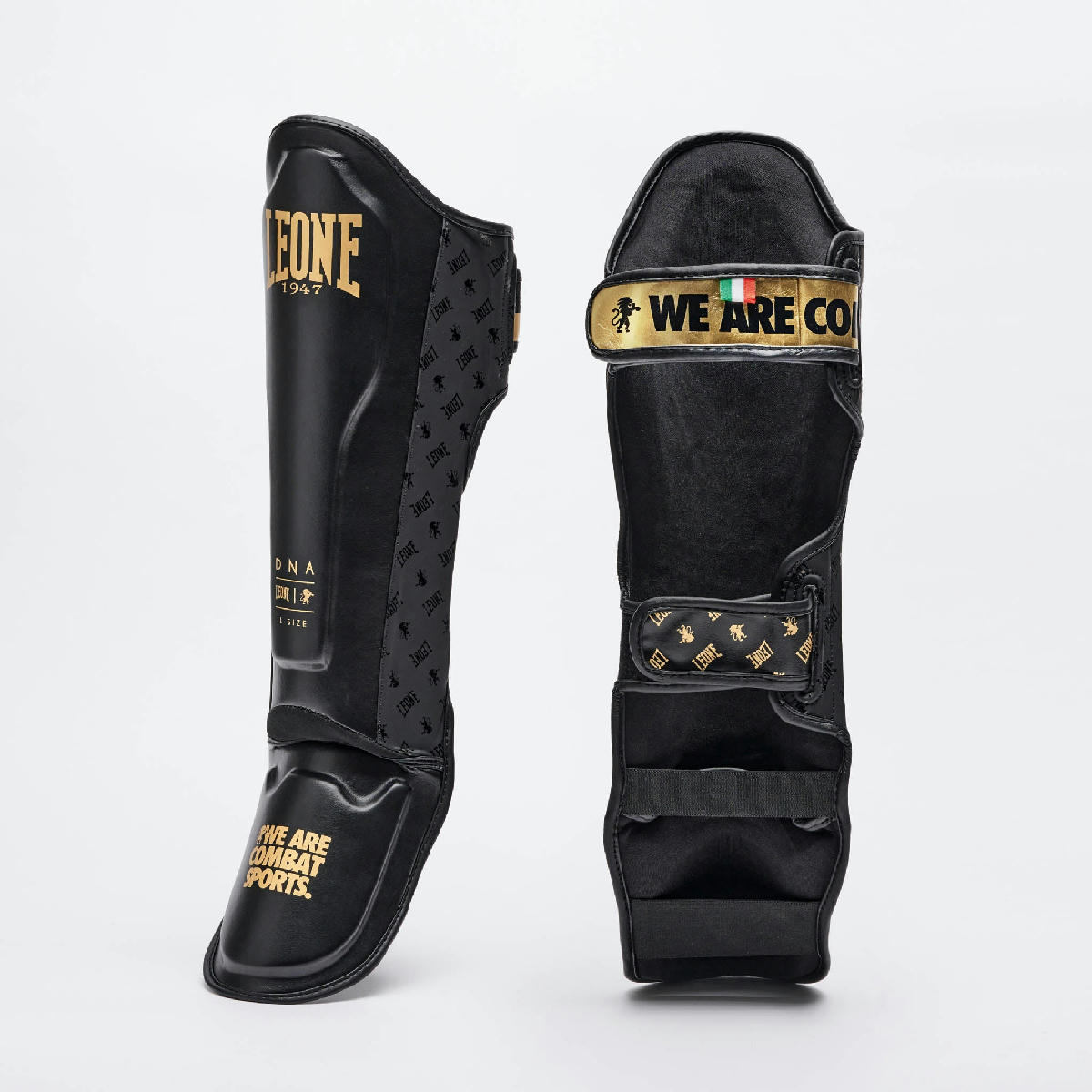 Leone 1947 DNA Shin Guards PT177 - Black – 65.01 €
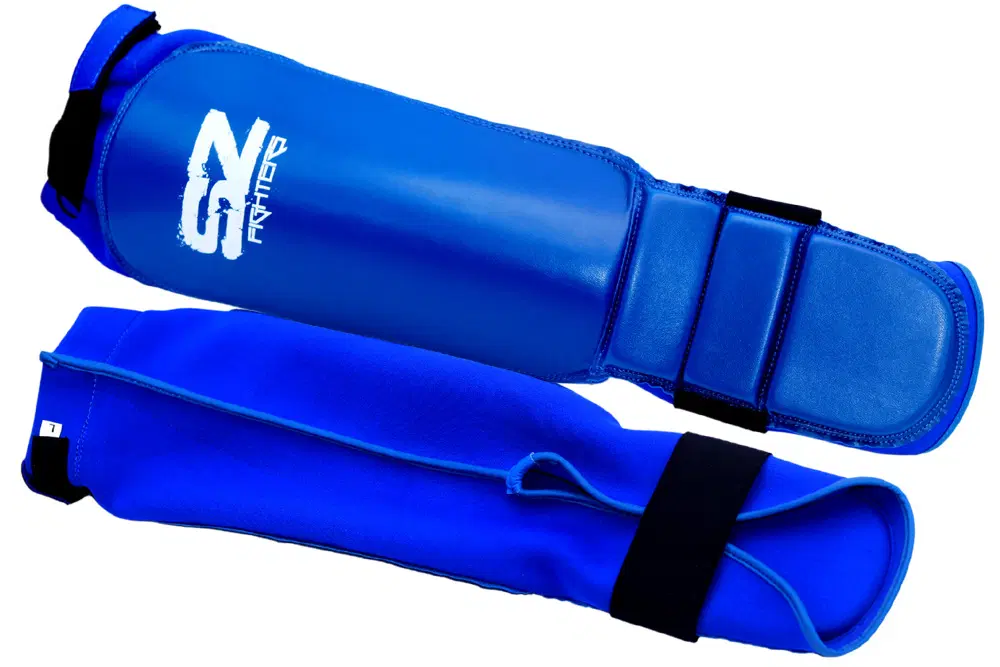 SZ Fighters – ММА Протектор за Крака – Blue – 28.53 €
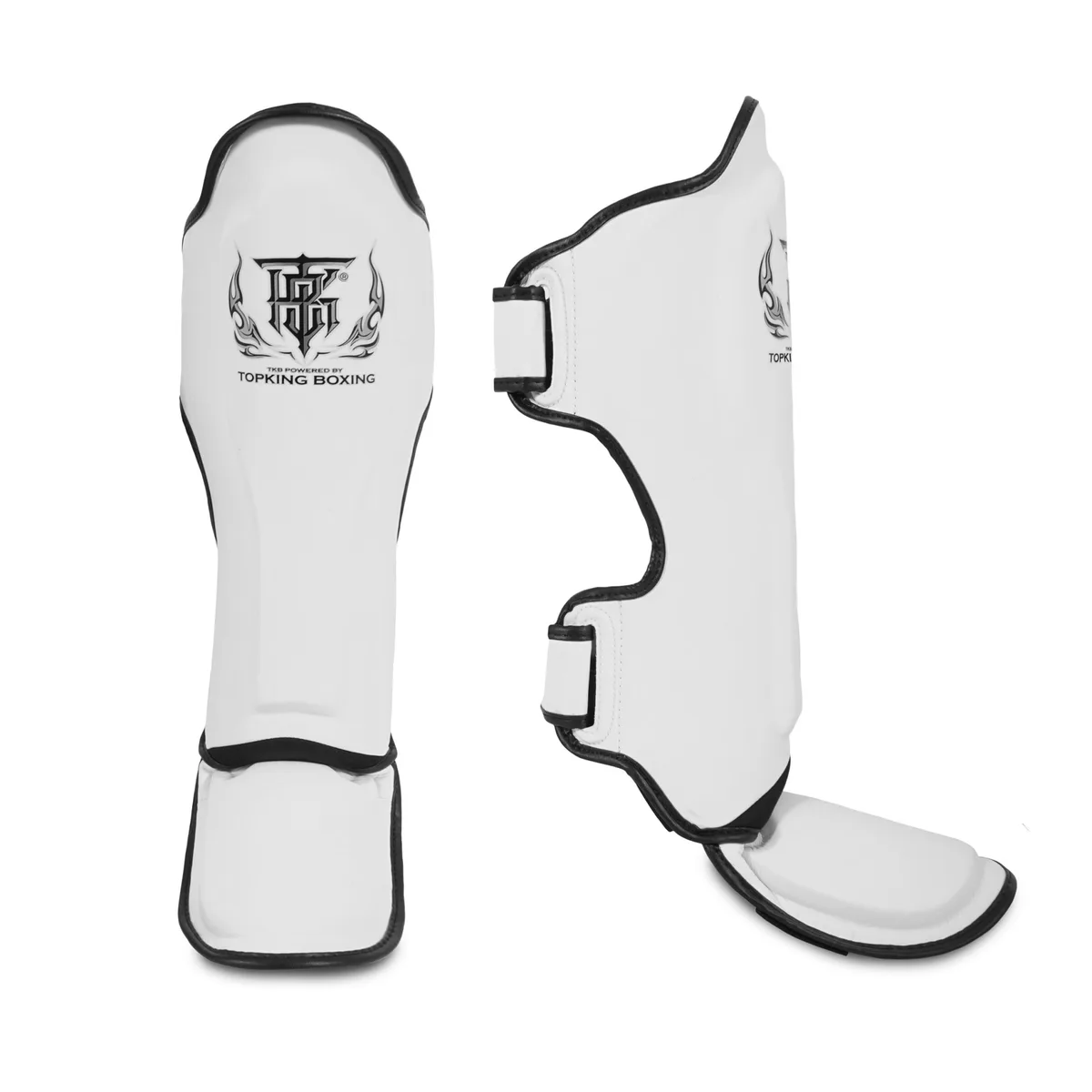 TOPKING SHIN GUARDS WHITE BLACK "PRO" SEMI LEATHER
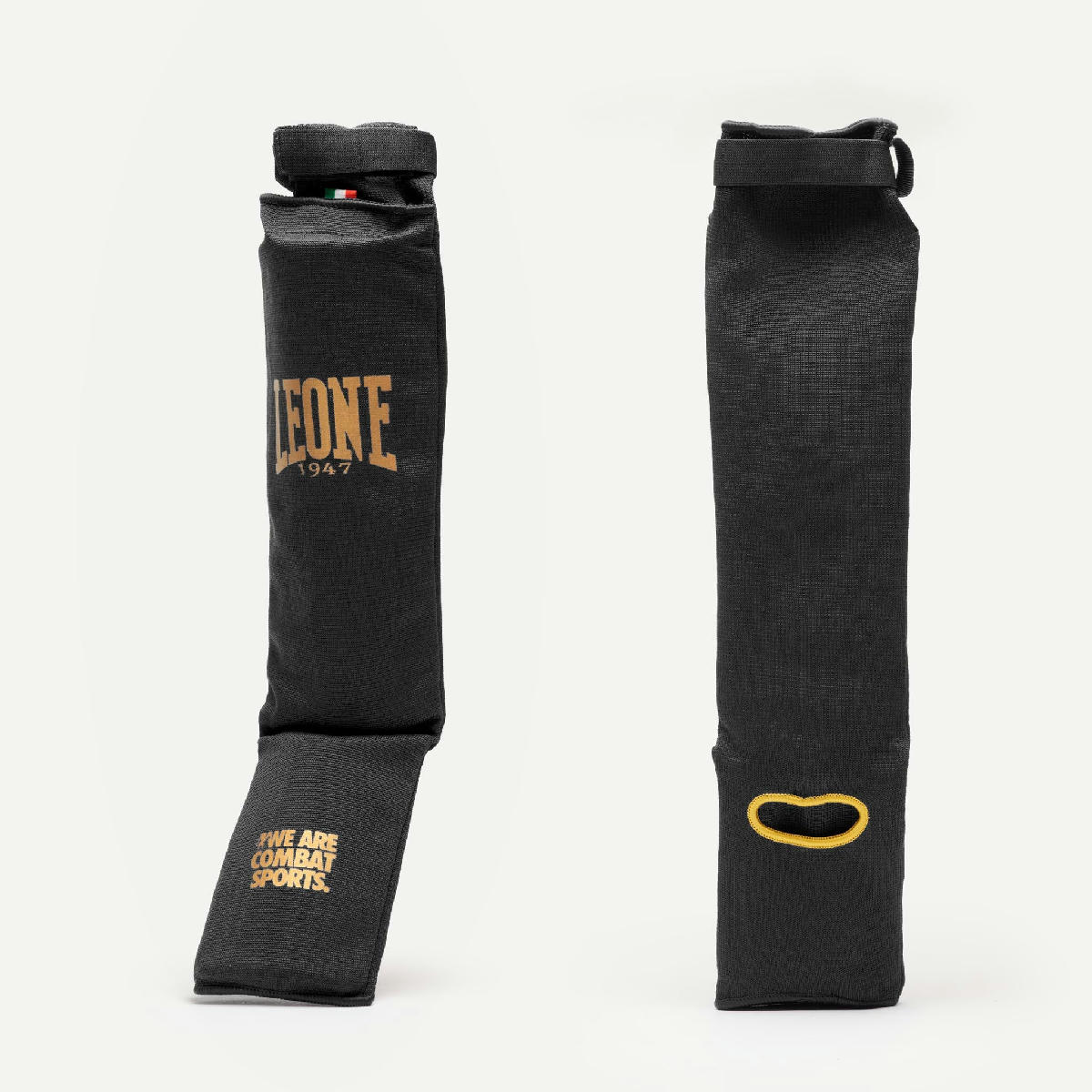 Leone 1947 DNA Shin Guards PT134 - Black – 21.30 €
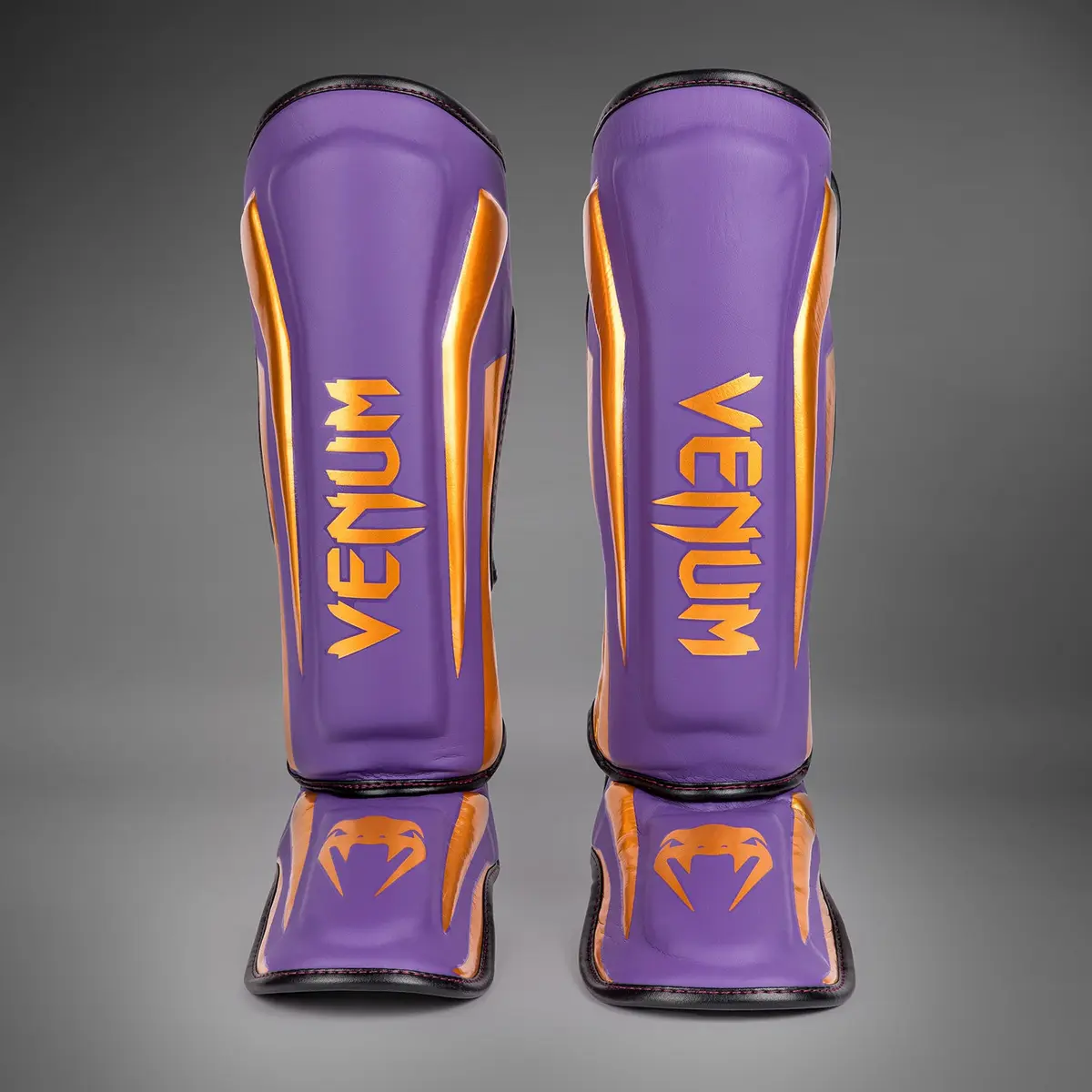 Venum Elite Shin Guards - Dark Purple - Special Edition – 83.10 €
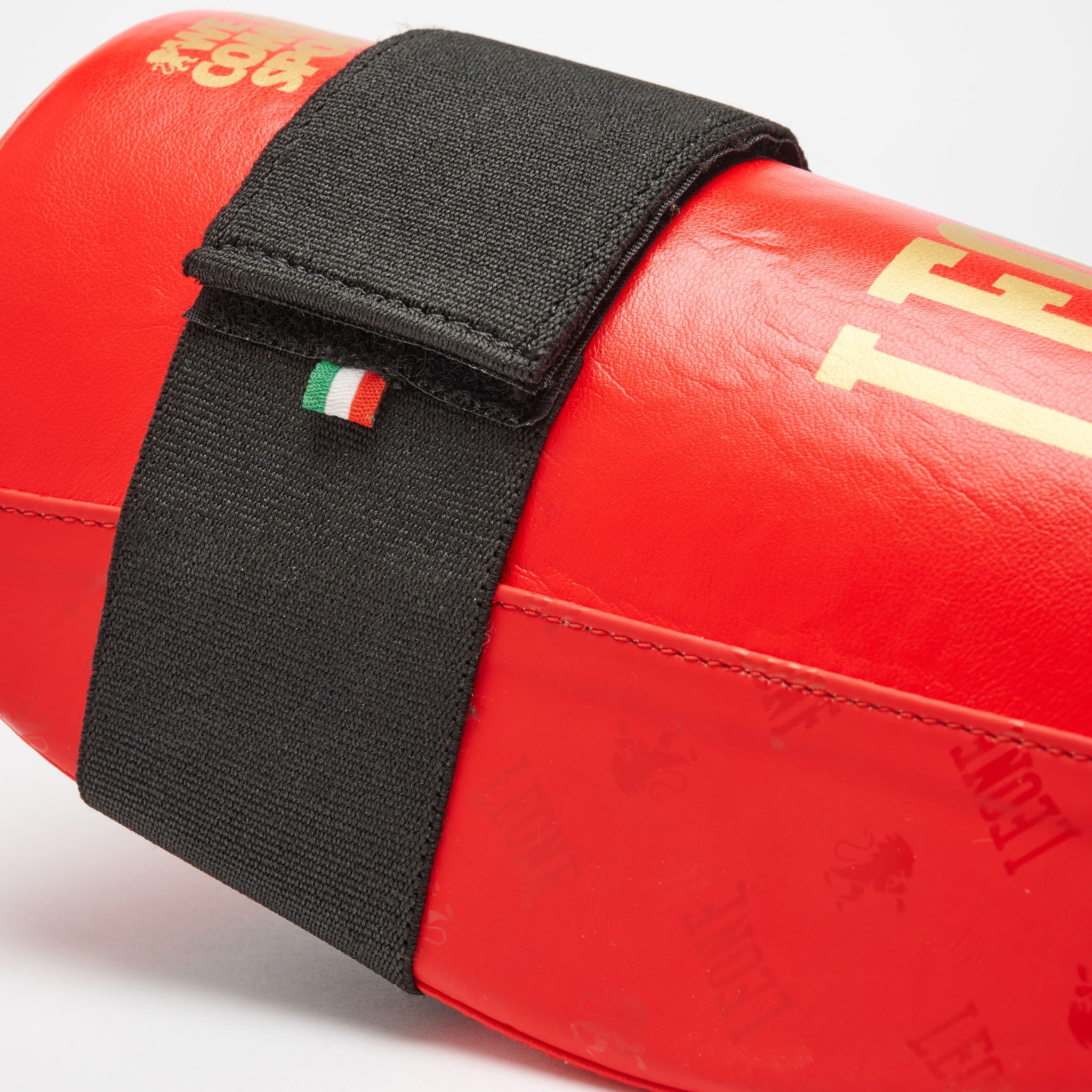 Leone 1947 DNA Shin Guards PT188 - Red – 30.60 €
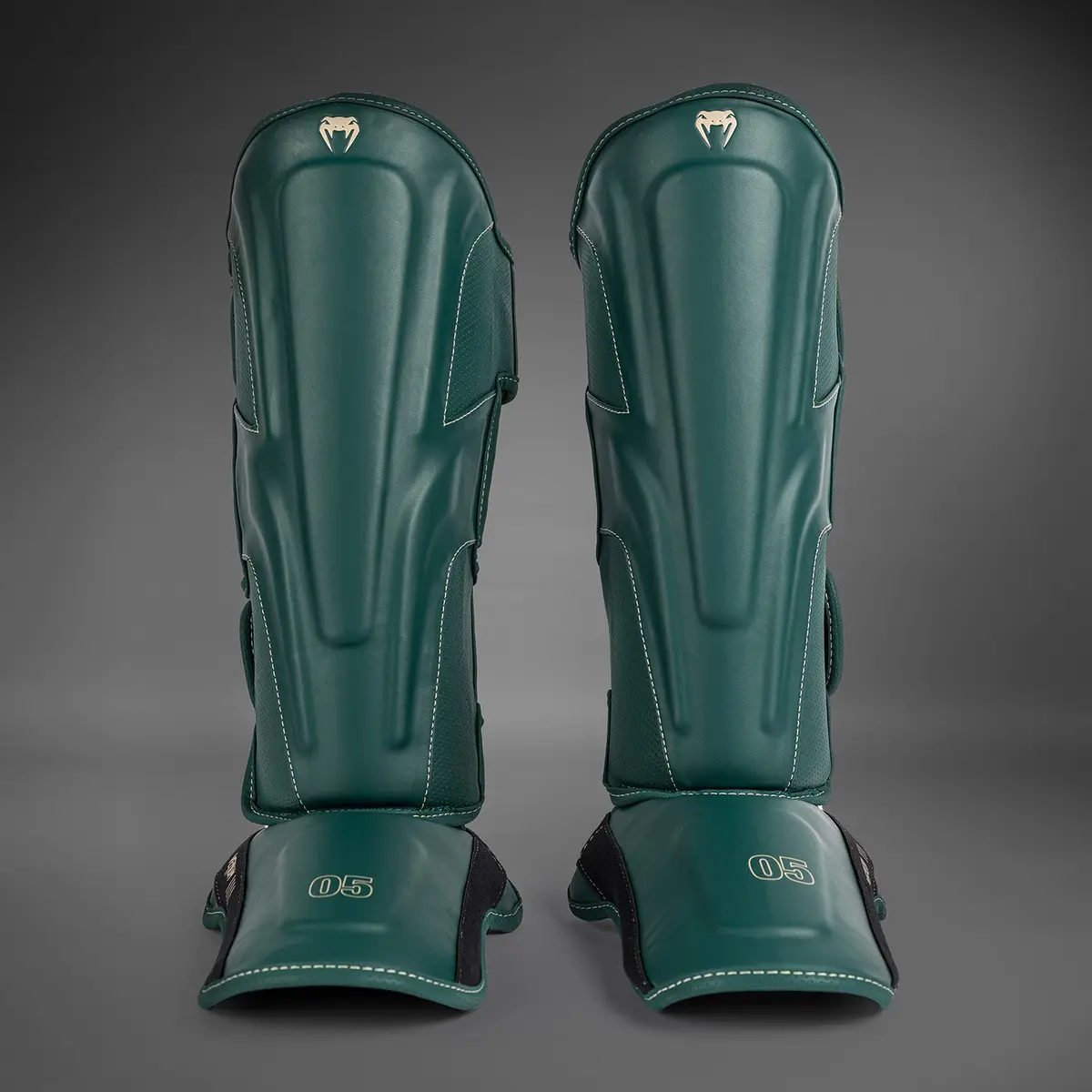 Venum Impact Evo Shin Guards - Emerald Green – 181.30 €
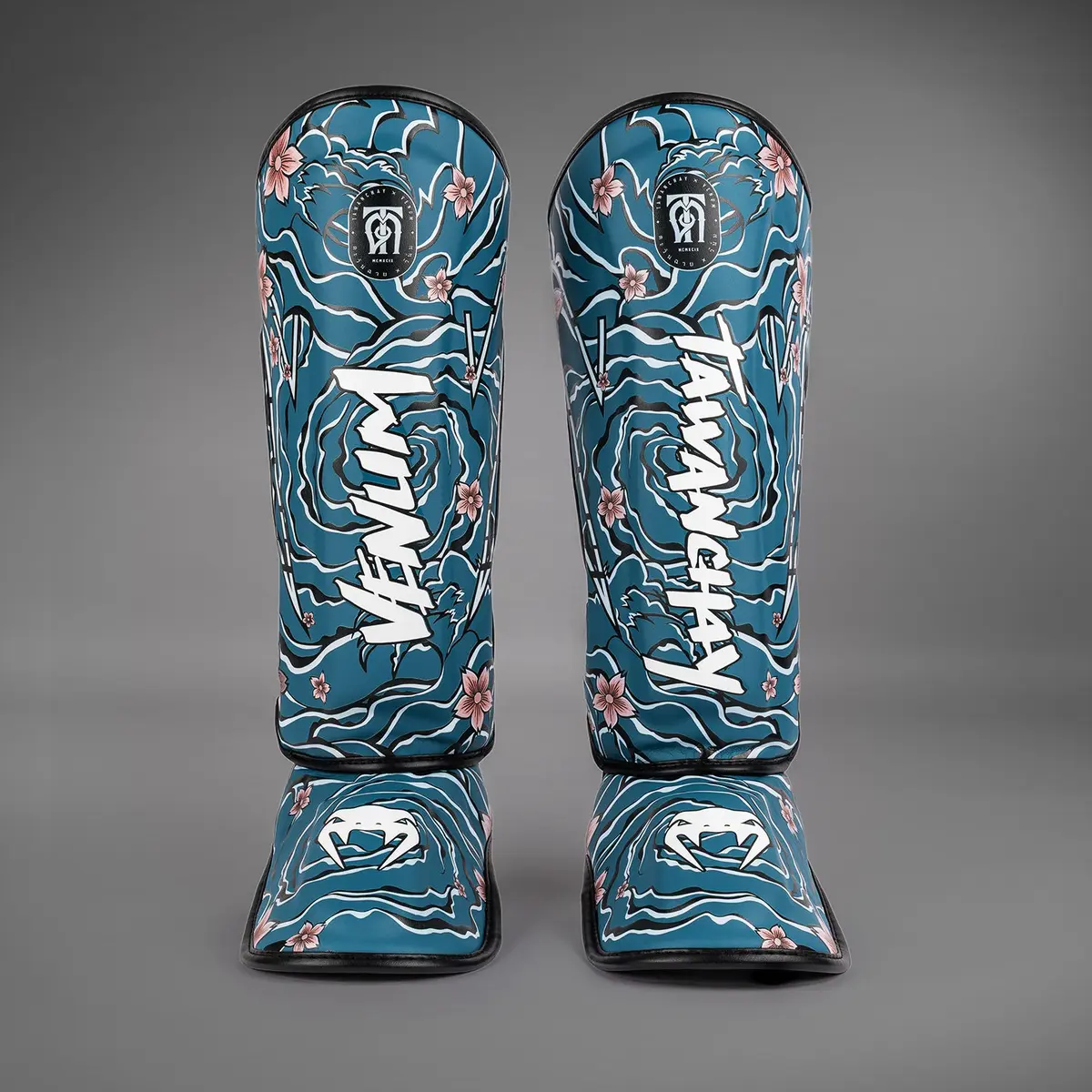 Venum x Tawanchay Shinguards Blue/White – 158.64 €
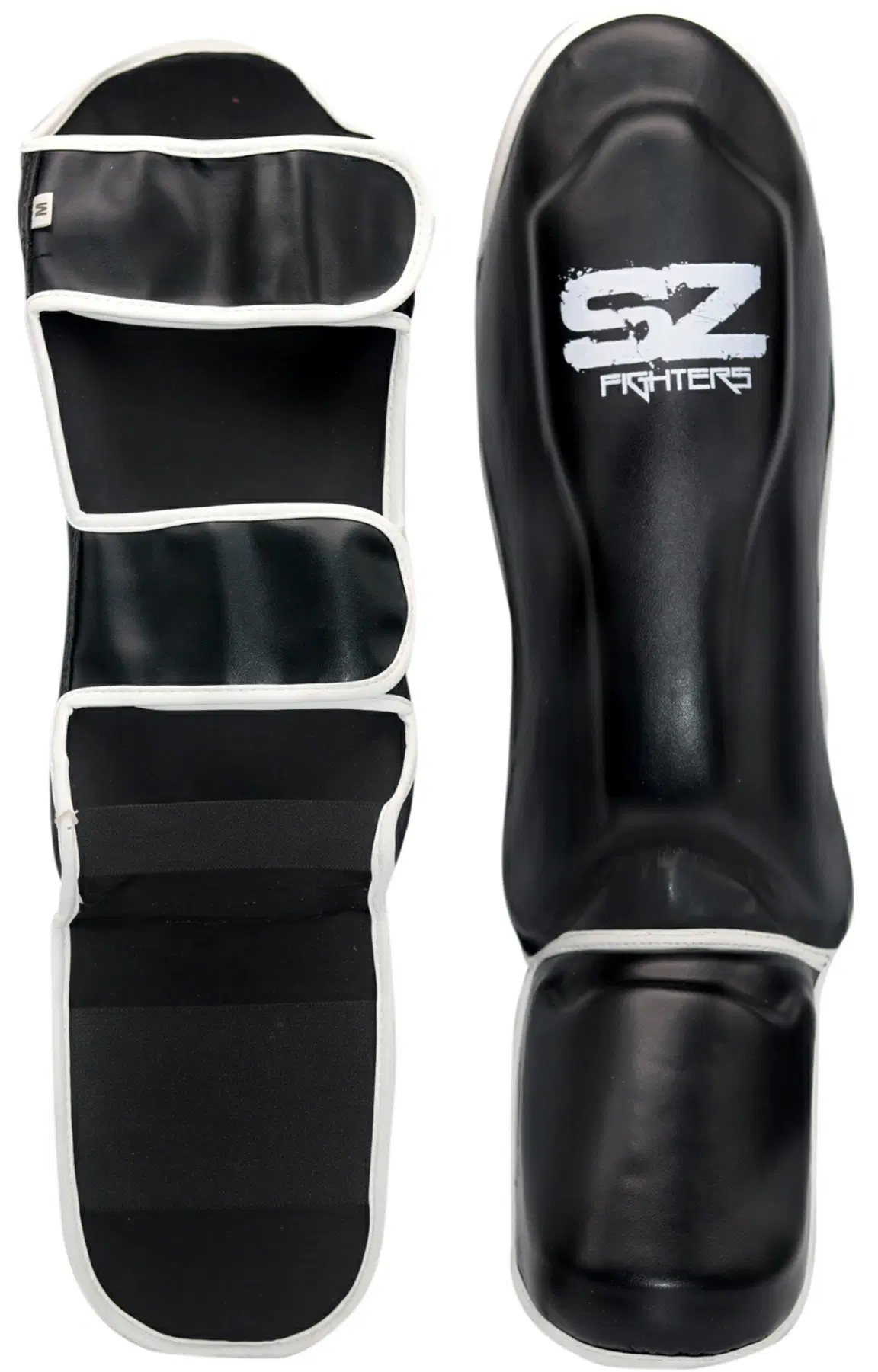 SZ Fighters – Тай Протектори за крака – Black – 30.43 €
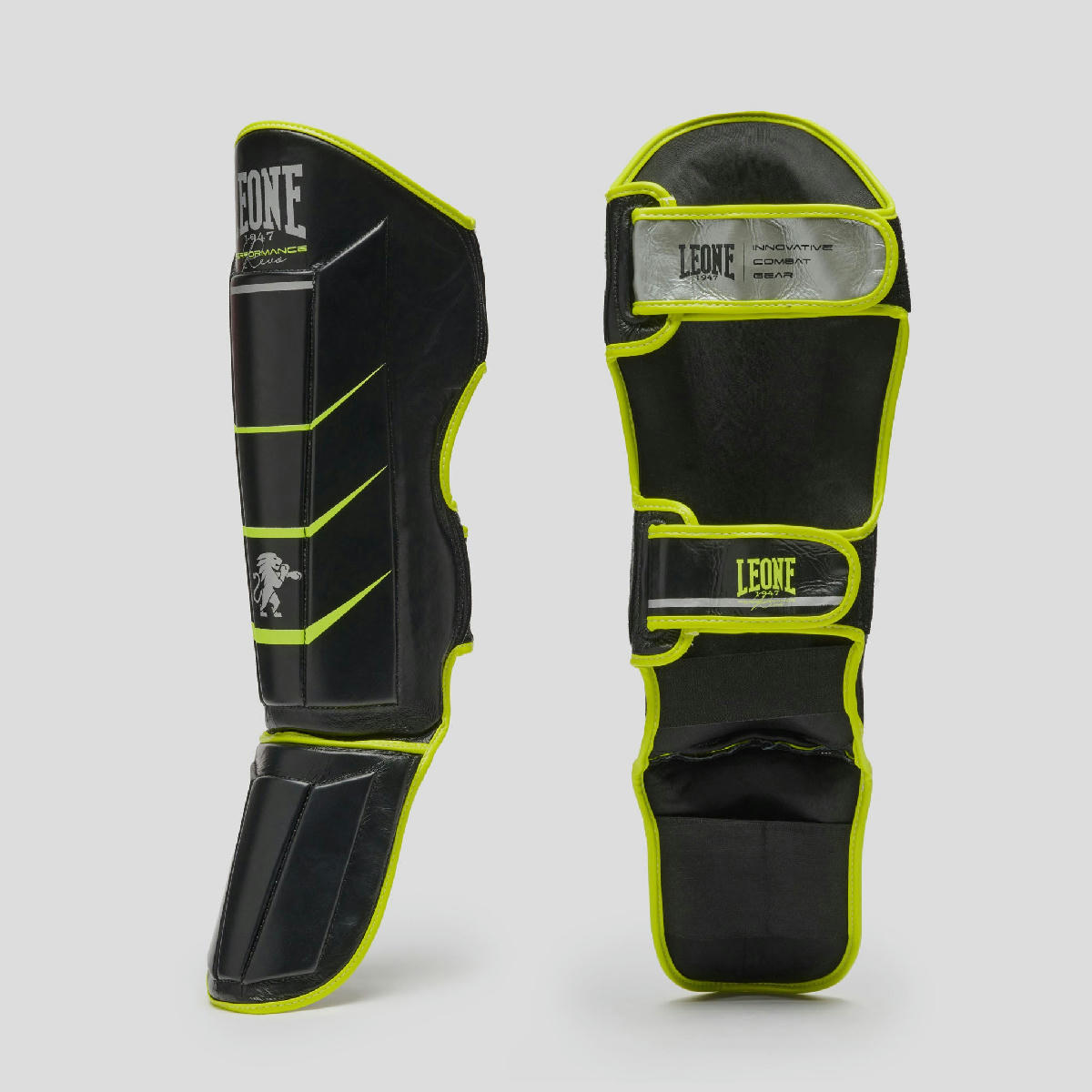 Leone 1947 Revo Fluo Shin Guards – 65.01 €
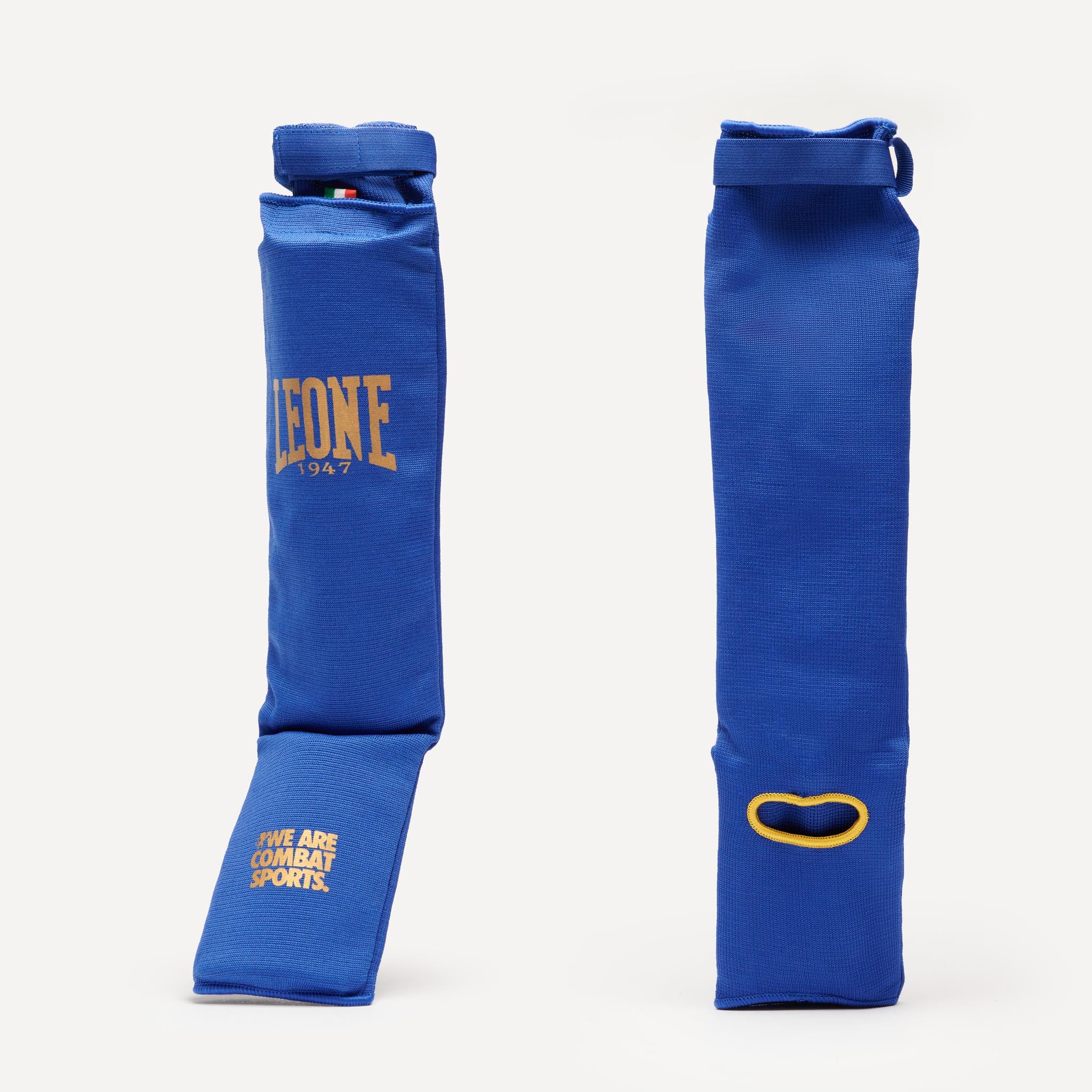 Leone 1947 DNA Shin Guards PT134 - Blue – 21.30 €
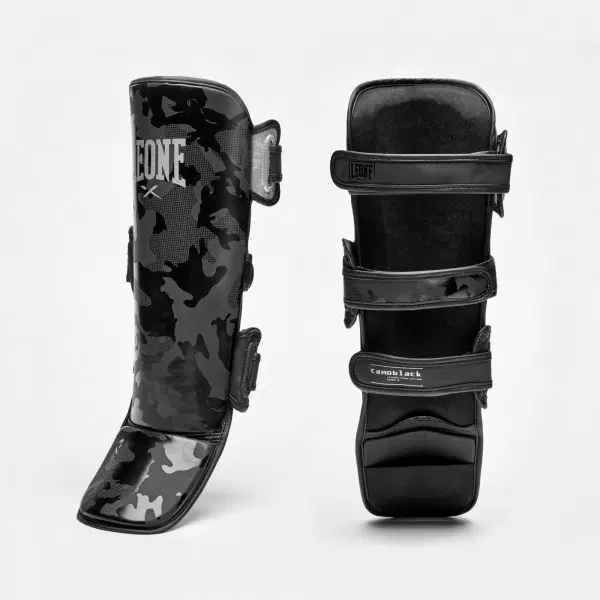 Leone 1947 - SHINGUARD CAMO BLACK / PT157
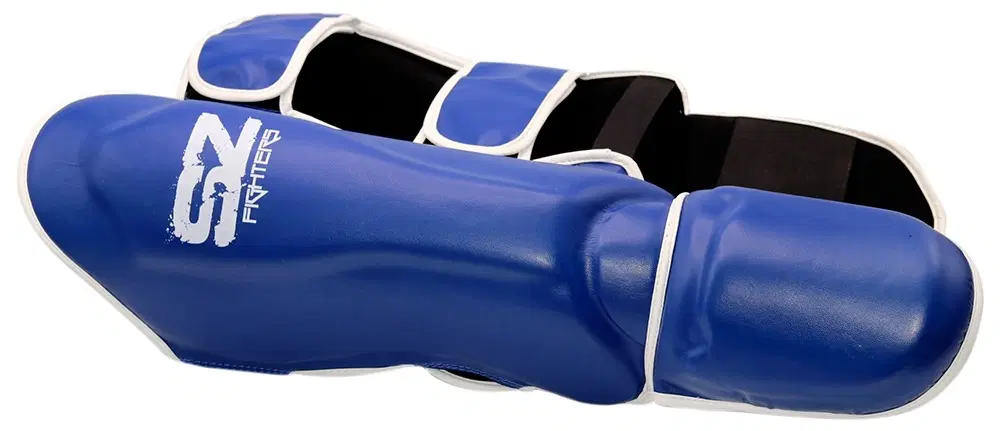 SZ Fighters – Тай Протектори за крака – Blue – 30.43 €
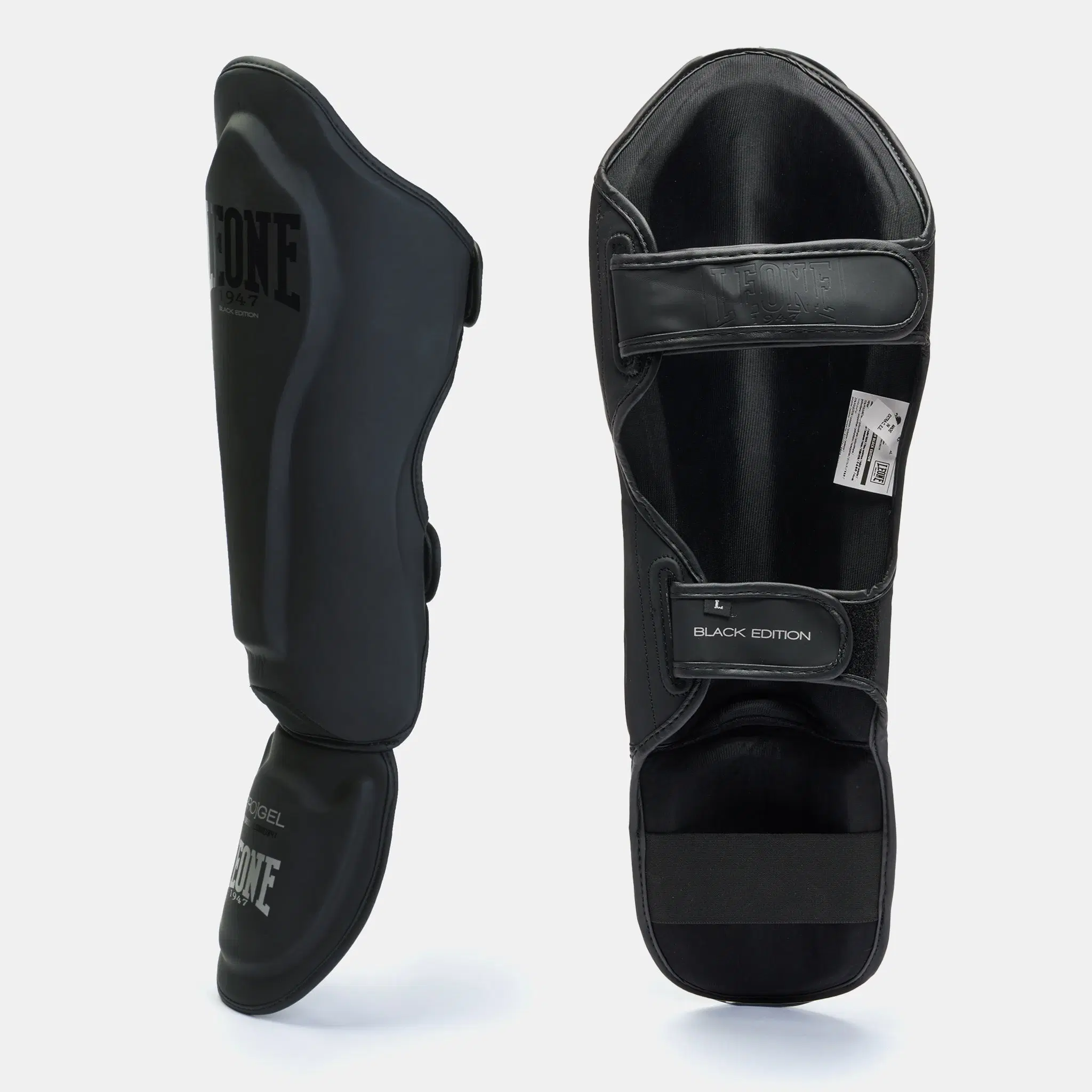 Leone 1947 - BLACK ED. SHINGUARDS PT119 / Black – 65.15 €
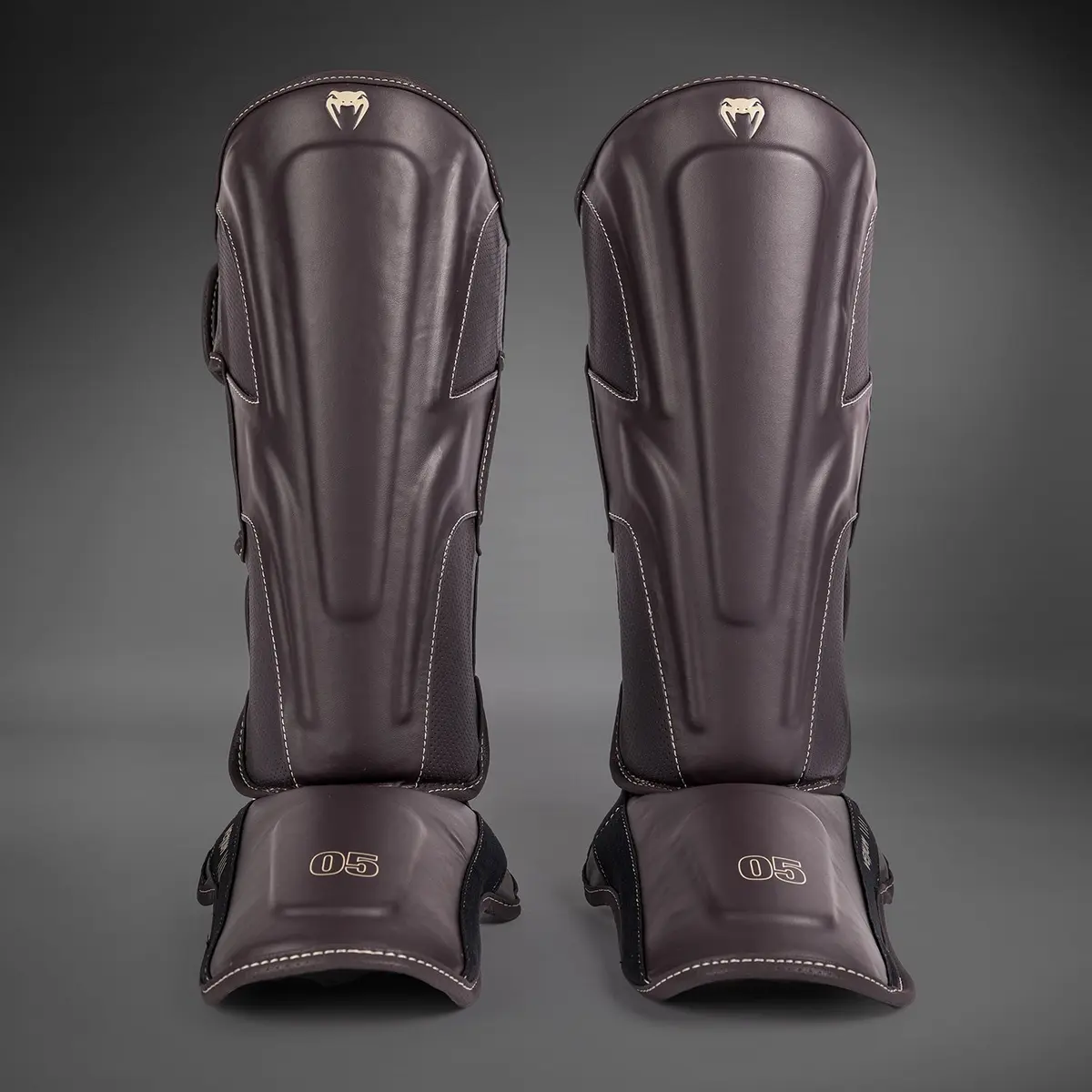 Venum Impact Evo Shin Guards - Chocolate – 181.30 €
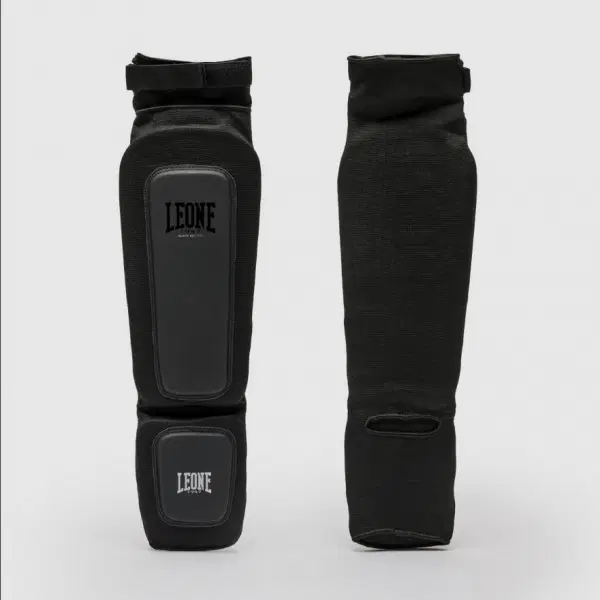 Leone 1947 - Протектори за крака - BLACK EDITION SHINGUARDS PT124 - Black – 31.39 €
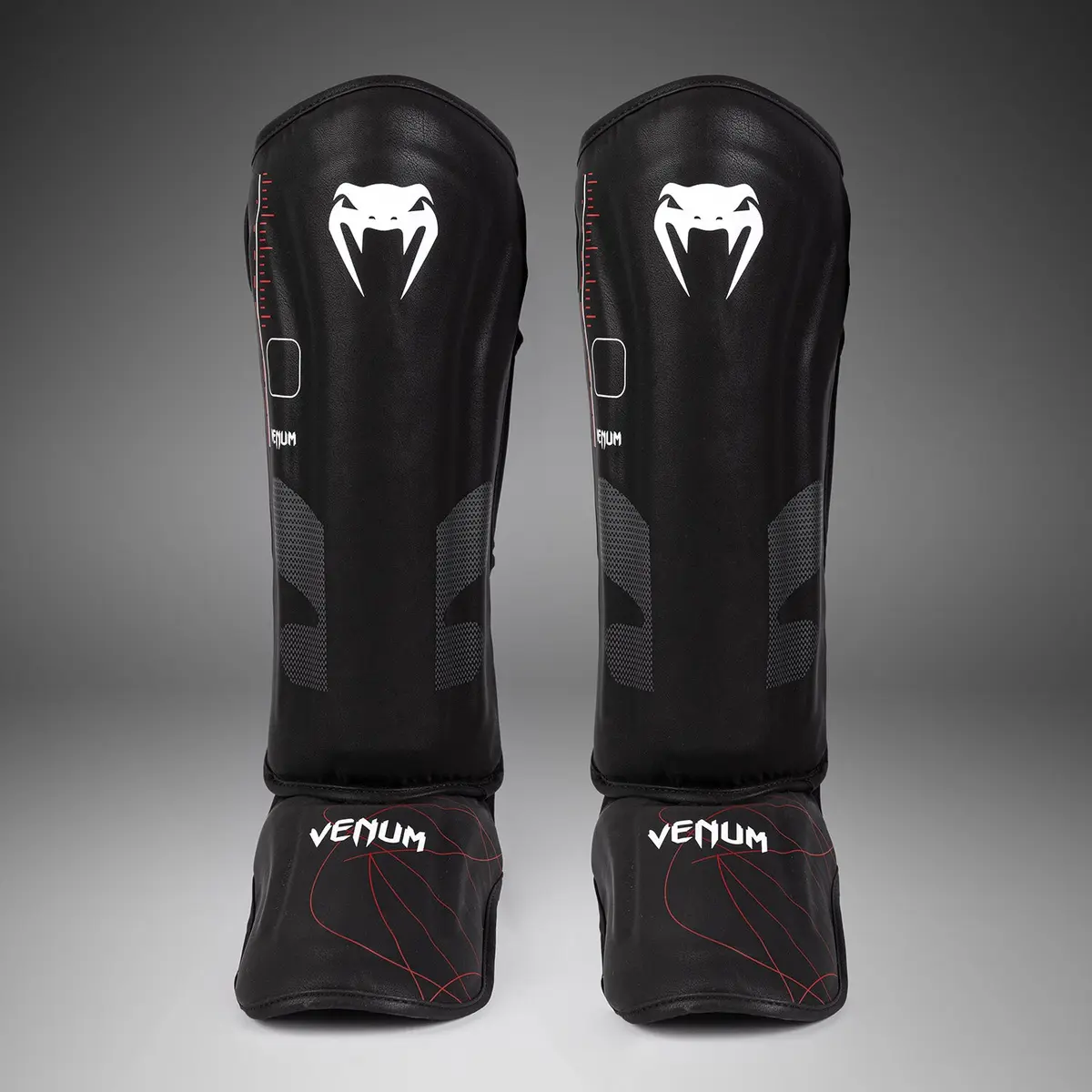 Venum Tactical XT Shinguards - Black/Fire Red – 90.66 €
Reliable Protection for Legs in Every Combat Sport
In combat sports, where legs play a key role in both offense and defense, quality equipment is paramount. The “Leg Protectors” category offers specialized solutions to ensure maximum safety for shins and feet during training and competitions. Whether you practice boxing, Muay Thai, MMA, kickboxing, or sparring, the right protectors can prevent serious injuries and extend your athletic career. At SportZona, we have gathered products that meet strict requirements for durability and comfort.
Types of Leg Protectors and Their Advantages
The variety of combat sports leads to the need for different types of protectors. Each type is designed to meet specific needs and offer optimal protection:
- Shin and Foot Protectors: These combined protectors provide comprehensive protection for the lower leg. They are made from durable materials such as genuine leather or high-quality PU, with high-density EVA foam padding and shock-absorbing gel. Some models are WAKO (World Association of Kickboxing Organizations) approved, guaranteeing quality and safety, such as those from our own brand SZ Fighters, which we have offered since 2007.
- Shin Guards: Typically used for lighter training or under other protectors, providing additional dense protection and compression.
- Foot Protectors: Designed to protect the top of the foot, where blows are often landed. They are more compact and flexible, allowing for greater freedom of movement.
Materials and Innovations in Leg Protectors
The quality of materials is crucial for the effectiveness of any protector. At SportZona, we focus on products made from durable and shock-absorbing components. Genuine leather and high-quality PU are preferred for their wear resistance and long lifespan. The inner lining often includes a combination of EVA foam of varying densities and shock-absorbing gel, which absorb and dissipate the force of impact, protecting shins and joints. Reliable fastening systems, such as double Velcro straps or elastic straps, ensure a stable fit and prevent displacement during intense movements. Also, check out our selection of boxing kimonos and SZ Sport athletic apparel for complete equipment.
FAQ
I'm just starting kickboxing and I'm not sure what kind of shin guards to get. Should I go for the leather ones or the 'sock' style?
From my experience, beginners are much better off with the bulkier, dense-foam shin guards, whether they're made of leather or PU. They offer the best protection, which is key for building your confidence when you're learning to block and throw kicks without worrying about pain or injury.
How do I pick the right size? Does it go by my height, or something else?
The most reliable way is to measure your shin length. I always tell people to measure the distance from just below your kneecap down to your ankle. Then, check that measurement against the specific brand's size chart. A proper fit means the guard won't hinder your knee from bending, but it also isn't too short and leaving your lower shin exposed.
My shin guards keep twisting and slipping down during sparring. What can I do?
That's a really common issue, especially when the intensity picks up. In my experience, the models that stay put the best are the ones with two or three Velcro straps and an elastic strap that goes under your foot. Also, make sure you're really cranking down that top strap right below the crease of your knee.
Can I use the same shin guards for both Muay Thai and MMA?
You can, but it's not ideal. For Muay Thai, I always recommend thicker, more padded shin guards to handle the constant, hard shin-on-shin blocks. For MMA, you'll want a lighter, more flexible 'hybrid' or 'grappling' style shin guard that allows you to move freely when you transition to wrestling or groundwork.
How often should I replace my shin guards?
There's no set timeline; it really depends on how often you train and the quality of the guards. The rule of thumb is to replace them when you notice the padding has become compressed or the outer material is significantly worn or cracked. Once that happens, they're not giving you the protection you need for your shins and insteps.
How do I keep my shin guards clean and stop them from smelling awful?
The key is to never, ever leave them in your gym bag. After every session, wipe them down inside and out with a damp cloth and let them air dry completely in a well-ventilated spot, but out of direct sunlight. Using a gear disinfectant spray is also a great way to kill the bacteria and fungus that cause that infamous gym bag funk.