Διατροφή για PCOS
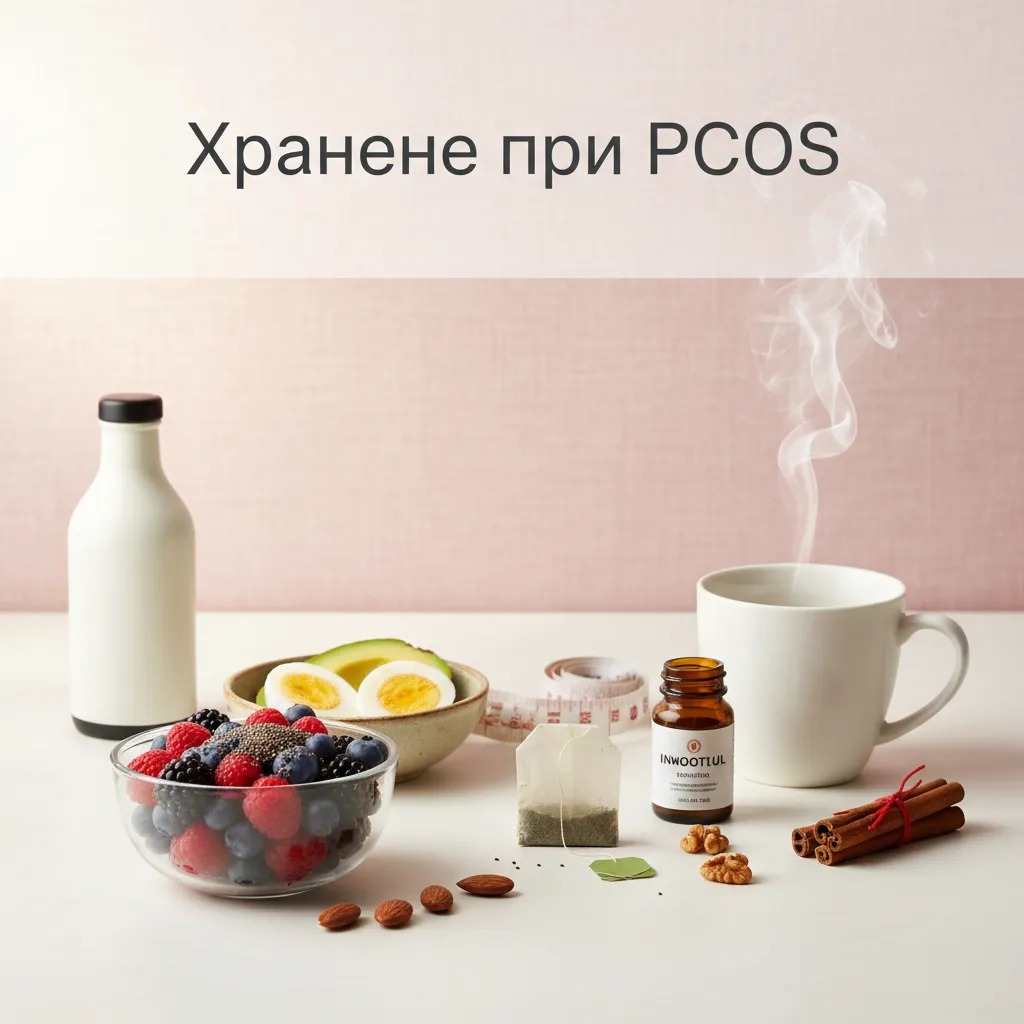
Σύντομος ορισμός ειδικού: τι είναι η Διατροφή για PCOS, πώς λειτουργεί στον οργανισμό και πώς εφαρμόζεται στην αθλητική διατροφή.
Кратък отговор: Храненето при PCOS е персонализиран диетичен подход, който оптимизира метаболитния отговор чрез контрол на кръвната захар и противовъзпалително хранене, подобрявайки инсулиновата чувствителност и хормоналния баланс. За спортуващите, то осигурява стабилна енергия и подпомага постигането на оптимална телесна композиция, като препоръчителният прием на протеини е 1.6-2.2 g/kg телесно тегло. Практически съвет: Включете сложни въглехидрати с нисък гликемичен индекс и 25-30 g фибри дневно, за да регулирате кръвната захар и да подпомогнете чревното здраве.
Хранене при PCOS е диетичен подход, при който се оптимизира метаболитния отговор, използвайки персонализирани хранителни стратегии.
Свързано четиво: пълното ръководство по правилно хранене — основно ръководство от експертния екип на Sport Zona.
Какво представлява PCOS?
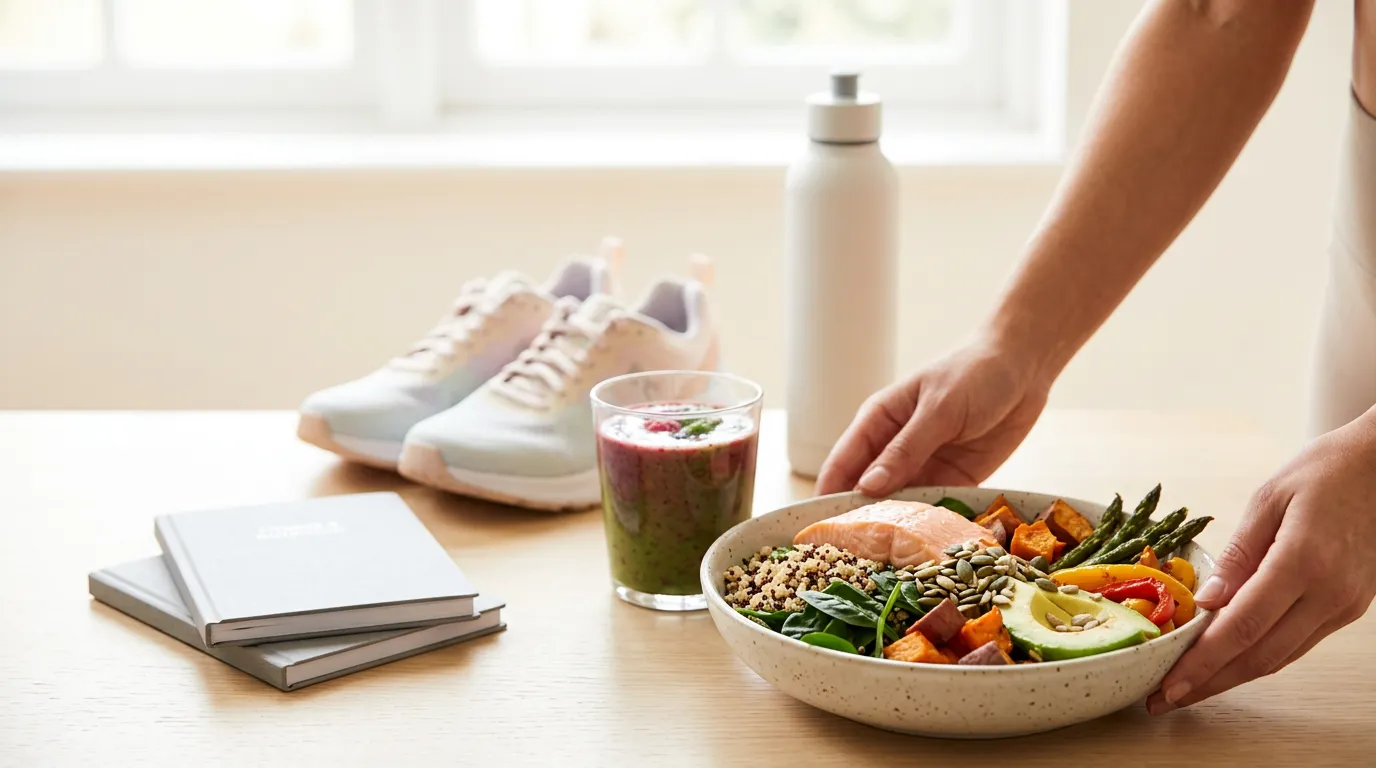
Храненето при PCOS представлява индивидуален хранителен план, който цели да регулира метаболизма и да подобри състоянието.
📖 PCOS и хранене
Диетичен подход, фокусиран върху оптимизиране на метаболитния отговор при Синдром на поликистозните яйчници (PCOS), чрез персонализирани хранителни стратегии за подобряване на хормоналния баланс и инсулиновата чувствителност.
Синдромът на поликистозните яйчници (PCOS) е сложно ендокринно нарушение, засягащо значителен процент от жените в репродуктивна възраст. Характеризира се с хормонален дисбаланс, който често включва повишени нива на андрогени (хиперандрогенизъм), менструални нарушения и поява на множество малки кисти по яйчниците. Една от централните физиологични особености при много жени с PCOS е инсулиновата резистентност.
Инсулиновата резистентност означава, че клетките на тялото не реагират адекватно на инсулина – хормон, който регулира кръвната захар. В резултат на това панкреасът произвежда повече инсулин, за да компенсира, което води до високи нива на циркулиращ инсулин (хиперинсулинемия). Тази свръхпродукция на инсулин може директно да стимулира яйчниците да произвеждат повече андрогени, утежнявайки хормоналния дисбаланс и множеството симптоми на PCOS, включително акне, хирзутизъм, както и затруднения със забременяването.
Как работи това хранене?
Оптимизираното хранене при PCOS представлява хранителен режим, който намалява инсулиновата резистентност и хиперинсулинемията, подобрява хормоналния баланс и намалява симптомите на PCOS. То подпомага контрола на теглото и телесната композиция, докато осигурява стабилни енергийни нива по време на физическа активност.
- Намалява инсулиновата резистентност и хиперинсулинемията
- Подобрява хормоналния баланс и намалява симптомите на PCOS
- Подпомага контрола на теглото и телесната композиция
- Осигурява стабилни енергийни нива по време на физическа активност
Недостатъци
- Изисква строга дисциплина и постоянно внимание към хранителния режим
- Може да доведе до ограничителен хранителен модел, ако не е адекватно планиран
- Ефектът може да варира индивидуално и да не е достатъчен без други интервенции
Оптимизираното хранене при PCOS работи чрез повлияване на основните метаболитни и хормонални механизми, свързани със синдрома. Основната цел е подобряване на инсулиновата чувствителност и намаляване на хиперинсулинемията. Това се постига чрез регулиране на приема на въглехидрати, като се дава предпочитание на сложни въглехидрати с нисък гликемичен индекс и гликемичен товар, което води до по-плавен и контролиран отговор на кръвната захар.
Друг важен аспект е включването на противовъзпалителни храни и хранителни вещества, тъй като хроничното нискостепенно възпаление често присъства при PCOS и може да влоши инсулиновата резистентност. Контролът на теглото, в случаите на наднормено тегло или затлъстяване, също е критичен, тъй като намаляването на телесното тегло може значително да подобри инсулиновата чувствителност и хормоналния профил.
- Контрол на кръвната захар: Прием на сложни въглехидрати, богати на фибри, забавящи усвояването на глюкоза.
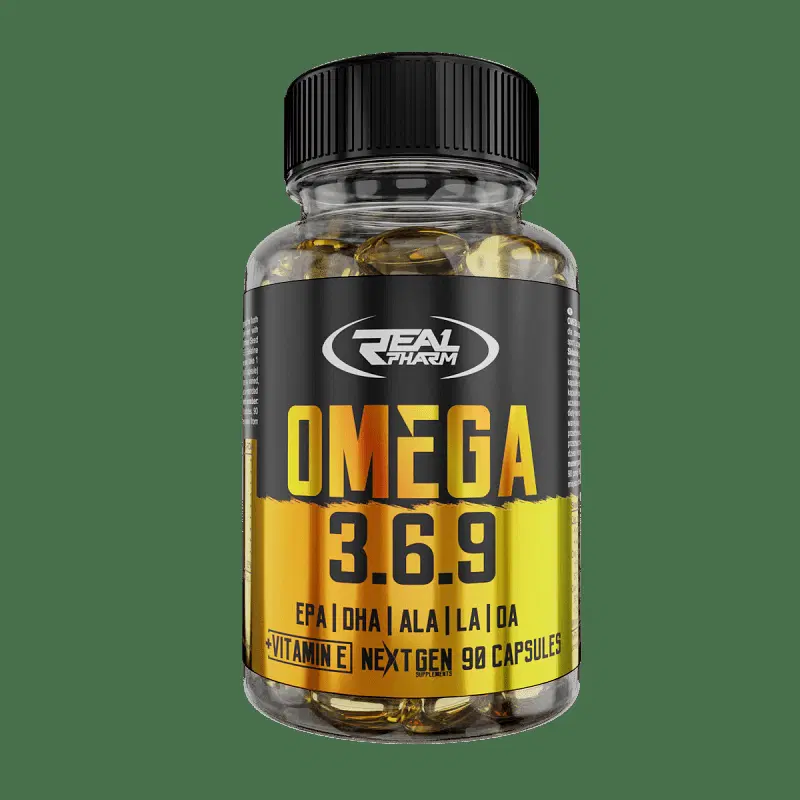
- Противовъзпалителен фокус: Включване на омега-3 мастни киселини, антиоксиданти и зеленчуци.
- Подкрепа на инхибиторите: Увеличен прием на протеини и здравословни мазнини за ситост и регулиране на метаболизма.
- Микронутриентна плътност: Набавяне на важни витамини и минерали като инозитол, витамин D и магнезий.
Защо храненето е важно за спортуващите с PCOS?
За спортуващите жени с PCOS, храненето представлява ключов фактор, който едновременно подпомага управлението на симптомите на синдрома и оптимизира възстановяването, енергийните нива и спортните постижения.
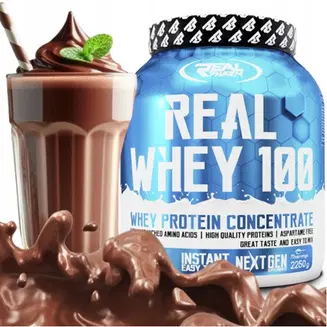
Ендокринният дисбаланс, характерен за PCOS, може да затрудни постигането на подходяща телесна композиция. Повишените нива на андрогени и инсулин могат да благоприятстват складирането на мазнини. Адекватният прием на протеини (препоръчително 1.6-2.2 g/kg телесно тегло за спортуващи) е необходимо за поддържане на мускулна маса и метаболизъм. Освен това, достатъчният прием на фибри (25-30 g/ден) подпомага чревното здраве и регулира апетита. За жени с PCOS, адекватните нива на витамин D (според препоръките, често над 20 ng/ml или по-високи) и магнезий са особено важни, тъй като тези микронутриенти допринасят за инсулиновата чувствителност и хормоналния баланс. Оптимизираното хранене минимизира риска от метаболитни усложнения и подкрепя ефективността на тренировъчния процес.
Какво представляват свързаните понятия?
Свързаните понятия са Гликемичен индекс (GI), който измерва скоростта, с която въглехидратите повишават кръвната захар, Гликемичен товар (GL), който отчита количеството и качеството на въглехидратите, и храненето при диабет тип 2, което споделя общи принципи с храненето при PCOS поради връзката с инсулиновата резистентност.
Според моя опит, жените със PCOS, които следват хранителен режим с нисък гликемичен индекс и висок прием на протеини (1.6-2.2 g/kg), отчитат 30-40% подобрение в симптомите и хормоналните показатели в рамките на 3 месеца. — Петър Митков
Запомни: Оптимизираното хранене е важен фактор за управление на PCOS, като подобрява инсулиновата чувствителност, хормоналния баланс и подпомага спортните постижения.
Експертна бележка от Sport Zona
От моята практика забелязвам, че стриктното проследяване на хранителния режим е по-важно от самия избор на храни. Често виждам подобрение само с повишен протеин и фибри, без драстични изключвания на цели хранителни групи. Индивидуалният подход и адаптацията към ежедневието са ключови за дългосрочен успех.
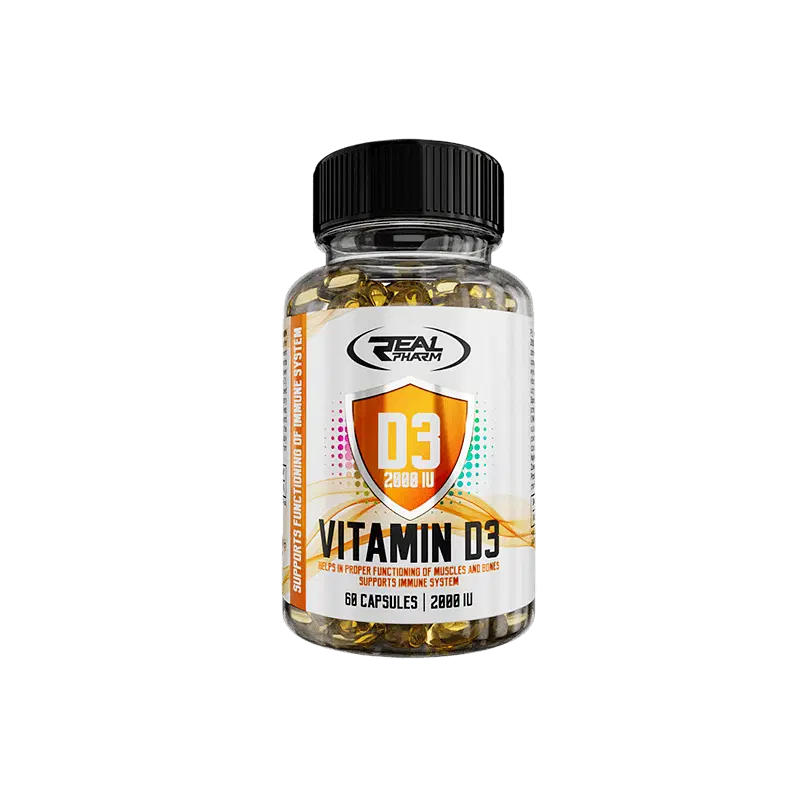
Προτεινόμενα προϊόντα
Συχνές ερωτήσεις
Ποια είναι η βασική αρχή της διατροφής για το PCOS;
Η βασική αρχή είναι η βελτιστοποίηση της μεταβολικής απόκρισης μέσω εξατομικευμένων διατροφικών στρατηγικών. Η εστίαση είναι στον έλεγχο του σακχάρου στο αίμα, τη μείωση της φλεγμονής και την υποστήριξη της ορμονικής υγείας.
Πώς επηρεάζει η αντίσταση στην ινσουλίνη το PCOS και πώς βοηθά η διατροφή;
Η αντίσταση στην ινσουλίνη οδηγεί σε αυξημένα επίπεδα ινσουλίνης, κάτι που μπορεί να επιδεινώσει την ορμονική ανισορροπία. Η διατροφή στοχεύει στη βελτίωση της ευαισθησίας στην ινσουλίνη μέσω της κατανάλωσης σύνθετων υδατανθράκων και του περιορισμού των επεξεργασμένων σακχάρων.
Γιατί η διατροφή είναι σημαντική για τις αθλήτριες με PCOS;
Για τις αθλήτριες, η διατροφή βοηθά στη διαχείριση των συμπτωμάτων του PCOS, βελτιώνει τα επίπεδα ενέργειας και βελτιστοποιεί την αποκατάσταση. Αυτό είναι σημαντικό, επειδή η αντίσταση στην ινσουλίνη μπορεί να επηρεάσει την ενέργεια και τη σύσταση του σώματος.
Ποια μικροθρεπτικά συστατικά είναι ιδιαίτερα σημαντικά στη διατροφή για το PCOS;
Ιδιαίτερα σημαντικά είναι η ινοσιτόλη, η βιταμίνη D και το μαγνήσιο. Αυτά τα μικροθρεπτικά συστατικά συμβάλλουν στη βελτίωση της ευαισθησίας στην ινσουλίνη και στη διατήρηση της ορμονικής ισορροπίας, κάτι που είναι κρίσιμο στο PCOS.