Citrulină vs. Sfeclă: Dublul Drum către Oxidul Azotic
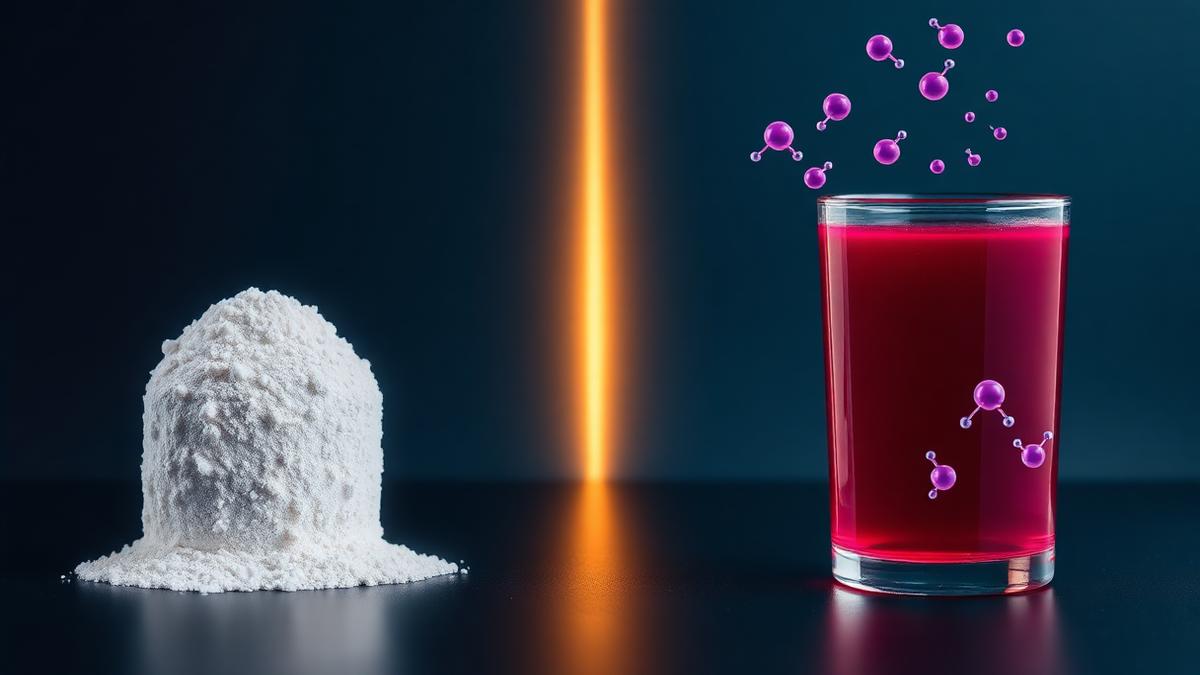
Citrulina și nitrații din sfeclă susțin două căi diferite de producere a oxidului nitric, optimizând fluxul sanguin și pomparea musculară. Combinarea lor oferă o acoperire completă a sistemului vascular.
Răspuns scurt: Citrulina și sfecla sunt două căi independente pentru oxidul nitric. Citrulina funcționează în prezența oxigenului (forță), în timp ce sfecla funcționează în hipoxie (cardio). Combinarea lor oferă o acoperire completă a sistemului vascular.
Optimizarea fluxului sanguin este importantă pentru pomparea musculară și rezistență. Corpul produce oxid nitric în două moduri independente. Citrulina susține una, iar nitrații din sfeclă – pe cealaltă. Combinarea lor oferă o acoperire completă a sistemului vascular.
Pentru mai multe informații, poți consulta ghidul complet pentru suplimente sportive.
Ce este matricea comparativă între calea aminoacizilor și cea a nitraților?
Matricea comparativă între calea aminoacizilor și cea a nitraților reprezintă o analiză detaliată a caracteristicilor cheie ale L-Citrulinei (malat) și Sfeclei (nitrați), incluzând calea biologică, ingredientele active, beneficiile principale, influența, momentul optim de administrare și dozajul.
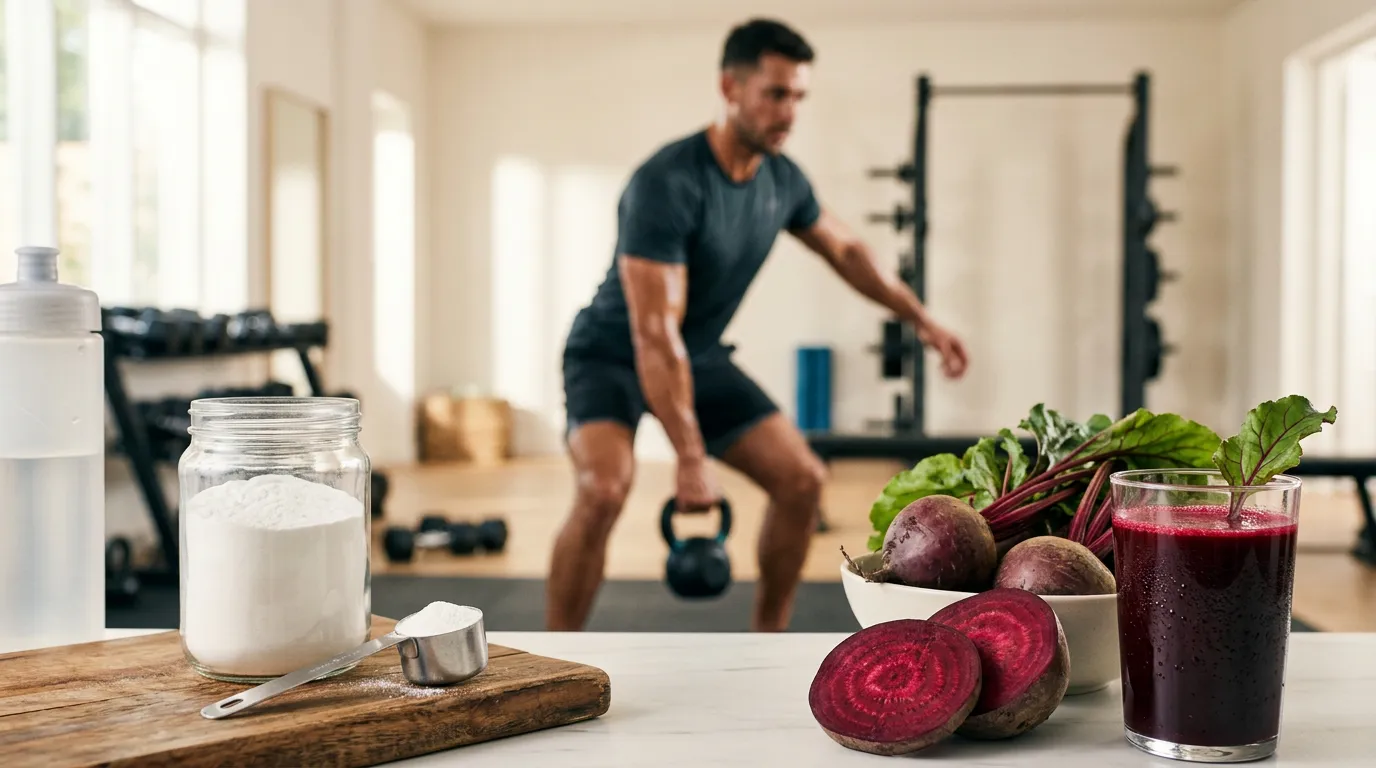
Cum funcționează citrulina și sfecla?
1. Citrulina: Motorul intern (Calea NOS)
Citrulina este un aminoacid care se transformă în arginină, care, prin enzima oxid nitric sintază (NOS), se transformă în oxid nitric.
Pe scurt: Analizăm procesele chimice din corp care formează oxidul nitric.
Surse științifice
- Bailey, S. J., et al. (2009) - "Ingestia de nitrați alimentari reduce costul de O2 al exercițiului și îmbunătățește toleranța la efort la om." (DOI: 10.1113/jphysiol.2009.179046)
- Schwedehelm, E., et al. (2008) - "Proprietăți farmacocinetice și farmacodinamice ale L-citrulinei și L-argininei orale: un studiu comparativ la subiecți sănătoși." (DOI: 10.1007/s00228-008-0475-4)
- Jones, A. M. (2014) - "Nitrații alimentari și performanța sportivă umană." (DOI: 10.1113/jphysiol.2014.270639)
- Perez-Guisado, J., & Jakeman, P. M. (2010) - "Malatul de citrulină îmbunătățește performanța anaerobă atletică și ameliorează durerea musculară." (DOI: 10.1186/1550-2783-7-14)
Notă expert
Combinația de citrulină și extract de sfeclă oferă adesea o sinergie mai bună decât administrarea individuală. O greșeală frecventă este să te bazezi doar pe un singur mecanism, în loc să susții circulația sanguină prin cele două căi principale de producere a oxidului nitric. Atleții care combină cele două produse raportează adesea o "pompare" mai bună și o rezistență sporită, în special în timpul antrenamentelor lungi și intense.
- Dependența de oxigen: Această cale necesită oxigen. Prin urmare, este foarte eficientă în antrenamentele anaerobe cu greutăți, unde pauzele dintre seturi permit reoxigenarea.
- Curățarea metabolică: Citrulina reciclează amoniacul în ciclul ureei, ceea ce încetinește oboseala musculară.
2. Sfecla (Nitrați): Calea Alternativă (Calea Nitrat-Nitrit)
Nitrații din sfeclă folosesc o cale mai directă, care nu necesită oxigen.
- Eficiență în hipoxie: În timpul sprinturilor intense sau maratoanelor, când nivelul de oxigen din țesuturi scade, calea citrulinei încetinește. Atunci, nitrații mențin vasele dilatate în ciuda efortului extrem.
- Economie mitocondrială: Nitrații fac mitocondriile mai eficiente – produc mai multă energie cu mai puțin oxigen.
Care sunt dovezile?
Dovezile științifice indică faptul că extractul de sfeclă îmbunătățește eficiența oxigenului cu 3–5% și prelungește timpul până la epuizare la atleții de anduranță, în timp ce citrulina crește volumul de antrenament cu 19–53% în exercițiile de forță.
De ce este puternică combinația de citrulină și sfeclă?
Sinergia dintre citrulină și sfeclă oferă o acoperire completă în timpul antrenamentului, citrulina acționând la început și în timpul pauzelor, iar sfecla intrând în acțiune la efort maxim și în condiții de deficit de oxigen. Această combinație creează o fereastră anabolică mai lungă prin menținerea echilibrului de azot pentru o perioadă mai lungă după antrenament și duce la vasodilatație globală, deoarece cele două căi stimulează diferite tipuri de vase (artere și capilare).
- Acoperire completă: Citrulina funcționează bine la început și în timpul pauzelor, în timp ce sfecla intervine la efort maxim și când oxigenul nu este suficient.
- Fereastră anabolică mai lungă: Combinația menține echilibrul de azot mai mult timp după antrenament, accelerând livrarea nutrienților pentru recuperarea musculară.
- Vasodilatație globală: Cele două căi stimulează diferite tipuri de vase (artere și capilare), îmbunătățind circulația generală.
Ce greșeli facem frecvent?
O greșeală frecventă este utilizarea apei de gură antibacteriene înainte de a consuma sfeclă, deoarece bacteriile de pe limbă care transformă nitrații în nitriți vor fi eliminate, ceea ce, de asemenea, anulează efectul sfeclei.
- Apă de gură antibacteriană înainte de sfeclă: Bacteriile de pe limbă transformă nitrații în nitriți. Utilizarea apei de gură antibacteriene înainte de a consuma sfeclă va elimina efectul acesteia.
- Suc obișnuit în loc de concentrat: Sucul din comerț are o concentrație prea mică de nitrați pentru scopuri sportive. Caută un "Beetroot Shot" standardizat cu 300–600 mg nitrați.
- Momentul administrării greșit: Sfecla acționează cel mai bine la 2–3 ore după administrare, în timp ce citrulina acționează după 45–60 de minute. Dacă le administrezi simultan, nivelurile lor de vârf nu vor coincide.
- Panica de urină roz: Colorarea roz a urinei (beaturia) după consumul de sfeclă este inofensivă și normală.
Cum să alegem între citrulină și sfeclă?
Un algoritm practic de alegere reprezintă un set de ghiduri care ajută la luarea unei decizii informate cu privire la care dintre cele două suplimente – citrulina sau sfecla – este mai potrivită pentru nevoile și obiectivele individuale, luând în considerare beneficiile și aplicațiile specifice ale acestora.
- Antrenezi predominant culturism sau powerlifting.
- Cauți o pompare vizibilă și o vascularizație pronunțată.
- Dorești să reduci durerea musculară în următoarele 48 de ore.
🔵 Alege SFECLĂ, dacă:
- Ești alergător, ciclist sau înotător.
- Te antrenezi la altitudine mare (unde oxigenul este mai puțin).
- Scopul tău este să crești rezistența plămânilor și a inimii.
🟣 Combină-le (Stack), dacă:
- Faci CrossFit, HIIT sau triatlon.
- Ai antrenamente grele care combină forța și volumul.
- Dorești o acoperire completă a oxidului nitric prin cele două căi independente.
Stack recomandat
Pentru pomparea și rezistența maximă, combină 6-8 grame de Malat de L-Citrulină (2:1) cu 45 de minute înainte de antrenament cu 500 mg de extract de sfeclă (standardizat la 3-5% nitrați) cu 2-3 ore înainte de antrenament.
Când și cum să administrăm sfecla pentru rezultate maxime?
Sfecla reprezintă un concentrat (1 shot, 70 ml) cu 300–600 mg nitrați, care se administrează cu 2,5 ore înainte de antrenament, fiind important să se caute o formă standardizată.
Citrulină: 6–8g Malat de Citrulină (sau 3–5g L-Citrulină pură), cu 45–60 de minute înainte de antrenament.
Împreună: Bea shot-ul de sfeclă cu 2,5 ore înainte de start, iar citrulina cu 45 de minute înainte. Astfel, nivelurile lor de vârf vor coincide la jumătatea antrenamentului. Adaugă un praf de sare de mare în băutură pentru a susține volumul plasmatic.
Concluzie expert
Citrulina și sfecla sunt cei doi piloni ai vasodilatației naturale. Pentru atleții de forță, citrulina este suficientă. Pentru sportivii de anduranță, sfecla este mai potrivită. Dar pentru cei care doresc o acoperire completă, combinația este o metodă științifică de susținere a circulației sanguine. Evită apa de gură antibacteriană cu cel puțin 2 ore înainte și după administrarea sfeclei.
🧭 Când să alegi ce?
- Alege Citrulina, dacă dorești cea mai pură și controlabilă modalitate de a crește oxidul nitric, fără gust sau zahăr adăugat.
- Alege Sfecla, dacă dorești o sursă naturală de oxid nitric, care oferă și alte substanțe nutritive, și preferi un gust natural.
- Combină-le pe amândouă, dacă țintești o creștere maximă și combinată a oxidului nitric pentru performanțe sportive de vârf.
📖 Ce sunt L-Citrulina și Sfecla?
L-Citrulina este un aminoacid pe care corpul îl folosește pentru a produce oxid nitric (NO), îmbunătățind circulația sanguină și performanța sportivă. Sfecla este o legumă rădăcinoasă bogată în nitrați, pe care corpul îi transformă în oxid nitric (NO), susținând, de asemenea, vasodilatația și circulația sanguină.
⚖ Avantaje și dezavantaje
| Avantaje | Dezavantaje |
|---|---|
|
L-Citrulină:
|
L-Citrulină:
Sfeclă:
|
🗣 Explicat simplu
Citrulina și sfecla pot ajuta corpul tău să producă mai mult oxid nitric. Oxidul nitric este important deoarece dilată vasele de sânge și îmbunătățește circulația. Vom analiza ce opțiune este mai potrivită pentru obiectivele tale.
Alege produsul potrivit pentru scopul tău:
→ Pulbere de sfeclă sau extract
→ Malat de L-Citrulină
Protocol combinat pentru eficiență maximă:
Combinarea produselor crește eficiența.
⚖ Când să alegi Citrulina
- Dacă practici culturism sau powerlifting.
- Dacă cauți o pompare vizibilă și o vascularizație pronunțată în timpul antrenamentului.
- Dacă vrei să reduci durerea musculară în următoarele 48 de ore.
- Dacă faci antrenamente anaerobe cu greutăți și ai pauze scurte.
⚖ Când să alegi Sfecla
- Dacă ești alergător, ciclist sau înotător, vizând rezistența.
- Dacă te antrenezi la altitudine mare cu mai puțin oxigen.
- Dacă vrei să crești rezistența plămânilor și a inimii tale.
- Dacă cauți eficiență în hipoxie în timpul eforturilor intense.
Notă expert de la ETC (Centrul Expert de Antrenament)
Pe baza anilor de muncă cu atleți bulgari, observ că combinația de citrulină și extract de sfeclă oferă o "pompare" și o rezistență mai complete decât fiecare ingredient individual. Acest lucru este deosebit de vizibil în antrenamentele de înaltă intensitate. În plus, rezultatele variază de la o persoană la alta, dar efectul combinat este prezent la majoritatea atleților pe care i-am observat.
🔬 Notă expert de la Sport Zona
Din experiența mea de peste 12 ani de lucru cu atleți bulgari, observ că combinarea citrulinei și a extractului de sfeclă oferă cele mai bune rezultate pentru rezistență și pompare. Citrulina este preferată pentru antrenamentele de forță, în timp ce sfecla este vizibil mai eficientă în sarcina cardio. Atleții observă o diferență palpabilă atunci când folosesc combinația.
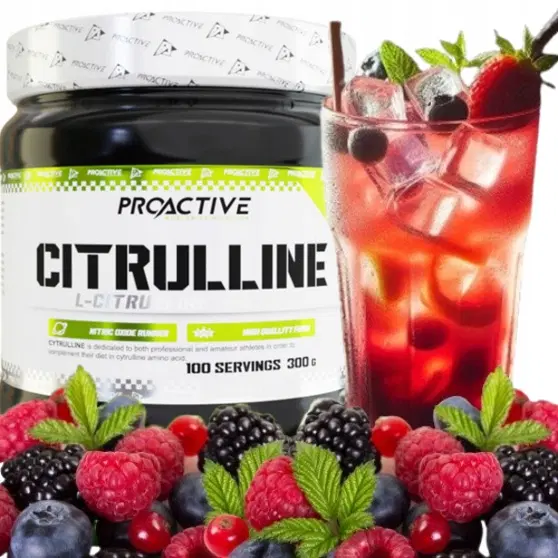
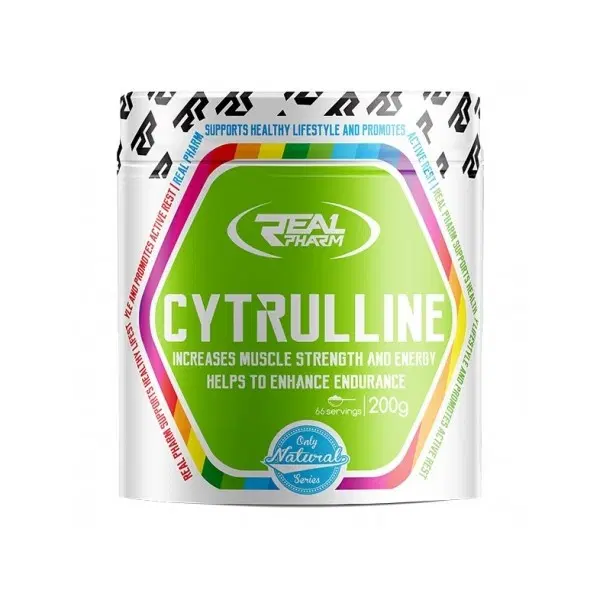
Produse recomandate
Întrebări frecvente
Când este cel mai potrivit să iau L-Citrulină și când nitrați din sfeclă?
L-Citrulina se ia cu 45-60 de minute înainte de antrenament pentru rezistență musculară. Nitrații din sfeclă sunt cei mai eficienți atunci când sunt luați cu 2-3 ore înainte de antrenament, în special pentru îmbunătățirea eficienței oxigenului.
Este posibilă combinarea L-Citrulinei și a nitraților din sfeclă?
Da, combinarea lor este o mișcare strategică pentru a obține o îmbunătățire generală a fluxului sanguin. Acestea acționează prin căi diferite și nu concurează, asigurând un efect maxim în diverse condiții de efort.
Au L-Citrulina sau nitrații din sfeclă efecte secundare nedorite?
Consumul de sfeclă poate duce la o colorare roz, inofensivă, a urinei (beeturia). Fii atent la apa de gură antibacteriană înainte de a consuma sfeclă, deoarece poate reduce efectul acesteia.
Care produs este mai bun pentru sporturile de anduranță precum alergarea sau ciclismul?
Pentru sporturile de anduranță, nitrații din sfeclă sunt mai potriviți, deoarece îmbunătățesc eficiența oxigenului (VO2 Max) și funcționează bine în condiții de oxigen scăzut. L-Citrulina este mai axată pe rezistența musculară.