Proteine din vită vs. Proteine din soia: Densitate nutritivă vs. Protecție vegetală
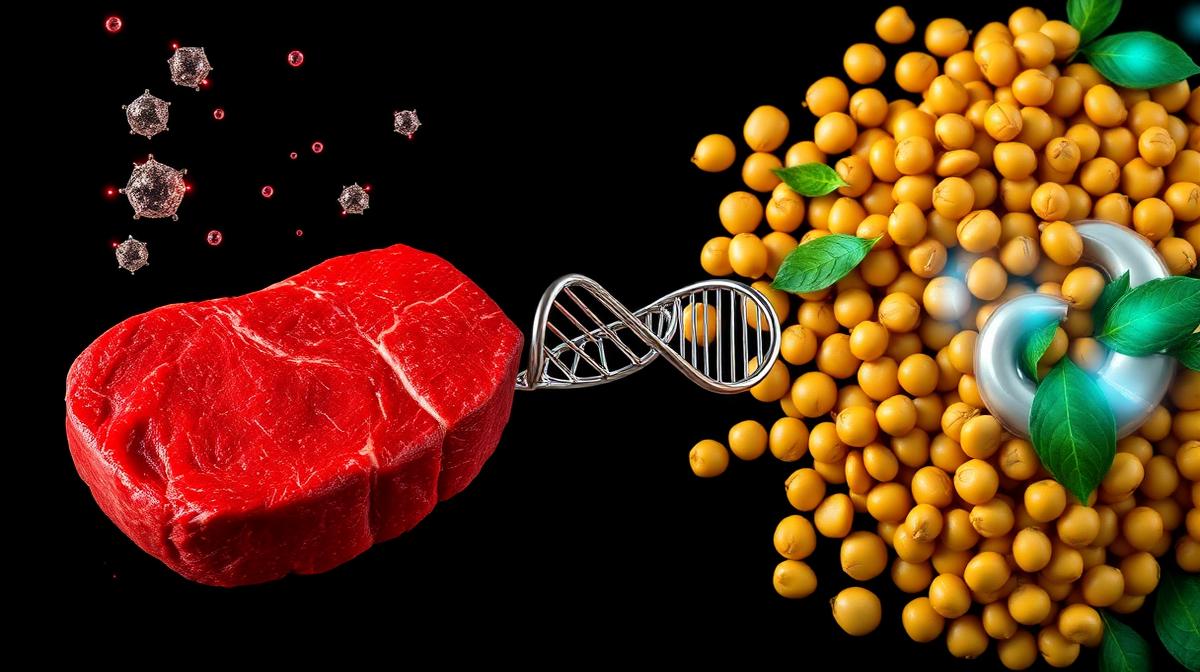
Proteina de vită este superioară proteinei de soia în ceea ce privește potențialul anabolic, dar soia este singura alternativă vegetală cu un profil complet de aminoacizi și beneficii pentru longevitate.
Răspuns scurt: Carnea de vită domină cu 92 BV, creatină naturală și fier hem pentru forță maximă, în timp ce izolatul de soia (PDCAAS 1.0) scade LDL și oferă arginină pentru fluxul sanguin. Protocol optim: vită în zilele de antrenament, soia în zilele de pauză pentru flexibilitate metabolică.
Carnea de vită rămâne de neegalat în capacitatea sa anabolică pe gram de proteine, dar soia se impune ca singura alternativă vegetală cu un profil complet de aminoacizi și beneficii pentru longevitate.
Vezi și baza de cunoștințe expertă despre suplimente — peste 270 de articole verificate de experți de către Petar Mitkov și echipa Sport Zona.
Cât de eficiente sunt carnea de vită și proteina din soia și care este conținutul lor nutrițional?
Matricea comparativă pentru proteina din carne de vită și cea din soia arată că proteina din carne de vită are o valoare biologică de 92 și un indice anabolic maxim datorită conținutului ridicat de leucină și creatină, în timp ce izolatul de soia are o valoare biologică de 74 și un indice anabolic moderat, necesitând un volum mai mare. Proteina din carne de vită conține fier hem și poate crește LDL-ul în cazul cărnii grase, în timp ce soia conține fier non-hem, a cărui absorbție este inhibată de fitate, și scade LDL-ul și trigliceridele.
| Caracteristică | Proteine din carne de vită (Vită) | Proteine din soia (Izolat de soia) |
|---|---|---|
| Valoare biologică | 92 (Foarte ridicată) | 74 (Ridicat pentru o plantă) |
| Indice anabolic | Maxim (Leucină/Creatină ridicată) | Moderat (necesită volum mai mare) |
| Fier | Hem (Absorbție directă) | Non-hem (Inhibat de fitate) |
| Impact cardiovascular | Poate crește LDL (în cazul cărnii grase) | Scade LDL și trigliceridele |
| Cofactor cheie | Vitamina B12, Zinc | Izoflavone (Genisteină) |
| Calorii pentru 30g de proteine | ~150 kcal (carne slabă) | ~300 kcal (în alimente integrale) |
Ce este analiza aprofundată a mecanismelor?
1. Carnea de vită: „Compresorul anabolic"
Carnea de vită este programată biologic pentru o digestibilitate maximă la oameni.
Simplu spus: Această secțiune examinează exact cum funcționează proteinele la nivel molecular, ca și cum am demonta un motor pentru a vedea cum funcționează fiecare piesă.
Surse științifice
- Morton, R. W., et al. (2018). "Systematic review, meta-analysis and meta-regression of the effect of protein supplementation on resistance training-induced gains in muscle mass and strength in healthy adults." British Journal of Sports Medicine, 52(6), 376-384. (PMID: 28699222)
- Messina, M., & Rogero, M. M. (2020). "Soy Protein and Health: A Review of In Vivo and In Vitro Evidence." Nutrients, 12(12), 3680. (DOI: 10.3390/nu12123680)
- Phillips, S. M, & Van Loon, L. J. C. (2011). "Dietary protein for athletes: from requirements to optimum adaptation." Journal of Sports Sciences, 29(sup1), S29-S38. (DOI: 10.1080/02640414.2011.619204)
- Hamilton-Reeves, J. M, et al. (2010). "Clinical studies show no effects of soy protein or isoflavones on reproductive hormones in men: results of a meta-analysis." Fertility and Sterility, 94(3), 997-1007. (DOI: 10.1016/j.fertnstert.2009.04.096)
În practica mea, observ că proteina din carne de vită rămâne preferată pentru acumularea rapidă de masă musculară, în special în sporturile de forță. O greșeală frecventă este subestimarea proteinei din soia ca alternativă completă pentru recuperare și sănătate generală, în special pentru persoanele cu obiective de fitness mai moderate sau vegetarieni.
Pragul de leucină: Carnea de vită conține aproximativ 8-9% leucină, ceea ce depășește cu ușurință „pragul de leucină" necesar pentru a iniția sinteza proteinelor.
Efectul combinat al creatinei: Conținutul natural de creatină din carnea de vită ajută la hidratarea celulară și la forța explozivă – componente care nu sunt prezente deloc în soia.
2. Soia: „Modulatorul hormonal"
Izolatul de soia este unic prin proprietățile sale antioxidante.
Dominanța argininei: Soia conține mai multă L-arginină decât carnea de vită, ceea ce susține circulația sângelui și livrarea de nutrienți prin oxidul nitric.
Izoflavone: Aceste compuși imită efectul estrogenului într-un mod selectiv, care poate proteja țesuturile de daune oxidative și poate îmbunătăți densitatea osoasă.
De ce este rezistența anabolică critică?
„Densitatea calorică a anabolismului" reprezintă un concept de cercetare modern (2024-2025) care face obiectul studiilor.
Volum versus Rezultat: Pentru a obține același stimul muscular ca de la o friptură mică de vită, va trebui să consumați aproape dublul cantității de proteine din soia. Acest lucru este important pentru sportivii care trebuie să mențină o greutate corporală scăzută, dar o masă musculară ridicată.
Mite despre „Estrogenul": Meta-analizele confirmă că proteina din soia nu crește nivelul de estrogen la bărbați într-o măsură care să suprime testosteronul. Corpul recunoaște fitoestrogenii diferit de hormonii endogeni.
Ce aleg: proteine din carne de vită sau din soia?
Alege PROTEINE DIN CARNE DE VITĂ, dacă:
- Obiectivul tău principal este hipertrofia și recordurile de forță.
- Urmezi un regim cu calorii limitate, dar vrei să-ți păstrezi mușchii.
- Ai niveluri scăzute de energie, fier sau suferi de anemie.
- Preferi alimentele minim procesate (friptură în loc de burger de soia).
Alege PROTEINE DIN SOIA, dacă:
- Prioritatea ta este prevenția cardiovasculară și controlul colesterolului.
- Urmezi un stil de viață vegan sau vegetarian.
- Ai intoleranță la carnea roșie sau la grăsimile animale.
- Cauți o proteină cu un preț mai mic și un conținut mai ridicat de antioxidanți.
Proteina din carne de vită oferă o densitate nutrițională ridicată, în timp ce proteina din soia oferă beneficiile protecției vegetale.
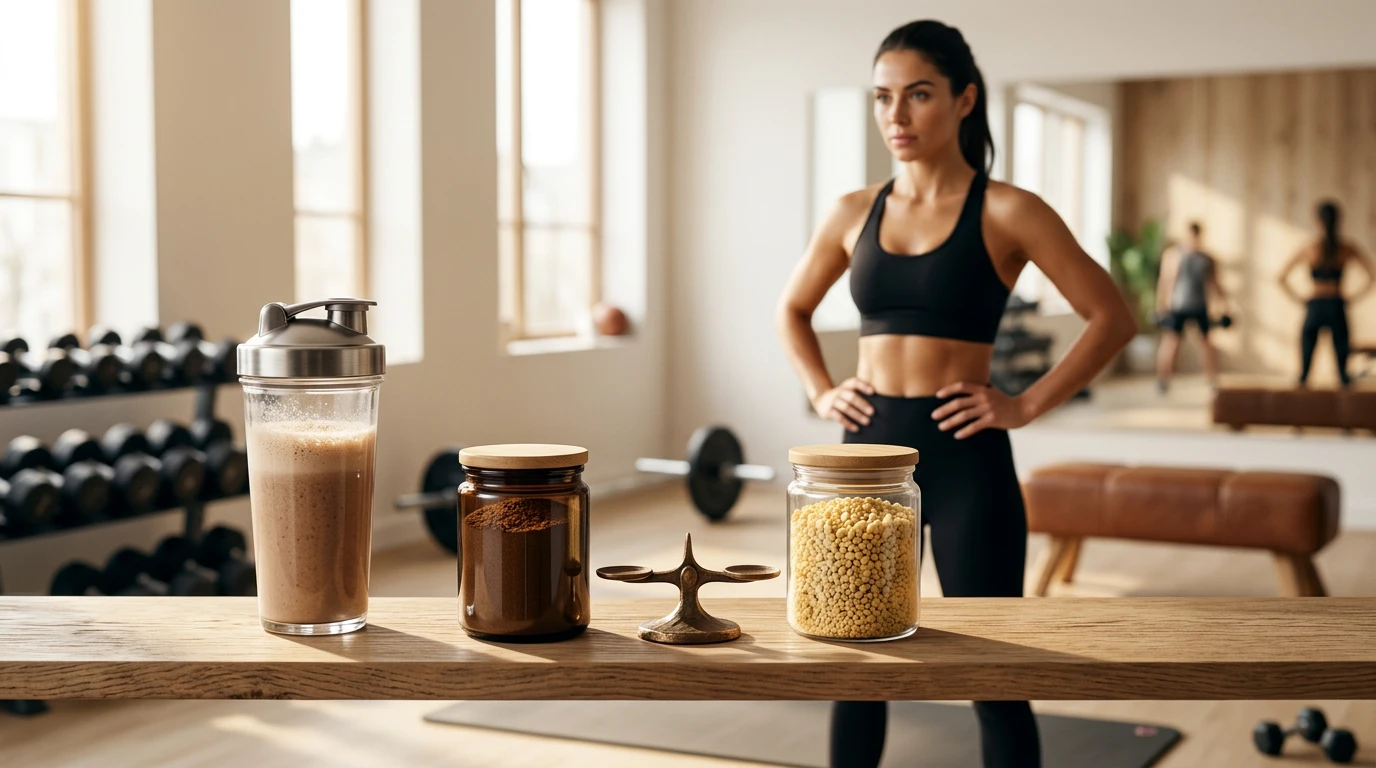
Pentru un răspuns anabolic maxim și, în general, o strategie: Combinați 25-30g de proteine din carne de vită (după antrenament) cu 30-40g de proteine din soia (ca gustare sau înainte de culcare). Adăugați 5g de creatină monohidrat la proteina din carne de vită.
Ce este Protocolul Strategic de Rotație (2026)?
Protocolul Strategic de Rotație (2026) reprezintă cea mai inteligentă strategie pentru corp, axată pe atingerea „Flexibilității metabolice“.
Focus Anabolic (Zile de antrenament intens): Consumați carne de vită pentru un salt maxim de creatină și leucină.
Focus Detox (Zile de pauză): Treceți la izolat de soia sau edamame. Acest lucru va oferi o pauză rinichilor și va îmbunătăți profilul lipidic prin fibre și izoflavone.
Pentru femei: Soia este deosebit de utilă pentru echilibrul hormonal, iar carnea de vită este critică pentru nivelurile de fier în timpul ciclului.
🤖 Notă expertă: Căutați întotdeauna carne de vită de la animale hrănite cu iarbă (crescute liber) pentru un profil omega-3 mai bun și soia fără OMG pentru a evita reziduurile de pesticide. Calitatea sursei este la fel de importantă ca și proteina în sine.
🧭 Când să alegi ce?
- Alegeți proteine din carne de vită, dacă căutați o densitate maximă de aminoacizi cu un conținut ridicat de fier și vitamina B12.
- Alegeți proteine din soia, dacă preferați o sursă vegetală, importantă din motive etice sau pentru reducerea amprentei de carbon.
- Combinați ambele, dacă urmăriți un echilibru între toți nutrienții și folosiți o dietă variată.
📖 Ce sunt proteinele din carne de vită și proteinele din soia?
Proteina din carne de vită este un izolat sau hidrolizat proteic extras din carnea de vită, ceea ce o face o sursă bogată de aminoacizi și creatină. Proteina din soia este o proteină vegetală completă, obținută din boabe de soia, care conține toți aminoacizii esențiali și fitoestrogeni.
⚖ Avantaje și dezavantaje
| Avantaje | Dezavantaje |
|---|---|
|
|
🗣 Explicat simplu
Este ca și cum ai alege între două combustibili pentru mașina ta. Proteina din carne de vită este ca benzina premium, plină de tot ce are nevoie motorul - vitamine, minerale, totul. Proteina din soia, pe de altă parte, este mai mult ca un ulei vegetal, care funcționează și el, este mai ușor de procesat de către organism și este o alegere bună dacă preferi ceva mai vegan.
Alege produsul potrivit pentru obiectivul tău:
→ Izolat de proteine din soia
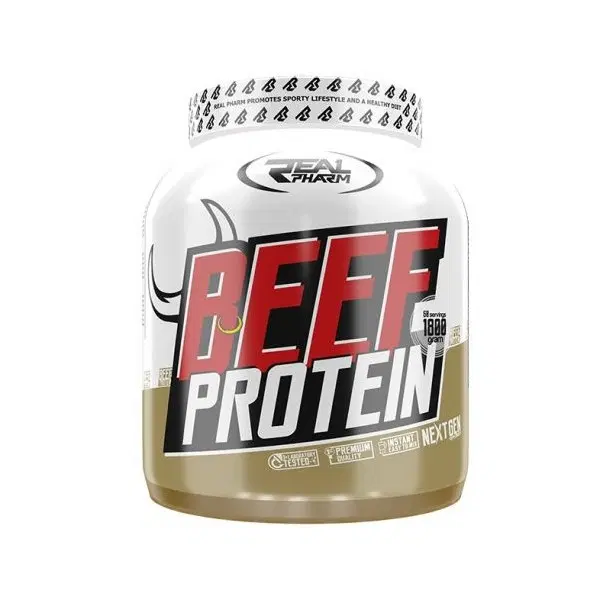
→ Hidrolizat de proteine din carne de vită
→ BCAA + Glutamină
Protocol combinat pentru eficiență maximă:
Combinarea produselor crește eficiența.
⚖ Când să alegi Carnea de vită
- Obiectivul este hipertrofia maximă și recordurile de forță în sporturile de forță.
- În timpul unei diete cu aport caloric limitat, dar cu scopul de a păstra mușchii.
- În caz de niveluri scăzute de fier, anemie sau energie scăzută.
- Dacă preferi alimente minim procesate (friptură în loc de burger vegan).
⚖ Când să alegi Proteine din soia
- Prioritatea este prevenția cardiovasculară și controlul colesterolului.
- Dacă urmezi un stil de viață vegan sau vegetarian.
- În caz de intoleranță la carnea roșie sau la grăsimile animale.
- Când cauți o proteină cu proprietăți antioxidante ridicate și un preț mai mic.
Notă expertă de la Sport Zona
Din cei 12 ani de experiență cu sportivi bulgari, am observat că adaptarea regimului alimentar la nevoile individuale este esențială. În timp ce unii obțin rezultate excelente cu proteine animale precum carnea de vită, alții găsesc un echilibru și rezultate bune cu soia, mai ales când respectă un regim vegetarian. Este important să asculți corpul și să asiguri un profil complet de aminoacizi.
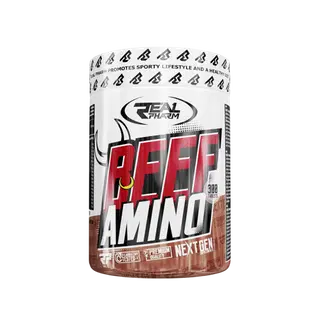
Produse recomandate
Întrebări frecvente
Care proteină este mai bună pentru creșterea rapidă a masei musculare?
Proteina din vită este mai eficientă pentru creșterea musculară datorită conținutului mai mare de leucină și a creatinei naturale. Oferă un stimul anabolic puternic într-un volum mai mic.
Proteina din soia poate dăuna echilibrului hormonal la bărbați?
Conform meta-analizelor moderne, proteina din soia nu crește nivelul de estrogen la bărbați într-o măsură care să aibă un efect negativ asupra testosteronului. Corpul procesează fitoestrogenii diferit.
Care sunt principalele beneficii ale proteinei din soia?
Proteina din soia este valoroasă datorită beneficiilor sale pentru sănătatea cardiovasculară, reducând colesterolul LDL și trigliceridele. Conține, de asemenea, izoflavone care au proprietăți antioxidante.
Se poate combina proteina din vită și soia într-o dietă?
Da, combinarea lor este o strategie inteligentă pentru flexibilitatea metabolică. Vită în zilele cu antrenamente intense și soia în zilele de odihnă pot optimiza beneficiile.