GI'ye Karşı GT: Metabolik Hız ve İnsülin Yükü
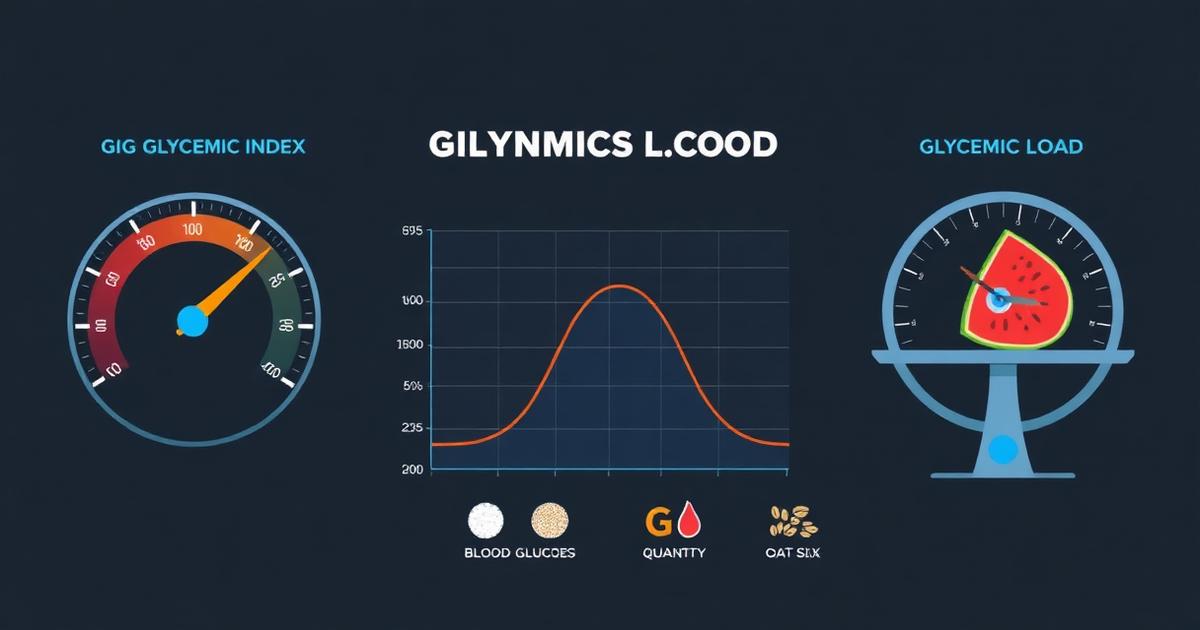
Zirve Performans İçin Glikemik Yanıtı Yönetme. Glikemik İndeks (GI), kan şekeri artış hızını gösterirken, Glikemik Yük (GL), belirli bir porsiyon yiyeceğin insülin üzerindeki gerçek kantitatif etkisini ölçer.
In 2026, sports physiology views carbohydrates as "time-dependent variables". For the athlete, understanding the difference between GI and GL is the difference between having sustained energy and crashing into reactive hypoglycemia mid-race.
📊 Comparative Matrix: Technical Analysis
| Characteristic | Glycemic Index (GI) | Glycemic Load (GL) |
|---|---|---|
| What does it measure? | Quality (speed of glucose) | Quantity (actual impact) |
| Reference Basis | Fixed 50g carbohydrate | Actual food portion |
| Formula | Lab tested against glucose | (GI × net carbs in portion) / 100 |
| Low Range | < 55 | < 10 |
| Medium Range | 56 – 69 | 11 – 19 |
| High Range | > 70 | > 20 |
| Athlete Focus | Food choice based on timing | Caloric balance control |
🧬 In-depth Analysis of Athlete Mechanisms
1. Glycemic Index: The "Insulin Switch"
GI determines how quickly the body will release insulin – the primary anabolic hormone.
GI vs. GL: Metabolic Rate and Insulin Demand
How to manage your glycemic response for peak performance. The Glycemic Index (GI) indicates blood glucose speed, while the Glycemic Load (GL) measures the actual quantitative impact on insulin for a specific food portion.
💬 Simply put: Glycemic Index is like a car's speedometer – it shows how fast blood sugar is moving. Glycemic Load, on the other hand, is like the total distance traveled, indicating how much fuel was burned and how much the engine was strained.
⚠️ The High GI Trap
Consuming high-GI foods (like white bread or dates) right before a workout can trigger an "insulin shock." Insulin blocks lipolysis (fat burning), forcing the body to rely solely on glycogen, leading to quicker exhaustion.
🔓 The Glycemic Window
Post-workout, a high GI is your ally. The insulin spike "unlocks" muscle cells (via GLUT4 receptors) to uptake glucose and amino acids for recovery.
2. Glycemic Load: The "Realistic Metabolic Footprint"
GL is far more crucial for athletes monitoring their body composition.
💬 Simply put: Imagine GI as a team's power – how quickly they can score. GL is like the final match score, showing how many points were scored and how much it taxed the players.
Önerilen ürünler
 ProActive X-Mass Gainer 3000g Salted Caramel34.77 €
 7Nutrition - Multisport Vitamin & Mineral Complex / 60caps13.29 €
Sıkça sorulan sorular
Glikemik İndeks (GI) ile Glikemik Yük (GL) arasındaki fark nedir?
GI, gıdanın kan şekeri yükseltme hızını (kalite) ölçerken, GL porsiyondaki karbonhidratın gerçek miktarını (miktar) ölçer. Formül şöyledir: GL = (GI × porsiyondaki net karbonhidrat) / 100.
Karpuz neden yüksek GI'ye sahip olmasına rağmen diyet için güvenlidir?
Karpuzun GI'si ~72'dir (yüksek), ancak 150g porsiyon için GL'si sadece ~5'tir (düşük), çünkü çoğunlukla sudan oluşur. Gerçek bir insülin sorunu yaratmak için çok büyük miktarlar yemeniz gerekir.
Yüksek GI'li gıdaları ne zaman yemem doğru olur?
Yüksek GI iki durumda faydalıdır: egzersiz sırasında (kaslar GLUT4 aracılığıyla insülin olmadan glikoz alır) ve egzersizden sonraki 60 dakika içinde (hızlı glikojen dolumu ve katabolizmayı durdurmak için).
Yiyecekleri değiştirmeden öğünümün GI'sini nasıl düşürebilirim?
Üç kanıtlanmış yöntem: 1) Karbonhidratlardan önce protein ve sebze yiyin (-%40 GI), 2) Sirke veya limon suyu ekleyin (-%30 GI), 3) Kahvaltıda düşük GI'li yiyecekler yiyin – İkinci Öğün Etkisi (Second Meal Effect) öğle yemeği yanıtını da iyileştirir.