Gebelik Beslenmesi
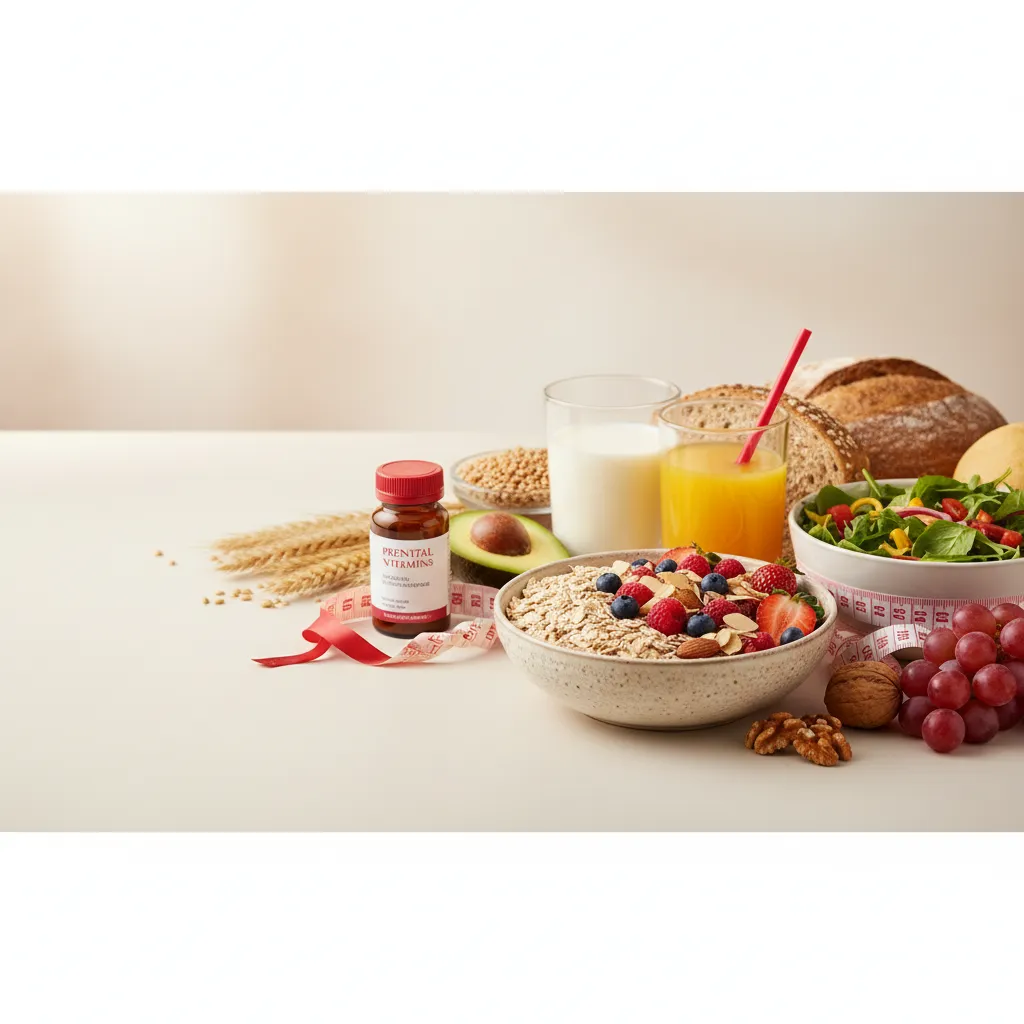
Кратка експертна дефиниция: какво е Хранене при бременност, как работи в организма и как се прилага в спортното хранене. Храненето при бременност е процесът на осигуряване на адекватни хранителни вещества за поддържане на здравето на майката и правилното развитие на плода по време на бременност. То включва специфични хранителни препоръки, които се различават от тези за небременни жени, поради повишените нужди от определени витамини, минерали и енергия. **Как работи в организма:** По време на бременност тялото на жената претърпява значителни физиологични промени, за да поддържа растящия плод. Храненето играе ключова роля в тези процеси: * **Растеж и развитие на плода:** Осигурява градивните елементи (протеини, мазнини, въглехидрати, витамини и минерали) за формирането на тъканите, органите и костите на бебето. Например, фолиевата киселина е от съществено значение за предотвратяване на дефекти на невралната тръба, а калцият е важен за развитието на костите. * **Поддържане на здравето на майката:** Осигурява енергия и хранителни вещества за справяне с повишените метаболитни нужди, поддържане на обема на кръвта, растежа на плацентата и подготовка на тялото за раждане и кърмене. Желязото е важно за предотвратяване на анемия, а протеините са необходими за възстановяване на тъканите. * **Регулация на телесната температура и хормонални промени:** Правилното хранене подпомага нормалното функциониране на ендокринната система и терморегулацията. * **Предотвратяване на усложнения:** Адекватният прием на хранителни вещества може да намали риска от усложнения като гестационен диабет, прееклампсия и преждевременно раждане. **Приложение в спортното хранене:** Храненето при бременност и спортното хранене имат общи принципи, но се прилагат по различен начин: * **Общи принципи:** И двете области наблягат на балансиран прием на макронутриенти (протеини, въглехидрати, мазнини) и микронутриенти (витамини, минерали), хидратация и избягване на вредни вещества. * **Специфични нужди при бременност:** Спортното хранене при бременност се фокусира върху задоволяване на повишените нужди от енергия, протеини, фолиева киселина, желязо, калций и други хранителни вещества, които са от съществено значение за здравето на майката и плода. Целта е да се поддържа оптимално здраве, а не да се постигат спортни резултати. * **Адаптация към физическа активност:** При бременни жени, които практикуват спорт, спортното хранене се адаптира, за да осигури достатъчно енергия за физическата активност, като същевременно се гарантира, че нуждите на бременността са задоволени. Това може да включва по-чести хранения, увеличен прием на въглехидрати преди и след тренировка и адекватен прием на течности. * **Безопасност и индивидуалност:** Спортното хранене при бременност винаги трябва да бъде съобразено с индивидуалните нужди, състоянието на бременността и препоръките на медицински специалист (лекар, диетолог). Акцентът е върху безопасността и поддържането на здравословна бременност, а не върху подобряване на спортните постижения. В обобщение, храненето при бременност е критично за здравето на майката и плода, като осигурява необходимите хранителни вещества за растеж и развитие. В контекста на спортното хранене, то се прилага чрез адаптиране на общите принципи за задоволяване на специфичните нужди на бременността, като се взема предвид и физическата активност, винаги с фокус върху безопасността и индивидуалните нужди.
Кратък отговор: Храненето при бременност е специализиран диетичен режим, който осигурява оптимални хранителни вещества за майката и плода, като за спортуващи жени нуждите могат да са с 300-500 kcal по-високи дневно. Практически съвет: Увеличете приема на протеини до около 1.1 g/kg телесно тегло дневно за подкрепа на мускулното възстановяване и растежа на плода.
Хранене при бременност е специализиран диетичен режим, осигуряващ подходящи хранителни вещества за майката и развиващия се плод, поддържайки здравето и спортните постижения.
За по-задълбочен преглед виж пълното ръководство по правилно хранене — основно ръководство от експертния екип на Sport Zona.
Какво представлява правилното хранене по време на бременност?
Правилното хранене по време на бременност представлява осигуряване на всички необходими хранителни вещества за здравето и нормалното развитие на майката и бебето.
📖 Хранене при бременност
Специализиран хранителен режим, който осигурява хранителни вещества за майката и плода, поддържайки здравето им, както и спортните постижения при активно спортуващи жени.
Храненето при бременност представлява комплексен подход към диетата на жената през периода на зачеване, бременност и кърмене, целящ да задоволи както нейните собствени нужди, така и тези на развиващия се плод. То не се изразява само в увеличаване на калорийния прием, а по-скоро в преориентиране към храни с висока хранителна плътност. Основната му цел е да осигури необходимите градивни елементи и енергия за растежа и развитието на тъканите и органите на плода, както и да поддържа физиологичните промени, настъпващи в тялото на майката.
Биохимично и физиологично, през бременността настъпват значителни адаптации, които променят усвояването, метаболизма и екскрецията на хранителните вещества. Например, ефективността на усвояване на желязото нараства, но въпреки това неговите нужди се увеличават драстично поради разширяването на кръвния обем на майката и нуждите на плода. Промените в хормоналния баланс влияят на глюкозния метаболизъм, липидния профил и протеиновия синтез, което подчертава значението на балансиран прием на макронутриенти и адекватна хидратация за поддържане на хомеостазата.
Какви са предимствата и недостатъците?
Храненето при бременност представлява важен аспект за здравето на майката и плода, но има предимства и недостатъци, които трябва да се вземат предвид.
- Осигурява подходящо развитие на плода и намалява риска от вродени дефекти
- Поддържа енергийните нива на майката и предотвратява умора
- Намалява риска от гестационен диабет и анемия при майката
- Спомага за по-бързо възстановяване след тренировки при спортуващи бременни
Недостатъци
- Изисква стриктно планиране и може да е предизвикателство за спазване
- Необходимост от увеличени финансови разходи за качествени хранителни продукти и суплементи
- Може да доведе до прекомерно наддаване на тегло при неправилно балансиране
Храненето при бременност работи чрез осигуряване на постоянен приток от специфични хранителни вещества, които са критични за различните етапи на развитие на плода и поддържане на майчиното тяло. Например, приемът на фолиева киселина е решаващ в ранна бременност за предотвратяване на дефекти на невралната тръба. Желязото е необходимо за синтеза на допълнителен хемоглобин и снабдяване с кислород, докато калцият и витамин D са необходимо за формирането на костите и зъбите на плода.
Механизмът е също така свързан с регулацията на кръвната захар и енергийните нива, което е важно за предотвратяване на гестационен диабет и поддържане на енергията на бременната жена, особено ако тя продължава да тренира. Правилният избор на храни осигурява и фибри, които помагат за справяне с често срещани проблеми като запек. Ключови аспекти включват:
- Осигуряване на енергия: Увеличен калориен прием за покриване на метаболитните нужди.
- Микронутриентен баланс: Фокус върху витамини и минерали, критични за развитието на плода.
- Подкрепа за имунитета: Храни, богати на антиоксиданти и пробиотици.
- Добра хидратация: Поддържане на телесните течности.
Защо е важно храненето за спортуващи бременни?
Адекватното хранене при спортуващи бременни жени представлява основен фактор за здрава бременност, поддържане на спортната форма, ефективно възстановяване от тренировки и превенция на умора и травми. Докато препоръчителният дневен енергиен прием се увеличава с около 300-500 kcal през втория и третия триместър, за активно спортуващи жени тези нужди могат да бъдат допълнително по-високи, в зависимост от интензивността и продължителността на физическата активност, като например препоръката на Американския колеж по акушерство и гинекология (ACOG) за поне 150 минути умерена физическа активност седмично изисква съответна енергийна подкрепа.
Конкретно, потреблението на протеини е критично за мускулното възстановяване и растежа на плода, като препоръките се увеличават до около 1.1 g/kg телесно тегло на ден. Желязото е жизненоважно за предотвратяване на анемия, която може да засегне както майчината енергия, така и развитието на плода, а препоръчителният дневен прием е 27 mg, което е значително повече от небременни жени. Добавките с омега-3 мастни киселини, особено DHA, се свързват с по-добро неврологично развитие на плода и могат да допринесат за намаляване на възпаленията след тренировка, с препоръки от около 200-300 mg DHA дневно. Тези прецизни нужди подчертават важността на индивидуализиран план за хранене под ръководството на специалист.
Какво представляват свързаните понятия?
Свързаните понятия са Хидратация, Хранителна плътност и Антиоксиданти в храната. Хидратацията е много важна при бременност за предотвратяване на дехидратация, поддържане на кръвния обем и регулиране на телесната температура, а хранителната плътност е ключова, тъй като жените трябва да приемат достатъчно витамини и минерали без излишен калориен прием.
Настоятелно препоръчвам на всяка бременна спортистка да увеличи приема си на протеини до поне 1.1 г/кг телесно тегло, за да подсигури адекватно възстановяване и растеж на плода. — Петър Митков
Запомни: Правилното хранене при бременност е от критично значение както за здравето на майката и плода, така и за поддържане на спортната форма и възстановяване.
Експертна бележка от Sport Zona
От многобройните наблюдения през годините, винаги сме държали на персонализирания подход. При бременност е от критично значение да се слуша тялото и да не се следват сляпо общи препоръки – нуждите са строго индивидуални и често се променят.
Önerilen ürünler




Sıkça sorulan sorular
Gebelik sırasında hangi temel besinlere olan ihtiyaç artar?
Gebelik sırasında folik asit, demir, kalsiyum ve omega-3 yağ asitlerine olan ihtiyaç artar. Bunlar, fetüsün sağlıklı gelişimi ve annenin sağlığının korunması için anahtar öneme sahiptir.
Gebelik sırasında beslenme düzeni nasıl değişir?
Diyet, sadece artan kalori alımına değil, yüksek besin yoğunluğuna sahip gıdalara odaklanır. Temel amaç, anne ve bebek için gerekli yapı taşlarını ve enerjiyi sağlamaktır.
Spor yapan hamile kadınlar için beslenme neden özellikle önemlidir?
Bunlar için yeterli beslenme, sağlıklı bir gebeliği destekler, spor formunu korur, iyileşmeyi hızlandırır ve yorgunluk ile yaralanmaları önler. Enerji ihtiyacı ek olarak artabilir.
Sporcu hamile kadınlar için doğru beslenmenin faydaları nelerdir?
Enerji seviyelerinin korunmasına, kasların optimum şekilde iyileşmesine ve genel refahın sürdürülmesine yardımcı olur. Ayrıca anemi riskini azaltır ve hormonal dengeyi destekler.