Hipotiroidizmde Beslenme
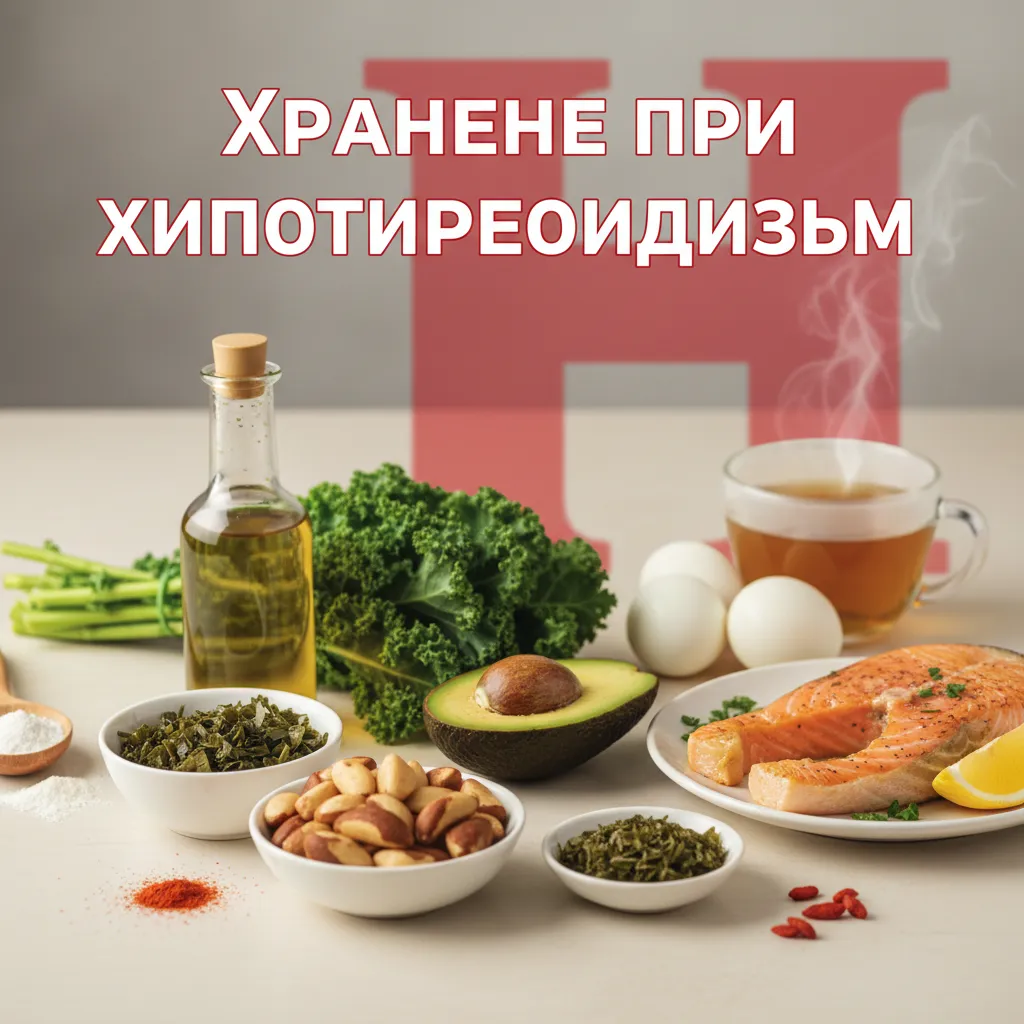
Kısa uzman tanımı: Hipotiroidizmde Beslenme nedir, vücutta nasıl çalışır ve spor beslenmesinde nasıl uygulanır.
Кратък отговор: Храненето при хипотиреоидизъм е специализиран диетичен подход, който подпомага функцията на щитовидната жлеза чрез регулиране на метаболизма и намаляване на възпалението, особено важно за спортисти, чийто енергиен разход е намален. Практически съвет: Осигурете си адекватен прием на протеини (1.2-1.6 g/kg телесно тегло) и здравословни мазнини, за да поддържате мускулна маса и да намалите възпалението.
Хранене при хипотиреоидизъм е специализиран диетичен подход, насочен към оптимизиране функцията на щитовидната жлеза чрез регулиране на метаболизма.
За по-задълбочен преглед виж пълното ръководство по правилно хранене — основно ръководство от експертния екип на Sport Zona.
Какво представлява хипотиреоидизмът?
Хипотиреоидизмът е състояние, при което щитовидната жлеза не произвежда достатъчно хормони, което води до забавяне на метаболизма.
📖 Диета при хипотиреоидизъм
Специализиран хранителен режим, насочен към подпомагане функцията на щитовидната жлеза и регулиране на метаболизма при състояние на намалено производство на тиреоидни хормони.
Хипотиреоидизмът е ендокринно заболяване, характеризиращо се с намалена функция на щитовидната жлеза и недостатъчно производство на тиреоидни хормони (тироксин Т4 и трийодтиронин Т3). Тези хормони са отговорни за регулирането на почти всички метаболитни процеси в тялото, включително енергийния разход, телесната температура, синтеза на протеини и разграждането на мазнини. Недостатъчните нива водят до забавяне на метаболизма, което може да се прояви с разнообразие от симптоми като умора, наддаване на тегло, косопад, суха кожа, констипация и чувствителност към студ.
В контекста на храненето, управлението на хипотиреоидизма изисква прецизен подход, целящ справянето с основните симптоми, а и подкрепа на синтеза и метаболизма на тиреоидните хормони. Това включва осигуряване на достатъчен прием на ключови хранителни вещества, които участват в тези процеси, както и адаптиране на калорийния и макронутриентен баланс към променения метаболизъм. Освен това, храненето има за цел да минимизира възпалителните процеси, особено при автоимунни форми като тиреоидит на Хашимото, които често са причина за хипотиреоидизъм.
Как работи храненето при хипотиреоидизъм?
Храненето при хипотиреоидизъм е начин на живот, който подпомага производството на тиреоидни хормони чрез ключови микронутриенти (йод, селен, цинк), регулира теглото и метаболитните процеси, намалява системното възпаление и оптимизира енергийните нива при спортуващи.
- Подпомага производството на тиреоидни хормони чрез ключови микронутриенти (йод, селен, цинк).
- Помага за регулиране на теглото и метаболитните процеси, които са забавени.
- Намалява системното възпаление, особено важно при автоимунни форми като Хашимото.
- Оптимизира енергийните нива и възстановяването при спортуващи, компенсирайки забавения метаболизъм.
Недостатъци
- Изисква прецизно планиране и внимание към детайлите, което може да е времеемко.
- Може да доведе до прекомерни ограничения, ако не е правилно балансирано.
- Ефектът не замества медикаментозното лечение, а само го подпомага.
Храненето при хипотиреоидизъм работи чрез няколко основни механизма. Първо, то осигурява необходимите "строителни блокове" за производството на тиреоидни хормони. Йодът е основен компонент на Т4 и Т3, а селенът е жизненоважен за ензимите (дейодинази), които превръщат неактивния Т4 в активен Т3. Цинкът също играе роля в синтеза на хормони и в метаболизма на Т3. Дефицитът на някой от тези елементи може да компрометира функцията на щитовидната жлеза, дори при подходящо медикаментозно лечение.
Второ, диетичните стратегии помагат за регулиране на метаболитните ефекти на хипотиреоидизма. Тъй като метаболизмът е забавен, често се наблюдава натрупване на тегло. Адекватният прием на протеини (1.2-1.6 g/kg телесно тегло) може да подпомогне поддържането на мускулна маса и да увеличи термогенезата. Умереното количество въглехидрати, предимно от сложни източници с нисък гликемичен индекс, поддържа стабилни нивата на кръвна захар и енергия. Здравословните мазнини, особено омега-3 мастни киселини, имат противовъзпалително действие, което е особено полезно при автоимунни състояния. Ограничаването на силно преработени храни, добавена захар и наситени мазнини също допринася за намаляване на системното възпаление и подобряване на общото състояние.
Защо е важно за спортуващите диетата да е адекватна?
За спортистите с хипотиреоидизъм адекватното хранене е от критично значение за поддържане на спортните постижения и общото здраве, тъй като забавеният метаболизъм изисква прецизно калорийно планиране за избягване на наддаване на тегло и поради повишени нужди от микроелементи и антиоксиданти.
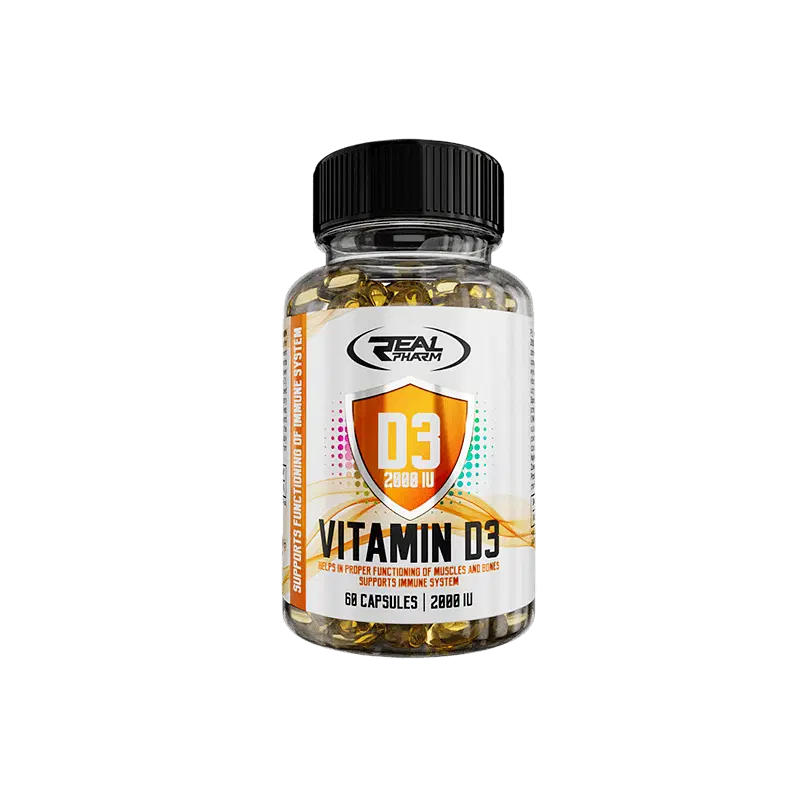
Освен това, спортистите с хипотиреоидизъм могат да изпитват по-голяма умора и по-бавно възстановяване. Оптимизираният прием на протеини (обикновено 1.6-2.2 g/kg телесно тегло за силови спортисти и 1.2-1.8 g/kg за издръжливост) е съществен за възстановяване и регенерация на мускулите. Въглехидратите (3-10 g/kg телесно тегло в зависимост от интензивността и обема) са ключови за запълване на гликогеновите запаси и осигуряване на енергия. Дефицитът на желязо, често срещан при хипотиреоидизъм и още повече при спортуващи жени, може да доведе до анемия и значително влошаване на аеробния капацитет. Проучвания показват, че ниските нива на витамин D също корелират с по-лоша функция на щитовидната жлеза, а за спортистите е важно за костното здраве и имунитета, като препоръчителните дози могат да достигнат 1000-4000 IU/ден.
Кои са свързаните понятия?
BMR (базален метаболизъм) е понятие, което се отнася до енергийните нужди при хипотиреоидизъм, който значително го намалява. Хранене при автоимунни заболявания е релевантно, тъй като голяма част от случаите на хипотиреоидизъм са автоимунни (тиреоидит на Хашимото).
При хипотиреоидизъм, приемът на 1.2-1.6 грама протеин на килограм телесно тегло дневно е ключов за поддържане на мускулна маса и метаболитен баланс, особено при спортисти. — Петър Митков
Запомни: Храненето при хипотиреоидизъм е важен елемент за подкрепа на щитовидната функция, управление на симптомите и оптимизиране на спортните резултати чрез балансиране на хранителните вещества и енергийния прием.
Научни източници
- Кратък преглед на тиреоидита на Хашимото (ТХ) и значението на йода, селена, витамин D и глутена за автоимунитета и диетичното управление на пациенти с ТХ, 2017
- Значението на хранителните фактори и диетичното управление при тиреоидит на Хашимото, 2020
- Ефектът на безглутеновата диета върху тиреоидния автоимунитет при нелекувани медикаментозно жени с тиреоидит на Хашимото: пилотно проучване, 2019
Експертна бележка от Sport Zona
От 12 години наблюдавам, че повечето български атлети с хипотиреоидизъм постигат много добри резултати, когато съчетават правилното хранене с активно движение. Фокусът върху качествени хранителни вещества и избягването на силно преработени храни е ключов. Често подценяваме колко голяма е ролята на индивидуалния подход и търпението в този процес.
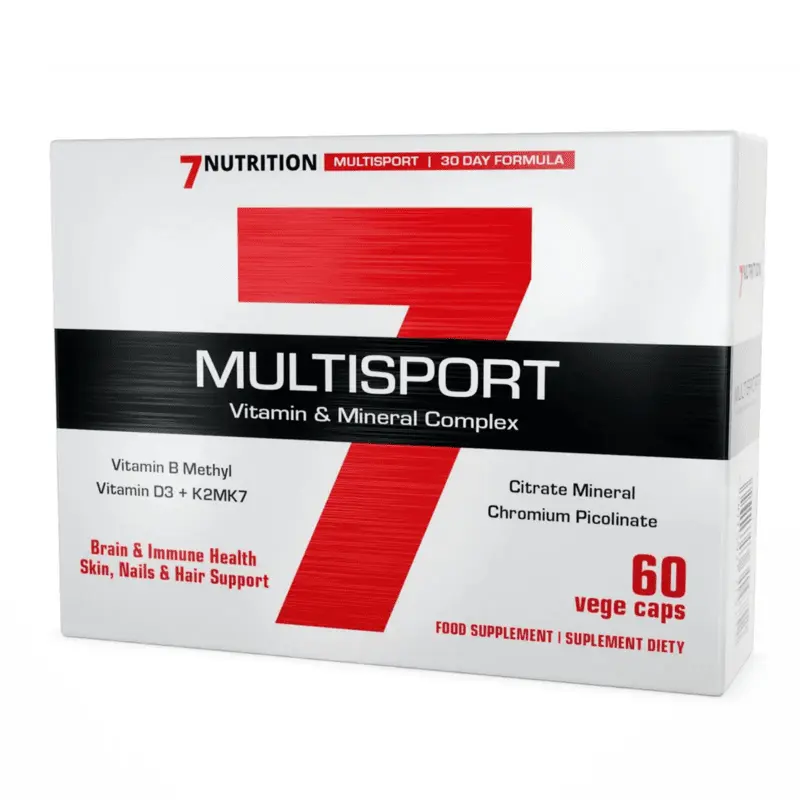
Önerilen ürünler

Sıkça sorulan sorular
Hipotiroidizmde tiroid bezi fonksiyonu için önemli olan temel besinler nelerdir?
Temel besinler, tiroid hormonlarının bir parçası olan iyot ve bunların aktif forma dönüşmesine yardımcı olan selenyumdur. Çinko da hormonların sentezinde ve metabolizmasında rol oynar.
Beslenme, hipotiroidizmin karakteristiği olan yavaşlamış metabolizmaya nasıl yardımcı olabilir?
Yeterli protein alımı kas kütlesini destekler ve ısı üretimini artırır. Orta düzeyde kompleks karbonhidratlar istikrarlı enerji sağlarken, omega-3 gibi sağlıklı yağlar iltihabı azaltır.
Hipotiroidizmli sporcular neden diyetlerine özel önem vermelidir?
Yavaşlamış metabolizma, kilo alımını önlemek için dikkatli kalori planlaması gerektirir, bu da etkinliği etkiler. Spor aktivitesi, bu kişilerin daha zor işleyebileceği mikro besinlere ve antioksidanlara olan ihtiyacı artırır.
Hipotiroidizm diyeti uygularken hangi gıdalar sınırlandırılmalıdır?
Aşırı işlenmiş gıdalar, eklenmiş şeker ve doymuş yağların sınırlandırılması önerilir. Bu gıdalar sistemik iltihaplanmaya katkıda bulunabilir ve tiroid bezi fonksiyonunu desteklemeyebilir.