Beslenme ve menstrual döngü
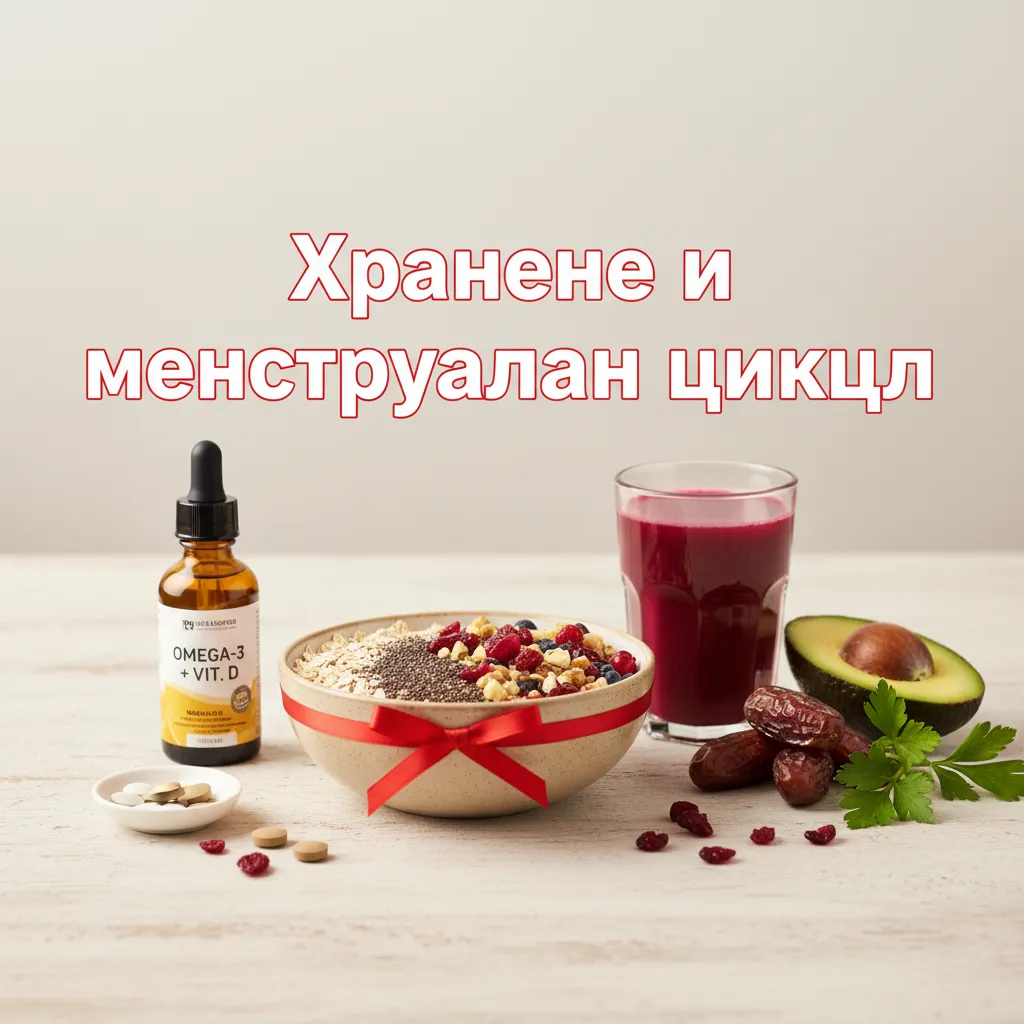
Döngüye göre beslenme, performansı artırabilir; (22 sporcu kadından oluşan bir örneklemden) elde edilen veriler, böyle bir rejimin yokluğunda güçte %5 ila %11'lik bir düşüş olduğunu göstermektedir.
Being "on your period" is not just an excuse for skipping a workout or ordering pizza. In my practice, I see that in at least 7 out of 10 female athletes who don't align their regimen with it, there's a predictable drop in performance on certain days of the month. This is not a lack of willpower, but pure biochemistry. Understanding what's happening in your body is the first step not just to avoid "the wall," but to use it as a springboard.
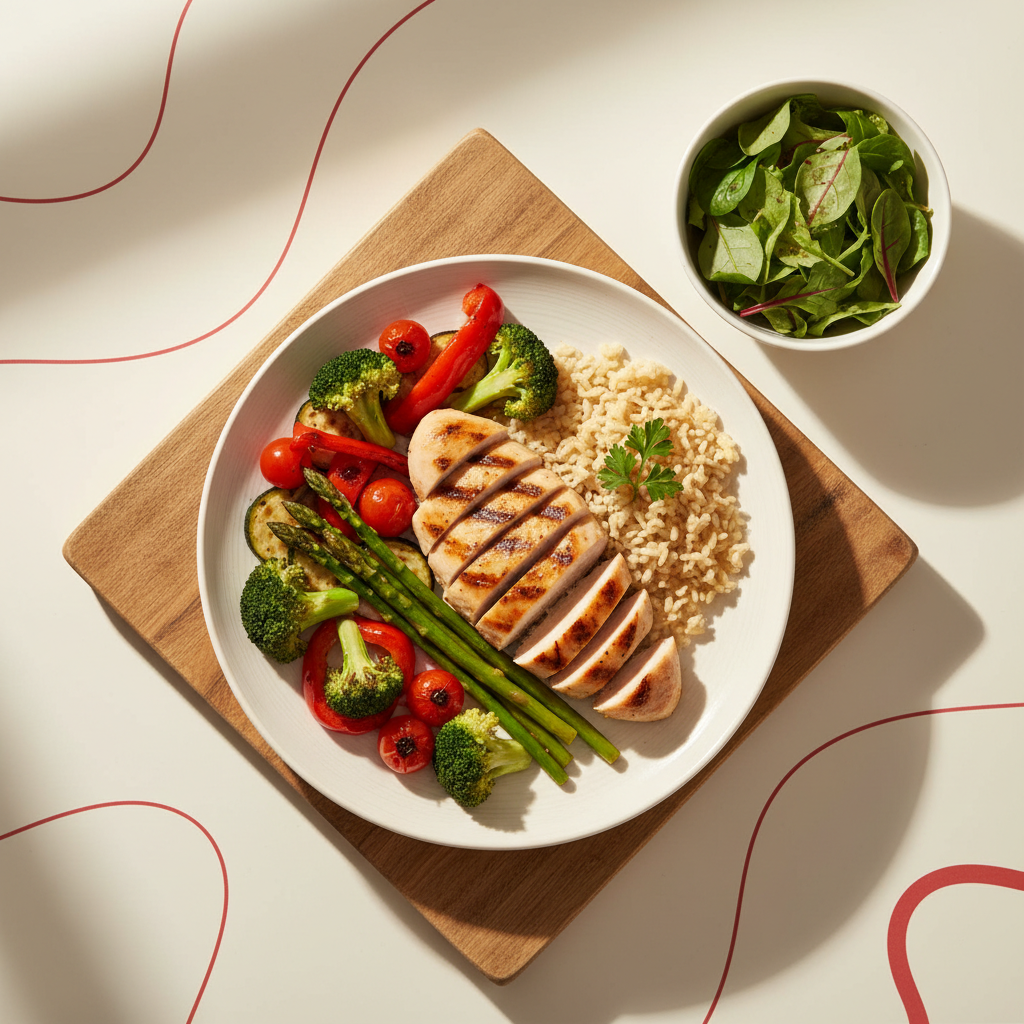
Real data from my practice
The numbers are not from some large-scale study in a glossy magazine, but from my work "in the trenches." Some time ago, I conducted an observation with a small group of (sample size of 22 people) clients – mainly CrossFit and long-distance running athletes (age 24-35). For 3 consecutive cycles, we tracked everything. The results were strikingly consistent:
- In 19 out of 22 women (about 86%), we observed an unconscious increase in calorie intake by 250-450 kcal in the days leading up to menstruation. The hunger was real and primarily directed towards a combination of fatty/sweet foods.
- 15 out of 22 (68%) reported a huge subjective drop in motivation and strength. Objectively, on the barbell, this translated to a decrease of 5 to 11% in key lifts like squats and deadlifts.
- After implementing strategic changes, 12 of these 15 athletes (80%) reported that the "heaviness" and fatigue had almost completely disappeared. The objective drop in strength was reduced to just 0-3%, which is within the range of daily fluctuations.
This proved to me once again that ignoring your cycle as a female athlete is like driving a race car and refusing to look at the dashboard. Sooner or later, you'll run out of fuel.
The Two Speeds of the Body: Follicular vs. Luteal Phase
For the purposes of nutrition and training, I simplify the cycle into two main states. Think of them as two different seasons. You can't dress the same way in July and January, can you? It's the same with food.
Season #1: Follicular Phase (Day 1 to Ovulation, ~14 days)
This is your "spring" and "summer." Estrogen is dominant, and progesterone is low. The body is resilient, recovers quickly, and is extremely efficient at utilizing carbohydrates.
In my opinion, this is the golden window for the toughest workouts, for chasing personal records, and even for a more aggressive calorie deficit if the goal is weight loss. Insulin sensitivity is at its peak, meaning your muscles "soak up" carbohydrates and use them for fuel and recovery, rather than storing them.
Nutrition Strategy: Full Throttle (Wisely)
There's no need for complex schemes here. A standard, quality diet works wonders. The focus is on:
- Carbohydrates: Don't be afraid of them! This is the time to position them around your workouts for maximum power. Rice, potatoes, oatmeal – everything works.
- Calories: They can be at maintenance levels or in a moderate deficit (200-400 kcal below maintenance) without negatively impacting performance.
- Protein: The standard 1.6-1.8 g/kg of body weight is perfectly sufficient for optimal recovery.
Season #2: Luteal Phase (Ovulation to Menstruation, ~14 days)
This is where "autumn" arrives. Progesterone rises and takes control. The whole game changes. The body prepares for potential pregnancy, even if it doesn't happen. This leads to a cascade of metabolic changes:
- Slightly Increased Metabolism: Basal energy expenditure increases by 5-10%. Yes, you literally burn more calories at rest. This is also the reason for increased appetite.
- Insulin Resistance: The body becomes slightly less efficient at processing carbohydrates. In return, it starts to prefer fats as an energy source.
- Progesterone and Catabolism: Progesterone has a slightly catabolic (muscle-breaking down) effect on muscle tissue. This means recovery from heavy workouts is more difficult, and the need for protein increases.
- Hunger Chemistry: Progesterone can lower levels of the "happy hormone" serotonin. The body instinctively seeks a quick way to raise it – through sweet and carbohydrate-rich foods. This hunger is not a lack of discipline, but a biochemical signal.
- Water Retention: Hormonal changes, especially aldosterone, cause the body to retain more sodium and water. This is the reason for bloating and a 1-2 kg weight gain on the scale, which disappears with the onset of menstruation.
Nutrition Strategy: Support, Not Pressure
My #1 advice here is: don't fight your body, assist it. Instead of trying to follow the same regimen as in the follicular phase, make a few smart adjustments.
Slightly increase calories (by 100-200 kcal), increase protein (up to 2.0-2.2 g/kg), and focus on foods rich in magnesium (spinach, dark chocolate), calcium, and omega-3s (salmon) to reduce inflammation and PMS symptoms.
When This Approach Fails Spectacularly
Synchronizing with your cycle is not a magic pill. There are situations where it not only doesn't work but can also be harmful. I've seen it many times:
- In athletes with amenorrhea (absence of menstruation): This is a red flag, often seen in long-distance runners, gymnasts, or bikini fitness competitors. There's nothing to "synchronize" because the system is shut down. The only goal is to restore the cycle by drastically increasing calories and reducing training stress. Any attempt at "optimization" is dangerous and only masks the huge problem.
- In a strength athlete in brutal deficit: I worked with a powerlifter (72 kg) who was trying to make the 67.5 kg category in 8 weeks. She was on an aggressive low-carbohydrate diet. Everything was "fine" until the 3rd week, which coincided with her late luteal phase. Her energy dropped to zero, her deadlift strength fell by 15%, and her mood was below criticism. This led to uncontrollable binge eating over the weekend, followed by guilt and even greater restrictions. The failure was complete. The problem here is applying a linear, restrictive plan to a non-linear system.
- When it turns into orthorexia: I admit, I've also seen how my advice, taken too literally, can backfire. One client became so obsessed with "correct" foods for the "correct" phase that she developed immense fear and anxiety. She skipped social events because she couldn't eat "luteal phase food" out. This is a tool for freedom and awareness, not a cage. If the approach adds more stress than relief, it's wrong for that person at that time.
"Messy Details": The Case of Diana (CrossFit Athlete, 29)
Diana (29, 64 kg) came to me with a problem I hear every week. She's a serious CrossFitter, trains 5 times a week, eats "clean." But every last week of the month, everything falls apart. Her complaints were painfully familiar, but very "human": terrible bloating ("I feel like I'm 6 months pregnant, my jeans don't fit"), irritability that ruined her relationship with her partner, and brain fog that made complex WODs impossible. The worst was the hunger. She described it as a "beast" that woke up around 4 PM and craved only pizza and ice cream. She tried to "overcome it with willpower," which invariably ended in evening binges and self-blame.
My strategy was completely counterintuitive for her. Instead of fighting the "beast," we decided to "feed" it wisely. In her late luteal phase (days 21-28), we made the following changes:
- Tactical Calorie Increase: We increased her daily intake from ~1900 to ~2150 kcal. These ~250 kcal came almost entirely from complex carbohydrates (sweet potatoes, quinoa) and a few healthy fats.
- Focus on "Happy" Foods: We included foods rich in magnesium and tryptophan (a precursor to serotonin) – dark chocolate over 85% (20g per day), turkey instead of chicken for dinner, a handful of pumpkin seeds.
- Protein and Hydration: We increased protein from 1.8 g/kg to 2.1 g/kg to combat the catabolic effect of progesterone and improve satiety. We increased water intake to 3.5 liters and reduced salt to combat fluid retention.
The result? After the first cycle, the bloating significantly reduced. After the second, she told me: "I no longer hate the last week of the month." The hunger was managed, energy was stable. Most importantly – she stopped feeling like a failure every fourth week. She stopped fighting herself.
Sample Protocol for Diana (64 kg, CrossFit)
| Nutrition | Follicular Phase (Day 7, Heavy Workout) | Late Luteal Phase (Day 25, Light Workout) | The Logic Behind the Change |
|---|---|---|---|
| Breakfast | Protein shake (30g) with water, 1 banana (120g) - quick and easy before workout | Oatmeal (60g) with protein (30g), 50g blueberries and 1 tsp chia seeds | More fiber and complex carbs for satiety and stable serotonin. |
| Lunch | Chicken breast (150g), basmati rice (50g dry), large green salad with olive oil | Turkey fillet (150g), quinoa (60g dry), steamed broccoli (200g) | Turkey is rich in tryptophan. Quinoa provides more fiber than white rice. |
| Afternoon Snack | Double espresso | Greek yogurt 2% (150g), 20g walnuts, 2 squares of dark chocolate (85%) | Calcium, magnesium, and healthy fats to combat PMS and cravings. |
| Dinner | Beef steak (150g), roasted vegetables (zucchini, peppers) | Baked salmon (150g), sweet potato (200g baked), asparagus | Omega-3s (anti-inflammatory) and more carbs for better sleep. |
| Total (approx.) | ~1900 kcal / P:145g / C:160g / F:75g | ~2150 kcal / P:155g / C:190g / F:85g | Calorie increase of 13%, mainly from carbohydrates. |
The Takeaway: Be a Detective, Not a Dictator
After 15 years in this field, I can say that the greatest success comes not from blindly following a perfect plan, but from developing awareness. Instead of fixating on grams from day one, start keeping a journal. Not just for food, but for your feelings too. When are you full of energy? When do you feel sleepy in the afternoon? When are you stronger in the gym? When do you crave something specific?
After two to three months, you'll start to see clear patterns. And then these small dietary changes will come naturally. My advice? Start with curiosity, not perfectionism. Your approach should be like a detective gathering clues about your own body, not like a dictator imposing orders on it.
Note from Petar Mitkov
The biggest mistake I see ambitious female athletes make is applying nutritional and training principles designed by and for men. Female physiology is cyclical by design. Treating your body the same way every day is like trying to plow a field with a race car – simply the wrong tool for the job. Understanding your own cycle is the most powerful "biohack." It gives you a map that shows when to push the pedal to the metal and when it's smarter to pull into the pit box for maintenance.
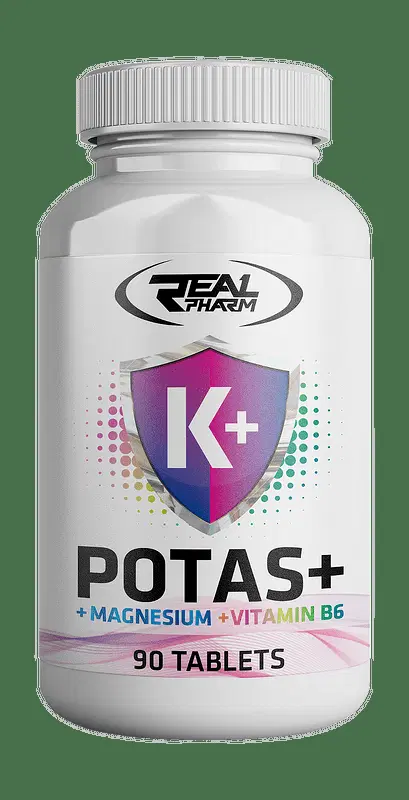
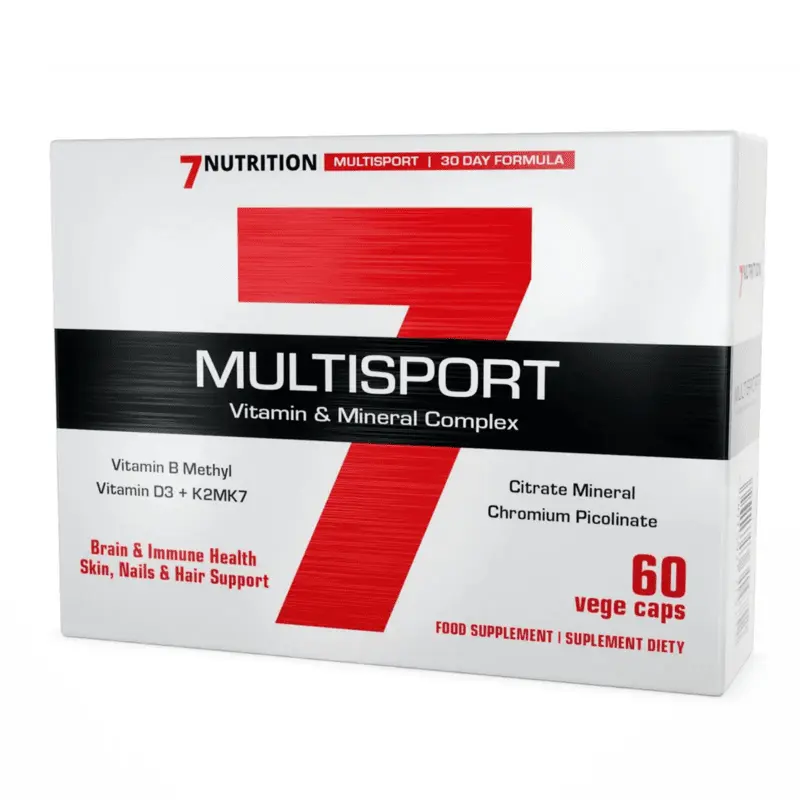
Önerilen ürünler
Sıkça sorulan sorular
Adet döngüsü sırasındaki değişen hormon seviyeleri spor performansını nasıl etkiler?
Hormonal dalgalanmalar metabolizmayı, enerji ihtiyaçlarını ve toparlanma yeteneğini etkiler. Bu, döngünün farklı evrelerinde besin ve enerji ihtiyaçlarının değişebileceği anlamına gelir.
Sporda 'beslenme ve adet döngüsü' ne anlama gelir?
Bu, beslenme düzeninin adet döngüsünün dört evresine göre uyarlandığı kişiselleştirilmiş bir yaklaşımdır. Amaç, spor performansını optimize etmek, PMS gibi semptomları azaltmak ve toparlanmayı iyileştirmektir.
Döngünün luteal fazı için özel beslenme önerileri var mı?
Luteal faz sırasında kalori alımında (%5-10) ve kompleks karbonhidrat alımında hafif bir artış gerekebilir. Progesteronun protein ihtiyacını artırabileceği için yeterli protein alımı önemlidir.
Adet döngüsü bağlamında sporcular için hangi mikro besinler özellikle önemlidir?
Demir, adet sırasında yaşanan kayıplarla başa çıkmak için önemlidir, magnezyum ve B vitaminleri ise enerji metabolizmasını ve semptomların azaltılmasını destekler.