Kortizol ve Beslenme

Kısa uzman tanımı: Kortizol ve beslenme nedir, vücutta nasıl çalışır ve spor beslenmesinde nasıl kullanılır.
Kısa cevap: "Stres hormonu" olan kortizol, antrenmana adaptasyon için anahtar rol oynar, ancak yeterli beslenmeyle dengelenmeyen kronik olarak yüksek seviyeleri aşırı antrenmana ve kas kütlesi kaybına yol açar. Pratik tavsiye: Kortizolün katabolik etkilerini azaltmak için antrenman öncesinde, sırasında ve sonrasında yeterli karbonhidrat alımını ve iyileşme için yeterli protein alımını sağlayın.
Kortizol ve beslenme, steroid hormon kortizolün vücut üzerindeki etkilerinin, stresi ve iyileşmeyi yönetmek için makro besinler ve mikro besinler kullanılarak beslenme düzeni yoluyla modüle edildiği hormonal ve metabolik bir mekanizmadır.

Geniş bir bağlam için, Sport Zona uzman ekibinin temel kılavuzu olan doğru beslenme tam kılavuzunu inceleyin.
Kortizol nedir?
Kortizol, besinlerden etkilenebilen bir stres hormonudur. Doğru beslenme ile seviyelerini kontrol ederek daha sağlıklı ve dinç kalabiliriz.
📖 Kortizol ve beslenme
Kortizolün vücut üzerindeki etkisi, makro ve mikro besinler aracılığıyla beslenme düzeni tarafından modüle edilir, böylece stres iyileşmesi optimize edilir.
Kortizol, hipotalamik-hipofiz-adrenal eksen kontrolü altında adrenal kortekste sentezlenen bir glukokortikoid steroid hormondur. Vücudun strese verdiği fizyolojik yanıtta rol oynar, ister fiziksel, ister psikolojik, ister metabolik olsun. Kortizol seviyeleri sirkadiyen bir ritmi takip eder, sabahları en yüksek seviyededir ve gün boyunca yavaşça azalır.
Kortizolün işlevleri çok sayıda olup, karbonhidrat, yağ ve protein metabolizmasının düzenlenmesini, inflamatuar yanıtın modüle edilmesini ve kan basıncının korunmasını içerir. Stres sırasında enerji sağlamada hayati bir rol oynar, depolardan glikoz mobilize eder ve üretimini uyarır. Fiziksel aktivite bağlamında kortizol, antrenman yüküne adaptasyonun bir parçasıdır, ancak kronik olarak yüksek seviyeleri olumsuz sonuçlara yol açabilir.
Kortizol ve beslenme arasındaki ilişki iki yönlüdür: beslenme düzeni kortizol üretimi ve metabolizmasını etkileyebilir, oysa kortizolün kendisi besin maddelerinin emilimi ve kullanımı ile ilgili metabolik süreçler üzerinde önemli bir etkiye sahiptir.
Kortizol nasıl çalışır?
Kortizol, adrenal korteks tarafından üretilen ve stresle başa çıkma, metabolik değişiklikler yoluyla enerji sağlama, yoğun fiziksel yüke uyum sağlama, inflamatuar yanıtı modüle etme ve kan basıncını koruma dahil olmak üzere vücuttaki bir dizi önemli süreçte yer alan bir steroid hormondur. Yüksek kortizol seviyeleri dengesiz bir beslenme düzeninden de kaynaklanabilir, bu da aşırı antrenmana ve kas kütlesi kaybına yol açar.
- Stresle başa çıkma ve metabolik değişiklikler yoluyla enerji sağlama.
- Vücudun yoğun fiziksel yüke adaptasyonunun bir parçası.
- İnflamatuar yanıtı modüle etme ve kan basıncını koruma.
- Doğru beslenme düzeni ile katabolik süreçleri azaltma.
Dezavantajlar
- Kronik olarak yüksek seviyeler aşırı antrenmana ve kas kütlesi kaybına yol açar.
- Uzun süreli stres durumunda bağışıklık fonksiyonunu kötüleştirebilir.
- Dengesiz beslenme düzeni seviyelerini artırır ve iyileşmeyi tehlikeye atar.
- Negatif enerji dengesi kortizol artışına yol açabilir.
Vücut yoğun antrenman, uyku eksikliği veya psikolojik gerginlikten kaynaklanan stres altındayken, hipotalamus kortikotropin salgılatıcı hormon (CRH) salgılar, bu da hipofizi adrenokortikotropik hormon (ACTH) üretmesi için uyarır. ACTH ise adrenal bezlere kortizol salgılamaları için sinyal verir. Kortizol, enerji sağlamak için birçok doku üzerinde etki eder, örneğin kaslardaki proteinlerin (katabolizma) parçalanmasını uyararak amino asitler elde edilmesini sağlar, bu amino asitler daha sonra karaciğerde glikoza dönüştürülebilir (glukoneogenez).
Beslenme bu yanıtı birkaç şekilde modüle edebilir. Yeterli karbonhidrat alımı antrenman öncesinde, sırasında ve sonrasında kortizol salgısını azaltabilir, çünkü kolayca erişilebilir bir enerji kaynağı sağlar ve böylece kortizolün neden olduğu glukoneogenez ihtiyacını azaltır. Protein kas iyileşmesi için gereklidir ve kortizolün katabolik etkilerini azaltabilir. Magnezyum ve B grubu vitaminler gibi belirli mikro besinler de stres yanıtının düzenlenmesinde rol oynar ve adrenal fonksiyonları destekler. Kronik kalori eksikliği veya dengesiz beslenme, kronik olarak yüksek kortizol seviyelerine yol açarak iyileşmeyi kötüleştirebilir ve spor performansını tehlikeye atabilir.
Sporcular için kortizol yönetiminin önemi nedir?
Sporcular için beslenme yoluyla kortizol seviyelerinin yönetilmesi, iyileşmeyi optimize etmek, aşırı antrenmanı önlemek ve anabolik süreçleri sürdürmek için kritik öneme sahiptir. Yoğun antrenmanlarda kortizolün kronik olarak yükselmesi, yeterli iyileşme ve beslenme ile dengelenmezse, aşırı antrenmana, kas kütlesi kaybına, bağışıklık fonksiyonunun azalmasına ve genel sağlık durumunun kötüleşmesine yol açabilir.
Karbonhidrat alımı, özellikle antrenman çevresindeki dönemde anahtar rol oynar. Uluslararası Spor Beslenmesi Derneği'ne (ISSN) göre, antrenmandan sonraki ilk 4 saat içinde kilogram vücut ağırlığı başına 1.0-1.2 gram karbonhidrat alımı, glikojen iyileşmesini önemli ölçüde artırabilir ve katabolik etkileri azaltabilir. Yeterli protein alımı (aktif insanlar için günde kilogram vücut ağırlığı başına 1.6-2.2 gram) da kortizolün uyardığı kas proteini yıkımını en aza indirmek için hayati öneme sahiptir. Sağlıklı bir enerji dengesinin sürdürülmesi, yani enerji alımının enerji harcamasına göre ayarlanması, kortizolü de artırabilen metabolik stresi önler. Bu önerilerden sapmalar, antrenman adaptasyonunun tehlikeye girmesine ve spor performansının düşmesine yol açabilir.
İlgili kavramlar nelerdir?
Glukoneogenez, karaciğerin karbonhidrat olmayan kaynaklardan glikoz ürettiği bir süreçtir ve katabolizma, kas proteinlerinin ve yağ depolarının parçalanmasıdır; her ikisi de stres sırasında enerji sağlamak için kortizol tarafından uyarılır.
Sporcular, glikojen iyileşmesini etkili bir şekilde sağlamak ve katabolik etkileri azaltmak için antrenmandan sonraki ilk 4 saat içinde kilogram başına en az 1.0-1.2 gram karbonhidrat almalıdır. — Petar Mitkov
Unutmayın: Dengeli beslenme yoluyla kortizol seviyelerinin uygun şekilde yönetilmesi, iyileşmeyi en üst düzeye çıkarmak ve aşırı antrenmanı önlemek için sporcular için kritik öneme sahiptir.
Sport Zona'dan Uzman Notu
Son 12 yılı aşkın süredir Bulgar sporcularla çalışırken, stres ve beslenme arasındaki bağlantıyı genellikle hafife aldıklarını fark ediyorum. Makro besinlere yönelik dengeli bir yaklaşım ve kaliteli uyku, birçok insanın düşündüğünden daha fazla kortizol seviyesi üzerinde etkiye sahiptir.
Önerilen ürünler

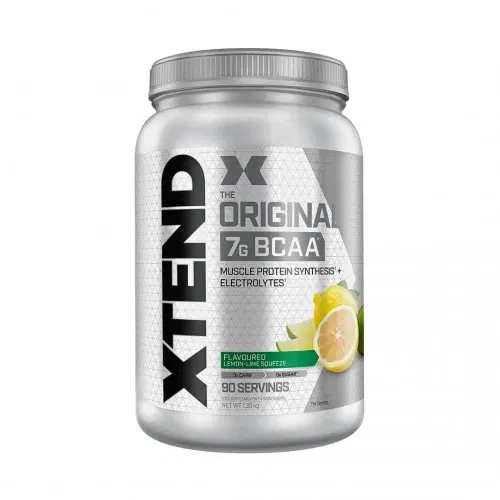
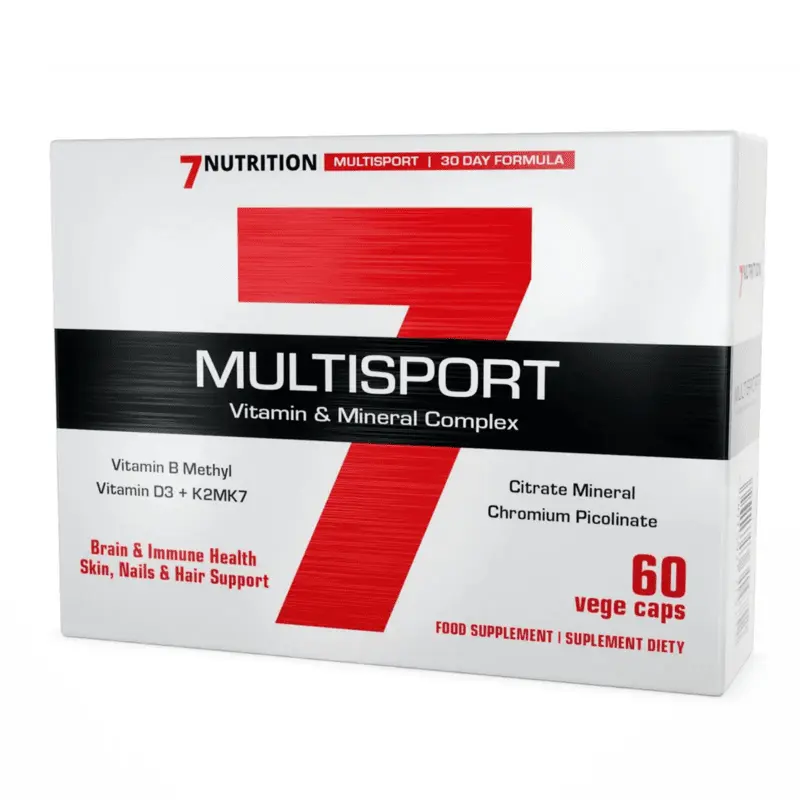
Sıkça sorulan sorular
Kortizol nedir ve beslenme ile ilişkisi nasıldır?
Kortizol, böbreküstü bezleri tarafından üretilen ve "stres hormonu" olarak bilinen bir hormondur. Beslenme, seviyelerinin düzenlenmesinde ve vücut ile spor performansları üzerindeki olumsuz etkilerinin azaltılmasında önemli bir rol oynar.
Beslenme, vücudun kortizole verdiği yanıtı nasıl iyileştirir?
Yeterli karbonhidrat ve protein alımı, vücudun enerji ihtiyaçlarını ve kasların iyileşmesini destekleyerek kortizol üretiminin artması ihtiyacını azaltır. Belirli mikro besinler de stres yanıtını destekler.
Sporcular için kortizol yönetimi neden önemlidir?
Sporcular için kronik olarak yüksek kortizol seviyeleri aşırı antrenmana, kas kütlesi kaybına ve bağışıklık sisteminin zayıflamasına yol açabilir. Doğru beslenme, iyileşmeyi optimize etmeye ve bu olumsuz etkilerden korunmaya yardımcı olur.
Antrenman sırasındaki beslenme kortizolu nasıl etkiler?
Antrenmandan önce, sırasında ve sonra yeterli karbonhidrat alımı, kolayca erişilebilir bir enerji kaynağı sağlar. Bu, vücudun enerji ihtiyaçlarını karşılamak için daha fazla kortizol üretme uyarısını azaltır.