Nişasta ve Lif: Enerji Kinetiği ve Glikemik Kontrol
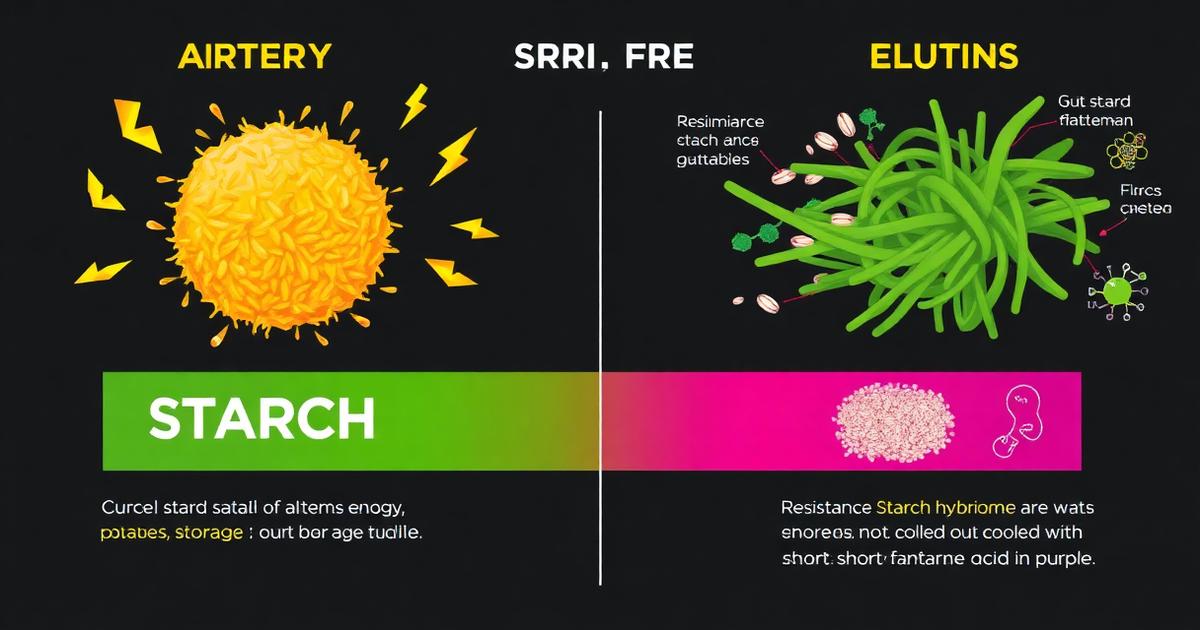
Karbonhidratların yapısı anaerobik kapasitenizi nasıl belirlediği. Nişasta, glikojen yeniden sentezi için moleküler bir pil görevi görürken, lifler insülin yanıtını kontrol eden ve kısa zincirli yağ asitleri aracılığıyla mikrobiyomu besleyen metabolik bir düzenleyici olarak işlev görür.
In 2026, sports nutrition views carbohydrates as "performance modulators". The choice between starch and fiber is not merely a trade-off between energy and health, but a strategic decision for managing insulin response and gastrointestinal transit.
📊 Comparative Matrix: Functional Analysis
| Characteristic | Starch (Amylose/Amylopectin) | Fiber (Soluble/Insoluble) |
|---|---|---|
| Biological Role | Direct Fuel (ATP) | Structural Support & Detox |
| Energy Yield | 4 kcal / gram | ~0 – 2 kcal / gram (fermentation) |
| Sugar Impact | Increases (variable rate) | Decreases & Stabilizes |
| Transit Time | Moderate (digested) | Long (delays emptying) |
| Weight Effect | Glycogen Replenishment | High Satiety (Leptin Response) |
| Primary Destinations | Muscles & Liver | Microbiome (Large Intestine) |
🧬 In-depth Analysis of Mechanisms for Athletes
1. Starch: The "Molecular Battery"
Starch comprises two main chains: Amylopectin (rapid absorption) and Amylose (slow absorption).
Starch vs. Fiber: Energy Kinetics & Glycemic Control
Understanding the role of carbohydrates in sports nutrition is paramount for optimizing performance and recovery. This article delves into how carbohydrate structure – specifically starch and fiber – dictates your anaerobic capacity and glycemic control.
Starch, as a polymer of glucose, acts as a molecular battery for glycogen resynthesis. It provides a rapid and efficient energy source essential for high-intensity training and muscle glycogen restoration. Its quick digestibility leads to a sharper rise in blood sugar and, consequently, insulin response, which is desirable at specific times, such as post-exercise.
On the other hand, fiber functions as a metabolic regulator. It slows down the absorption of other carbohydrates, controlling insulin response and preventing sharp peaks and troughs in blood sugar. Furthermore, fiber is a primary food source for the gut microbiome, which, through fermentation, produces short-chain fatty acids (SCFAs). These SCFAs offer numerous health benefits, including improved energy metabolism, anti-inflammatory effects, and immune system support.
A balanced intake of starch and fiber is crucial for athletes. The right ratio can optimize energy levels, enhance recovery, and maintain a healthy metabolism, ultimately leading to superior athletic outcomes.
💬 Simply put: Starch is like high-octane gasoline for a sports car – it provides quick, powerful energy for maximum speed. Fiber is like the fuel filter, ensuring smooth, efficient fuel delivery while protecting the engine from overload.
⚡ Glycogen Resynthesis
Research in the American Journal of Physiology confirms that starch is the most effective means of restoring muscle glycogen. Athletes consuming starchy carbohydrates post-exertion demonstrated 20% faster strength recovery compared to those
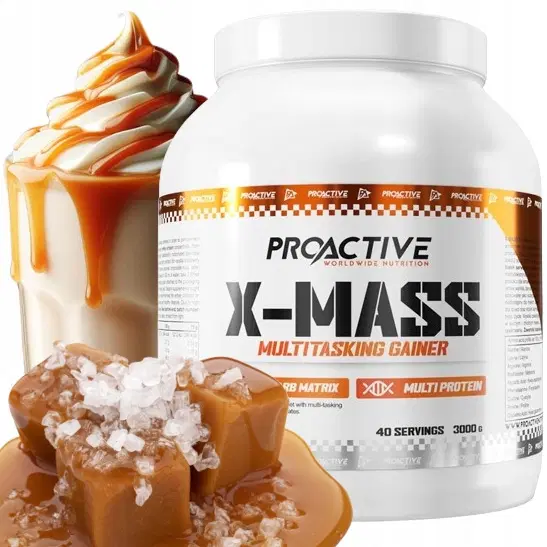
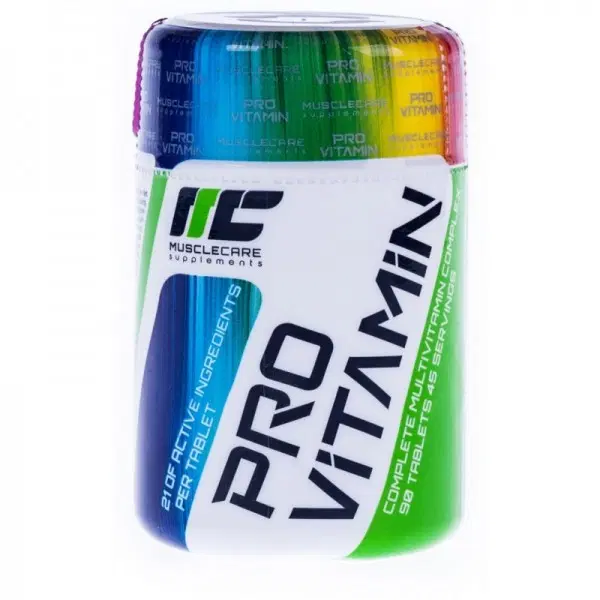
Önerilen ürünler
Sıkça sorulan sorular
Bir sporcu olarak günde ne kadar lif tüketmeliyim?
Optimal miktar, tüketilen her 1000 kalori başına 10-15 gram liftir. Antrenman öncesi tek bir öğünde 15 gr üzerindeki aşırı alım mide kramplarına ve dehidrasyona neden olabilir.
Dirençli nişasta nedir ve nasıl elde edilir?
Dirençli nişasta, pirinç veya patates pişirip buzdolabında soğumaya bıraktığınızda oluşur. Bu işlem (retrogradasyon) kaloriyi %30'a kadar azaltır ve glisemik indeksi düşürür.
Ne zaman nişasta, ne zaman lif tüketmeliyim?
Nişasta (beyaz pirinç, patates) – hızlı glikojen dolumu için antrenman öncesi ve sonrası. Lif (yulaf ezmesi, sebzeler) – sabit insülin yanıtı için dinlenme günlerinde ve hafif yüklenmelerde.
Lifler minerallerin emilimini engeller mi?
Evet, aşırı lif (özellikle tam tahıllı gıdalardaki fitatlar) kalsiyum, çinko ve demir ile bağlanabilir. Bu nedenle alımı dengelemek ve antrenman çevresinde aşırıya kaçmamak önemlidir.