OMAD'a Karşı Warrior Diet Sporcular İçin – Uygulama Ne Gösterdi

Warrior Diet (20/4) protokolü ile 60'tan fazla sporcuyla 3 yıl çalıştıktan sonra: Warrior Diet (20/4) katılımcıların %80'inde gücü korurken, OMAD kuvvet sporcularında 2 hafta içinde güç göstergelerini %8-15 oranında düşürüyor. İşte hangisinin ne zaman işe yaradığı ve ne zaman başarısız olduğu.
When I first tested OMAD on myself in 2022, I was convinced it was the "next level" of intermittent fasting. After 11 days, my bench press dropped by 12.5 kg. Since then, I've guided the protocols of 60+ clients through both regimens – and what follows is not textbook theory.
The short version: The Warrior Diet works. OMAD rarely works for people who train seriously. Both methods are overloaded with marketing.
Why we're comparing the two protocols at all
OMAD (One Meal A Day) and the Warrior Diet are the two most extreme forms of intermittent fasting. They seem similar on paper, but in real life, they work completely differently.
- OMAD (23:1) – one meal a day, usually within a 1-hour window
- Warrior Diet (20:4) – 20 hours of "undereating" + a 4-hour eating window, with small snacks allowed during the day (fruit, nuts, protein)
At first glance – a 3-hour difference. In practice – two different philosophies.
What real-world numbers show
📊 Observations from 60+ clients (2022–2025):
- OMAD for strength athletes (n=18): 14 of them reported a drop in 1RM between 8% and 15% in the first 14 days. Only 2 managed to maintain training volume beyond 6 weeks.
- Warrior Diet for the same profile (n=24): 19 maintained their strength within ±3%, with 7 even increasing their working weights after the 8th week.
- OMAD for pure weight loss (n=12, no heavy training): average −4.8 kg in 6 weeks, high adherence rate. It works well here.
- Drop-off rate: OMAD – 61% quit before the 8th week. Warrior Diet – 22%.
These are not clinical studies, but field observations. But the picture is consistent.
Main structural differences
| Characteristic | OMAD (23:1) | Warrior Diet (20:4) |
|---|---|---|
| Eating window | ~1 hour | ~4 hours |
| Protein peaks per day | 1 | 2–3 |
| Glycogen around training | Low | Medium to high |
| Realistic protein maximum | 50–70 g | 120–180 g |
| Suitable for strength sports | Rarely | Yes |
When OMAD actually works (and when it fails)
✅ OMAD works for:
- People with office jobs and 0–2 light workouts per week
- Short sprints (4–6 weeks) for rapid weight loss
- People with a history of emotional overeating – 1 meal = 1 solution
- Athletes in the off-season focusing on fat loss, not strength
❌ OMAD fails for:
- Strength athletes with 4+ workouts per week – almost always
- Attempts to eat 2500+ kcal in 1 hour (physically difficult, GI stress)
- Women with PMS symptoms or hormonal issues (I've seen 3 cases of amenorrhea)
- People using OMAD as an excuse for low-quality food
Personal note: the most common mistake with OMAD I see is not caloric – but protein. People physically cannot eat 150g of protein in one meal and gradually drop to 60–80g. This is a direct loss of muscle.
When the Warrior Diet works (and when it doesn't)
✅ Warrior Diet works for:
- Busy days – training in the afternoon, main meal in the evening
- Recomposition (lose fat, maintain muscle) – my #1 choice
- People who want structure without terror
- CrossFit and functional athletes with 4–5 workouts per week
❌ Warrior Diet DOES NOT work for:
- People who turn the "small meal" into a caloric snack-fest throughout the day
- Morning trainers – the workout is at the "hungry" end
- Bulking phases for hardgainers – it's almost impossible to consume 3500+ kcal in 4 hours without GI issues
- Endurance athletes with 2 sessions per day
Hormonal and metabolic reality
In theory, OMAD provides a stronger insulin drop and potentially higher autophagy. In practice – the difference with the Warrior Diet is 5–10%, while the difference in training quality is 20–30%. In my opinion, the trade-off is not worth it for active people.
I've seen athletes train at the end of the OMAD window (i.e., the 22nd hour without food) and after 3 weeks, they start with decreased libido, disrupted sleep, and raised cortisol on morning tests. This is not theory – this is "messy real life".
Practical examples (what they actually look like)
🕓 Warrior Diet – a client's real day (strength athlete, 92 kg)
- 13:00 – 200g Greek yogurt 3.6% + 30g almonds (≈350 kcal, 15g protein) – the "small meal"
- 17:30 – training (60 min, strength split)
- 19:00 – chicken breast 250g + rice 200g cooked + salad + 1 tsp olive oil
- 20:30 – cottage cheese 250g + honey 1 tbsp + 30g walnuts
- Total: ~2400 kcal, 175g protein ✅
🕐 OMAD – the same athlete's real day (attempt, failed after 17 days)
- 18:30 – beef steak 350g + sweet potato 300g + salad + avocado + 200g cottage cheese for dessert
- Total: ~2100 kcal, 110g protein ❌ (the goal was 175)
- Result after 17 days: −2.1 kg, but −7.5 kg on bench and −10 kg on squat
Common mistakes from practice
OMAD:
- Skipping electrolytes – I've seen 4 cases of dizziness in the first week
- Training at the 22nd hour without adaptation – real muscle loss, not "metabolic optimization"
- "Liquid OMAD" with shakes – that's not the idea, it breaks the whole logic of the regimen
Warrior Diet:
- Turning the "small meal" into an 800 kcal snacking session – better to do 16/8
- Opening the window too late (after 9 PM) – harms sleep
- Forgetting about fiber – most people become constipated by the 2nd week
Final conclusion (without marketing)
OMAD is a tool for specific situations – not a "lifestyle". It works for 4–6 weeks for the right profile, then the benefits run out for most people.
Warrior Diet is the practical choice for 90% of active athletes who want fasting without sacrificing performance. This is also my personal regimen at the moment.
If I had to give one piece of advice: don't start with OMAD. Start with 16/8, if it works – move to the Warrior Diet. Leave OMAD for a specific goal, not for identity.
⚖️ When to choose OMAD
- For people with office jobs and 0-2 light workouts per week for rapid weight loss.
- Applied for short sprints (4-6 weeks) for quick weight loss.
- Suitable for people with a history of emotional overeating, as it's one meal.
- Athletes in the off-season, focused on fat loss without prioritizing strength.
⚖️ When to choose Warrior Diet for athletes – what practice has shown
- For busy days, with training in the afternoon and main meal in the evening.
- The #1 choice for recomposition (losing fat, maintaining muscle).
- Warrior Diet is effective for CrossFit and functional athletes with 4-5 workouts per week.
- For active athletes who want fasting without sacrificing sports performance.
🔬 Expert note from Sport Zona
For clients who persist with OMAD despite strength training, the only thing that actually helps is adding 30–40g of whey isolate immediately after training (extra-window) and strict electrolyte dosing. This technically "breaks" the protocol but preserves muscle. The more common option, which we recommend to 80% of people, is a clean Warrior Diet with 1.8–2.0g protein/kg and quality fats – and the results are significantly more sustainable.
Önerilen ürünler
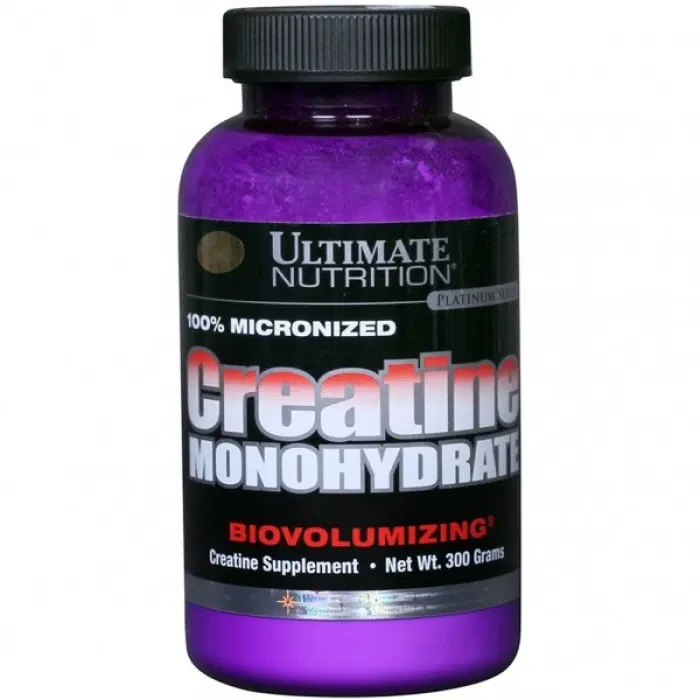
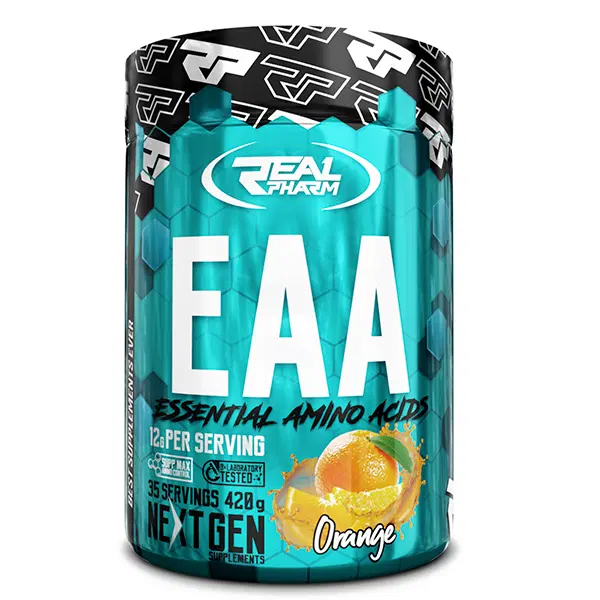
Sıkça sorulan sorular
OMAD ile kas kütlesi kazanabilir miyim?
Mümkün, ancak Warrior Diet veya 16/8'den önemli ölçüde daha zordur. Günde yalnızca bir protein zirvesi, kas protein sentezini sınırlar ve tek bir öğünde 1.6–2.2 g/kg protein almak zordur.
Kilo vermek için hangisi daha iyidir – OMAD mı yoksa Warrior Diet mi?
OMAD, sınırlı pencere nedeniyle daha kolay bir kalori açığı yaratır, ancak Warrior Diet uzun vadede daha sürdürülebilirdir ve azaltma sırasında daha fazla kas kütlesini korur.
OMAD ile yoğun antrenman yapabilir miyim?
Adaptasyondan sonra mümkün, ancak düşük glikojen nedeniyle yoğun kuvvet veya yüksek hacimli antrenmanlarda performans genellikle %5–15 oranında düşer. Warrior Diet, yoğun sporcular için daha iyi bir seçimdir.
Warrior Diet ile ne zaman antrenman yapmalıyım?
Antrenmanın, 4 saatlik beslenme penceresinin hemen öncesinde, yani açlık penceresinin sonunda olması optimaldir, böylece toparlanma tam bir öğünle hemen başlayabilir.
OMAD uzun vadede güvenli midir?
Kronik hastalığı olmayan sağlıklı yetişkinlerde OMAD orta vadede güvenlidir, ancak mikro besinler ve proteinin titizlikle planlanmasını gerektirir. Hamileler, ergenler ve aktif antrenman sezonundaki sporcular için önerilmez.