Kilo verirken protein: Gerçekten ne kadar yeterli
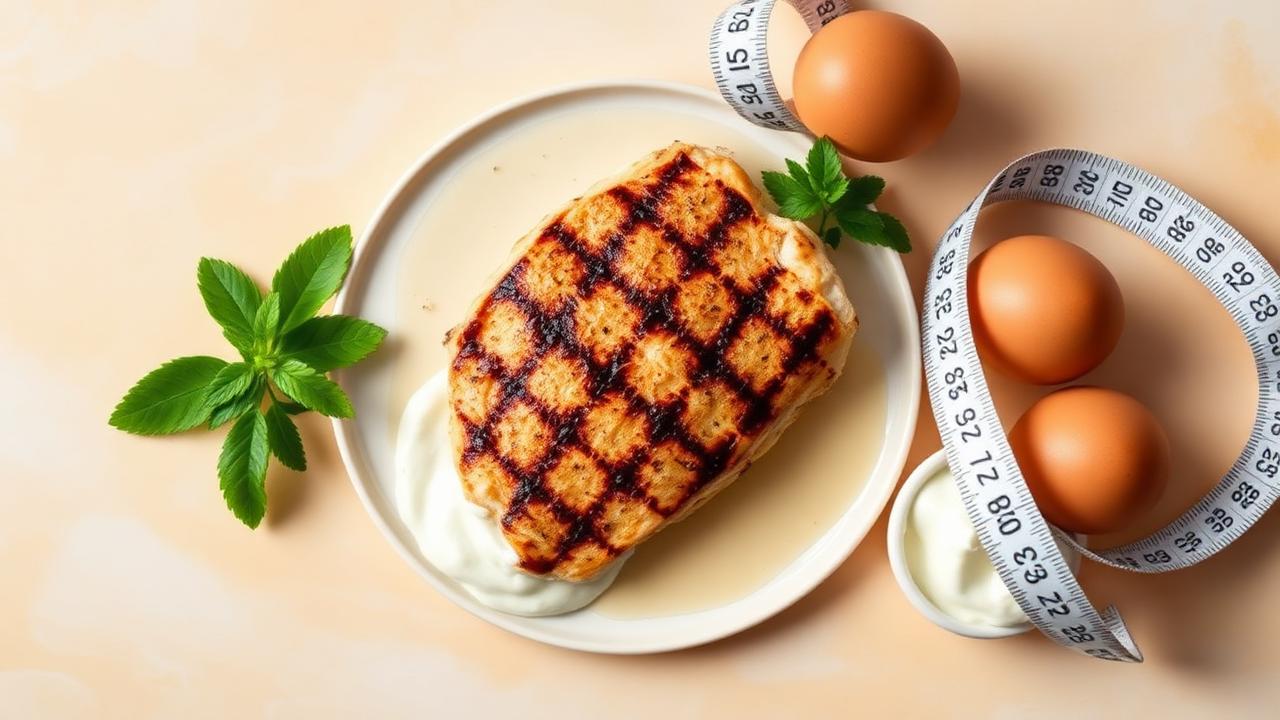
Kalori açığı durumunda kas kütlesini korumak için optimum alım, vücut ağırlığının kilogramı başına 1,6 ila 2,4 g arasındadır; üst sınır yalnızca aşırı düşük vücut yağı yüzdelerinde haklıdır. 2,4 g/kg eşiğini aşmak ek anabolik fayda sağlamaz ve genellikle hormonal denge için gerekli olan karbonhidrat ve yağ alımını tehlikeye atar. Makale, aktif doku kaybı olmadan etkili kilo kaybı için pratik sınırları tanımlayan gram cinsinden özel beslenme planları sunmaktadır.
Protein for Weight Loss: The War Between 1.6g/kg and 2.4g/kg – How Much is Enough?
Anyone who has been on a diet knows this scenario. Calories are limited, the scale slowly but surely goes down. You feel lighter, but also "softer". Strength in the gym starts to decline, and the mirror shows a smaller, but not necessarily more athletic version of yourself. This is the silent horror of a calorie deficit: along with fat, valuable muscle mass also disappears. And here comes protein onto the stage – not just as a nutrient, but as a strategic tool to preserve everything you've worked so hard for. The question, however, is not *whether* to consume more protein, but *how much more exactly*. One number changes everything, and the debate in scientific and fitness circles often revolves around two camps: is the standard 1.6 grams per kilogram of body weight enough, or should we aim for the significantly higher 2.4 g/kg to minimize muscle loss? The answer, as often happens, is more nuanced than simple mathematics.
What the Data Shows
Before we delve into personal experience and practical advice, let's see what science says. One of the most cited and indicative experiments on the topic is the Longland et al. study from 2016, published in The American Journal of Clinical Nutrition. It is brutally effective in its design and gives us extremely clear data.
The researchers took 40 young, training men and subjected them to an aggressive 4-week regimen. The conditions were harsh: 40% calorie deficit (that's a lot!), combined with intense training six days a week (full-body strength training and high-intensity interval sessions). They divided them into two groups:
- Group 1 (Standard Intake): 1.2 g/kg protein per day
- Group 2 (High Intake): 2.4 g/kg protein per day
(Note: In the article, we use 1.6 g/kg as a more modern standard benchmark, but the data from the study with 1.2 g/kg is even more dramatic).
After 28 days, the results were more than eloquent. Both groups lost weight, but the composition of this loss was radically different.
| Indicator | High Protein Group (2.4 g/kg) | Standard Protein Group (1.2 g/kg) |
|---|---|---|
| Fat Loss | -4.8 kg | -3.5 kg |
| Lean Body Mass (LBM) Change | +1.2 kg | +0.1 kg (statistically insignificant) |
Yes, you read that right. The high protein intake group not only did not lose muscle mass during a 40% calorie deficit, but actually *gained* 1.2 kg of lean mass. At the same time, they burned 1.3 kg more fat. This phenomenon, known as recomposition (simultaneous fat burning and muscle building), is the holy grail of fitness, and here the data clearly shows that extremely high protein intake is the main factor that makes it possible under such harsh conditions.
When It Works / When It Doesn't Work
The data is convincing, but translating it into the real world requires context. High protein intake is not a universal panacea. It works phenomenally under certain conditions, but is completely unnecessary under others.
When 2.4 g/kg (or more) is the Right Choice
1. During aggressive calorie deficit: Just like in the study, if you've decided to lose weight quickly and are in a deficit of 500+ calories per day, your body is in a highly catabolic state. It actively seeks amino acids and will take them from your muscles if it doesn't get them from food. High protein intake (2.2-2.7 g/kg) acts as a protective shield, ensuring a constant supply of building material and preserving hard-earned muscle mass.
2. When you already have a low body fat percentage: The leaner you are, the higher the risk of muscle loss. The body "clings" to its last fat reserves and starts to break down muscle protein for energy more easily. In practice, I see this constantly with athletes preparing for bodybuilding competitions or photoshoots. For a man under 12% body fat or a woman under 20%, aiming for over 2.4 g/kg of protein is almost mandatory to maintain a "hard" and dense look.
Specific example: I worked with a CrossFit athlete, Ivan (32 years old, 85 kg), who wanted to lose weight down to 80 kg for a competition while preserving maximum strength. Initially, he was consuming around 140g of protein (1.65 g/kg). His strength in the main lifts (squat, deadlift) started to decline after the second week of dieting. We increased his protein to 200g (2.4 g/kg), slightly reducing carbohydrates to stay within the same deficit. By the end of his preparation, he not only maintained but slightly improved his personal best in the deadlift, losing the desired 5 kg.
Failure Scenarios: When More Protein Does NOT Help
Switching from 1.6 g/kg to 2.4 g/kg is not a magic button. There are several scenarios where it's simply a waste of money and effort.
Scenario 1: You are not training hard enough. Protein does not build or preserve muscle on its own. It provides the bricks, but the stimulus for building (or repair) comes from strength training. If your diet is accompanied only by light cardio or irregular training without progression, your body has no reason to prioritize preserving muscle mass. In this case, the extra protein will simply be converted into glucose for energy (an expensive source of calories) or will burden your digestive system. In my opinion, this is the most common mistake – people increase their protein shake but not the weights on the barbell.
Scenario 2: You have a high body fat percentage. The "grams per kilogram of body weight" formula starts to become distorted in people with higher overweight. For a 130 kg man with 40% body fat, 2.4 g/kg would mean 312 grams of protein – an absurd, impractical, and completely unnecessary amount. His body has huge energy reserves (fat), and the risk of muscle breakdown at the beginning of a diet is much lower. In such cases, it is more appropriate to calculate protein based on lean body mass or target weight. A benchmark of 1.6-1.8 g/kg based on *target weight* is a much more reasonable starting point.
Scenario 3: At the expense of carbohydrates and fats. Food is a numbers game. If calories are fixed (e.g., 2000 kcal), increasing protein from 150g (600 kcal) to 200g (800 kcal) means, Ceteris paribus, you have to reduce carbohydrates and/or fats by 200 kcal. Excessive carbohydrate restriction will ruin your training energy, and a drastic reduction in fats can lead to hormonal problems (especially in women). Sometimes a moderate intake (1.8 g/kg) allows for a more balanced diet that is more sustainable in the long run.
Specific Protocol: What a Day with 2.2 g/kg Protein Looks Like
Let's take an example of an 80 kg man who wants to lose weight while preserving muscle mass. His goal is around 175-180 grams of protein per day on a calorie intake of 2100 kcal.
-
Breakfast (07:30) - ~45g protein
- Omelet from 4 large eggs (~25g protein)
- 50g oatmeal, cooked with water (~6g protein)
- 30g whey protein isolate, mixed into the oatmeal (~25g protein)
- 50g blueberries
Micro-opinion: Combining whole foods with protein powder in the morning is a great way to start the day with a large dose of protein without having to eat a huge amount of meat first thing.
-
Lunch (12:30) - ~50g protein
- 200g grilled chicken breast (~50g protein)
- 150g boiled sweet potato
- Large green salad with 10g olive oil and vinegar
-
Afternoon Snack (16:00) - ~25g protein
- 200g skyr (Icelandic yogurt) (~22-24g protein)
- 20g raw almonds
-
Dinner (19:30 - post-workout) - ~55g protein
- 200g baked hake fillet (~40g protein)
- 120g basmati rice (cooked weight)
- 150g steamed broccoli
- After dinner (if needed): 1/2 dose of casein protein (~12-15g protein) for slow absorption overnight
Total for the day: ~175-180g protein / ~2100 kcal. This plan is realistic, includes a variety of sources, and strategically distributes protein throughout the day to support anabolic processes and satiety.
Side Effects Nobody Mentions
Switching to a very high protein intake diet is not without its "dirty little secrets". Legends of kidney damage in healthy individuals have long been debunked, but there are a few very real and unpleasant side effects.
Digestive Chaos
Doubling your protein intake from one day to the next is a shock to the digestive system. The result? Bloating, heaviness, and most importantly... gas. Yes, the infamous "protein farts". They are particularly pronounced when consuming large amounts of whey protein and red meat, as the sulfur in amino acids (like methionine and cysteine) contributes to a rather unpleasant odor. In practice, I find that gradually increasing protein over 1-2 weeks, along with enough fiber from vegetables and possibly probiotics, can significantly reduce this discomfort.
Financial and Logistical Burden
Let's be honest: protein is expensive. 200 grams of protein per day means about 800-900 grams of chicken breast or 1 kg of cottage cheese, or 7-8 doses of protein powder. Getting this amount solely from quality whole foods is a financial challenge. It also requires constant planning, cooking, and carrying food containers. That's why most people aiming for high values rely on 2-3 shakes a day, which in turn can lead to monotony and "diet fatigue".
Social Isolation
When every gram of protein is calculated, a spontaneous dinner with friends becomes a logistical nightmare. "What can I eat at this restaurant that fits my macros?", "Does this dish have enough protein?". This over-control, while effective, can isolate you and turn eating from a pleasure into a mathematical task. It's important to find a balance and allow for flexibility, because mental health is just as important as physical health.
Expert Note: In my opinion, the optimal protein intake for weight loss for most training individuals is in the range of 2.0-2.2 g/kg. This is the "golden mean" that provides almost all the benefits of very high intake without excessively burdening your budget, digestion, and social life. Remember that training and calorie deficit are the engine, and protein is just the best navigator to keep you on track.
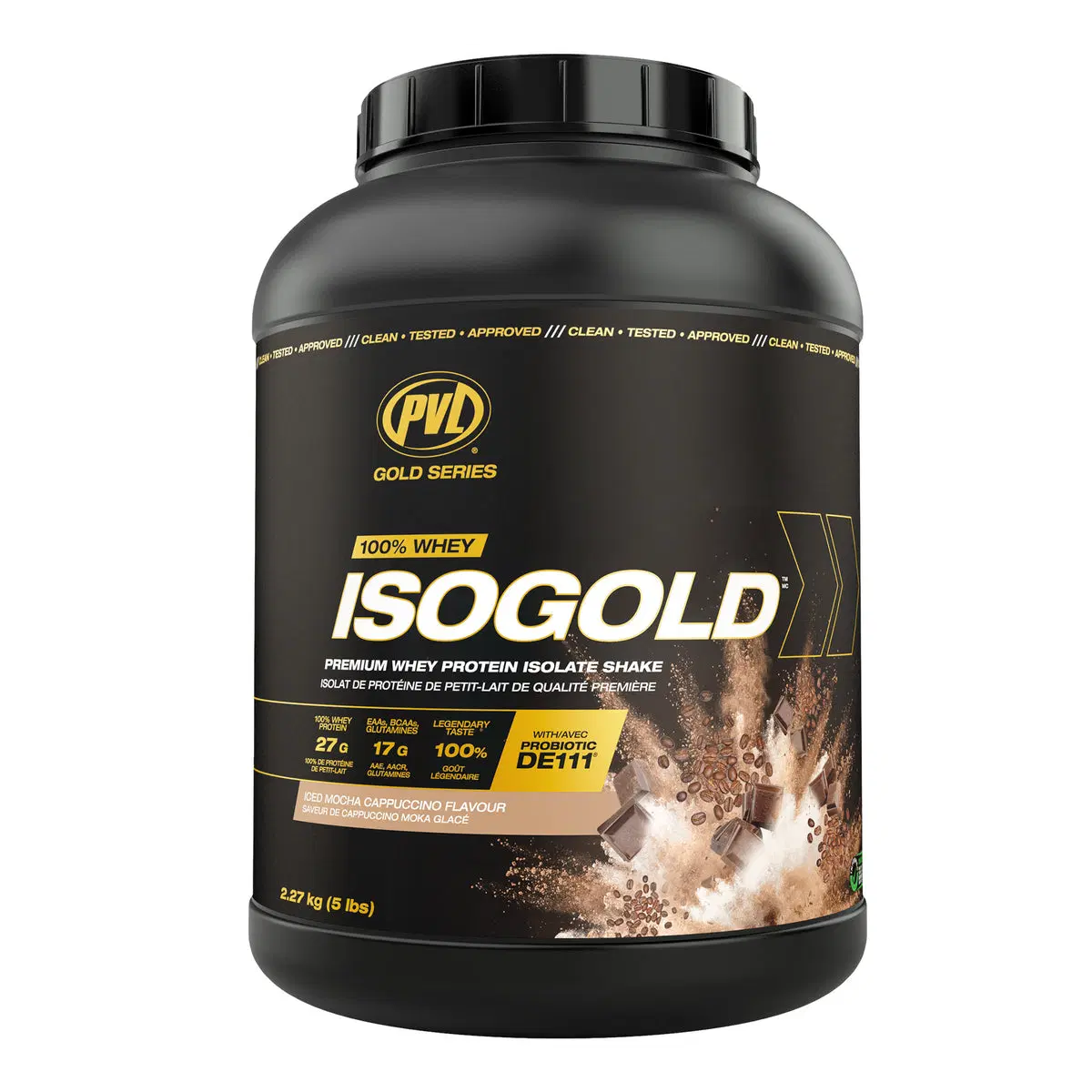
Önerilen ürünler
Sıkça sorulan sorular
Açıkta kas kütlesini korumak için ne kadar proteine ihtiyaç vardır?
Kasları korumak için minimum eşik vücut ağırlığının kilogramı başına 1.6 gr'dır, ancak daha büyük bir kalori açığında alımı 2.0 gr - 2.2 gr'a çıkarmak önerilir. Bu, vücut enerji için yağlardan yararlanırken bile iyileşme için yeterli amino asit sağlar.
Kilogram başına 2.4 gr veya daha fazla protein almanın bir anlamı var mı?
Kilogram başına 2.4 gr alımı, yalnızca yoğun antrenmanlara tabi tutulan çok düşük vücut yağ yüzdesine sahip profesyonel sporcular için geçerlidir. Ortalama bir sporcu için 2.4 gr'ın üzerindeki değerler ek metabolik fayda sağlamaz ve sindirimi genellikle zordur.
Kilo verirken ne zaman 'daha fazla protein'in faydası durur?
Toplam kalori alımı açık ihtiyacını aştığında veya faydalı yağların ve karbonhidratların yerini aldığında daha fazla proteinin faydası durur. Pratik limit genellikle kilogram başına yaklaşık 2.5 gr'dır, bunun üzerinde vücut kas sentezi yerine fazlalığı enerji için okside eder.
80 kg'lık bir kişi için günlük menü gram olarak nasıl görünür?
Kilogram başına 1.8 gr hedefi için, günde 4 öğünde 36 gr olmak üzere toplam 144 gr proteine ihtiyaç vardır. Bu, örneğin 150 gr tavuk göğsü, 200 gr süzme peynir, 3 yumurta ve 30 gr protein izolatı içeren bir öğünle elde edilir.