Kanola Yağı ve Ayçiçek Yağı Karşılaştırması: Lipid Optimizasyonu ve İnflamatuar Yanıt

Yağ asidi profili, kas iyileşme hızınızı nasıl belirler. Kanola yağı, 2:1 ideal bir Omega-6:Omega-3 oranı sunarken, ayçiçek yağı E Vitamini (41 mg/100g) açısından liderdir, ancak 70:1'in üzerinde pro-inflamatuar bir orana sahiptir.
In 2026, sports nutrigenomics views cooking fats as "inflammatory modulators". The choice between them is not just culinary, but strategic—it determines whether your diet suppresses inflammation (Rapeseed) or requires additional Omega-3 intake to compensate for an Omega-6 load (Sunflower).
📊 Comparative Matrix: Systemic Analysis (per 100g)
| Characteristic | Rapeseed Oil (Canola) | Sunflower Oil (Standard) |
|---|---|---|
| Omega-3 (ALA) | ~9 – 11% (High) | < 1% (Negligible) |
| Omega-6 (Linoleic Acid) | ~19% | ~65% (Extremely High) |
| Omega-6 : Omega-3 Ratio | ~2:1 (Ideal) | > 70:1 (Pro-inflammatory) |
| Vitamin E (mg/100g) | ~17 mg | ~41 mg (Leader) |
| Smoke Point (Refined) | ~242°C | ~225 – 232°C |
| Monounsaturated Fats (O9) | ~63% | ~20% |
🧬 In-depth Analysis of Mechanisms for Athletes
1. Rapeseed Oil: The "Anti-inflammatory Regulator"
Rapeseed oil (especially low-erucic acid) is the only widely available oil that offers a significant amount of Alpha-linolenic acid (ALA)—the plant-based Omega-3.
💬 Simply put: Imagine your muscles as race cars. Rapeseed oil is like high-quality fuel that ensures smooth recovery post-race, while sunflower oil is like fuel that can cause engine overheating.
❤️ ALA and Cardiac Adaptation
Omega-3 fatty acids improve arterial elasticity and reduce blood viscosity. For endurance athletes, this means better microcirculation and oxygen delivery to muscles.
🏋️ Metabolic Neutrality
With the lowest saturated fat content (~7%) among common oils, it's the "lightest" fuel for the liver, minimizing the risk of steatosis during caloric surplus (Bulking).
🫒 Specific Tolerance
Its high Omega-9 (oleic acid) content makes it metabolically similar to olive oil, but with a more neutral taste that doesn't alter the flavor of sports meals.
2. Sunflower Oil: The "Antioxidant Shield and Omega Risk"
Sunflower oil is a concentrate of alpha-tocopherol (Vitamin E), but requires caution due to its Omega profile.
💬 Simply put: Think of the Omega-6 to Omega-3 ratio as the balance between attacking and defending players on a football team. Rapeseed oil keeps this balance ideal for recovery, while sunflower oil has too many attacking players, which can lead to "injuries" (inflammation).
Önerilen ürünler
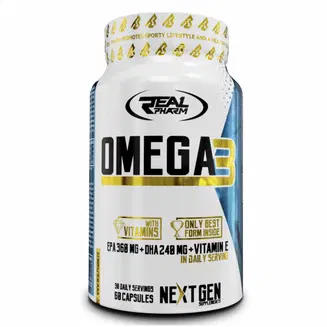 Real Pharm Omega 3 60 kapsül9.71 €
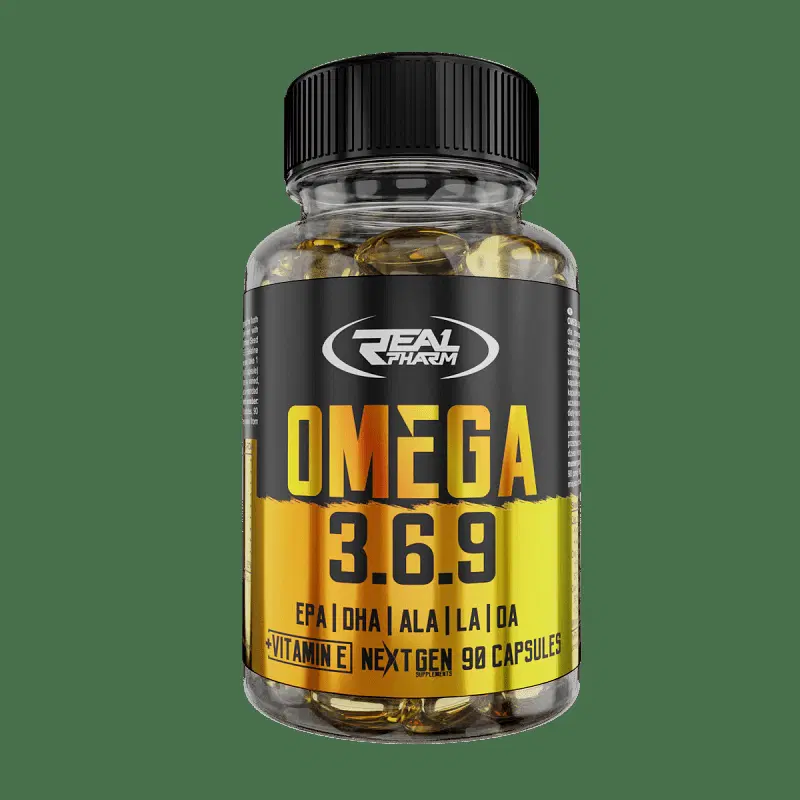 Omega 3 6 9 Real Pharm 90 dragees9.71 €
 Real Pharm Vitamin C Forte 90 tablet8.18 €
Sıkça sorulan sorular
Neden kanola yağı sporcular için ayçiçek yağından daha iyidir?
Kanola yağının Omega-6:Omega-3 oranı 2:1'dir (iltihap kontrolü için ideal), ayçiçek yağınınki ise 70:1'in üzerindedir – iltihap artırıcıdır. Kas ağrısı (DOMS) ile mücadele eden sporcular için kanola yağı daha akıllıca bir seçimdir.
Yüksek Oleik Ayçiçek Yağı nedir?
Bu, %80'e kadar Omega-9 (oleik asit) ve çok az Omega-6 içeren seçilmiş bir çeşittir. Termodinamik olarak daha kararlı ve sağlıklıdır – standart ayçiçek yağının iltihap riskinden uzak, kızartma için idealdir.
Kanola yağı yüksek sıcaklıkta pişirme için güvenli midir?
Evet – rafine kanola yağının dumanlanma noktası ~242°C'dir, bu da onu fırında pişirme ve soteleme için uygun hale getirir. Önemli: Yağı asla tekrar kullanmayın, çünkü Omega-3 tekrar ısıtıldığında oksitlenir.
Kanola yağı için GDO'lardan endişelenmeli miyim?
Dünya kanola üretiminin büyük bir kısmı GDO'ludur. Gıda saflığını takip ediyorsanız, Organik veya GDO'suz Proje Doğrulanmış sertifikalarını arayın. Pişirme için besin değerindeki fark minimaldir.