Sporcu Beslenmesi: Makrolara, Zamanlamaya ve Toparlanmaya Kapsamlı Bir Kılavuz
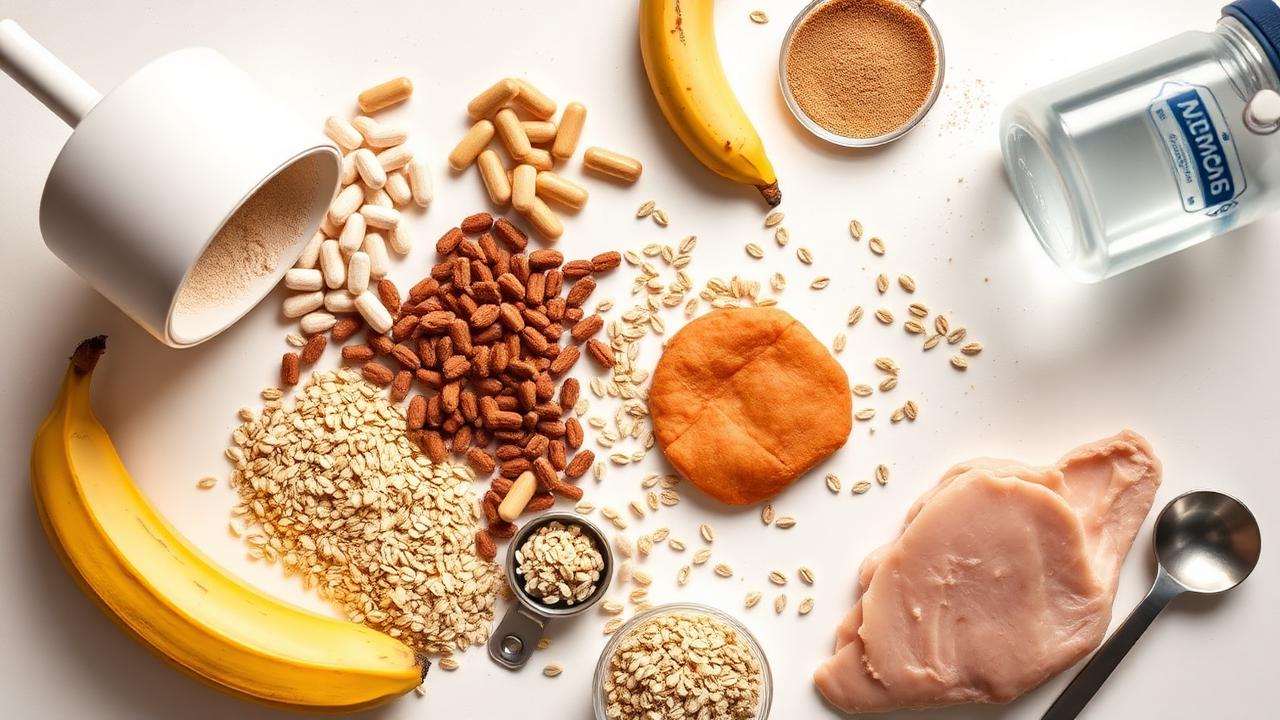
Diyetisyen Petar Mitkov'dan Sporcu Beslenmesi Kapsamlı Rehberi. Maksimum sonuçlar için kalori, makro, zamanlama ve toparlanmayı nasıl hesaplayacağınızı öğrenin.
My name is Petar Mitkov and for the last 12 years I have been involved in the nutrition of some of the best strength and endurance athletes in Bulgaria. If there is one thing I have learned, it is that in the world of sports nutrition, there is too much noise and too few clear, actionable principles. Everyone talks about "clean eating," "detox," or the next magic diet, but real results in the gym are built on numbers, not ideologies.
The truth is, your body doesn't recognize food as "good" or "bad." It recognizes it as amino acids, glucose, fatty acids, vitamins, and minerals. Your job as an athlete is to provide it with the right amounts of these building blocks, at the right time, to achieve your goals – whether it's more strength, more muscle mass, or a lower body fat percentage.
In this guide, we will skip the modern nonsense and focus on the fundamental pillars of sports dietetics. We will cover everything from calculating your calorie balance to the precise macronutrient distribution, peri-workout timing, and key recovery strategies. This is not a quick fix, but a system for building sustainable results. Let's get started.
The Foundation of Everything: Energy Balance and TDEE
Before we talk about protein, carbohydrates, or fats, we need to understand the basic law of thermodynamics as applied to our bodies: energy balance. Simply put, if you want to gain weight (muscle and/or fat), you need to consume more calories than you burn (calorie surplus). If you want to lose weight, you need to burn more than you consume (calorie deficit).
The key metric here is your Total Daily Energy Expenditure (TDEE). This is the total number of calories your body burns in 24 hours. TDEE consists of four main components:
- Basal Metabolic Rate (BMR): The energy your body needs at complete rest to maintain basic functions like breathing, heart activity, and brain function. This is the largest component, typically 60-70% of TDEE.
- Thermic Effect of Food (TEF): The calories you burn digesting and absorbing food. Protein has the highest TEF (20-30%), while carbohydrates (5-10%) and fats (0-3%) have lower TEFs. This accounts for about 10% of TDEE.
- Exercise Activity Thermogenesis (EAT): The calories burned during intentional physical activity – weightlifting, cardio, etc.
- Non-Exercise Activity Thermogenesis (NEAT): The calories burned from all other movement throughout the day – walking, gesturing, climbing stairs. This factor is extremely variable and can range by up to 2000 kcal per day between a sedentary and a very active person.
To roughly calculate your TDEE, you can use the Mifflin-St Jeor equation for BMR and then multiply it by an activity factor:
BMR (Men) = (10 × weight in kg) + (6.25 × height in cm) – (5 × age in years) + 5
BMR (Women) = (10 × weight in kg) + (6.25 × height in cm) – (5 × age in years) – 161
Example Activity Factor:
- Sedentary lifestyle (office job): x 1.2
- Light activity (1-3 workouts/week): x 1.375
- Moderate activity (3-5 workouts/week): x 1.55
- High activity (6-7 heavy workouts/week): x 1.725
- Elite athletes (2 workouts per day): x 1.9-2.2
Example: An 85 kg man, 30 years old, 180 cm tall, who strength trains 4 times a week.
BMR = (10 × 85) + (6.25 × 180) – (5 × 30) + 5 = 850 + 1125 - 150 + 5 = 1830 kcal.
TDEE = 1830 × 1.55 ≈ 2836 kcal. This is his maintenance calorie balance.
For muscle gain, the goal is a moderate calorie surplus of 10-20%, or about +300–500 kcal above TDEE. In our example, this would be around 3136–3336 kcal daily.
For fat loss, the goal is a moderate deficit of 10-20%, or about -300–500 kcal below TDEE. In the example, this is around 2336–2536 kcal daily. A larger deficit risks muscle loss.
Macronutrient Distribution: The Architecture of Results
Once you know your calorie target, the next step is to distribute those calories among the three macronutrients: protein, carbohydrates, and fats. This is not a matter of preference, but of physiology.
Protein: The Building Block
Protein is absolutely essential for any strength athlete. It provides the amino acids needed to repair muscle fibers after training and to build new ones (a process called muscle protein synthesis – MPS). Without enough protein, you are literally breaking yourself down.
Target: 1.6–2.2 grams per kilogram of body weight (g/kg).
- During a calorie surplus (bulking), 1.6-1.8 g/kg is perfectly sufficient.
- During a calorie deficit (cutting), I recommend aiming for the higher end (2.0-2.2 g/kg), even up to 2.5 g/kg. Higher protein intake has a strong anti-catabolic effect (protects muscles from breakdown) and increases satiety.
For an 85 kg athlete, this means between 136 and 187 grams of protein per day. One gram of protein contains 4 kcal.
Carbohydrates: The Primary Fuel
Carbohydrates are the main source of energy for high-intensity anaerobic activities like weightlifting. They are stored in the muscles and liver as glycogen. Well-stocked glycogen stores are directly linked to better performance in the gym, more training volume, and better recovery.
Target: 3–7 g/kg of body weight.
This range is very wide because your carbohydrate needs depend directly on the volume and intensity of your training.
- Moderate volume (3-4 workouts per week): 3-5 g/kg is a good starting point. For an 85 kg athlete, this is 255-425 g of carbohydrates.
- High volume (5+ heavy/long workouts): 5-7 g/kg or more may be necessary. For an 85 kg athlete, this is 425-595 g.
Honestly, many athletes fear carbohydrates, but in practice, I see that insufficient intake is a major reason for plateaus in results. One gram of carbohydrate contains 4 kcal.
Fats: The Hormonal Regulator
Fats are vital for hormone production (including testosterone), absorption of fat-soluble vitamins (A, D, E, K), and cell health. An excessively low fat intake is a recipe for hormonal imbalance, joint pain, and poor concentration.
Target: 0.8–1.2 g/kg of body weight or 20-30% of total calorie intake.
My advice is to first determine your protein intake, then allocate about 25% of your calories to fats, and let the remaining calories come from carbohydrates. This provides flexibility.
Example Calculation (85 kg athlete, 3200 kcal for bulking): 1. Protein: 85 kg × 1.8 g/kg = 153 g (153 g × 4 kcal/g = 612 kcal) 2. Fats: 3200 kcal × 25% = 800 kcal (800 kcal / 9 kcal/g ≈ 89 g) 3. Carbohydrates: 3200 kcal - 612 kcal - 800 kcal = 1788 kcal (1788 kcal / 4 kcal/g ≈ 447 g)
Result: ~153 g protein / 447 g carbohydrates / 89 g fats.
From My Practice: The Effect of Higher Protein During a "Cutting" Phase
A few years ago, I conducted a small internal experiment with a group of n=18 powerlifting competitors whom I was preparing for a competition and who needed to lose weight to make weight class. All were on the same calorie deficit (~400 kcal/day) for 10 weeks. I divided them into two groups:
- Group A (n=9): Protein intake of 1.6 g/kg body weight.
- Group B (n=9): Protein intake of 2.2 g/kg body weight.
At the end of the 10 weeks, the results were telling. Both groups lost a similar total weight (average 5.1 kg for Group A and 4.9 kg for Group B). The main difference was in the composition of the lost weight. When measured with calipers, Group B (with higher protein) retained an average of 700 grams more lean muscle mass compared to Group A. Furthermore, participants in Group B reported feeling less hungry and maintained more stable strength levels in the gym. This solidified my practice of always recommending a higher protein intake during dieting.
Nutrient Timing: Pre, Intra, and Post-Workout
Once your daily calorie and macro targets are clear, we can talk about timing. Is the legendary "anabolic window" a myth? Yes and no. The truth is, total daily intake is 90% of the game, but smart timing can give you that extra 10% edge.
- Pre-Workout (1-3 hours): The main goal is to fuel your muscles and provide amino acids in your bloodstream. An ideal pre-workout meal is rich in complex carbohydrates and moderate in protein. For example: 100-150g oatmeal with 30g whey protein or 200g chicken breast with 150g rice. Avoid large amounts of fat and fiber, as they slow digestion.
- Intra-Workout: For most strength workouts under 90 minutes, this is not necessary. But for very long (2+ hours) or extremely intense sessions, consuming fast-digesting carbohydrates can be beneficial. The goal is 30-60 grams of carbohydrates per hour in the form of a dextrose/maltodextrin drink. My #1 choice for elite athletes is EAA (essential amino acids), which don't tax the stomach.
- Post-Workout (0-2 hours): Here, the goal is twofold: to initiate muscle protein synthesis (MPS) and replenish depleted glycogen stores. Consuming fast-digesting protein (like whey) and fast carbohydrates (like dextrose, banana, white rice) is optimal. A dose of 30-40 grams of protein is sufficient to maximize MPS. The anabolic "window" doesn't slam shut after 30 minutes; it's more like a "garage door" that stays open for several hours, but is widest immediately after training.
When to Choose High Carbs Pre-Workout
This is the standard and in 90% of cases, the better approach. Choose it if your goal is maximum performance, strength, and hypertrophy. Full glycogen stores allow you to perform more reps with heavier weight, which is the primary driver of muscle growth. Essential for workouts with high volume and duration over 60 minutes.
When to Prefer Training on an Empty Stomach
Fasted training has its limited applications. It might be an option for short, low-intensity cardio sessions if the goal is fat mobilization (although total daily deficit is more important). Some people simply feel lighter and more focused. For serious strength training, however, it's a suboptimal choice – you risk weaker performance and increased muscle breakdown.
| Characteristic | Whey Protein | Casein Protein |
|---|---|---|
| Absorption Speed | Fast (30-60 minutes) | Very slow (up to 7-8 hours) |
| Amino Acid Profile | Very high % leucine, stimulates MPS | Balanced profile, rich in glutamine |
| Best Time to Consume | Immediately post-workout | Before bed, as a meal replacement |
| Effect on Synthesis (MPS) | Strong but short-lived peak | Moderate but sustained stimulus |
| Effect on Breakdown (MPB) | Weak anti-catabolic effect | Strong and prolonged anti-catabolic effect |
💬 Simply Put
Don't obsess over timing until you've mastered the basics. Focus on hitting your daily calorie and protein targets for 30 consecutive days. That's the foundation. Timing is just optimization that can give you an extra 5-10% result, but it cannot compensate for a poor overall diet.
Hydration and Electrolytes: The Underestimated Factor for Strength
You can have perfect macros, but if you're dehydrated, your performance will plummet. Even mild dehydration of 2% of body weight can lead to a significant drop in strength, endurance, and concentration. For a 90 kg athlete, that's only 1.8 liters of fluid loss, which is entirely possible in one intense workout.
General Hydration Guidelines:
- Daily Target: Aim for 35-45 ml of water per kilogram of body weight. For an 85 kg athlete, that's about 3-3.8 liters per day, NOT including fluids consumed during training.
- During Training: Drink 150-250 ml every 15-20 minutes.
- Monitoring Hydration: An easy way is urine color – it should be light yellow. Another, more accurate method, is to weigh yourself before and after training. Every kilogram lost corresponds to approximately 1 liter of fluid lost, which needs to be replenished (it's recommended to consume ~1.2-1.5 liters of fluid for every kilogram lost).
Electrolytes: During intense and prolonged workouts, especially in hot weather, you lose not only water but also electrolytes like sodium, potassium, and magnesium. Their deficiency can lead to cramps, weakness, and impaired heart rhythm. In most cases, a well-balanced diet is sufficient, but for sessions over 90 minutes or heavy sweating, adding an electrolyte drink or even a pinch of salt to your water can make a huge difference.
Recovery: Sleep and Pre-Bed Protein
Muscles don't grow in the gym. They grow while you sleep and recover. You can have the best diet and training program in the world, but if you don't sleep enough, you're sabotaging your own progress.
Sleep: This is the most powerful anabolic tool you have at your disposal. During deep sleep, your body produces the highest amount of growth hormone and repairs tissues. Chronic sleep deprivation (less than 7 hours per night) is directly linked to lower testosterone levels, higher cortisol levels (a catabolic hormone), and impaired insulin sensitivity.
Target: 7-9 hours of quality sleep per night. This is non-negotiable.
Pre-Bed Protein: One effective strategy to support overnight recovery is consuming slow-digesting protein before sleep. While whey protein is ideal for post-workout, the star here is casein.
Casein forms a gel in the stomach and digests over 7-8 hours. This provides a slow and steady release of amino acids into the bloodstream throughout the night, significantly reducing muscle breakdown (muscle protein breakdown - MPB). Several studies, led by scientists like Luc van Loon, confirm that consuming 30-40 grams of protein before sleep leads to a more positive net protein balance and greater muscle mass accumulation in the long run.
My #1 choice here is micellar casein or simply 200-250 grams of low-fat cottage cheese.
When it DOESN'T Work / Common Mistakes
- Scenario 1: "Dirty Bulk." You decide to gain weight and start eating everything in sight without tracking calories and macros. The result? You gain 10 kg quickly, 7 kg of which is fat. You worsen your insulin sensitivity, and the next "cutting" phase will be much longer and harder, with a higher risk of muscle loss.
- Scenario 2: Fear of Fats. In your quest to lose fat, you reduce your fat intake below 0.6 g/kg. After a few weeks, your energy is zero, your joints ache, your libido disappears, and your mood is abysmal. This is a direct sign of hormonal collapse. Don't do it.
- Scenario 3: Fixation on the "Anabolic Window" with Inadequate Total Intake. You drink your shake immediately after training, but for the rest of the day, you barely manage to consume 1500 kcal and 80g of protein. It's like putting high-octane fuel in a car without an engine. The shake cannot compensate for a huge daily deficit.
Messy Human Detail: Libido and Mood
Honestly, one of the first indicators when working with athletes in heavy pre-competition preparation that we've overdone the calorie deficit is a drastic drop in libido and general irritability. Energy levels drop not only in the gym but in life. This is a direct signal from the endocrine system that the body is in "survival" mode, not "development" mode. When an athlete tells me they are constantly on edge and have no desire for intimacy, it's a red flag that we need to revise the diet immediately – usually by slightly increasing calories and fats, even at the cost of slower weight loss. Don't ignore these signals.
📚 Scientific Sources
- Jäger R, Kerksick CM, Campbell BI, et al. International Society of Sports Nutrition Position Stand: protein and exercise. J Int Soc Sports Nutr. 2017;14:20. Published 2017 Jun 20. doi:10.1186/s12970-017-0177-8
- Kerksick CM, Arent S, Schoenfeld BJ, et al. International society of sports nutrition position stand: nutrient timing. J Int Soc Sports Nutr. 2017;14:33. Published 2017 Aug 29. doi:10.1186/s12970-017-0189-4
- Snijders T, Res PT, Smeets JS, van Vliet S, van Kranenburg J, Maase K, Kies AK, Verdijk LB, van Loon LJ. Protein ingestion before sleep increases muscle mass and strength gains during prolonged resistance-type exercise training in healthy young men. J Physiol. 2015 Jun 1;593(11):2635-46. doi: 10.1113/JP270337.
🔬 Expert Note from Sport Zona
As Petar Mitkov, after 12 years in this field, I can tell you one thing for sure: the biggest breakthrough for 99% of the athletes I work with doesn't come from some magic supplement or complex diet. It comes from the first 3 months, during which they consistently start tracking their calories and macros. The simple act of recording what you eat, even with a phone app, creates awareness, which is the foundation of any change. Data, not guesswork, leads to results. Stop guessing and start measuring. This is the most professional advice I can give you.
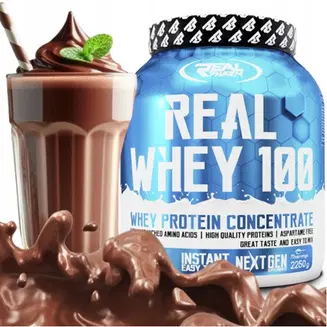
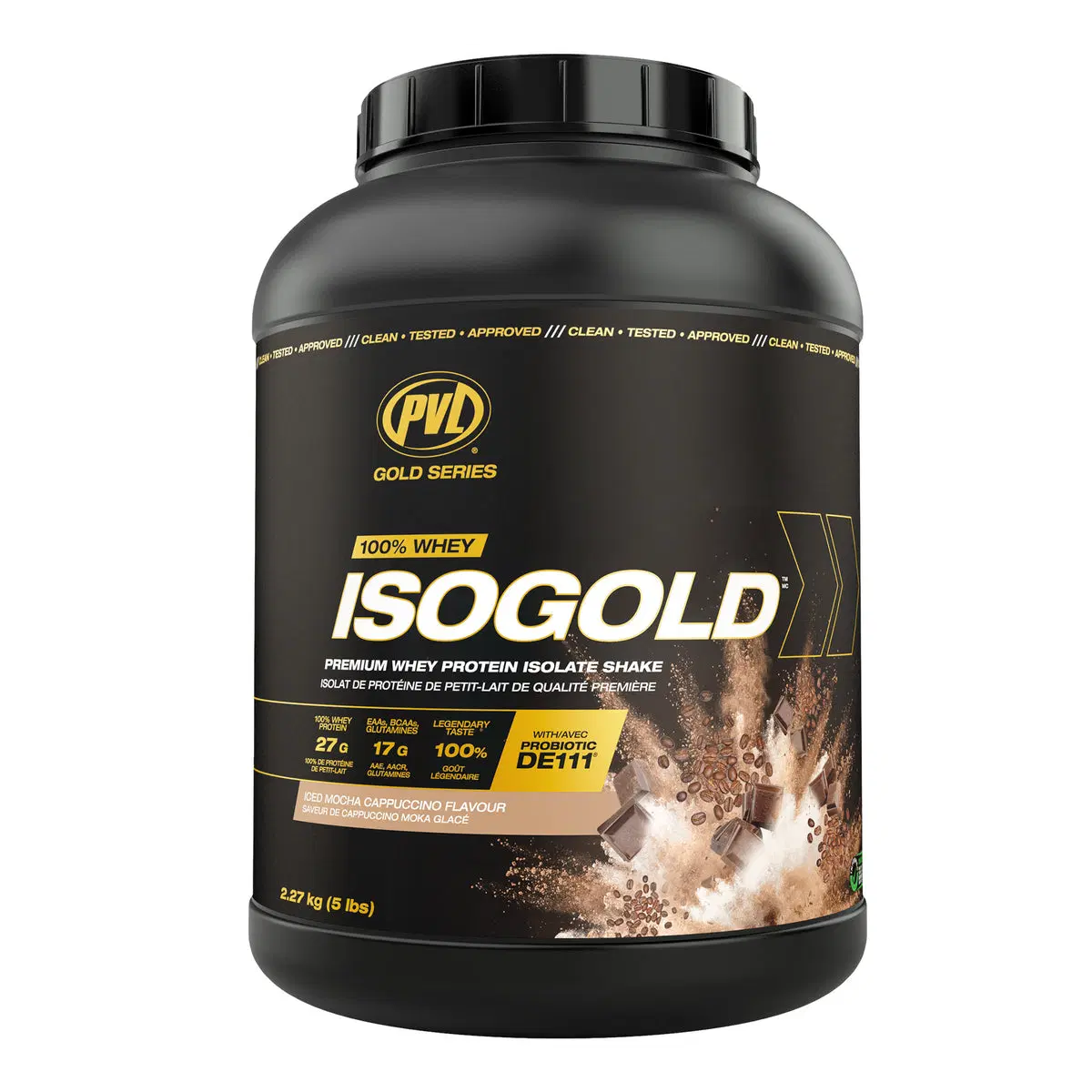
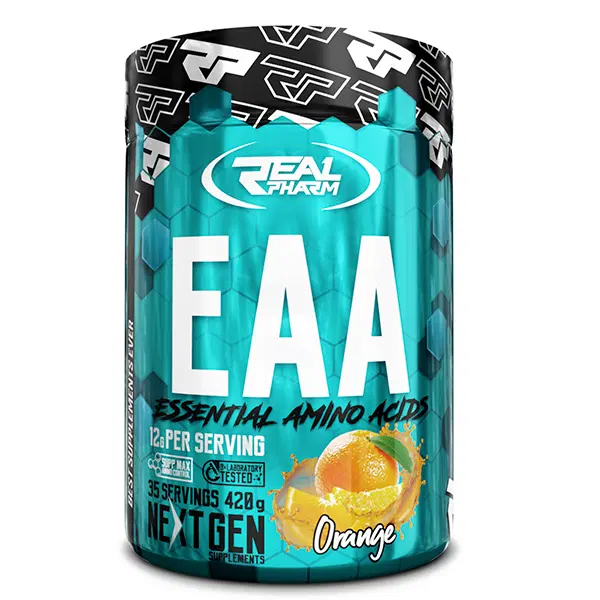
Önerilen ürünler
Sıkça sorulan sorular
Kas kütlesi kazanmak için ne kadar proteine ihtiyacım var?
Optimal kas gelişimi için vücut ağırlığınızın kilogramı başına 1.6 ila 2.2 gram protein hedefleyin. Yağ yakma dönemindeyseniz (kalori açığı), kaslarınızı korumak için üst sınıra (2.0-2.2 g/kg) bağlı kalın.
Kilo vermek istiyorsam karbonhidratlardan korkmalı mıyım?
Hayır, kesinlikle hayır. Karbonhidratlar antrenmanlarınızın ana yakıtıdır. Kilo vermenin anahtarı, karbonhidratları ortadan kaldırmak değil, genel kalori açığıdır. Yeterli alım, enerjinizi yüksek tutacak ve daha ağır antrenman yapmanıza olanak tanıyacak, bu da kas kütlesini korumaya yardımcı olacaktır.
Yediğim zaman mı önemli, yoksa sadece günün toplam kalorisini mi?
Günün toplam kalori ve makro besin alımı denklemin yaklaşık %90'ıdır. Zamanlama ise kalan %10'dur. Önemli olan önce günlük alımınızı sağlamaktır. Ardından, antrenman etrafında karbonhidrat ve protein dağılımı performansı ve iyileşmeyi optimize edebilir.
Daha iyi iyileşme için yatmadan önce ne yemeli?
Yatmadan önce 30-40 gram yavaş sindirilen protein almak, gece boyunca kas yıkımını azaltarak iyileşmeyi önemli ölçüde artırabilir. 200-250 gram az yağlı süzme peynir veya misel kazein takviyesi mükemmel bir seçimdir.
Aktif bir sporcu olarak günde ne kadar su içmeliyim?
Vücut ağırlığınızın kilogramı başına 35-45 ml iyi bir başlangıç noktasıdır. 80 kg'lık bir sporcu için bu, günde yaklaşık 2.8 ila 3.6 litreye denk gelir. Buna, antrenman sırasında kaybettiğiniz sıvıları eklemeli ve kaybedilen kilonun yaklaşık %120-150'sini geri kazanmayı hedeflemelisiniz.