Joint Health and Mobility
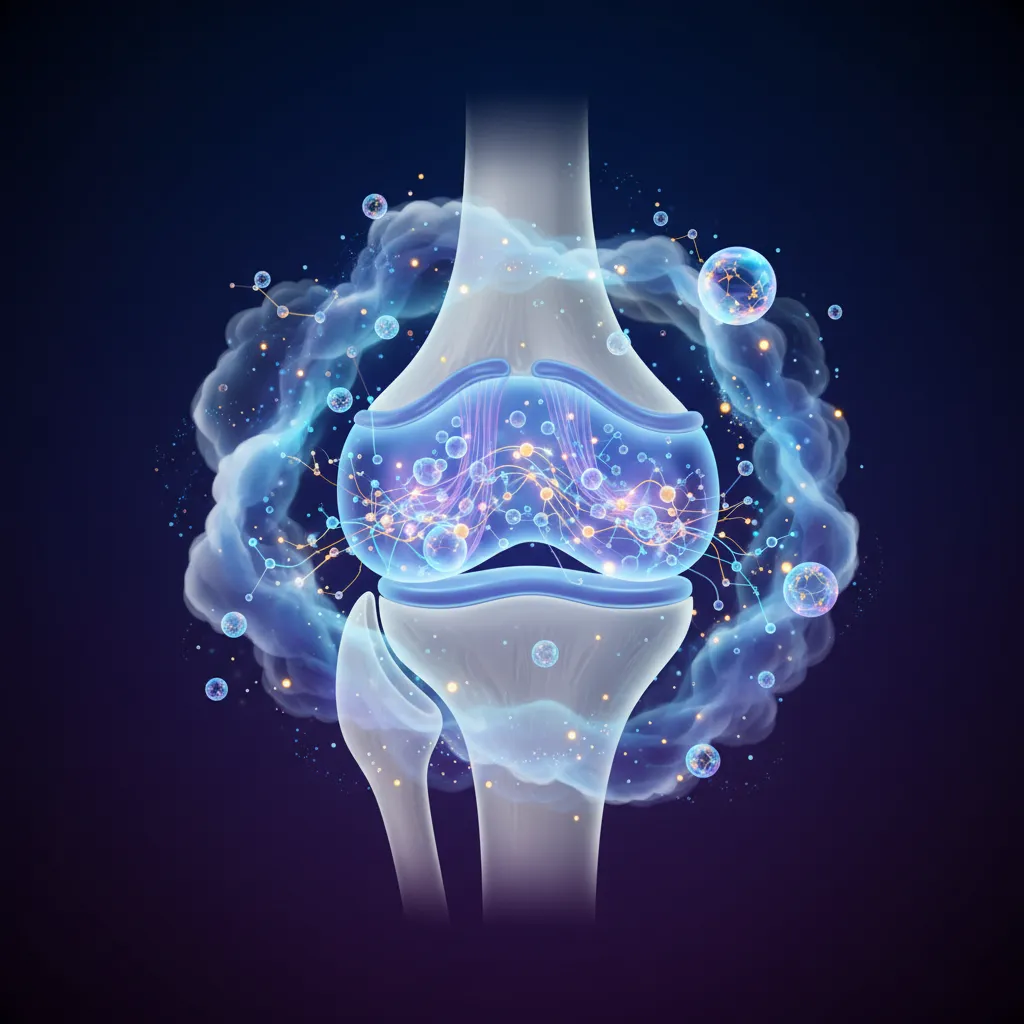
Eklemlerin Sağlığı ve Hareketlilik – Türler, Faydalar, Dozajlar ve Uzman Tavsiyelerini İçeren Kapsamlı Rehber. Her Şey Tek Bir Yerde SportZone’dan.
Joint Health and Mobility: A Comprehensive Guide for Athletes from SportZone
What are Joint Health and Mobility Supplements and Why Are They Important for Athletes?
Joint health and mobility supplements are dietary supplements designed to support the integrity and function of joints, cartilage, tendons, and ligaments, thereby improving flexibility and reducing discomfort. For athletes, these supplements are critically important, as intense training and repetitive movements put significant stress on the musculoskeletal system, which can lead to wear and tear, inflammation, and injuries. Maintaining healthy joints is key to preventing injuries, accelerating recovery, and ensuring long-term pain-free athletic activity.
🔬 From SportZone's Experience
In our work with over 50,000 clients, we see that the biggest mistake is to start taking joint-strengthening supplements only after pain appears. For athletes, especially those with high loads, prevention through consistent intake of collagen and glucosamine is key for a long career without injuries and discomfort.
These supplements work through various mechanisms, including providing building blocks for cartilage, reducing inflammation, improving synovial fluid production, and protecting connective tissues from oxidative stress. Regular intake can help maintain joint elasticity, relieve stiffness, and support optimal mobility, which is fundamental for performing athletic movements and maintaining high performance. From amateurs to professionals, joint care is an integral part of the training regimen, ensuring not only better results but also a better quality of life.
What Types of Joint Health and Mobility Supplements Exist and How Do We Differentiate Them?
Joint health and mobility supplements can be classified into several main categories based on their mechanism of action and active ingredients. Understanding these categories helps in choosing the most suitable products for an athlete's individual needs.
📚 Scientific Sources
- Clark, K. L. et al. (2008) - "24-Week study on the use of collagen hydrolysate as a dietary supplement in athletes with activity-related joint pain." Current Medical Research and Opinion. (DOI: 10.1185/030079908X291967)
- Fox, B. A. et al. (2012) - "Glucosamine: a time for re-appraisal?" Seminars in Arthritis and Rheumatism. (DOI: 10.1016/j.semarthrit.2012.02.002)
- McAlindon, T. E. et al. (2000) - "Glucosamine and chondroitin for the treatment of osteoarthritis: a systematic review." JAMA. (DOI: 10.1001/jama.283.11.1469)
- Singla, A. K., & Harikumar, S. L. (2008) - "Chondroitin sulfate: A review." Current Medicinal Chemistry. (DOI: 10.2174/092986708785132890)
- Collagen — This is the main structural protein in connective tissues, including cartilage, tendons, ligaments, skin, and bones. Taking collagen can support the repair and synthesis of the body's own collagen, improving joint elasticity and strength and reducing discomfort.
- Glucosamine — A naturally occurring compound found in cartilage. It is a key building block for the synthesis of glycosaminoglycans and proteoglycans, which are essential components of cartilage tissue. Glucosamine can help maintain cartilage structure and relieve pain in osteoarthritis.
- Proline — An amino acid that plays a vital role in collagen synthesis. It is essential for forming the stable triple helix of collagen, which is critical for the strength and elasticity of connective tissues. It supports cartilage repair and maintenance.
- Omega-3 Fatty Acids — Particularly EPA and DHA, are known for their potent anti-inflammatory properties. They can help reduce joint inflammation, alleviate pain, and improve mobility, especially in conditions like rheumatoid arthritis or inflammation caused by intense training.
- Turmeric — The active compound curcumin is a powerful antioxidant and anti-inflammatory agent. It can effectively reduce joint inflammation and pain while protecting cartilage from degradation. It is often used in combination with piperine to enhance absorption.
- Vitamin C — Essential for collagen synthesis in the body. It acts as a cofactor for enzymes involved in collagen production, making it indispensable for the strength and repair of connective tissues, including cartilage and tendons. It is also a potent antioxidant.
- Vitamin D — Known for its role in maintaining bone health by regulating calcium and phosphorus levels. While not directly related to cartilage, strong bones are the foundation for healthy joints. Its deficiency can contribute to osteoporosis and an increased risk of fractures, indirectly affecting joint health.
- Magnesium — This mineral is important for over 300 enzymatic reactions in the body, including those related to muscle function and bone health. It can help relax muscles around the joints, reduce spasms, and alleviate pain, contributing to better mobility and recovery.
How to Choose the Right Joint Health and Mobility Supplements for Our Goals?
Choosing the right supplements depends on individual needs, goals, and the current state of the joints. Different supplements offer specific benefits that can be targeted for particular athletic goals or health challenges.
- For general maintenance and prevention: Collagen, Glucosamine, Vitamin C. These supplements provide essential building blocks and support for cartilage and connective tissue synthesis.
- For reducing inflammation and pain: Turmeric, Omega-3. These ingredients are powerful natural anti-inflammatories that can relieve discomfort associated with intense training or chronic conditions.
- For recovery after injury or surgery: Collagen, Proline, Vitamin C. These supplements support the regeneration of damaged tissues and accelerate the healing process.
- For improving flexibility and mobility: Magnesium (for muscle relaxation), Omega-3 (for reducing stiffness).
- For high-intensity athletes: A combination of Collagen, Glucosamine, and Omega-3. Intense training requires comprehensive joint support for both prevention and recovery.
- For beginner athletes: Collagen and Vitamin C. This is a good start for building a strong foundation and protecting joints from the beginning of an active sports life.
How and When to Take Joint Health and Mobility Supplements for Maximum Results?
To achieve maximum benefits from joint health and mobility supplements, it is important to follow recommended dosages and timing. General principles include regularity, consideration of the active substance's half-life, and synchronization with nutrition or the training cycle.
- Before training: It is usually not necessary to take specific joint supplements immediately before training, as they tend to work more in the long term. However, some athletes may take Magnesium before training to support muscle function and reduce the risk of cramps.
- After training: Collagen and Proline can be beneficial after training to support the recovery of connective tissues that have been stressed. Combining them with Vitamin C is even more effective, as it is key for collagen synthesis.
- Every day (with food): Most joint health supplements are taken daily, often with food, to ensure better absorption and avoid stomach discomfort. This includes Glucosamine, Omega-3, Turmeric, Vitamin D, and Magnesium. Regular and consistent intake is key for accumulating effects and maintaining long-term joint health. Omega-3 and Turmeric are particularly effective with daily intake for controlling inflammatory processes.
Always read product labels and consult with a healthcare professional or dietitian to determine the most appropriate dosage and regimen for your individual needs.
What Combinations (Stacks) of Joint Health and Mobility Supplements Work Best?
Synergy between different supplements can significantly enhance their effect on joint health and mobility. Combining supplements that work through different mechanisms often leads to better results than taking them individually.
- Basic building blocks and synthesis: Collagen + Glucosamine + Vitamin C. This combination provides both the raw materials for building cartilage and connective tissues, and the cofactor needed for their production. Proline can also be added for even better support of collagen synthesis.
- Anti-inflammatory and recovery stack: Omega-3 + Turmeric (with piperine) + Vitamin C. This combination aims to reduce inflammation, relieve pain, and protect against oxidative stress, while supporting tissue repair.
- Comprehensive support for active athletes: Collagen + Glucosamine + Omega-3 + Vitamin D + Magnesium. This complex stack provides a wide range of benefits, including structural support, anti-inflammatory action, bone health, and muscle function, making it ideal for individuals with high demands on their musculoskeletal system.
- For people with chronic discomfort: Glucosamine + Turmeric + Omega-3. This combination focuses on relieving pain and inflammation while supporting cartilage maintenance.
What Are the Most Common Mistakes Made When Taking Joint Health and Mobility Supplements?
Although joint health supplements offer significant benefits, mistakes are often made in their intake, which can reduce their effectiveness or lead to undesirable results. Avoiding these mistakes is key to achieving optimal joint health.
- ❌ Expecting immediate results — Joint health supplements work slowly and cumulatively. They are not painkillers and require consistent intake for weeks or months before significant improvements in joint comfort and mobility are noticed. Patience is key.
- ❌ Incorrect dosage — Taking too low doses may not produce any effect, while excessive doses can be ineffective or even harmful. Always follow the recommended doses indicated on the product label or consult a specialist.
- ❌ Lack of combination with adequate nutrition and training — Supplements are just an addition. They cannot compensate for poor dietary habits, lack of physical activity, or excessive stress on the joints. A balanced diet, regular and correctly performed exercises are the foundation of joint health.
- ❌ Ignoring other factors for joint health — Insufficient sleep, dehydration, excess weight, and chronic stress can negatively impact joints, regardless of supplement intake. A holistic approach to health is essential.
- ❌ Taking low-quality or poorly bioavailable supplements — Some supplements may contain active ingredients in a poorly absorbed form or have low concentrations. Invest in products from reputable manufacturers that can support quality and effectiveness. For example, Turmeric should be taken with piperine for better absorption.
- ❌ Self-treating serious conditions — Supplements can be part of supportive therapy but should not replace medical examination and treatment for serious joint diseases or injuries. Always consult a doctor if you experience severe pain or chronic problems.
What Should We Know Briefly About Joint Health and Mobility Supplements?
| Supplement | Main Benefit | Recommended Dosage (General) | Optimal Timing | Link to Details |
|---|---|---|---|---|
| Collagen | Structural support, tissue elasticity, cartilage repair | 5-15 g daily | Every day, with/without food | Collagen Details |
| Proline | Supports collagen synthesis, connective tissue repair | 1-5 g daily | Every day, can be with collagen | Proline Details |
| Glucosamine | Building block for cartilage, reduces pain | 1000-1500 mg daily | Every day, with food | Glucosamine Details |
| Omega-3 | Reduces inflammation, relieves pain, improves mobility | 1-3 g EPA+DHA daily | Every day, with food | Omega-3 Details |
| Turmeric | Potent anti-inflammatory and antioxidant effect | 500-1500 mg curcumin daily (with piperine) | Every day, with food | Turmeric Details |
| Vitamin C | Essential for collagen synthesis, antioxidant | 500-2000 mg daily | Every day, with/without food | Vitamin C Details |
| Vitamin D | Bone health, immune function | 2000-5000 IU daily | Every day, with food (for better absorption) | Vitamin D Details |
| Magnesium | Muscle relaxation, bone health, reduces spasms | 300-500 mg daily | Every day, evening | Magnesium Details |
Önerilen ürünler

Sıkça sorulan sorular
Eklem sağlığı ve hareketliliği için en önemli takviyeler nelerdir?
En önemli takviyeler genellikle eklem kıkırdağının temel yapı taşları olan glukozamin ve kondroitini içerir. Omega-3 yağ asitleri de anti-inflamatuar özellikleri nedeniyle önemlidir.
Eklem sağlığı ve hareketliliği için kaç temel takviye türü vardır?
Eklem sağlığı ve hareketliliği için temel takviye türleri birkaç kategoriye ayrılabilir: kıkırdak yapısını destekleyenler (glukozamin, kondroitin), anti-inflamatuar etkiye sahip olanlar (omega-3, zerdeçal) ve eklem yağlanmasını destekleyenler (hyaluronik asit).
İyi eklem sağlığını ve hareketliliğini sürdürmenin faydaları nelerdir?
İyi eklem sağlığını ve hareketliliğini sürdürmek, ağrı ve sertliğin azalmasına, hareket açıklığının iyileşmesine ve aktif bir yaşam tarzının sürdürülmesine yol açar. Bu, genel refah ve yaşam kalitesi için anahtardır.
Eklem sağlığını ve hareketliliğini hangi faktörler etkiler?
Eklem sağlığını etkileyen faktörler arasında yaş, genetik yatkınlık, yaşam tarzı (fiziksel aktivite, kilo), travmalar ve artrit gibi bazı hastalıklar bulunur. Doğru beslenme ve sağlıklı bir kiloyu korumak esastır.
Eklem sağlığı ve hareketliliği için takviyelere ne zaman başlamak önerilir?
Eklemlerde ilk rahatsızlık belirtileri ortaya çıktığında, travmalardan sonra veya eklem sorunları riski yüksek olan kişilerde takviye almayı düşünmek önerilir. Başlamadan önce her zaman bir doktora veya eczacıya danışmak iyidir.