Dana Proteini vs. Sitrülin: Kas Mimarisi vs. Metabolik Akış
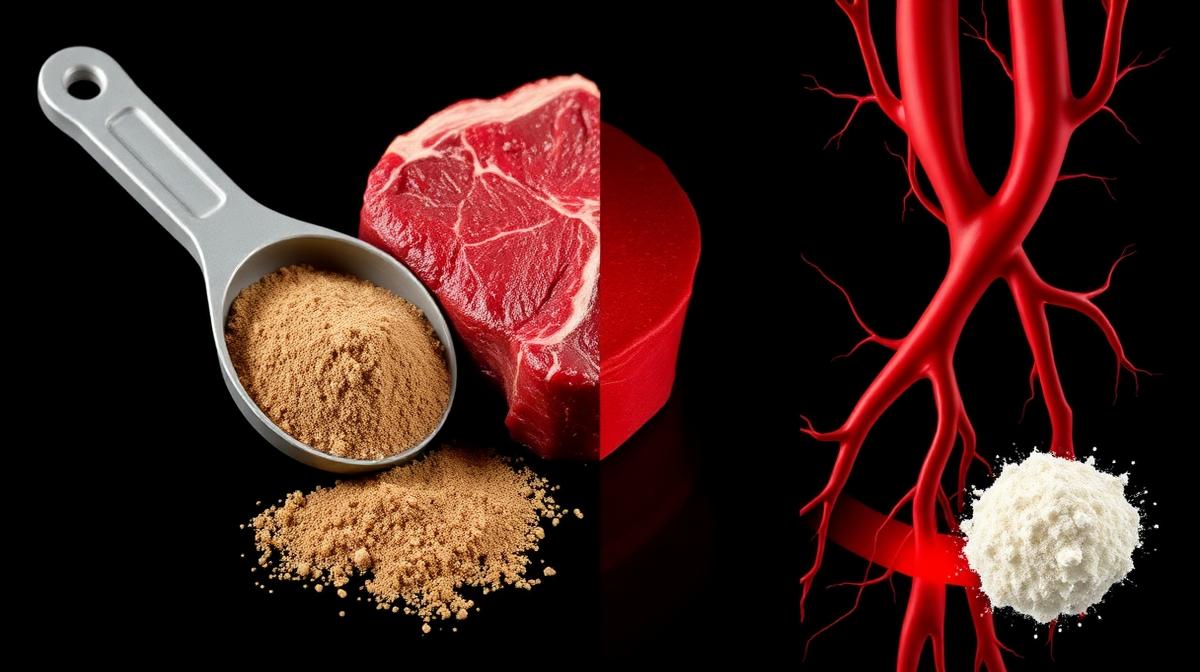
Dana proteini doku oluşturmak için temel bir kaynakken, sitrülin antrenman dinamiğini değiştiren metabolik bir katalizördür. Sinerjilerini anlamak, sıradan beslenme ile hassas atletik programlama arasındaki farktır.
Кратък отговор: Телешкият протеин изгражда мускулна тъкан с пълен аминокиселинен спектър, докато цитрулинът увеличава кръвотока с до 30% чрез азотен оксид. Практически съвет: Вземете 6-8г цитрулин малат 30 мин. преди тренировка и телешки протеин след нея за максимална синергия.
Това сравнение ни изправя пред избора между „Структурния капацитет" и „Съдовата ефективност". В системната архитектура на тялото Телешкият протеин осигурява хардуера (мускулните влакна), докато Цитрулинът оптимизира логистиката (кръвния поток), за да достави ресурсите до клетките по-бързо и по-ефективно.
Свързано четиво: подробния наръчник за хранителни добавки — над 270 експертно проверени статии от Петър Митков и екипа на Sport Zona.
Коя е системната роля и механизъм на действие?
Телешкият протеин (изолат) е хранителна добавка, която доставя пълна аминокиселинна матрица и подпомага структурния синтез (анаболизъм), докато Цитрулинът (малат/L-Цитрулин) повишава нивата на Азотен оксид (NO) за хемодинамика и детоксикация.
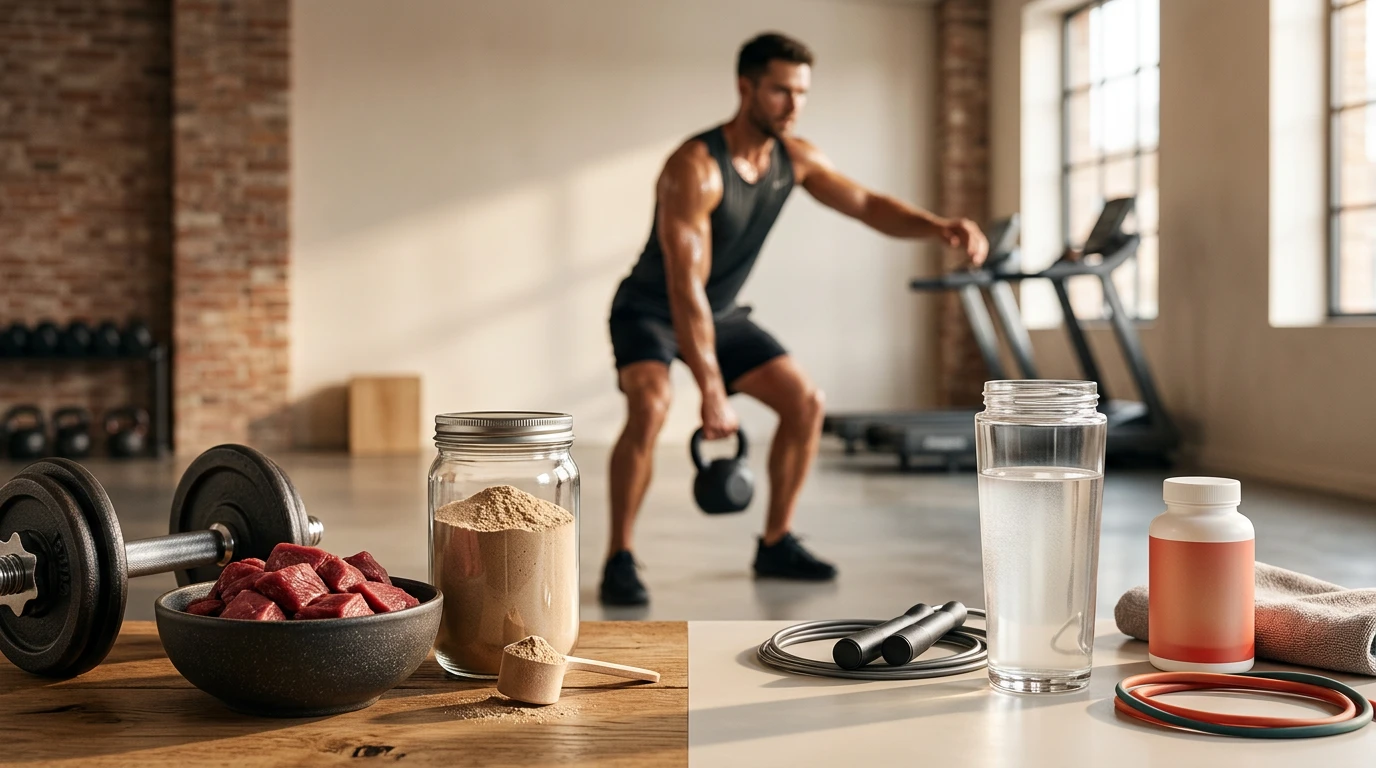
| Характеристика | Телешки протеин (Изолат) | Цитрулин (Малат/L-Цитрулин) |
|---|---|---|
| Биологичен фокус | Структурен синтез (Анаболизъм) | Хемодинамика и Детоксикация |
| Основен механизъм | Доставка на пълна амино матрица | Повишаване нивата на Азотен оксид (NO) |
| Тренировъчен ефект | Изграждане на сила и обем | Издръжливост и "напомпване" |
| Управление на отпадъците | Неутрално | Активно изхвърляне на амоняк |
| Време на прием | След тренировка / През деня | 30-60 мин. Преди тренировка |
| Специфичен бонус | Естествен креатин и B12 | Ресинтез на АТФ и фосфокреатин |
Кое представлява колагенът в телешкия протеин?
1. Телешки протеин: "Биологичният хардуер"
Телешкият протеин (особено изолатът) е пречистен от колагенови примеси и предлага висока концентрация на специфични аминокиселини.
Просто казано: Тази секция сравнява как точно телешкият протеин и цитрулинът влияят на тялото, като разглежда техните основни функции и начините, по които работят на клетъчно ниво, сякаш са различни инструменти с уникални задачи.
Научни източници
- Gorissen, S. H. M., и колектив. (2018). "Съдържание на протеин и аминокиселинен състав на говеждо месо и растителни протеинови източници, използвани в индустрията за спортно хранене." Journal of Sports Sciences. (DOI: 10.1080/02640414.2018.1506502)
- Pérez-Guisado, J., & Jakeman, P. M. (2010). "Цитрулин малат подобрява спортното анаеробно представяне и облекчава мускулната треска." Journal of Strength and Conditioning Research. (PubMed: 20386132)
- Gonzales, J. U., и колектив. (2017). "Дали приемът на L-цитрулин добавки подобрява представянето при физически упражнения при възрастни? Рандомизирано, двойно-сляпо, плацебо-контролирано изпитване." Experimental Gerontology. (DOI: 10.1016/j.exger.2016.12.016)
Виждаме, че комбинацията от структурен протеин и вазодилататор често води до по-добри резултати. Честа грешка е да се разчита само на един аспект – или само на строителен материал, или само на "напомпване", без да се оптимизират и двата процеса едновременно.
- Азотно задържане: Като пълен протеин, той поддържа положителен азотен баланс, което е задължително условие за мускулен растеж.
- Инсулинов ко-фактор: Приемът на протеин стимулира лек инсулинов пик, който отваря "вратите" на клетките за аминокиселините.
2. Цитрулин: "Магистралата на хранителните вещества"
Цитрулинът е уникален с това, че не се разгражда в черния дроб, а отива директно в бъбреците, където се превръща в аргинин.
- Ефектът на Вазодилатацията: Чрез повишаване на азотния оксид, цитрулинът отпуска гладката мускулатура на съдовете. Това разширява артериите, позволявайки на повече кръв, наситена с аминокиселини от телешкия протеин, да достигне до работещия мускул.
- Буфериране на умората: По време на интензивна работа се натрупва амоняк, който е токсичен за клетките. Цитрулинът ускорява "цикъла на уреята", превръщайки амоняка в урея, което ви позволява да направите повече повторения, преди мускулът да "откаже".
Цитрулин малат срещу L-цитрулин: Кое работи по-добре?
Малатът — скритият енергиен бонус
- Енергиен бонус: Малатът е междинен продукт в цикъла на Кребс (производството на енергия). Той помага на мускулите да рециклират лактата и да произвеждат АТФ по-ефективно.
- Взаимно усилване с месото: Тъй като телешкото е богато на креатин, добавянето на цитрулин малат засилва скоростта, с която тялото възстановява фосфокреатиновите си запаси по време на почивката между сериите.
Какъв е практическият алгоритъм за избор на телешки протеин или цитрулин?
Изберете ТЕЛЕШКИ ПРОТЕИН, ако:
- Основната ви цел е покачване на чиста маса и възстановяване на тъканите.
- Избягвате млечни продукти поради алергии или храносмилателен дискомфорт.
- Търсите пълноценен аминокиселинен профил в удобна форма за шейк.
🔵 Изберете ЦИТРУЛИН, ако:
- Искате да увеличите интензивността на тренировката (повече обем и издръжливост).
- Търсите визуално "напомпване" и по-добра васкуларизация (видими вени).
- Целта ви е намаляване на мускулната треска в дните след тежко натоварване.
- Искате да подобрите здравето на сърдечно-съдовата система и кръвното налягане.
Практическият алгоритъм за избор представлява насоки спрямо индивидуалните цели: телешкият протеин е подходящ за покачване на чиста маса, възстановяване и избягване на млечни продукти, докато цитрулинът е за увеличаване на тренировъчната интензивност, "напомпване", васкуларизация и намаляване на мускулната треска.
За най-добри резултати комбинирайте 20-30г Телешки протеин изолат (след тренировка) със 6-8г Цитрулин малат (30-45 минути преди тренировка) за комбиниран ефект върху мускулния растеж и представянето.
Кога да изберете Телешки протеин пред Цитрулин?
🟣 Тристепенна синхронизация за максимален ефект
- Фаза 1 — Подготовка (Преди тренировка): 6–8г Цитрулин малат 45 минути преди тренировка. Това разширява съдовете и подготвя "пътната мрежа".
- Фаза 2 — Изпълнение: По време на тренировката цитрулинът ще изхвърля амоняка, позволявайки по-голямо натоварване.
- Фаза 3 — Изграждане (След тренировка): 30г Телешки протеин изолат. Благодарение на подобреното кръвообращение от цитрулина, аминокиселините от протеина ще достигнат до мускулните клетки много по-бързо за старт на ремонта.
Стратегическият протокол „Поток и Изграждане“ е систематичен подход за оптимизиране на спортните резултати, който съчетава ползите от Телешки протеин за мускулна архитектура и Цитрулин за подобряване на метаболитния дебит.
- Изберете Телешки протеин, ако целта ви е директна подкрепа за мускулния растеж и възстановяване чрез висококачествен аминокиселинен профил.
- Изберете Цитрулин, ако търсите подобряване на спортното представяне чрез повишен приток на кръв и редуциране на умората.
- Комбинирайте двете, ако целта ви е пълен подход към оптимизиране на мускулната архитектура и метаболитен дебит за максимални резултати.
- Изберете Телешки протеин, ако имате нужда от лесносмилаем източник на протеин без лактоза.
📖 Какво е Телешки протеин и Цитрулин?
Телешкият протеин е висококачествен източник на аминокиселини, които служат като градивни елементи за мускулния растеж и възстановяване. Цитрулинът е аминокиселина, която Важен е за уреята. Помага за притока на кръв, защото увеличава азотния оксид.
⚖ Предимства и недостатъци
| Предимства | Недостатъци |
|---|---|
|
|
🗣 Обяснено просто
Телешкият протеин е като да строиш здрави тухлени стени – осигурява всички градивни елементи за мускулите ти. Цитрулинът пък действа като помпена система, която подобрява кръвообращението и помага за по-бързото доставяне на хранителни вещества до мускулите.
Избери правилния продукт за твоята цел:
→ Телешки протеин на прах
→ Цитрулин малат
→ Комплекс от аминокиселини (включително цитрулин)
Комбиниран протокол за максимална ефективност:
Комбинирането на продукти увеличава ефективността. По данни от Sport Zona практиката.
⚖ Кога да избереш Телешки протеин
- Атлетът търси покачване на чиста мускулна маса и възстановяване на тъканите.
- Атлетът избягва млечни продукти поради алергии или храносмилателен дискомфорт.
- Атлетът се нуждае от пълноценен аминокиселинен профил за ефективно изграждане на мускулите.
- Атлетът цели поддържане на положителен азотен баланс за мускулен растеж.
⚖ Кога да избереш Цитрулин
- Атлетът иска да увеличи тренировъчния обем и издръжливост по време на тренировка.
- Атлетът цели визуално "напомпване" и по-добра васкуларизация по време на тренировка.
- Атлетът се стреми към намаляване на мускулната треска след тежко физическо натоварване.
- Атлетът желае да подобри здравето на сърдечно-съдовата система и кръвното налягане.
Експертна бележка от Sport Zona
От много години наблюдавам, че повечето трениращи се фокусират само върху един вид добавка. При подходящо дозиране и комбиниране на Телешки протеин с Цитрулин виждам по-бързи и завършени резултати в напомпването и възстановяването.
Önerilen ürünler

Sıkça sorulan sorular
Sığır proteini ve sitrülin birlikte kullanılabilir mi?
Evet, maksimum etki için bunları birleştirmek şiddetle tavsiye edilir. Sığır proteini yapı taşlarını sağlarken, sitrülin bunların kaslara taşınmasını iyileştirir.
Sığır proteinini ne zaman ve sitrülin ne zaman almalıyım?
Sığır proteini iyileşme için antrenmandan sonra en iyi şekilde alınır, sitrülin ise kan dolaşımını ve dayanıklılığı artırmak için antrenmandan 30-60 dakika önce etkilidir.
Sığır proteini ve sitrülin temel olarak ne işe yarar?
Sığır proteini, tam bir amino asit matrisi sağlayarak kas dokusunun inşası ve onarımı için anahtar rol oynar. Sitrülin, nitrik oksit üretimini artırarak kan dolaşımını iyileştirir, bu da daha iyi kas 'pompalanması' ve dayanıklılık sağlar.
Sığır proteini ve sitrülin'in olası yan etkileri var mı?
Sığır proteini genellikle iyi tolere edilir, belirli alerjiler dışında sorun yaratmaz. Sitrülin yüksek dozlarda hafif mide rahatsızlığına neden olabilir, ancak sindirim açısından arjinin'e göre daha iyi kabul edilir.