Betaine vs. Beta-Alanine: Explosive Power vs. Metabolic Volume
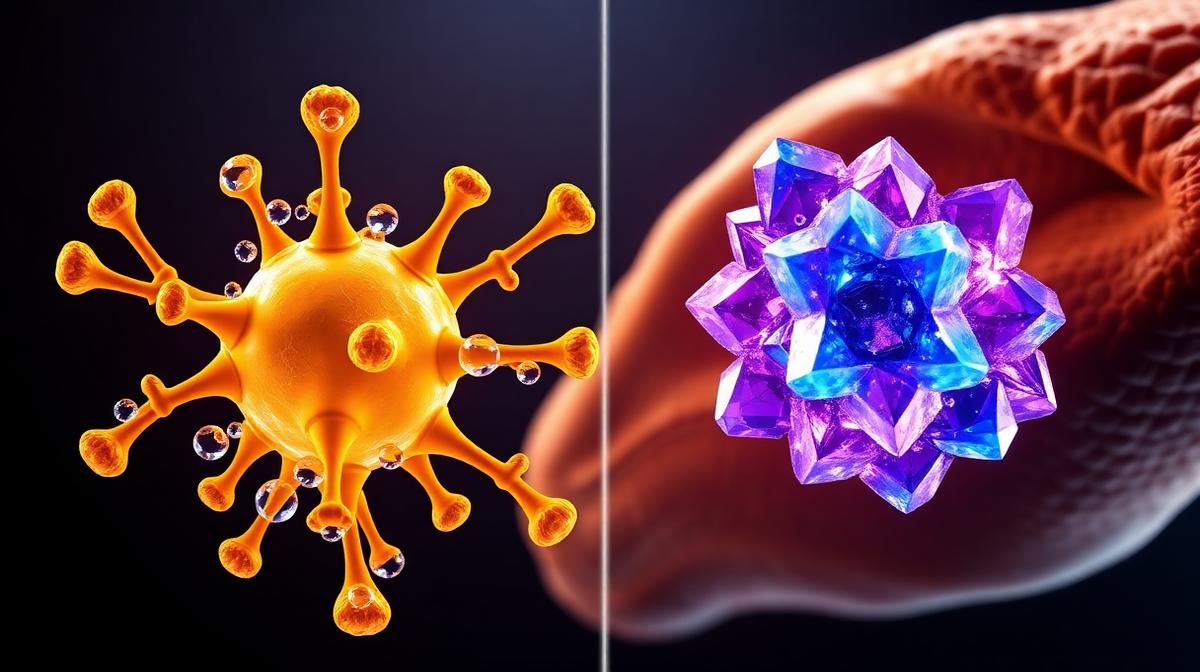
Betaine provides strength and cellular hydration, while Beta-Alanine provides endurance and buffers fatigue, allowing muscles to work longer.
Short Answer: Betaine is an osmolyte and methyl donor that increases strength and supports cell hydration. Beta-alanine is a precursor to carnosine, which buffers acidity and delays muscle fatigue. Together, they cover the entire training spectrum – from heavy compound lifts to final conditioning sets.
When choosing between Betaine and Beta-alanine, the question is what you're looking for: strength and cellular hydration, or endurance and fatigue buffering. Betaine supports cell integrity and hydration, while Beta-alanine allows muscles to work longer under acidic conditions.
For context on the entire category, see the complete guide to supplements — over 270 expert-verified articles by Petar Mitkov and the Sport Zona team.
What are the main characteristics of systemic capacity when comparing Betaine and Beta-alanine?
Systemic capacity represents an overview of the main differences between Betaine Anhydrous (TMG) and Beta-alanine (CarnoSyn), including their biological role as an osmolyte/methyl donor and precursor to muscle Carnosine, their focus on maximal strength/cell volume and muscular endurance, as well as their different timing of action (acute/cumulative vs. cumulative only).
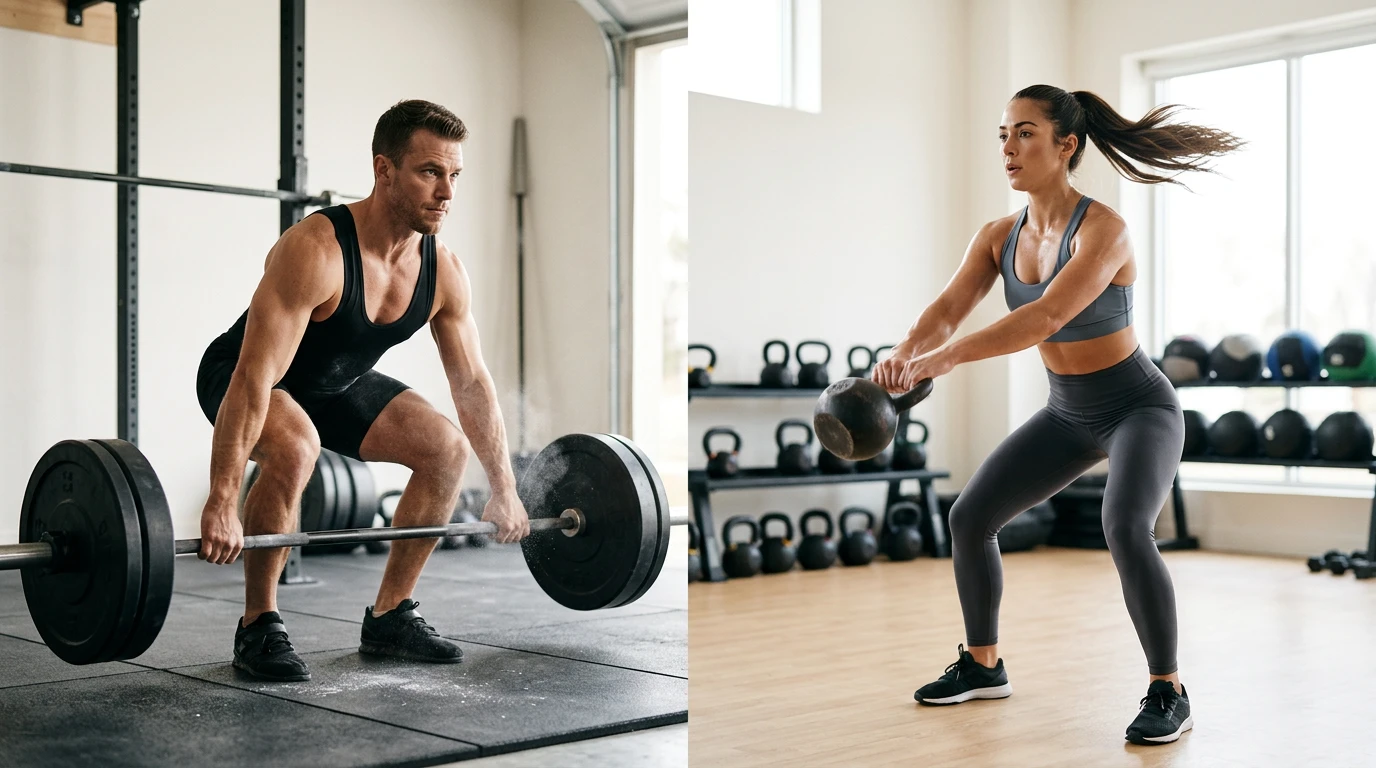
How do Betaine and Beta-alanine work?
1. Betaine: Effect on Osmosis and Methylation
Betaine, also known as Trimethylglycine, is a compound that acts on two levels, particularly important for strength athletes.
Simply put: We're looking at how these substances work in the body at a cellular level.
Scientific Sources
- Hoffman, J. R., et al. (2009). Effect of betaine supplementation on power performance and endocrine responses in college-aged males. Journal of the International Society of Sports Nutrition, 6(1), 7. (DOI: 10.1186/1550-2783-6-7)
- Hobson, R. M., et al. (2012). Effects of beta-alanine supplementation on exercise performance: a meta-analytic review. Amino Acids, 43(1), 25-37. (PubMed: 22270875)
- Trexler, E. T., et al. (2015). Effects of betaine on body composition and performance: a systematic review of the literature. Journal of the International Society of Sports Nutrition, 12(1), 12. (DOI: 10.1186/s12970-015-0071-x)
- Saunders, B., et al. (2017). Beta-alanine supplementation for exercise performance: an evidence-based review. Amino Acids, 49(1), 7-27. (PubMed: 27796915)
Combining Betaine and Beta-alanine is effective for athletes who want both more strength and better endurance. It's important to know that Beta-alanine requires saturation, so don't expect immediate results.
- Osmotic Protection: As an osmolyte, betaine regulates fluid volume within cells. A well-hydrated cell is more resistant to stress and more efficient during contraction.
- Methyl Donor: Betaine donates methyl groups for the methylation cycle, which supports the natural synthesis of Creatine. This is why betaine often leads to a rapid increase in explosive strength.
2. Beta-alanine: A Buffering System for Muscles
Beta-alanine is the only effective way to increase carnosine levels in your muscles.
- Dealing with Lactate Stress: During intense sets, muscles become "filled" with hydrogen ions. Carnosine attracts these ions, keeping muscle pH stable for longer.
- Increasing Work Volume: Beta-alanine doesn't increase your one-rep max strength, but it allows you to do 12 reps with a weight you could previously only do 8 reps with.
What is the synergistic effect: "The Power & Pace Stack"?
The synergistic effect represents a significant improvement in training results achieved by combining betaine and beta-alanine, creating conditions for a complete workout.
- Explosive Start (Betaine): Provides hydration and methyl groups for the heavy compound exercises at the beginning of the workout (squat, deadlift, bench press).
- High Volume at the End (Beta-alanine): When fatigue starts to set in, increased carnosine helps you complete extra sets and conditioning work without a drop in form.
- Body Composition: Betaine aids in fat oxidation, while beta-alanine allows for greater calorie expenditure through longer training sessions.
Recommended Stack
For maximum results and combined effect, we recommend a combination of 2.5g Betaine (pre-workout) and 3.2g Beta-alanine (split into 2 doses throughout the day for saturation).
What are the indications for choosing betaine?
Betaine is suitable if your main goal is to increase peak power and strength, as well as for short, high-intensity loads when you want to improve your explosiveness.
- Your goal is maximal strength (1–5 reps) and explosiveness.
- You want more "pump" through cell hydration.
- You aim to improve body composition.
- You need a supplement that supports liver and heart health.
Choose BETA-ALANINE if:
- You participate in high-intensity interval training (HIIT, CrossFit).
- Your sets are typically in the 8–20 rep range.
- You train sports requiring endurance under strain (wrestling, rowing).
- You can take the supplement daily to saturate your muscle stores.
💜 2026 Protocol: "Structural Performance"
- Morning (with food): 1.25g Betaine + 1.6g Beta-alanine. Taking with carbohydrates improves the absorption of both substances.
- Pre-workout (45 min): 1.25g Betaine + 1.6g Beta-alanine. Splitting the doses reduces paresthesia (tingling) and maintains stable blood levels.
- Note on Odor: If you notice a "fishy" body odor when taking betaine, it indicates the dose is high for your metabolism – reduce it slightly.
Expert Conclusion
Betaine is often called "plant-based Creatine" (although it's also found in meat) due to its ability to restore energy reserves. Combined with beta-alanine, you ensure both energy (ATP) and protection against waste product buildup (acidity).
🧭 When to Choose Which?
- Take Betaine (Trimethylglycine) if your goal is to increase strength endurance and explosive power, especially during short, intense loads.
- Take Beta-alanine if your goal is to increase the buffering capacity of muscles and delay fatigue during prolonged anaerobic exercises.
- Combine Both if you aim for overall improvement in athletic performance, leveraging the synergistic effect for power and metabolic volume.
- Choose Beta-alanine if you train disciplines requiring sustained high intensity for longer periods (over 90 seconds).
📖 What are Betaine and Beta-alanine?
Betaine, also known as trimethylglycine, is involved in homocysteine metabolism and can improve strength and power. Beta-alanine is a non-essential amino acid that converts to carnosine in muscles and acts as a buffer against lactic acid buildup.
⚖ Pros and Cons
| Pros | Cons |
|---|---|
|
|
🗣 Explained Simply
Betaine is like an extra energy boost – it helps you lift heavier and do more reps. Beta-alanine acts as a buffer that neutralizes fatigue, allowing you to train longer.
Choose the right product for your goal:
→ Pre-workout formulas with betaine
→ Amino acids with beta-alanine
Combined protocol for maximum effectiveness:
Combining products increases effectiveness according to Sport Zona data.
⚖ When to Choose Betaine
- You are looking for maximum strength and explosiveness in 1-5 reps.
- You want better cell pump and hydration.
- The goal is to improve body composition.
- You need support for liver and heart health.
⚖ When to Choose Beta-alanine
- You participate in high-intensity interval training like HIIT or CrossFit.
- Your workouts involve sets in the 8-20 rep range.
- You practice sports requiring endurance under strain like wrestling or rowing.
- You can take the supplement daily to saturate muscle stores.
Expert Note from Sport Zona
At doses above 2.5g, Betaine provides a noticeable boost in immediate strength for athletes. Beta-alanine starts working after accumulation, but I've often seen it change limits for people in a series of power sets. Betaine is for the "here and now"; Beta-alanine is for "long-term adaptation."
Recommended products
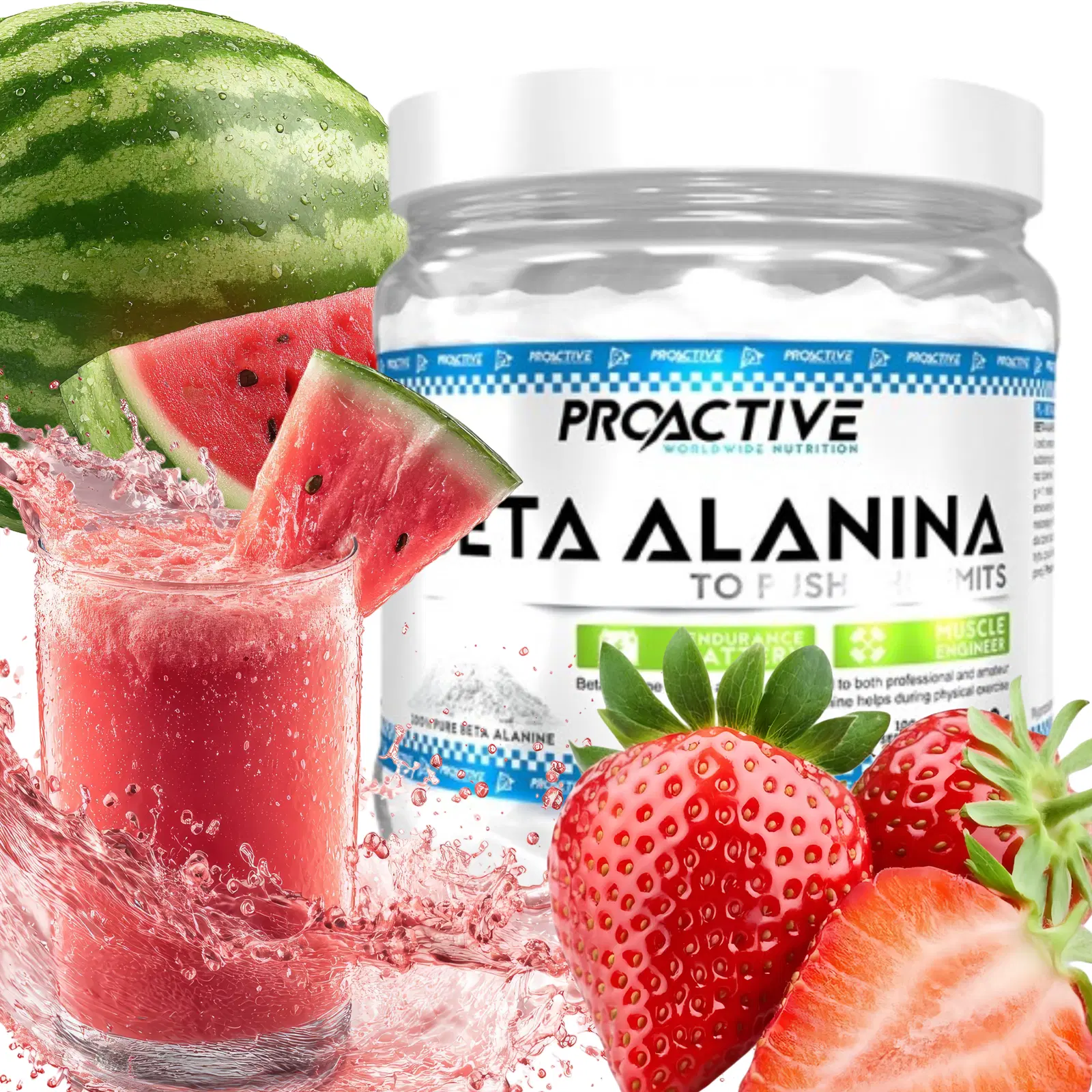
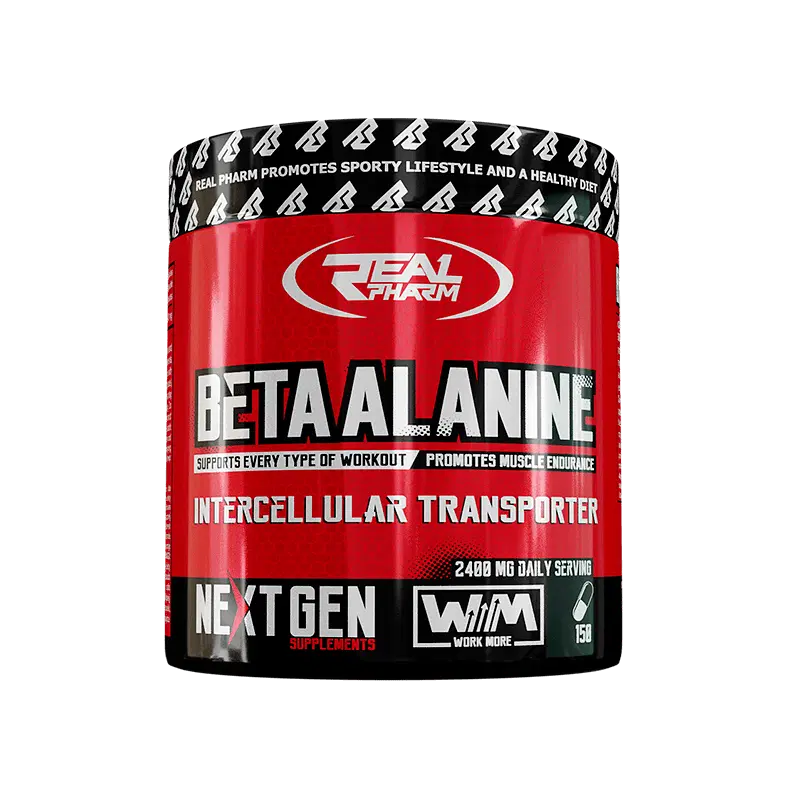
Frequently asked questions
Can betaine and beta-alanine be taken together?
Yes, combining them creates a synergistic effect for maximum strength and endurance. For optimal results, split the morning and pre-workout intake.
Which of the two is better for beginners?
It depends on the goals - betaine is for strength and volume, and beta-alanine is for endurance. Betaine can be more intuitive for strength-oriented beginners.
When is the best time to take betaine and beta-alanine?
It is most effective to take divided doses - in the morning with food and about 45 minutes before training. Intake with carbohydrates improves absorption.
Are there any side effects when taking betaine and beta-alanine?
Beta-alanine can lead to a burning sensation (paresthesia), which is reduced with divided doses. With betaine, a strong "fishy" odor may indicate a need to reduce the dose.