Nutrition for autoimmune diseases

Brief expert definition: What is Autoimmune Disease Nutrition, how it works in the body, and how it is applied in sports nutrition.
Short answer: Nutrition for autoimmune diseases is a personalized approach to modulate the immune response and reduce inflammation by eliminating and reintroducing foods, which is key for athletes to improve recovery and performance. Practical advice: Ensure adequate protein intake (1.6-2.2 g/kg) and carbohydrates (3-5 g/kg) and include Omega-3 (2-4 g EPA/DHA) to reduce inflammation.
Nutrition for autoimmune diseases is a personalized dietary approach where specific foods are eliminated, using principles to reduce inflammation and support the immune system.
For broad context, see the complete guide to proper nutrition — a fundamental guide from the expert team at Sport Zona.
What are autoimmune diseases?
Autoimmune diseases are conditions where a specially selected diet helps to calm inflammation and strengthen the immune system by avoiding certain foods.
📖 Autoimmune Nutrition
A specialized diet aimed at modulating the immune response and reducing inflammation by eliminating triggers and supporting the gut barrier, especially beneficial for autoimmune diseases.
Nutrition for autoimmune diseases is a specialized dietary regimen aimed at modulating the immune response and reducing systemic inflammation characteristic of autoimmune conditions. Its essence lies in avoiding foods that can provoke an immune reaction or contribute to impaired intestinal permeability, known as "leaky gut." The approach is based on the concept that certain food components can act as triggers for autoimmune symptoms by affecting the gastrointestinal barrier and activating the immune system.
This form of nutrition is not a universal protocol but rather an individualized strategy. It focuses on achieving nutritional balance, providing all necessary macro- and micronutrients, while simultaneously eliminating potentially problematic foods. The goal is to alleviate symptoms, along with improving overall health and quality of life, which is very important, especially for actively training individuals.
How does this approach work?
The mechanism of action of nutrition for autoimmune diseases is complex, encompassing several key aspects: removal of inflammatory foods, restoration of the gut barrier, balancing the microflora, and supporting the immune system.
- Reduces systemic inflammation and autoimmune symptoms
- Improves gut barrier and microflora
- Increases energy levels and reduces fatigue
- Optimizes athletic performance and recovery in athletes
Disadvantages
- Requires strict elimination of many foods and can be difficult to adhere to
- Carries a risk of nutritional deficiencies if not well-planned
- The reintroduction process requires patience and careful monitoring
- It is not a universal protocol and results vary individually
The mechanism of action of nutrition for autoimmune diseases is based on several fundamental principles. First, by eliminating foods that are often associated with allergies, intolerances, or inflammatory reactions (such as gluten, dairy, soy, refined sugars). Second, by providing nutrient-rich foods that support gut function and reduce inflammation—fruits, vegetables, lean protein, and healthy fats. Third, by restoring the gut microflora, which plays a central role in regulating the immune system.
The process typically involves an elimination phase, during which all potentially problematic foods are excluded for a specific period (e.g., 30-90 days). The next phase is reintroduction, where eliminated foods are gradually reintroduced one by one, with careful monitoring of the body's reactions. This allows for the identification of specific foods that trigger symptoms in the individual. Energy balance and macronutrient intake are adjusted according to needs to maintain weight and energy for physical activity.
Why is nutrition important for athletes with autoimmune diseases?
Nutrition for autoimmune diseases in athletes is crucial for optimizing athletic performance and recovery, as autoimmune processes often cause reduced energy, chronic fatigue, and joint and muscle pain, which affect the training process.
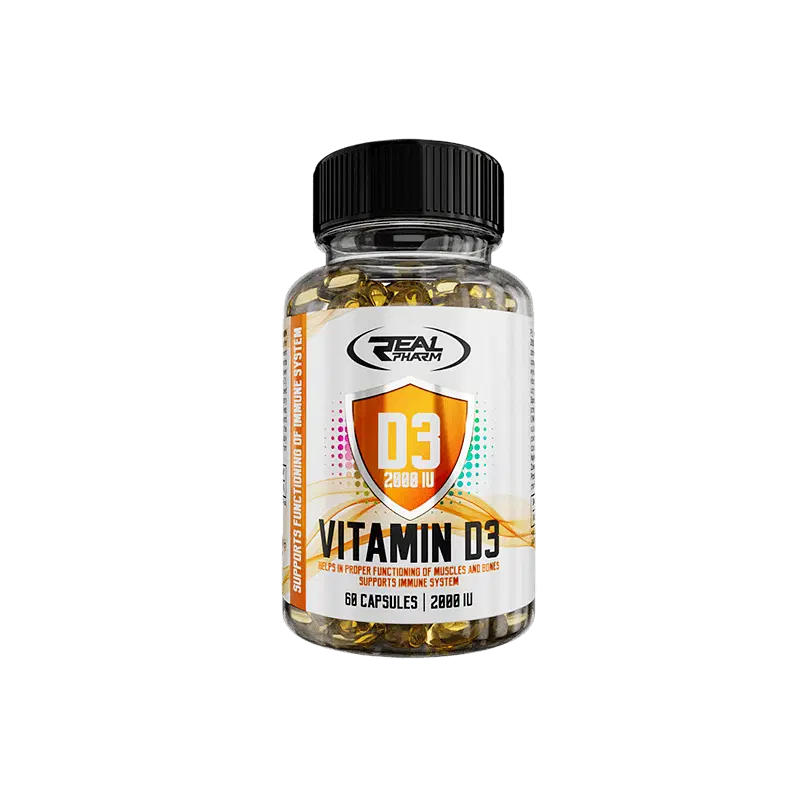
Adequate protein intake (often in the range of 1.6-2.2 g/kg body weight) is critical for maintaining muscle mass and recovery, and adequate carbohydrate intake (e.g., 3-5 g/kg body weight for moderate-intensity training) provides energy for workouts. It is also important to ensure sufficient micronutrients, as autoimmune diseases can lead to deficiencies. For example, adequate intake of Omega-3 fatty acids (2-4 g EPA/DHA daily) can help reduce inflammation, and vitamin D (1000-4000 IU daily, after consultation) and zinc (15-30 mg daily) are key for immune function. Proper nutrition minimizes the risk of symptom exacerbation during intense training periods and competition, allowing for more stable and effective performance.
What are the related terms?
FODMAP represents a group of short-chain carbohydrates whose limitation is recommended by some dietary protocols for autoimmune diseases to reduce digestive symptoms and inflammation. Antinutrients are substances whose elimination from the diet can be part of a strategy to improve the gut barrier and nutrient absorption in autoimmune diseases. Lectins are compounds that are often avoided in dietary protocols for autoimmune diseases aimed at reducing inflammation.
In autoimmune conditions, an elimination protocol can reduce symptoms by up to 70%, and for athletes, it is particularly important to maintain a high intake of proteins (over 1.8 g/kg) for muscle recovery. — Petar Mitkov
Remember: Nutrition for autoimmune diseases is an individualized approach that helps reduce inflammation and improve quality of life, especially for athletes, through precise diet management.
Expert Note from Sport Zona
From my practice, the biggest challenge for athletes with autoimmune diseases is precisely balancing sufficient caloric intake for recovery with avoiding trigger foods. I observe that strict adherence to the protocol yields results, but it often requires careful long-term planning of the diet. An individual approach and patience are key to success.
Recommended products



Frequently asked questions
What is autoimmune disease nutrition?
This is a personalized diet aimed at reducing inflammation and influencing the immune response by eliminating foods that can trigger a reaction. The focus is on individual tolerance and ensuring the necessary nutrients.
How does this dietary approach work?
By eliminating potentially inflammatory foods such as gluten and dairy, and replacing them with foods rich in antioxidants and fiber, the aim is to restore the gut barrier and reduce inflammation. The process involves phases of elimination and subsequent reintroduction of foods.
Why is this nutrition important for athletes with autoimmune diseases?
For athletes, this diet can help reduce fatigue, pain, and inflammation that often accompany autoimmune conditions. This leads to better recovery, maintenance of the training process, and optimization of athletic performance.
Can autoimmune disease nutrition lead to deficiencies in important nutrients?
If not well planned, this approach can lead to deficiencies, especially in micronutrients. Therefore, it is crucial to ensure a balanced intake of proteins, carbohydrates, healthy fats, as well as vitamins and minerals such as Omega-3, vitamin D, and zinc.