Antioxidants in food
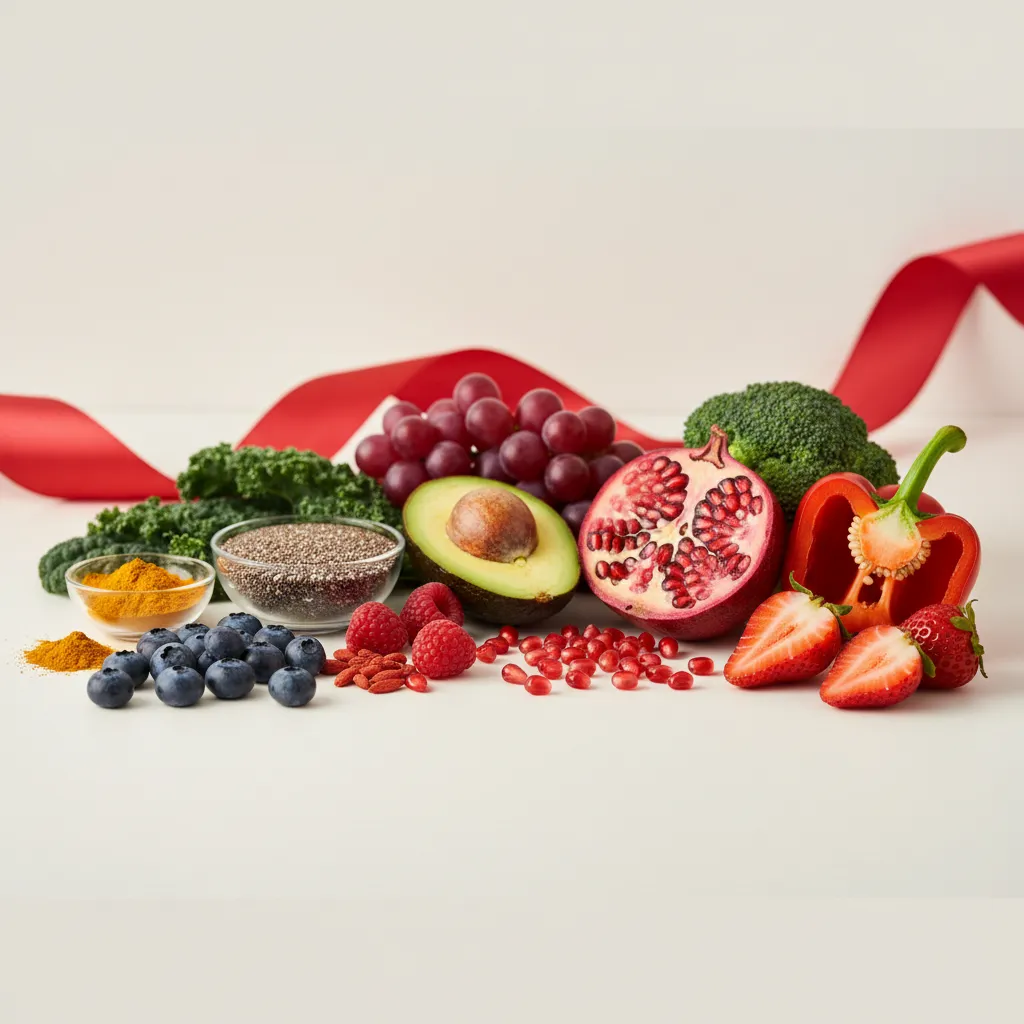
Brief expert definition: What are antioxidants in food, how do they work in the body, and how are they applied in sports nutrition.
Short answer: Antioxidants are vital for athletes as they neutralize free radicals generated by intense training, protecting cells and aiding recovery. While the general recommendation for vitamin C is 75-90 mg, for active athletes, it can reach 500-1000 mg daily. Practical advice: For optimal antioxidant status, consume 5 to 9 servings (400-720 grams) of fruits and vegetables daily, rather than relying on isolated supplements.
Antioxidants in food is a group of compounds that neutralize free radicals, using dietary sources for athletic performance and recovery.
For broad context, review the complete guide to proper nutrition — a foundational guide from the expert team at Sport Zona.
What are antioxidants?
Antioxidants are substances from food that protect our body from harmful particles called free radicals.
📖 Dietary antioxidants
Substances from food that neutralize free radicals, protecting cells from damage and aiding recovery.
Antioxidants are a class of compounds naturally present in many foods that play a critical role in protecting the body from oxidative stress. This stress occurs when there is an imbalance between the production of reactive oxygen species (free radicals) and the body's ability to neutralize them. Free radicals are unstable molecules with an unpaired electron that seek to bond with other molecules, damaging cellular structures like DNA, proteins, and lipids.
Dietary antioxidants are diverse in their chemical structure and include vitamins (such as vitamin C and E), minerals (like selenium and zinc), as well as phytochemicals like polyphenols and carotenoids. They work together, often synergistically, to provide comprehensive protection. For sports nutrition, adequate antioxidant intake is necessary due to the increased production of free radicals during intense physical exertion.
How do antioxidants work?
The mechanism of action of antioxidants is related to their ability to donate electrons, thereby neutralizing free radicals and reducing oxidative stress. They reduce oxidative stress during training, accelerate muscle recovery after physical exertion, reduce muscle soreness, and enhance immune function.
- Reduce oxidative stress during training
- Accelerate muscle recovery after physical exertion
- Reduce muscle soreness
- Enhance immune function
Disadvantages
- Excessive intake of isolated supplements can suppress training adaptations
- Some antinutrients can affect their absorption
- Higher needs for active athletes, difficult to achieve with a normal diet alone
The mechanism of action of antioxidants is related to their ability to donate electrons to free radicals without becoming unstable themselves. In this way, they stabilize free radicals, converting them into harmless molecules and preventing chain reactions of damage within cells. Some antioxidants directly neutralize free radicals, while others support the body's enzymatic systems that perform this task.
Sports activity significantly increases metabolic activity and oxygen consumption, leading to greater production of free radicals such as superoxide anions, hydroxyl radicals, and hydrogen peroxide. Antioxidants help to:
- Protect muscle cells from oxidative damage.
- Reduce inflammatory processes after training.
- Support tissue repair and reduce muscle soreness.
- Optimize immune function, which can be compromised by intense training.
Why are antioxidants important for athletes?
Adequate antioxidant intake for athletes is critical for maintaining health, recovery, and optimizing performance, as intense training increases oxidative stress, which can lead to fatigue, muscle damage, and impaired recovery.
The International Society of Sports Nutrition (ISSN) emphasizes the importance of phytonutrients from fruits and vegetables, which provide a range of antioxidants. Guidelines often recommend an intake of 5 to 9 servings (approximately 400-720 grams) of fruits and vegetables daily for athletes, as this approach provides antioxidants as well as other important nutrients. Rather than relying on high doses of isolated supplements, which can have unforeseen effects or even suppress training adaptations, the focus is on a balanced diet rich in whole foods.
What are related concepts?
Related concepts are Polyphenols, whole foods, antinutrients, and lectins. Polyphenols are a large group of phytochemicals with powerful antioxidant properties, which are key components of dietary antioxidants, and whole foods are the best source of natural antioxidants. Antinutrients and lectins can affect the absorption of antioxidants or interact with their function.
For athletes, I recommend a minimum of 7-9 servings of fruits and vegetables daily, which ensures adequate intake of antioxidants and other important micronutrients for recovery. — Petar Mitkov
Remember: Adequate intake of antioxidants through a balanced diet is key for athletes to reduce oxidative stress, speed up recovery, and optimize sports performance.
Scientific Sources
Expert Note from Sport Zona
In my work with Bulgarian athletes over the past 12+ years, I have observed that regular consumption of antioxidant-rich foods is key to maintaining good recovery and overall health. This is especially true for athletes undergoing high loads. Regardless of the training cycle, these foods are an essential part of their complete nutrition.
Recommended products
Frequently asked questions
What should athletes include in their diet for optimal antioxidant status?
For optimal antioxidant status, athletes should focus on a variety of fruits, vegetables, and whole foods. These foods provide a broad spectrum of antioxidants, including vitamins, minerals, and phytochemicals.
How do antioxidants help athletes with recovery?
Antioxidants help athletes by neutralizing free radicals, which are produced in larger quantities during intense exercise. This reduces oxidative stress, leading to faster tissue recovery and less muscle soreness.
When is the best time for athletes to consume antioxidants?
Antioxidant intake from food is important throughout the day. During sports nutrition, the focus is on a balanced diet rich in natural sources, rather than a specific time for individual supplements.
Why are higher doses of vitamin C and E recommended for actively training individuals?
Actively training individuals generate more free radicals due to increased metabolic activity. Higher doses of these vitamins help manage increased oxidative stress, support immune function, and protect muscle cells from damage.