Potassium vs. Sodium: The Intracellular Regulator vs. The Extracellular Balancer
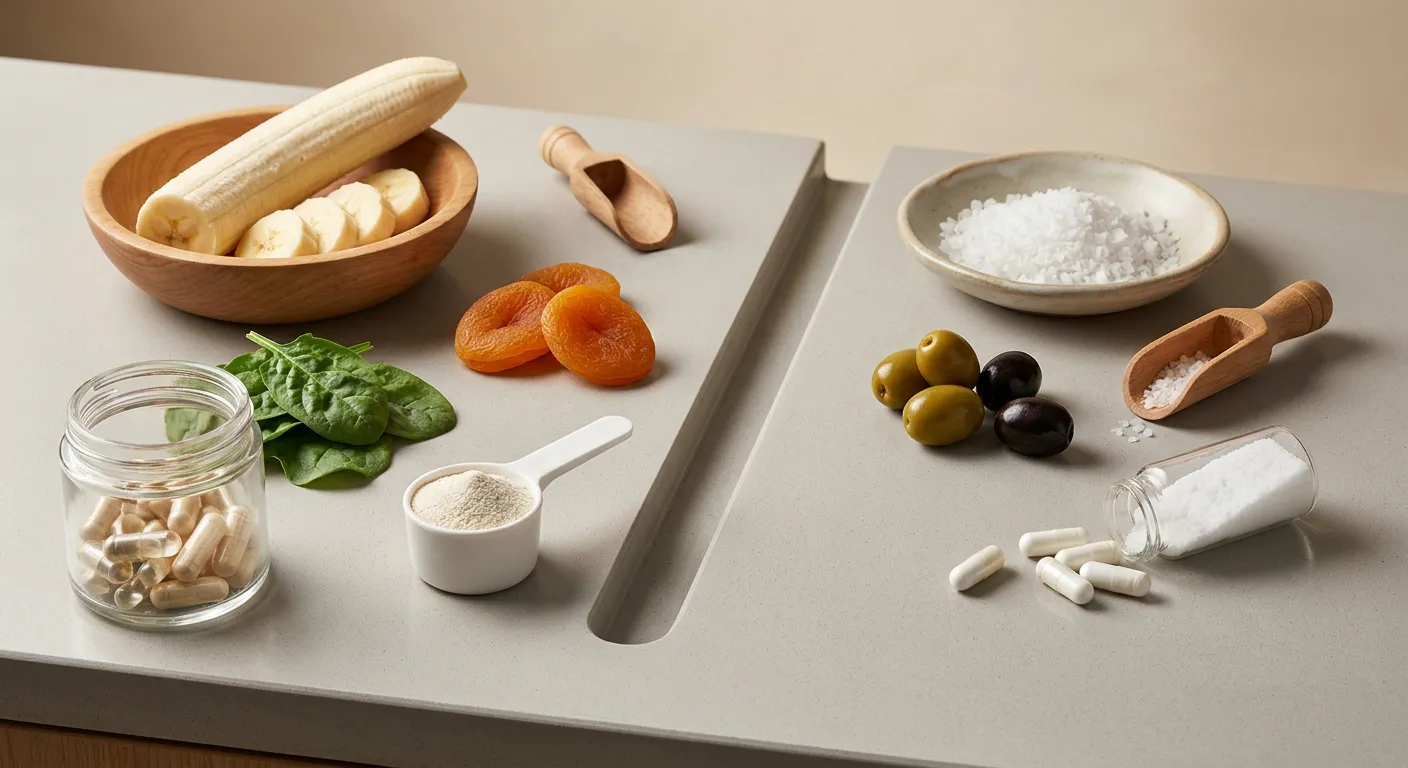
Potassium and sodium are key electrolytes for athletes. Their proper balance is essential for muscle function, hydration, and recovery.
Short answer: Potassium and sodium are electrolytes with opposing effects on blood pressure, but they work together for muscle function. Potassium relaxes blood vessels (lowering pressure), while sodium is key for blood volume and nerve impulses. Balance, not quantity, is most important. Practical advice: Aim for a potassium-to-sodium ratio of at least 2:1 in your diet. During workouts over 90 minutes, add an electrolyte drink with 500-700 mg of sodium and 150-300 mg of potassium per liter of fluid.
Potassium and sodium are two essential electrolytes for every athlete, but we often misunderstand their roles. Many athletes focus on complex supplements while neglecting these fundamental minerals. They manage everything from muscle contraction to hydration. The balance between them is key for peak performance, good recovery, and overall health. Conversely, an imbalance can lead to cramps, fatigue, and more serious health problems.
Sodium is like the spark that ignites the muscle engine – it initiates the nerve impulse and drives contraction. Without it, there is no movement. Potassium, on the other hand, is the mechanic that "recharges" the system after each effort. It restores calm to the cell, regulates fluids, and prepares the muscle for the next contraction. These two elements work together – they are opposites, yet inseparable. Knowing when to emphasize one and when to emphasize the other distinguishes a well-prepared athlete.
This article is part of the Expert Hub for Nutritional Supplements — over 270 expertly verified articles by Petar Mitkov and the Sport Zona team.
What is the comparative matrix for systemic analysis of potassium and sodium?
The comparative matrix for systemic analysis of potassium and sodium represents an in-depth look at the fundamental differences and similarities between these two important electrolytes, which are the basis of muscle function and hydration in the human body.
| Criterion | Potassium (K) | Sodium (Na) |
|---|---|---|
| Biological Status | Electrolyte, main Intracellular cation | Electrolyte, main Extracellular cation |
| Primary Focus | Muscle relaxation, blood pressure control | Muscle contraction, nerve impulses, blood volume |
| Mechanism | Counteracts sodium, restores membrane electrical charge | Initiates depolarization, attracts water, maintains pressure |
| Athletic Focus | Recovery, cramp prevention, long-term health | Endurance, hydration during exertion |
| Loss During Exercise | Moderate (approx. 200-300 mg/liter of sweat) | Significant (400-1600+ mg/liter of sweat) |
| Specific Bonus | Helps store glycogen in muscles | Improves absorption of glucose and amino acids in the intestines |
How do the mechanisms of potassium and sodium work in the body?
1. Potassium: The Intracellular Guardian and Relaxation Regulator
The resting state of the cell membrane is the electrical charge of the cell when it is inactive, maintained by the concentration of about 98% of all potassium in the body, which is located inside the cells. Repolarization is the process by which, after muscle contraction driven by sodium, potassium channels open, and potassium ions exit the cell, returning it to its resting state.
Simply put: Potassium acts as an "off and recharge" button for the muscle cell. Sodium activates it, and potassium returns it to its baseline state to function effectively again.
2. Sodium: The Spark for Muscle Contraction and Hydration
Sodium is the dominant ion in the extracellular space, including blood plasma. When a nerve impulse reaches a muscle cell, sodium channels open rapidly, and sodium ions flood in. This rush of positive charges (depolarization) is the signal that triggers the muscle contraction mechanism. Furthermore, sodium regulates the body's fluid volume. Water follows sodium. During exercise, sodium loss through sweat reduces blood plasma volume, which decreases blood supply to the muscles and impairs performance. Adequate sodium intake during exertion helps retain water in the bloodstream, maintaining hydration and performance.
Simply put: Sodium is the "ignition key" for the muscle. It attracts water by retaining it in the blood vessels to maintain hydration during exertion.
Scientific Sources
- Potassium, Linus Pauling Institute (Oregon State University)
- Potassium: Fact Sheet for Health Professionals, NIH Office of Dietary Supplements, 2024
- Update on the effects of salt intake on exercise performance, Nutrients, 2023
- Dietary Reference Values for potassium, EFSA Journal, 2016
- Sodium Supplementation Guide, Examine.com
How do Sodium and Potassium work together?
The synergistic effect represents a delicate balance where every cell in the body maintains a sodium-potassium pump (Na+/K+-ATPase) that constantly pumps 3 sodium ions out and brings 2 potassium ions in. This energy-intensive process is vital for maintaining the electrical gradient, without which nerve and muscle tissue cannot function.
For athletes, this synergy is even more important. Sufficient sodium during exercise maintains hydration and muscle excitability. Sufficient potassium after exercise helps rapidly restore intracellular balance, relaxes muscles, and aids glycogen replenishment. Focusing on only one mineral leads to problems. Increased sodium intake without enough potassium can raise blood pressure, and attempts to hydrate with water alone (without sodium) during long races can lead to life-threatening hyponatremia.
What is the effective algorithm for choosing electrolytes?
Choose POTASSIUM if:
- Your goal is Recovery after intense training and reducing muscle soreness.
- You frequently experience Muscle cramps or weakness after exertion or at night.
- Your diet is low in fruits, vegetables, and legumes.
- You want to counteract the effects of higher salt intake from processed foods.
🔵 Choose SODIUM if:
- You have an upcoming long training session (over 90 minutes), especially in hot weather.
- You know you Sweat heavily (e.g., you have white salty residue on your clothes after sports).
- You experience dizziness, nausea, or fatigue during long efforts.
- You are preparing a sports drink to maintain Hydration and performance during a competition.
Recommended Stack: DIY Sports Drink
An effective algorithm for choosing electrolytes is a combination of 1 liter of water with ¼ teaspoon (about 1.2 g) of table salt (~480 mg sodium), ¼ teaspoon of potassium salt (low-sodium salt) (~300 mg potassium), and 30-40 grams of sugar or honey, which ensures optimal hydration and electrolyte absorption.
What is the electrolyte protocol for 2026?
The electrolyte protocol for 2026 is considered a strategy that includes two components: a stable daily foundation and a specific protocol for heavy training days.
- Daily (Foundation): Focus on potassium. Aim for an intake of 3500-4700 mg of potassium from food sources like bananas (420 mg), spinach (560 mg per 100g cooked), sweet potatoes (540 mg), avocado (485 mg), and beans. Limit sodium from processed foods to under 2300 mg (about 1 teaspoon of salt) on non-intense training days.
- During Exercise > 90 min (Performance): Focus on sodium. Consume a sports drink containing 500-700 mg of sodium and 80-200 mg of potassium per liter of fluid. Drink in small, frequent sips every 15-20 minutes.
- Post-Exercise (Recovery): Shift the priority back to potassium. Within an hour after training, consume a potassium-rich food (e.g., a large banana or a glass of orange juice) along with your protein shake or meal, which also contains a moderate amount of sodium for complete rehydration.
Expert Note
Modern recommendations for electrolyte intake in athletes are highly individualized. The amount of sodium you lose through sweat can vary tenfold between different athletes. The easiest practical test is the "Jersey Test" – if after drying, visible white, salty streaks remain on your dark clothes, you are a "salty sweater" and need significantly higher sodium intake during exercise.
🧭 When to Choose What?
- Prioritize POTASSIUM for daily health, post-exercise muscle recovery, and balancing a high-salt diet.
- Prioritize SODIUM for maintaining performance and hydration during long and/or intense workouts, especially in the heat.
- Combine BOTH in a sports drink for proper function during endurance competitions and training sessions over 90 minutes.
📖 What are Potassium and Sodium?
Potassium (K) is the main Intracellular electrolyte, vital for nerve function, muscle relaxation, and maintaining normal blood pressure. It is the "regulator" at the cellular level.
Sodium (Na) is the main Extracellular electrolyte, responsible for initiating muscle contractions, transmitting nerve impulses, and regulating water balance in the blood and tissues. It is the "activator."
What are the pros and cons of potassium and sodium?
Potassium regulates blood pressure, prevents cramps, and aids recovery, while sodium is critical for endurance, maintains hydration, and prevents hyponatremia. Potassium's disadvantages include danger in kidney problems and insufficiency for standalone hydration, while sodium is linked to high blood pressure in non-athletes and is easily lost through sweat.
| Potassium | Sodium |
|---|---|
Pros:
|
Pros:
|
Cons:
|
Cons:
|
Why are potassium and sodium important for the body?
Potassium is the intracellular regulator, maintaining balance within cells, while sodium is the extracellular balancer, responsible for fluids outside cells.
| Criterion | Potassium | Sodium |
|---|---|---|
| Location | Inside the cell | Outside the cell |
| Role | Relaxation / Recharge | Activation / Contraction |
| Metaphor | "The Charger" | "The Starter" |
| Priority | Post-exercise / Daily | During exercise |
If the muscle is a car, sodium is the key you turn to start the engine. Potassium is the fuel and oil that allows the engine to run smoothly and cool down, ready for the next journey.
How to choose the right product for our goal?
- For good hydration and endurance: Sports drinks and electrolytes
- For daily health and recovery: Vitamins and minerals
- For muscle function support: Creatine products
Combined protocol for maximum effect
- 1. During: Sports drink with sodium, potassium, and carbohydrates.
- 2. Immediately After: Recovery shake with added banana or orange.
- 3. Daily: A diet rich in fruits and vegetables, supplemented with a multimineral complex.
When to Prioritize Potassium
- You want to improve your post-workout recovery.
- You often get muscle cramps at rest.
- Your diet is high in processed foods.
- You are looking for a way to support your blood pressure regulation.
⛔ When Potassium is NOT Enough (and Sodium is Needed)
- You are preparing for an endurance race (marathon, triathlon).
- You are training intensely in hot and humid conditions.
- You lose a lot of salt through sweat (white residue on clothes).
- You need rapid hydration during exertion.
Expert Note from Sport Zona
Adequate sodium intake is critical for preventing hyponatremia and maintaining performance in athletes who sweat heavily. Often, a pinch of salt in a water bottle does more work than expensive and complex supplements, despite general health recommendations that often lead to a fear of salt among endurance athletes.
Recommended products
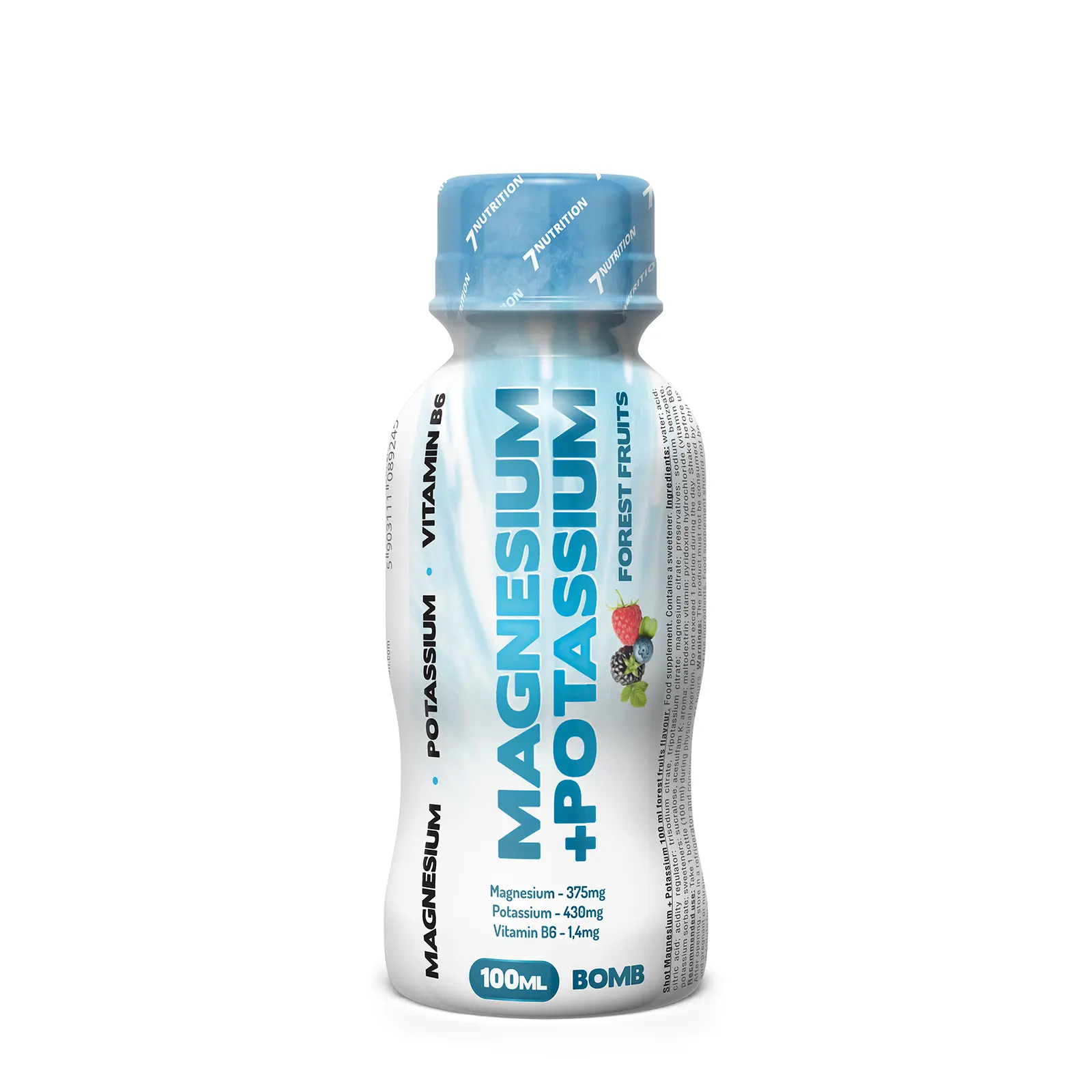
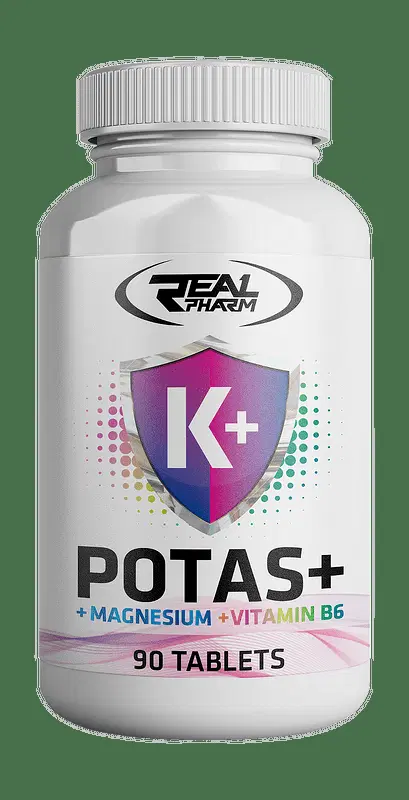
Frequently asked questions
Can Potassium and Sodium be taken together?
Yes, and it is often recommended, especially for athletes. They work synergistically to maintain electrolyte balance and hydration. During prolonged training, drinks containing both minerals are more effective than pure water. The ratio between them is important, with a higher intake of potassium relative to sodium generally being aimed for in the overall diet.
Which is better for beginners - Potassium or Sodium?
Neither is "better"; both are vital. Beginners should focus on getting them from a balanced diet: more potassium from fruits and vegetables (bananas, potatoes, spinach) and moderate sodium intake, avoiding processed foods. Additional intake as a supplement is rarely necessary and only during very intense and prolonged exertion.
When is the best time to take Potassium and Sodium?
For general health, they should be consumed evenly throughout the day through food. For athletes, consuming an electrolyte drink containing sodium and potassium is most effective during and immediately after training sessions longer than 60-90 minutes. This helps to quickly replenish losses from sweating and maintain performance.
Are there side effects from taking Potassium or Sodium?
Yes. Excessive sodium intake can lead to high blood pressure and water retention. Too high doses of potassium from supplements (hyperkalemia) are dangerous and can cause cardiac arrhythmias. People with kidney disease or taking certain medications should be extremely cautious and consult a doctor.
What is the recommended dosage of Potassium and Sodium?
The recommended daily intake for adults is around 3500-4700 mg of potassium and less than 2300 mg of sodium (about 5-6 g of salt). For athletes undergoing heavy exertion, sodium needs can increase significantly, reaching 500-700 mg per hour of training to compensate for sweat losses.