Creatine vs. Citrulline: Strength and Explosiveness vs. Endurance and Pump

Creatine increases strength and muscle mass, while citrulline improves endurance and pump. Creatine replenishes ATP for energy, while citrulline increases nitric oxide for better blood flow.
Short Answer: Creatine increases strength and muscle mass (3-5g daily), while Citrulline improves pump and endurance (6-8g before training). Their combination is synergistic and safe — covering both strength and volume.
Both creatine and citrulline improve physical performance, but their mechanisms of action are different. Creatine targets strength and muscle mass, while citrulline is for endurance and muscle pump.
For a broader perspective, check out the complete guide to sports supplements — over 270 expert-verified articles by Petar Mitkov and the Sport Zona team.
Which is Better: Creatine or Citrulline for Energy and Blood Flow?
Creatine is a supplement that aids in ATP (cellular energy) regeneration, while Citrulline is an amino acid that plays a role in nitric oxide production for vasodilation.
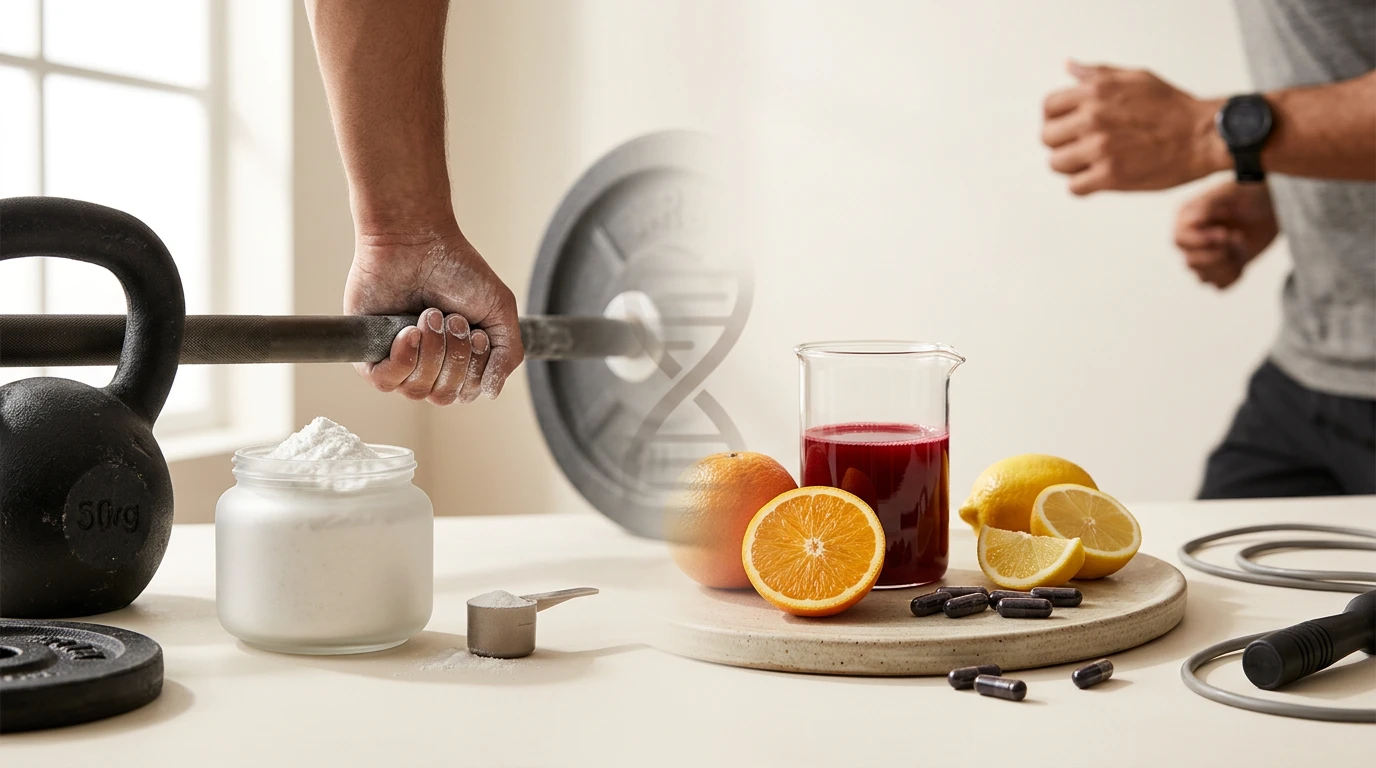
Which is Better: Creatine or Citrulline?
1. Creatine: The Energy Engine
Creatine (mostly in monohydrate form) is a supplement that increases phosphocreatine stores in muscles, allowing for faster ATP recovery – the primary fuel for short, intense efforts.
Simply put: It's like disassembling a car to understand how each part works, rather than just driving it. We delve into how supplements function at the cellular level.
Scientific Sources
- Branch, J. D. (2003). Effect of creatine supplementation on body composition and performance: a meta-analysis. International Journal of Sport Nutrition and Exercise Metabolism, 13(2), 198-226. (PubMed: 12945830)
- Perez-Guisado, J., & Jakeman, P. M. (2010). Citrulline malate enhances athletic anaerobic performance and alleviates muscle soreness. Journal of Strength and Conditioning Research, 24(5), 1215-1222. (DOI: 10.1519/JSC.0b013e3181cb28fa)
- Buford, T. W., et al. (2007). International Society of Sports Nutrition position stand: creatine supplementation and exercise. Journal of the International Society of Sports Nutrition, 4(1), 6. (PMC: PMC2048496)
- Figueroa, A., et al. (2017). Influence of L-citrulline and watermelon supplementation on arterial stiffness and blood pressure in hypertensive men. Nutrients, 9(8), 861. (PMC: PMC5579679)
We see that the best results are achieved by combining creatine and citrulline, especially when workouts include both strength exercises and higher volume repetitions. A common mistake is taking only one of the supplements, which limits the full potential for performance improvement.
- Strength and Explosiveness: The supplement increases maximal strength by 5–15% in heavy sets of 1–5 repetitions.
- Cellular Hydration: Muscles retain more water intracellularly. This makes them visually fuller and supports protein synthesis.
- Muscle Growth: Creatine is the most researched supplement in the history of sports science with a proven effect on muscle mass.
2. Citrulline: The Blood Flow Booster
Citrulline is an amino acid that is converted to arginine, and then to nitric oxide (NO). This widens blood vessels, allowing more oxygen and nutrients to reach the muscles.
- More Repetitions: Studies show an increase in repetitions to failure by 19–53% with adequate dosage.
- Ammonia Clearance: Citrulline helps the body clear ammonia – a waste product that causes a burning sensation and fatigue.
- Pump and Vascularity: The visual effect of improved blood flow is noticeable during the workout.
What Does Science Say About Creatine and Citrulline?
Creatine monohydrate is the most researched dietary supplement with proven effectiveness in strength sports, cognitive function, and even neurodegenerative diseases. L-Citrulline (and Citrulline Malate) are supplements with a strong evidence base for improving endothelial function, reducing arterial stiffness, and increasing training volume.
What Are the Common Mistakes When Taking Creatine and Citrulline?
The creatine loading phase is not mandatory. 3-5g daily achieves saturation in 3-4 weeks without stomach discomfort, while expecting an instant effect from creatine is misleading as it requires accumulation. Insufficient citrulline dosage (below 6-8g) in pre-workout products is a common mistake, as is confusing creatine with citrulline, since creatine does not provide "pump" and citrulline does not increase maximal strength.
- Creatine Loading Phase: Not mandatory. 3-5g daily achieves saturation in 3-4 weeks without stomach discomfort.
- Expecting an Instant Effect from Creatine: Creatine requires accumulation. If you only take it during workouts, you won't get the full effect.
- Insufficient Citrulline Dose: Many pre-workout products contain 1-2g of citrulline, which is below the clinically effective dose of 6-8g.
- Confusing Creatine with Citrulline: Creatine does not provide a "pump" in the gym, and citrulline does not increase maximal strength. They have different roles.
Which Supplement Should I Choose?
Creatine is the ideal choice for you if you aim to increase strength, explosive power, and muscle mass.
- Your main goal is to increase strength and muscle mass.
- You train heavy — squats, bench press, deadlifts (1–6 repetitions).
- You are looking for a long-term effect on body composition.
- You want a supplement with an impeccable scientific basis and proven safety.
🔵 Choose CITRULLINE if:
- Your main goal is more repetitions, volume, and muscle pump.
- You train with higher volume (8–15+ repetitions) or HIIT.
- You want a visible effect from the very first workout.
- Your goals include improving blood circulation and cardiovascular health.
🟣 Combine Them for Maximum Effect:
- Creatine gives you the strength for heavy sets, citrulline improves blood flow to deliver creatine faster to the cells.
- This is suitable for hybrid training — strength and volume blocks in one session.
- There are no negative interactions. They can be mixed in one shake.
Recommended Stack
For maximum results, combine 5 grams of Creatine Monohydrate daily (anytime) with 6-8 grams of Citrulline Malate (2:1) 30 minutes before training.
How Much Creatine Should You Take?
Creatine is taken at 3-5 grams daily, every day, including rest days, with regularity being more important than the exact timing of intake. It can be mixed into shakes, juices, or water.
Citrulline: 6–8g Citrulline Malate (or 3–5g pure L-Citrulline), 45–60 minutes before training on an empty stomach.
Together: Mix creatine and citrulline in your pre-workout drink. Add 200–300 ml of cold water. The effect is mutually complementary — strength + pump + endurance.
Expert Conclusion
If your budget allows for only one supplement and your goal is strength and mass, creatine is the undisputed choice. If you are looking for pump and endurance, citrulline is the supplement for you. The real magic, however, lies in the combination: creatine charges the muscle's "battery," and citrulline opens the "highway" for delivery. Together, they cover both pillars of performance: strength and volume.
🧭 When to Choose Which?
- Choose Creatine if your goal is maximal strength, explosiveness, and rapid recovery between sets in strength training.
- Choose Citrulline if you are aiming for improved endurance, better "pump," and faster fatigue elimination during prolonged workouts.
- Combine Both if you want to achieve a combined effect for maximum performance, covering both strength and endurance.
📖 What are Creatine and L-Citrulline?
Creatine is a popular dietary supplement that helps increase muscle energy through the phosphocreatine system, improving strength and explosiveness. L-Citrulline is an amino acid that the body converts into nitric oxide (NO). This stimulates vasodilation and improves muscle pump and endurance.
⚖ Pros and Cons
| Pros | Cons |
|---|---|
|
Creatine:
|
Creatine:
L-Citrulline:
|
🗣 Simply Explained
Creatine is a booster for strength and explosive energy – it helps you lift more or do one more rep when you're on the edge. Citrulline is for endurance and "pump" – it maintains blood flow to the muscles so you can train longer and feel your muscles full.
Choose the Right Product for Your Goal:
→ Creatine monohydrate for increased strength and power
→ Citrulline malate for better blood flow and endurance
→ Pre-workout product with creatine and citrulline
Combined Protocol for Maximum Effectiveness:
Combining products increases effectiveness. Based on Sport Zona practice.
⚖ When to Choose Creatine
- If the goal is to increase strength and muscle mass.
- If you train heavy with low repetitions (1-6).
- If you are looking for a long-term effect on body composition.
- If you want the most researched and proven supplement.
⚖ When to Choose Citrulline
- If the goal is more repetitions, training volume, and pump.
- If you train with high volume (8-15+ repetitions) or HIIT.
- If you are looking for a visible effect from the very first workout.
- If your goals include improving blood circulation and cardiovascular health.
Expert Note from Sport Zona
From my 12 years as an athlete, creatine is the supplement that gives the most visible and rapid results for strength and mass, with proper training and nutrition. Citrulline, on the other hand, is my personal supplement for more intense and longer workouts, providing me with that feeling of fullness in the muscles.
Recommended products
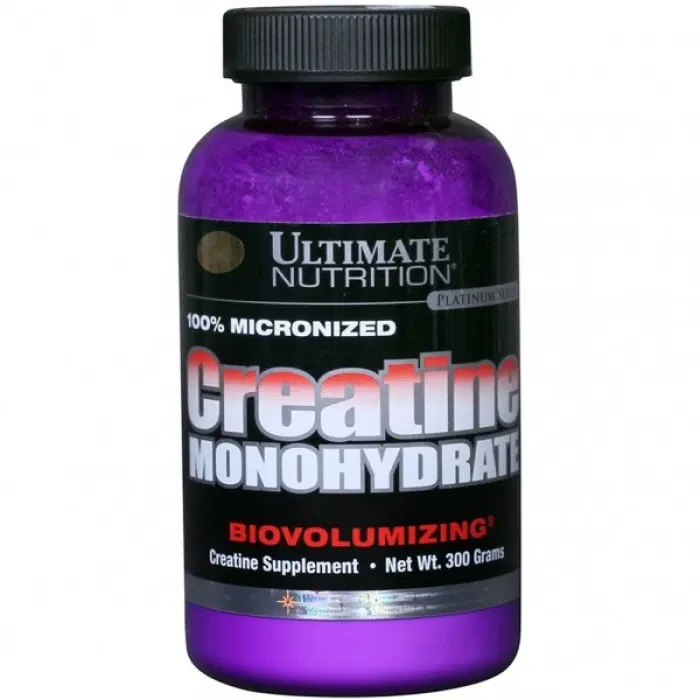
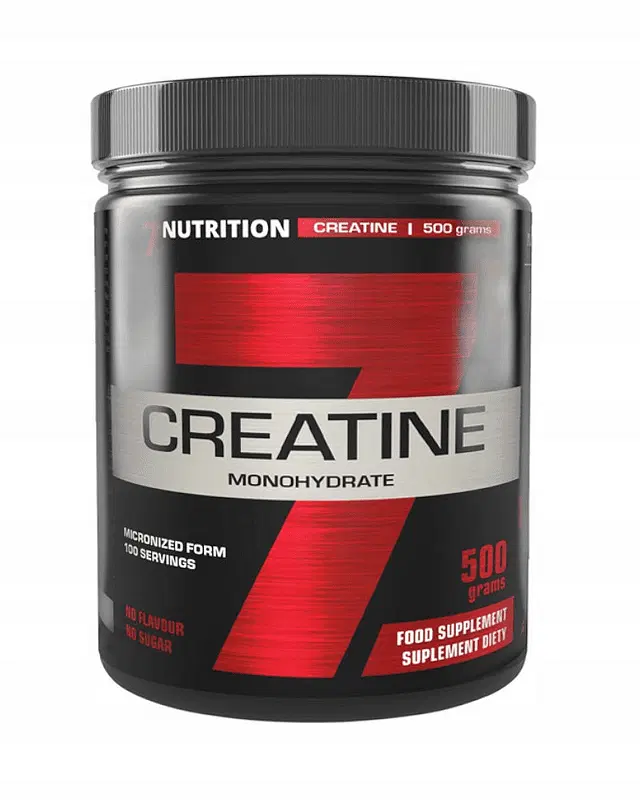
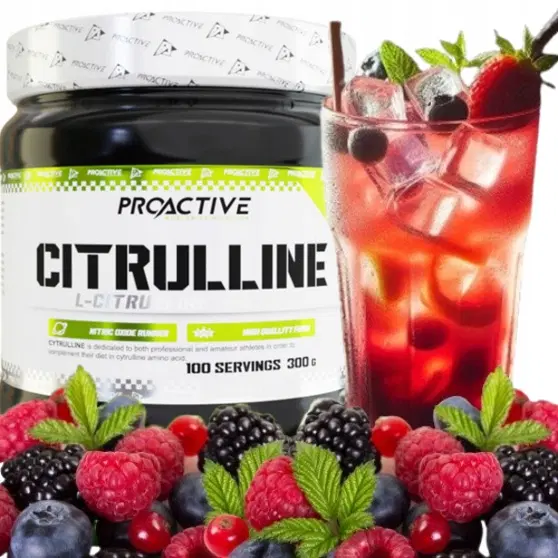
Frequently asked questions
Can creatine and citrulline be taken together?
Yes, they can be combined without negative interactions. Their combination provides both strength and improved blood circulation for maximum effect.
Which is better for beginners - creatine or citrulline?
For beginners aiming to increase strength and muscle mass, creatine is an excellent choice due to its proven effectiveness and safety. Citrulline is suitable if stamina and the "pump" sensation are your priorities.
When is the best time to take creatine and citrulline?
Creatine can be taken at any time of day; the most important factor is regularity to achieve saturation. Citrulline is recommended to be taken 30-60 minutes before training for maximum effect during the workout itself.
Do creatine and citrulline have side effects?
At recommended doses, both creatine and citrulline are considered safe. Some individuals, particularly at higher creatine doses, may experience mild stomach discomfort.