All Forms of Creatine: Monohydrate, HCL, Kre-Alkalyn, and Creapure® — A Complete Guide
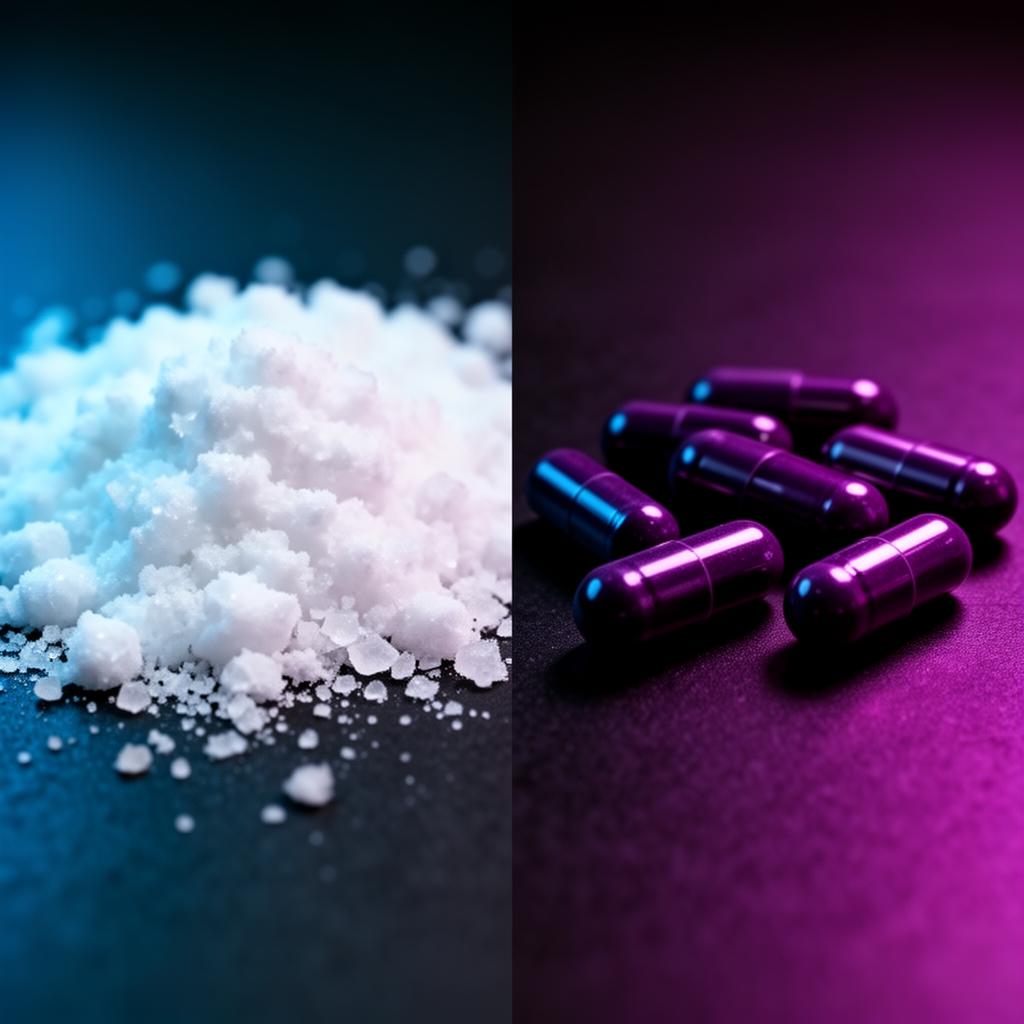
Explore the different forms of creatine – monohydrate, HCL, Kre-Alkalyn, and Creapure®. This information will help you choose the most suitable supplement for your goals.
Short answer: Creatine monohydrate is the most researched, effective, and economical form. Other forms offer minimal or no advantages. Practical advice: Start with creatine monohydrate. If you have stomach issues, try creatine HCL. Creapure® is a guarantee of purity.
Here you will find the most detailed information about creatine, specifically tailored for athletes seeking verified information to choose a supplement. Creatine is one of the most researched and proven effective supplements in sports nutrition. It is important for the production of adenosine triphosphate (ATP) – the primary energy source for muscle contractions. All forms of creatine have one goal – to increase phosphocreatine stores in the muscles. They differ in chemical structure, solubility, how well they are tolerated by the stomach, and price. This guide will explain these differences and help you choose the best for your goals.
See also the expert knowledge base on supplements — over 270 expertly verified articles by Petar Mitkov and the Sport Zona team.
What is Creatine Monohydrate?

Creatine monohydrate is the oldest and most studied form of creatine, which is creatine bound to one molecule of water.
From SportZone, we see that creatine monohydrate remains the most preferred and effective. A common mistake is taking creatine with insufficient water, which can increase stomach discomfort, regardless of the form. For creatine HCL, there are fewer reports of bloating, making it a good choice for people with sensitive stomachs.
Chemical Stability and Absorption
Monohydrate is stable at neutral pH but can degrade into creatinine (an inactive waste product) in a highly acidic environment, such as the stomach. However, scientific data shows that degradation is minimal (under 1-2%) due to the short time it spends in the stomach. The main problem with monohydrate is that it dissolves poorly in water. If it doesn't dissolve completely, undissolved particles can "pull" water into the intestines, causing bloating, gas, and diarrhea. Micronized creatine monohydrate is made to dissolve better by reducing particle size up to 20 times, which aids better absorption and less stomach discomfort.
Simply put: Creatine can be compared to sugar. Stability is how well sugar retains its form in water, and absorption is how quickly it dissolves and the body uses it.
Dosage and "Loading Phase"
The usual dosage for creatine monohydrate is 3-5 grams per day. For faster saturation of muscle stores, a "loading phase" of 20 grams per day (divided into 4 doses of 5 grams) for 5-7 days is often recommended, followed by a maintenance dose of 3-5 grams. The loading phase speeds up saturation, but long-term results are the same regardless of whether it's used, as long as the daily dose is kept consistent.
What is Creatine HCL (Hydrochloride)?
Creatine Hydrochloride (HCL) is a newer form of creatine characterized by exceptional solubility and improved stomach tolerance, due to the binding of creatine with a hydrochloride group.
Scientific Sources
- Branch, J. D. (2003). Effect of creatine supplementation on body composition and performance: a meta-analysis. International Journal of Sport Nutrition and Exercise Metabolism, 13(2), 198-226. (PubMed: 12945830)
- Buford, T. W., et al. (2007). International Society of Sports Nutrition position stand: creatine supplementation and exercise. Journal of the International Society of Sports Nutrition, 4(1), 6. (DOI: 10.1186/1550-2783-4-6)
- Gasiore, J. B., et al. (2002). The effects of creatine pyruvate and creatine citrate on performance during exercise. Journal of Strength and Conditioning Research, 16(1), 74-78. (PubMed: 11834168)
- Jäger, R., et al. (2007). Comparison of new creatine forms in increasing muscle creatine and performance. Journal of the International Society of Sports Nutrition, 4(Suppl 1), P11. (DOI: 10.1186/1550-2783-4-S1-P11 - abstract)
Solubility and Stomach Tolerance
Creatine is an osmotically active substance. If it doesn't dissolve completely in the glass or stomach, it "pulls" water into the intestines, leading to bloating and stomach cramps. Due to the hydrochloride bond, HCL dissolves instantly in water – up to 41 times better than monohydrate. This means much less water is needed for intake, and the risk of "undissolved crystals" irritating the stomach is eliminated. People often report a significant reduction in stomach discomfort, gas, and bloating compared to monohydrate.
Precise Dosage (Micro-Dosing) and "Dry" Appearance
Since HCL is absorbed better, a smaller amount of product is needed for the same saturation levels in the muscles. While monohydrate requires 3-5 grams daily, effective HCL doses start from 1.5 – 2 grams. This makes the packaging more compact and convenient. Another advantage people often note is a "drier" and more defined appearance. With monohydrate, especially with lower-grade raw materials, water is often retained outside the muscle cells. The advantage of HCL is that water is transported directly into the muscle along with the creatine molecule, making it good for "cutting" periods.
What is Kre-Alkalyn?
Kre-Alkalyn is a patented creatine form that is "buffered" to a higher pH level (typically between 7 and 12), with claims of greater stability in acidic environments and better effectiveness compared to creatine monohydrate.
Chemical Stability and Absorption
The theory behind Kre-Alkalyn is that buffering protects creatine from degradation in stomach acid. This would mean more creatine reaches the muscles in an active form. However, scientific research does not confirm these claims. Studies show that Kre-Alkalyn is no more effective than creatine monohydrate in terms of muscle saturation, strength, or muscle mass. The degradation of monohydrate in the stomach is minimal anyway, making the buffering largely unnecessary.
Dosage and Effectiveness
Manufacturers of Kre-Alkalyn often recommend lower doses (1-3 grams daily) compared to monohydrate, due to its supposed higher effectiveness. The lack of convincing scientific evidence to support these claims raises questions about the cost-effectiveness of this form.
Creapure®: Why is it a Guarantee of Quality?
Creapure® is a trademark for creatine monohydrate produced by the German company Alzchem, distinguished by its high purity and quality due to a strict manufacturing process and control that removes unwanted impurities.
Manufacturing Process and Purity
In mass production of creatine, especially in Asia, raw materials and processes may be used that leave toxic residues like Dicyandiamide (DCD) and Dihydrotriazine (DHT). Creapure® uses a unique synthesis process that eliminates these impurities from the start, guaranteeing a purity of at least 99.99%. Every gram of Creapure® can be traced back to a specific batch in Germany. For professional athletes, this is very important due to the Cologne List® – a guarantee that the product is not contaminated with prohibited substances during packaging.
Micronization and Absorption
Most Creapure® products are automatically micronized. This means the particles are 20 times smaller than those of regular creatine. The result is faster dissolution in water (without a sandy effect at the bottom) and easier passage through the intestinal lining, reducing the risk of bloating.
Which is the Best Form of Creatine?
The comparative table of creatine forms presents key parameters such as chemical bond, solubility, and stomach tolerance for Creatine Monohydrate, Creatine HCL, Kre-Alkalyn, and Creapure®, to clarify their individual characteristics and advantages.
| Parameter | Creatine Monohydrate | Creatine HCL (Hydrochloride) | Kre-Alkalyn | Creapure® (Certified) |
|---|---|---|---|---|
| Chemical Bond | Creatine + water molecule | Creatine + hydrochloride group | Creatine + buffering agent (e.g., Baking Soda) | Creatine + water molecule (high purity) |
| Solubility | Low (requires a lot of water) | Exceptional (up to 41 times higher) | Improved (due to buffering) | Improved (micronized form) |
| Stomach Tolerance | May cause osmotic diarrhea, bloating | Most stomach-friendly | Better than monohydrate (according to manufacturers) | Very good, especially micronized |
| Micronization | Necessary for better dissolution (often optional) | Naturally high bioavailability | Not a primary focus | Automatically micronized |
| Taste | Neutral | Strongly acidic (due to hydrochloride) | Neutral to slightly alkaline | Neutral |
| Price per dose | Lowest on the market | Premium segment | High segment | Medium to high segment |
| Manufacturing Process | Varies (often cyanamide method) | Specific synthesis | Buffered synthesis | Patented process in a closed system |
| Purity Level | Typically 98% – 99.2% | High | High | Minimum 99.99% |
| Traces of Impurities | DCD, DHT, Creatinine (possible) | Unlikely | Unlikely | Practically zero (<10 ppm) |
| Certification | Rare (depends on brand) | Depends on brand | Depends on brand | IFS, GMP, Cologne List®, Halal, Kosher |
| Origin | Mass China / India | Various | Various | Solely Germany (Alzchem) |
| Doping Risk | Negligible, but exists | Negligible | Negligible | Zero (tested for prohibited substances) |
| Scientific Evidence | Hundreds of studies, gold standard | Theoretically solid, fewer large-scale studies | Limited, not convincing | Same as monohydrate, but with purity guarantee |
What is Modern, or What Does Science Say?
Modern scientific research shows that creatine monohydrate is the most effective and best-studied form of creatine, with over 500 studies confirming its safety and effect on strength, power, and muscle mass.
Creapure® is not a new form of creatine, but an indicator of the quality of creatine monohydrate. Science confirms that purity is very important for reducing possible side effects and for maximum safety, especially with long-term intake. The presence of impurities like DCD and DHT in low-quality products is a potential risk that Creapure® eliminates.
Why Isn't Creatine a Magic Pill?
Creatine is not a magic pill because it saturates muscle stores gradually, which takes time and requires consistency, rather than providing instant results.
- Insufficient Water: Any form of creatine requires enough water to function properly and avoid stomach problems.
- Expecting Instant Results: Creatine is not a magic pill. It saturates muscle stores, which takes time and requires consistency.
- Ignoring Quality: Choosing cheap, uncertified creatine can lead to ingesting impurities and may not be effective.
- Fear of "Water Retention": Water retention from creatine is intracellular (in the muscles) and is desirable as it contributes to volume and strength. Subcutaneous water retention is more related to diet and low-quality monohydrate.
- Unnecessary Cycling: There is no scientific evidence that cycling creatine is necessary. Long-term consistent intake is safe and effective.
What is the Practical Protocol?
Choose CREATINE MONOHYDRATE if:
- You prefer traditional solutions: You want results guaranteed by decades of science.
- You don't have stomach problems: Supplements haven't caused you bloating.
- You are looking for an affordable option: You want maximum value for your money.
- You consider the brand reliable: You buy from a large company with its own quality control.
- You are looking for large packages.
Choose CREATINE HCL if:
- You experience stomach discomfort: Regular creatine causes you problems immediately after intake.
- You dislike the "sandy" taste: You want a drink that is completely clear and dissolved.
- You are preparing for a competition: You want to avoid any possible subcutaneous water retention.
- You prefer smaller doses: You seek convenience in intake.
Choose CREAPURE® if:
- You are a professional athlete: You need reliability for doping control.
- Health is a top priority: You want the purest raw material in the world.
- You have a sensitive stomach: You have had bad experiences with cheap creatine brands.
- You value quality and origin: You want to be sure of the product's origin and purity.
Kre-Alkalyn:
The practical protocol of creatine HCL offers theoretical advantages, but scientific evidence does not support its superiority over monohydrate.
Recommended Stack
For best results, we recommend "Creapure® Creatine Monohydrate" (5g daily) for strength and muscle mass, combined with "Beta-Alanine" (3-5g daily) for endurance and fatigue reduction, taken with sufficient water and carbohydrates.
Which Form of Creatine Should I Choose?
The choice of creatine form depends on your individual needs, budget, and tolerance. Creatine monohydrate is the best-researched and proven form. Creapure® is a high-quality version of monohydrate, creatine HCL is an alternative for sensitive stomachs, and Kre-Alkalyn has no proven superiority.
Regardless of the chosen form, success with creatine comes from consistent intake, adequate hydration, and combining it with a stable training program and a balanced diet. Consult a doctor or dietitian if you have any health concerns before starting any dietary supplement.
🧭 When to Choose What?
- Choose Creatine Monohydrate if you are looking for the most researched and proven form with good value.
- Choose Creatine HCL if you have a sensitive stomach or are looking for better solubility.
- Choose Kre-Alkalyn® if you want relief from bloating and stomach upset.
- Choose Creapure® if you value the highest purity and quality, manufactured in Germany.
📖 What is Creatine?
Creatine is a naturally occurring compound produced in the body and found in foods like red meat and fish. It is important for energy metabolism, aiding in the production of ATP – the primary energy source for muscle contractions. Creatine supplementation can increase strength, power, and muscle mass.
⚖ Pros and Cons
| Pros | Cons |
|---|---|
|
|
🗣 Simply Explained
All these forms of creatine – monohydrate, HCL, Kre-Alkalyn, and Creapure® – do the same thing: they help your muscles store energy for greater strength and endurance. The differences between them are mainly in how well they are absorbed by the body and whether they cause stomach problems. Monohydrate is the most well-known and studied among them.
Choose the right product for your goal:
→ Creatine Monohydrate
→ Creatine HCL
→ Creapure® Creatine
Combined protocol for maximum effectiveness with creatine:
Combining products often leads to better results.
⚖ When to Choose Monohydrate
- An athlete who wants effectiveness at a good price, without stomach issues.
- You will train at high intensity and want to build muscle mass and strength.
- You have no problems with consuming more fluids.
- You can afford a cheaper but effective option for muscle building.
⚖ When to Choose HCL
- You have a sensitive stomach and avoid stomach discomfort or bloating.
- An athlete seeking better bioavailability and precise dosing.
- During a "cutting" cycle, you want to avoid water retention outside the muscles.
- You prefer a supplement that is more convenient to carry and consume with less liquid.
Expert Note from Sport Zona
From experience with thousands of Bulgarian athletes over the past 12 years, I notice that creatine monohydrate remains the standard. Although other forms promise less water retention or better absorption, I rarely see a significant difference in results. For most people, well-hydrated and using quality monohydrate, the extra cost for "more modern" forms is often not justified.
Recommended products
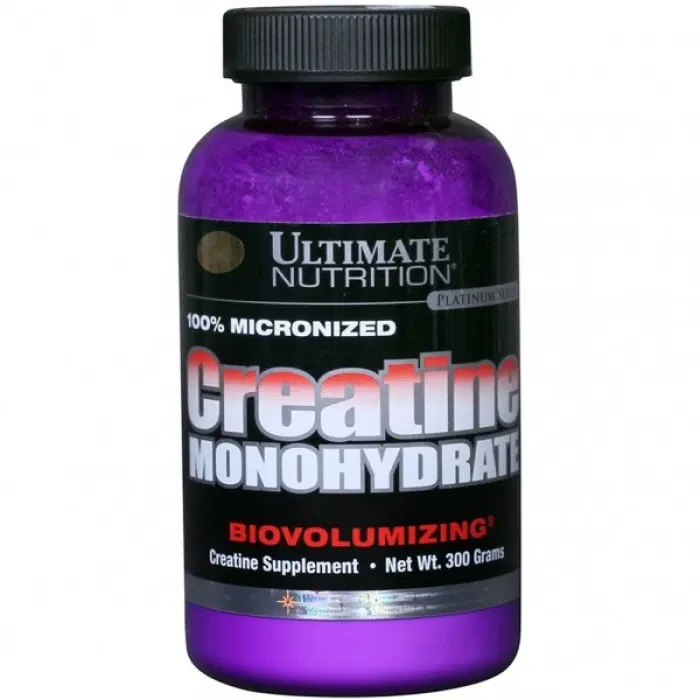
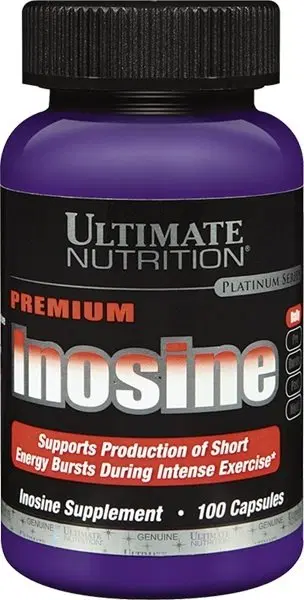
Frequently asked questions
Which form of creatine is the most researched and proven effective?
Creatine monohydrate is the oldest and most researched form. Hundreds of studies confirm its ability to increase strength, power, and muscle mass.
What is the advantage of Creatine HCL over monohydrate?
Creatine HCL stands out with much better water solubility, which reduces the risk of stomach discomfort, gas, and bloating. Smaller doses are also needed to achieve the effect.
Are there any side effects from taking creatine?
Some users may experience stomach discomfort or water retention, especially with low-quality monohydrate or improper intake. Forms like HCL are often better tolerated.
What is the recommended daily dose of creatine?
The standard dose for creatine monohydrate is 3-5 grams per day. For creatine HCL, due to its higher bioavailability, effective doses start from 1.5-2 grams per day.