Zinc vs. Magnesium: The Immune Captain vs. The Muscle Conductor

Zinc is for recovery and immunity, magnesium - for energy and muscle function. Choose the mineral you need according to your symptoms.
Short Answer: Magnesium is a macromineral critical for muscle function and over 300 enzymatic reactions, while zinc is a micromineral key for immunity, testosterone production, and protein synthesis. Practical advice: Take 300-400 mg of elemental magnesium (bisglycinate/citrate) in the evening for recovery and sleep, and 15-30 mg of elemental zinc (picolinate/bisglycinate) on an empty stomach, separate from other minerals.
Zinc and magnesium are two very important minerals for athletes, but their roles are often confused or underestimated. Magnesium regulates energy production, helps muscles relax, and calms the nervous system after exertion. Without it, the body does not function properly.
Zinc is responsible for recovery and building new tissues (protein synthesis), regulates hormonal processes (like testosterone), and keeps the immune system active. Without it, the body does not recover effectively and is more vulnerable.
Both minerals are critical, but they address different problems. Do you have cramps and poor sleep, or do you get sick often and recover slowly? The answer to this question will indicate which mineral you need more. This article analyzes the two minerals to help you choose correctly.
This article is part of the Expert Hub for Nutritional Supplements — over 270 expert-verified articles by Petar Mitkov and the Sport Zona team.
What is a Comparative Matrix for System Analysis?
A comparative matrix represents a systematic analysis that examines zinc (a trace element, cofactor for ~300 enzymes) and magnesium (a macromineral, cofactor for ~600+ enzymes), as well as their roles in hormonal balance, muscle relaxation, and energy metabolism, and their mechanisms for supporting athletes, including testosterone production and ATP stabilization.
| Criterion | Zinc | Magnesium |
|---|---|---|
| Biological Status | Trace element, cofactor for ~300 enzymes | Macromineral, cofactor for ~600+ enzymes |
| Primary Focus | Hormonal balance, immunity, protein synthesis | Muscle relaxation, energy metabolism, nervous system |
| Mechanism for Athletes | Supports testosterone and growth hormone production | Stabilizes ATP; acts as a calcium channel blocker |
| Time of Action | Slower, requires accumulation (weeks to months) | Fast effect for cramps and sleep issues (days) |
| Best Forms | Picolinate, bisglycinate, gluconate | Bisglycinate, malate, citrate, threonate |
| Risk of Overdose | High (leads to copper deficiency) | Low (excess is excreted; can cause diarrhea) |
What is the In-depth Mechanism of Zinc?
1. Zinc: Hormonal Regulator and Immune Defender
Zinc is an indispensable element for athletes, catalyzing growth and recovery processes by acting as a key cofactor for enzymes involved in DNA and protein synthesis, and is directly linked to the production of anabolic hormones like testosterone.
Zinc also supports the immune system. It is necessary for the development and function of immune cells such as T-lymphocytes and natural killer cells. Intense training can temporarily suppress the immune system, making athletes more susceptible to infections. Adequate zinc intake helps counteract this effect, reducing the risk of illness and interruption of the training process.
Simply put: Zinc supports muscle growth (through hormones) and strengthens the body's defenses (immune system) so you can train without interruption.
2. Magnesium: Relaxation and Energy
Magnesium's role is extensive and essential for daily function. Its most important task at the cellular level is to bind with ATP (adenosine triphosphate), the cell's primary energy currency. Without magnesium, ATP is unstable and unusable. This means that every muscle contraction and every nerve impulse directly depends on the presence of magnesium. In athletes, where energy turnover is enormous, the need for magnesium is significantly higher.
Its other key mechanism is its role as a physiological calcium channel blocker. Calcium is responsible for muscle contraction, while magnesium competes with it and allows relaxation. In magnesium deficiency, calcium dominates, leading to an inability to fully relax – manifesting as muscle cramps, stiffness, and increased tension. Magnesium also regulates the nervous system by interacting with GABA receptors in the brain, promoting calmness and improving sleep quality.
Simply put: Magnesium helps muscles relax after training, replenishes energy stores (ATP), and calms the nervous system for deep sleep.
Scientific Sources
- Prasad, A. S., et al. Zinc status and serum testosterone levels of healthy adults. Nutrition, 1996.
- EFSA Panel on Dietetic Products, Nutrition and Allergies. Scientific Opinion on the substantiation of health claims related to magnesium. EFSA Journal, 2010.
- National Institutes of Health, Office of Dietary Supplements. Magnesium: Fact Sheet for Health Professionals.
- Linus Pauling Institute, Oregon State University. Zinc.
- Nielsen, F. H., & Lukaski, H. C. Update on the relationship between magnesium and exercise. Magnesium Research, 2006.
- Examine.com. Zinc: An independent analysis of the research.
The Synergistic Effect: Why Do They Work Better Together?
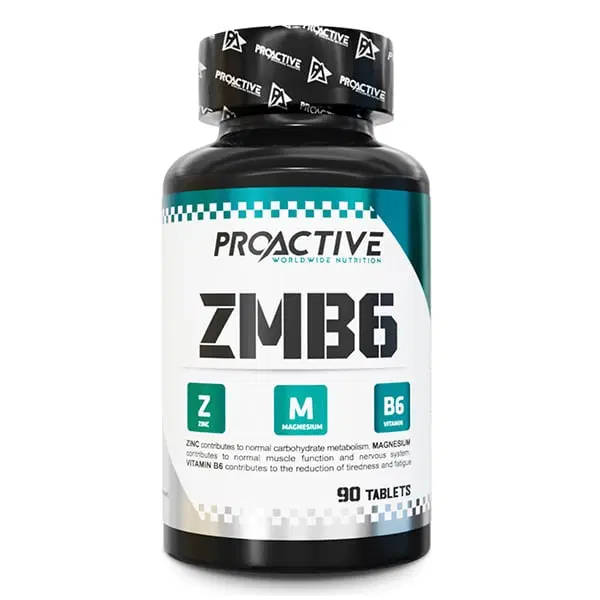
Although they have different primary functions, zinc and magnesium work very synchronously, especially in athletes. Their combination, often found in products like ZMA (Zinc, Magnesium, and Vitamin B6), is popular for a reason. Their synergy is evident in the "stress-recovery-adaptation" cycle.
Here's how they complement each other:
- During training: Magnesium provides stable ATP energy for muscle contractions.
- Immediately after training: Magnesium helps relax overworked muscles and reduces the risk of cramps.
- During sleep: Magnesium improves sleep quality, and zinc works hard during deep sleep to stimulate growth hormone production and support protein synthesis.
Magnesium prepares the body for recovery by relaxing muscles and the mind. Zinc performs the actual repair and growth work. Taking them together, especially in the evening, can significantly improve recovery quality, which is crucial for long-term progress.
What is the Practical Algorithm for Selection?
Choose Zinc if:
- You get sick often or catch colds easily.
- Your recovery is slow, and muscle soreness lasts too long.
- You have symptoms of low testosterone (reduced libido, lack of energy, difficulty with muscle hypertrophy).
- You have skin problems like acne or slow-healing wounds.
🔵 Choose Magnesium if:
- You suffer from muscle cramps or stiffness during or after training.
- You have trouble sleeping – difficulty falling asleep or waking up frequently.
- You feel constantly tense, anxious, or under high stress.
- You experience unexplained fatigue or "brain fog."
Recommended Combined Stack for Maximum Recovery
The appropriate combined stack involves taking it 30-60 minutes before sleep, on an empty stomach.
- Magnesium Bisglycinate: 200–400 mg. This form is gentle on the stomach and well-absorbed.
- Zinc Picolinate: 15–30 mg. Picolinate is one of the most absorbable forms. Men can opt for the higher dose, and women for the lower one.
- Vitamin B6 (as P-5-P): 10–20 mg. B6 aids in the absorption of both minerals and is involved in neurotransmitter production.
What is an Effective Protocol for Performance in 2026?
The 2026 "Foundation and Performance Stack" protocol represents a systematic approach for athletes that separates zinc and magnesium intake for maximum effectiveness.
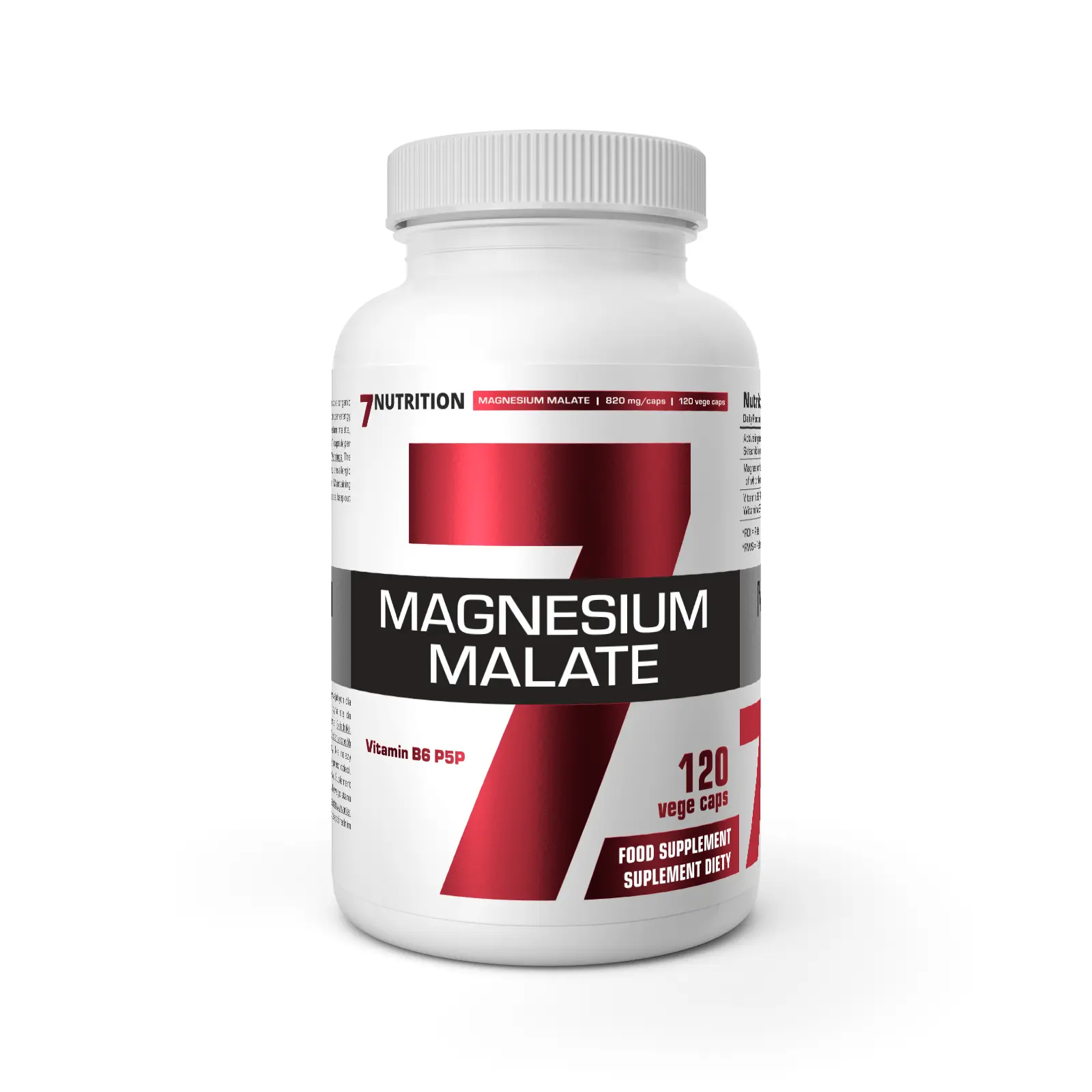
- Daily Foundation (Morning): 200 mg Magnesium Malate. The malate form is associated with malic acid and participates in the Krebs cycle, supporting daily energy without a sedative effect.
- Before Sleep (Foundation + Performance Stack): 200-300 mg Magnesium Bisglycinate + 20-30 mg Zinc Picolinate. The glycinate form of magnesium has a calming effect on the nervous system, while zinc works overnight for hormonal optimization and immune support.
- As Needed (Pre-Workout): If you suffer from cramps during exertion, add 150-200 mg of Magnesium Citrate dissolved in water about 45 minutes before training.
Expert Note on the Protocol
Long-term intake of high doses of zinc (over 40 mg daily) can interfere with the absorption of copper, another important trace element. I recommend a protocol where you take a 2-3 week break every 8-10 weeks of zinc intake. There is no such risk with magnesium; it can be part of your ongoing supplementation.
🧭 When to Choose Which?
- Choose Zinc only if: Immunity and hormonal balance are your only concerns, and your sleep and muscle function are good.
- Choose Magnesium only if: Your main problems are cramps, poor sleep, and stress, but you recover well and don't get sick often.
- Combine both if: You are a serious athlete looking to improve every aspect of your performance and recovery. This is the most common and effective scenario.
📖 What are Zinc and Magnesium?
Zinc (Zn): An essential trace element that acts as a driver (cofactor) for hundreds of enzymatic reactions related to immunity, growth, reproductive health, and DNA synthesis.
Magnesium (Mg): An essential macromineral and electrolyte, the fourth most abundant mineral in the body, vital for energy production, muscle and nerve function, heart rhythm, and bone health.
⚖ Pros and Cons
| Pros | Cons |
|---|---|
| Zinc: Boosts immunity, maintains testosterone levels, improves skin health, speeds up healing. | Zinc: Can cause nausea on an empty stomach. High doses interfere with copper absorption. Requires lower doses (15-30mg). |
| Magnesium: Relieves muscle cramps, improves sleep quality, reduces feelings of stress and anxiety, supports energy production. | Magnesium: Some forms (oxide) have low bioavailability and a laxative effect. Requires higher doses (200-400+ mg). May interact with certain medications. |
🗣 Explained Simply
If you had to explain the difference to a friend, you could use these metaphors:
- Zinc is the Architect: It draws the plans for growth and repair (hormones, protein synthesis) and designs the defense system (immunity).
- Magnesium is the Electrician: It maintains the electrical grid (nervous system), provides the power (ATP), and fixes overloaded switches (muscle relaxation).
| Criterion | Zinc | Magnesium |
|---|---|---|
| Primary Benefit | Recovery and Immunity | Relaxation and Energy |
| When Felt | After weeks/months | Often by the same night |
| When to Take | Evening, on an empty stomach | Evening (for sleep) or anytime |
| Most Important For | Strength athletes, men | All athletes, people under stress |
Choose the Right Product for Your Goal:
Combined Protocol for Athletes:
- Pre-Workout: Energy boost with Nitric Oxide Boosters.
- Post-Workout: Rapid recovery with Whey Protein and Creatine.
- Before Sleep: Deep recovery with a combined intake of Magnesium and Zinc.
⚖ When to Choose Zinc
- You want to support natural testosterone production.
- Your immune system is weak and you get sick often.
- You aim for maximum muscle hypertrophy and protein synthesis.
- You have skin problems or acne related to hormonal changes.
⚖ When to Choose Magnesium
- You suffer from muscle cramps and stiffness.
- Your sleep is restless, shallow, or insufficient.
- You feel physically and mentally overloaded and tense.
- Your energy levels are low during the day, even if you sleep enough.
Expert Note from Sport Zona
In my practice with athletes, I see that magnesium deficiency is almost universal due to stress and depleted soils. That's why I almost always recommend it as a primary supplement. The effect on sleep and cramps is fast and noticeable. Zinc is more of a "fine-tuning" – we use it when recovery stagnates or when immunity is compromised. If you have to choose only one, in nine out of ten cases, magnesium will bring greater and more immediate benefits to the overall condition of an athlete.
Recommended products

Frequently asked questions
Can Zinc and Magnesium be taken together?
Yes, but it is recommended to take them at different times for optimal absorption. High doses of magnesium can reduce zinc absorption. The ideal scenario is zinc on an empty stomach in the morning/afternoon and magnesium in the evening before bed.
Which is better for beginners - Zinc or Magnesium?
Magnesium is more fundamental and often more necessary for beginners. Its deficiency is more common and is felt more directly through cramps, fatigue, and poor sleep. Start with magnesium, and then add zinc as needed.
When is the best time to take Zinc and Magnesium?
The best time to take magnesium is 30-60 minutes before sleep due to its calming effect. Zinc is best absorbed on an empty stomach, at least 1 hour before or 2 hours after meals, to avoid interactions with calcium and iron from food.
Are there side effects from taking Zinc or Magnesium?
Yes, if recommended doses are exceeded. High doses of magnesium (over 400 mg) can cause gastrointestinal discomfort, especially the oxide form. Chronic intake of high doses of zinc (over 40-50 mg) can lead to copper deficiency.
What is the recommended dosage of Zinc and Magnesium?
For active athletes: 250-450 mg of elemental magnesium daily (from forms like bisglycinate, citrate) and 15-30 mg of elemental zinc daily (from forms like picolinate, bisglycinate). Always check the amount of elemental mineral on the label.