Vitamin C vs. Zinc: The Antioxidant Shield vs. The Immune Catalyst

Vitamin C and zinc support recovery and immunity in sports. Differentiating their roles allows for optimal intake and athletic performance.
Short Answer: Vitamin C is the antioxidant shield, reducing post-workout oxidative stress, while Zinc is a regulator mineral, key for hormonal balance, immunity, and tissue repair. They are not interchangeable but complementary. Practical tip: Take 1000 mg of Vitamin C after a heavy workout to control inflammation and 20-30 mg of Zinc (picolinate or bisglycinate) in the evening, at least 2 hours after your last meal, to support recovery and hormonal function.
Vitamin C and Zinc are among the most commonly taken supplements for immunity, especially during the colder months. Athletic performance depends on them not only for protection against colds. They are important for recovery, energy metabolism, and tissue strength. They are often taken together, without a clear understanding of each one's action and when it's better to emphasize one over the other.
During intense training, the body is under stress. Vitamin C acts quickly – it combats oxidative stress from exertion and supports the repair of connective tissue, such as collagen in joints and tendons. Zinc is a key regulator that plans recovery and growth, manages enzymes that build new proteins, and provides resources for stronger muscles and a better-structured body.
Understanding these different yet complementary roles is important for good athletic performance and overall health. We will further examine the two micronutrients to help you choose the right supplementation strategy tailored to your goals and training regimen.
This article is part of the Expert Hub for Nutritional Supplements — over 270 expertly verified articles by Petar Mitkov and the Sport Zona team.
What is the Comparative Matrix for Vitamin C and Zinc?
The comparative matrix provides a systematic analysis of Vitamin C (Ascorbic Acid) and Zinc, examining their biological status, primary focus, mechanism, and time horizon.

| Criterion | Vitamin C (Ascorbic Acid) | Zinc |
|---|---|---|
| Biological Status | Water-soluble vitamin, essential | Mineral (trace element), essential |
| Primary Focus | Antioxidant protection, collagen synthesis, immune function | Enzyme function, protein synthesis, hormonal balance, immune cell signaling |
| Mechanism | Neutralizes free radicals, cofactor for prolyl and lysyl hydroxylase (collagen) | Structural component of over 300 enzymes, including RNA polymerase; important for testosterone |
| Time Horizon | Rapid action (hours), requires consistent intake | Long-term accumulation and maintenance of levels (weeks/months) |
| Impact on Training | Reduces muscle soreness (DOMS), supports connective tissue health | Supports recovery and muscle growth, maintains anabolic hormone levels |
| Specific Bonus | Enhances absorption of non-heme iron from plant sources | Critical for taste and smell perception |
How Do the Mechanisms Work?
Understanding the biochemistry behind the action of Vitamin C and Zinc is essential for choosing or combining them, especially in the context of physical exertion.
1. Vitamin C: Antioxidant Protection and a Building Block for Connective Tissue
For athletes, Vitamin C has two main roles. It is a potent antioxidant and an essential cofactor in collagen synthesis. Intense training generates many reactive oxygen species (ROS) that cause oxidative stress, damage cells, and slow down recovery. Vitamin C directly neutralizes these free radicals, protecting muscle fibers and other tissues.
Furthermore, it is absolutely necessary for the enzymes prolyl hydroxylase and lysyl hydroxylase. These enzymes stabilize the collagen molecule – the main building block of tendons, ligaments, cartilage, and skin. Without sufficient Vitamin C, the synthesis of healthy and functional collagen is impossible, increasing the risk of injuries.
Simply put: Vitamin C removes the "garbage" (free radicals) after a heavy workout and helps produce the "glue" (collagen) that keeps joints and tendons healthy.
2. Zinc: Regulator of Recovery and Hormonal Balance
Zinc is a mineral with structural and regulatory roles. It is a key component of over 300 enzymes that catalyze important reactions in the body. For athletes, the most important of these are related to:
- Protein Synthesis: Zinc is necessary for enzymes like RNA polymerase, which "read" the genetic code to build new proteins. Without enough zinc, muscle recovery and hypertrophy are affected at a fundamental level.
- Cell Division: Tissue repair after damage requires rapid cell division, a process that depends on zinc.
- Immune Function: Zinc is critical for the development and function of immune cells, especially T-cells, which fight pathogens. Prolonged deficiency leads to a weakened immune response.
- Hormonal Balance: Zinc is involved in the production and regulation of anabolic hormones like testosterone and insulin-like growth factor 1 (IGF-1). Low zinc levels are associated with lower testosterone levels, which directly impacts strength, muscle mass, and recovery.
Simply put: Zinc is the "construction boss" that gives orders for muscle repair and building, regulates growth hormones, and keeps the immune "guard" on high alert.
Scientific Sources
- Vitamin C and Immune Function, Nutrients, 2017
- Vitamin C, Linus Pauling Institute, Oregon State University
- Zinc and the immune system, Proceedings of the Nutrition Society, 1998
- Zinc Fact Sheet for Health Professionals, National Institutes of Health (NIH)
- Zinc - Scientific Review on Usage, Dosage, Side Effects, Examine.com
- Scientific Opinion on Dietary Reference Values for zinc, EFSA Journal, 2014
The Synergistic Effect: Why Do They Work Better Together?
Vitamin C and Zinc, despite having different primary functions, work well together, especially for the immune system and recovery. When the body is under attack from illness or stressed by heavy training, they act as a team:
- Immune Support: Vitamin C enhances the barrier function of the skin and acts as an antioxidant in white blood cells (leukocytes). Zinc is needed for the very creation and activation of these cells. One provides the "shield," and the other creates the "soldiers."
- Wound and Tissue Healing: Vitamin C is needed for the synthesis of the collagen matrix, and zinc is needed for the cell division that fills this matrix. Together, they significantly accelerate the repair of damaged tissues, whether muscles, skin, or tendons.
Taking them together provides a more comprehensive and stable response to stress, covering both the immediate need for antioxidant protection and the long-term needs for structural repair and cellular function.
How to Choose: Practical Tips?
"How to Choose: Practical Tips?" is an algorithm that provides guidance for individually selecting Vitamin C and Zinc supplements, recommending when to emphasize one nutrient and when to combine the two.
Choose Vitamin C if:
- You train very intensely (marathon runners, CrossFit athletes).
- You want to boost the health of your joints, cartilage, and tendons.
- You frequently experience muscle soreness and want to recover faster.
- Your diet is low in fresh fruits and vegetables, or you are a smoker.
🔵 Choose Zinc if:
- Your main goal is muscle growth and strength.
- You follow a vegetarian or vegan diet (zinc from plants is less absorbed).
- You have symptoms of low testosterone (fatigue, slow progress).
- You get sick less often, but more severely and for longer periods.
Recommended Combined Intake
For most training athletes, the combination is best. Take 250-500 mg of Vitamin C after training to combat oxidative stress, and 15-25 mg of Zinc (in the form of picolinate or bisglycinate) in the evening, before bed, on an empty stomach. This separation optimizes the absorption and action of each.
What is the 2026 Protocol?
The 2026 Protocol represents a combination of Vitamin C and Zinc, incorporating both elements with different timings and focus to achieve good health and optimal results.
-
Daily Basis:
- Vitamin C: 250 mg in the morning with food. This maintains baseline antioxidant levels and collagen synthesis.
- Zinc: 15 mg (for women) to 25 mg (for men) in the evening, at least 2 hours after the last meal. Forms like zinc picolinate, bisglycinate, or monomethionine have excellent bioavailability. The maximum tolerable upper intake level (UL) is 40 mg per day from all sources.
-
♀ Around Training:
- After a heavy workout: An additional dose of 250-500 mg of Vitamin C to manage oxidative stress and support recovery. Avoid high doses (over 1000 mg), as some studies suggest they can suppress adaptive growth signals.
Expert Note on the Protocol
Supplement intake requires attention. Zinc competes for absorption with other minerals like calcium and iron, so evening intake on an empty stomach is most effective. Vitamin C is water-soluble and the body does not store it, so splitting the dose into two intakes (morning and post-workout) maintains more stable levels when they are most needed.
🧭 When to Choose What?
- Choose primarily Vitamin C if your focus is endurance, joint health, and rapid reduction of muscle soreness after long exertion.
- Choose primarily Zinc if your priority is strength, muscle mass, hormonal balance, and you are on a plant-based diet.
- Combine both (as in the protocol above) for maximum support of immunity, recovery, and overall performance. This is the best strategy for most serious athletes.
📖 What are Vitamin C and Zinc?
Vitamin C (Ascorbic Acid) is a water-soluble vitamin that is a major antioxidant and is critical for the production of collagen, carnitine, and certain neurotransmitters. The human body cannot produce it on its own.
Zinc is an essential mineral that serves as a driver and structural component for hundreds of enzymes involved in metabolism, gene expression, immune function, and DNA and protein synthesis.
⚖ Pros and Cons
| Product | Pros | Cons |
|---|---|---|
| Vitamin C |
|
|
| Zinc |
|
|
🗣 Explained Simply
If you're still unsure which to choose, here's the simplest comparison:
| Criterion | Vitamin C | Zinc |
|---|---|---|
| Analogy | Firefighter | Architect |
| Main Task | Extinguishing "fires" (inflammation) | Drawing up construction plans (growth) |
| When is it most needed? | Immediately after training | During sleep (for recovery) |
| Type of Action | Fast, tactical | Slow, strategic |
Think of Vitamin C as emergency aid that controls damage immediately after an incident (training), and Zinc as a long-term plan for reconstruction and strengthening that is carried out overnight.
Choose the Right Product for Your Goal:
A combined strategy is most effective. Build your personalized stack, focusing on your main goals:
- Main Goal IMMUNE SUPPORT: Explore our high-quality vitamins and minerals.
- Main Goal RECOVERY and GROWTH: Add pure proteins and creatine.
- Main Goal JOINTS and TENDONS: Include specialized collagen in your stack.
Combined Protocol for Maximum Effect:
- Pre-workout: Energy and focus from a pre-workout product.
- Post-workout: Protein shake + 500 mg Vitamin C.
- Before bed: 15-25 mg Zinc (picolinate/bisglycinate).
⚖ When to Choose Vitamin C
- During very heavy and prolonged training sessions.
- If you are recovering from a connective tissue injury.
- If you aim to reduce inflammation and muscle soreness.
- You need rapid antioxidant support.
⚖ When to Choose Zinc
- During periods focused on strength and muscle mass.
- If you are on a calorie-deficit diet or a plant-based diet.
- For symptoms of hormonal imbalance or weak immunity.
- You need long-term recovery support.
Expert Note from Sport Zona
In my many years of working with athletes, I often observe a mistake: many people focus on Vitamin C mainly in winter "for immunity," neglecting zinc. For serious trainees, zinc is the more important of the two for year-round intake, as it is directly linked to recovery and hormonal balance. Vitamin C is more of a tactical tool – you increase its dose during periods of heavy training or at the first signs of illness. Don't pit them against each other. Ensure a stable base of zinc and use Vitamin C wisely to manage stress.
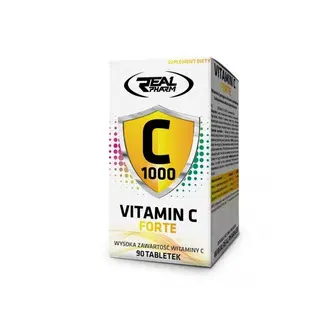
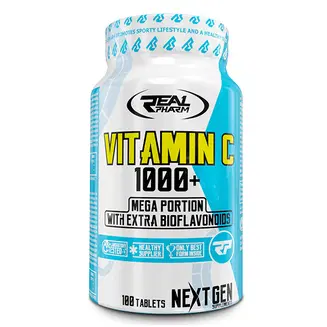
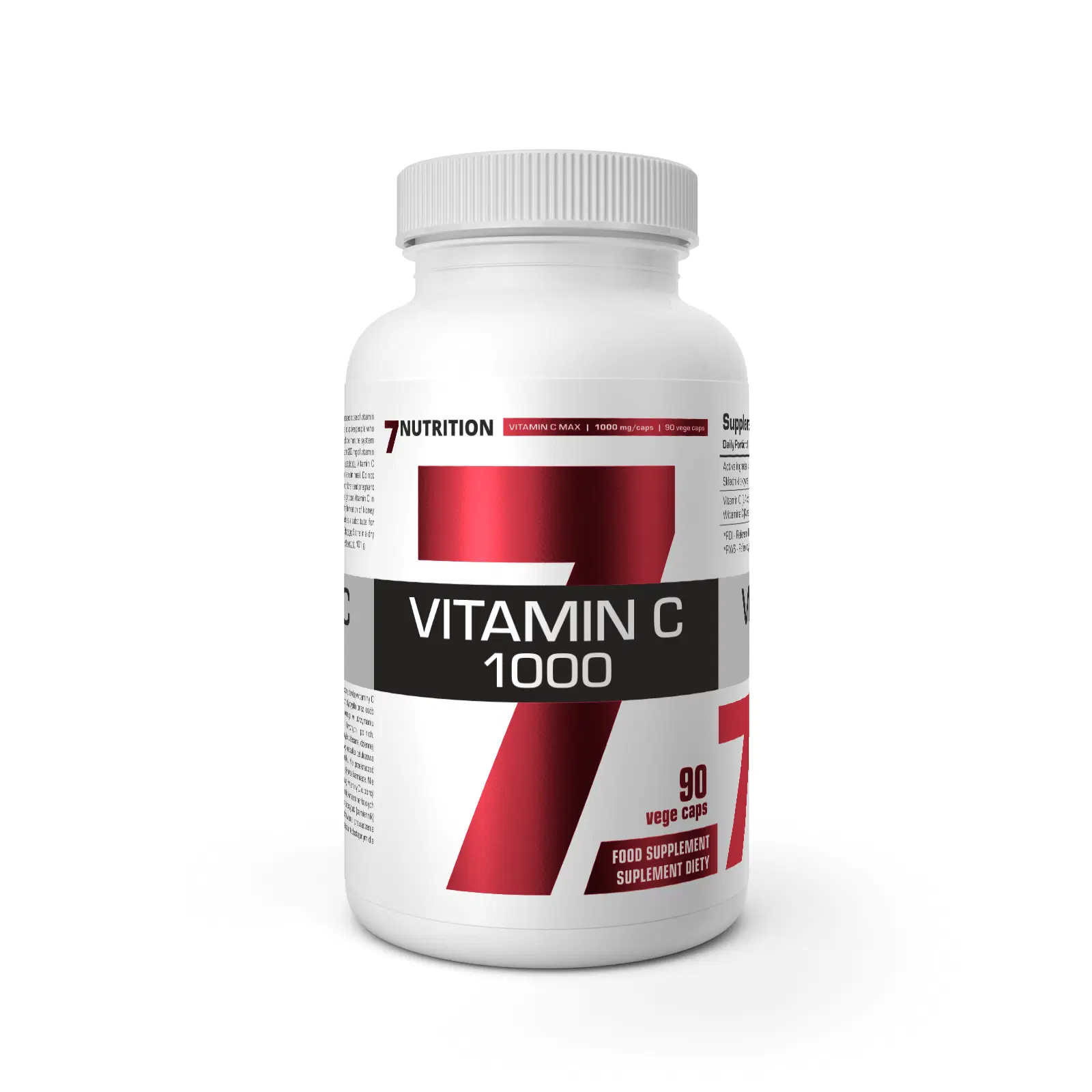
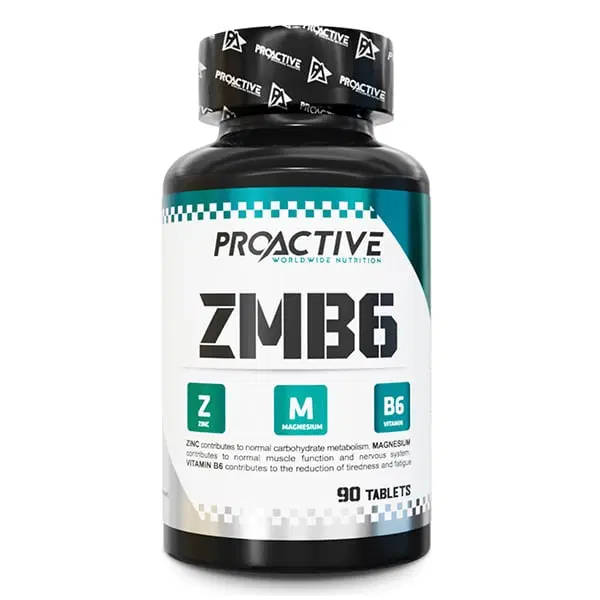
Recommended products
Frequently asked questions
Can Vitamin C and Zinc be taken together?
Yes, they can, but for optimal absorption, it is recommended to take them at different times. Take Vitamin C with food (e.g., after training), and Zinc in the evening, on an empty stomach or at least 2 hours after a meal, to avoid stomach discomfort and interactions with other minerals like calcium and iron.
Which is better for beginners - Vitamin C or Zinc?
Both are essential nutrients, but if you have to choose only one, Zinc is often more critical for beginners. It directly supports muscle recovery and hormonal response to training. Vitamin C can easily be obtained from a balanced diet, while zinc deficiency is more common among actively training individuals.
When is the best time to take Vitamin C and Zinc?
The best practice is: Vitamin C is taken after training or with food during the day to support recovery from oxidative stress. Zinc is taken in the evening before bed, on an empty stomach, to maximize absorption and support recovery and hormonal regulation processes during the night.
Are there side effects from taking Vitamin C or Zinc?
Yes. High doses of Vitamin C (over 2000 mg/day) can cause gastrointestinal discomfort and diarrhea. Excessive intake of Zinc (over 40-50 mg/day long-term) can lead to nausea, vomiting, and disrupt copper absorption, leading to deficiency.
What is the recommended dosage of Vitamin C and Zinc?
For actively training individuals, the recommended doses are higher than standard. For Vitamin C: 500-1000 mg daily. For Zinc: 15-30 mg of elemental zinc daily, and it is important to choose a form with high bioavailability such as picolinate, bisglycinate, or citrate.