Γλουταμίνη εναντίον Γλουταμινικού οξέος: Ενεργειακό απόθεμα έναντι Νευρωνικού διακόπτη
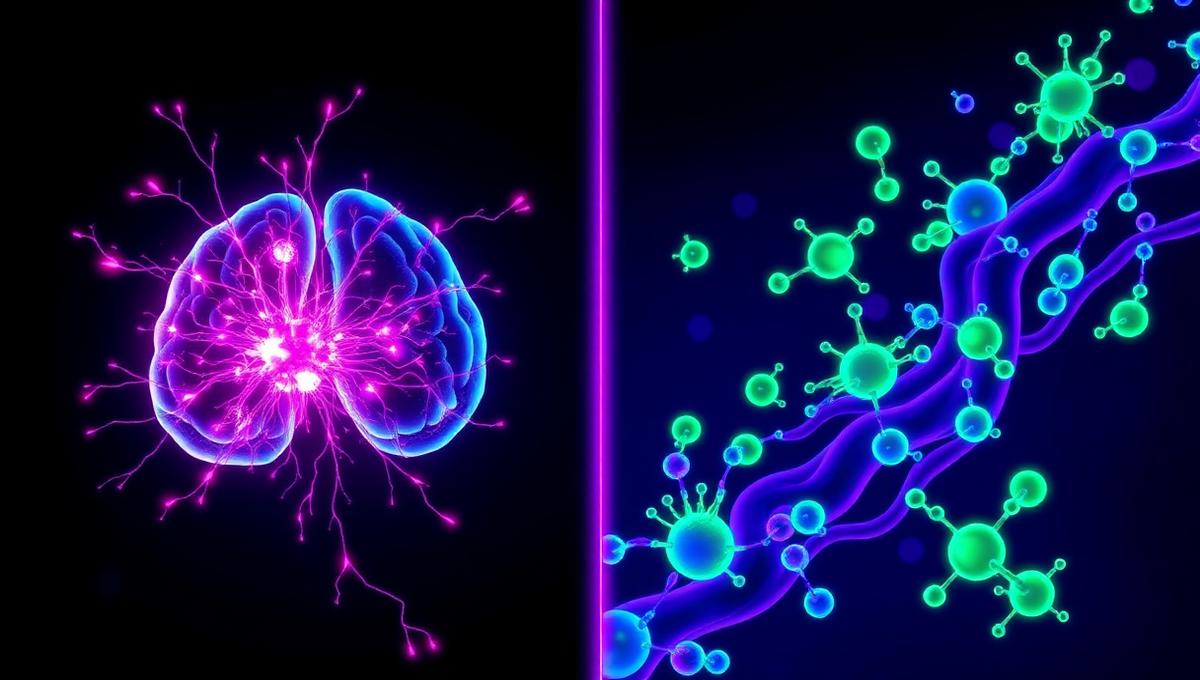
Η γλουταμίνη υποστηρίζει τη σωματική αποκατάσταση, ενώ το γλουταμινικό οξύ (γλουταμινικό) είναι ζωτικής σημασίας για τις νοητικές διεργασίες. Το σώμα τα μετατρέπει, αλλά το καθένα έχει συγκεκριμένους ρόλους.
Кратък отговор: Глутаминът е гориво за възстановяване и имунитет (5-10г дневно за атлети), докато глутаминовата киселина (глутамат) е невронен превключвател, отговорен за 90% от синаптичните връзки в мозъка. Тялото превръща едното в другото, за да поддържа баланс и детоксикация на амоняк. Практически съвет: За спортни цели приемайте L-Глутамин като добавка, а глутаминова киселина си набавяйте чрез умами-богати храни като домати и пармезан.
Тялото ни непрекъснато превръща тези две молекули една в друга, но функциите им се различават. Едната зарежда физическото възстановяване, а другата е нужна за мисловните процеси.
За повече информация можеш да прегледаш пълния наръчник за спортни добавки — над 270 статии, проверени от Петър Митков и екипа на Sport Zona.
Какво представлява сравнението: "Сигнал срещу Логистика"?
Глутаминът и глутаминовата киселина изпълняват различни биохимични роли: глутаминовата киселина действа като възбуждащ невротрансмитер, докато глутаминът е азотен транспортьор и клетъчно гориво.
Какъв е метаболитният цикъл?
Цикълът Глутамат-Глутамин представлява елегантен механизъм, който описва сложните взаимодействия между глутамат и глутамин в човешкото тяло.
Казано просто: Ако искаме да разберем как работи енергията в тялото, трябва да проследим целия процес на горивото – от началото до края.
Научни източници
- Newsholme EA, Crabtree B, Ardawi MSM. (1985) - Метаболизъм на глутамин в лимфоцитите: неговото биохимично, физиологично и клинично значение. (DOI: 10.1016/0006-2952(85)90013-1)
- Meldrum BS. (2000) - Глутамат като невротрансмитер в мозъка: преглед на физиологията и патологията. (DOI: 10.1007/s004060070002)
- Cruzat V, Rogero M, Keane KN, и колектив. (2018) - Глутамин: Метаболизъм и имунна функция, приема на добавки и клиничен превод. (PMID: 30141153)
- Zhou Y, Ni Z, Ding H, и колектив. (2019) - Взаимодействието между глутамин и глутамат при рак. (PMID: 31213038)
Експертна бележка
Често наблюдавам объркване между глутаминова киселина и глутамин, особено когато става въпрос за избора на добавки. Погрешно е да се приписват неврологичните функции на глутаминовата киселина на L-глутамина, който е за възстановяване на мускулите и имунната система.
1. Глутамат: Нужен за мисловните процеси
Глутаматът отговаря за над 90% от синаптичните връзки в човешкия мозък.
Когнитивна функция: Без глутамат не бихме могли да учим, да помним или да реагираме бързо. Той стимулира невроните да изпращат информация.
Рискове: Много глутамат е токсичен. Той уврежда невроните (ексцитотоксичност), което се свързва със заболявания като Алцхаймер и епилепсия. Тялото решава това, превръщайки излишния глутамат в "безопасен" глутамин.
2. Глутамин: Преносител на азот
Глутаминът е най-важният преносител на азот в тялото. Когато мускулите работят интензивно, те отделят амоняк (токсичен отпадък).
Детоксикация: Тялото свързва амоняка с глутаминовата киселина, създавайки глутамин. Така токсините се пренасят безопасно до черния дроб и бъбреците за изхвърляне.
Регенерация: Клетки с бързо делене (имунни клетки и чревни ентероцити) се нуждаят от повече от глюкоза. Те използват глутамин, за да поддържат здрави телесните бариери.
Как се осъществява превръщането?
Превръщането е химично равновесие, което тялото поддържа чрез два основни ензима.
Глутамин синтетаза: Превръща глутамата (сигнал) в глутамин (резерв). Така тялото "чисти" мозъка и складира енергия.
Глутаминаза: Разгражда глутамина обратно до глутамат, когато тялото се нуждае от сигнална мощ или киселинно-алкално регулиране в бъбреците.
Практически алгоритъм: Какво да приемаме?
Изберете ГЛУТАМИН (като добавка), ако:
- Целта ви е мускулно възстановяване и защита от катаболизъм.
- Имате стомашни проблеми (гастрит, колит, пропускливи черва).
- Тренирате интензивно и искате да подкрепите имунната си система.
- Преминавате през голям физически стрес или имате травма.
Изберете Глутаминова киселина (чрез храна), ако:
- Искате да подобрите вкуса на храната (естествено умами в пармезан, гъби, домати).
- Търсите естествена подкрепа за когнитивните функции и фокуса.
Важно: Рядко е нужна глутаминова киселина като добавка, тъй като тялото я произвежда в достатъчни количества, а диетата често я съдържа.
Препоръчан пакет
За пълноценно възстановяване и имунна подкрепа, комбинирайте 5-10 гр чист L-Глутамин след тренировка с 5 гр BCAA по време на тренировка.
Безопасно ли е MSG?
Мононатриевият глутамат (MSG) представлява натриева сол на глутаминовата киселина, която при някои хора може да предизвика „синдрома на китайския ресторант" (главоболие, изпотяване) поради рязко повишаване на нивата на глутамат в кръвта.
Баланс в мозъка: При високи дози глутамин, малка част може да премине кръвно-мозъчната бариера и да се превърне в глутамат. За повечето хора това е безопасно, но хора с епилепсия или специфични неврологични състояния трябва да се консултират с лекар.
Експертно заключение
За спортни цели приемайте L-Глутамин (5–10г дневно). Глутаминова киселина не е необходима като добавка – тялото я произвежда само. Придържайте се към разнообразна диета с богати на умами храни (домати, гъби, пармезан) за естествена подкрепа на когнитивните функции.
🧭 Кога кое да изберете?
- Изберете глутамин, ако целта ви е поддържане на мускулна маса, възстановяване след тренировка и подкрепа на имунната система.
- Изберете глутаминова киселина, ако искате да подобрите когнитивни функции, като растеж на косата и ноктите, или като прекурсор за синтез на други аминокиселини.
- Комбинирайте двете, ако търсите цялостна подкрепа за енергийния метаболизъм, мускулната функция и неврологичната активност.
📖 Какво е Глутамин и Глутаминова киселина?
Глутаминът е условно есенциална аминокиселина, която изпълнява множество функции в тялото, включително поддържане на червата и имунната функция. Глутаминовата киселина е невротрансмитер, който играе роля в ученето и паметта.
⚖ Предимства и недостатъци
| Предимства | Недостатъци |
|---|---|
|
|
🗣 Обяснено просто
Глутаминът са запасите от енергия в тялото ти, които мускулите използват при активно натоварване или стрес. Глутаминовата киселина пък е като превключвател в мозъка, който помага за предаването на сигнали между нервните клетки. Глутаминът храни мускулите и помага за възстановяването им, а глутаминовата киселина е важна за мозъчната функция и настроение. Тя е като зареден акумулатор за мозъка.
Избери правилния продукт за твоята цел:
→ Глутамин на прах или капсули
→ Комплекс от аминокиселини (включително глутамин)
→ Витамини и минерали (особено Б-комплекс)
Комбиниран протокол за максимална ефективност:
Комбинирането на продукти увеличава ефективността. По данни от Sport Zona практиката.
⚖ Кога да избереш Глутамин
- При интензивни тренировки за мускулно възстановяване и защита от катаболизъм.
- При стомашни проблеми (гастрит, колит) или синдром на пропускливите черва.
- За подкрепа на имунната система при спортисти с високи натоварвания.
- В периоди на голям физически стрес или след травма.
⚖ Кога да избереш Глутаминова киселина
- За подобряване на когнитивните функции и фокусиране по време на състезание.
- За естествено подсилване на вкуса на храна, богата на умами (пармезан, гъби).
- Когато атлетът търси подкрепа за памет и бърза реакция при учене.
- При нужда от повишено внимание, но без директен прием като добавка.
Експертна бележка от Sport Zona
От моят опит през годините с български атлети, ясно виждам, че глутаминът е добавка, на която не се обръща достатъчно внимание, а има капацитета значително да подпомогне възстановяването. Често съветвам клиентите си, особено тези с високо интензивни тренировки, да го интегрират. Резултатите, които наблюдавам, са почти винаги положителни по отношение на намаляване на мускулната умора и поддържане на имунната система.
Προτεινόμενα προϊόντα
Συχνές ερωτήσεις
Ποια μορφή (γλουταμίνη ή γλουταμικό οξύ) είναι καταλληλότερη για αθλητικούς σκοπούς και αποκατάσταση;
Για αθλητικούς σκοπούς και για την υποστήριξη της μυϊκής αποκατάστασης, η L-γλουταμίνη είναι η προτεινόμενη επιλογή. Λειτουργεί ως μεταφορέας αζώτου, υποστηρίζει το ανοσοποιητικό σύστημα και έχει αντικαταβολική δράση.
Υπάρχουν παρενέργειες από τη λήψη γλουταμίνης ή γλουταμικού οξέος;
Η γλουταμίνη θεωρείται ασφαλής σε ευρείες ποσότητες. Ωστόσο, υπερβολικές ποσότητες γλουταμινικού μπορεί να οδηγήσουν σε διεγερτική τοξικότητα, η οποία επηρεάζει το νευρικό σύστημα. Άτομα με συγκεκριμένες νευρολογικές παθήσεις πρέπει να είναι προσεκτικά με υψηλές δόσεις γλουταμίνης.
Πότε συνιστάται η λήψη γλουταμίνης ως συμπλήρωμα;
Η γλουταμίνη ως συμπλήρωμα είναι χρήσιμη σε έντονες προπονήσεις, σε προβλήματα του στομάχου (όπως κολίτιδα ή διαρρέον έντερο), καθώς και σε περιόδους έντονου σωματικού στρες ή ανάρρωσης από τραυματισμό.
Χρειάζεται να λαμβάνω γλουταμικό οξύ ως συμπλήρωμα;
Συνήθως δεν είναι απαραίτητο να λαμβάνετε γλουταμικό οξύ ως συμπλήρωμα, καθώς το σώμα το παράγει σε επαρκείς ποσότητες. Βρίσκεται επίσης φυσικά στη γεύση umami σε τρόφιμα όπως οι ντομάτες, τα μανιτάρια και η παρμεζάνα.