Densitate nutrițională
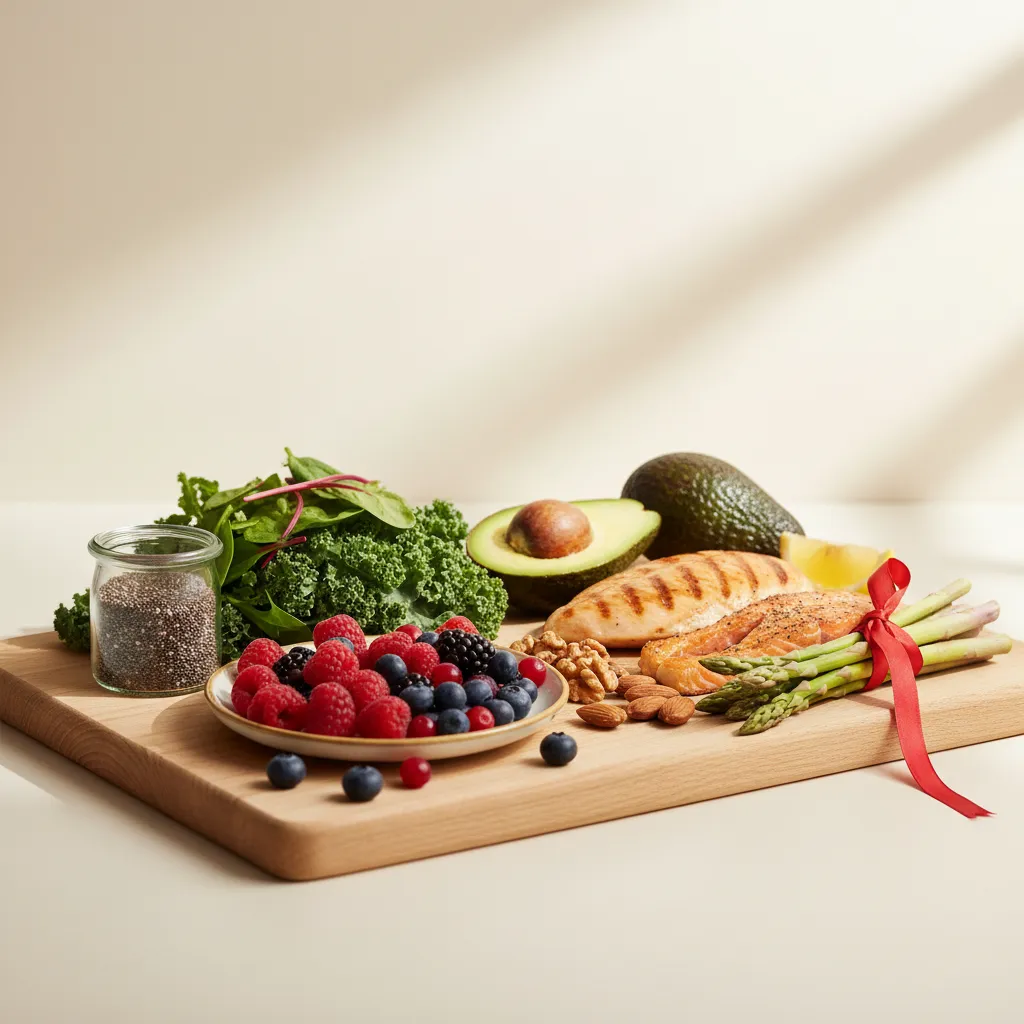
Кратка експертна дефиниция: какво е Хранителна плътност, как работи в организма и как се прилага в спортното хранене. Хранителната плътност се отнася до съотношението на хранителните вещества (витамини, минерали, фибри, протеини) спрямо калориите в дадена храна. Храните с висока хранителна плътност осигуряват голямо количество хранителни вещества при относително малко калории. Обратно, храните с ниска хранителна плътност са богати на калории, но бедни на основни хранителни вещества. **Как работи в организма:** Храните с висока хранителна плътност подпомагат цялостното здраве, като осигуряват необходимите градивни елементи за различни телесни функции. Тези хранителни вещества участват в енергийния метаболизъм, възстановяването на тъканите, имунната функция и поддържането на оптимално здраве. Консумацията на храни с висока хранителна плътност може да помогне за контрол на теглото, тъй като те често са по-засищащи поради съдържанието на фибри и протеини, което води до по-малък общ прием на калории. **Приложение в спортното хранене:** В спортното хранене, хранителната плътност е ключов фактор за оптимизиране на представянето и възстановяването. Спортистите се нуждаят от достатъчно количество енергия, но също така и от широк спектър от хранителни вещества за поддържане на мускулната функция, енергийните нива и здравето на костите. * **Енергия и възстановяване:** Храните с висока хранителна плътност, като плодове, зеленчуци, пълнозърнести храни, постни протеини и здравословни мазнини, осигуряват необходимите витамини и минерали, които подпомагат енергийния метаболизъм и процесите на възстановяване след тренировка. Например, магнезият от зеленолистните зеленчуци е важен за мускулната функция, а витамин С от цитрусовите плодове подпомага имунната система. * **Контрол на теглото:** За спортисти, които трябва да поддържат определено тегло или телесен състав, изборът на храни с висока хранителна плътност позволява задоволяване на хранителните нужди без излишни калории, което е от съществено значение за постигане на оптимално представяне. * **Хидратация и електролити:** Много храни с висока хранителна плътност, като диня и краставици, допринасят и за хидратацията, като същевременно доставят важни електролити като калий. В обобщение, разбирането и прилагането на принципа на хранителната плътност е от съществено значение както за общото здраве, така и за постигане на върхови спортни резултати.
Răspuns scurt: Densitatea nutrițională este raportul dintre nutrienți și calorii, alimentele cu densitate mare oferind mai multe vitamine, minerale și fibre pentru mai puține calorii, ceea ce este crucial pentru sportivii cu nevoi crescute de micronutrienți. De exemplu, aportul adecvat de fier (8-18 mg/zi) și calciu (1000-1300 mg/zi) este mai ușor de realizat prin astfel de alimente. Sfat practic: Alegeți carne slabă, pește, ouă, lactate și legume cu frunze verzi pentru a optimiza recuperarea și performanța, fără a depăși aportul caloric.
Densitatea nutrițională este o caracteristică a alimentelor prin care se evaluează raportul dintre nutrienți și calorii, utilizând valori de referință.
Lectură suplimentară: ghidul complet de nutriție sportivă — un ghid esențial de la echipa de experți Sport Zona.
Ce este densitatea nutrițională?
Densitatea nutrițională reprezintă un indicator al cantității de nutrienți conținută într-un aliment în raport cu conținutul său caloric.
📖 Densitatea nutrițională
Densitatea nutrițională măsoară raportul dintre nutrienții benefici (vitamine, minerale, proteine, fibre) și conținutul caloric al unui aliment.
Densitatea nutrițională este un concept care descrie concentrația de nutrienți benefici într-un aliment, în raport cu contribuția sa energetică. Este o măsură a cantității de vitamine, minerale, proteine, grăsimi sănătoase și fibre furnizate de aliment per unitate de calorii. Alimentele cu densitate nutrițională ridicată oferă o cantitate semnificativă de micronutrienți și alte compuși bioactivi, având în același timp un conținut relativ scăzut de calorii „goale”, provenite din zaharuri adăugate, grăsimi saturate sau cantități excesive de carbohidrați rafinați.
Înțelegerea densității nutriționale este fundamentală pentru construirea unui regim alimentar echilibrat și de susținere a obiectivelor sportive. Permite indivizilor să facă alegeri informate, preferând produsele care maximizează aportul de nutrienți esențiali fără a depăși aportul caloric necesar. Acest lucru este deosebit de critic pentru sportivii ale căror nevoi de micronutrienți sunt adesea crescute din cauza antrenamentelor intense și a proceselor de recuperare.
Ce este densitatea nutrițională?
Principiul densității nutriționale se bazează pe optimizarea aportului de micronutrienți fără calorii inutile, menținând o compoziție corporală și o greutate adecvate și îmbunătățind recuperarea și performanța sportivă, reducând riscul de deficiențe nutriționale. Dezavantajele includ necesitatea cunoștințelor despre profilul nutrițional al produselor și faptul că nu toate alimentele cu densitate mare sunt ușor accesibile sau convenabile pentru consum, precum și faptul că anumiți nutrienți pot fi afectați de antinutrienți, modificând densitatea efectivă.
- Optimizează aportul de micronutrienți fără calorii inutile.
- Menține o compoziție corporală și o greutate adecvate.
- Îmbunătățește recuperarea și performanța sportivă.
- Reduce riscul de deficiențe nutriționale.
Dezavantaje
- Necesită cunoștințe despre profilul nutrițional al produselor.
- Nu toate alimentele cu densitate mare sunt ușor accesibile sau convenabile pentru consum.
- Anumiți nutrienți pot fi afectați de antinutrienți, modificând densitatea efectivă.
Principiul densității nutriționale se bazează pe compararea profilului nutrițional al unui aliment cu conținutul său caloric. Alimentele sunt considerate mai dense dacă oferă o cantitate mare de vitamine, minerale, fibre și alți compuși bioactivi pentru un număr relativ mic de calorii. Invers, alimentele cu densitate nutrițională scăzută sunt bogate în calorii, dar sărace în nutrienți esențiali.
Evaluarea densității nutriționale poate fi realizată pe baza mai multor criterii. Nutrienții individuali (de exemplu, vitamina C la 100 de calorii) pot fi calculați, sau se poate utiliza o abordare mai complexă, luând în considerare multipli micronutrienți simultan. Scopul este de a identifica alimentele care oferă beneficii nutriționale maxime pentru fiecare calorie consumată, optimizând astfel aportul nutrițional fără un exces de energie. Acest lucru este esențial pentru menținerea unui organism sănătos și a unei performanțe sportive ridicate.
De ce este importantă densitatea nutrițională pentru sportivi?
Pentru sportivi, densitatea nutrițională este vitală, deoarece nevoile lor energetice și nutriționale sunt semnificativ crescute din cauza antrenamentelor intense. Prin alimente cu densitate nutrițională ridicată, sportivii își asigură vitaminele și mineralele necesare (ex. zinc, magneziu, fier, vitamine din complexul B) fără a depăși aportul caloric țintă.
De exemplu, Societatea Internațională de Nutriție Sportivă (ISSN) recomandă un aport de proteine de 1,6-2,2 g/kg greutate corporală pentru sportivi, iar aceste proteine ar trebui să fie de înaltă calitate și să provină din surse cu densitate nutrițională mare, cum ar fi carnea slabă, peștele, ouăle și produsele lactate. Aportul adecvat de minerale precum fierul (bărbați: 8 mg/zi; femei: 18 mg/zi), vital pentru transportul oxigenului, și calciul (1000-1300 mg/zi), critic pentru sănătatea oaselor, este mai ușor de realizat prin opțiuni cu densitate nutrițională mare, cum ar fi legumele cu frunze verzi, leguminoasele și alimentele fortificate. Alegerea alimentelor cu densitate nutrițională ridicată permite sportivilor să optimizeze recuperarea, să îmbunătățească rezistența și forța și să reducă riscul de deficiențe care ar putea compromite performanța și sănătatea generală.
Ce concepte sunt legate de densitatea nutrițională?
Conceptele legate de densitatea nutrițională includ alimentele integrale, care sunt o sursă naturală bogată de nutrienți și apă, echilibrul energetic, în care densitatea nutrițională ajută la menținerea nutrienților necesari fără calorii inutile, antinutrienții, care pot reduce biodisponibilitatea nutrienților, și alimentele ultra-procesate, care au, în general, o densitate nutrițională scăzută.
Pentru persoanele care practică sport activ, cel puțin 80% din aportul caloric zilnic ar trebui să provină din surse cu densitate nutrițională mare, pentru a asigura micronutrienți adecvați pentru recuperare și funcționare corectă. — Petar Mitkov
De reținut: Prioritizarea alimentelor cu densitate nutrițională ridicată este esențială pentru sportivi, asigurând aportul maxim de nutrienți pentru fiecare calorie și susținând sănătatea și performanța sportivă de top.
Notă expertă de la Sport Zona
Din experiență, știu că efectul alimentației cu densitate nutrițională ridicată este palpabil. Atleții care se concentrează pe surse de hrană de calitate prezintă o recuperare mai bună și o performanță generală mai bună la antrenamente. Acest lucru este esențial pentru atingerea rezultatelor pe termen lung.
Produse recomandate
Întrebări frecvente
Ce înseamnă densitatea nutrițională?
Densitatea nutrițională indică câți nutrienți benefici (vitamine, minerale, fibre) se găsesc într-un aliment în raport cu valoarea sa calorică. Alimentele cu densitate mare oferă mai mulți nutrienți pentru mai puține calorii.
De ce este importantă densitatea nutrițională pentru sportivi?
Este esențială pentru sportivi, deoarece le permite să-și satisfacă nevoile crescute de vitamine și minerale pentru recuperare și performanță, fără a consuma calorii în exces. Acest lucru ajută la menținerea unei compoziții corporale optime.
Ce alimente au o densitate nutrițională mare?
Alimente precum legumele cu frunze verzi, fructele, leguminoasele, carnea slabă, peștele, ouăle și produsele lactate sunt exemple de alimente cu densitate nutrițională mare. Acestea oferă mulți nutrienți esențiali la un conținut caloric relativ scăzut.
Cum pot crește densitatea nutrițională a dietei mele?
Concentrați-vă pe includerea mai multor legume, fructe, cereale integrale și surse de proteine slabe în fiecare masă. Reduceți consumul de alimente cu valoare calorică mare, dar densitate nutrițională scăzută, cum ar fi dulciurile și produsele procesate.