Core stabilizasyonu ve braceleme
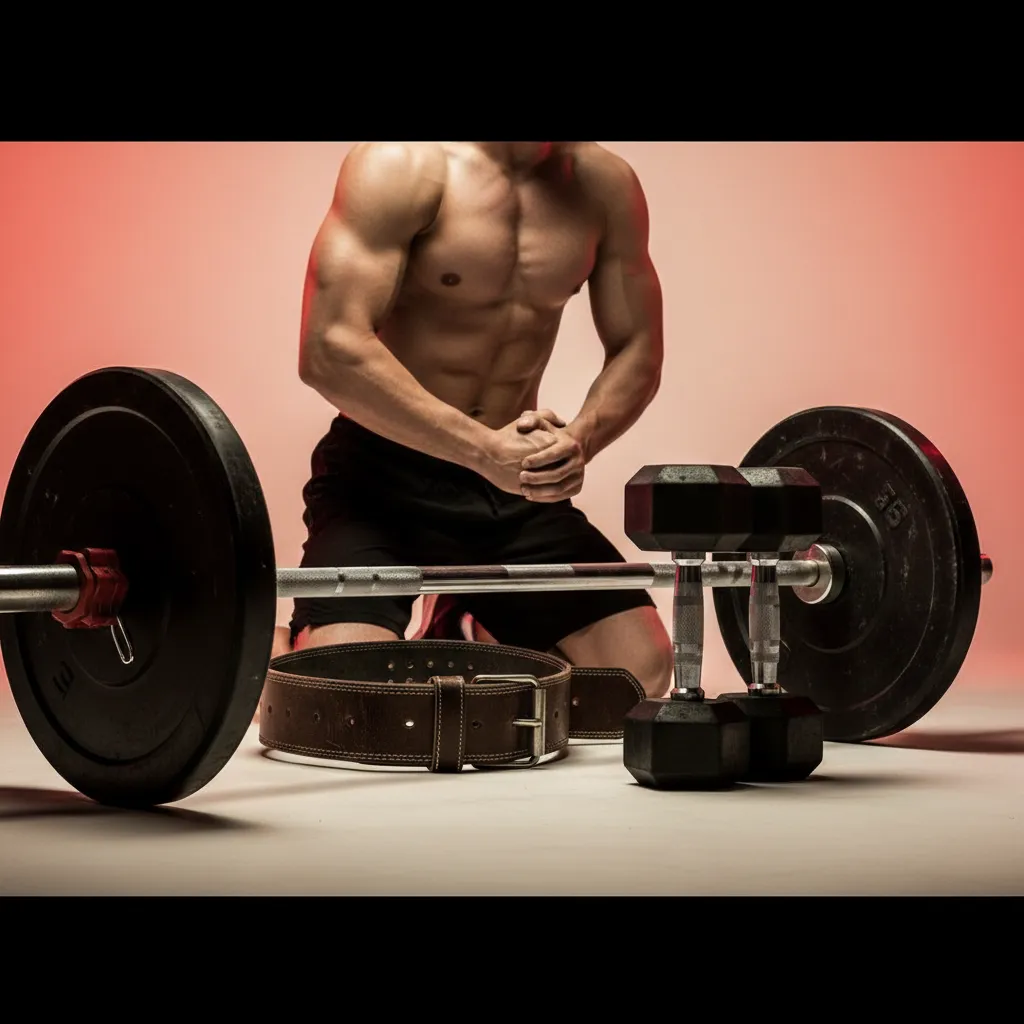
Core stabilizasyonu ve bracing, omurgaya destek sağlayarak ve yaralanmaları önleyerek kuvvet antrenmanları için kritik öneme sahiptir. Makale bu kavramları, "hollow body" ile aralarındaki farkları ve bunları karmaşık egzersizlerde nasıl etkili bir şekilde uygulayacağımızı açıklamaktadır.
Kısa Cevap: Core stabilizasyonu, derin karın kaslarının aktivasyonudur ve bracing, bileşik hareketlerde güvenlik ve güç için anahtar olan tüm karın bölgesinin gerilmesidir.
Core stabilizasyonu ve bracing, fiziksel aktivite sırasında, özellikle ağırlık kaldırırken bel omurgasını (bel) ve pelvik kuşağı sabitleyen ve stabilize eden bir dizi tekniktir. Core stabilizasyonu, derin stabilize edici kasların (transversus abdominis kas, multifidus, pelvik taban, diyafram) koordineli aktivasyonunu ifade ederken, bracing, karın duvarının tamamını gererek intra-abdominal basınç (IAP) oluşturmayı içeren daha geniş kapsamlı bir süreçtir ve kısa süreliğine nefes tutmayı içerir (Valsalva manevrası).
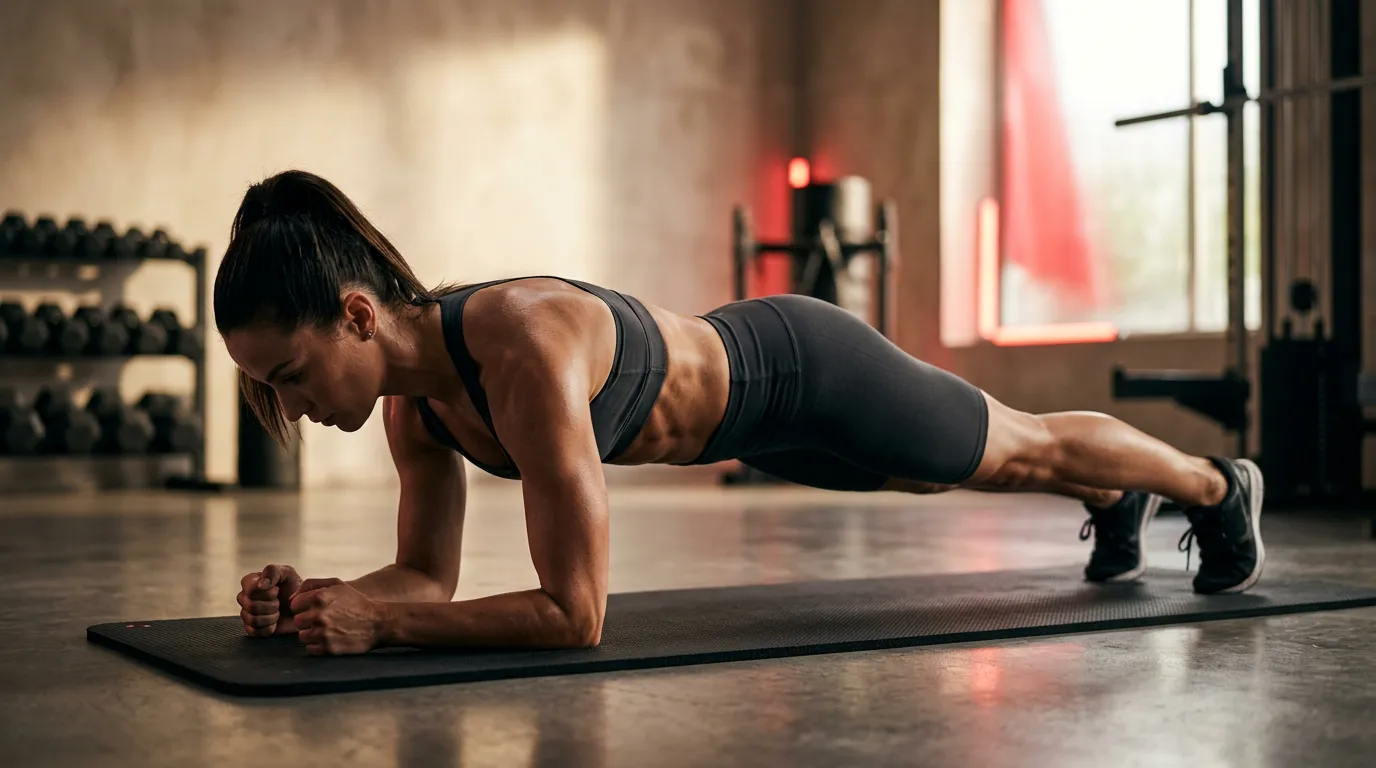
Core stabilizasyonu neden bu kadar önemlidir?
Basitçe söylemek gerekirse: Core stabilizasyonu, hareket sırasında vücudunuzu sıkı ve sabit tutma, sakatlanmayı önlemek ve daha güçlü olmak için belinizdeki kasları kullanma sanatıdır.
Core stabilizasyonu, etkili ve güvenli antrenmanların temelidir. Stabil bir "core" olmadan, vücut uzuvlardan güç aktarımında verimliliğini kaybeder, bu da daha düşük sonuçlara ve artan sakatlanma riskine yol açar. Core kasları, omurgayı istenmeyen hareketlerden ve sıkışmadan koruyan doğal bir korse görevi görür. Omurga biyomekaniği konusunda önde gelen uzmanlardan Dr. Stuart McGill, yeterli core stabilitesinin sırt sağlığı ve gücü için "karın kası egzersizlerinden" daha önemli olduğunu vurgulamaktadır.
Core Stabilizasyonu ve Hollow Body – Fark Nedir?
Her iki teknik de karın kaslarını devreye soksa da, farklı amaçları ve mekanizmaları vardır:
Core Stabilizasyonu: Odak noktası omurganın nötr pozisyonudur. Amaç, belin fizyolojik sınırları içinde, bükülme veya aşırı düzleşme olmadan bel eğrisini (lordoz) korumaktır. Karın şeklini önemli ölçüde görsel olarak değiştirmeyen, ancak omurga etrafında iç sertlik sağlayan derin kasların aktivasyonunu içerir.
Hollow Body: Jimnastik ve kalistenikte yaygın olan bu teknik, karnı güçlü bir şekilde içeri çekmeyi ve bel eğrisini düzleştirmeyi (omurganın geriye doğru bükülmesi - posterior pelvik tilt) içerir. Amaç, omuzlardan ayak parmaklarına kadar tek, sert bir yay oluşturmaktır, bu da plank, mekik veya el duruşları gibi vücudun bir bütün olarak stabil olması gereken belirli egzersizler için uygundur.
Bracing tekniği nedir – adım adım?
Bracing tekniği, omurgayı stabilize etmek için karın ve gövde kaslarının aktivasyon sürecini temsil eden büyük ağırlıklar kaldırırken temel bir tekniktir.
- Nefes Alma: Göğsünüze, ancak karnınıza da derin bir nefes alın, sanki karın duvarlarınızı dışarı itmeye çalışıyormuş gibi. Diyaframın indiğini hissedin.
- Gerilim: Derin bir nefes aldıktan sonra, tüm karın kaslarınızı güçlü bir şekilde gerin – sanki biri karnınıza vuracakmış gibi. Bu, belin etrafında bir basınç "kemeri" hissi yaratmalıdır.
- Kilitleme: Ağırlığı kaldırma süresi boyunca (eksantrik ve konsantrik faz) nefesinizi ve gerilimi tutun.
- Nefes Verme: Ağırlığı kaldırmayı bitirdikten ve ağırlık stabil bir pozisyonda olduktan sonra nefes verin. Bu, Valsalva manevrası olarak bilinir.
Hangi bileşik egzersizlerde bracing uygulanır?
Bracing, temel güç egzersizleri için vazgeçilmez bir tekniktir.
| Egzersiz | Bracing Uygulaması | Yaygın Hatalar |
|---|---|---|
| Squat (Çömelme) | İnmeden önce derin nefes alın ve karnınızı sıkın. Hareket boyunca gerilimi koruyun. | İnme veya kalkma sırasında nefes verme, karın kaslarını gevşetme. |
| Deadlift (Ağırlık Kaldırma) | Yerden kaldırmadan önce maksimum nefes alın ve sıkın. Karın taş gibi olmalı. | Yetersiz intra-abdominal basınç nedeniyle sırtın yuvarlaklaşması, hareket sırasında nefes alma. |
| Overhead Press (Baş Üstü Baskı) | Barı başınızın üzerine itmeden önce. Gövdeyi stabilize etmeye yardımcı olur ve belin aşırı bükülmesini önler. | Sakatlanmalara yol açabilen belin geriye doğru bükülmesi. |
Bracing'in artıları ve eksileri nelerdir?
Bracing, bel omurgasını yaralanmalardan korur, güç ve patlayıcılığı artırır, hareket sırasında stabiliteyi iyileştirir, daha ağır ağırlıkların kaldırılmasına izin verir ve "core" için zihin-kas bağlantısını geliştirir. Ancak, kan basıncını geçici olarak yükseltir (Valsalva manevrası), bu da onu belirli kardiyovasküler hastalığı olan kişiler için uygunsuz hale getirir. Yanlış uygulanması baş dönmesine veya bilinç kaybına neden olabilir ve her egzersiz veya hafif ağırlık için kullanılmamalıdır.
- Bel omurgasını yaralanmalardan korur.
- Güç ve patlayıcılığı artırır.
- Hareket sırasında stabiliteyi iyileştirir.
- Daha ağır ağırlıkların kaldırılmasına izin verir.
- "Core" için zihin-kas bağlantısını geliştirir.
- Kan basıncında geçici artış (Valsalva manevrası).
- Belirli kardiyovasküler hastalığı olan kişiler için uygun değildir.
- Yanlış uygulanması baş dönmesine veya bilinç kaybına neden olabilir.
- Her egzersiz veya hafif ağırlık için kullanılmamalıdır.
Valsalva manevrasını kimler yapmamalıdır?
Etkili olmasına rağmen, Valsalva manevrası herkese göre değildir. Ciddi kardiyovasküler hastalığı, yüksek tansiyon, glokom veya fıtığı olan kişiler bu tekniği uygulamadan önce bir doktora danışmalıdır. Ancak, bu tür durumlar mevcut olsa bile, tam nefes tutma yerine kontrollü nefes verme ile modifiye edilmiş bracing uygulanabilir.
Sport Zona Akademisi'nin fitness rehberlerinde daha fazlasını görün.
Sport Zona'dan Uzman Notu
12 yılı aşkın Bulgar sporcularla çalışma deneyimimde, yanlış core stabilizasyonunun bel ağrısının bir numaralı nedeni olduğuna defalarca tanık oldum. Squat gibi temel egzersizlerde bile vücut içgüdüsel olarak telafi edici hareketler arar, bu da verimsizliğe ve yüksek sakatlanma riskine yol açar. Doğru bracing tekniklerinin uygulanması, antrenman sürecinin etkinliğini ve güvenliğini tamamen değiştirebilir. Bunları öğrenmek sabır ve doğru rehberlik gerektirir, ancak sonuçlar buna değer.
Sport Zona Akademisi'nin fitness rehberlerinde daha fazlasını görün.
Önerilen ürünler



Sıkça sorulan sorular
Core kaslarımı ne sıklıkla çalıştırmalıyım?
Core kasları neredeyse tüm egzersizlerde rol oynar. Özel core egzersizleri haftada 2-3 kez yapılabilir, ancak vurgu, ana bileşik hareketler sırasında doğru aktivasyona yapılmalıdır.
Bracing yerine ağırlık kaldırma kemeri kullanabilir miyim?
Kemer, baskı geri bildirimi sağlayarak bracing'e yardımcı olan bir araçtır. İç stabilizasyon ihtiyacını ikame etmez. Yeni başlayanlar, bir kemere bağımlılık yaratmamak için önce kemer olmadan bracing yapmayı öğrenmelidir.
Ağırlık olmadan core stabilitesini çalıştırmanın en iyi yolu nedir?
Bird-Dog, Pallof Press, Plank (özellikle yan veya anti-rotasyonel yükleme modifikasyonları) ve dead bugs gibi egzersizler, ek ağırlık olmadan core stabilitesini oluşturmak için mükemmeldir. Hareket kontrolünü ve stabilize edici kasların dayanıklılığını vurgularlar.
Karın "sıkma" ve karın "içeri çekme" arasında bir fark var mı?
Evet, önemli bir fark vardır. "Drawing-in maneuver" (içeri çekme manevrası), göbek deliğini omurgaya doğru çekerek öncelikle transversus abdominis kasını aktive eder. Bu, core stabilizasyonunun bir parçasıdır ancak bracing için yeterli değildir. "Bracing" (sıkma), karın hacmini önemli ölçüde değiştirmeden, karın boşluğunda genel bir basınç oluşturarak tüm karın kaslarının aktivasyonunu içerir ve karını davul gibi sert hale getirir.