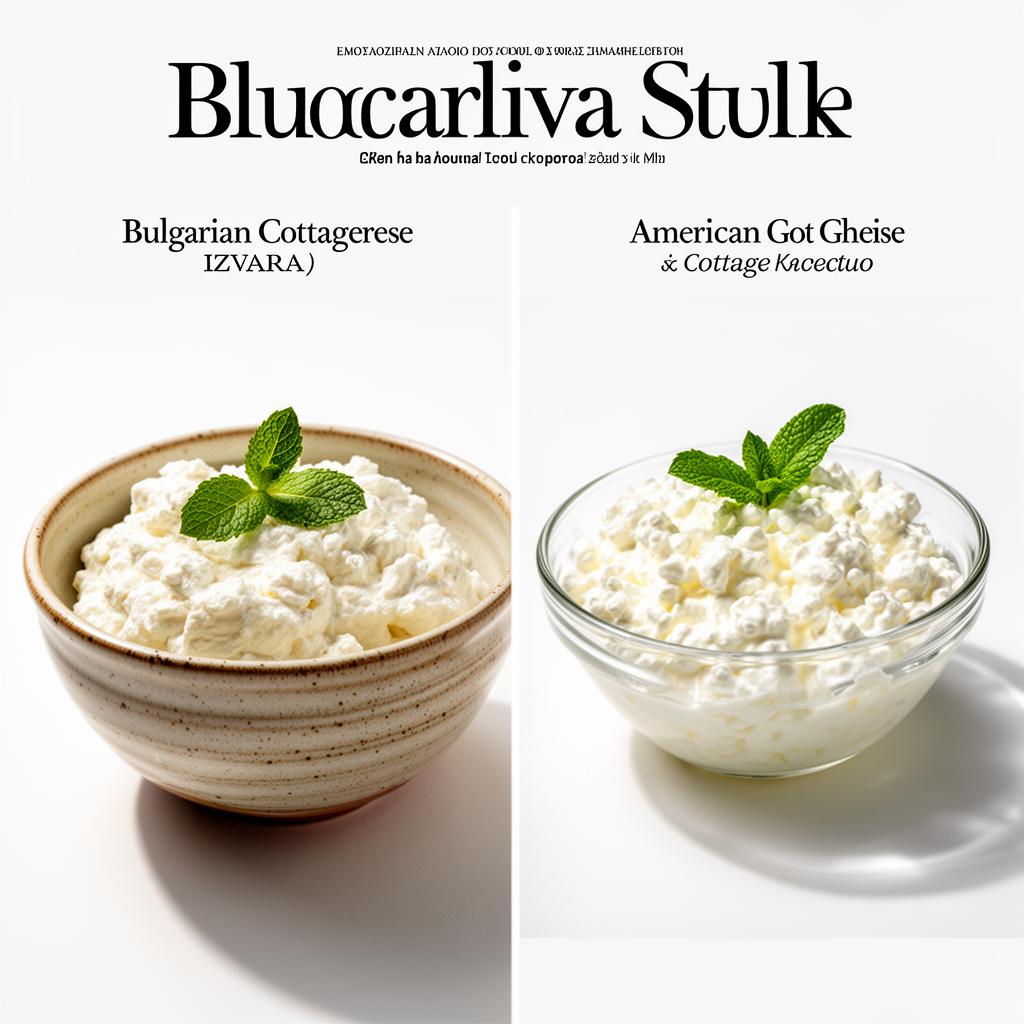
For serious trainers, cottage cheese and curd cheese are not just dairy products, but strategic sources of micellar casein. In 2026, sports nutraceuticals emphasize the concept of "time-release" of amino acids, where these products take a leading position due to their ability to form a "gel" in the stomach, providing a smooth flow of leucine to muscle cells.
📊 Comparison Matrix (per 100g)
| Characteristic | Bulgarian Curd Cheese | Cottage Cheese (4%) |
|---|---|---|
| Protein | 16.0 – 18.0 g | 10.0 – 12.0 g |
| Fat | < 1.0 g | 4.0 – 4.5 g |
| Carbohydrates | ~3.0 g | ~3.5 – 4.5 g |
| Sodium (Salt) | Very Low | 350–450 mg |
| Calcium (% DV) | 10% | 8% |
| Calories | ~85 kcal | ~100-110 kcal |
🧬 In-depth analysis of mechanisms
1. Curd Cheese: The Champion of "Clean" Muscle Building
Traditional curd cheese is obtained by thermal denaturation of whey proteins and residual casein.
💡 Simply put:
Curd cheese is like a "protein isolate" in the world of dairy products – maximum protein with minimal "empty" calories.
- Leucine Profile: Curd cheese offers one of the highest protein concentrations per 100 calories – an undisputed favorite during the "cutting" phase.
- Pure Phosphorus and Selenium: They work synergistically for bone density and antioxidant protection against oxidative stress.
2. Cottage Cheese: Electrolytes and Digestive Comfort
Cottage cheese is produced by adding lactic acid cultures that form curds, mixed with light cream.
🏋️ Observation from SportZone:
During HIIT and CrossFit training, athletes lose 400-800mg of sodium per hour through sweat. Cottage cheese can be a strategic tool for rehydration.
🛡️ Hidden Risks: Sodium and Hidden Sugars
⚠️ Beware of Water Retention:
Excessive consumption of cottage cheese immediately before a competition can lead to subcutaneous water retention.
- Added Starch: Some brands add modified starch or gums – always look for "clean label" products without additives.
- Lactose: Curd cheese contains less lactose due to heat treatment.
🛠️ Practical Selection Algorithm
Choose CURD CHEESE if:
- You are in a strict diet period (cutting)
- You are preparing protein pancakes
- You need maximum protein intake (bulking)
Choose COTTAGE CHEESE if:
- You are looking for a quick intermediate snack
- You train in hot weather with a lot of sweat
- You want higher fat content for hormonal balance
🧭 The "Recovery Anchor" Protocol (2026)
"Anti-Catabolic" Protocol (22:00):
150g curd cheese + 10g walnuts + cinnamon. The fats from the walnuts slow down casein absorption, providing a 7-hour amino acid supply.
"Electrolyte Refuel" Protocol (Post-workout):
Cottage cheese with cucumber and black pepper. Sodium and potassium restore the water-salt balance.
🔬 Expert Note:
Curd cheese contains significant amounts of glutamine – an amino acid that supports not only muscle recovery but also intestinal immune function, which is often compromised in elite athletes.