Yumurta Proteini vs. Bitkisel Protein: Biyolojik Değerlendirme ve Çevresel Sağlık
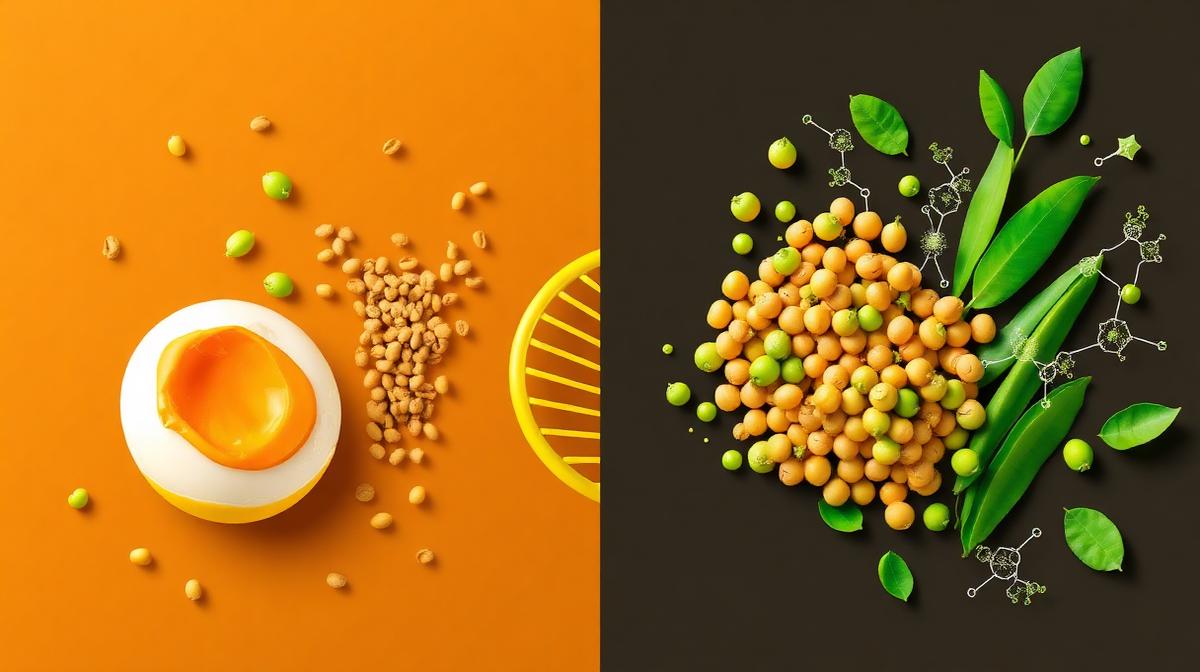
Yumurta ve bitkisel kaynaklar arasındaki seçim artık sadece etik bir mesele değil, stratejik bir kombinasyon meselesidir. Yumurta en yüksek sindirilebilirliği sunarken, bitkiler fitonutrientleri aracılığıyla "yaşlanma karşıtı" bir etki sunar.
Кратък отговор: Яйчният протеин (PDCAAS 1.0, BV 100) предлага максимална усвояемост и пълен аминокиселинен профил, докато растителните протеини допринасят с фибри, пребиотици и антиоксиданти за дълголетие. Комбинирайте леща + 1 яйце за пълноценен протеинов прием без нужда от добавки.
Изборът между яйца и растителни източници вече не е само въпрос на етика, а на стратегическо комбиниране. Докато яйцето предлага най-висока усвояемост, растенията предлагат „анти-стареене" ефект чрез своите фитонутриенти.
Тази статия е част от експертния хъб за хранителни добавки — над 270 експертно проверени статии от Петър Митков и екипа на Sport Zona.
Какви са качеството и усвояемостта на яйчния и растителния протеин?
Яйчният албумин е еталон за качество на протеина с PDCAAS резултат от 1.0 (максимален) и биологична стойност 100, докато растителният протеин има среден PDCAAS от 0.4 – 0.9 и биологична стойност 60 – 75 (освен соя и едамаме), но предлага високо съдържание на фибри и положително влияние върху микробиома, за разлика от яйчния, който е неутрален.
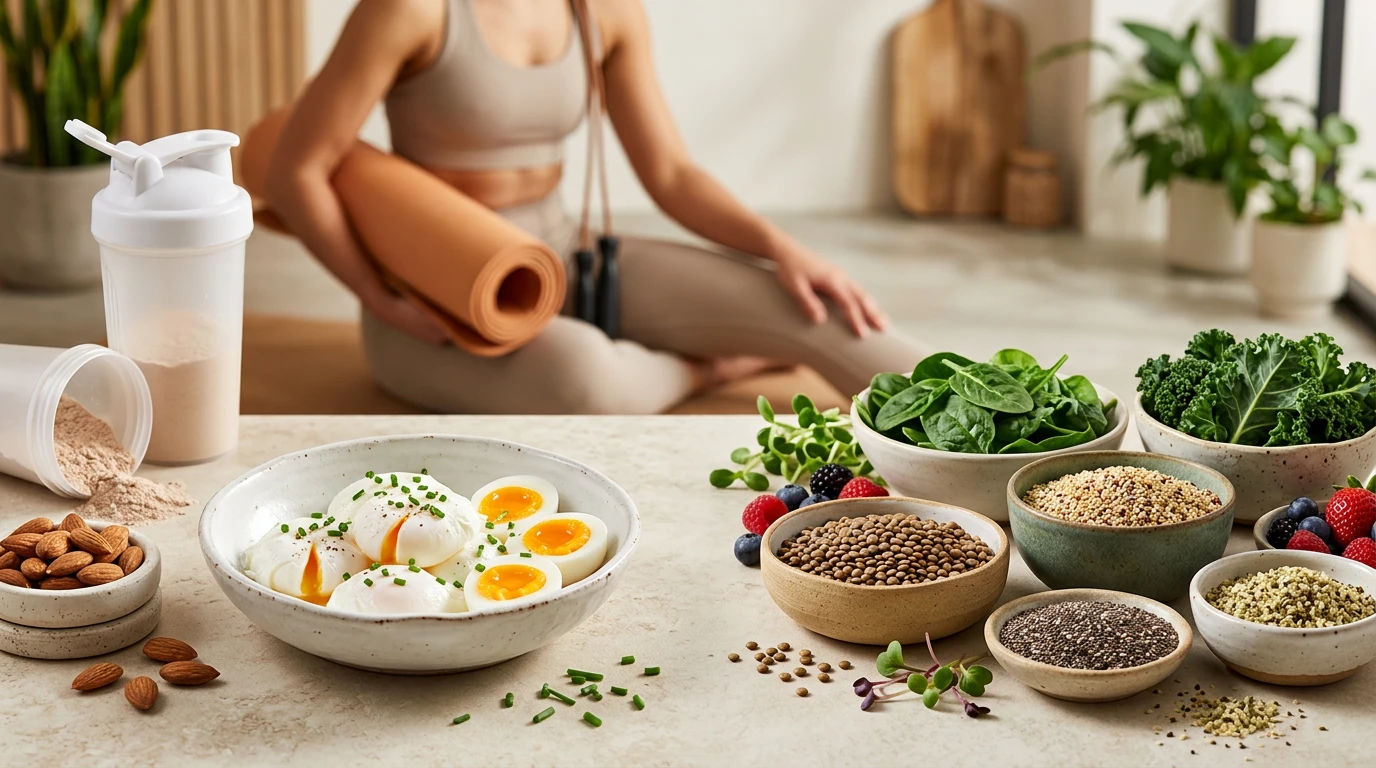
| Характеристика | Яйчен албумин | Растителен протеин (Средно) |
|---|---|---|
| PDCAAS Резултат | 1.0 (Максимален) | 0.4 – 0.9 (Вариращ) |
| Биологична стойност | 100 (Еталон) | 60 – 75 (Освен соя и едамаме) |
| Фибри | 0% | Високо съдържание |
| Влияние върху микробиома | Неутрално | Силно положително (Пребиотици) |
| Време на усвояване | Средно (2–3 часа) | Умерено до бавно (заради фибрите) |
| Антинутриенти | Няма | Фитати, Лектини, Танини |
Какво представлява дълбочинният анализ на механизмите?
1. Яйцето: Ефективност без остатък
Яйчният протеин представлява "най-чистият" протеин по отношение на азотното задържане.
Просто казано: Това е като да разгледаме как точно работи двигателят на кола, вместо само да знаем, че колата върви. Разглеждаме как протеините се разграждат и използват в тялото на клетъчно ниво.
Научни източници
- Hoffman, J. R., & Falvo, M. J. (2004). Protein – Which is Best? Journal of Sports Science & Medicine, 3(3), 118–130. (PubMed: 15798790)
- Millward, D. J. (2004). Protein and аминокиселини requirements: functional significance and safety considerations. British Journal of Nutrition, 91(4), 487-493. (DOI: 10.1079/bjn20041097)
- van Vliet, S., Burd, N. A., & van Loon, L. J. C. (2015). The Skeletal Muscle Anabolic Response to Plant- versus Animal-Based Protein Consumption. The Journal of Nutrition, 145(9), 1981–1991. (DOI: 10.3945/jn.114.204305)
- Schonfeldt, H., & Gibson, N. (2009). The nutritional impact of animal products on the diet. South African Journal of Clinical Nutrition, 22(1), 3-10.
В работата си с много клиенти виждаме, че много хора се фокусират само върху количеството протеин, забравяйки за неговото качество и усвояемост. Честа грешка е пренебрегването на бионаличността, особено когато се разчита изцяло на растителни източници без адекватна комбинация. Наблюдаваме, че спортисти, които комбинират различни източници, постигат по-добри резултати във възстановяването.
Аминокиселинна плътност: Яйцето е богато на метионин – аминокиселина, която често липсва в бобовите култури. Това го прави подходящ за поддържане на имунната функция и здравето на черния дроб.
Бионаличност: Заради липсата на клетъчни стени и фибри, аминокиселините от яйцето достигат кръвния поток много по-лесно, което е критично при възстановяване от тежки травми.
2. Растителният протеин: Хранителна защита
Растенията компенсират по-ниската си биологична стойност с „бонуси" за здравето.
Термичен ефект на храната (TEF): Растителните протеини изискват повече енергия за разграждане поради фибрите. Това означава, че тялото ви гори повече калории, докато ги усвоява – огромен плюс при отслабване.
Микробиомна взаимно усилване: Растителните протеини (като леща и нахут) служат за храна на полезните бактерии в червата. Здравият микробиом от своя страна подобрява усвояването на самия протеин.
Можем ли да избегнем атаката на антинутриенти?
Антинутриентите представляват естествени съединения, намиращи се в растенията, които могат да попречат на усвояването на хранителни вещества от организма, като например фитати и сапонини.
Решението: Чрез накисване, покълване или ферментация (както при Темпе) бионаличността на растителния протеин може да се увеличи с до 20–30%.
Сейтан (Пшеничен протеин): Макар и рекордьор по количество (75г протеин на 100г), той е дефицитен на лизин. Затова трябва винаги да се комбинира с бобови храни.
Как растенията имитират функционалността на яйцата?
Яйцата се приемат като ценен кулинарен еталон, който растенията имитират трудно.
Емулгиране (Лецитин): В печивата жълтъкът свързва мазнините с водата. Растителната алтернатива е соев лецитин или смляно ленено семе.
Структура (Албумин): Белтъкът се втвърдява при нагряване. Аквафабата (водата от нахут) имитира въздушната структура на целувките, но за истинска здравина се добавя ксантанова гума или картофен протеин.
Кой протеин да изберем: яйчен или растителен?
Изберете ЯЙЦА, ако:
- Основната ви цел е хипертрофия и силово възстановяване.
- Търсите най-простия начин за прием на пълноценен протеин без нужда от комбиниране.
- Имате чувствително храносмилане (IBD или IBS), при което големите количества бобови предизвикват дискомфорт.
Изберете РАСТИТЕЛЕН ПРОТЕИН, ако:
- Целите дълголетие и превенция на сърдечно-съдови заболявания.
- Искате да подобрите храносмилането си и да поддържате ниска кръвна захар.
- Търсите устойчиви източници на храна с по-нисък екологичен отпечатък.
- Сте в период на „изчистване", където високият обем на растителните храни помага за ситостта.
Яйчният протеин е биологичен еталон, а растителният протеин се приема за екологично здравословен избор, като всеки от тях предлага различни предимства и съображения.
За пълноценно възстановяване и цялостно здраве, комбинирайте 2 мерителни лъжици Суроватъчен протеин изолат (за бързо усвояване) с 1 мерителна лъжица Грахов протеин (за фибри и антиоксиданти), добавени към сутрешния ви смути. Това осигурява пълен аминокиселинен профил и допълваща подкрепа за микробиома.
❓ Как се комбинират протеините за максимален ефект?
Стратегията на комбиниране на протеини представлява интелигентен подход, целящ създаването на оптимален аминокиселинен профил, вместо избора на единствен източник.
Принципът на Пълнотата: Ако консумирате леща (ниска на метионин), добавете 1 яйце. Яйцето веднага „попълва" липсите на растителния протеин и прави цялото хранене висококачествено.
Зърнени + Бобови: Класическата комбинация „Ориз и Боб" създава пълен протеинов профил без нужда от животински продукти.
Темпе и Тофу: Използвайте ги като основа, когато искате лека вечеря, която няма да повиши холестерола ви преди сън.
🤖 Експертна бележка: Не гледайте само грамовете протеин на етикета. При растенията 20 грама протеин не винаги означават 20 грама усвоени аминокиселини. Винаги добавяйте витамин С (лимонов сок, чушка) към растителните протеини, за да неутрализирате фитатите и да подобрите усвояването на желязото.
🧭 Кога да изберете кое?
- Изберете Яйчен протеин, ако целите максимална биологична стойност и бързо усвояване за мускулен растеж.
- Изберете Растителен протеин, ако приоритет са екологичната устойчивост, намаляване на въглеродния отпечатък и ако имате хранителни алергии или непоносимост към животински продукти.
- Комбинирайте двете, ако целите балансиран прием на протеин с разнообразен аминокиселинен профил и искате да се възползвате от ползите както на яйчния, така и на растителния протеин, като същевременно намалите въздействието върху околната среда.
📖 Какво е Яйчен и Растителен протеин?
Яйчният протеин се извлича от яйца и е един от пълноценните протеини, съдържащ всички есенциални аминокиселини в правилно съотношение. Растителният протеин идва от различни растителни източници като грах, ориз, соя и е важен за вегетарианци и вегани, но често изисква комбиниране за постигане на пълен аминокиселинен профил.
⚖ Предимства и недостатъци
| Предимства | Недостатъци |
|---|---|
|
|
🗣 Обяснено просто
Яйчният протеин е златен стандарт, все едно отлично пакетиран комплект от всички нужни аминокиселини, които тялото ти лесно усвоява. Растителният протеин, като от грах или ориз, е по-добър за околната среда и често е подходящ за хора с алергии. И двата са протеин, но яйчният е като 'биологично съвършен', а растителният е 'еко-опция'.
Избери правилния продукт за твоята цел:
→ Растителен протеин на прах (соя, грах, ориз)
→ Яйчен протеин на прах
→ Растителен протеин от устойчиви източници
Комбиниран протокол за максимална ефективност:
Комбинирането на продукти увеличава ефективността. По данни от Sport Zona практиката.
⚖ Кога да избереш Яйчен
- За хипертрофия и силно възстановяване след интензивни тренировки.
- Търсите пълноценен протеин без сложно комбиниране с други храни.
- Имате чувствително храносмилане, където бобовите причиняват дискомфорт.
- Когато е необходимо бързо възстановяване от тежки травми.
⚖ Кога да избереш Растителен протеин
- Целите дълголетие и превенция на сърдечно-съдови заболявания.
- Искате да подобрите храносмилането си и стабилна кръвна захар.
- Предпочитате устойчиви източници на храна с нисък екологичен отпечатък.
- В период на 'изчистване' за по-голяма ситост с висок обем.
Експертна бележка от Sport Zona
От дългогодишния си опит в Sport Zona, мога да кажа, че въпреки отличната усвояемост на яйчения протеин, растителните алтернативи печелят популярност заради пълноценния си профил от микронутриенти. Винаги препоръчвам на атлетите си да не избират едното за сметка на другото, а да търсят баланс. Именно комбинирането им дава най-добри резултати както за производителност, така и за общо здраве.
Önerilen ürünler


Sıkça sorulan sorular
Yumurta ve bitkisel protein birleştirilebilir mi?
Evet, besin profilini dengelemek için kombinasyon harika bir yaklaşımdır. Yumurta proteini tam amino asit profiline sahipken, bitkisel protein lif, antioksidan ve faydalı fitobesinler ile tamamlar.
Yeni başlayanlar için hangi protein daha iyidir - yumurta veya bitkisel?
Yeni başlayanlar için yumurta proteini daha kolay sindirilir ve eksiksiz bir amino asit profili sağlar. Bitkisel protein, beslenme kısıtlamaları olan veya vejetaryen diyet tercih edenler için daha uygundur.
Yumurta veya bitkisel proteinin yan etkileri var mı?
Yumurta proteini, alerji durumları dışında nadiren yan etkilere neden olur. Bitkisel proteinler, lif ve anti-besinler (fitatlar, lektinler) nedeniyle hassas kişilerde şişkinliğe neden olabilir.
Yumurta veya bitkisel protein ne zaman daha iyi alınır?
Yumurta proteini, hızlı toparlanma için antrenman sonrası veya sabahları tüketmek için uygundur. Bitkisel protein, besin ve liflerin sürdürülebilir alımı için öğün aralarında iyi bir seçenektir.