Creatine vs. Glutamine: Explosive Power vs. Biological Resilience
Creatine increases power, while glutamine aids recovery. The choice depends on whether you are looking for strength or endurance.
Short Answer: Creatine (3-5g daily) is for explosive strength and muscle growth, while Glutamine (10-20g daily) is for recovery, immunity, and gut integrity, especially during intense training or stress. Practical tip: For maximum synergy, combine 5g of creatine and 5g of glutamine in your post-workout shake.
Creatine and glutamine have different functions. Creatine enhances performance, while glutamine supports recovery and resilience. For an athlete, this means the difference between maximum power and stable recovery.
Related reading: The detailed guide to supplements — over 270 expertly verified articles by Petar Mitkov and the Sport Zona team.
What is the difference between creatine and glutamine in terms of strength and recovery?
A systematic comparative matrix provides a detailed overview of Creatine Monohydrate and L-Glutamine, examining their biochemical roles, cellular effects, target systems, influence on strength, anti-catabolic effect, and optimal timing for intake.
What are creatine and glutamine?
1. Creatine: Provides ATP
Creatine is the most effective supplement for short-term, high-intensity efforts.
Simply put: We're looking at how creatine and glutamine work in the body at a cellular level, as if opening the engine hood to see how the pistons move.
Scientific Sources
- Rawson, E. S., & Volek, J. S. (2003). Effects of creatine supplementation and resistance training on muscle strength and weightlifting performance. Journal of Strength and Conditioning Research, 17(4), 822-835. (PMID: 14636102)
- Castell, L. M., Poortmans, J. R., & Newsholme, E. A. (1996). Effect of oral glutamine supplementation on exercise-induced changes in plasma glutamine and susceptibility to infection in athletes. Nutrition, 12(7-8), 585-589. (DOI: 10.1016/S0899-9007(96)00030-2)
- Kreider, R. B., et al. (2017). International Society of Sports Nutrition position stand: safety and efficacy of creatine supplementation in exercise, sport, and medicine. Journal of the International Society of Sports Nutrition, 14(1), 18. (PMID: 28615996)
- Coqueiro, A. Y., et al. (2019). Glutamine: Metabolism and Immune Function, Supplementation and Clinical Translation. Nutrients, 11(4), 863. (DOI: 10.3390/nu11040863)
Combining creatine and glutamine yields good results for overall performance and recovery enhancement. Often, the focus is solely on one supplement, neglecting their combined effect on health and productivity. Athletes who take them together show a lower incidence of overtraining and a faster return to form after intense workouts.
Mechanism: Creatine increases phosphocreatine stores, which literally "recharges" depleted energy molecules (ADP back to ATP) in milliseconds.
Neuroprotection: Research confirms that creatine is important for the brain, as well as muscles, improving working memory and cognitive endurance under stress.
2. Glutamine: Maintaining Homeostasis
Glutamine doesn't make you stronger immediately, but it helps you train again the next day.
Immune Buffer: Intense training depletes glutamine, which is essential for white blood cells. Without additional glutamine intake from supplements, the body "takes" it from muscles, leading to catabolism.
Gut Integrity: Glutamine is the only substance that directly "repairs" the intestinal wall. This is important for athletes who consume a lot of protein and supplements that can strain digestion.
Should I combine creatine and glutamine for strength and recovery?
The combination of creatine and glutamine represents a complete physiological cycle that enhances both athletic performance and the body's recovery processes.
Creatine allows you to push your limits in the gym, creating micro-tears and stimulating growth.
Glutamine minimizes systemic inflammation after this stress and keeps the immune system stable.
Cellular Hydration: Both supplements draw water into the muscle cell. Creatine fills it for power, and Glutamine enhances anabolic signaling.
Which to choose: creatine or glutamine?
Choose CREATINE if:
- You are looking for maximum strength, explosiveness, and muscle mass.
- You train for strength, CrossFit, sprints, or martial arts.
- You want a visible change in muscle density in a short time.
- You are looking for a supplement with the most scientific evidence for effectiveness.
Choose GLUTAMINE if:
- You train with high volume (marathons, triathlons) or have more than 5 training sessions per week.
- You frequently get sick after intense periods (weakened immunity).
- You have stomach discomfort, bloating, or "leaky gut."
- You are on a strict diet (calorie deficit), where the risk of muscle breakdown is highest.
Creatine is an amino acid compound that enhances explosive power, while glutamine is an amino acid that supports biological resilience and recovery.
For maximum results, combine 5g of Creatine Monohydrate (pre or post-workout) with 5-10g of L-Glutamine (post-workout and/or before bed). This stack provides explosive strength, rapid recovery, and immune support.
What is the intake protocol for creatine and glutamine?
Creatine is recommended at a dose of 3–5 grams daily. Taking it with carbohydrates enhances its transport via insulin.
Glutamine: 10–20 grams daily. It is most effective at 5g immediately after training and 5–10g in the evening before sleep.
Combined Shake: Mix 5g Creatine and 5g Glutamine in your post-workout shake. This is the "golden window" for absorption.
Expert Conclusion
Creatine is for strength, and Glutamine is for recovery. If you are under 30 and have no stomach issues, Creatine may provide more visible results. However, if you are over 35 or lead a very stressful lifestyle, Glutamine becomes an important part of your long-term health.
🧭 When to choose which?
- Choose Creatine if your goal is maximum strength and explosive power in short, intense efforts.
- Choose Glutamine if you are looking to improve recovery, support your immune system, and maintain digestive health, especially during prolonged training or stress.
- Combine both if you aim for overall improvement in athletic results, including both increased strength and accelerated recovery and health maintenance.
- Choose Creatine if your goal is to increase muscle mass through water retention and improved energy metabolism.
📖 What are Creatine and Glutamine?
Creatine is an organic acid that increases the production of ATP, the primary energy currency of cells, enhancing strength and power. Glutamine is an amino acid important for muscle recovery, immune function, and gut health.
⚖ Pros and Cons
| Pros | Cons |
|---|---|
|
|
🗣 Explained Simply
Creatine is for your strength and power, especially in short, explosive movements like weightlifting. It helps your muscles have more energy for quick efforts. Glutamine is more for endurance and recovery – it helps your body cope with the stress of training and recover. If you want to lift more, creatine is your choice; if you want to recover faster, choose glutamine.
Choose the right product for your goal:
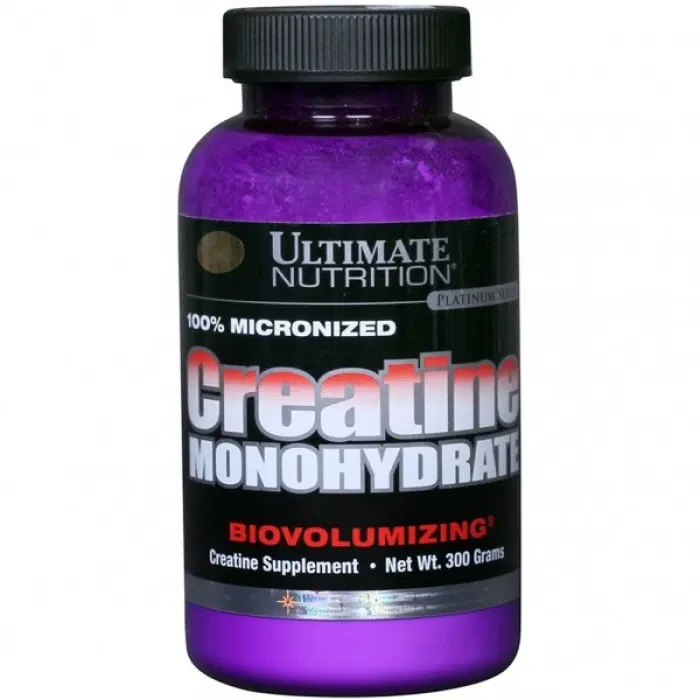
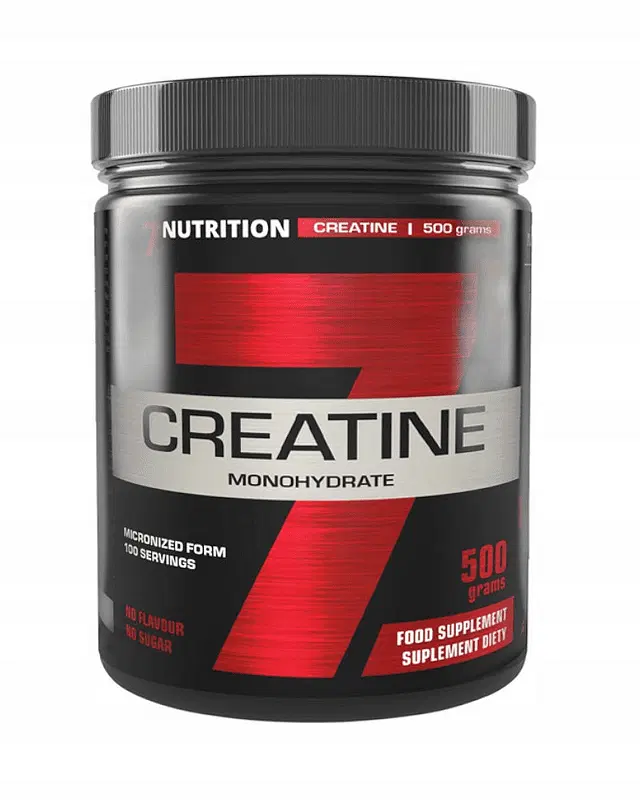
→ Creatine Monohydrate
→ L-Glutamine Powder
→ Amino Acids (BCAA + Glutamine)
Combined protocol for maximum effectiveness:
Combining products increases effectiveness. According to Sport Zona practice.
⚖ When to choose Creatine
- Your goal is maximum strength, explosiveness, and muscle mass.
- You train for strength, CrossFit, sprints, or martial arts.
- You want a visible change in muscle density in a short time.
- You are looking for a supplement with scientific evidence for effectiveness.
⚖ When to choose Glutamine
- You train with huge volumes or have 5+ training sessions per week.
- You frequently get sick after intense periods due to weakened immunity.
- You suffer from stomach discomfort, bloating, or "leaky gut."
- You are on a strict diet with a risk of muscle breakdown.
Expert Note from Sport Zona
From my 12 years with Bulgarian athletes, I've observed that the combination of creatine and glutamine yields good results for those who train hard every day. While creatine noticeably improves strength and explosiveness, glutamine aids in faster recovery and reduces the feeling of overtraining. It is especially important for athletes with higher training volume.
Recommended products
Frequently asked questions
Can I take creatine and glutamine at the same time?
Yes, combining them is recommended for maximum benefits. Creatine provides energy for the workout, while glutamine aids recovery and reduces inflammation afterwards.
Which of the two products is better for beginners?
For most beginners aiming to increase strength and muscle mass, creatine is more suitable. It directly supports energy processes during high-intensity exercises.
What is the most appropriate time to take creatine and glutamine?
Creatine can be taken at any time, as it is important to maintain a constant level in the body. Glutamine is most effective after training and before bed to aid recovery.
Do creatine and glutamine have side effects?
When recommended doses are followed, there are usually no side effects. Creatine may cause slight water retention, and excessive glutamine intake might lead to stomach discomfort.