Amino acids
Consuming 5-10 grams of amino acids before and after training can significantly improve recovery and stimulate muscle growth. As a sports nutritionist with 15 years of experience, I have observed how optimizing the intake of these building blocks is fundamental for achieving peak performance. Amino acids are the primary components of proteins and play a key role in almost all biological processes in the body, especially during physical exertion.
Contemporary scientific research, supported by organizations such as ISSN (International Society of Sports Nutrition), has repeatedly confirmed the benefits of amino acid supplements for athletes. They support muscle protein synthesis, reduce muscle fatigue, and accelerate recovery after intense workouts. For my clients, especially those with high training volumes, adequate amino acid intake is an integral part of their nutritional regimen.
In this category, you will find 26 products covering a wide spectrum of amino acids, including:
- BCAA (Branched-Chain Amino Acids) – leucine, isoleucine, and valine, known for their role in muscle growth and recovery.
- Essential Amino Acids (EAA) – all nine amino acids that the body cannot produce on its own.
- Glutamine – important for immune function and muscle recovery.
- Arginine and Citrulline – often used to improve blood flow and the "pump" during training.
Choosing the right product depends on your individual goals and needs. I recommend consulting with a specialist or carefully reading the labels to determine the optimal dosage and type of amino acid for your regimen.
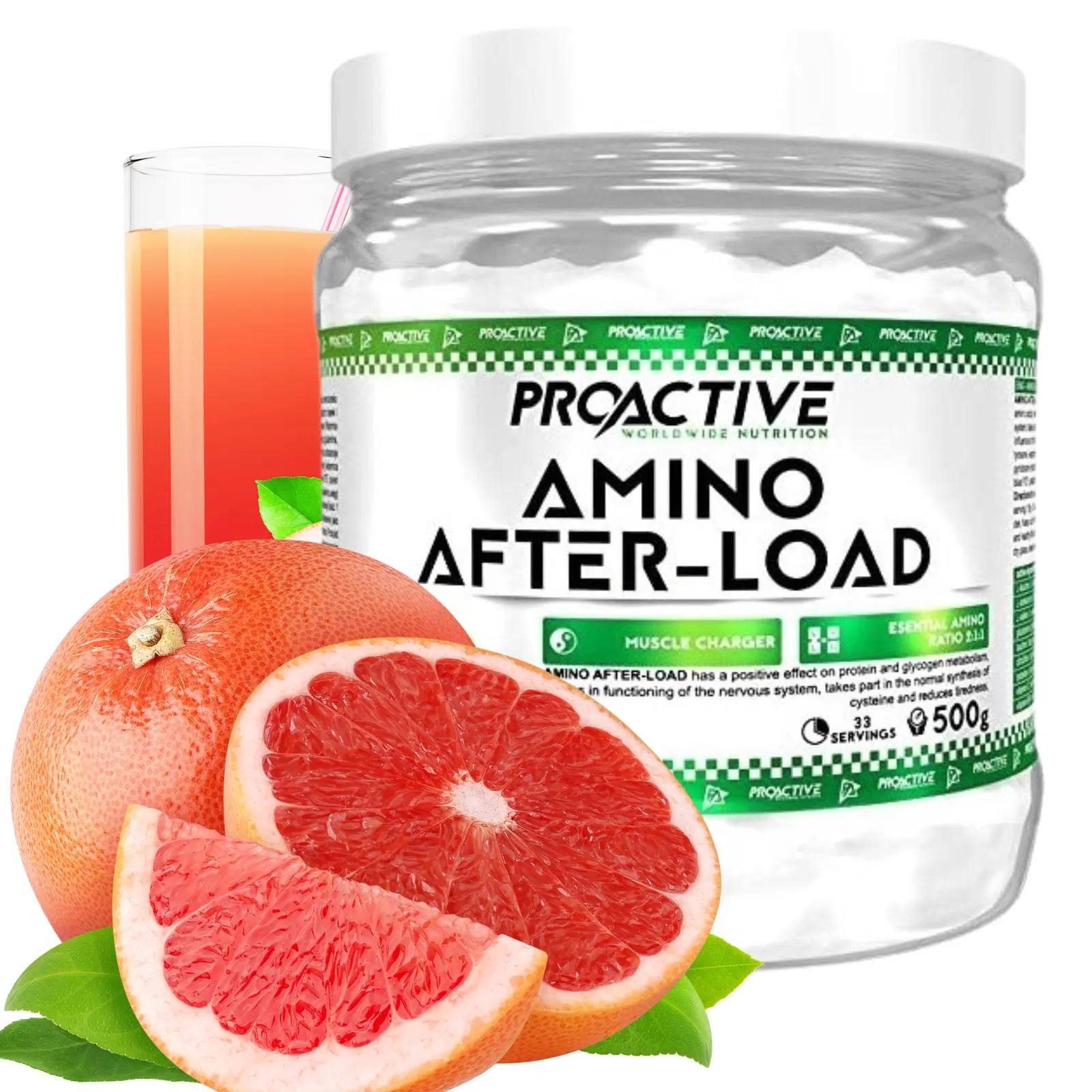
- ProActive Amino After-Load 500g – 18.92 €
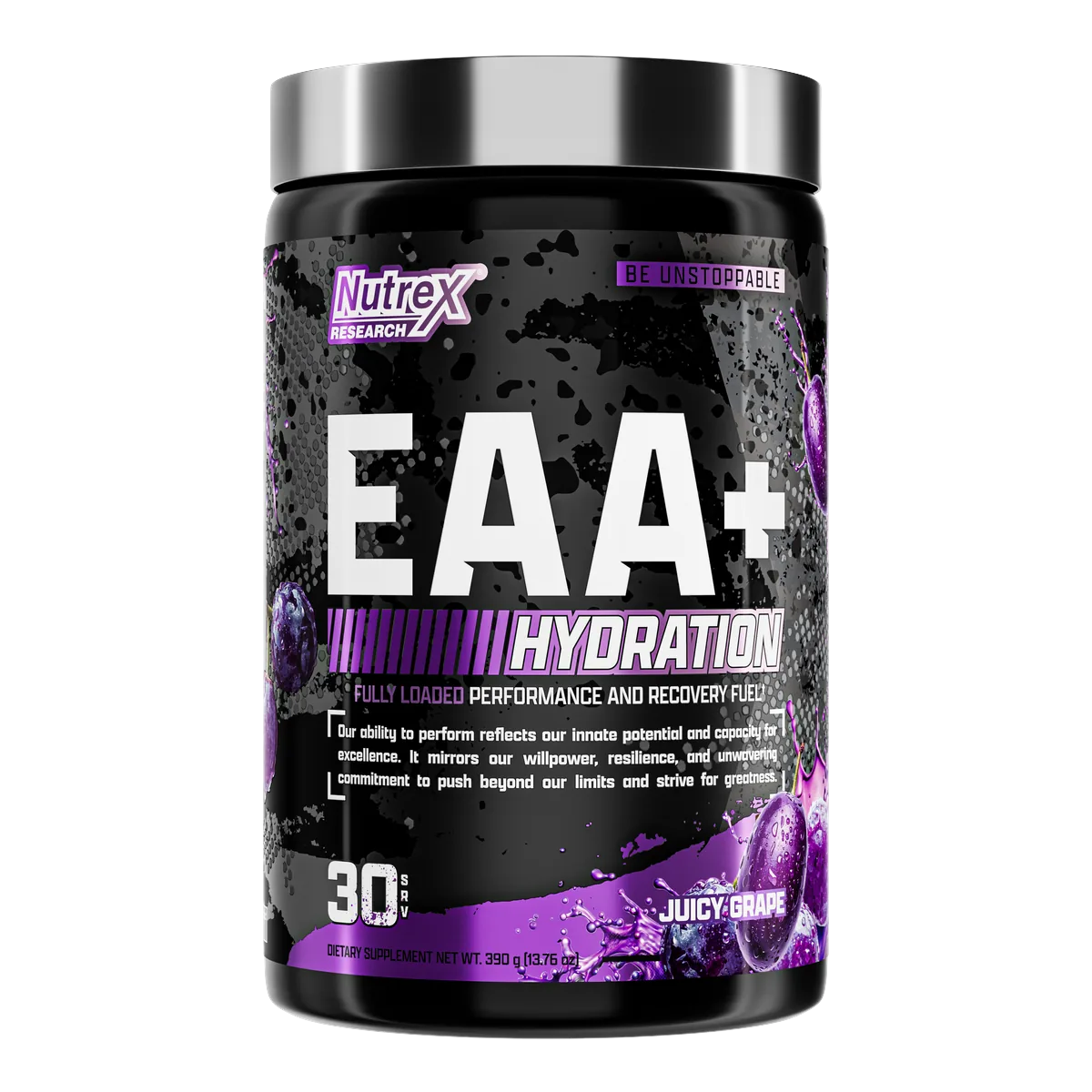 EAA+ Hydration Nutrex – 34.99 €
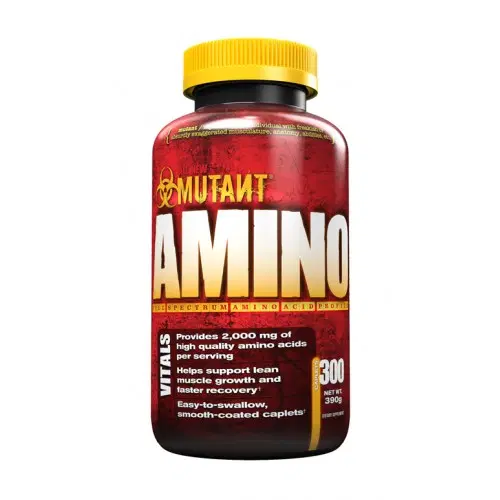 Mutant - Amino / 300 tabs. – 26.59 €
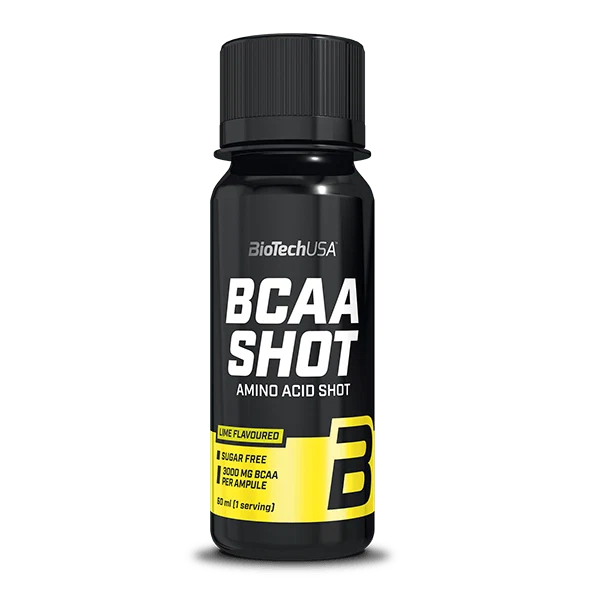 BioTech USA BCAA Shot - 60 ml – 3.10 €
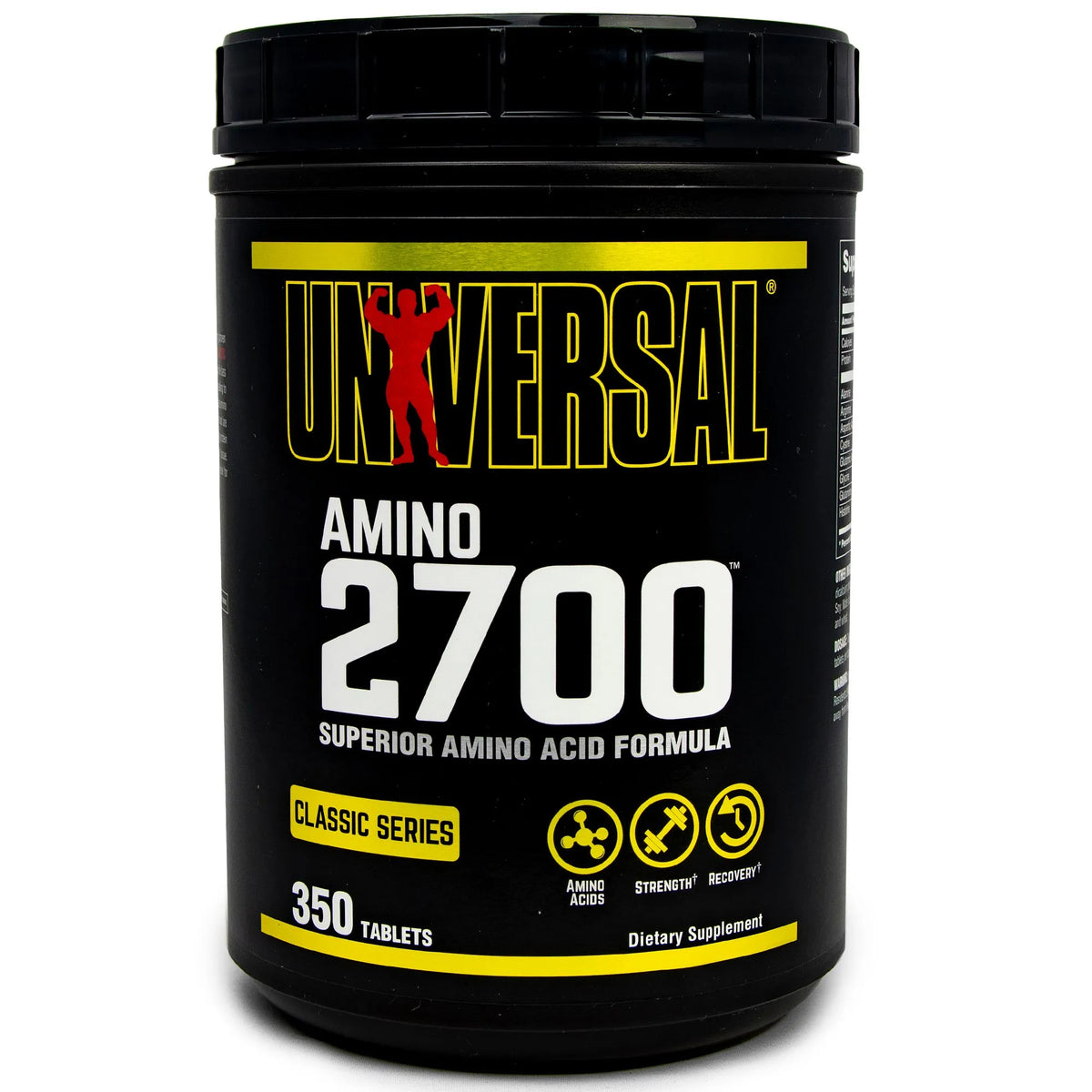 Universal Nutrition Amino 2700 – 350 таблетки – 55.95 €
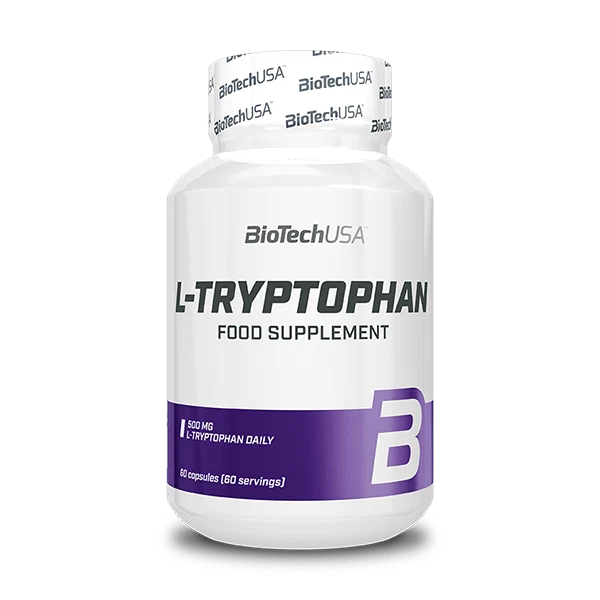 BioTech USA L–Tryptophan - 60 megacapsules – 12.90 €
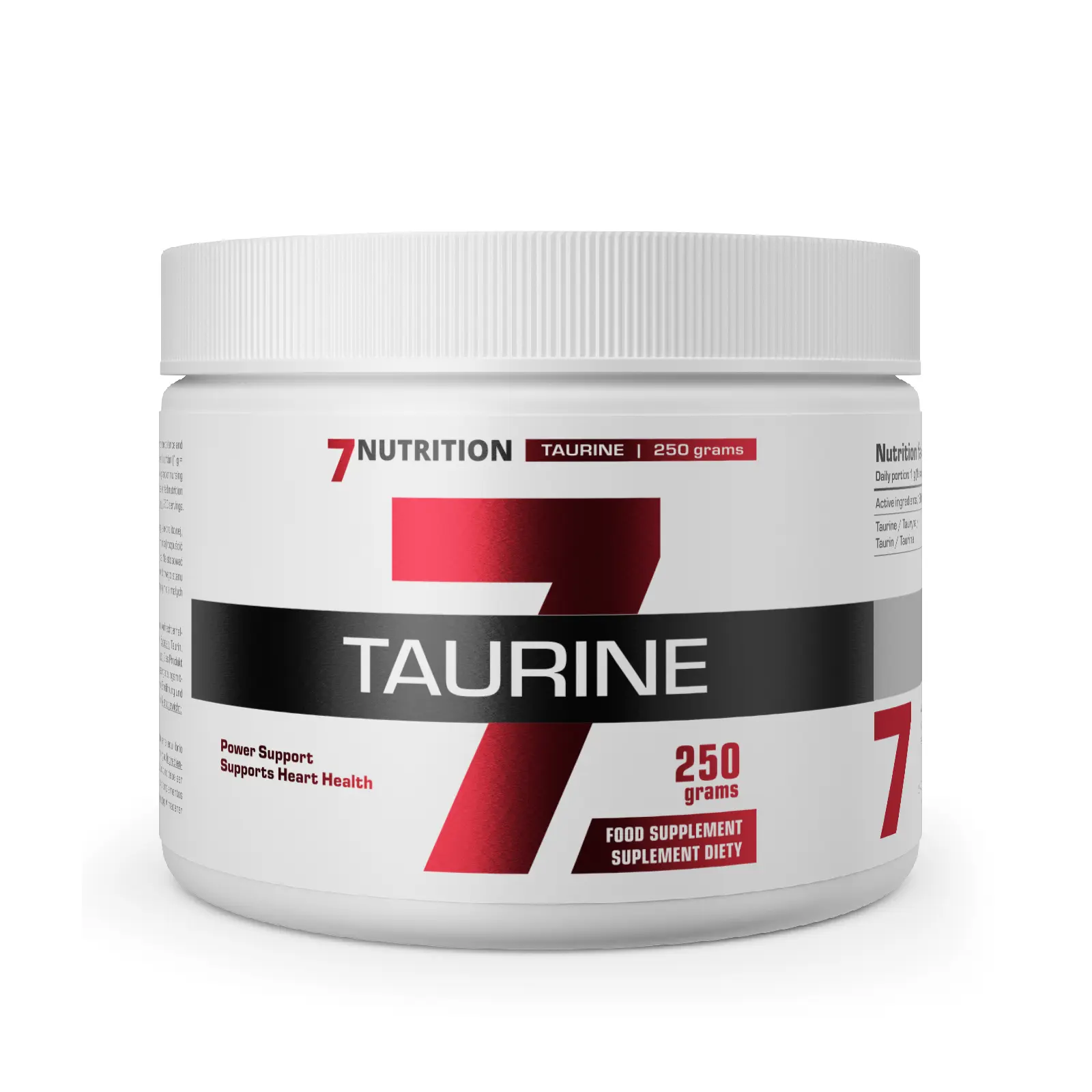 7Nutrition - TAURINE 250G – 7.00 €
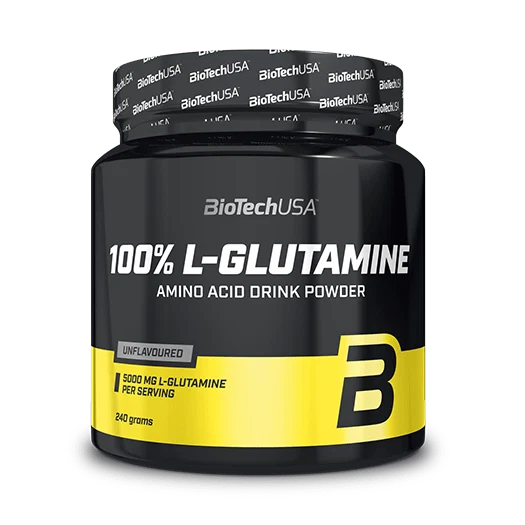 BioTech USA 100% L-Glutamine - 240 g – 20.90 €
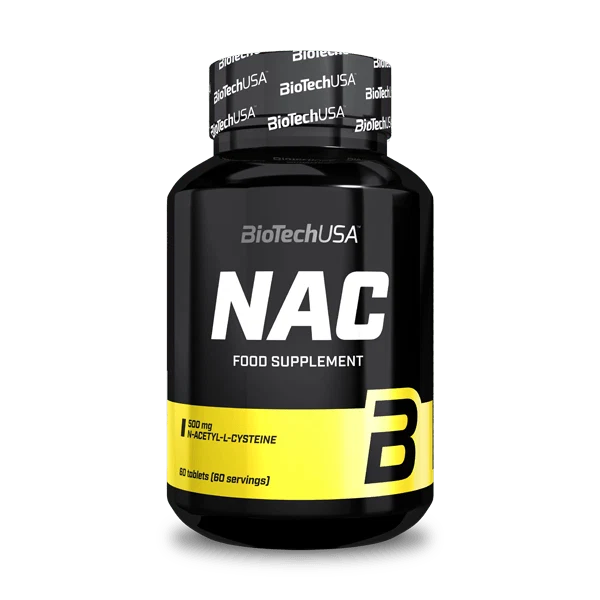 BioTech USA NAC - 60 tablets – 23.90 €
 Beef Amino 180 таблетки – 11.25 €
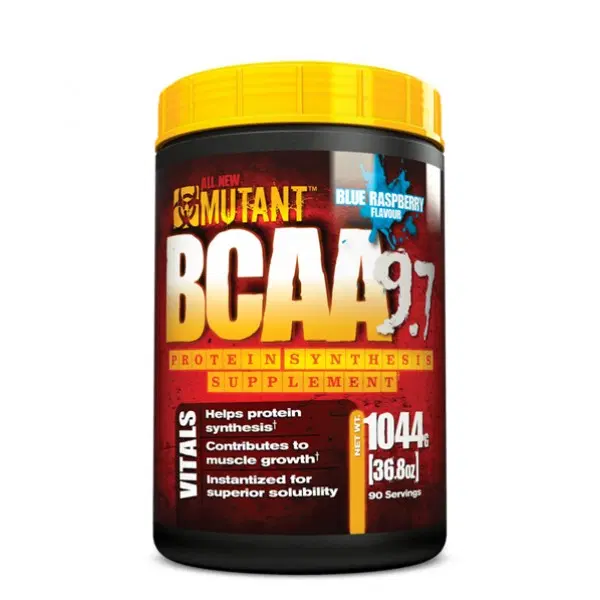 Mutant - BCAA 9.7 / 1044 gr. – 69.02 €
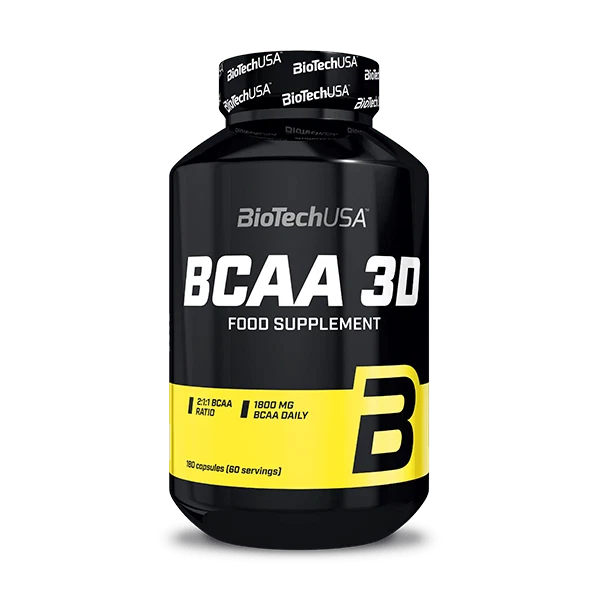 BioTech USA BCAA 3D - 180 capsules – 22.90 €
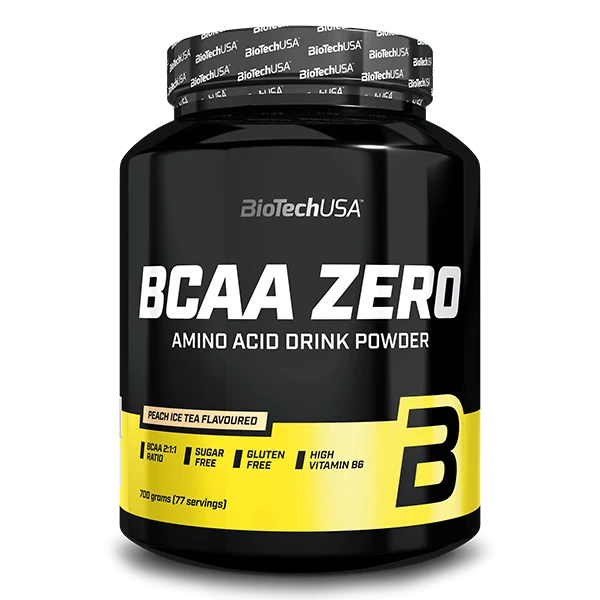 BioTech USA BCAA ZERO amino acids - 700 g – 59.90 €
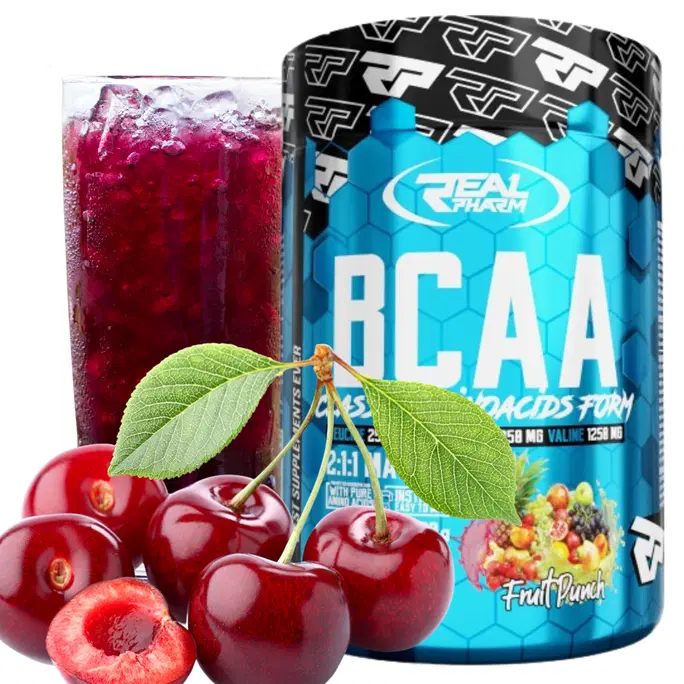 BCAA 8:1:1 Real Pharm 400 грама – 26.59 €
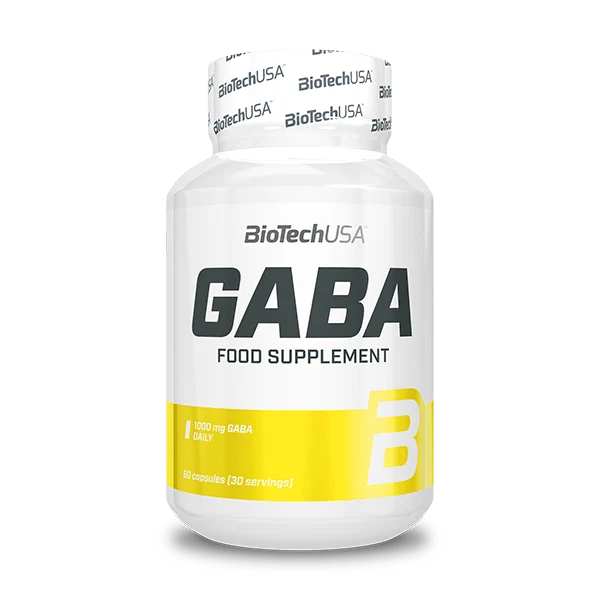 BioTech USA GABA - 60 capsules – 14.90 €
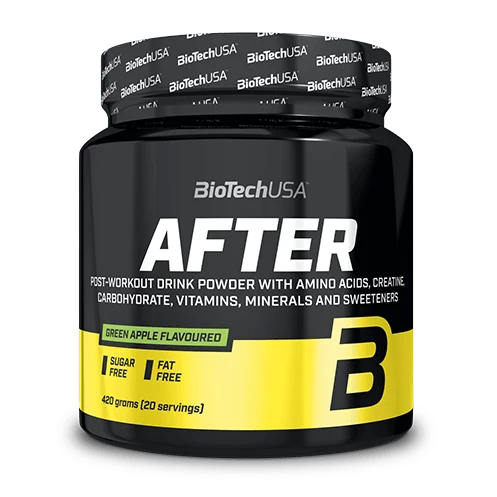 BioTech USA After - 420 g – 28.90 €
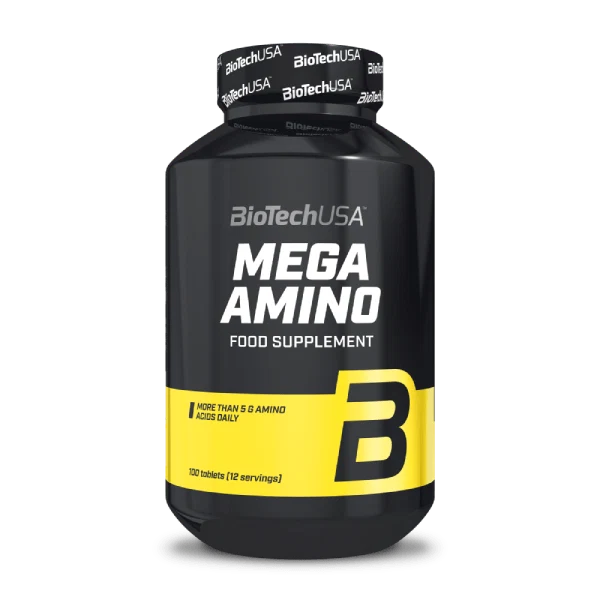 BioTech USA Mega Amino - 100 tablets – 13.90 €
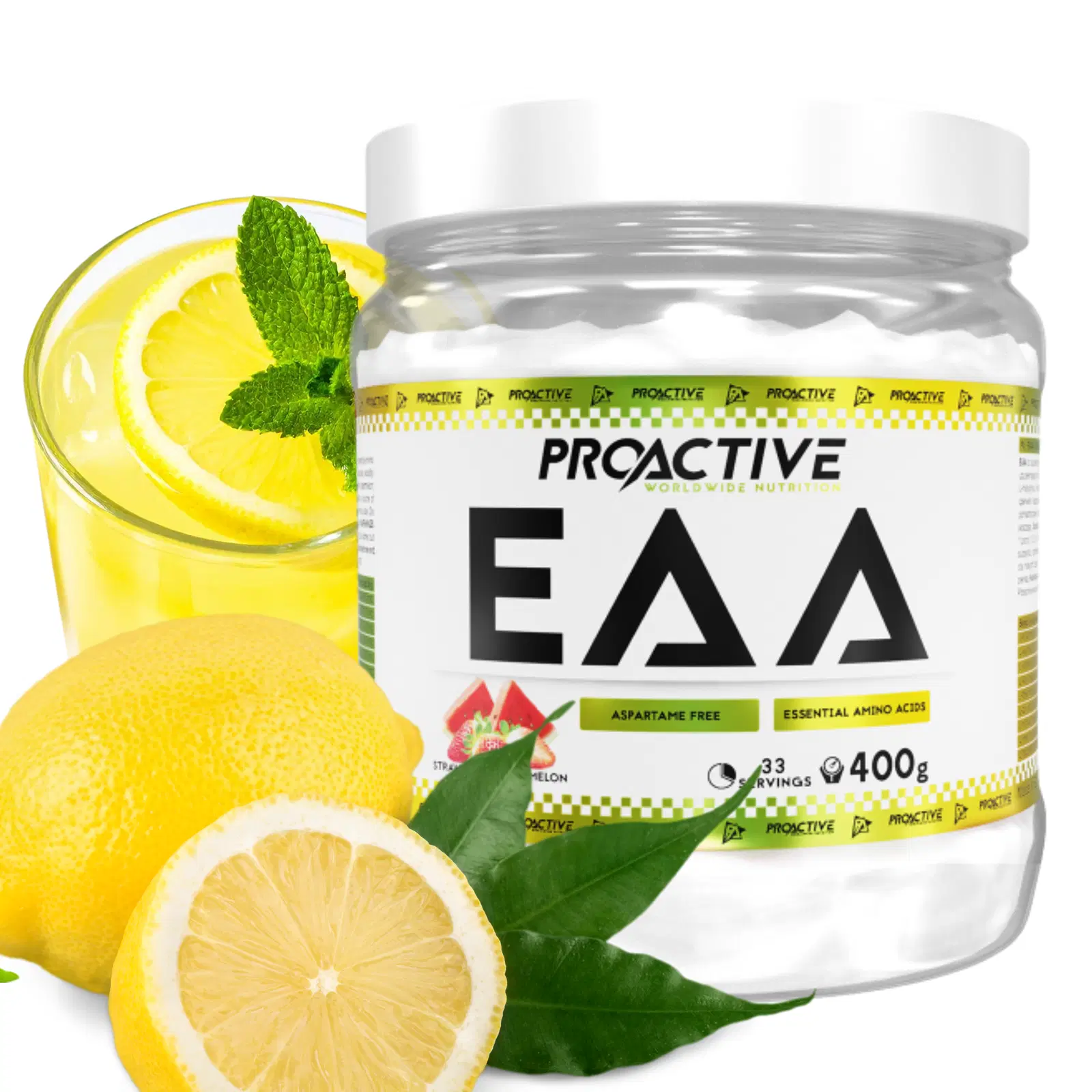 ProActive EAA 400g Lemon – 9.35 €
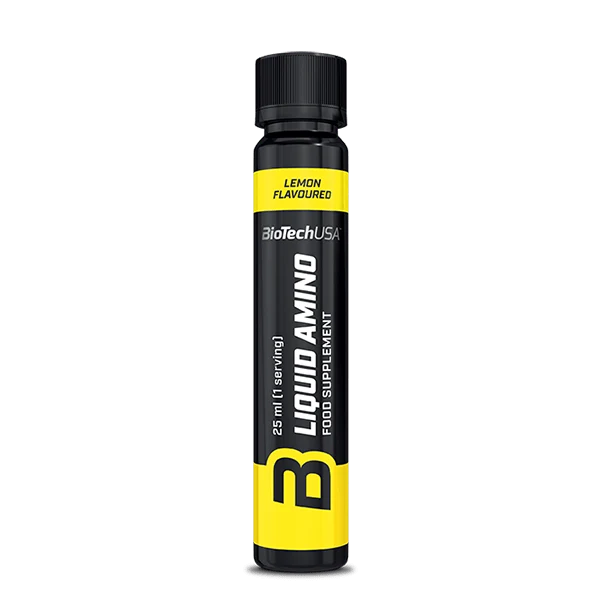 BioTech USA Liquid Amino - 25 ml – 1.80 €
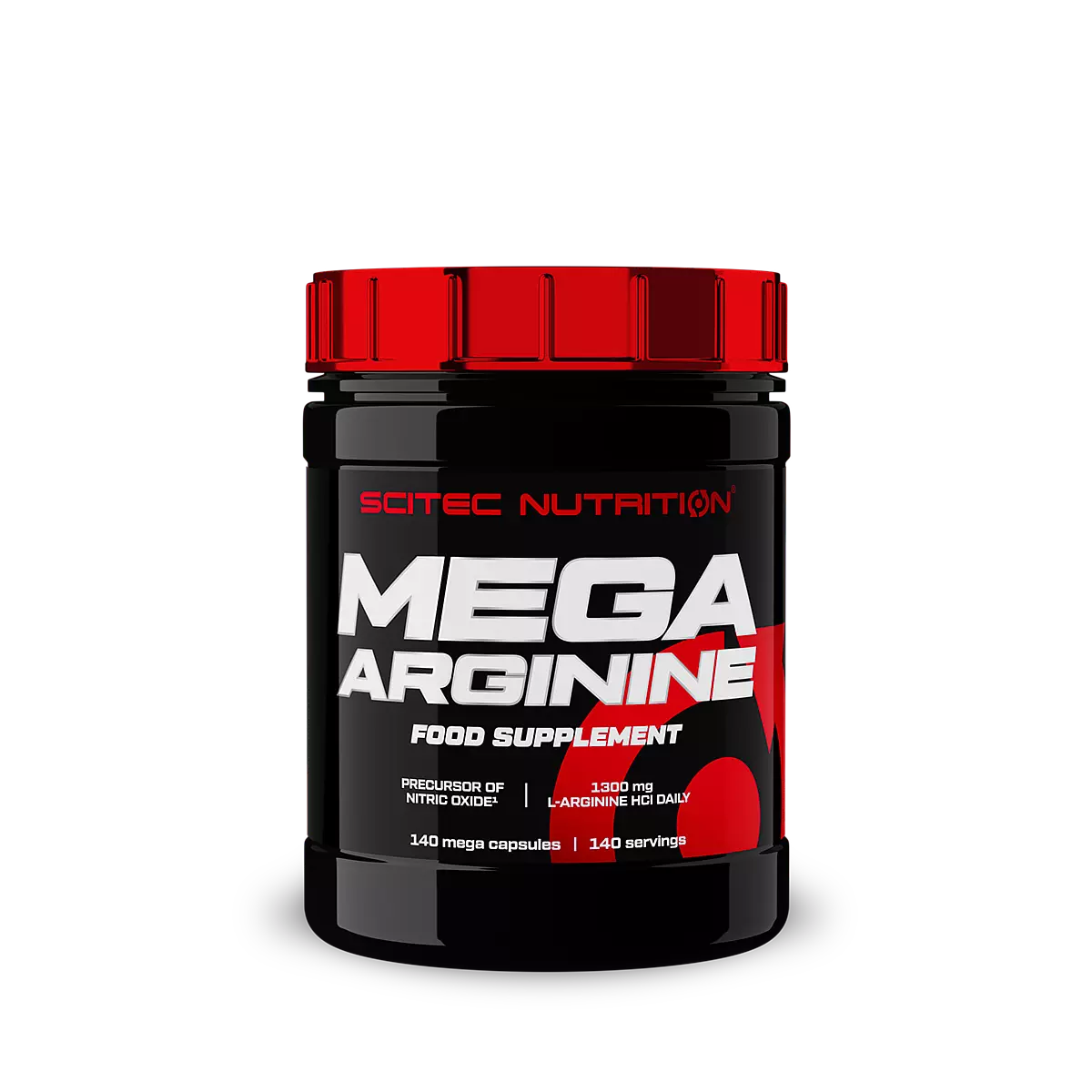 Scitec Nutrition Mega Arginine (140 caps) – 27.90 €
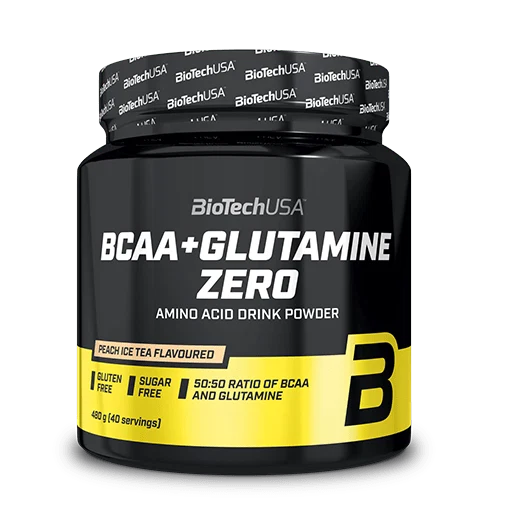 BioTech USA BCAA + Glutamine Zero - 480 g – 39.90 €
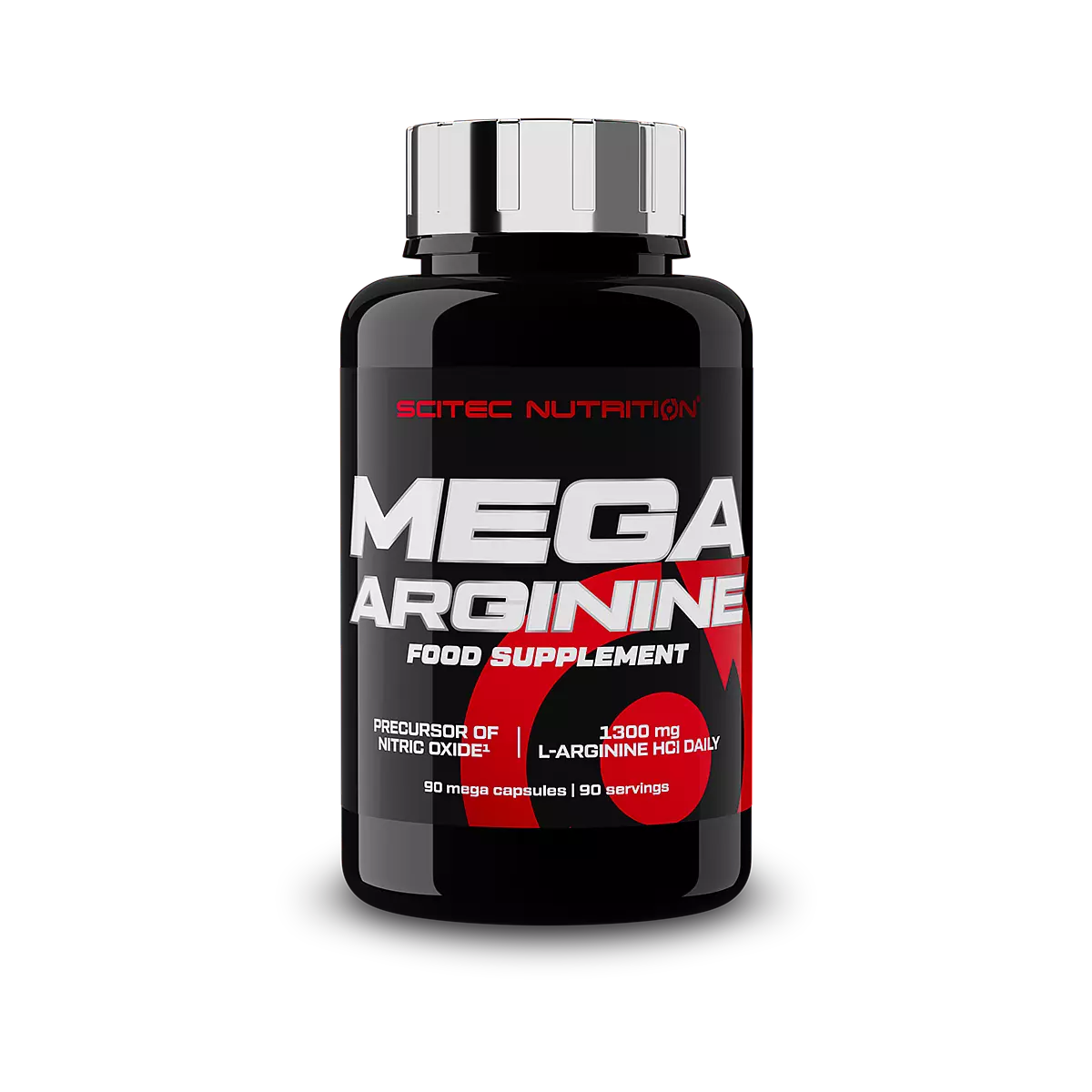 Scitec Nutrition Mega Arginine (90 caps) – 21.90 €
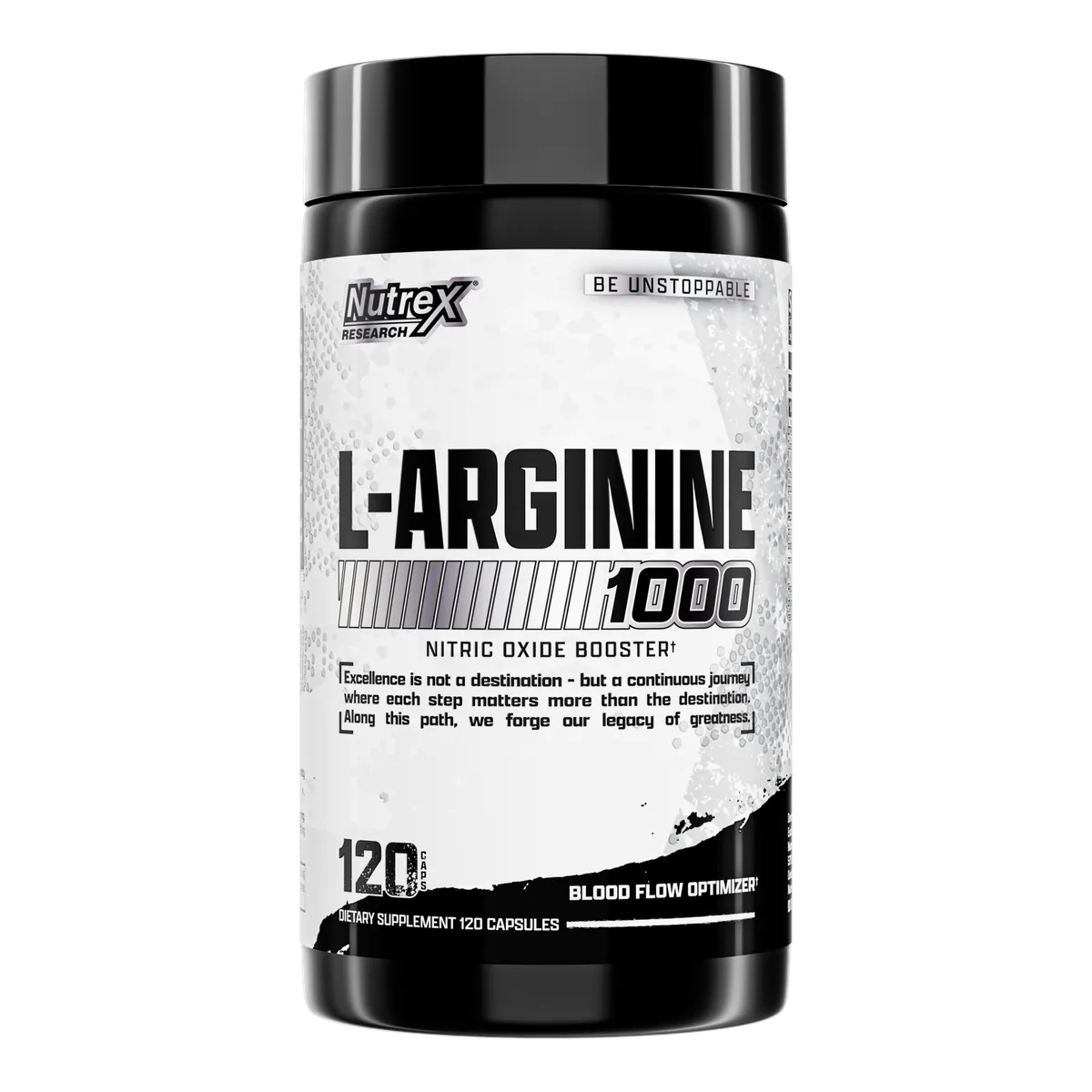 L-Arginine 1000 Nutrex 120 капсули – 36.75 €
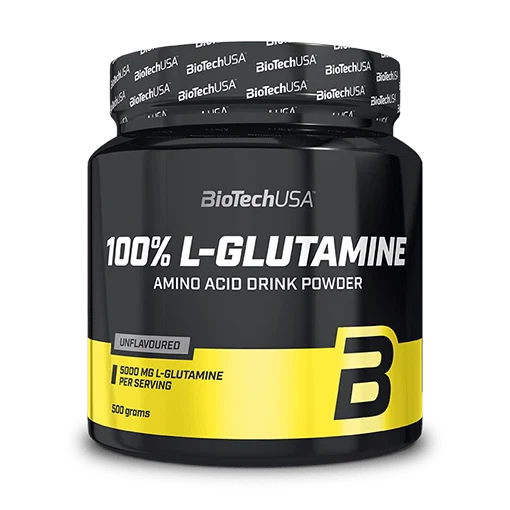 BioTech USA 100% L-Glutamine drink powder - 500 g – 31.90 €
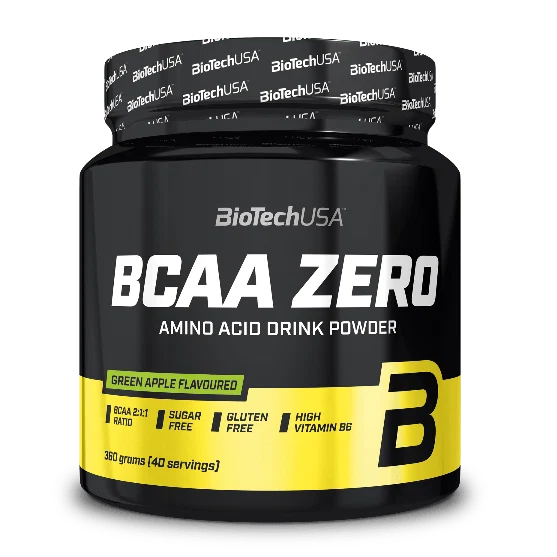 BioTech USA BCAA ZERO amino acids - 360 g – 33.90 €
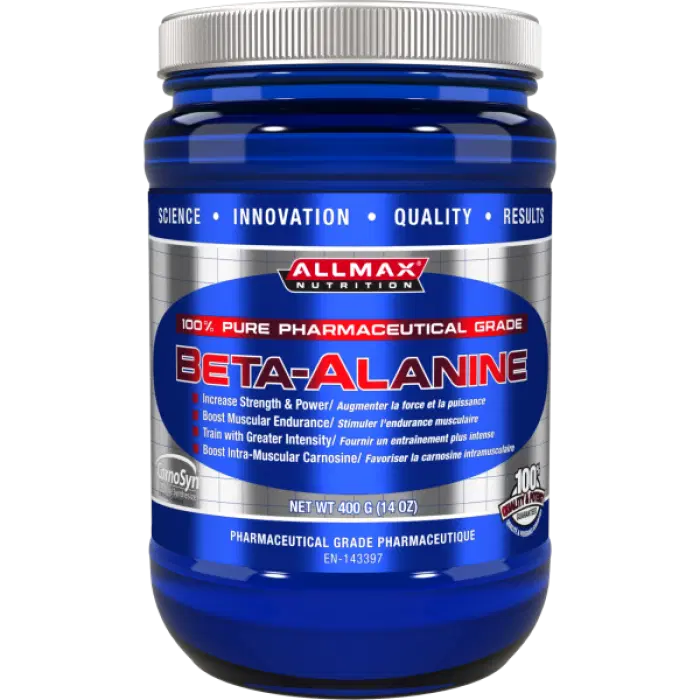 AllMax - Beta Alanine / 400gr. – 25.56 €
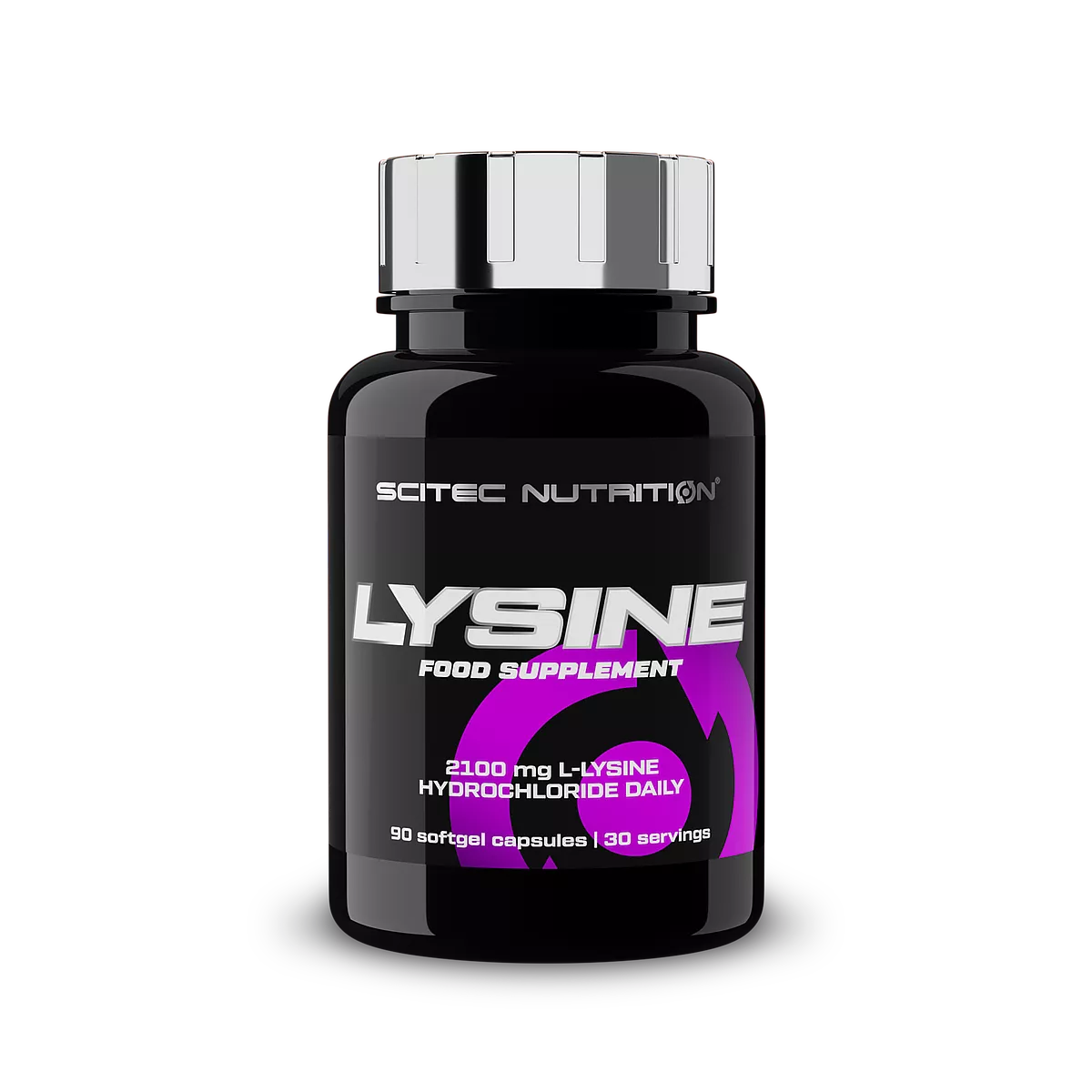 Scitec Nutrition Lysine (90 caps) – 15.90 €
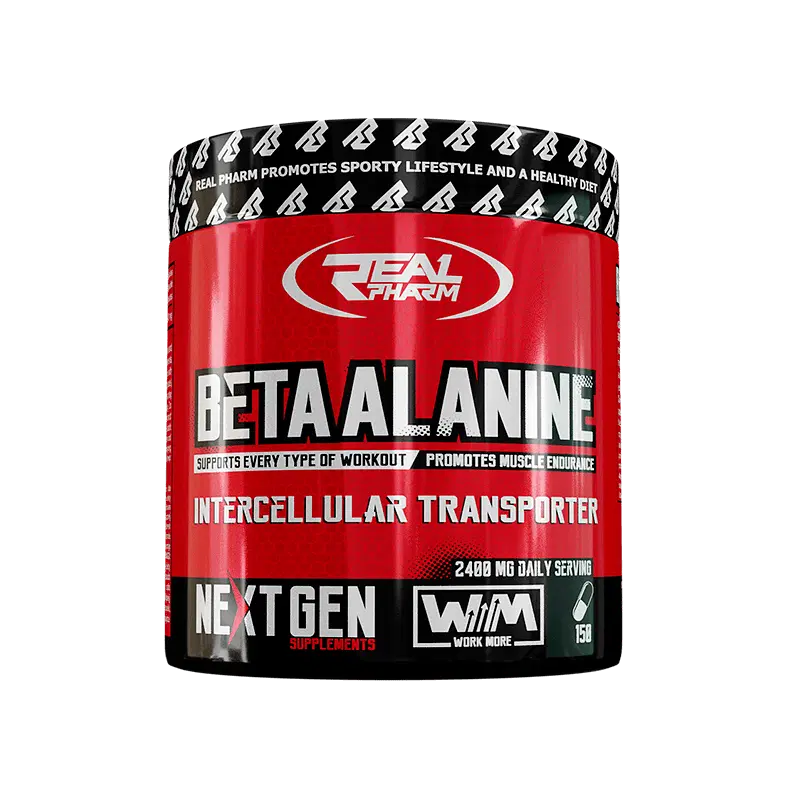 Beta Alanine Real Pharm 150 капсули – 17.90 €
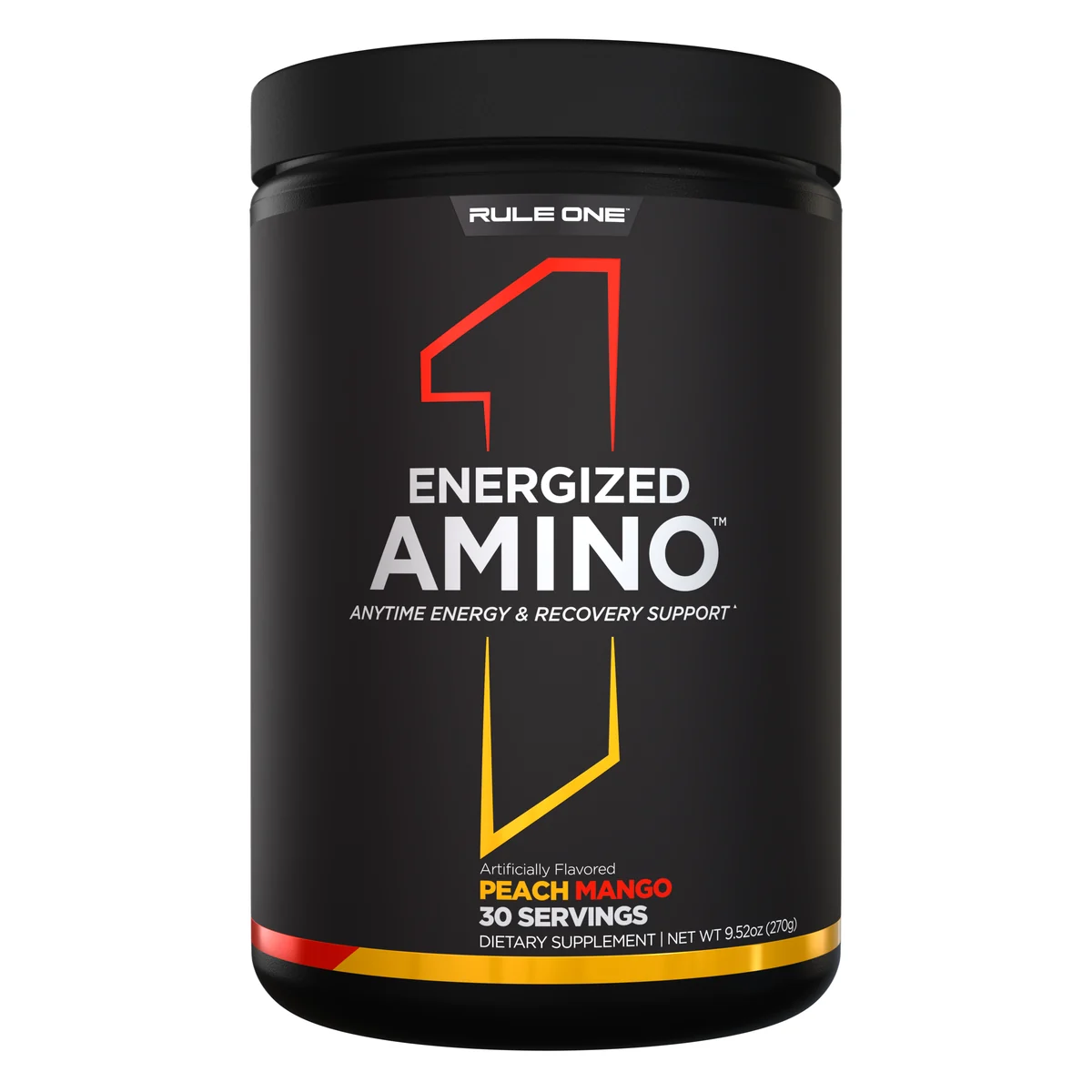 Rule 1 R1 Energized Amino 30 дози – 19.99 €
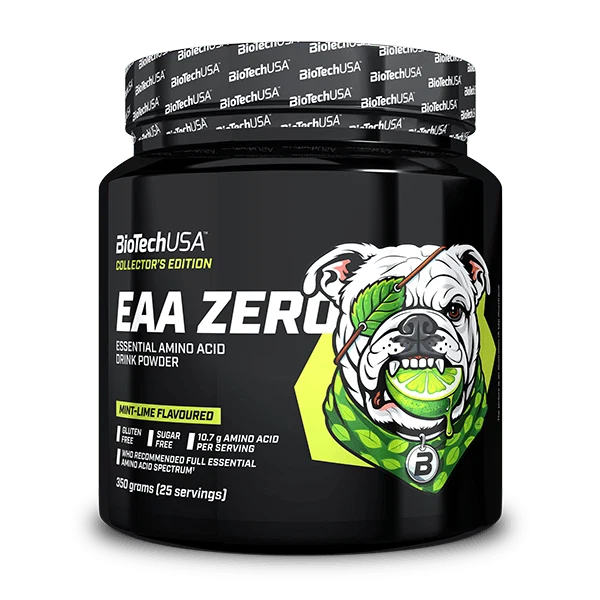 BioTech USA EAA ZERO - 350 g Mint-lime – 37.90 €
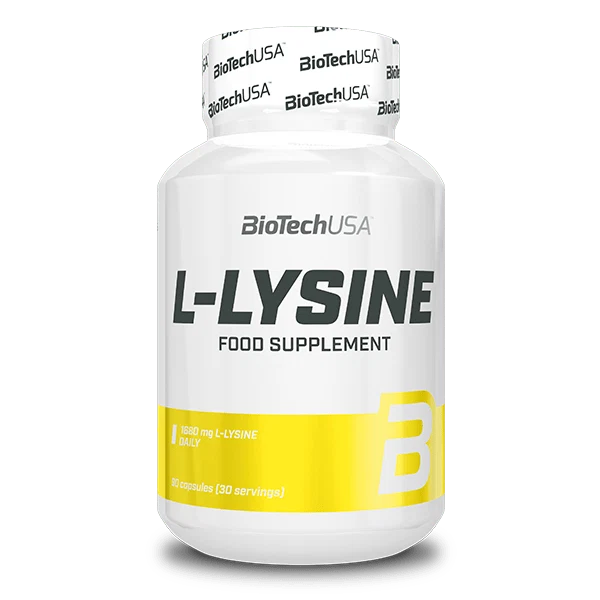 BioTech USA L–Lysine - 90 capsules – 11.90 €
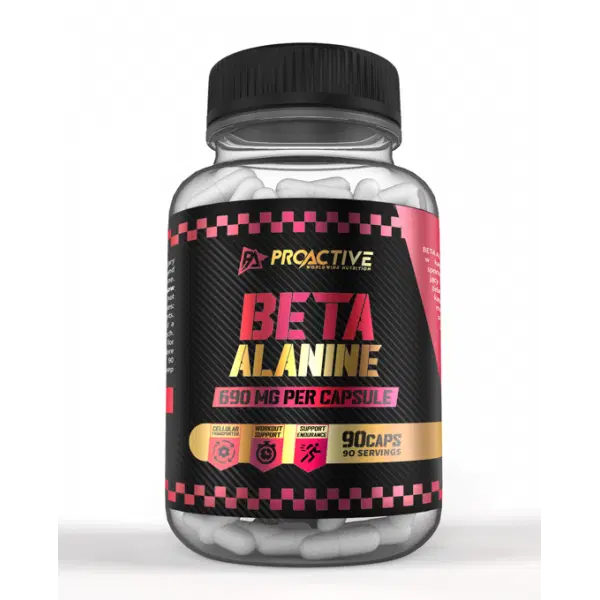 ProActive Beta Alanine 690mg 90 caps – 3.74 €
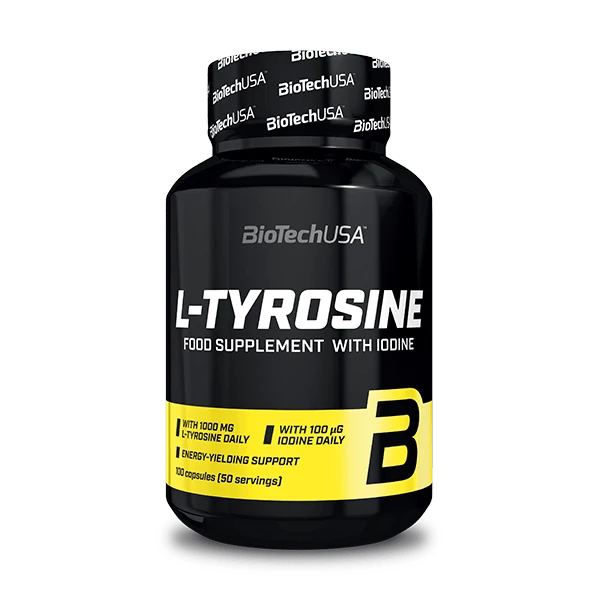 BioTech USA L-Tyrosine - 100 capsules – 20.90 €
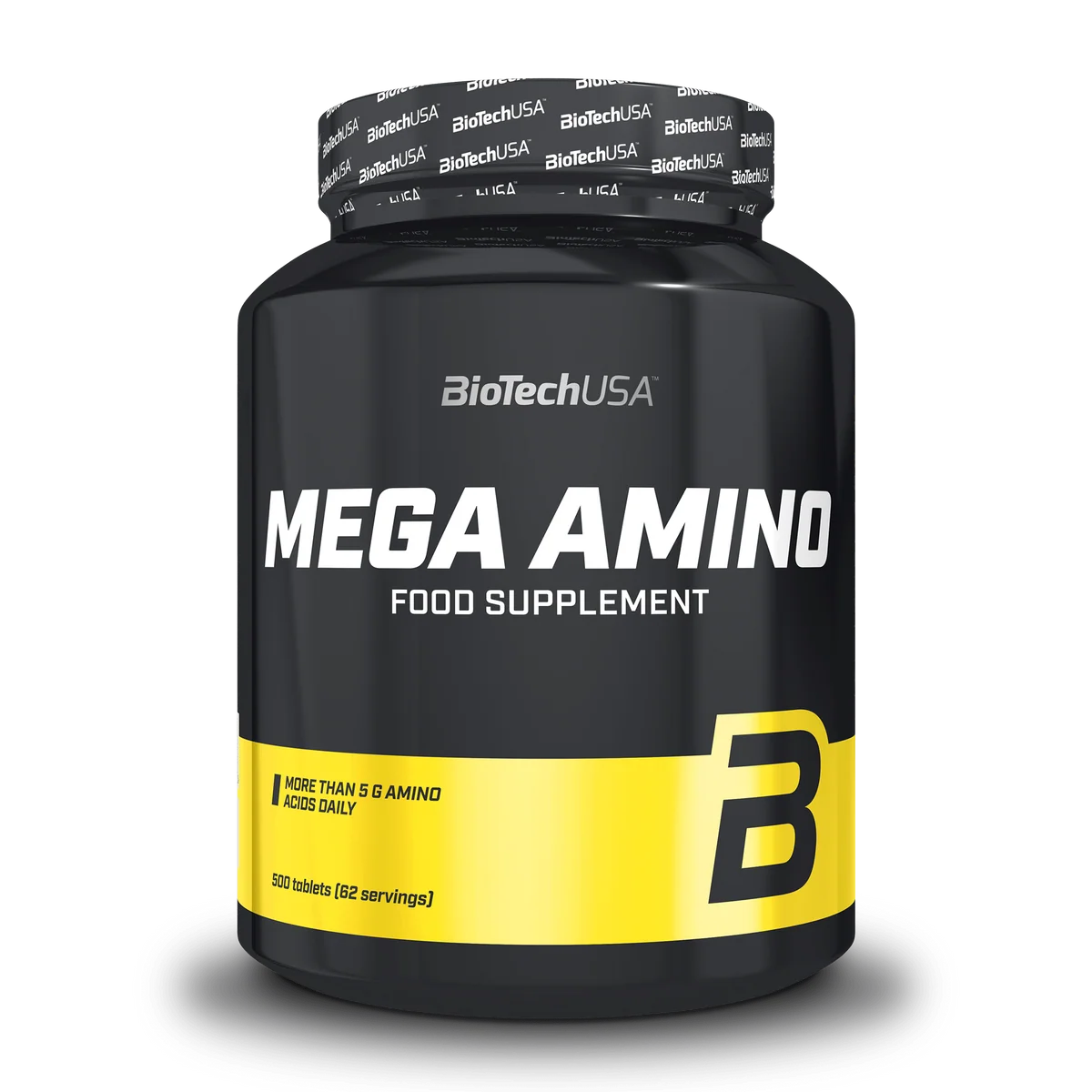 BioTech USA Mega Amino - 500 tablets – 51.90 €
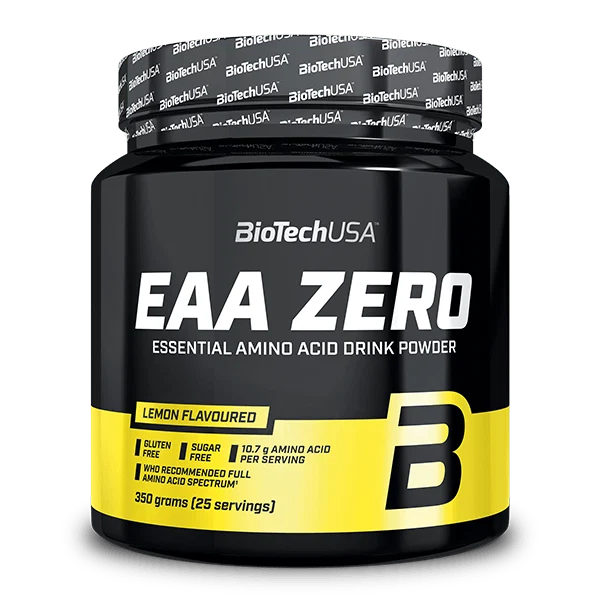 BioTech USA EAA ZERO - 350 g – 37.90 €
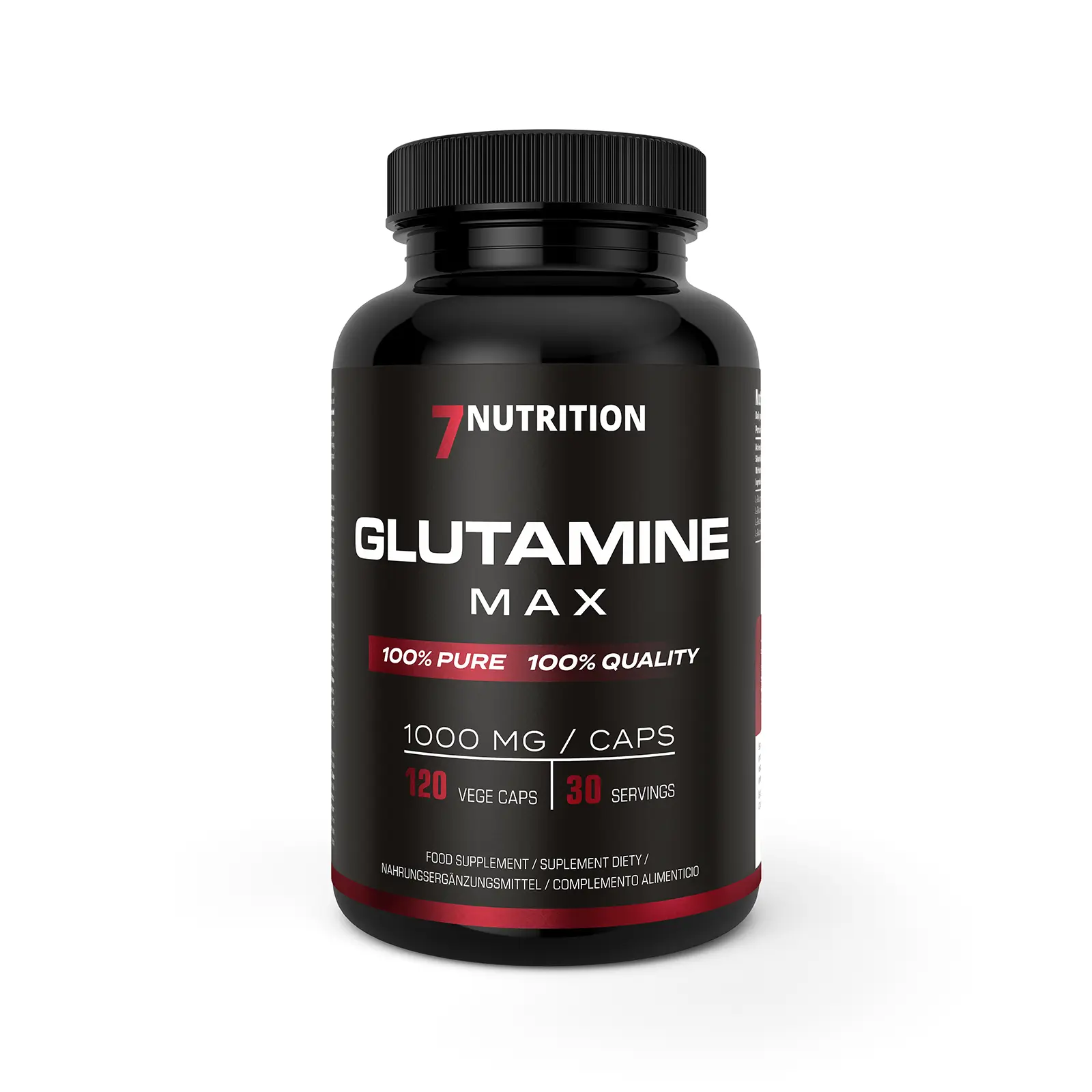 7Nutrition - Glutamine MAX 120 vege caps – 14.90 €
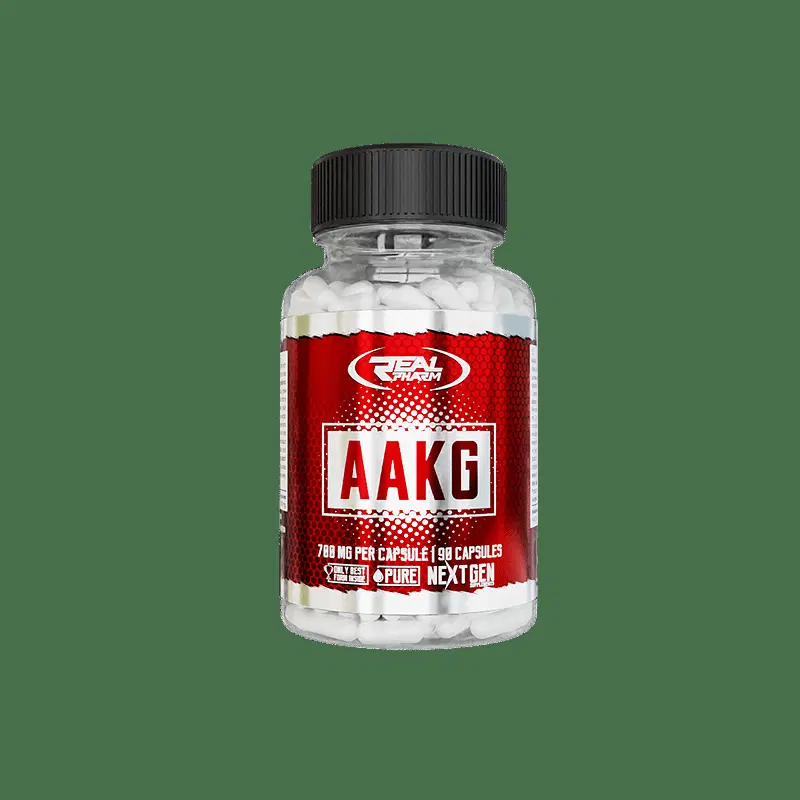 AAKG 700mg Real Pharm 90 капсули – 10.23 €
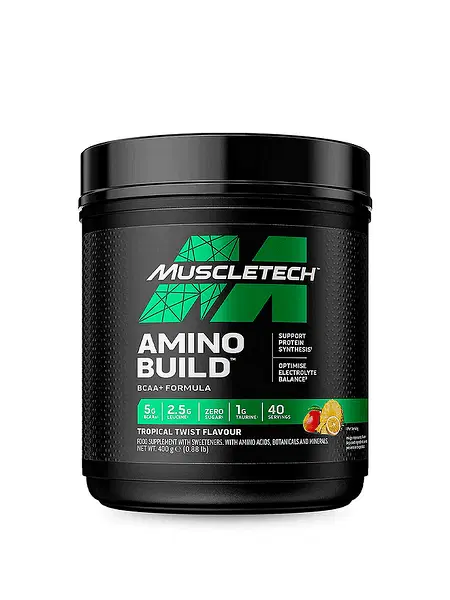 Amino Build MuscleTech 400 грама 40 дози – 61.61 €
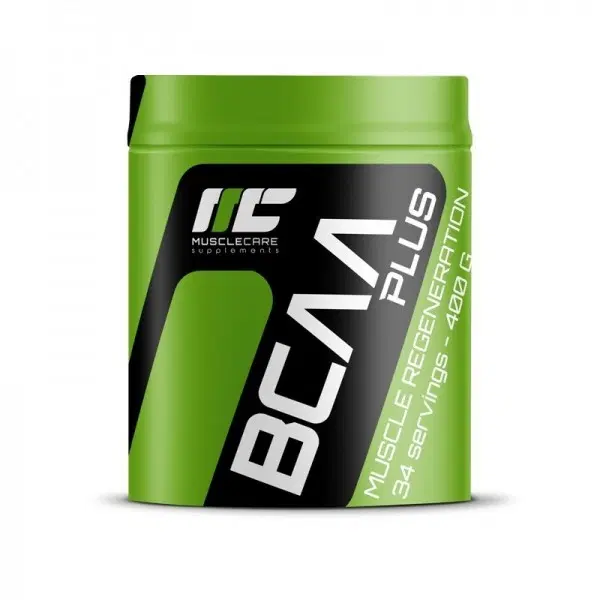 Muscle Care - BCAA Plus / 400g – 18.41 €
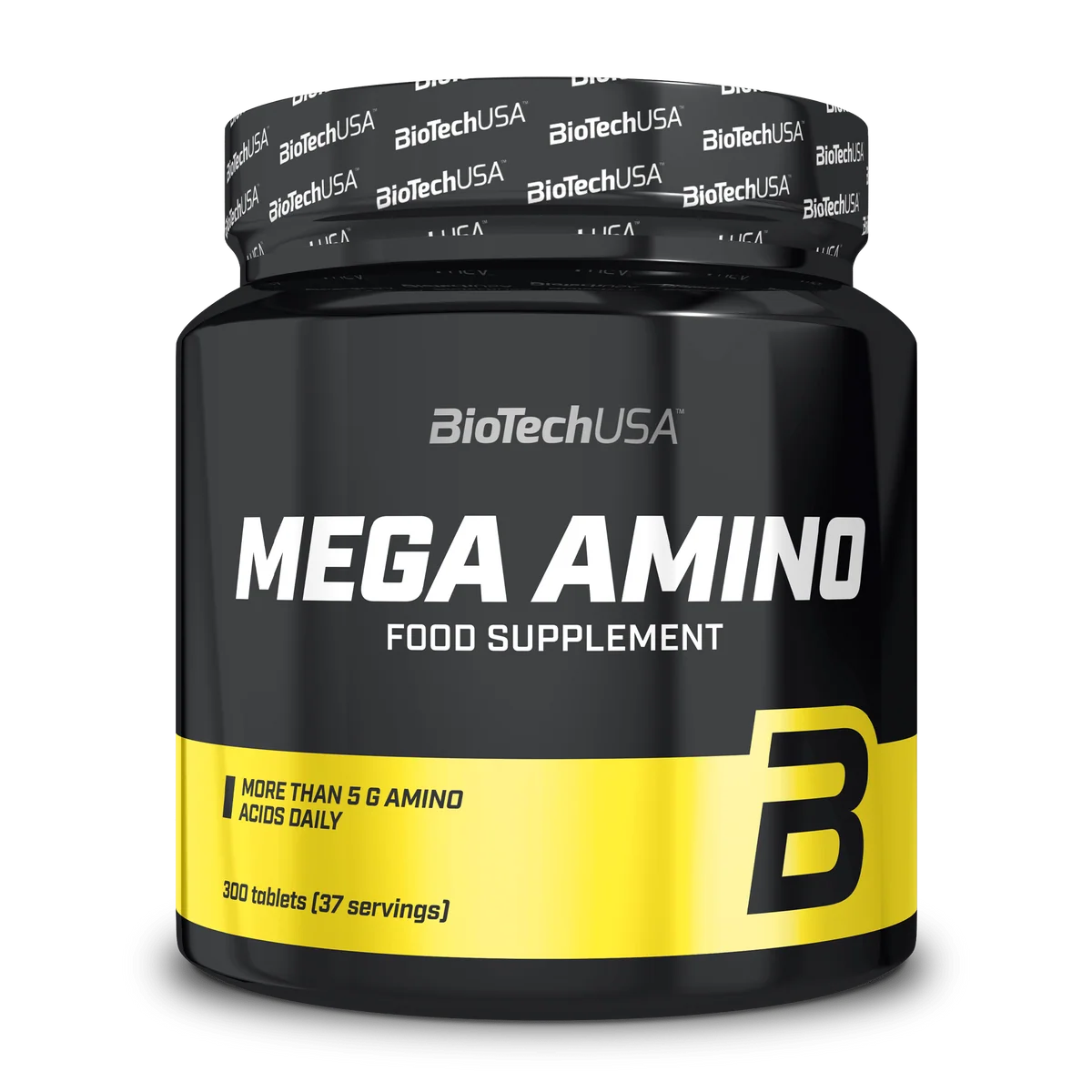 BioTech USA Mega Amino - 300 tablets – 32.90 €
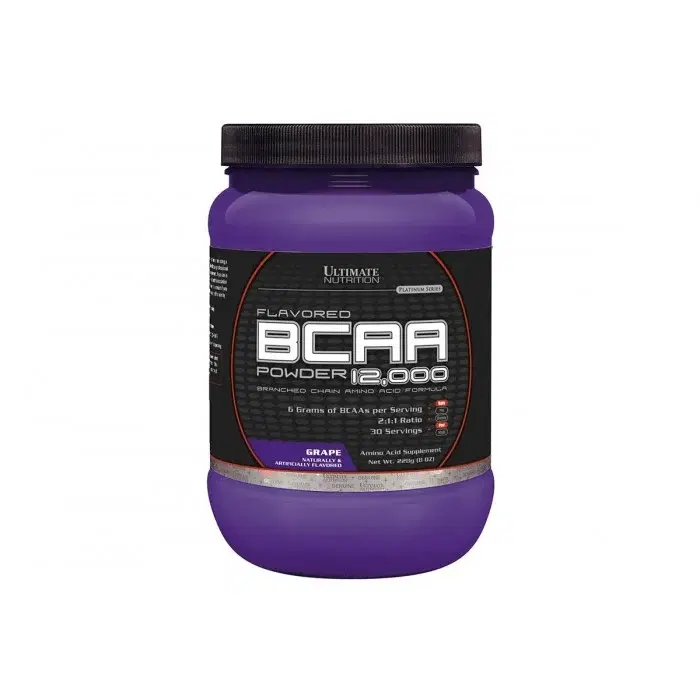 Ultimate Nutrition BCAA 12,000 Powder 228 гр. – 25.05 €
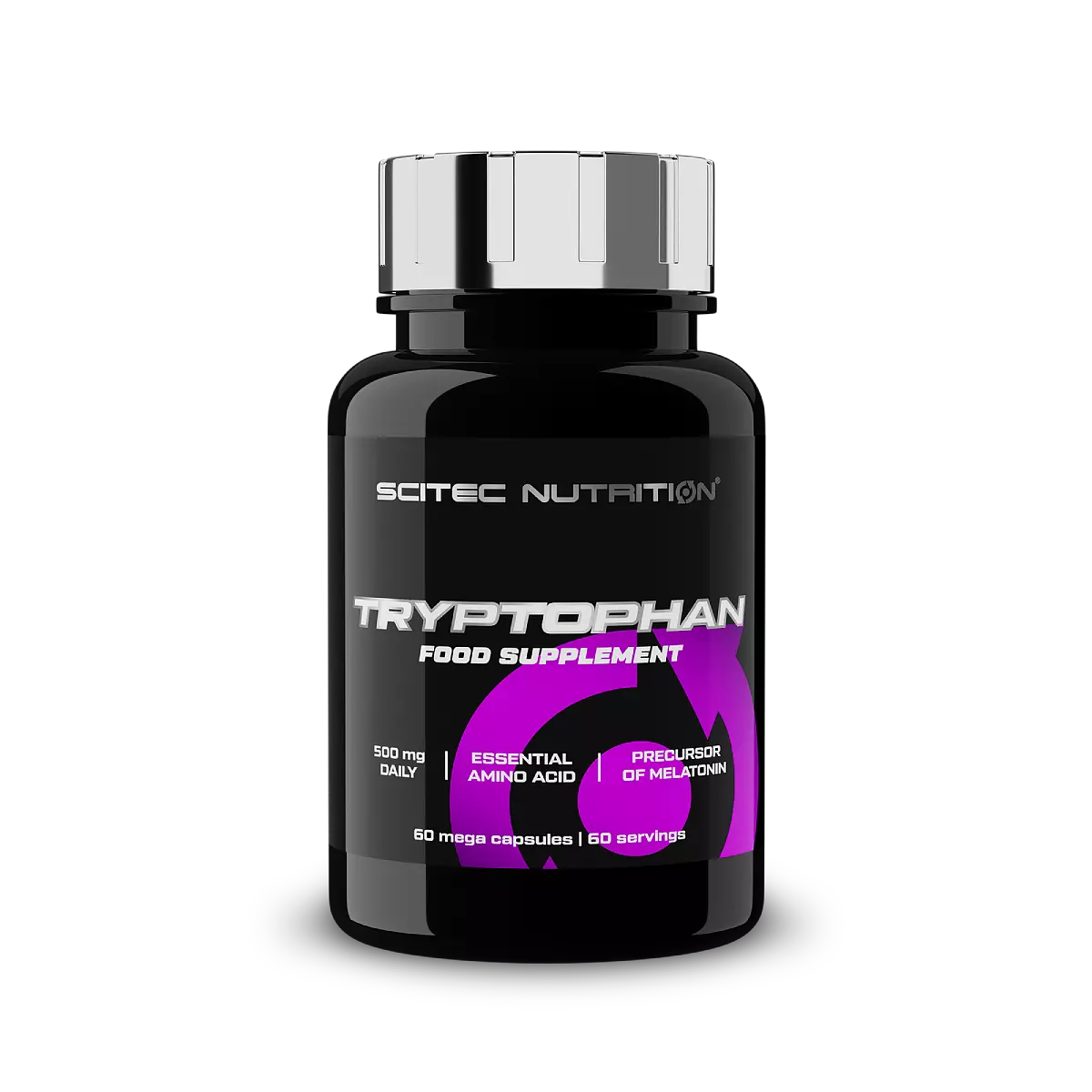 Scitec Nutrition Tryptophan (60 caps) – 13.90 €
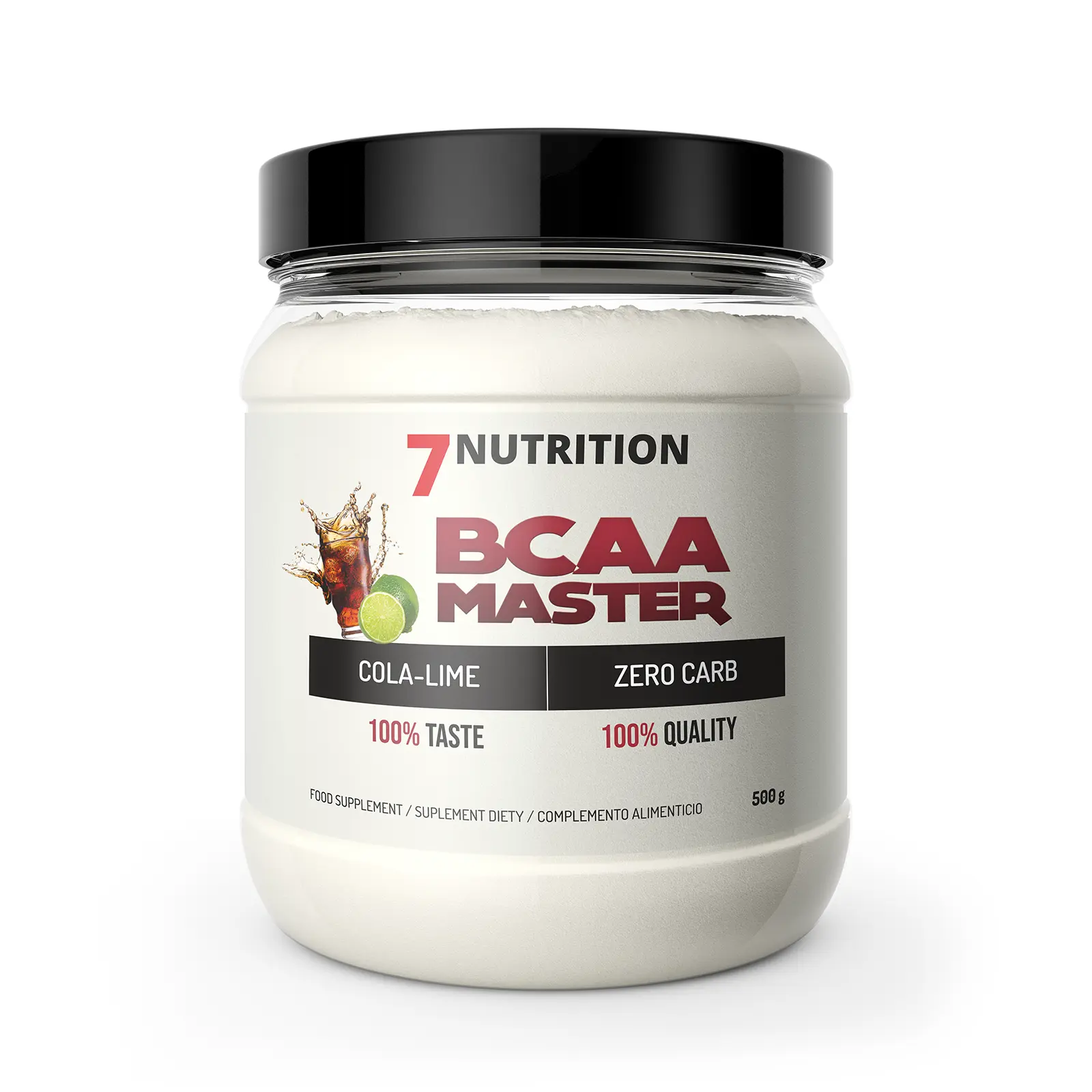 7Nutrition - BCAA Master 500g – 30.00 €
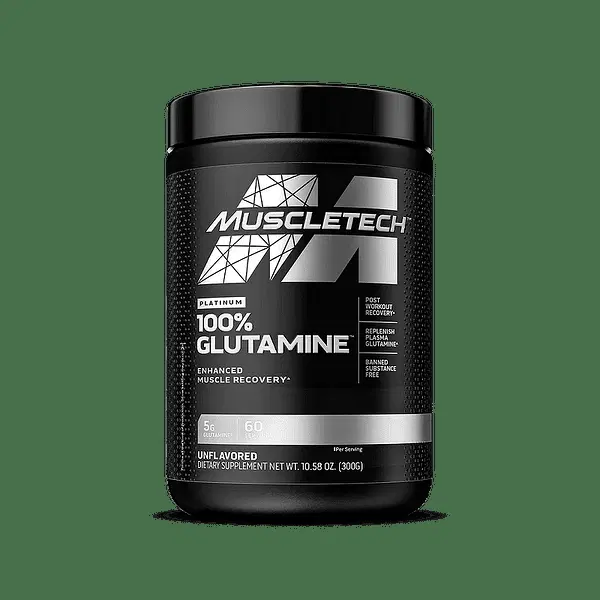 Platinum 100% Glutamine MuscleTech 300 грама – 35.01 €
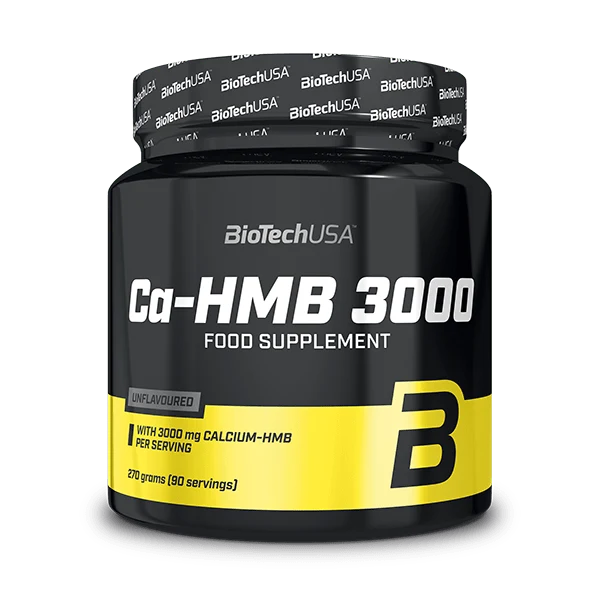 BioTech USA CA-HMB 3000 - 270 g – 53.90 €
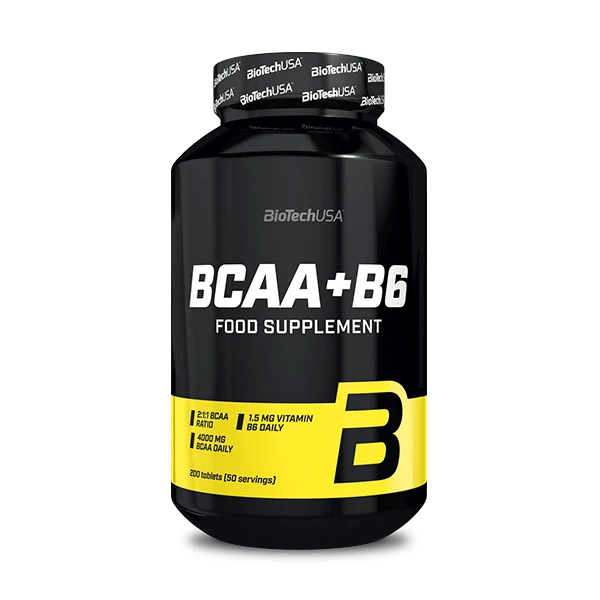 BioTech USA BCAA+B6 - 200 tablets – 36.90 €
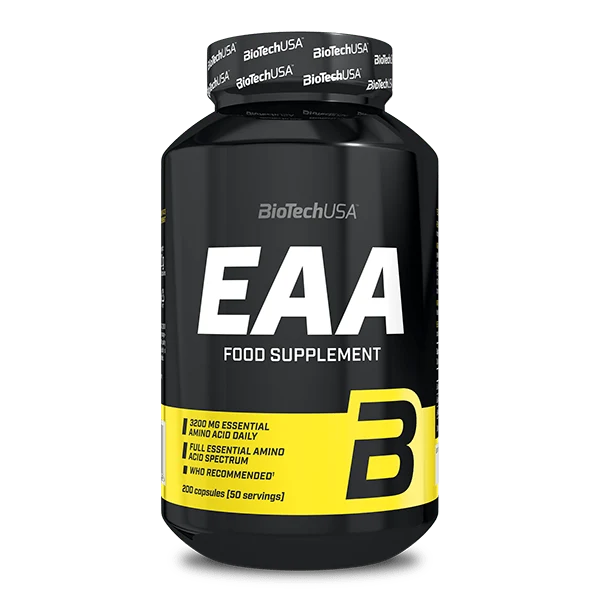 BioTech USA EAA - 200 megacapsules – 31.90 €
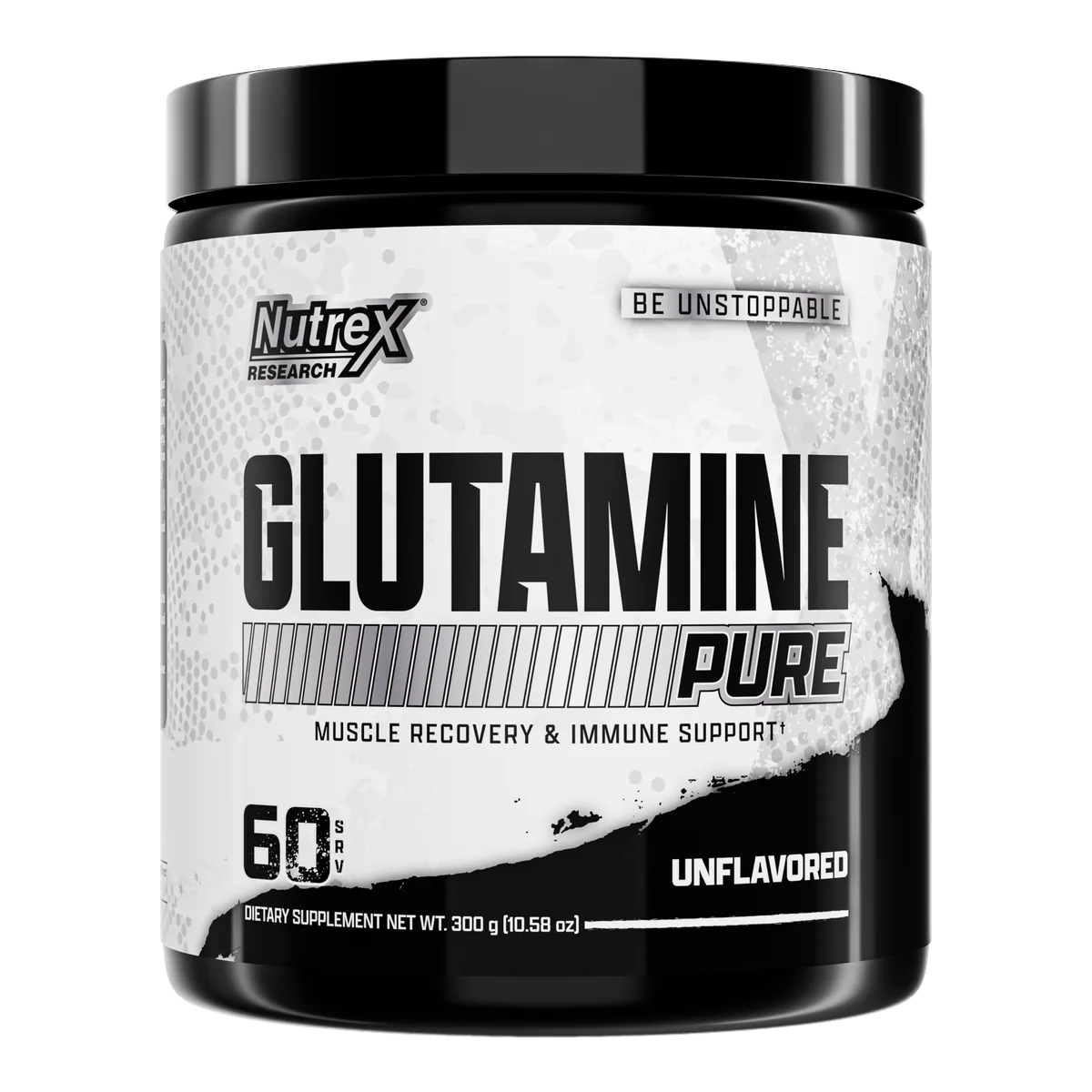 Glutamine Pure Nutrex – 25.99 €
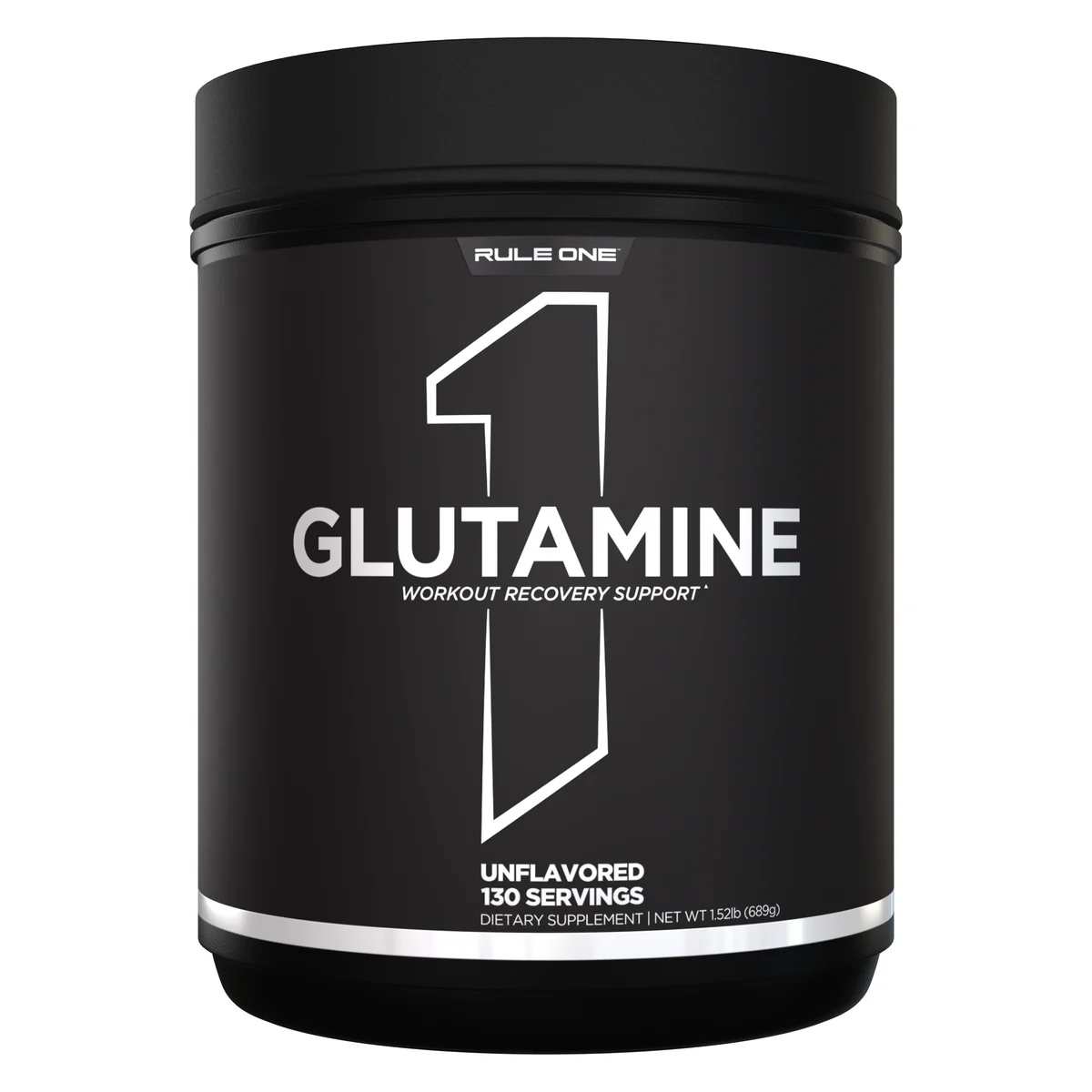 Rule 1 R1 Glutamine 130 дози – 40.00 €
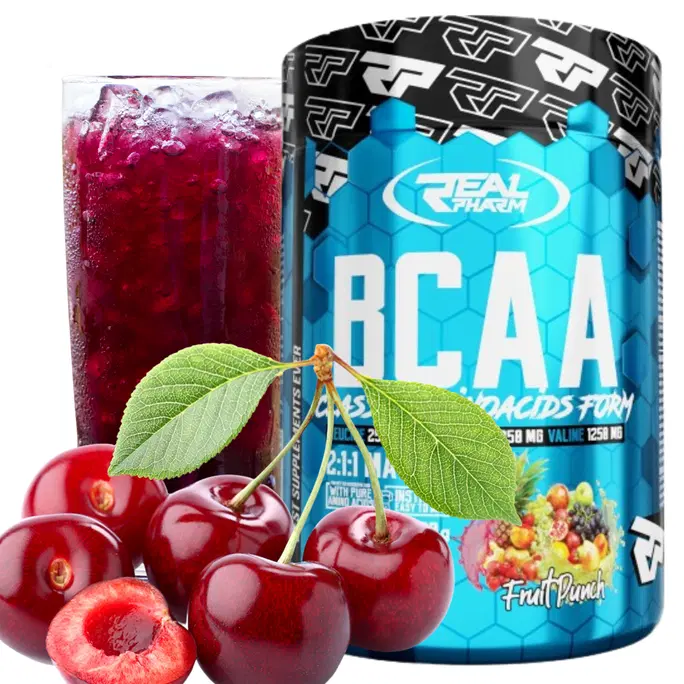 Real Pharm BCAA Instant 400 грама – 33.44 €
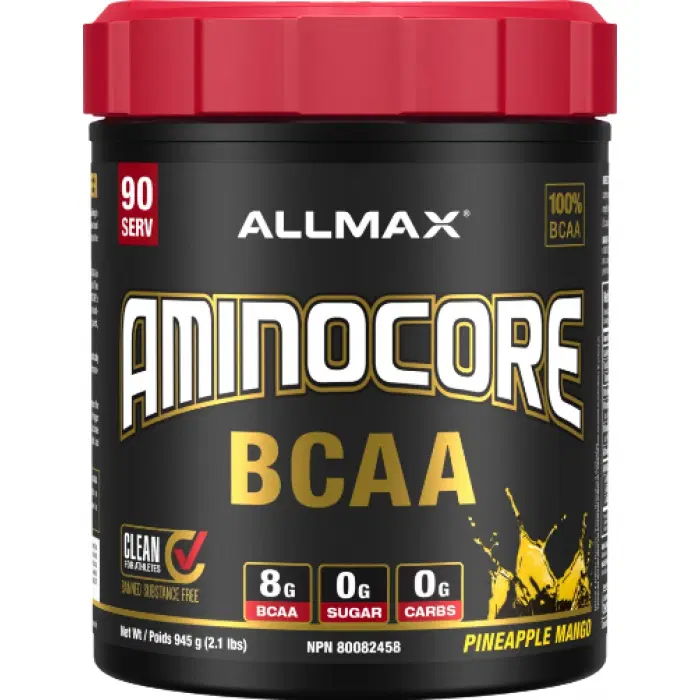 AllMax - AminoCore BCAA / 945gr – 75.67 €
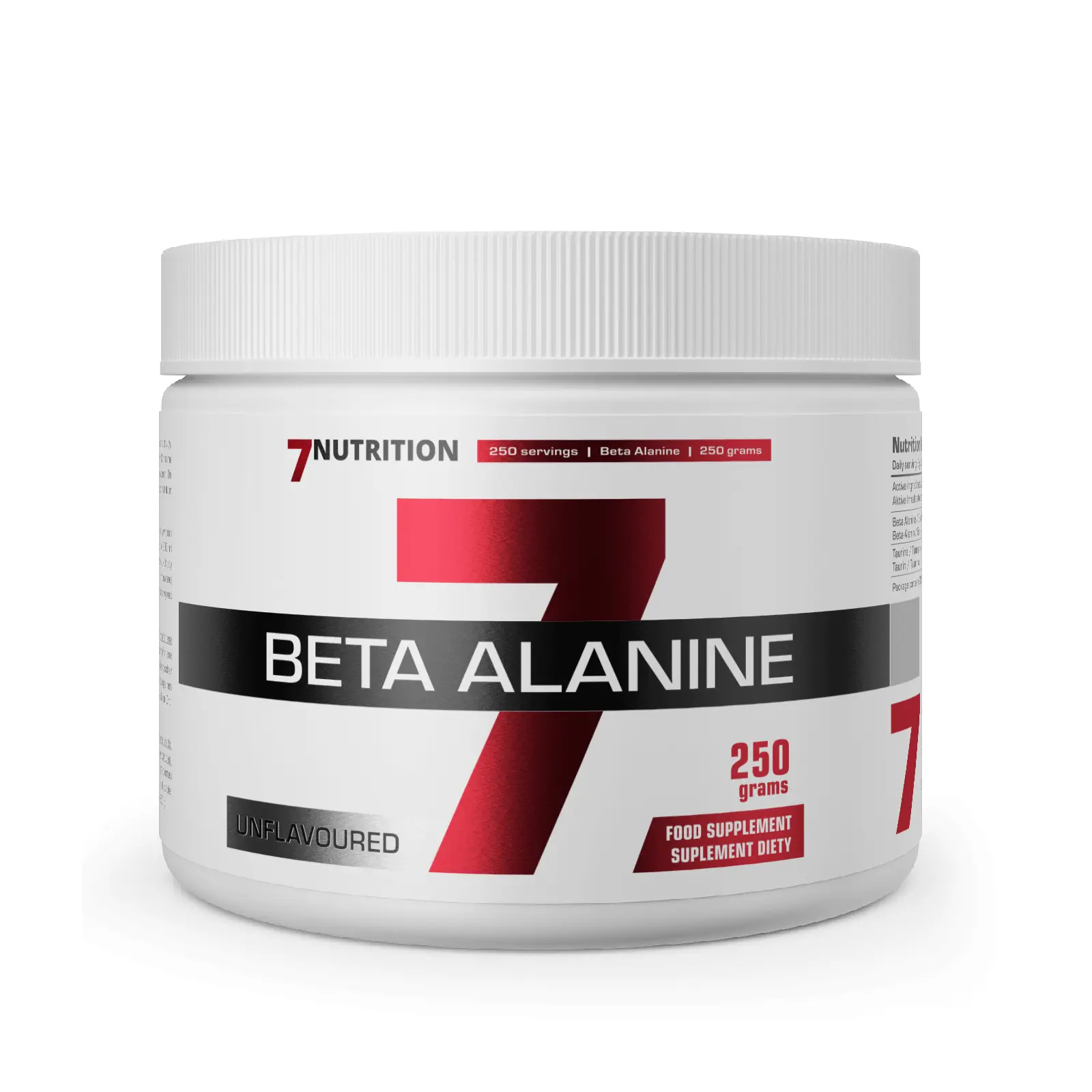 7Nutrition - Beta Alanine 250g – 15.00 €
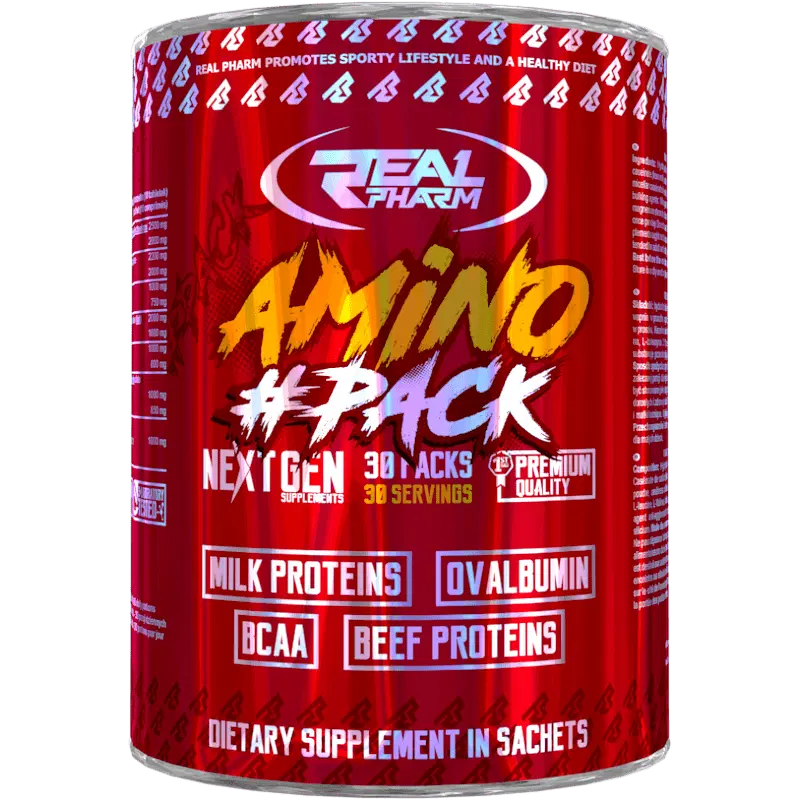 Amino Pack Real Pharm 30 пакета – 33.23 €
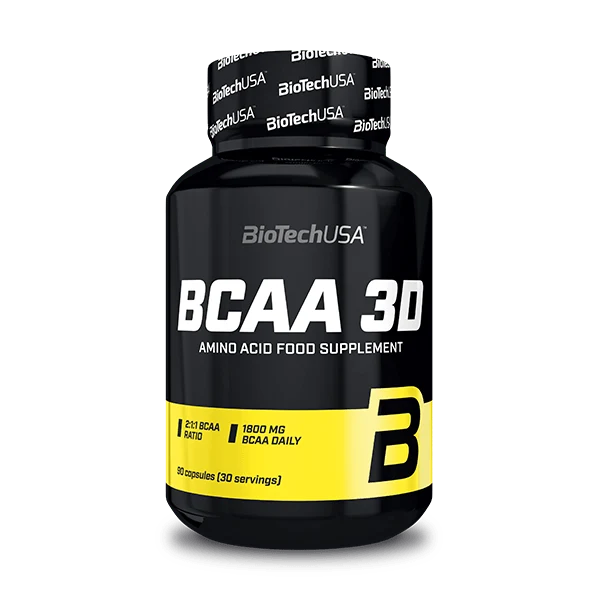 BioTech USA BCAA 3D - 90 capsules – 13.90 €
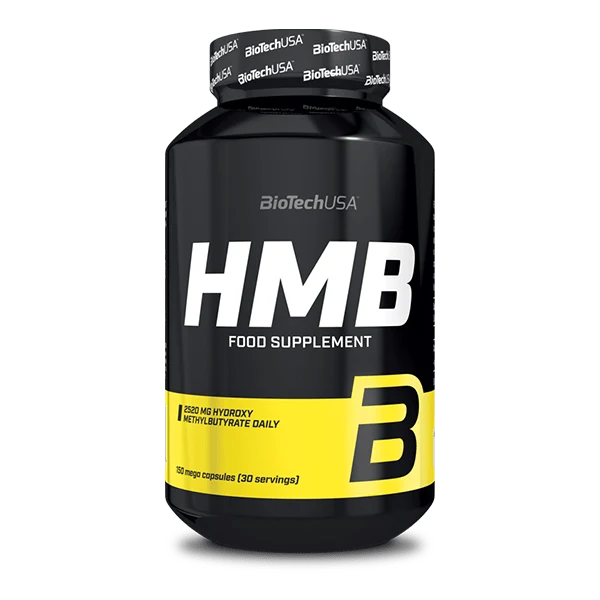 BioTech USA HMB - 150 megacapsules – 36.90 €
 Real Pharm Beef Amino 300 таблетки – 16.87 €
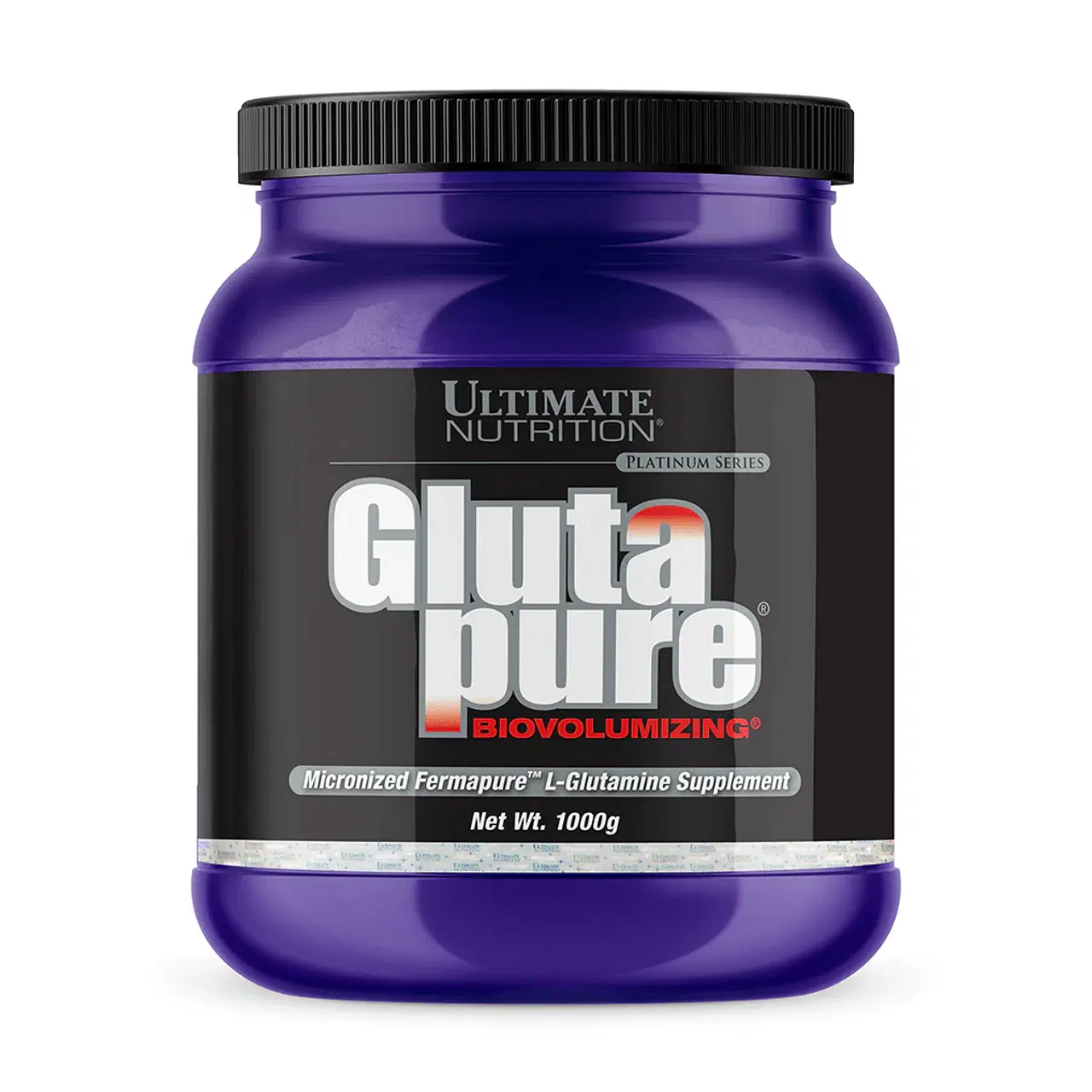 Глутамин Glutapure Ultimate Nutrition 1000 грама – 49.60 €
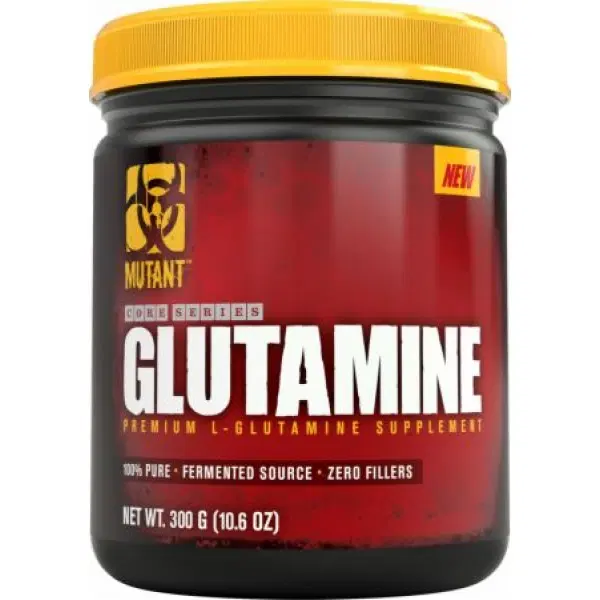 MUTANT - Glutamine / 300гр. – 20.00 €
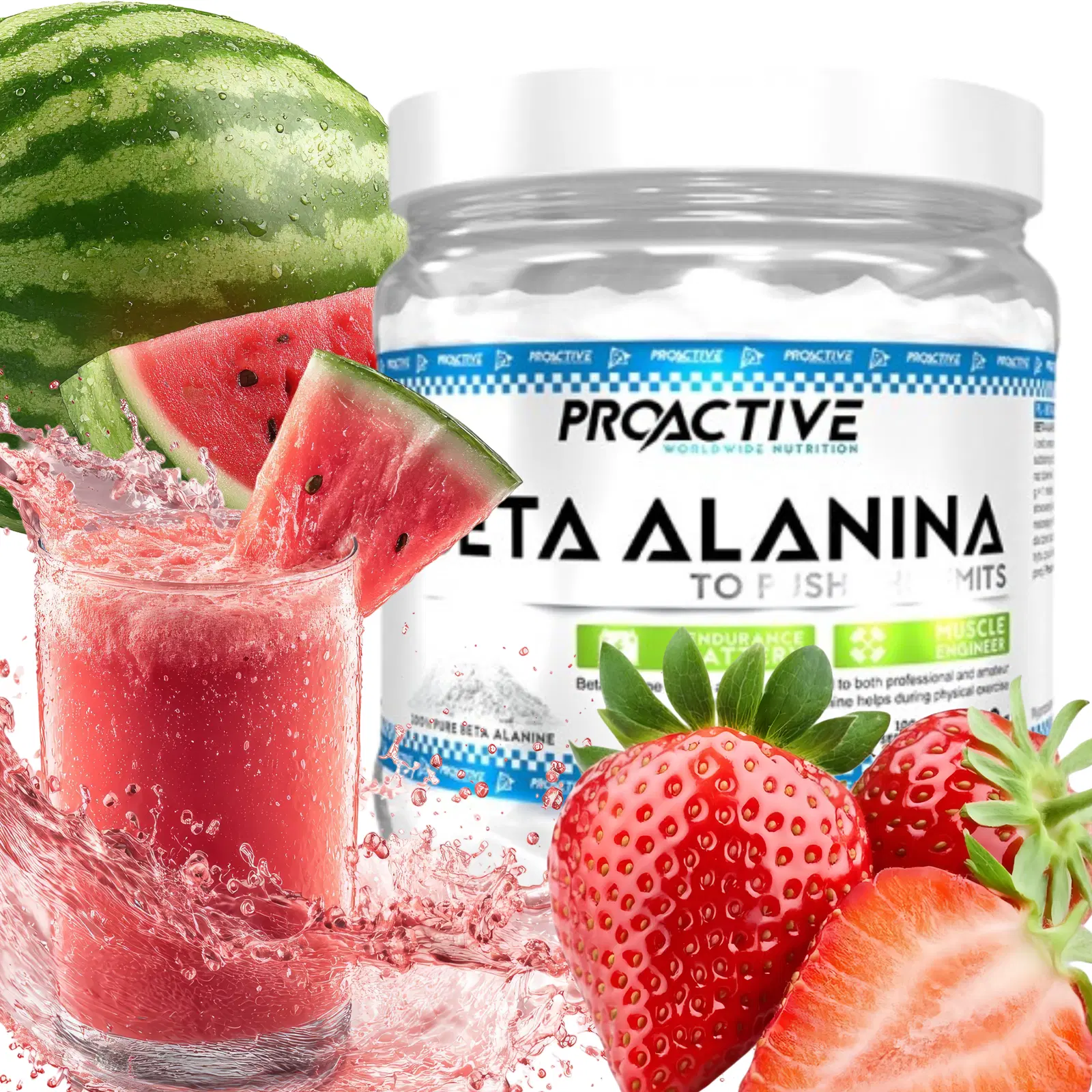 ProActive Beta Alanine 300g Strawberry Watermelon – 14.83 €
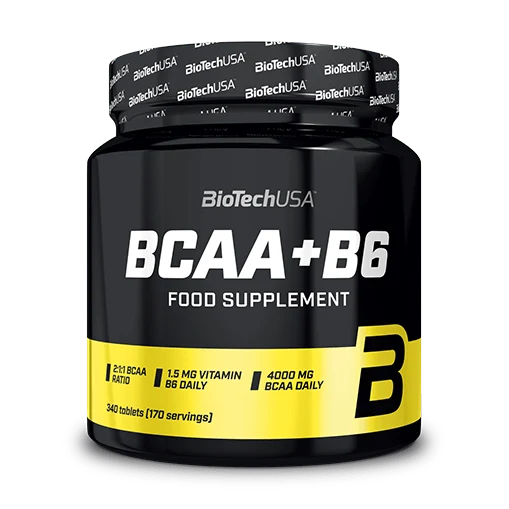 BioTech USA BCAA+B6 - 340 tablets – 58.90 €
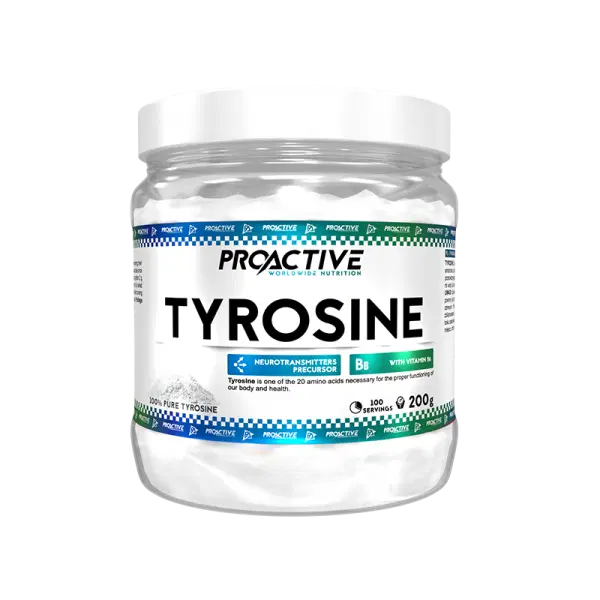 ProActive Tyrosine 200g Natural – 9.35 €
 AllMax - BCAA 2:1:1 / 400gr. – 30.68 €
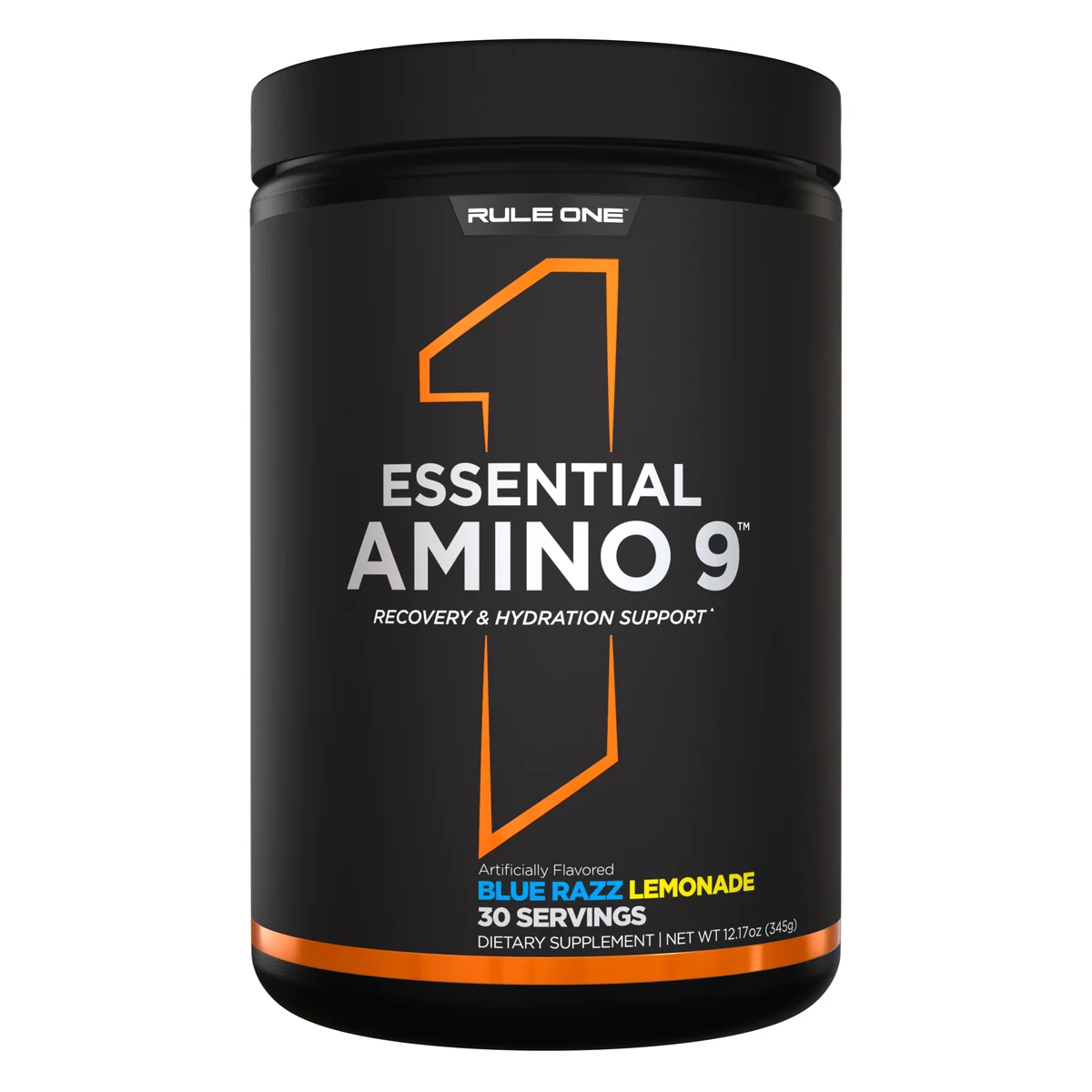 Rule 1 R1 Essential Amino 9 30 дози – 24.99 €
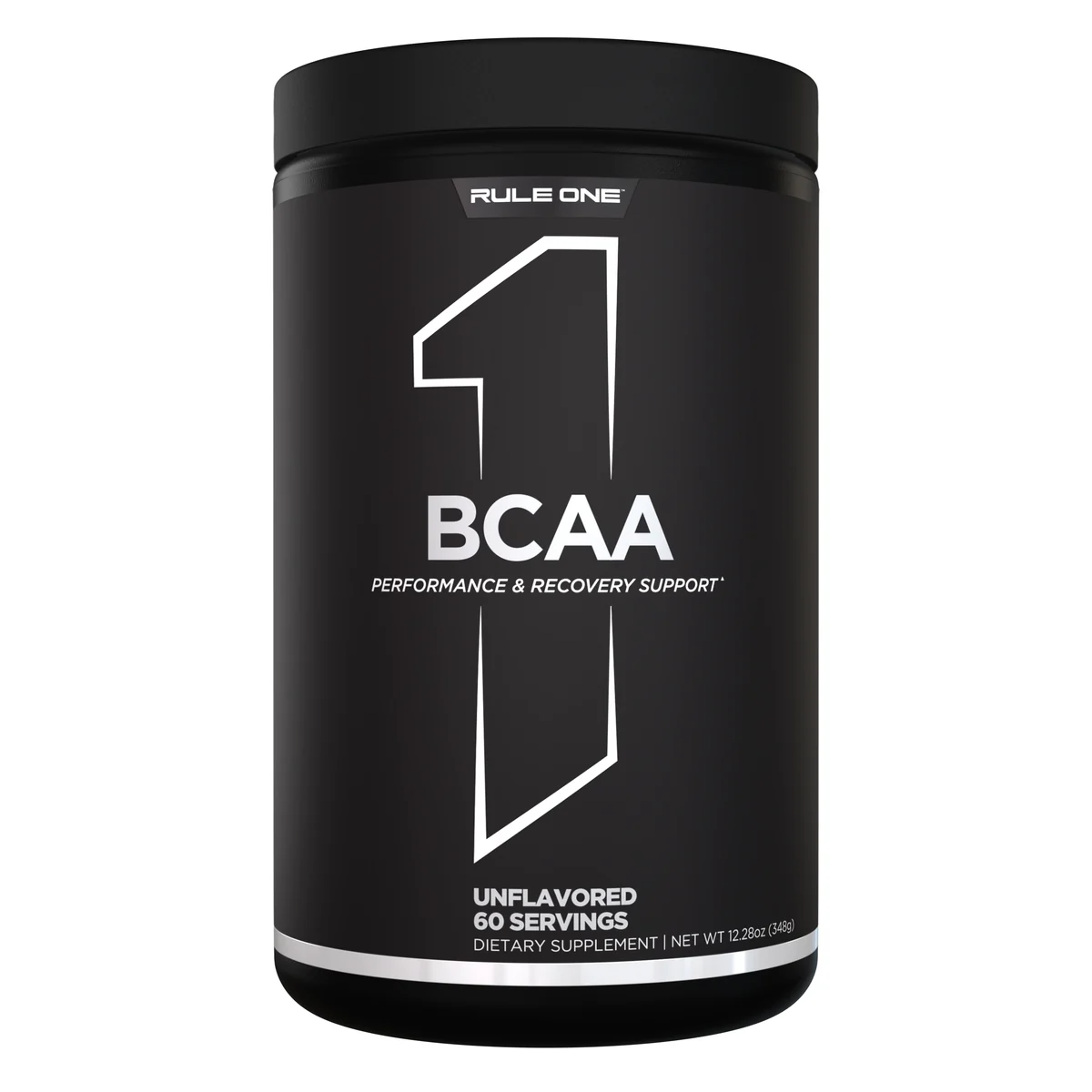 Rule 1 R1 BCAAs 60 дози – 30.00 €
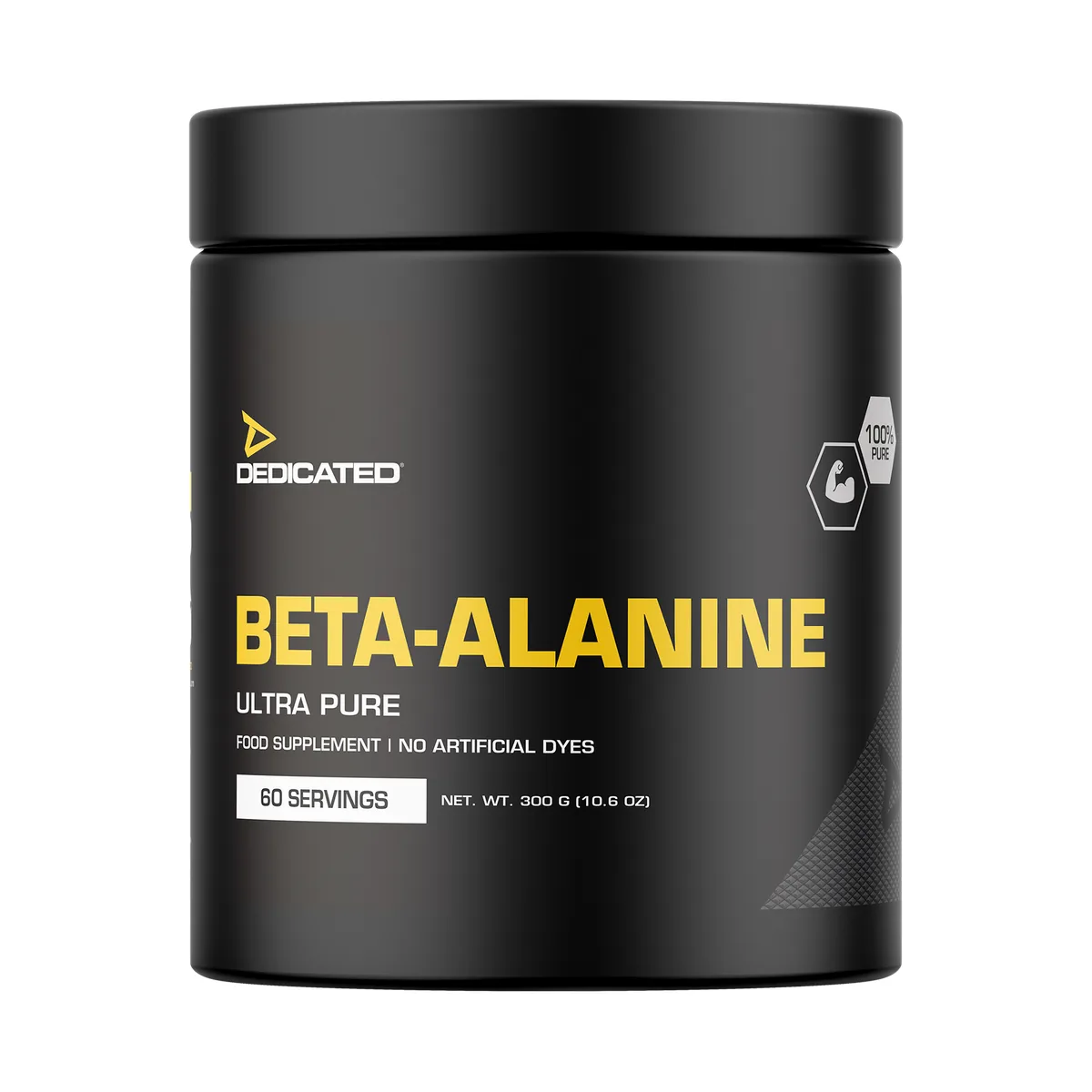 Бета-Аланин Beta-Alanine Dedicated Nutrition 300 грама – 17.00 €
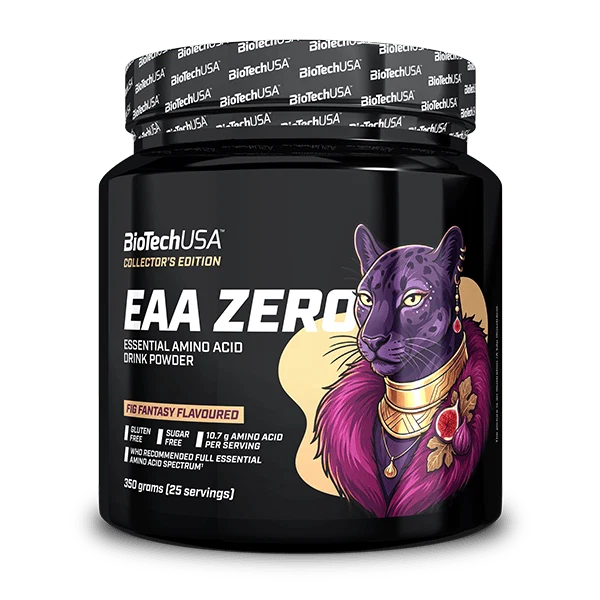 BioTech USA EAA ZERO - 350 g Fig Fantasy – 37.90 €
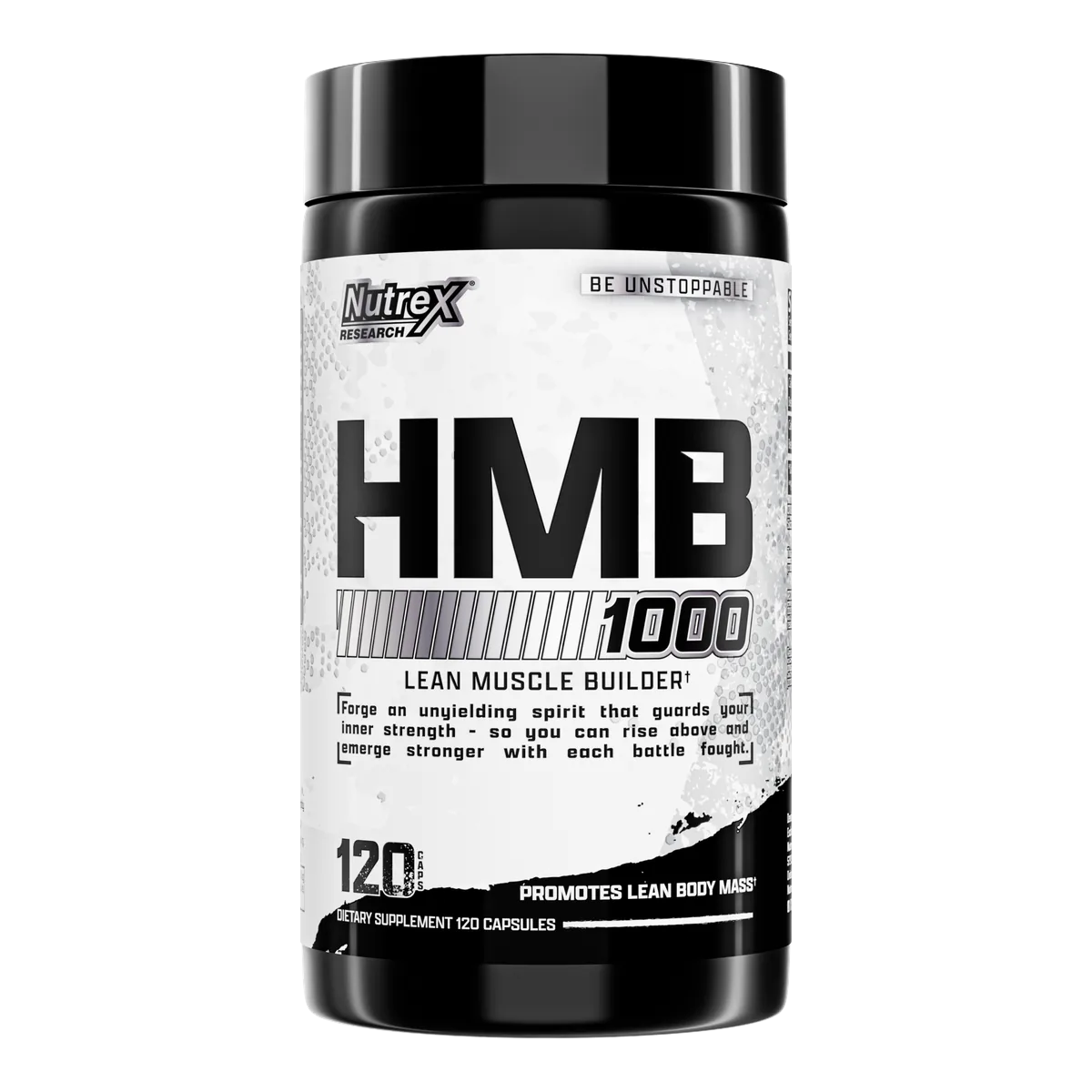 HMB 1000 Nutrex – 21.99 €
 BCAA 1100mg Real Pharm 300 капсули – 30.68 €
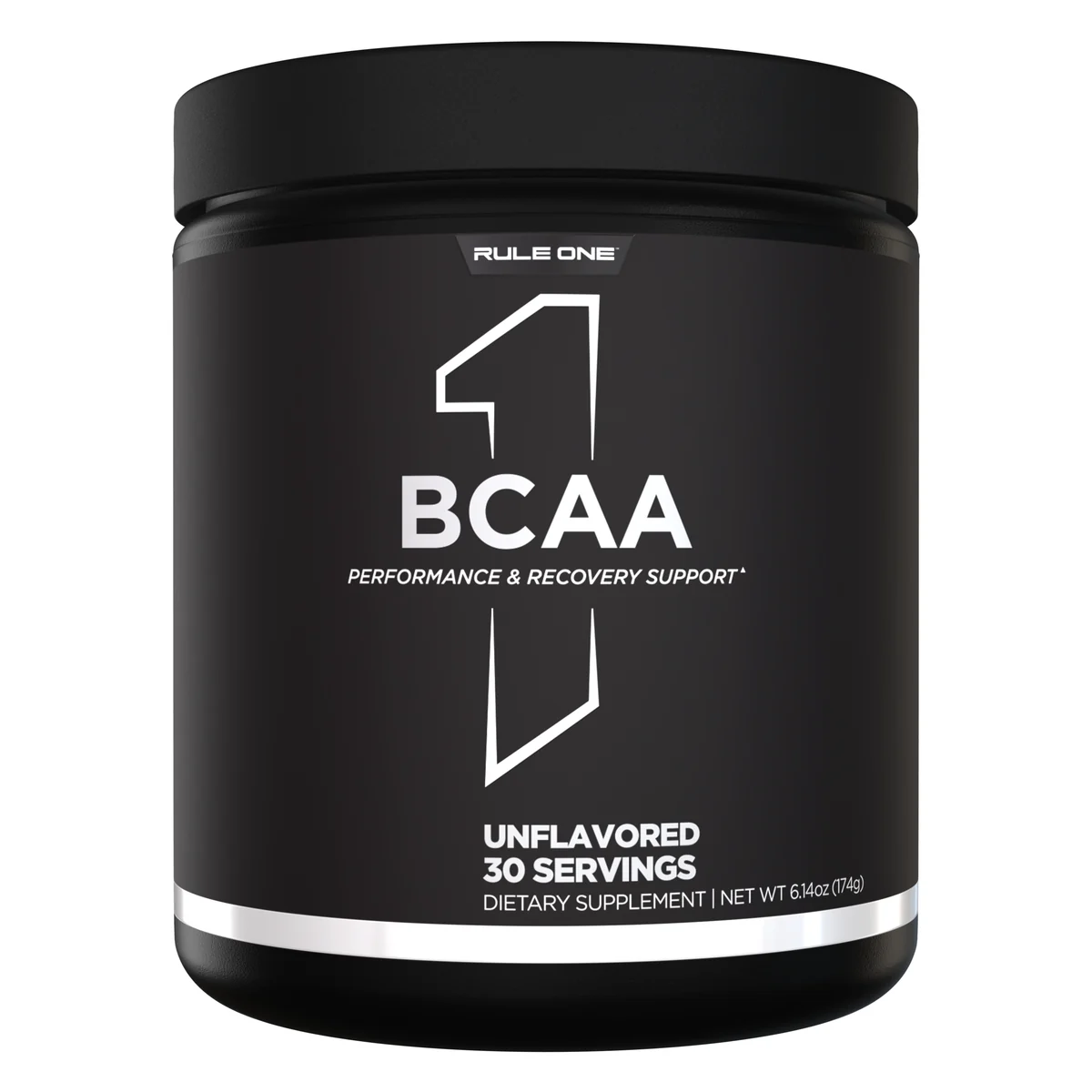 Rule 1 R1 BCAAs 30 дози – 11.99 €
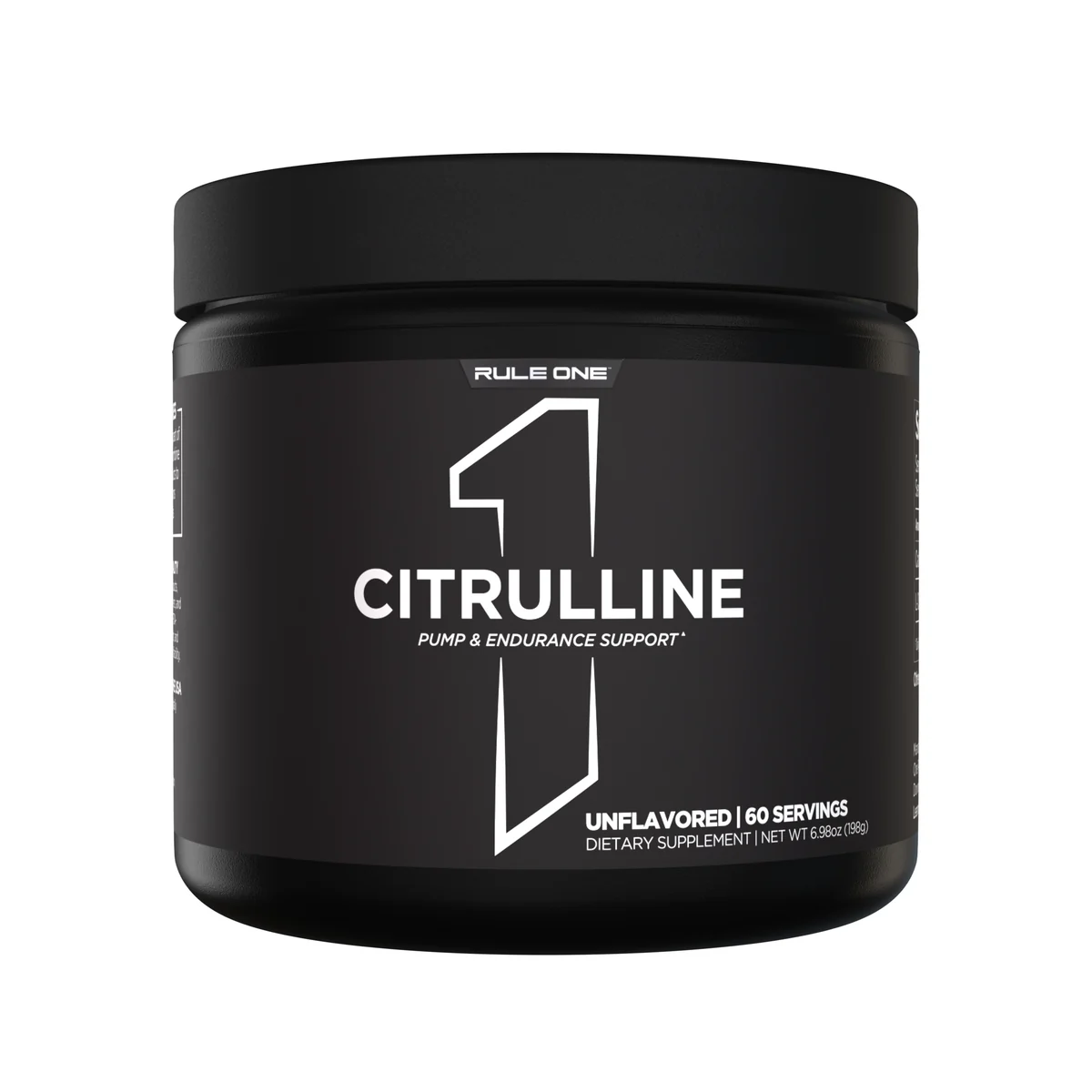 Rule 1 R1 Citrulline 60 дози – 19.99 €
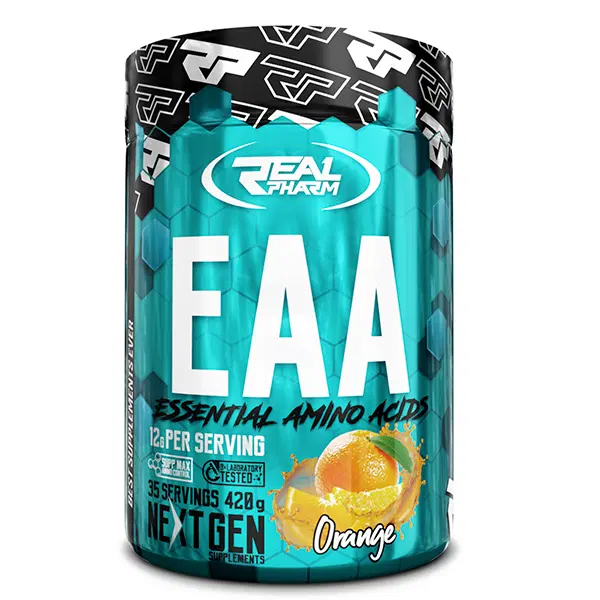 EAA Real Pharm 420 грама – 27.61 €
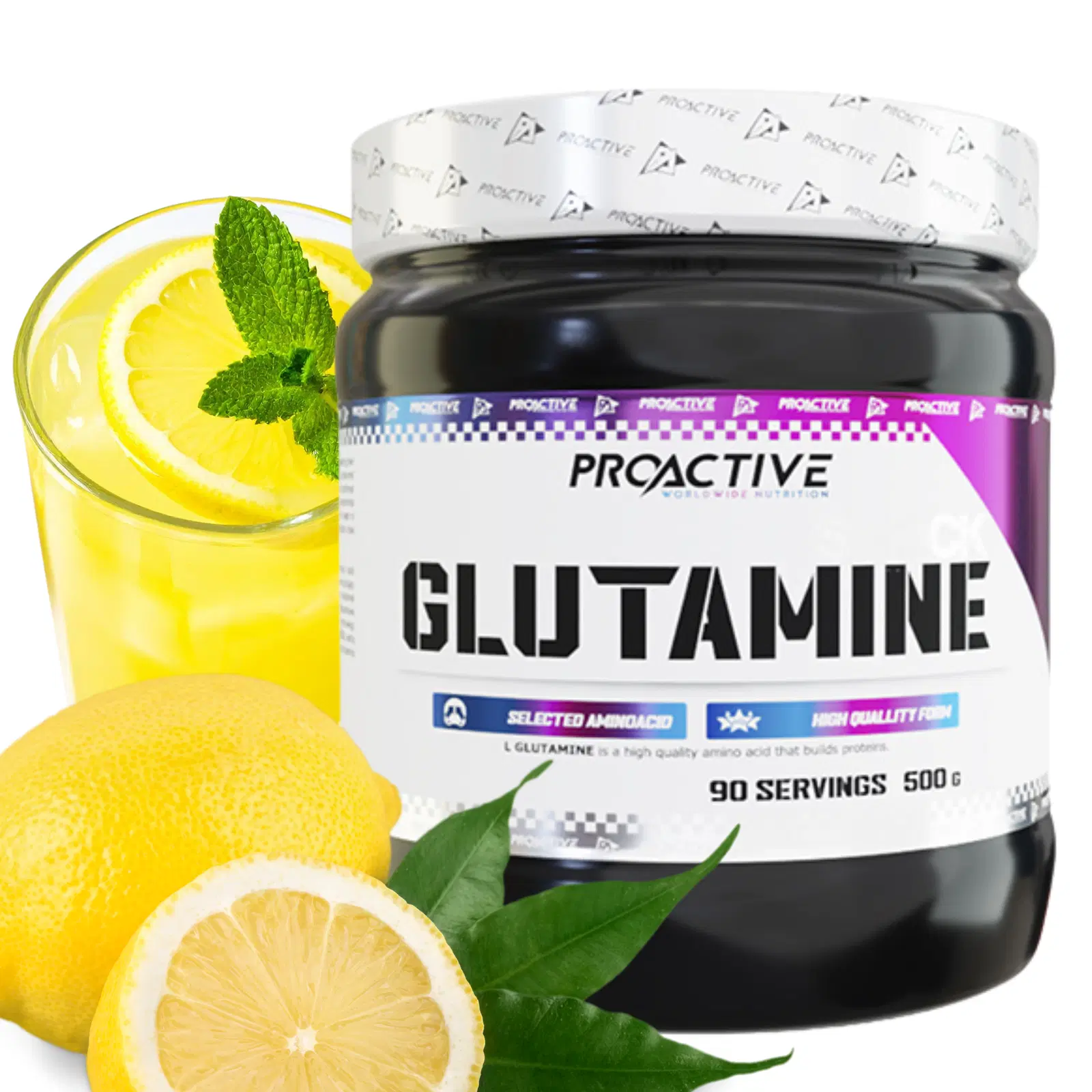 ProActive Glutamine 500g – 20.96 €
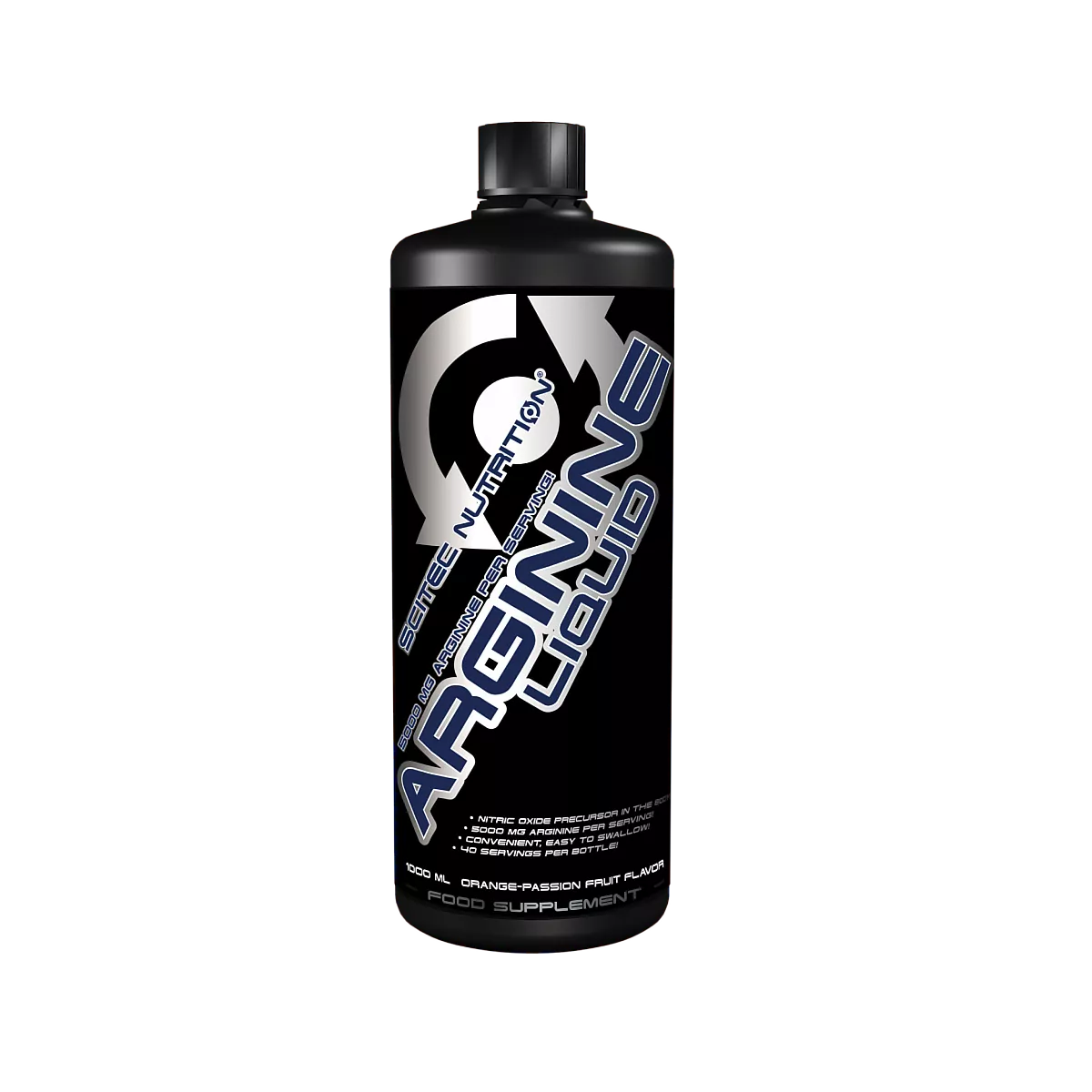 Scitec Nutrition Arginine Liquid (1 lit.) – 36.90 €
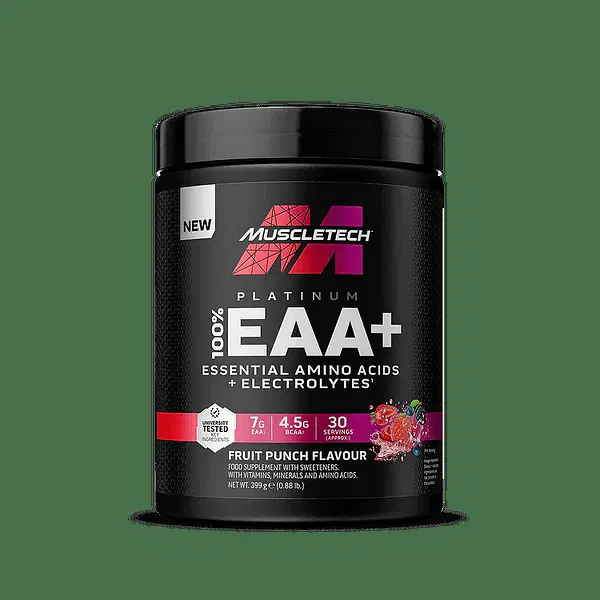 100% EAA+ Platinum MuscleTech 390 грама 30 дози – 58.79 €
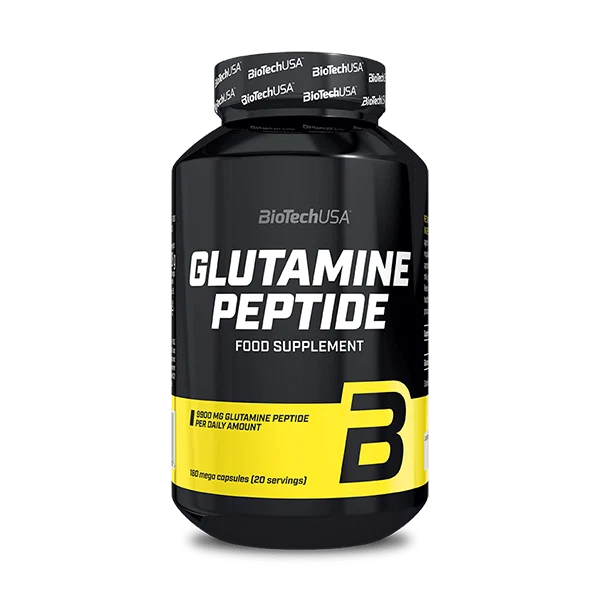 BioTech USA Glutamine Peptide - 180 megacapsules – 26.90 €
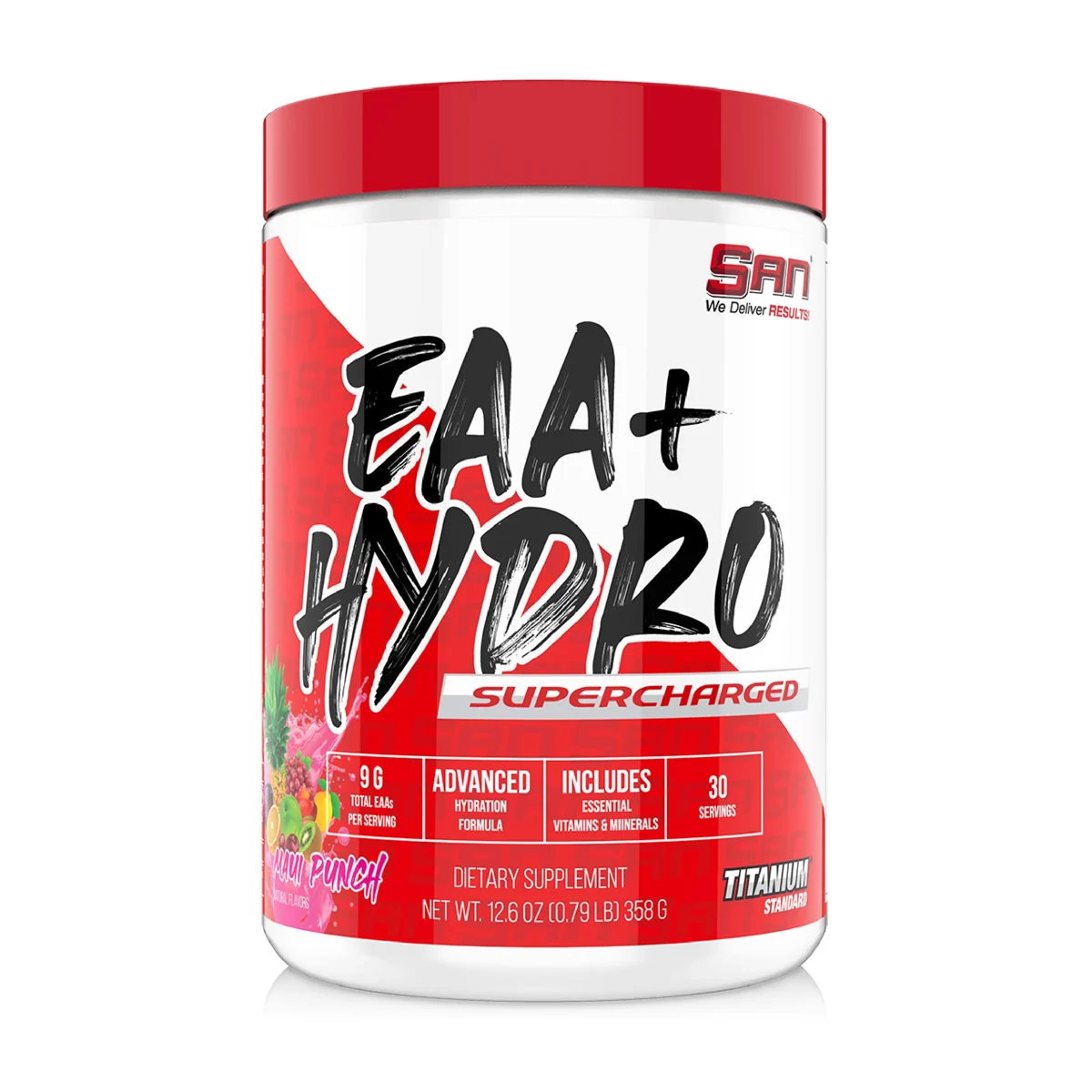 SAN EAA+ Hydro – 29.99 €
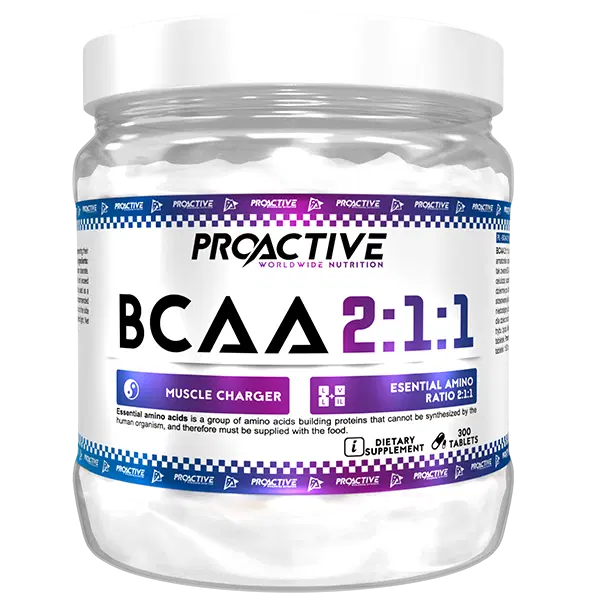 ProActive BCAA 2:1:1 300 tabs – 25.56 €
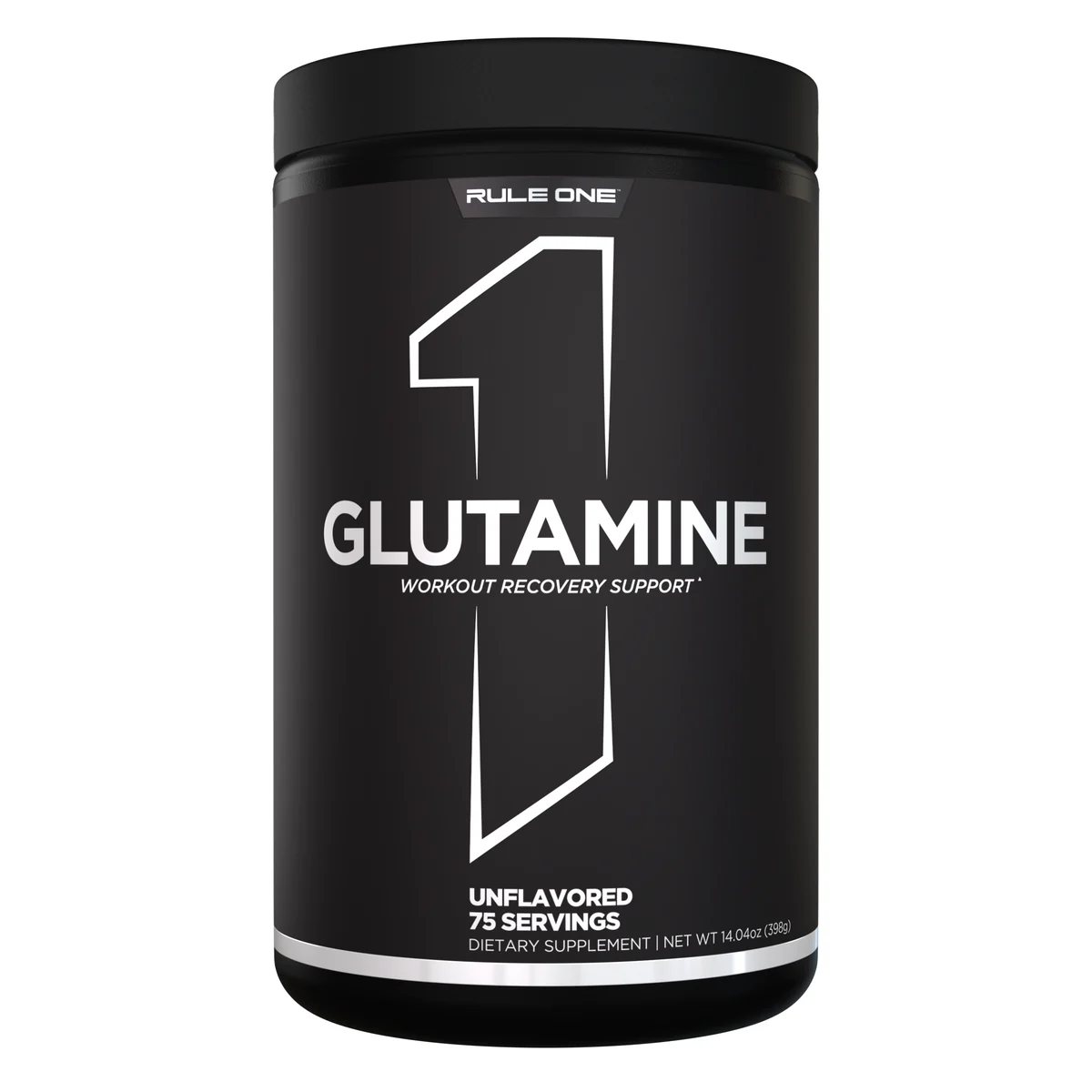 Rule 1 R1 Glutamine 75 дози – 19.99 €
 EAA Real Pharm 180 капсули – 37.00 €
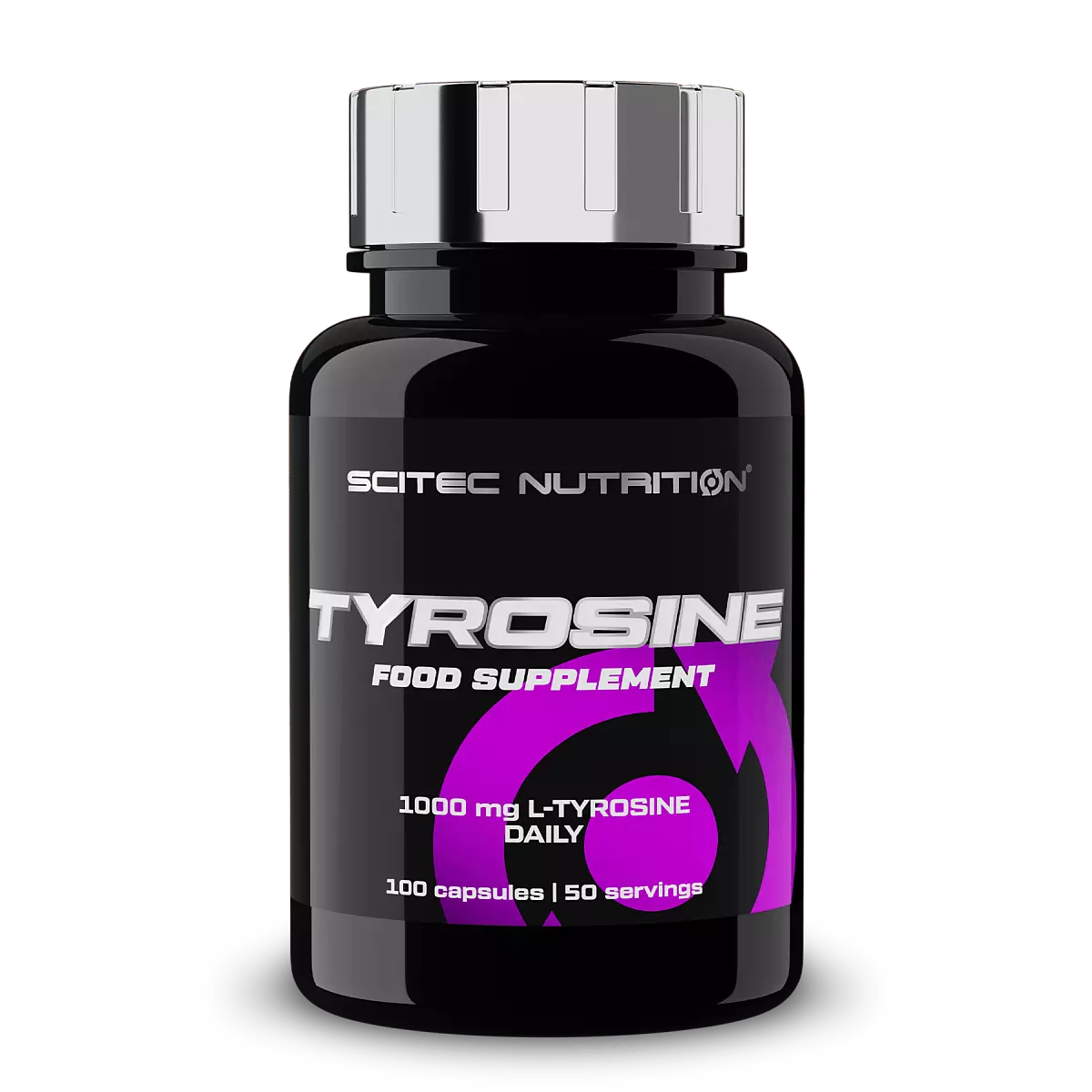 Scitec Nutrition Tyrosine (100 caps) – 15.90 €
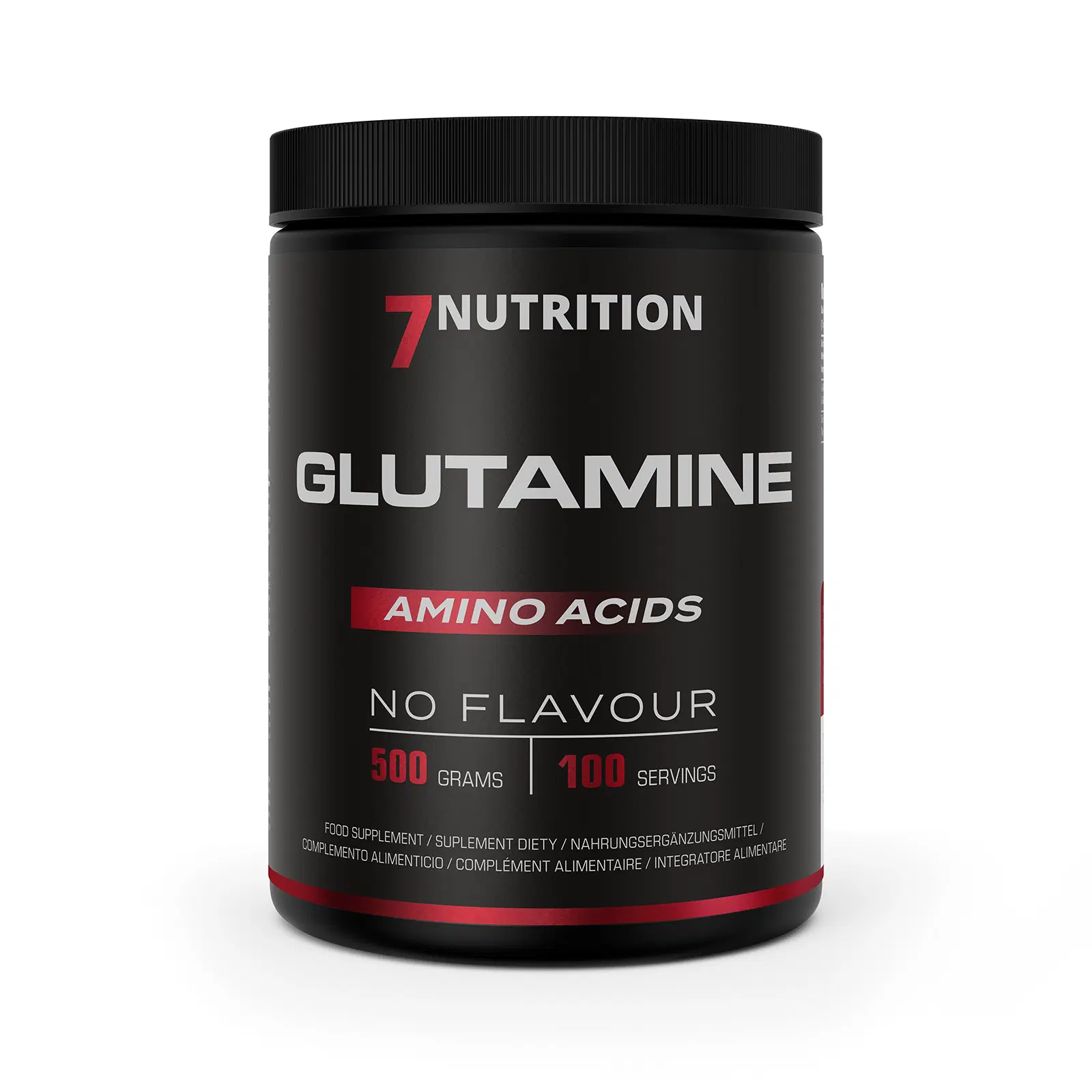 7Nutrition - GLUTAMINE 500g – 27.00 €
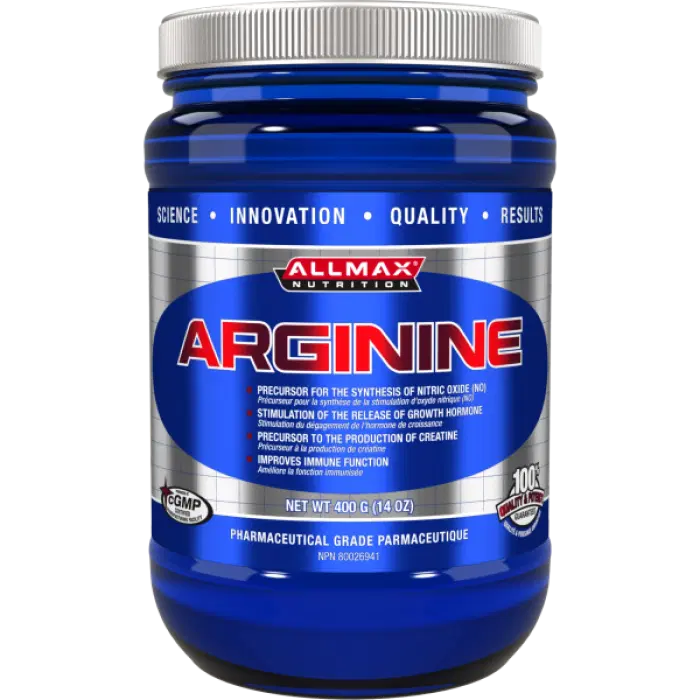 AllMax - Arginine / 400gr. – 33.23 €
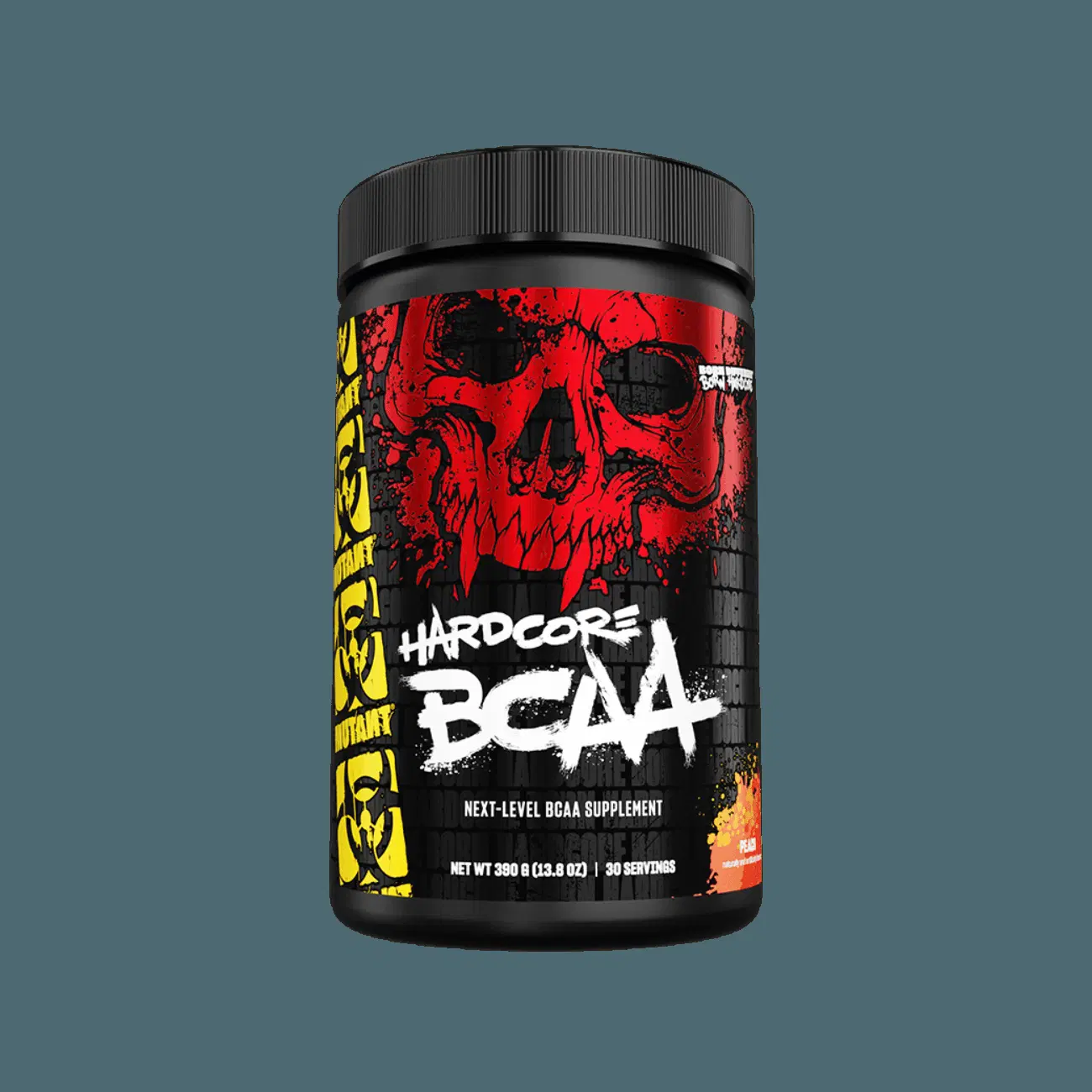 Mutant - HARDCORE BCAA – 0.00 €
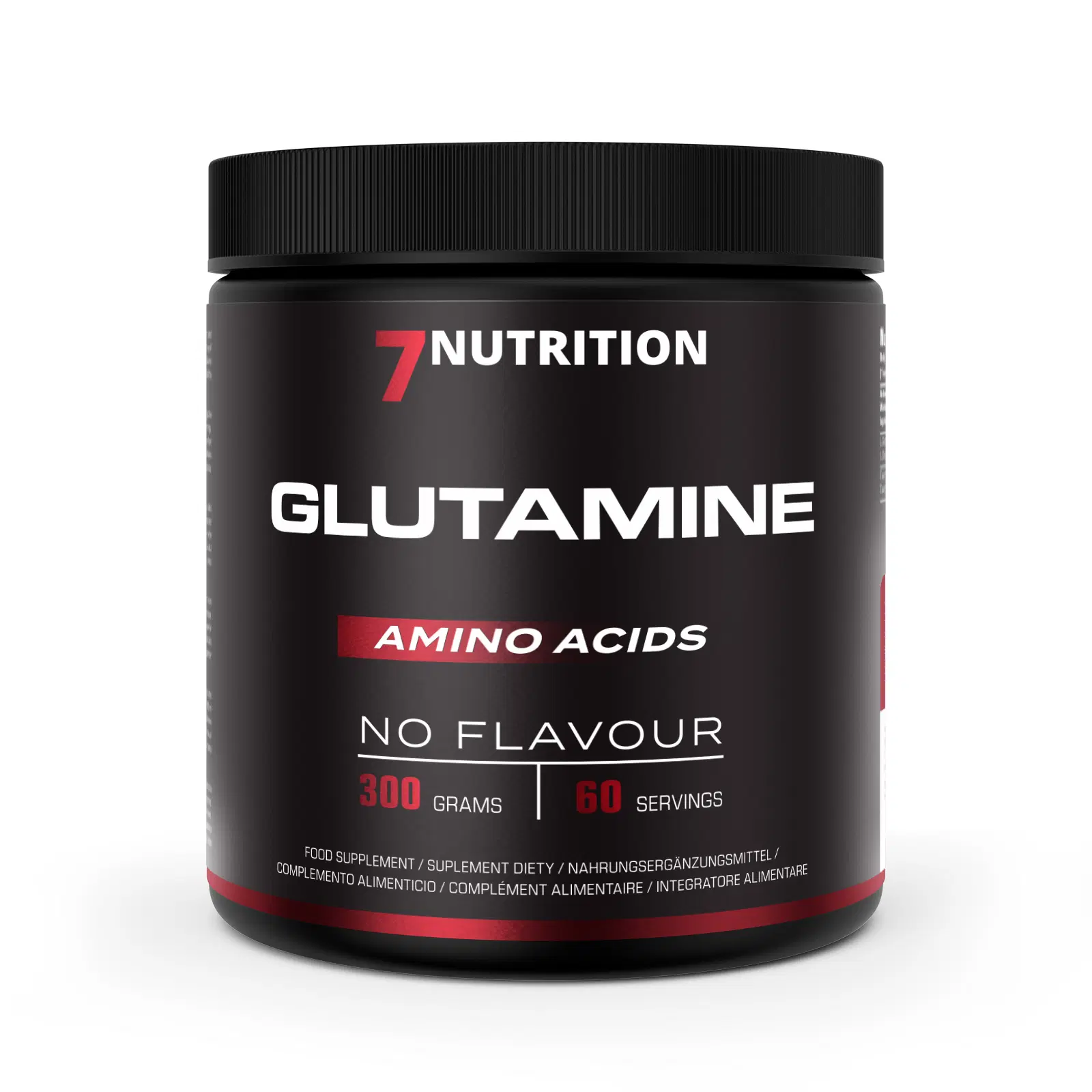 7Nutrition - GLUTAMINE 300g – 19.00 €
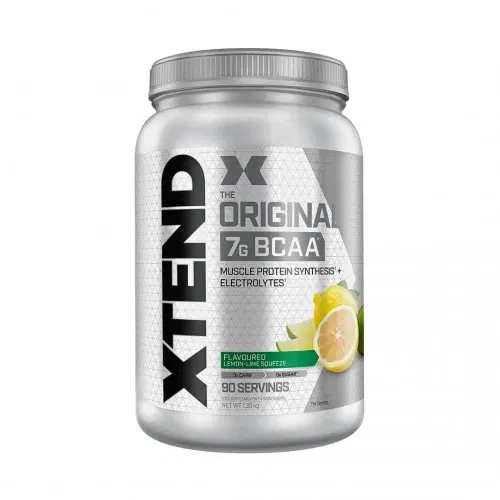 XTEND Original Amino Acids 90 дози – 63.91 €
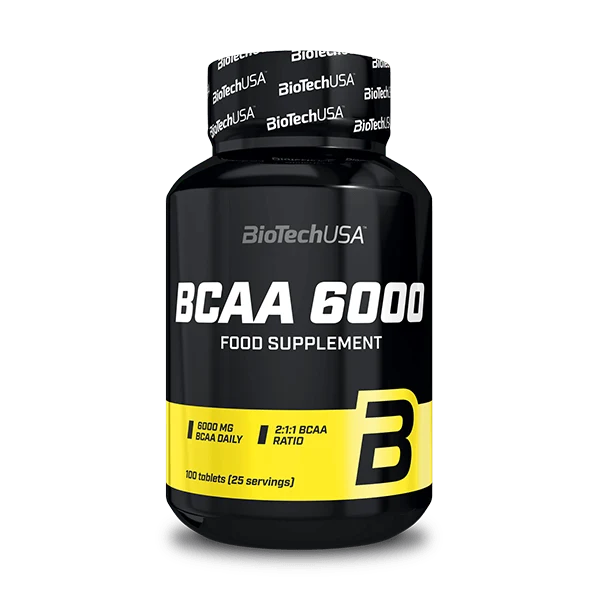 BioTech USA BCAA 6000 - 100 tablets – 25.90 €
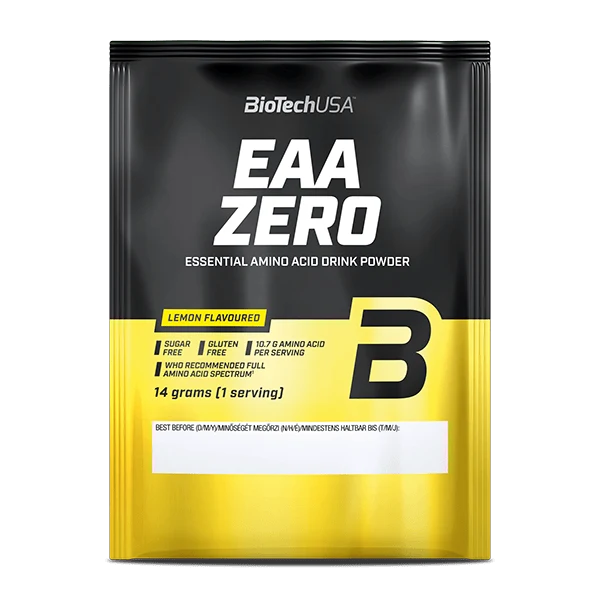 BioTech USA EAA ZERO - 14 g – 3.50 €
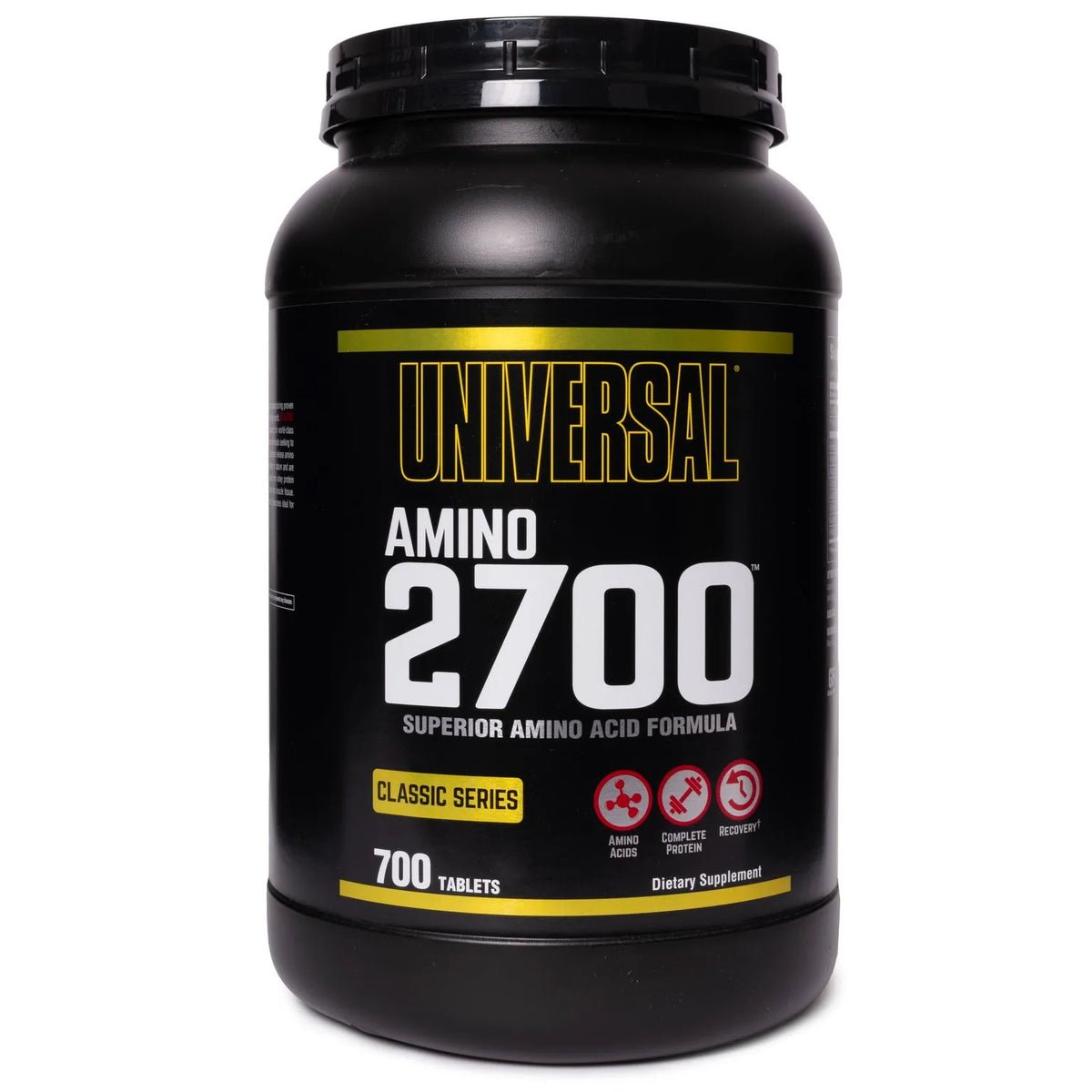 Universal Nutrition Amino 2700 – 700 таблетки – 95.95 €
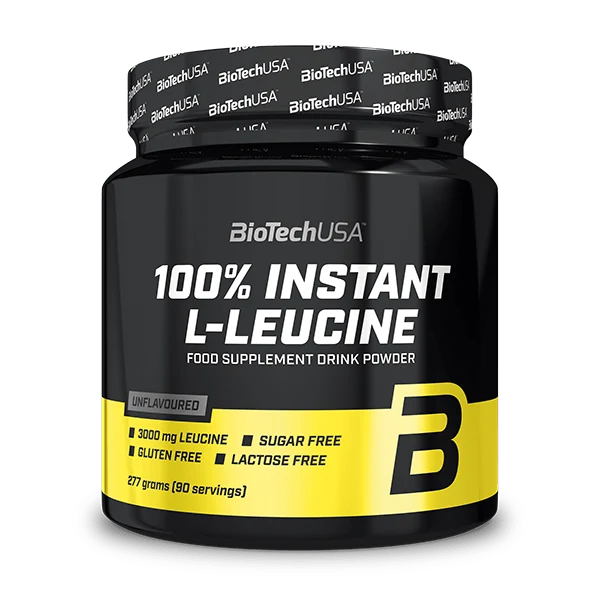 BioTech USA 100% Instant L-Leucine - 277 g – 23.90 €
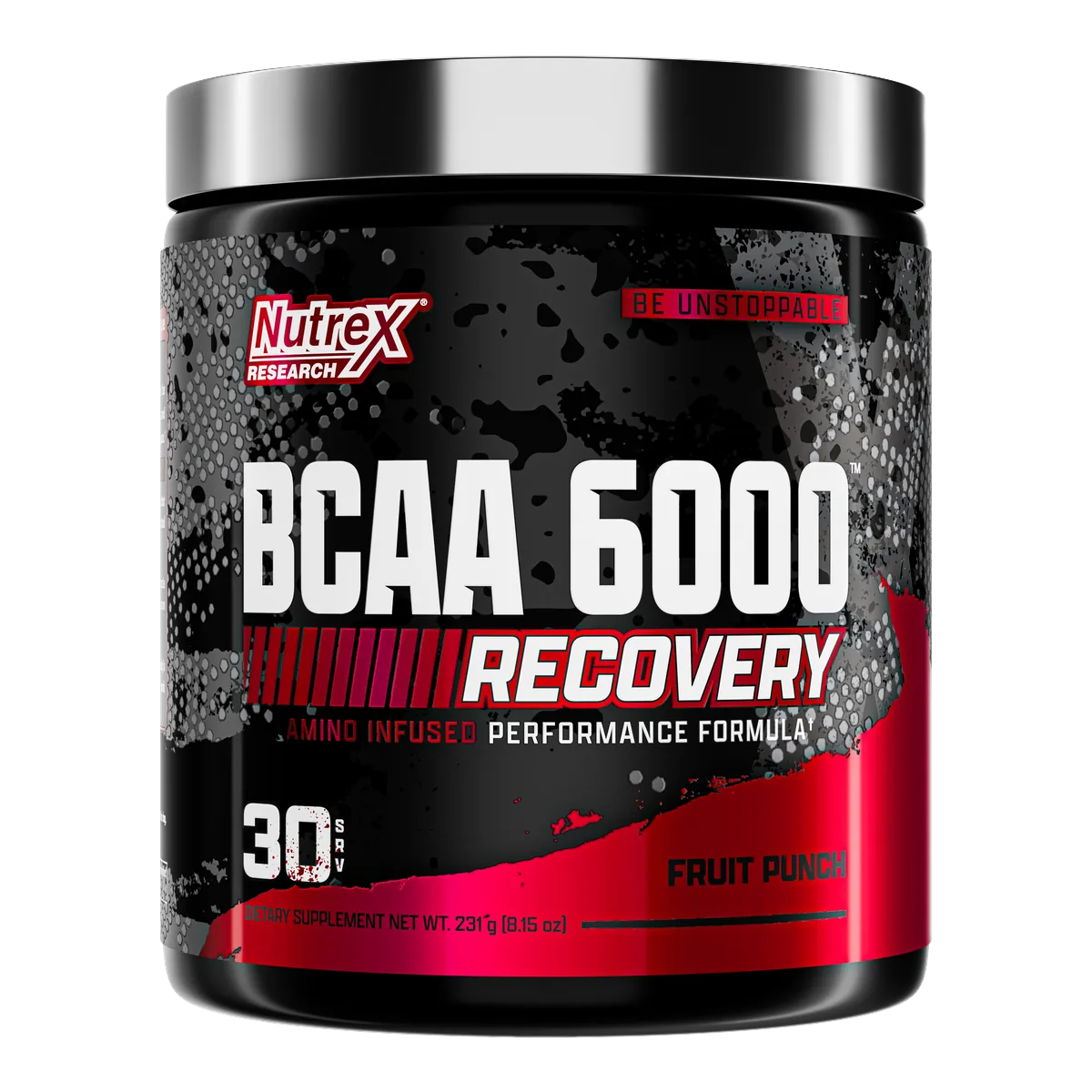 BCAA 6000 Nutrex – 21.99 €
Amino Acids — The Building Blocks of Muscles
Amino acids are the foundation of every protein. There are 20 amino acids, of which 9 are essential (EAA) — the body does not synthesize them and must obtain them from food or supplements.
Types of Amino Acid Supplements
- BCAA (branched-chain) — leucine, isoleucine, valine. Most important for muscle synthesis. Recommended intake: 5-10 g before or during training.
- EAA — full profile of 9 essential amino acids. More effective than BCAA according to recent studies.
- Glutamine — for recovery and immunity.
- L-carnitine — for fat burning and energy.
Recommended Products
Ultimate Nutrition Amino 2002 is a cult product with a complete amino acid profile from hydrolyzed whey. AllMax AminoCore offers BCAA with electrolytes and vitamin D.
All our amino acids are from pharmaceutically pure raw materials and come with international quality certificates.
EAA vs. BCAA — What to Use When
The two groups are often confused, but they have distinct roles. BCAAs (leucine, isoleucine, valine) are the three branched-chain amino acids and work quickly — initiating muscle protein synthesis even during your workout. EAAs (essential amino acids) include all 9 essential amino acids, including BCAAs, and provide the full spectrum of building blocks for creating new muscle tissue.
- For short, intense workouts (CrossFit, combat sports): 5-10 g BCAA during the session — spares glycogen and protects muscle.
- For hypertrophy and high-volume training: 8-12 g EAA before or after training — a more complete anabolic response.
- On a low-calorie diet: EAA first thing in the morning on an empty stomach — reduces catabolism while in a deficit.
Dosing and Timing Throughout the Day
The recommended daily dose depends on body weight and training volume: 0.1-0.15 g BCAA per kg of body weight or 0.15-0.20 g EAA/kg for a professional regimen. Here's a distribution I use with over 200 athletes:
- First thing in the morning on an empty stomach: 5 g EAA on cardio/rest days — preserves muscle mass.
- Before training (15-30 min): 5-8 g BCAA or EAA — initial reserve.
- During training (lasting over 60 min): 5-10 g dissolved in water with electrolytes.
- After training: combination with protein — synergistic effect, proven in ISSN studies.
Amino Acids for Women and for Weight Loss
For women, amino acids are particularly valuable in two situations: during a weight loss phase (calorie restriction) and in the postpartum period, when protein intake is often insufficient. The recommended dose for women is 6-8 g EAA daily, divided into 2 servings. They help preserve lean muscle mass and contribute to a more toned physique — without adding unnecessary calories, as 1 g of amino acid = 4 kcal, but in practice, minimal amounts with high bioactive value are consumed.
Amino Acids for Vegetarians and Vegans
Plant-based proteins (pea, rice, soy) often have an incomplete profile — typically deficient in lysine or methionine. Supplementing with 8-10 g EAA daily solves this problem and provides a complete essential amino acid profile. All our vegetarian amino acids have a clearly indicated fermentation origin (plant strains), without animal raw materials. I particularly recommend them to athletes on a diet of legumes and whole grains.
B2B Offer for Fitness Clubs and Sports Schools
For gyms, training schools, and coaching businesses, we offer an amino-bar format — ready-to-drink shots in cases of 12 for wholesale. Our partners rely on them for pre- and post-workout rituals because they reduce the mixing stress at the bar and ensure a consistent dose of BCAA/EAA. Request B2B access for a wholesale price list and terms for regular deliveries.