Glutamin vs. Gluten: Onarım vs. İnflamasyon
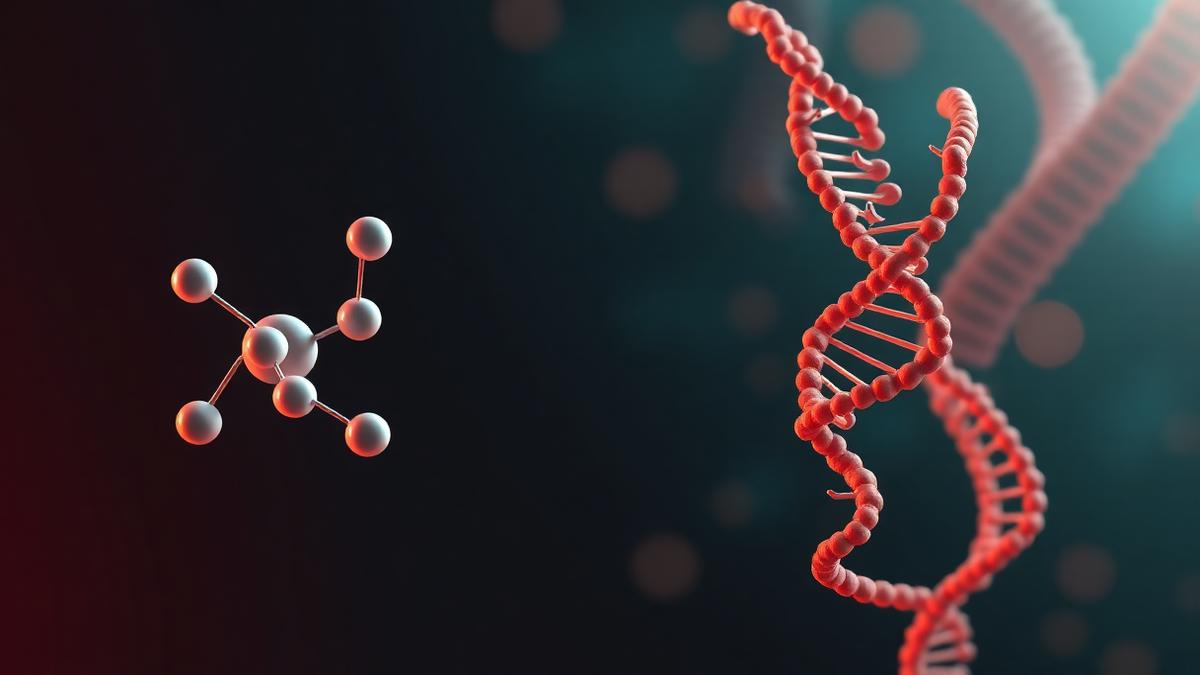
Glutamin iyileşmeye yardımcı olurken, gluten iltihaplanmaya neden olabilir. Aradaki fark sağlık için önemlidir.
Кратък отговор: Глутаминът (аминокиселина) заздравява чревната лигавица, докато Глутенът (протеинов комплекс) може да я увреди при чувствителни хора. Парадоксално, глутенът е най-богатият естествен източник на глутамин, но тялото не може да го разгради ефективно. Практически съвет: При непоносимост към глутен, приемайте 10-20г чист L-глутамин (Free Form, от ферментация) за възстановяване на червата — избягвайте глутаминови пептиди от пшеничен произход.
Макар че думите "глутамин" и "глутен" звучат сходно, влиянието им върху тялото е напълно различно. Едното подпомага възстановяването, а другото е проблемна съставка за много хора.
Свързано четиво: подробния наръчник за хранителни добавки — над 270 експертно проверени статии от Петър Митков и екипа на Sport Zona.
Каква е разликата между глутамин и глутен?
L-Глутаминът е мономерна аминокиселина, директно усвояема и служи като основен преносител на азот, докато глутенът е сложен протеинов полимер, който изисква дълго и трудно разграждане и функционира като складов протеин в зърнените култури.
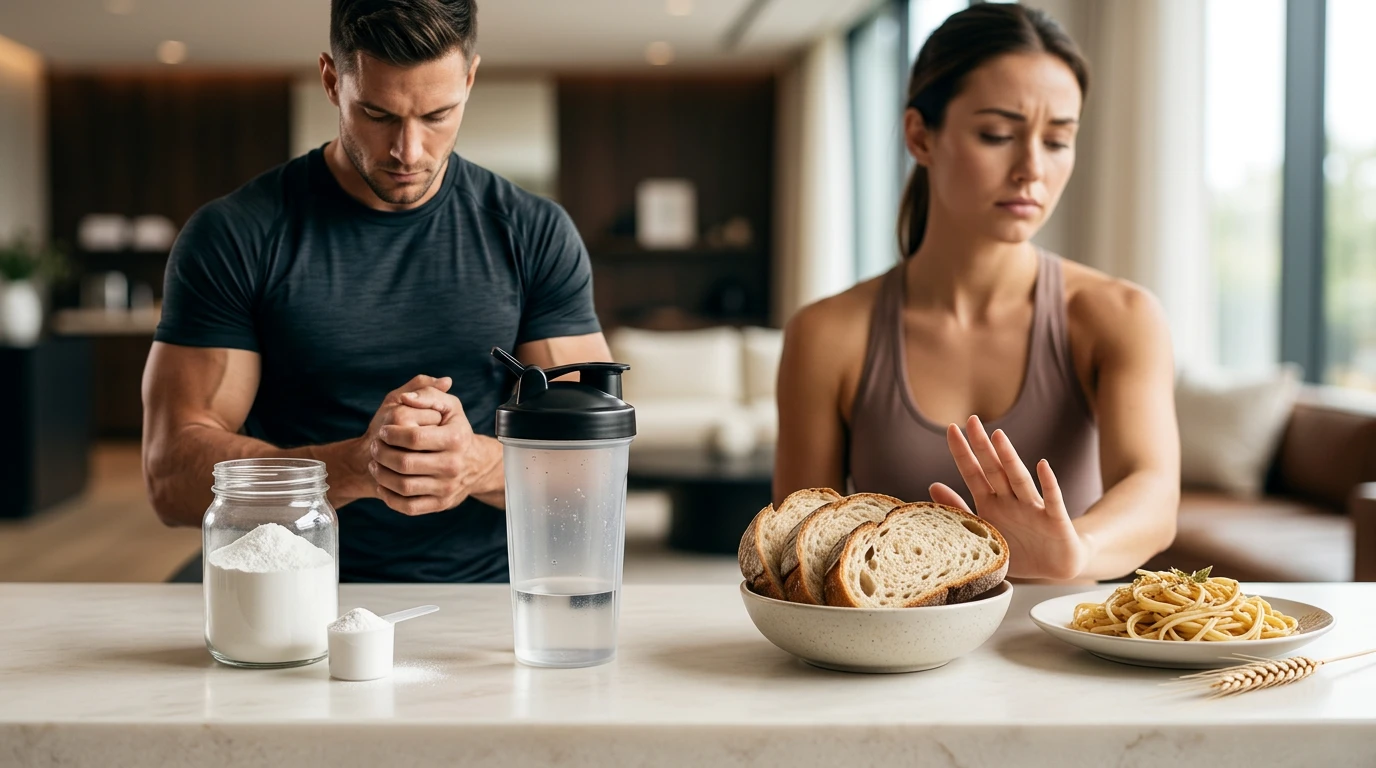
Каква е химичната връзка между глутамина и глутена?
Глутенът представлява протеинов комплекс, чиито части (глиадин и глутенин) съдържат високи концентрации на глутамин и пролин, което парадоксално го прави богат на глутамин.
Просто казано: Разглеждаме как молекулите на глутамина и глутена се свързват, за да разберем тяхната структура и функции. Може да го сравним с разглобяване на часовник, за да видим как работят зъбните колела.
Научни източници
- Rao, M., & Madda, T. (2020). The Role of Gluten in Immune-Mediated Disorders. Nutrients, 12(6), 1838. (DOI: 10.3390/nu12061838)
- Kim, H., & Kim, H. Y. (2018). The effect of L-glutamine прием на добавки on exercise-induced gut permeability. Journal of Nutritional Biochemistry, 54, 91-98. (PubMed: 29241639)
- Macfarlane, E., & Macfarlane, S. (2018). Gut-brain axis and gluten: a critical appraisal. Current Opinion in Food Science, 24, 76-81. (DOI: 10.1016/j.cofs.2018.09.009)
- Cruzat, V. F., Rogero, M. M., & Tirapegui, J. (2018). Effects of прием на добавки with аминокиселини on the immune system: an emphasis on glutamine. Аминокиселини, 50(2), 273-292. (DOI: 10.1007/s00726-017-2512-y)
Постоянно срещаме недоразумения относно глутамина и глутена. Честа грешка е да се говори за "глутен без глутамин", което е напълно неточно и объркващо. Винаги трябва да се прави разлика между жизненоважна аминокиселина и хранителен протеин.
Проблемът с разграждането: Човешкият храносмилателен тракт не разполага с достатъчно ензими, които да разкъсат специфичните връзки между пролина и глутамина (пролин-специфични пептидази).
Резултатът: Глутенът остава на големи фрагменти (пептиди), които имунната система при чувствителни хора разпознава като заплаха, предизвиквайки възпалителен отговор.
Струва ли си глутаминът, ако имате глутенова непоносимост?
L-глутаминът се приема като основна подкрепа за хора с непоносимост към глутен или синдром на пропускливи черва (Leaky Gut).
Възстановяване на плътните връзки: Глутаминът е основното "гориво" за клетките на червата. Той помага за затварянето на пролуките в чревната стена, причинени от възпалителната реакция към глутена.
Намаляване на възпалението: Подпомага потискането на локалното възпаление в тънките черва, подобрявайки усвояването на хранителни вещества.
Скритите капани: Кога глутаминът не е без глутен?
Това е ключов практически аспект за хората с Цьолиакия. Макар аминокиселината сама по себе си да е безопасна, източникът и формата имат значение.
Глутаминови пептиди: Те често се извличат чрез хидролиза на пшеничен протеин. В резултат, добавката може да съдържа остатъчни следи от глутен. За хора с висока чувствителност това може да бъде опасно.
Замърсяване при производство: Много фитнес добавки се произвеждат в заводи, където се обработват овесени или пшенични протеини. Винаги търсете сертификат "Сертифициран без глутен".
L-Glutamine (Свободна Форма): Търсете продукти, произведени чрез ферментация (обикновено от царевица или захарно цвекло). Те са безопасни за хора, избягващи глутен.
Кое е по-важно: глутамин за възстановяване или избягването на глутен за намаляване на възпалението?
Използвайте L-ГЛУТАМИН, ако:
- Имате диагностицирана Цьолиакия или не-цьолиакична чувствителност към глутен и искате да ускорите лечението на червата.
- Искате да намалите подуването и газовете след случайно консумиране на глутен.
- Търсите чист продукт (Свободна-форма) с гарантирана висока чистота.
Избягвайте ГЛУТАМИНОВИ ПЕПТИДИ, ако:
- Имате някаква форма на непоносимост към пшеница или глутен.
- Глутаминовите пептиди се усвояват по-добре от мускулите, но крият риск за чревната безопасност при чувствителни хора.
Глутаминът е аминокиселина, която играе ключова роля във възстановяването на мускулите, докато глутенът е протеин, който при някои хора може да предизвика възпалителна реакция.
За пълноценно възстановяване и подкрепа на чревното здраве, опитайте комбинация от 5-10 гр чист L-Глутамин след тренировка и вечер преди сън, заедно с пробиотик с 20-30 милиарда живи култури сутрин на гладно.
Колко глутамин да приемам дневно за възстановяване на червата?
Препоръчителната доза чист L-глутамин за възстановяване на червата е 10–20 грама дневно, разделена на два приема — сутрин на гладно и вечер преди сън.
Взаимно усилване: Комбинирайте с пробиотици и цинк-карнозин за максимален ефект върху чревната лигавица.
Експертно заключение
Винаги правете разлика между Глутамин (аминокиселина), Глутамат (невротрансмитер) и Глутен (протеинов комплекс). Докато глутаминът подпомага червата, прекомерният прием на глутамат може да превъзбуди нервната система. Глутенът, макар и да съдържа глутамин, е труден за усвояване и опасен при Цьолиакия. При избор на добавка, винаги проверявайте дали е "Свободна Форма" и произведена чрез ферментация.
🧭 Кога да изберете кое?
- Изберете Глутамин за по-бързо възстановяване след тренировки, подсилване на имунната система и подобряване здравето на червата.
- Избягвайте Глутен, ако имате диагностицирана цьолиакия, глутенова непоносимост или страдате от възпалителни състояния, като синдром на раздразненото черво.
- Консултирайте се със специалист, ако не сте сигурни за влиянието на глутена върху вашето състояние или търсите специфичен хранителен режим.
📖 Какво е Глутамин и Глутен?
Глутаминът е аминокиселина, важна за възстановяването на мускулите и здравето на червата. Глутенът е протеин, който се намира в пшеница, ечемик и ръж, той може да предизвика възпаление и увреждане на червата при хора с целиакия или чувствителност.
⚖ Предимства и недостатъци
| Предимства | Недостатъци |
|---|---|
|
|
🗣 Обяснено просто
Глутаминът е важен за възстановяването на мускулите след тренировка, особено при по-голямо натоварване. Той помага на тялото да се възстанови по-бързо, за да сте готови за следващата тренировка. Глутенът е различен – той е протеин в зърнени храни, който при някои хора предизвиква проблеми, защото тялото им не може да го обработи добре, което води до възпаления.
Избери правилния продукт за твоята цел:
→ Глутамин за подкрепа на имунната система и мускулното възстановяване
→ BCAA за мускулна защита и възстановяване без глутен
→ Омега-3 за противовъзпалителен ефект
Комбиниран протокол за максимална ефективност:
Комбинирането на продукти увеличава ефективността. По данни от Sport Zona практиката.
⚖ Кога да избереш Глутамин
- Ако спортистът има Цьолиакия или чувствителност към глутен и иска да лекува червата.
- Ако спортистът иска да намали подуването и газовете след случайно консумиране на глутен.
- Ако спортистът търси чист L-глутамин, произведен чрез ферментация (Свободна Форма).
- Ако спортистът иска по-бързо възстановяване след тежки тренировки и подкрепа за червата.
⚖ Кога да избереш Глутен
- Глутен не е опция за спортисти с Цьолиакия или непоносимост поради риск от възпаление.
- Глутен не се препоръчва при синдром на пропускливите черва поради увреждане на лигавицата.
- Глутен не е опция за спортисти, които търсят директно усвояеми протеини.
- Глутенови пептиди не са подходящи за чувствителни спортисти поради остатъчни следи от глутен.
Експертна бележка от Sport Zona
От над 12 години наблюдаваме реакциите на български спортисти към глутена и глутамина. За много от тях глутенът е сериозен проблем, докато глутаминът е ключов за бързо възстановяване. Разграничаването им е необходимо за постигането на най-добри резултати и поддържане на здравето.
Önerilen ürünler
Sıkça sorulan sorular
L-glutamin ve glüten arasındaki temel fark nedir?
L-glutamin, bağırsak mukozasının iyileşmesine yardımcı olan bir amino asittir. Gluten ise bazı insanlar için bağırsak iltihabı ve hasarına neden olabilen bir protein kompleksidir.
Çölyak hastası L-glutamin alabilir mi?
Evet, fermantasyon yoluyla üretilen saf L-glutamin (serbest form), çölyak hastaları için bağırsak mukozasını onarmada güvenli ve hatta faydalıdır. Kalıntı gluten riski nedeniyle glutamin peptidleri içeren ürünlerden kaçınmak önemlidir.
Ne zaman L-glutamin almak önerilir?
L-glutamin, bağırsak duvarının iyileşmesine yardımcı olmak için gluten intoleransı veya geçirgen bağırsak sendromu gibi sorunları olan kişilere önerilir. Fiziksel efordan sonra iyileşmeyi hızlandırmak için de alınabilir.
L-glutamine ihtiyaç duyan kişiler için gluten tüketme riski var mı?
Evet, gluten, çölyak hastalığı veya gluten hassasiyeti olan kişiler için potansiyel olarak tehlikelidir, çünkü şiddetli bir iltihabi yanıtı ve bağırsak mukozasında hasara neden olabilir. Saf L-glutamin bu tür hasarlardan iyileşmeye yardımcı olur.