Besin yoğunluğu
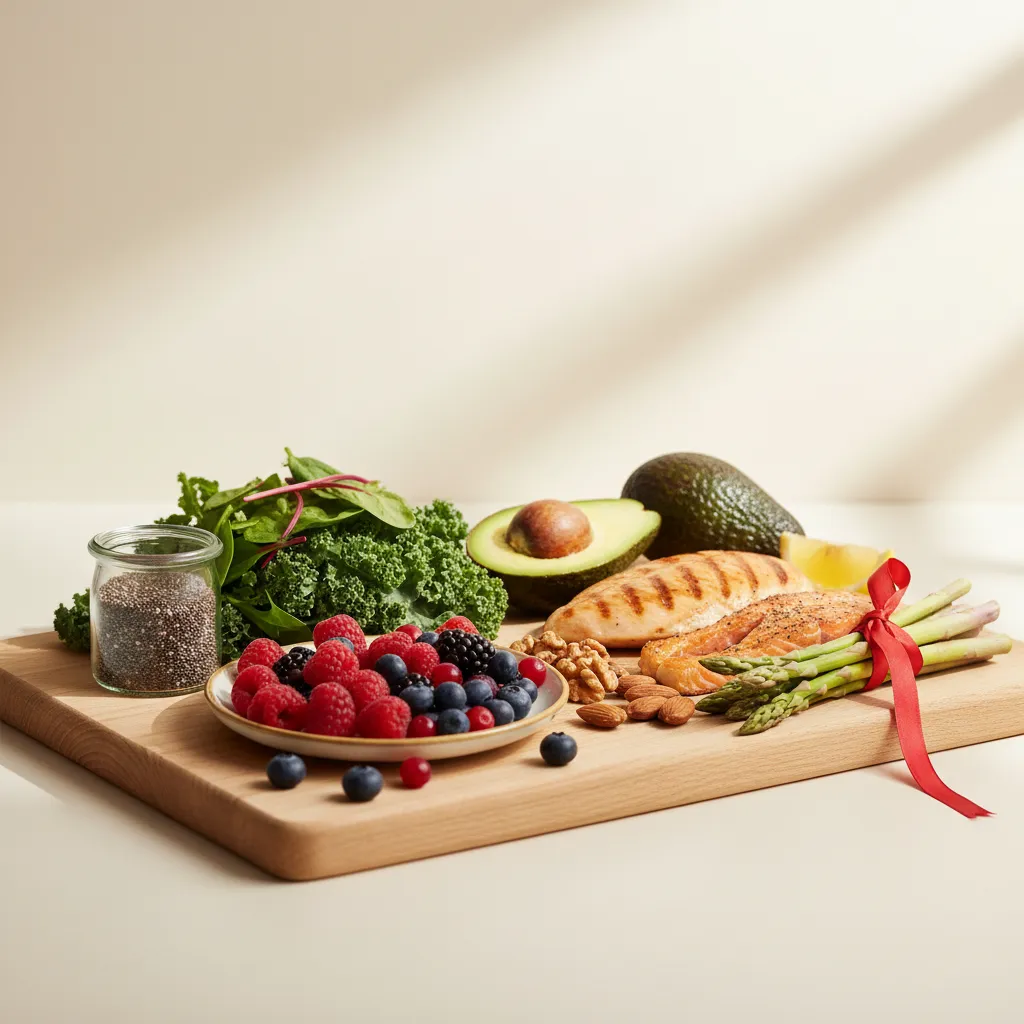
Кратка експертна дефиниция: какво е Хранителна плътност, как работи в организма и как се прилага в спортното хранене. Хранителната плътност се отнася до съотношението на хранителните вещества (витамини, минерали, фибри, протеини) към калориите в дадена храна. Храните с висока хранителна плътност осигуряват голямо количество хранителни вещества при относително нисък калориен прием. Обратно, храните с ниска хранителна плътност са богати на калории, но бедни на основни хранителни вещества. **Как работи в организма:** Храните с висока хранителна плътност допринасят за цялостното здраве, като осигуряват необходимите градивни елементи за различни телесни функции. Те подпомагат енергийния метаболизъм, поддържат имунната система, участват в клетъчното възстановяване и осигуряват фибри за здравословно храносмилане. Консумацията на храни с висока хранителна плътност може да помогне за постигане и поддържане на здравословно тегло, тъй като те често са по-засищащи и могат да намалят общия прием на калории. **Приложение в спортното хранене:** В спортното хранене концепцията за хранителна плътност е от решаващо значение за оптимизиране на представянето и възстановяването. Спортистите се нуждаят от достатъчно количество енергия, но също така и от широк спектър от хранителни вещества за поддържане на интензивни тренировки, мускулен растеж и възстановяване. * **Оптимизиране на енергийния прием:** Спортистите често се нуждаят от по-висок калориен прием. Избирането на храни с висока хранителна плътност гарантира, че този увеличен калориен прием е придружен от адекватни витамини, минерали и други важни хранителни вещества, вместо да се разчита предимно на "празни калории" от храни с ниска хранителна плътност. * **Подпомагане на възстановяването:** Храни като плодове, зеленчуци, пълнозърнести храни и постни протеини са богати на антиоксиданти, противовъзпалителни съединения и минерали, които са от съществено значение за намаляване на мускулните увреждания и ускоряване на възстановяването след тренировка. * **Управление на теглото:** За спортисти, които трябва да управляват теглото си (например в спортове с теглови категории), фокусирането върху храни с висока хранителна плътност може да помогне за засищане и задоволяване на хранителните нужди, без да се превишава калорийният бюджет. * **Енергиен метаболизъм:** Витамините от група В, желязото и магнезият, които се намират в храни с висока хранителна плътност, са ключови за ефективното преобразуване на храната в енергия, което е от съществено значение за издръжливостта и силата. В заключение, разбирането и прилагането на принципите на хранителната плътност е фундаментално за изграждането на здравословна и ефективна диета както за общото здраве, така и за спортното представяне.
Kısa cevap: Besin yoğunluğu, besinlerin kaloriye oranıdır. Yüksek yoğunluklu gıdalar, daha az kaloriyle daha fazla vitamin, mineral ve lif sağlar. Bu, mikro besin ihtiyacı yüksek olan sporcular için kritik öneme sahiptir. Örneğin, yeterli demir (8-18 mg/gün) ve kalsiyum (1000-1300 mg/gün) alımı bu tür gıdalarla daha kolay elde edilebilir. Pratik ipucu: İyileşmeyi ve performansı optimize etmek için yağsız et, balık, yumurta, süt ürünleri ve yeşil yapraklı sebzeleri tercih edin, kalori alımınızı aşmadan.
Besin yoğunluğu, besinlerin kaloriye oranının referans değerler kullanılarak değerlendirildiği bir gıda özelliğidir.
İlgili okuma: Kapsamlı beslenme rehberi — Sport Zona uzman ekibinden temel bir rehber.
Besin Yoğunluğu Nedir?
Besin yoğunluğu, bir gıdada bulunan besin miktarının kalori içeriğine oranını gösteren bir ölçüdür.
📖 Besin Yoğunluğu
Besin yoğunluğu, bir gıdanın kalori içeriğine kıyasla faydalı besinlerin (vitaminler, mineraller, proteinler, lifler) oranını ölçer.
Besin yoğunluğu, bir gıdanın enerji katkısı açısından konsantrasyonunu tanımlayan bir kavramdır. Bir kalori başına gıdanın sağladığı vitamin, mineral, protein, sağlıklı yağ ve lif miktarının bir ölçüsüdür. Yüksek besin yoğunluğuna sahip gıdalar, nispeten düşük miktarda "boş" kalori (ilave şekerler, doymuş yağlar veya aşırı miktarda rafine karbonhidratlardan kaynaklanan) içerirken, önemli miktarda mikro besin ve diğer biyoaktif bileşikler sunar.
Dengeli ve spor hedeflerini destekleyen bir beslenme düzeni oluşturmak için besin yoğunluğunu anlamak temeldir. Bireylerin, gerekli kalori alımını aşmadan temel besin alımını en üst düzeye çıkaran ürünleri tercih ederek bilinçli seçimler yapmalarını sağlar. Bu, yoğun antrenmanlar ve iyileşme süreçleri nedeniyle mikro besin ihtiyaçları genellikle artan sporcular için özellikle kritiktir.
Besin Yoğunluğu Nedir?
Besin yoğunluğu ilkesi, aşırı kalori olmadan mikro besin alımını optimize etmeye dayanır; uygun vücut kompozisyonunu ve ağırlığını korur, iyileşmeyi ve spor performansını artırır, besin eksikliği riskini azaltır. Dezavantajları arasında gıda ürünlerinin besin profili hakkında bilgi gerekliliği, yüksek yoğunluklu gıdaların hepsinin kolay bulunabilir veya tüketime uygun olmaması ve bazı besinlerin anti-besinlerden etkilenebileceği, etkin yoğunluğu değiştirebileceği gerçeği yer alır.
- Aşırı kalori olmadan mikro besin alımını optimize eder.
- Uygun vücut kompozisyonunu ve ağırlığını korur.
- İyileşmeyi ve spor performansını artırır.
- Besin eksikliği riskini azaltır.
Dezavantajları
- Gıda ürünlerinin besin profili hakkında bilgi gerektirir.
- Yüksek yoğunluklu gıdaların hepsi kolay bulunabilir veya tüketime uygun değildir.
- Bazı besinler anti-besinlerden etkilenebilir, etkin yoğunluğu değiştirir.
Besin yoğunluğu ilkesi, bir gıdanın besin profilini kalori içeriğiyle karşılaştırmaya dayanır. Gıdalar, nispeten az kalori için büyük miktarda vitamin, mineral, lif ve diğer biyoaktif bileşikler sağladıklarında daha yoğun kabul edilir. Tersine, düşük besin yoğunluğuna sahip gıdalar kalori açısından zengin ancak temel besinler açısından fakirdir.
Besin yoğunluğunun değerlendirilmesi birkaç kritere dayanabilir. Bireysel besinler (örneğin, 100 kalori başına C vitamini) hesaplanabilir veya birden fazla mikro besin aynı anda ele alınarak daha karmaşık bir yaklaşım kullanılabilir. Amaç, her tüketilen kalori için maksimum besin faydası sunan gıdaları belirleyerek besin alımını enerji fazlalığı olmadan optimize etmektir. Bu, sağlıklı bir vücudu ve yüksek spor performansını sürdürmek için anahtardır.
Besin Yoğunluğu Sporcular İçin Neden Önemlidir?
Sporcular için besin yoğunluğu hayati önem taşır, çünkü yoğun antrenmanlar nedeniyle enerji ve besin ihtiyaçları önemli ölçüde artar. Yüksek besin yoğunluğuna sahip gıdalar aracılığıyla sporcular, hedef kalori alımlarını aşmadan gerekli vitamin ve mineralleri (örneğin, çinko, magnezyum, demir, B vitaminleri) alırlar.
Örneğin, Uluslararası Spor Beslenmesi Derneği (ISSN), sporcular için vücut ağırlığının kg'ı başına 1.6-2.2 g protein alımını önerir. Bu proteinin yüksek kaliteli olması ve yağsız et, balık, yumurta ve süt ürünleri gibi besin yoğun kaynaklardan gelmesi gerekir. Oksijen taşınması için hayati önem taşıyan demir (erkekler: 8 mg/gün; kadınlar: 18 mg/gün) ve kemik sağlığı için kritik olan kalsiyum (1000-1300 mg/gün) gibi minerallerin yeterli alımı, yeşil yapraklı sebzeler, baklagiller ve zenginleştirilmiş gıdalar gibi besin yoğun seçeneklerle daha kolay elde edilebilir. Yüksek besin yoğunluğuna sahip gıdaları seçmek, sporcuların iyileşmeyi optimize etmelerine, dayanıklılığı ve gücü artırmalarına ve performanslarını ve genel sağlıklarını tehlikeye atabilecek eksiklik riskini azaltmalarına olanak tanır.
Besin Yoğunluğuyla İlgili Hangi Kavramlar Vardır?
Besin yoğunluğuyla ilgili olarak, doğal olarak besin ve su açısından zengin olan tam gıdalar, gerekli besinleri aşırı kalori olmadan sağlayarak enerji dengesini korumaya yardımcı olan enerji dengesi, besinlerin biyoyararlanımını azaltabilen anti-besinler ve genellikle düşük besin yoğunluğuna sahip olan ultra işlenmiş gıdalar gibi kavramlar yer alır.
Aktif spor yapan kişiler için, iyileşme ve doğru fonksiyon için yeterli mikro besinleri sağlamak amacıyla günlük kalori alımının en az %80'i besin yoğun kaynaklardan gelmelidir. — Petar Mitkov
Unutmayın: Yüksek besin yoğunluğuna sahip gıdalara öncelik vermek, her kalori için maksimum besin alımını sağlayarak ve sağlığı ile yüksek spor performansını destekleyerek sporcular için temeldir.
Sport Zona'dan Uzman Notu
Tecrübelerime dayanarak, yüksek besin yoğunluğuna sahip beslenmenin etkisinin hissedilir olduğunu biliyorum. Kaliteli gıda kaynaklarına odaklanan sporcular, daha iyi iyileşme ve antrenmanlarda genel performans gösterirler. Bu, uzun vadeli sonuçlar elde etmek için anahtardır.
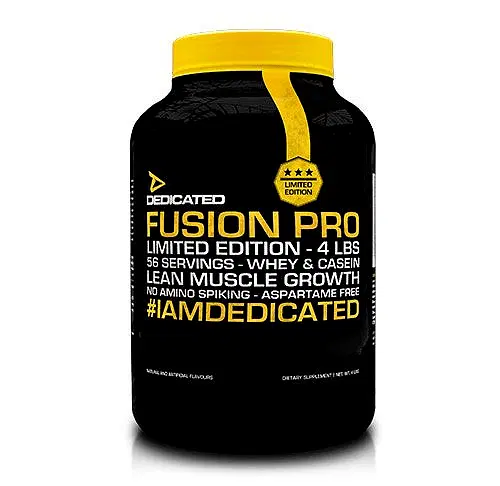
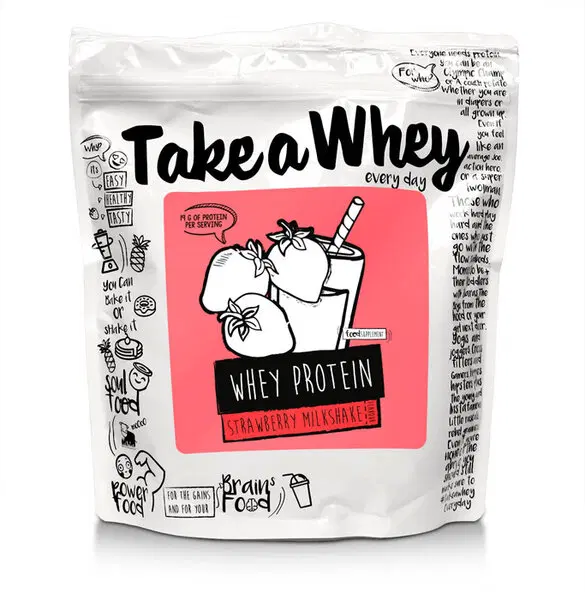
Önerilen ürünler

Sıkça sorulan sorular
Besin yoğunluğu ne anlama gelir?
Besin yoğunluğu, bir gıdada kalori değerine kıyasla ne kadar faydalı besin (vitaminler, mineraller, lifler) olduğunu gösterir. Yüksek yoğunluklu gıdalar daha az kalori için daha fazla besin sağlar.
Besin yoğunluğu sporcular için neden önemlidir?
Sporcular için kilit öneme sahiptir çünkü toparlanma ve performans için artan vitamin ve mineral ihtiyaçlarını aşırı kalori almadan karşılamalarını sağlar. Bu, optimum vücut kompozisyonunun korunmasına yardımcı olur.
Hangi gıdalar yüksek besin yoğunluğuna sahiptir?
Yapraklı yeşillikler, meyveler, baklagiller, yağsız et, balık, yumurta ve süt ürünleri gibi gıdalar, yüksek besin yoğunluğuna sahip gıdalara örnektir. Nispeten düşük kalori içeriğiyle birçok temel besin sağlar.
Diyetimin besin yoğunluğunu nasıl artırabilirim?
Her öğüne daha fazla sebze, meyve, tam tahıl ve yağsız protein kaynakları eklemeye odaklanın. Şekerli ürünler ve işlenmiş ürünler gibi kalori değeri yüksek ancak besin yoğunluğu düşük gıdaların tüketimini azaltın.