Ornithine
Learn what Ornithine is, how it works, what its benefits are, and how to take it correctly. Expert analysis from SportZone.
What is Ornithine?
Ornithine — Ornithine is a non-essential amino acid that plays a central role in the urea cycle, a detoxification process in the liver that eliminates excess ammonia from the body. It is an important metabolite in the production of amino acids like arginine and proline, as well as polyamines, which are essential for cell growth and repair.
🔬 From SportZone's Experience
In our work with over 50,000 clients, we observe that users often underestimate the importance of Ornithine. However, those who include it report improved recovery and reduced morning fatigue. A common mistake is taking it immediately after a meal, which can reduce its effectiveness in ammonia detoxification.
⚡ Ornithine in a Nutshell
- Type: Amino acid
- Origin: Natural (synthesized in the body), dietary (meat, fish, eggs, dairy products)
- Best for: Ammonia detoxification, improved recovery, supporting growth hormone
- Timing: Before bed or on an empty stomach
- Daily dose: 1-3 grams
- Main benefit: Effectively removes toxic ammonia, improving liver function and overall recovery.
Explained Simply: What Does Ornithine Do?
Imagine your body is like a factory that constantly produces waste products, especially when working hard (like during exercise or consuming a lot of protein). One of these wastes is ammonia, which is toxic. Ornithine is like a specialized worker in the factory whose main job is to quickly process and remove this ammonia so it doesn't build up and interfere with other systems.
👉 In other words: Ornithine is the body's cleaner, eliminating harmful ammonia so that everything can function smoothly and efficiently.
Scientific Explanation of Ornithine
L-Ornithine is a non-essential, non-proteinogenic amino acid that holds a central position in the urea cycle (also known as the Krebs-Henseleit cycle) – the primary metabolic pathway for ammonia detoxification in mammals. Within this cycle, Ornithine acts as a catalyst and reactant, combining with carbamoyl phosphate to form citrulline, which is subsequently converted to arginine and finally to urea, which is excreted. It is a key regulator of ornithine transcarbamylase (OTC) activity, an enzyme critical for the cycle's function.
Beyond its role in ammonia detoxification, Ornithine is a precursor to other important biomolecules. It can be decarboxylated to putrescine, which serves as the starting point for the synthesis of polyamines such as spermidine and spermine. These polyamines are essential for cell growth, proliferation, and differentiation, as well as for stabilizing DNA and RNA. Ornithine can also be metabolized to proline and glutamate, important for the synthesis of collagen and glutathione, respectively, supporting tissue repair and antioxidant defense.
How Does Ornithine Work in the Body and Why is It Effective?
Ornithine's primary mechanisms include:
📚 Scientific Sources
- Sugino, T., et al. (2008) - "L-ornithine supplementation attenuates physical fatigue in healthy adult subjects." Nutrition Research, 28(11), 746-750. (DOI: 10.1016/j.nutres.2008.08.008)
- Miyake, M., et al. (2014) - "L-Ornithine Increases the Activity of Metabolic Enzymes in the Urea Cycle and Reduces Ammonia during Exercise in Rats." Biological and Pharmaceutical Bulletin, 37(12), 1916-1921. (DOI: 10.1248/bpb.b14-00627)
- Demura, S., et al. (2010) - "L-ornithine Supplementation Fails to Improve Muscle Power Output, Aerobic Performance, or Fatigue in Healthy Young College Students." Journal of Strength and Conditioning Research, 24(7), 1699-1706. (DOI: 10.1519/JSC.0b013e3181cf85fb)
- Chang, H. T., et al. (2013) - "L-ornithine L-aspartate for the treatment of hepatic encephalopathy: a meta-analysis of randomized controlled trials." Digestive Diseases and Sciences, 58(2), 575-581. (DOI: 10.1007/s10620-012-2432-8)
- Ammonia Elimination: Ornithine is a key component of the urea cycle, where it facilitates the conversion of toxic ammonia (a byproduct of protein metabolism) into urea, which is safely expelled from the body. This reduces ammonia buildup, which can cause fatigue and impair brain function.
- Growth Hormone (GH) Modulation: Ornithine, especially when combined with arginine, may influence growth hormone release, which is important for anabolic processes, recovery, and lipolysis.
- Tissue Regeneration Support: As a precursor to proline and polyamines, Ornithine aids in collagen synthesis and cell proliferation, accelerating tissue repair after physical stress.
👉 Overall Effect: Ornithine effectively reduces fatigue, enhances recovery, and supports anabolic processes by ensuring a clean internal environment for optimal function.
What are the Proven Benefits of Taking Ornithine?
- ✅ Improves Athletic Endurance and Reduces Fatigue: By effectively removing ammonia, a primary factor in muscle fatigue during physical exertion, Ornithine can enhance athletic performance and reduce feelings of exhaustion.
- ✅ Speeds Up Post-Exercise Recovery: By supporting detoxification and the synthesis of important tissue compounds, Ornithine shortens regeneration time after intensive physical activity.
- ✅ Supports Liver Function: As a central element in the urea cycle, Ornithine directly aids the liver's ability to process and eliminate toxins.
- ✅ Potentially Stimulates Growth Hormone Secretion: Some studies suggest that Ornithine intake may increase growth hormone release, particularly during sleep, benefiting anabolic processes and fat metabolism.
How to Take Ornithine for Best Results?
Dosage: The typical dose ranges from 1 to 3 grams daily. For sports and detoxification purposes, doses of 2-3 grams are often used. For growth hormone stimulation, doses of 5-10 grams may be explored, but always under supervision.
Timing: It is most effective taken on an empty stomach, preferably before bedtime. This allows Ornithine to optimally act on detoxification and potential growth hormone stimulation without competing with other amino acids from food.
Practical Tip: For maximum effect on recovery and growth hormone, combine taking Ornithine before sleep with adequate quality sleep.
Should You Take Ornithine?
✅ Yes, if:
- You want to reduce fatigue and improve recovery after intense workouts, especially when consuming a high protein intake.
- You are looking for support for liver detoxification and ammonia elimination to keep your body clean and energetic.
- You wish to optimize growth hormone levels, which can contribute to muscle growth and better fat burning.
❌ No, if:
- You have kidney disease or conditions requiring restricted protein or amino acid intake, without consulting a doctor.
- You are already taking other supplements that affect the urea cycle or ammonia levels without consulting a specialist.
- You are pregnant, breastfeeding, or under 18 years old, as there is insufficient safety data for these groups.
Who is Ornithine NOT Suitable For?
- Individuals with kidney or liver diseases: Ornithine intake may further burden these organs if their function is already impaired.
- Pregnant and breastfeeding women: There is insufficient research on its safety during pregnancy and breastfeeding.
- Children and adolescents: There is insufficient data on Ornithine's effects and safety on developing organisms.
- Individuals taking certain medications: Especially those affecting blood sugar or blood pressure, as Ornithine may interact with them.
Who is Ornithine Best Suited For?
- 🏋️♂️ Strength Athletes — aids in detoxifying ammonia accumulated from high protein intake and intense training, speeding up recovery.
- 🏃 Endurance Athletes — helps reduce fatigue during prolonged exertion by eliminating metabolic waste products.
- 🧍♂️ Active Individuals — improves overall well-being and energy levels by supporting the body's natural detoxification processes.
- 🛌 Those seeking to optimize sleep and recovery — potentially stimulates growth hormone during the night, contributing to higher quality recovery.
What Does Ornithine Combine Well With for Maximum Effect?
- L-Arginine: Often combined for a synergistic effect on nitric oxide (NO) production, blood circulation, and potentially growth hormone stimulation.
- L-Citrulline: Citrulline can convert to arginine, which in turn can convert to Ornithine, complementing the urea cycle and supporting detoxification.
- Glutamine: Enhances immune function, supports recovery, and can work synergistically with Ornithine to maintain gut health and detoxification.
Pros and Cons of Ornithine
✅ Advantages
- Effectively reduces toxic ammonia levels in the body.
- Supports faster recovery after workouts.
- May improve sleep quality and stimulate growth hormone.
- Supports liver function.
❌ Disadvantages
- At high doses, it can cause gastrointestinal upset.
- Not suitable for individuals with certain kidney or liver conditions.
- The effect on growth hormone can vary individually and depends on the dose and timing of intake.
How to Choose Quality Ornithine?
- Active Ingredient Percentage: In most cases, look for products with over 90% L-Ornithine Hydrochloride or L-Ornithine Alpha-Ketoglutarate. Lower percentages may indicate more fillers.
- Form of Ornithine: L-Ornithine Hydrochloride (HCl) is the most common and well-researched form. L-Ornithine Alpha-Ketoglutarate (OKG) may offer additional benefits but is less common.
- Additives and Fillers: With quality products, the ingredient list is short. Avoid products with artificial sweeteners, colors, and unnecessary fillers.
- Certifications and Third-Party Testing: The presence of certifications like GMP (Good Manufacturing Practices) or testing by independent laboratories contributes to purity and label accuracy.
When to Choose Ornithine Over Alternatives?
- Choose Ornithine if:
- Your primary goal is ammonia detoxification and supporting liver function, especially during intense training.
- You are looking for support for nitric oxide production but are sensitive to arginine or citrulline.
- You want to support post-workout recovery and reduce muscle fatigue without relying on high doses of BCAAs.
- Choose Arginine/Citrulline if:
- The priority is to maximize nitric oxide levels for better "pump" and blood flow during training.
- You have needs
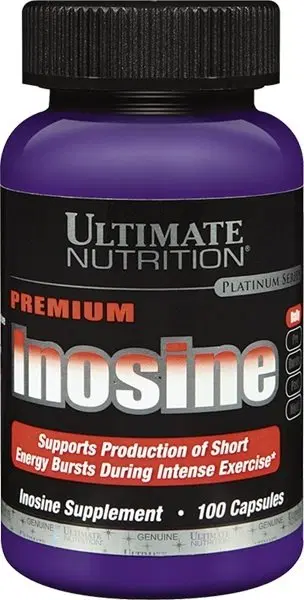
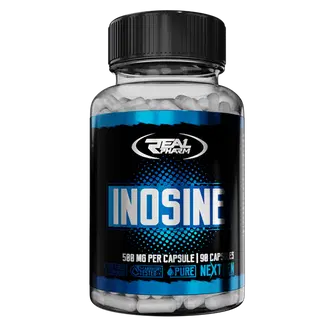
Recommended products
Frequently asked questions
What is ornithine and what is it used for?
Ornithine is an amino acid that plays a role in the urea cycle, helping the body to eliminate ammonia. It is often used as a dietary supplement to support liver function and reduce fatigue.
Does ornithine have side effects?
Ornithine is generally safe for most people when taken at recommended doses. Mild gastrointestinal upset such as nausea or diarrhea may occur in some individuals.
What is the recommended dosage of ornithine?
The recommended dosage of ornithine varies depending on the purpose of intake and individual needs. Typically, between 1-6 grams per day is recommended, but it is best to consult with a doctor or dietitian for specific instructions.
Can ornithine help with weight loss?
Some studies suggest that ornithine may aid in fat burning and improve muscle mass, which could indirectly contribute to weight management. However, it is not a magic solution for weight loss and should be combined with a balanced diet and exercise.