Creatine Products
Over 95% of the body's creatine is stored in muscles, playing a key role in energy production during intense, short bursts of activity. Creatine supplementation, especially in the form of monohydrate, is one of the most researched and proven effective strategies for increasing strength, power, and muscle mass. The International Society of Sports Nutrition (ISSN) consistently recommends creatine as the most effective ergogenic supplement for athletes aiming to enhance their physical performance.
In my 15 years of practice as a sports nutritionist, I have observed significant improvements in results among clients who incorporate creatine into their regimen. With proper dosing and combined with a training program, creatine contributes to faster recovery between sets and an increase in overall training volume.
When choosing a creatine product, pay attention to the form. Creatine monohydrate remains the gold standard due to its efficacy, safety, and proven bioavailability. Dosing typically involves a loading phase of 20 grams daily (divided into 4 servings) for 5-7 days, followed by a maintenance phase of 3-5 grams daily. For optimal results, take creatine around your workout.
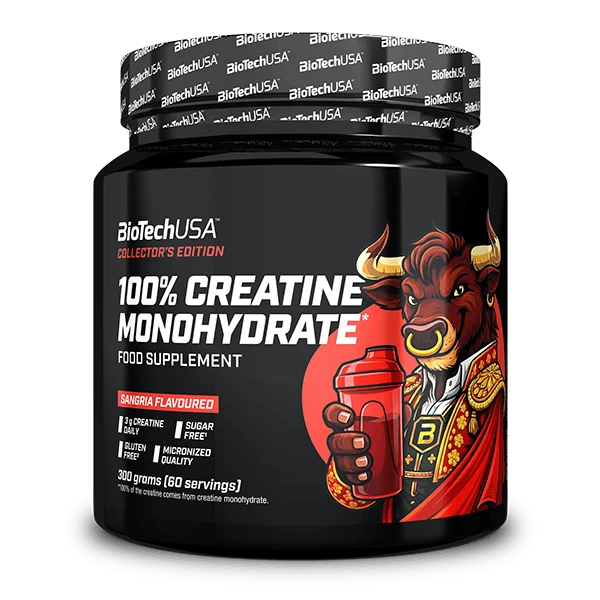
- BioTech USA 100% Creatine Monohydrate - 300 g Sangria – 31.90 €
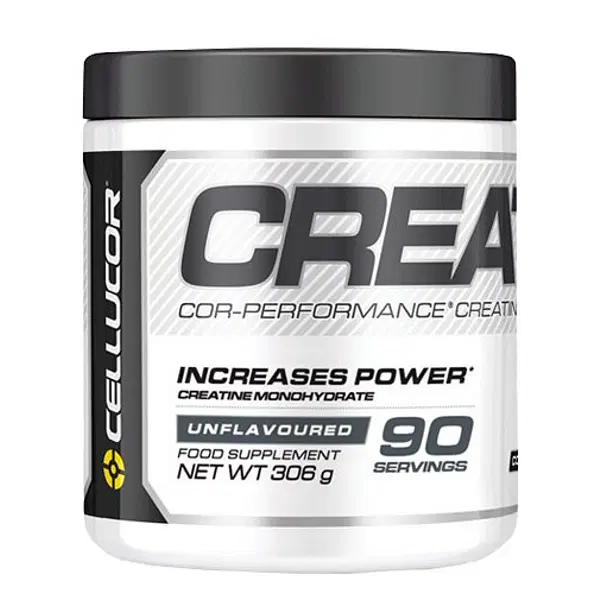 COR Performance Creatine Cellucor 306 грама – 32.00 €
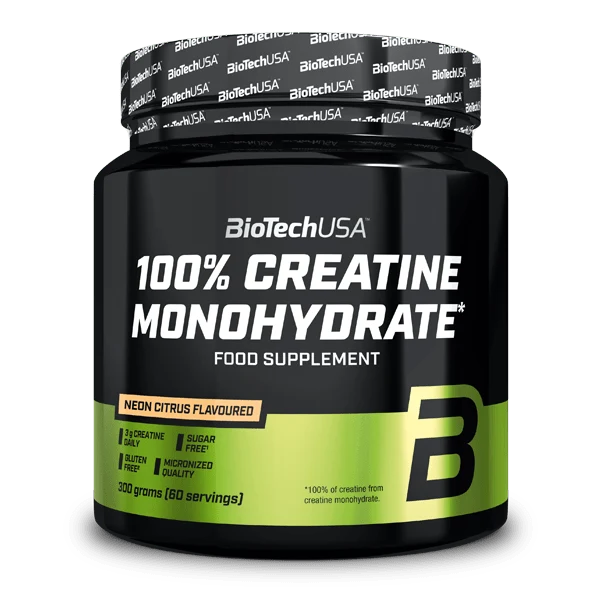 BioTech USA 100% Creatine Monohydrate - 300 g – 31.90 €
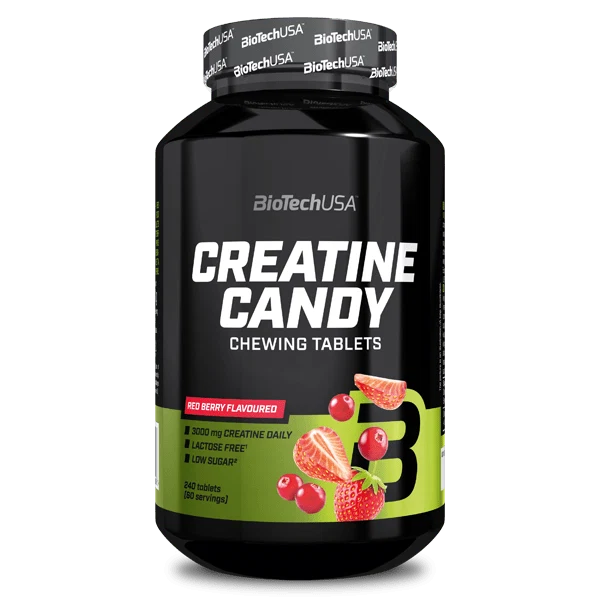 BioTech USA Creatine Candy - 240 chewing tablets – 31.90 €
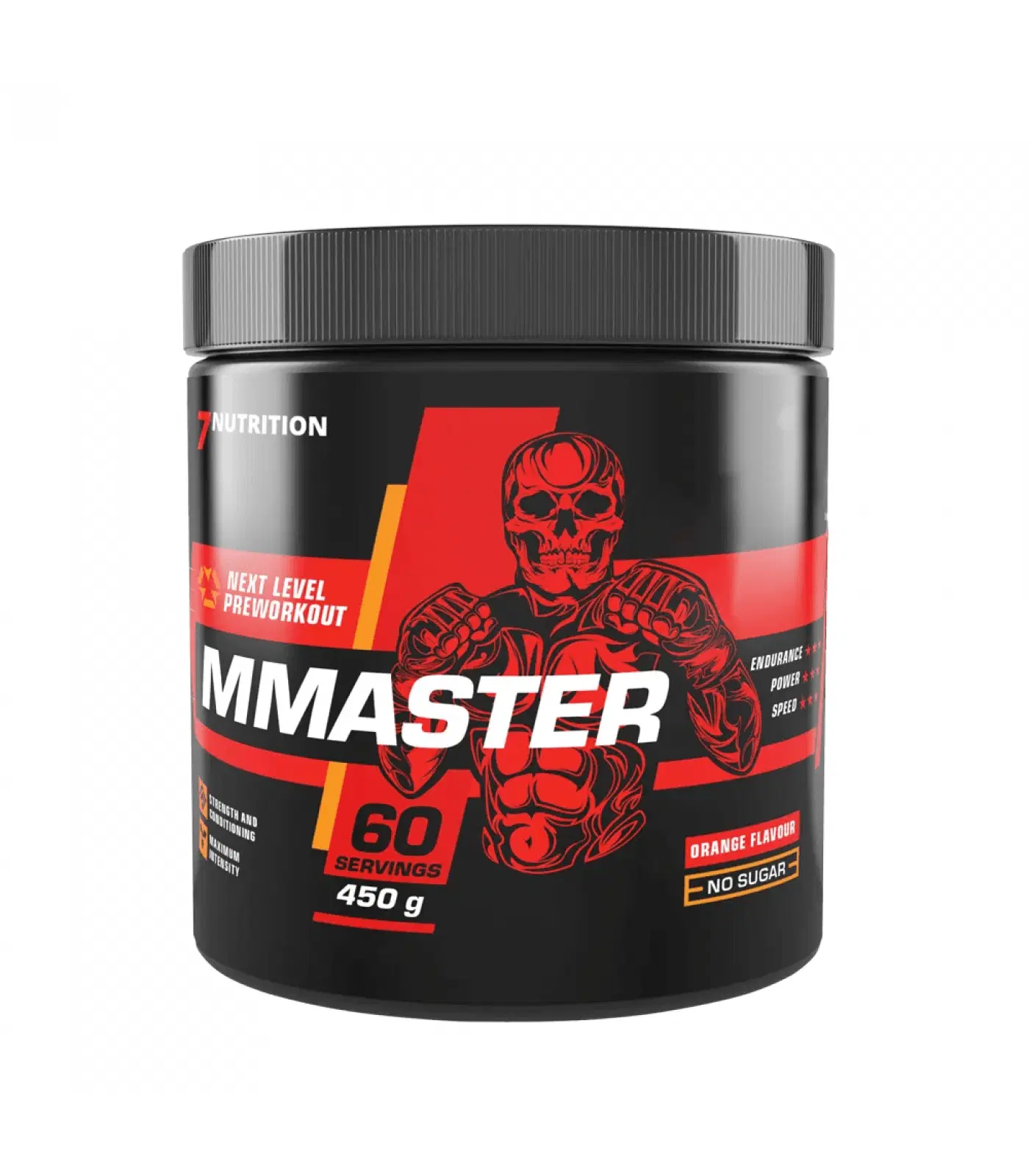 7Nutrition - MMASTER / 450g – 30.68 €
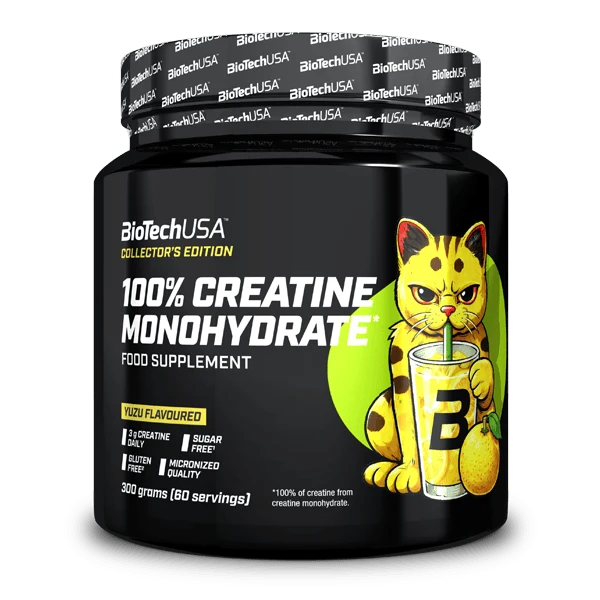 BioTech USA 100% Creatine Monohydrate - 300 g yuzu – 31.90 €
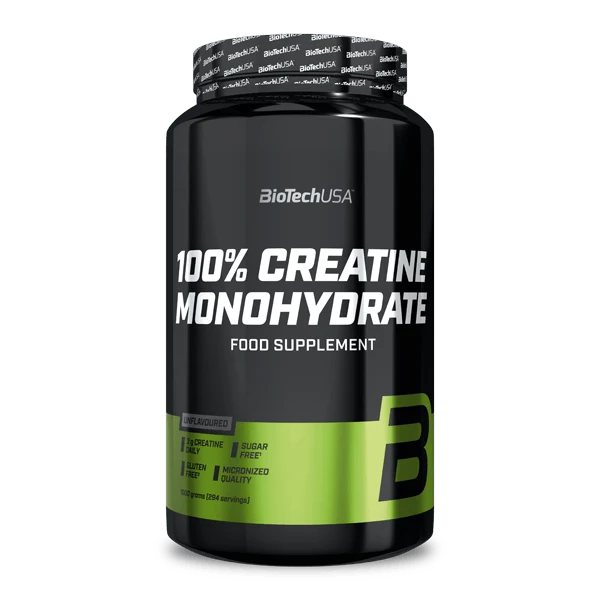 BioTech USA 100% Creatine Monohydrate - 1000 g unflavoured – 63.90 €
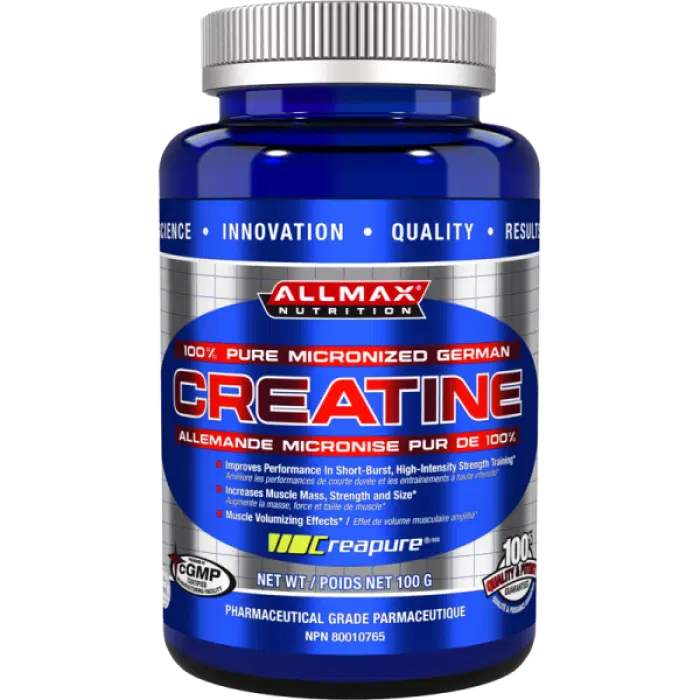 AllMax - Creatine Creapure / 100 gr. – 10.00 €
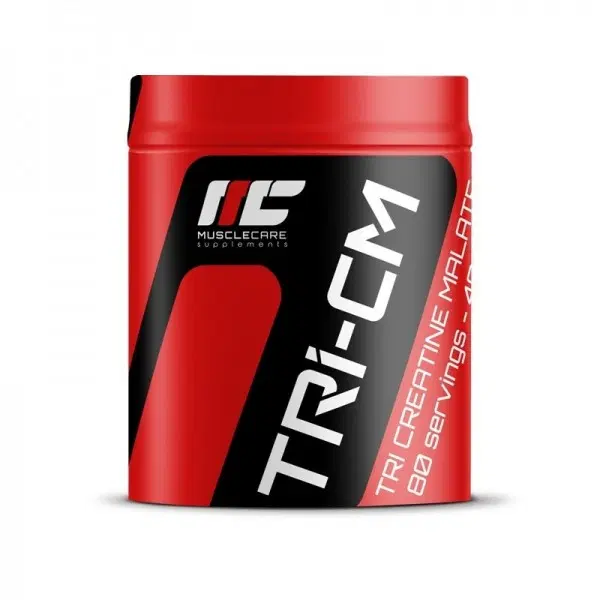 Muscle Care - Tri-Cm / 400g – 14.83 €
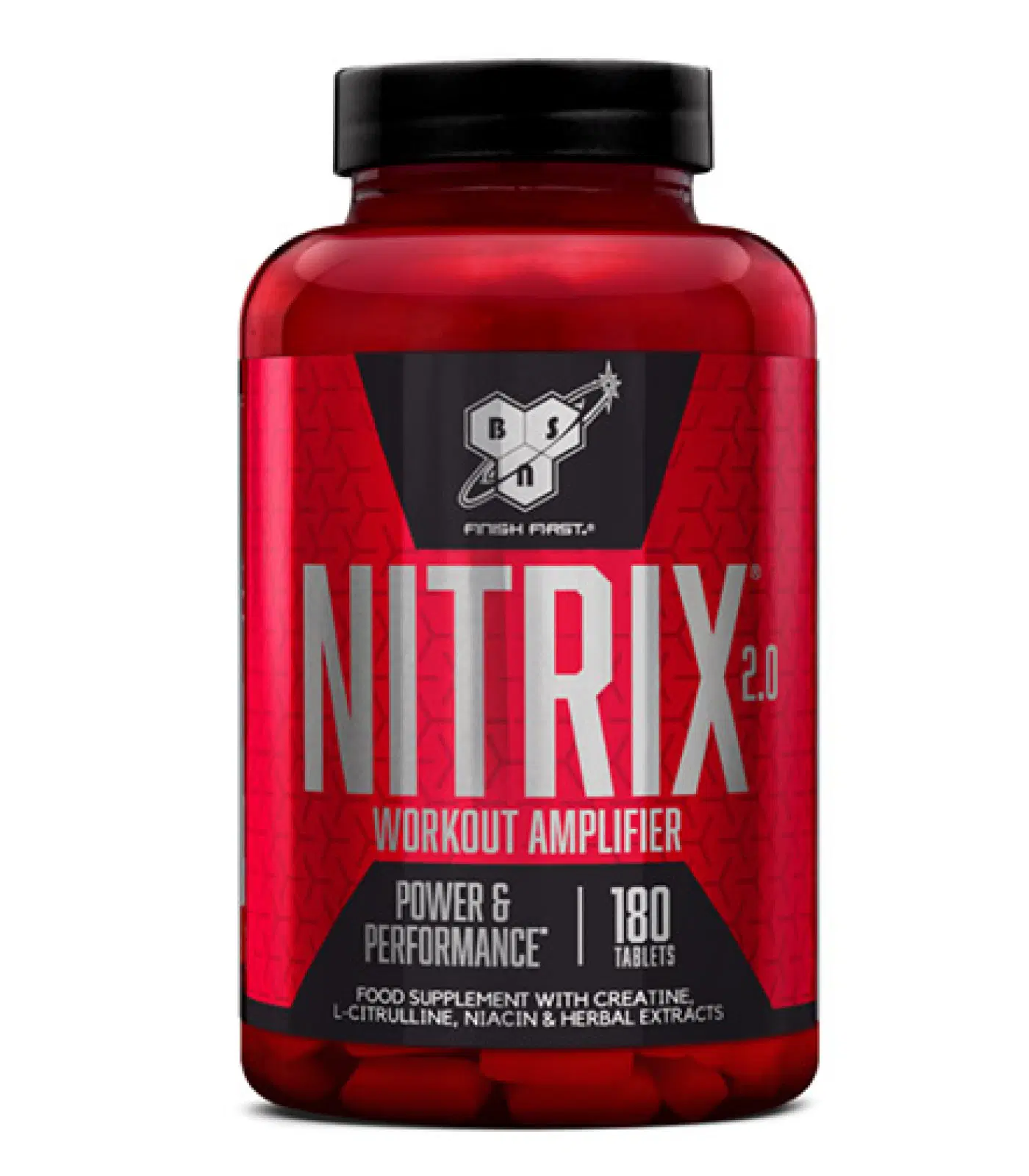 BSN Nitrix 2.0 / 180 Tabs. – 51.13 €
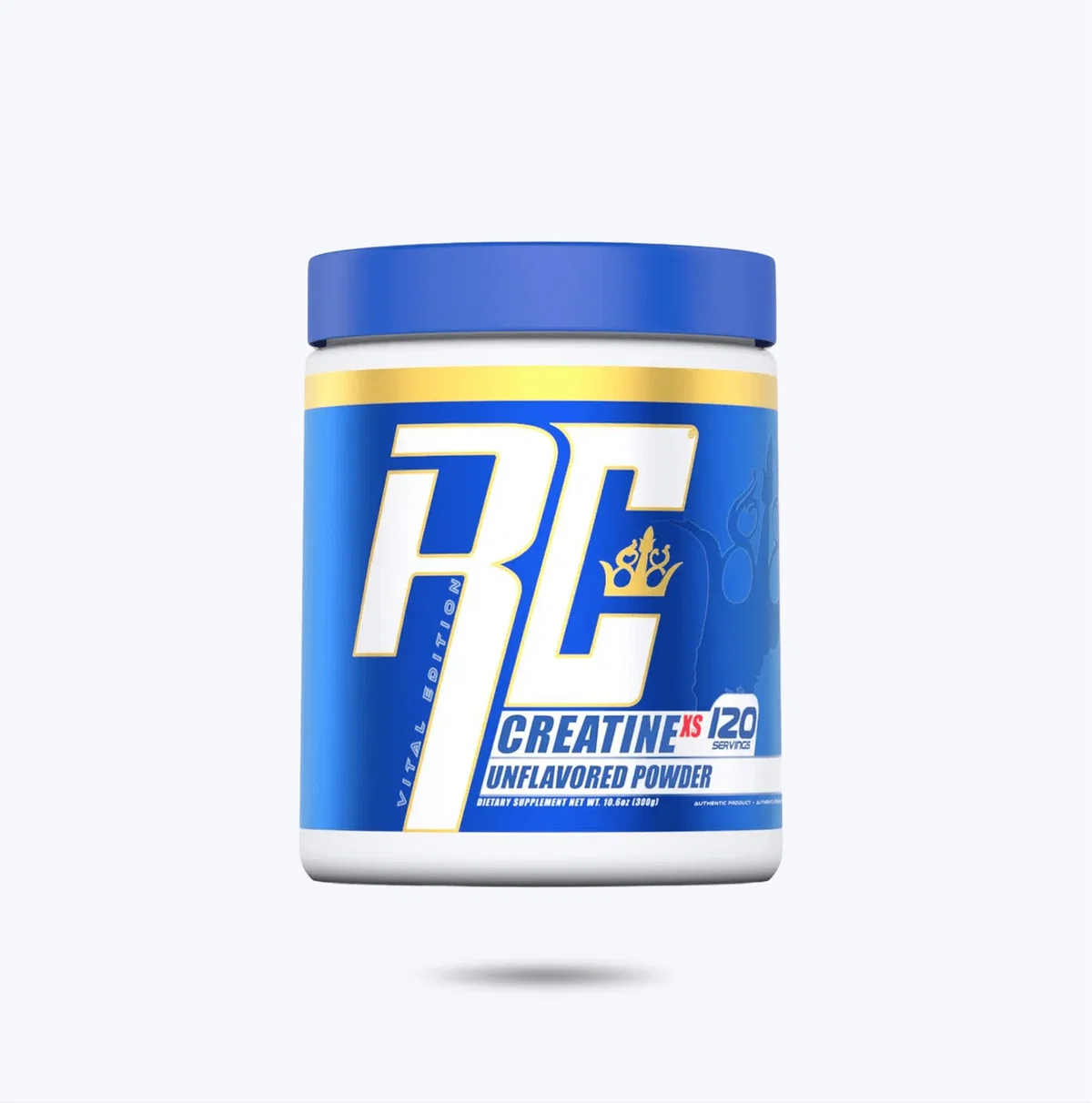 Ronnie Coleman Creatine XS 120 дози – 24.99 €
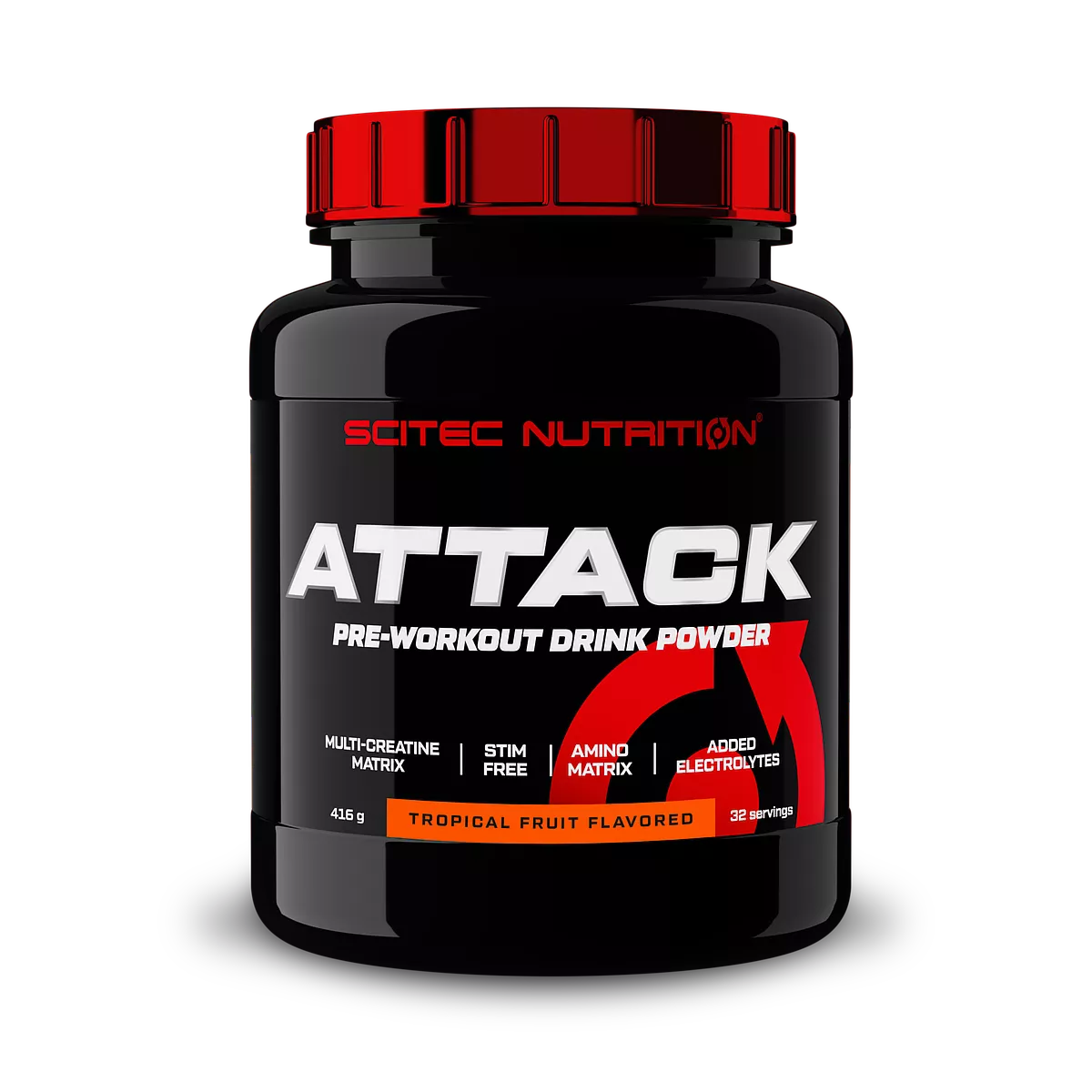 Scitec Nutrition Attack (416 g) – 31.90 €
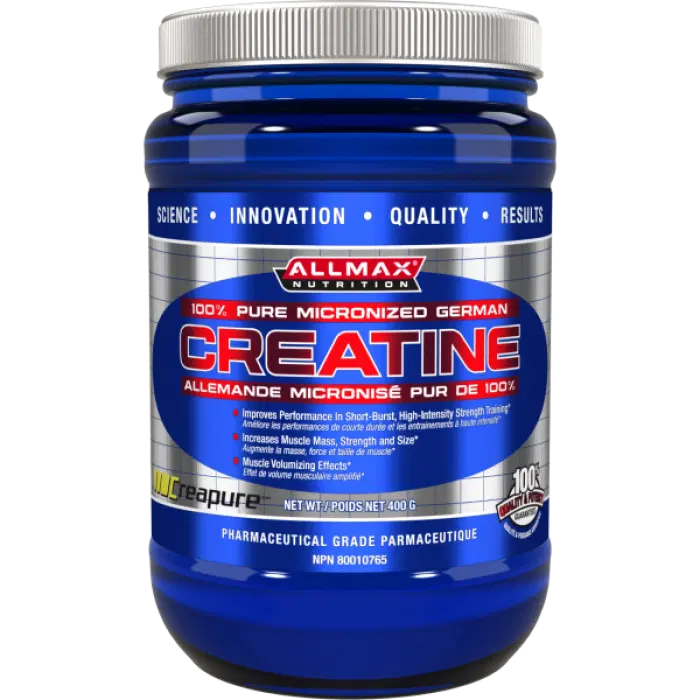 AllMax - Creatine Creasyn / 1000gr. – 50.00 €
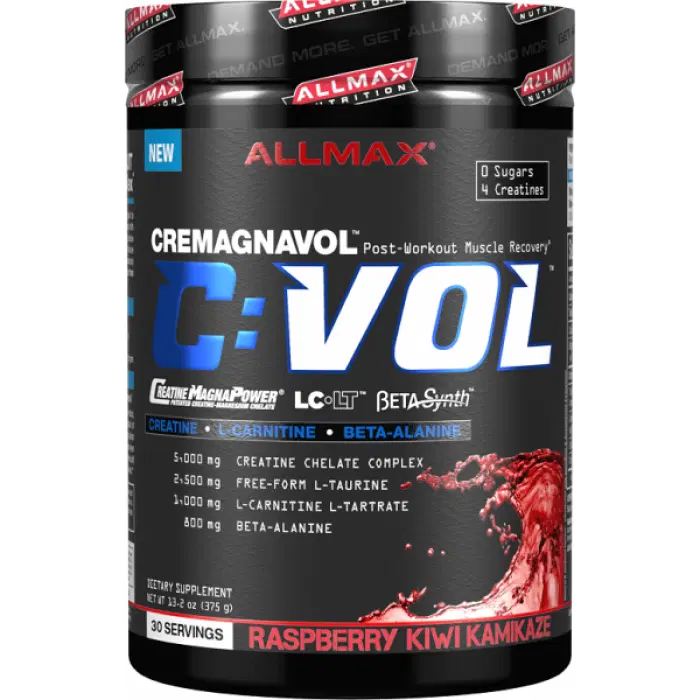 AllMax - CVol / 375gr. – 35.00 €
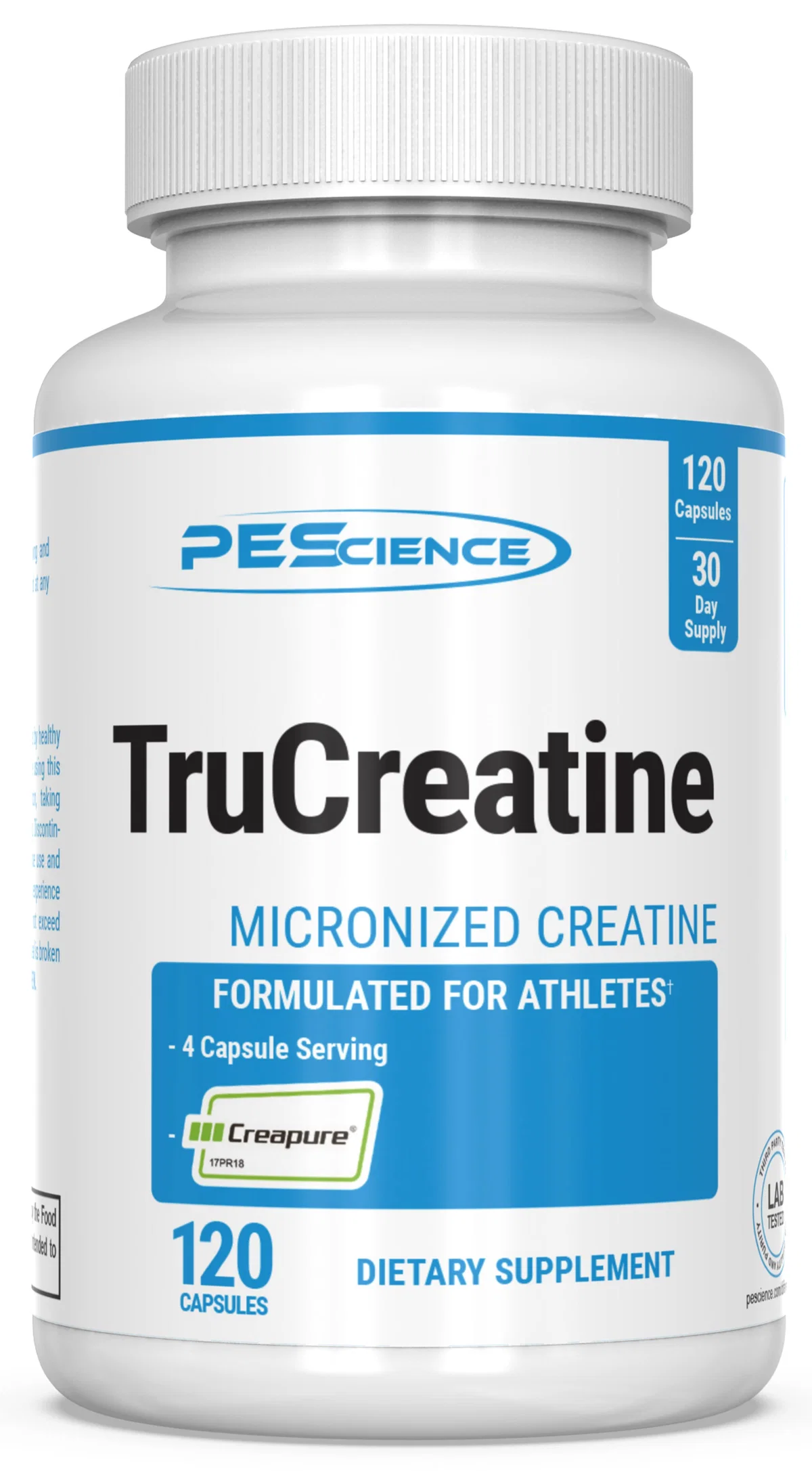 PEScience TruCreatine+ Capsules (30 порции) – 19.99 €
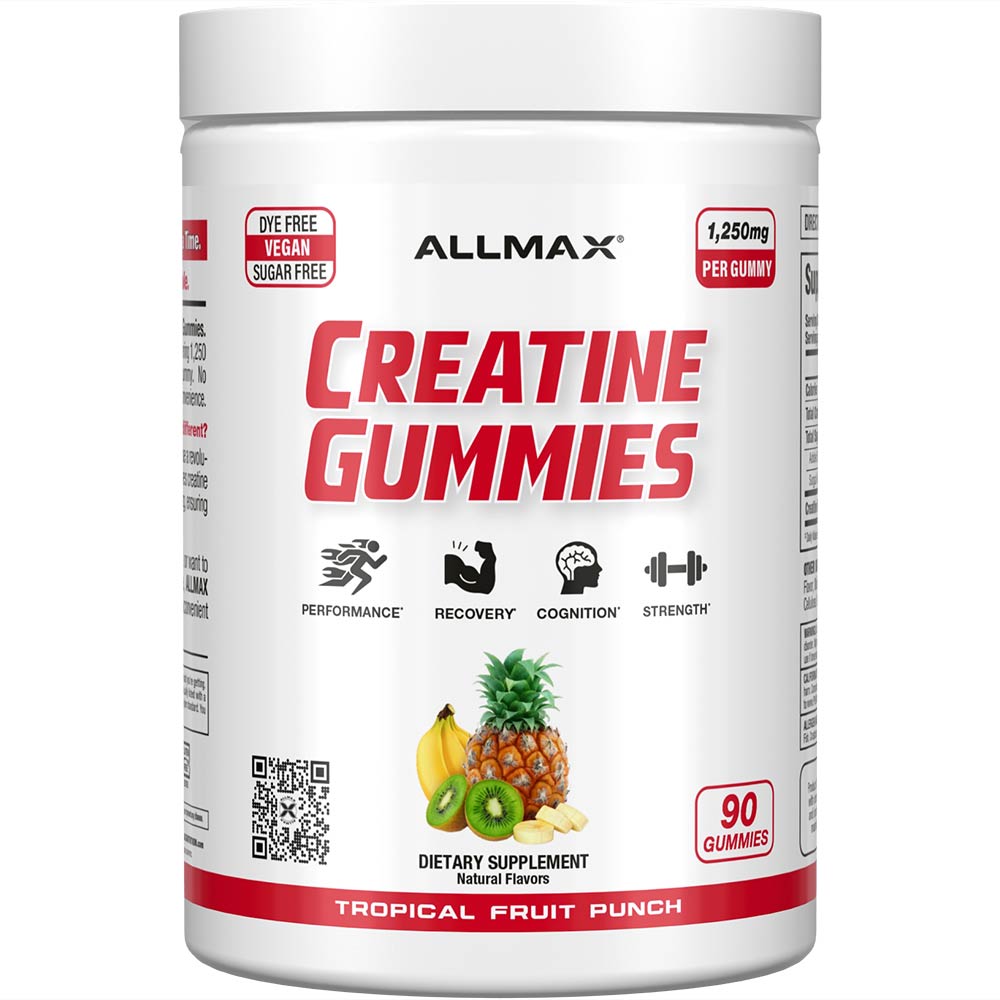 Allmax Creatine Gummies – 40.00 €
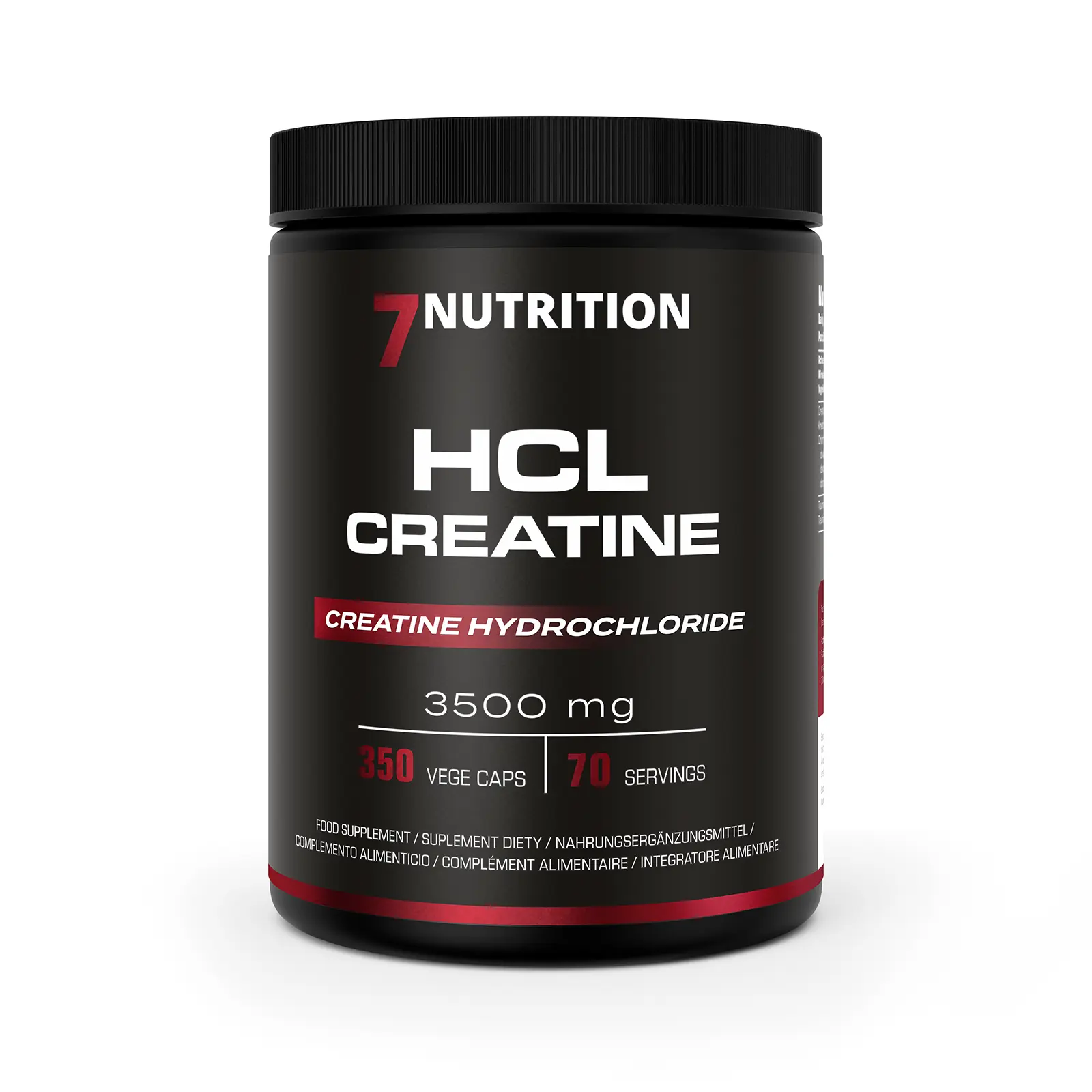 7Nutrition - HCL Creatine 350 vege caps – 37.00 €
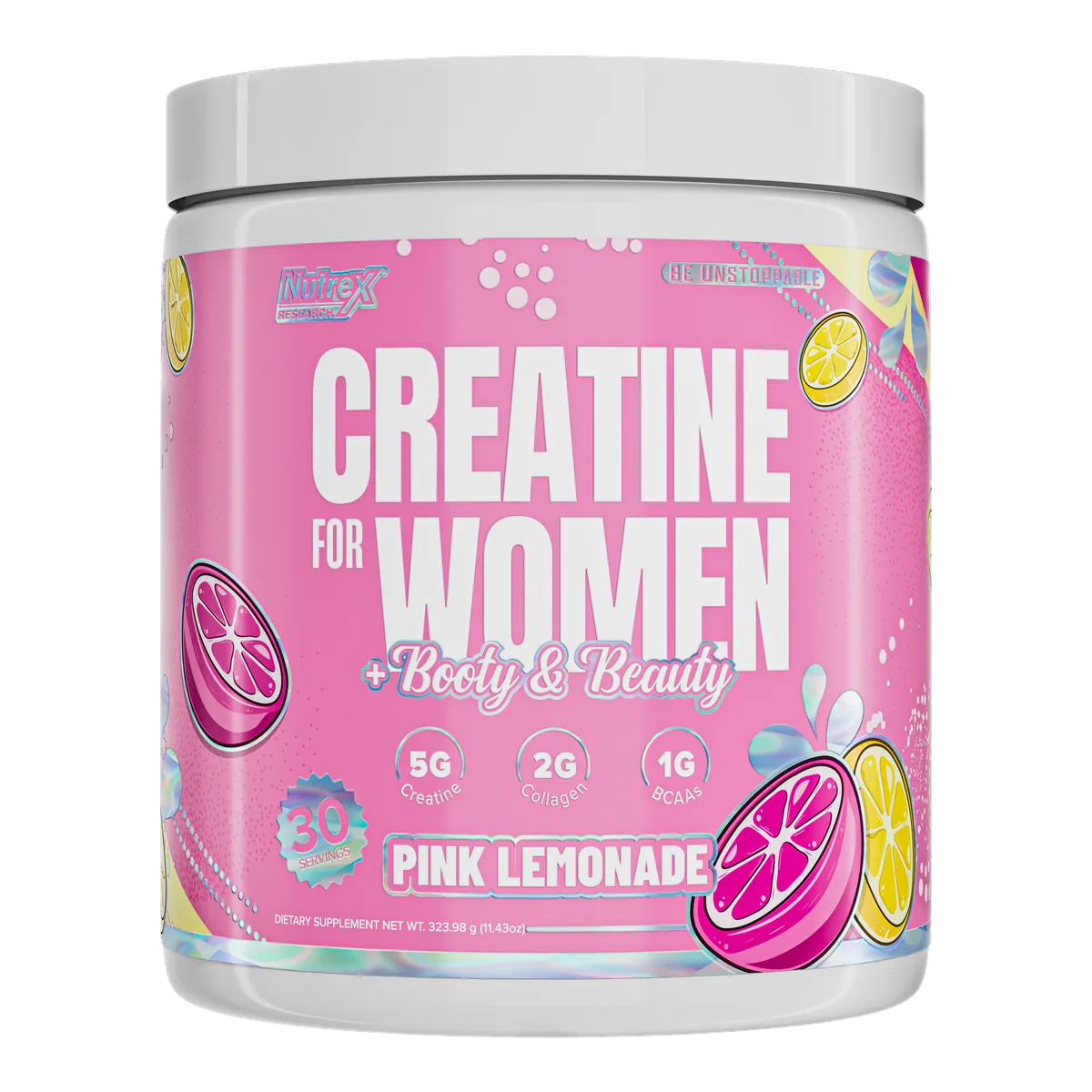 Creatine For Women Nutrex – 34.99 €
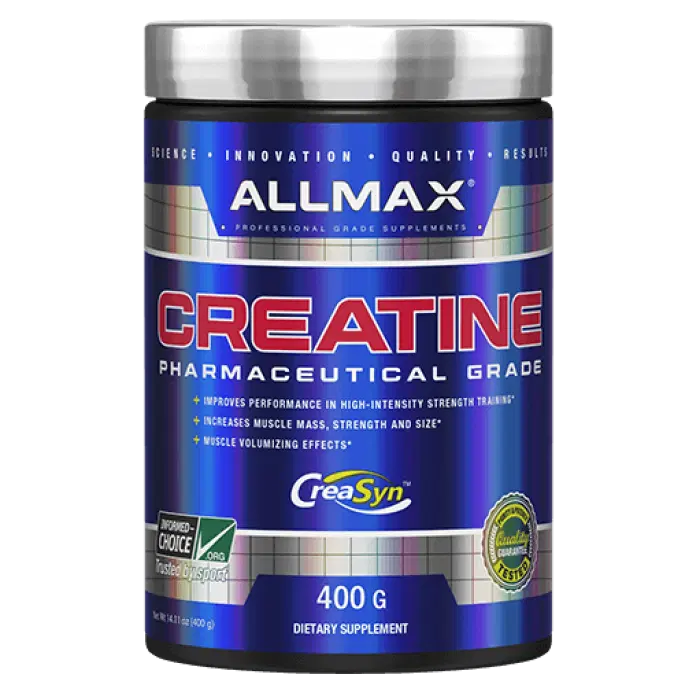 AllMax - Creatine Creasyn / 400gr. – 30.00 €
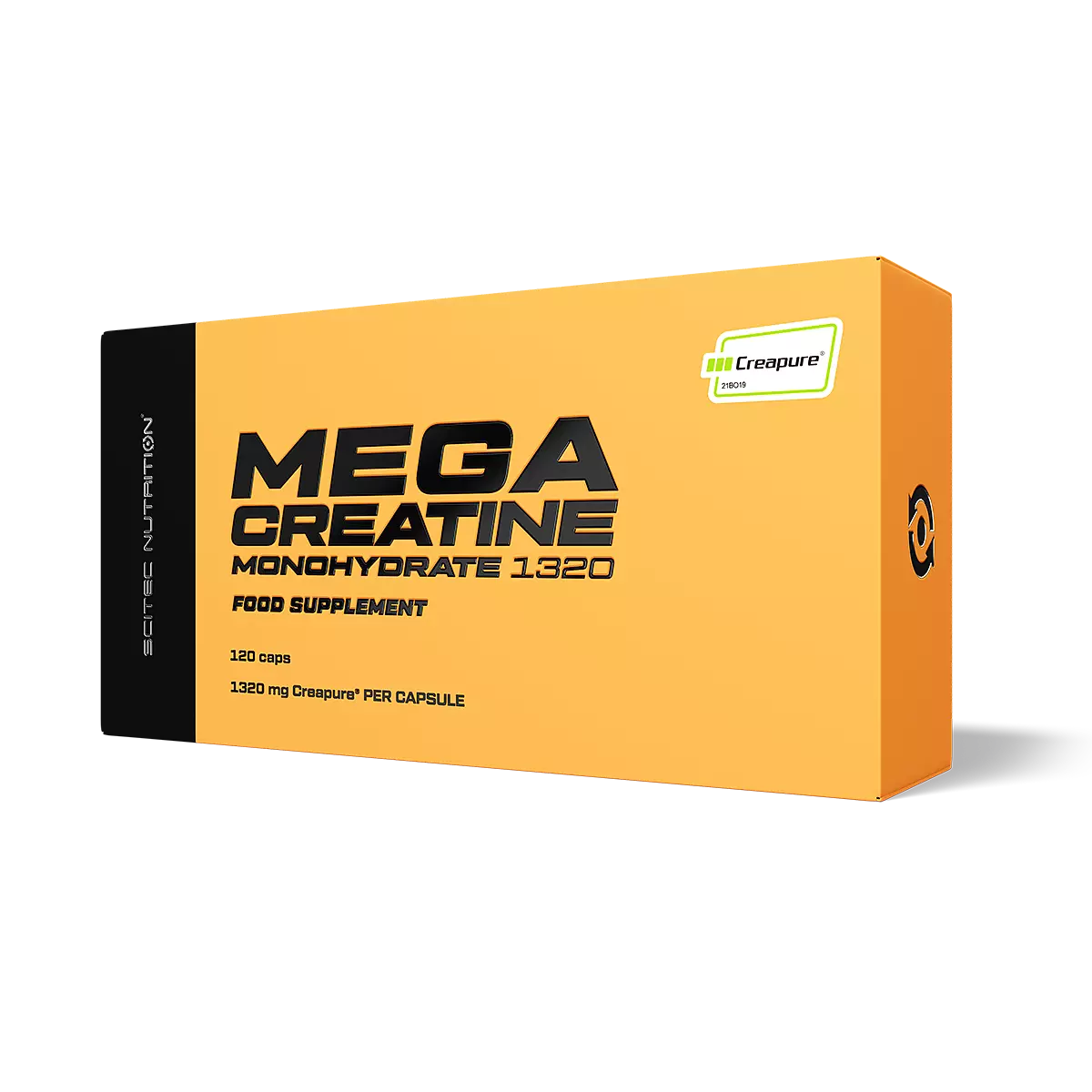 Scitec Nutrition Mega Creatine Monohydrate 1320 (120 caps) – 31.90 €
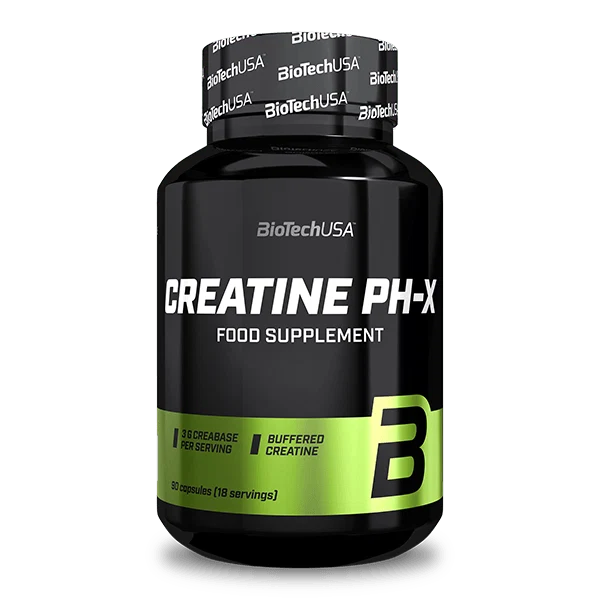 BioTech USA Creatine pH-X - 90 capsules – 18.90 €
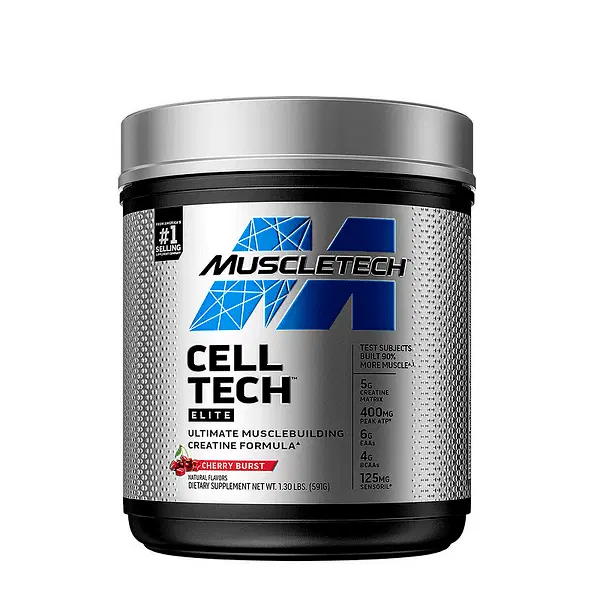 Cell Tech Elite MuscleTech 591 грама – 68.59 €
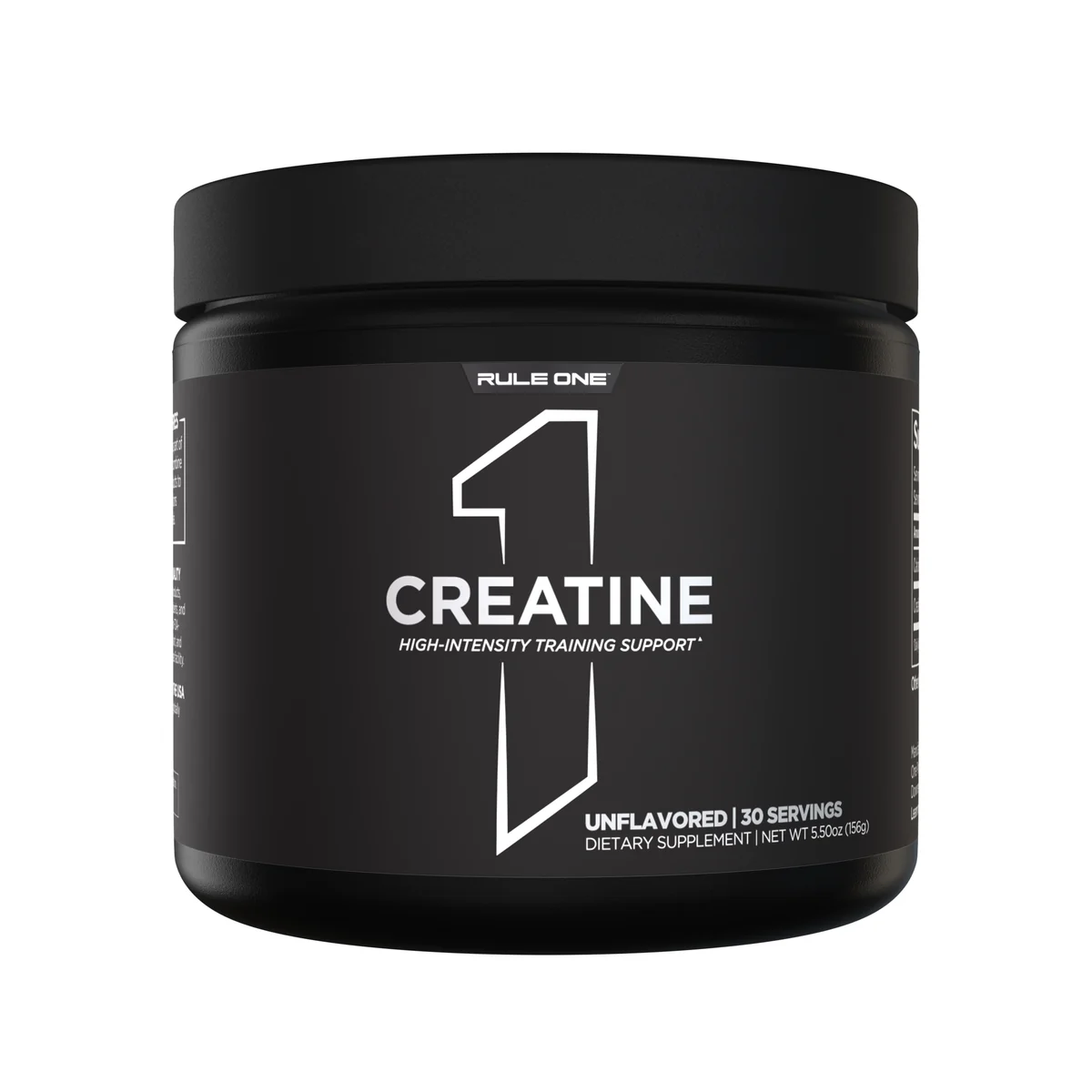 Rule 1 R1 Creatine 30 дози – 9.99 €
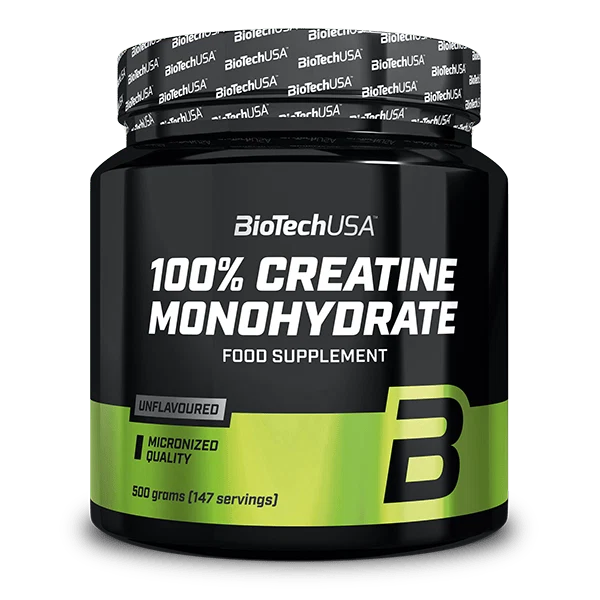 BioTech USA 100% Creatine Monohydrate - 500 g unflavoured – 47.90 €
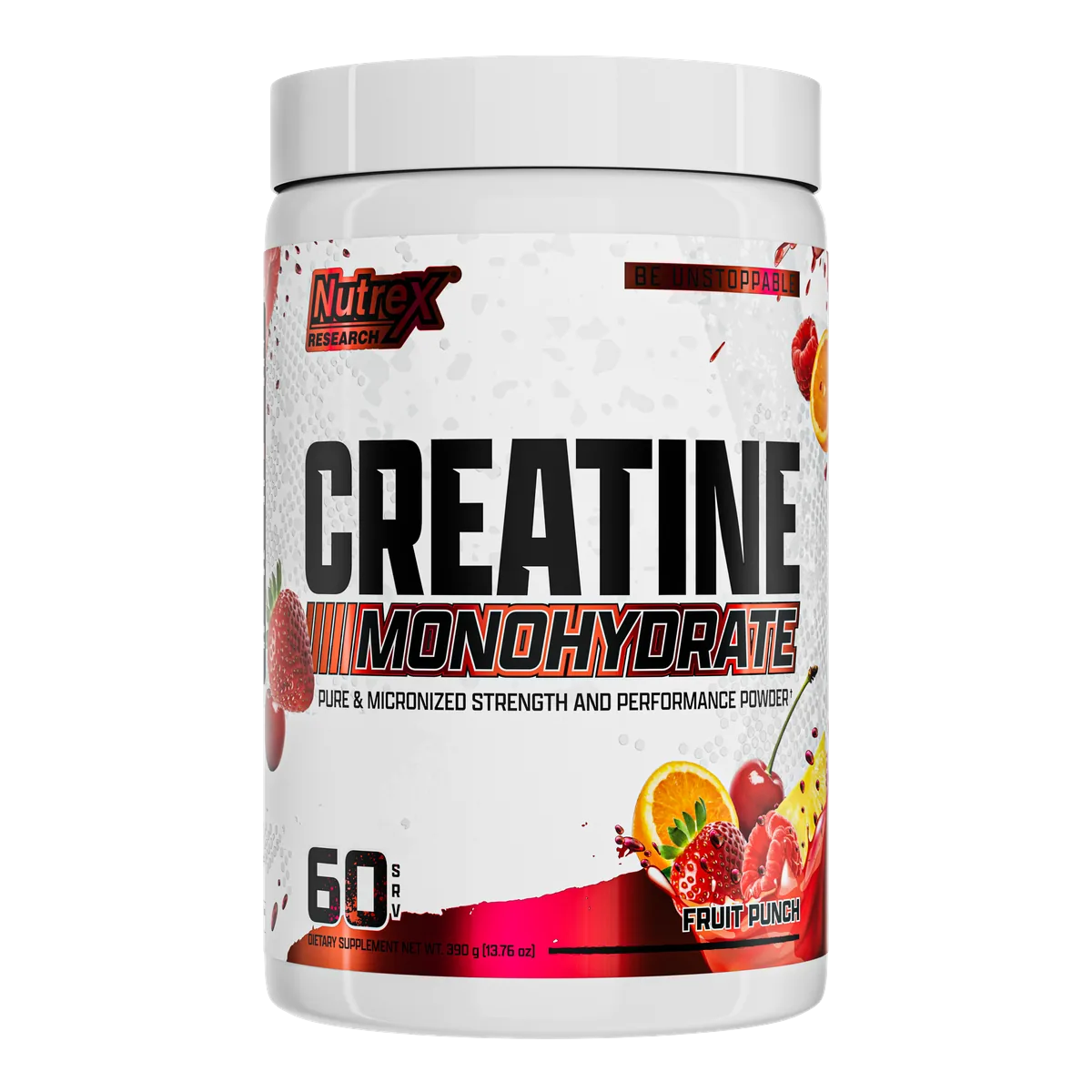 Flavored Creatine 300 G Nutrex – 24.99 €
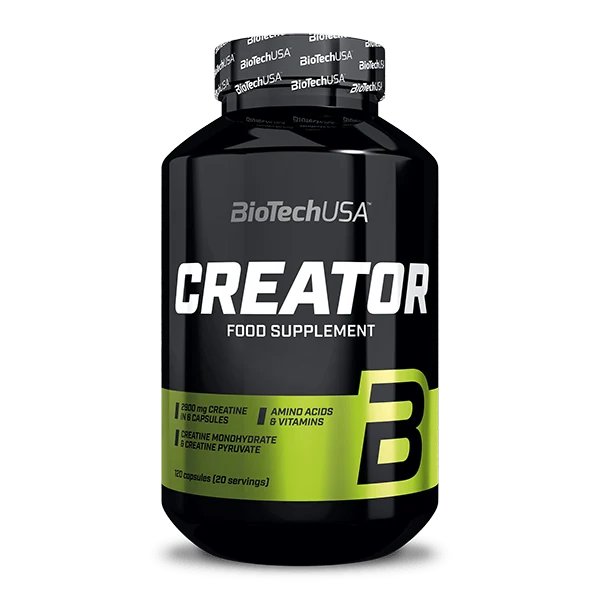 BioTech USA CreaTor - 120 capsules – 31.90 €
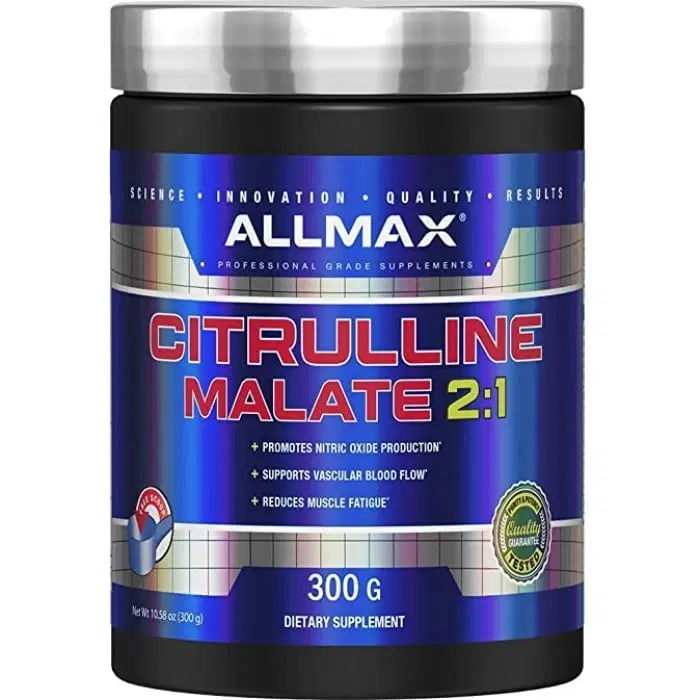 AllMax - L-Citrulline Malate 2:1 / 300 gr – 25.00 €
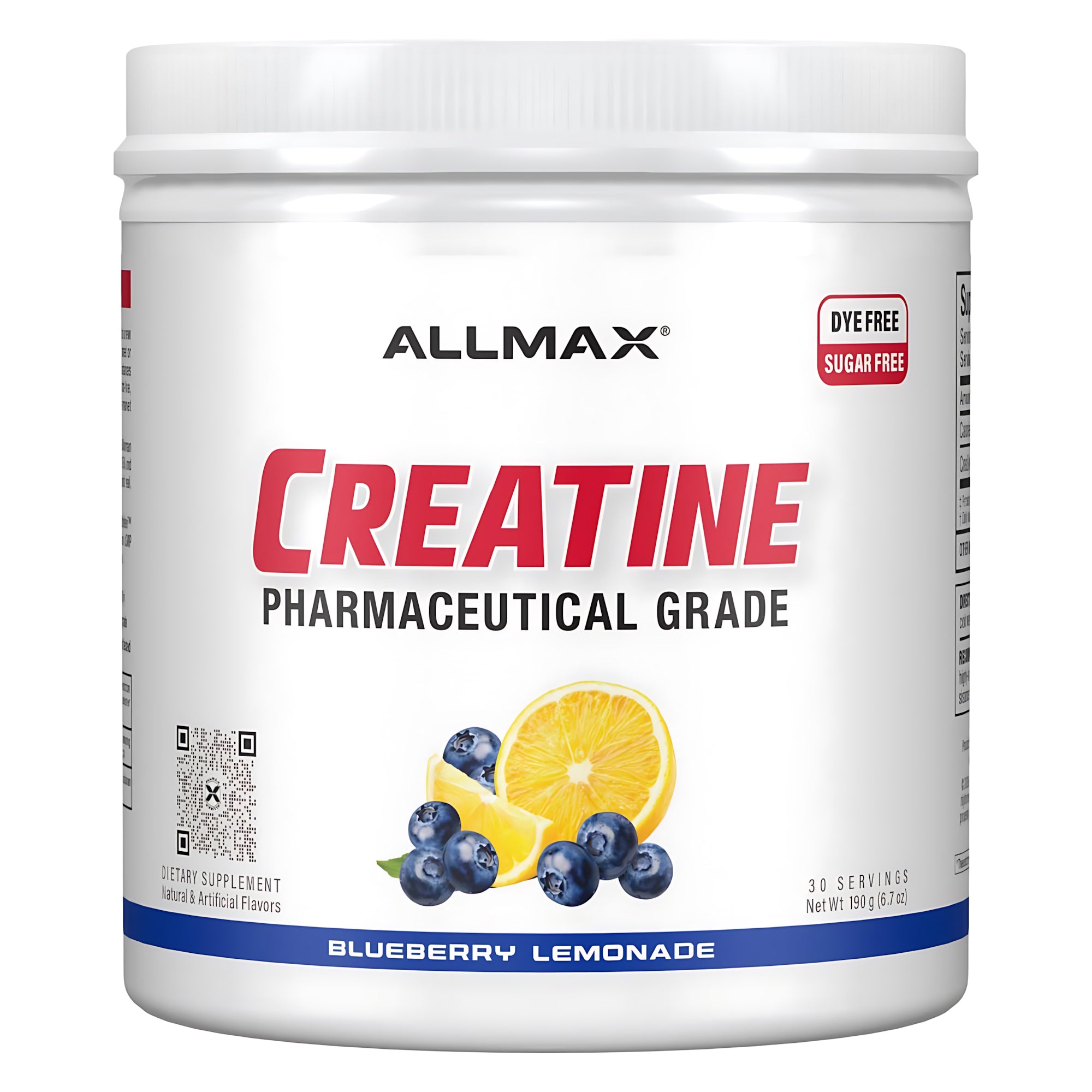 Allmax Flavored Creatine Monohydrate Powder – 20.00 €
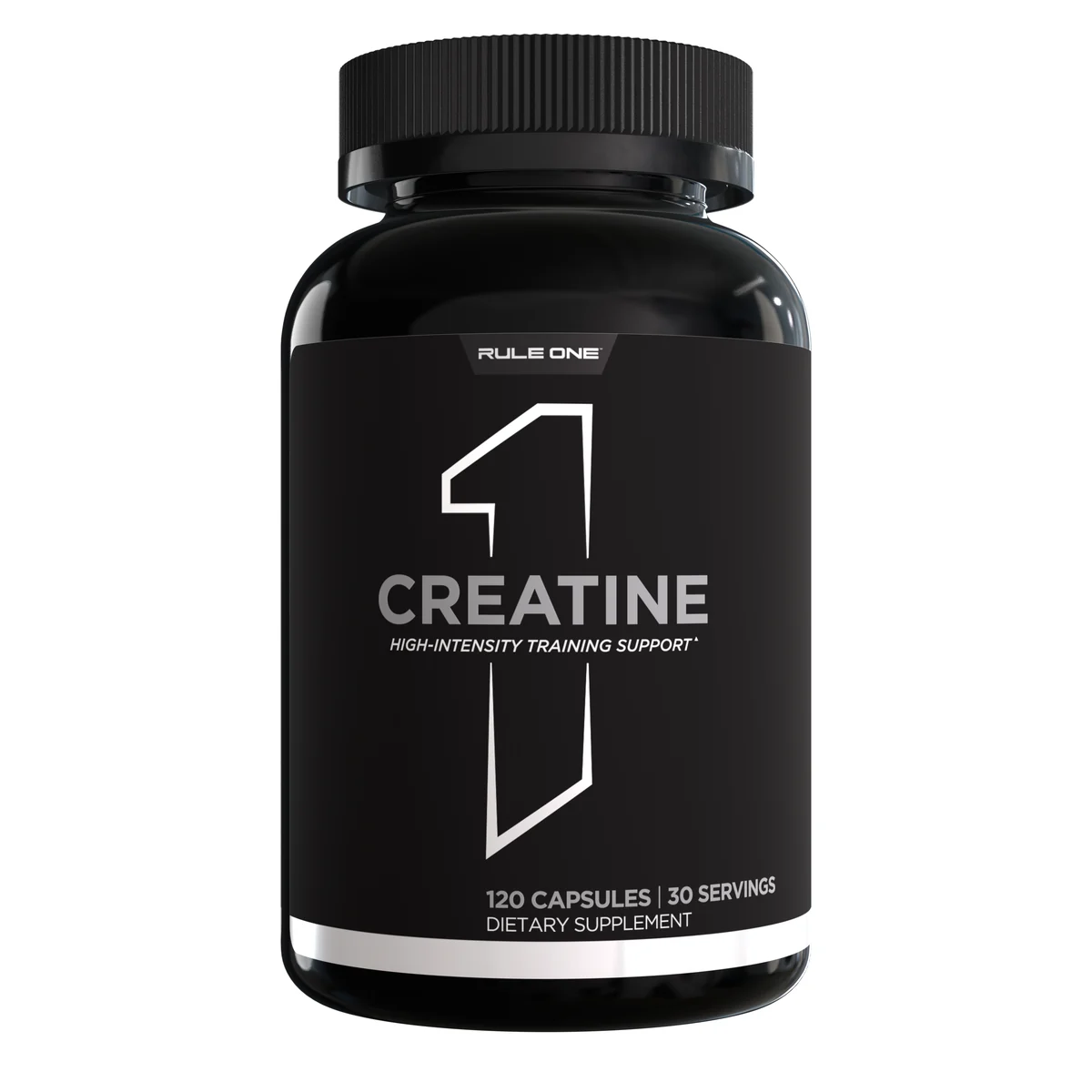 Rule 1 R1 Creatine 120 капсули – 17.99 €
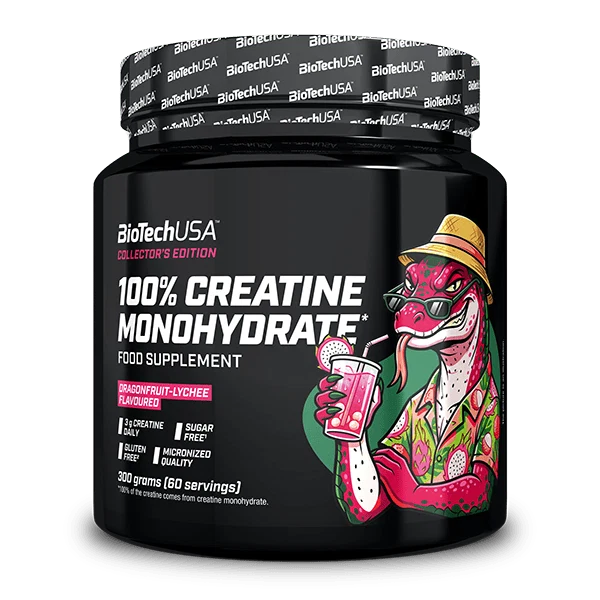 BioTech USA 100% Creatine Monohydrate - 300 g Dragonfruit-lychee – 31.90 €
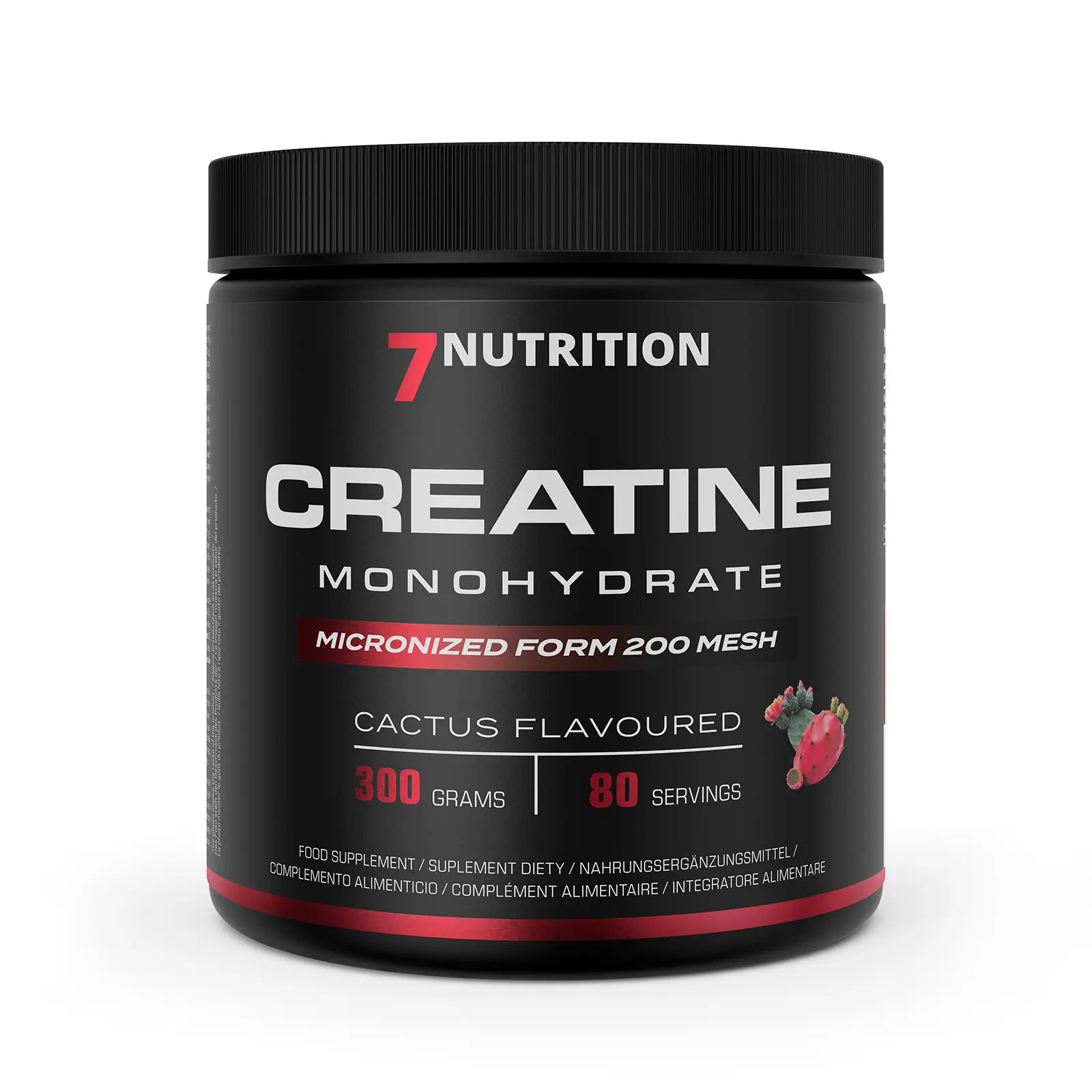 7Nutrition - Creatine Monohydrate 300g – 13.99 €
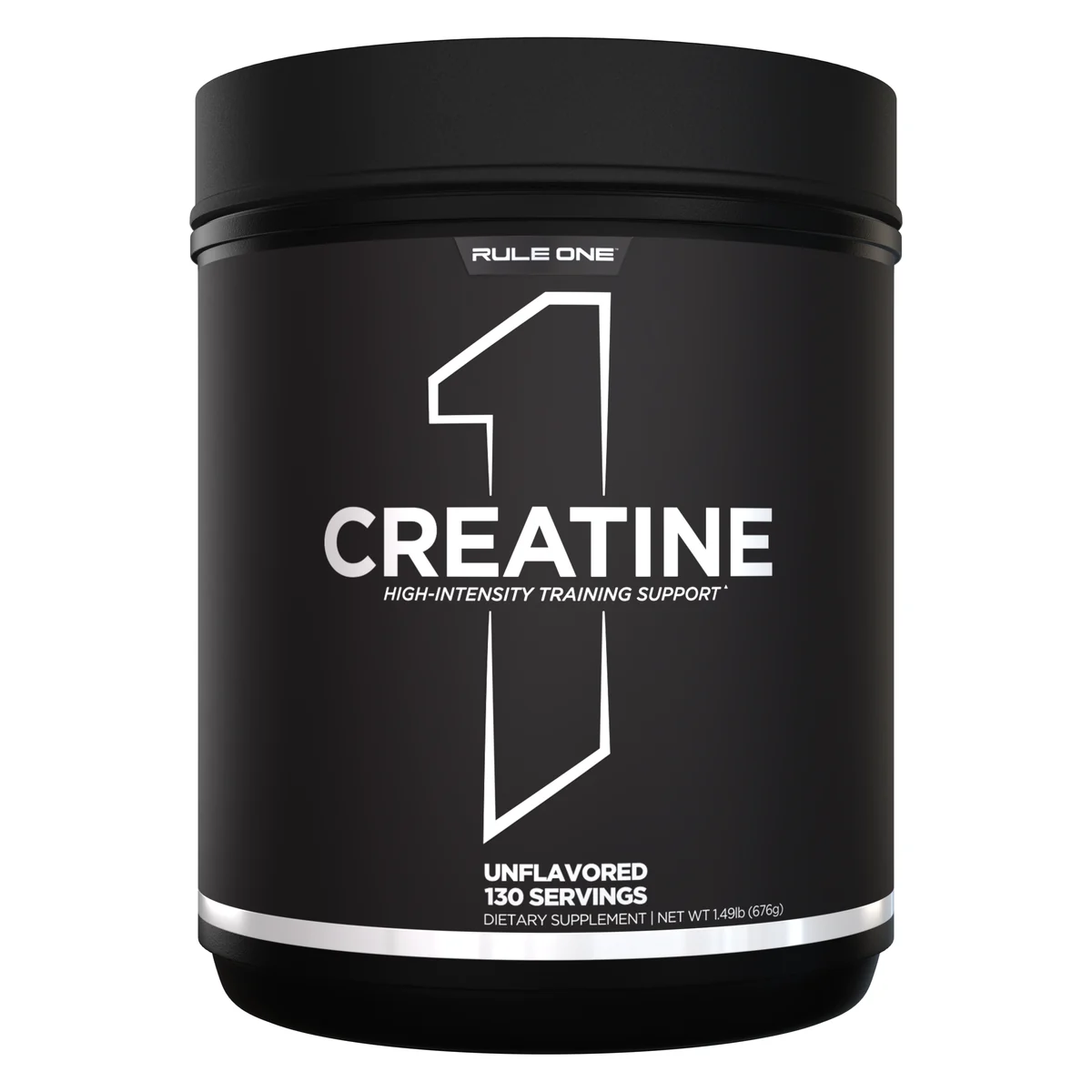 Rule 1 R1 Creatine 130 дози – 24.99 €
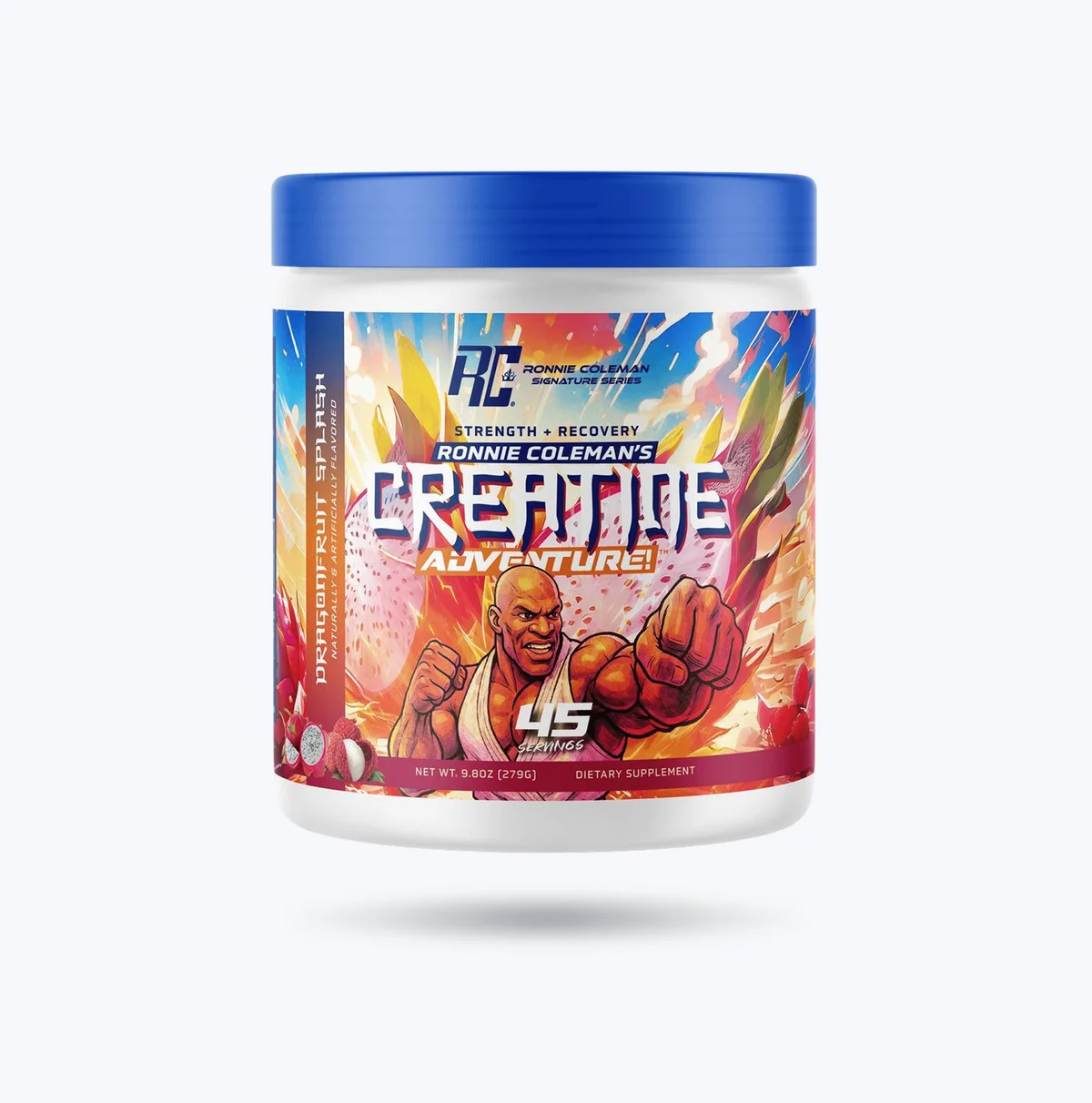 Ronnie Coleman Creatine Adventure 45 дози – 26.99 €
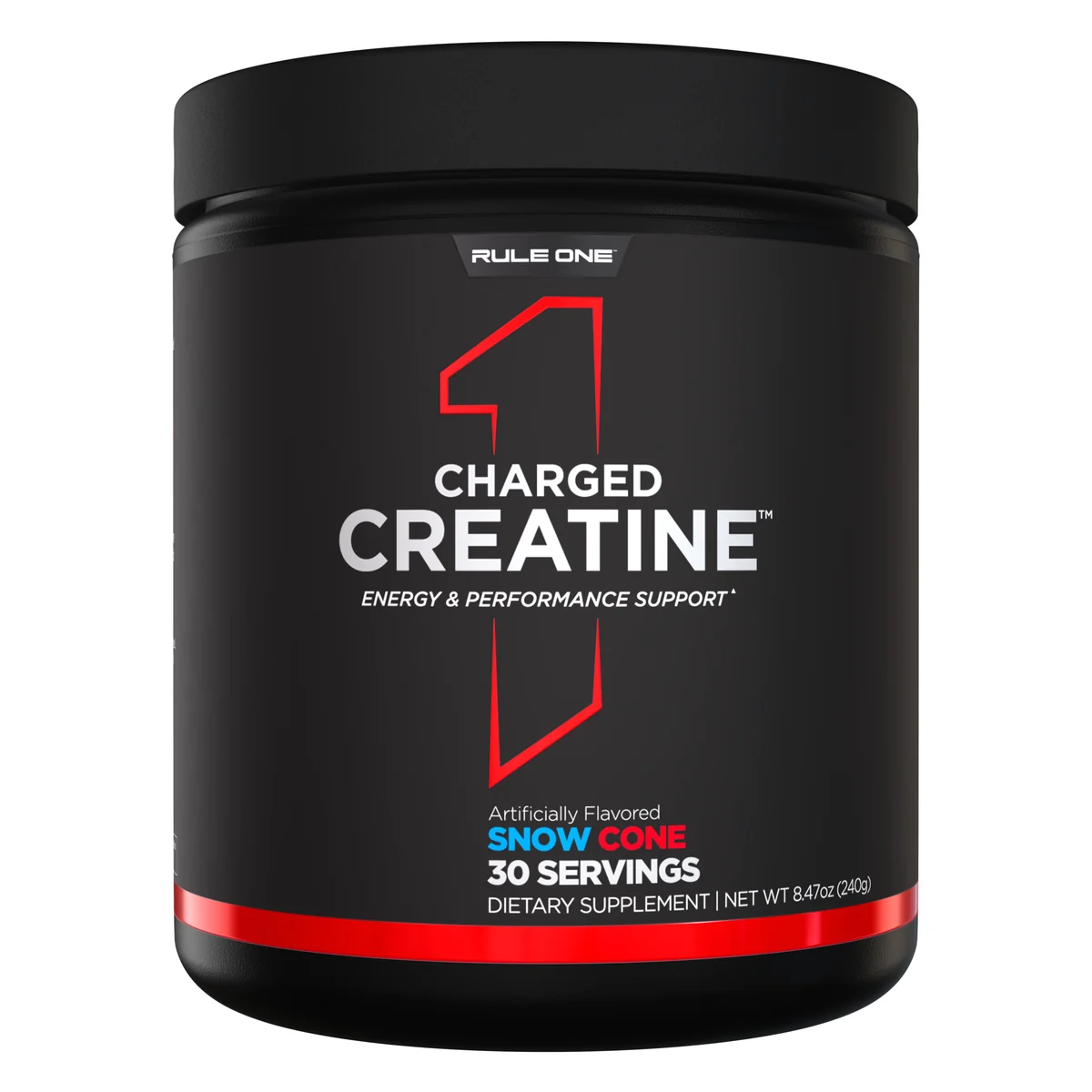 Rule 1 R1 Charged Creatine 30 дози – 17.99 €
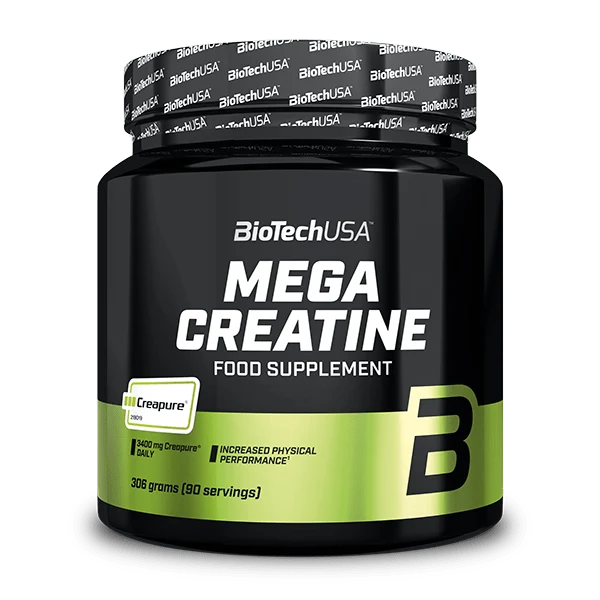 BioTech USA Mega Creatine - 306 g unflavoured – 38.90 €
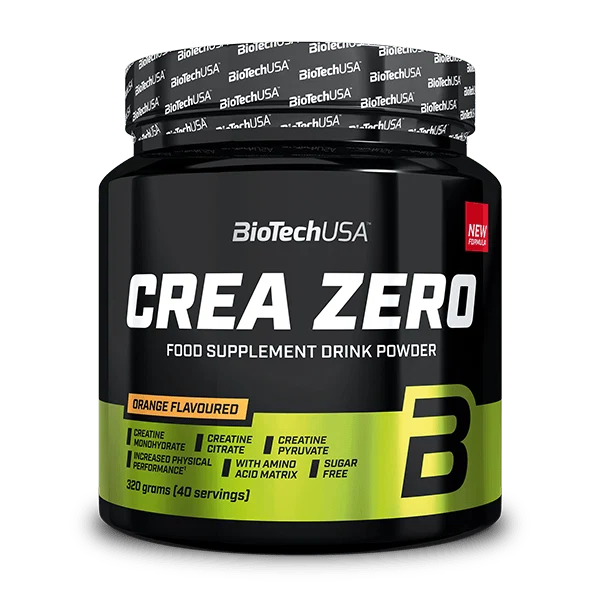 BioTech USA Crea Zero - 320 g – 34.90 €
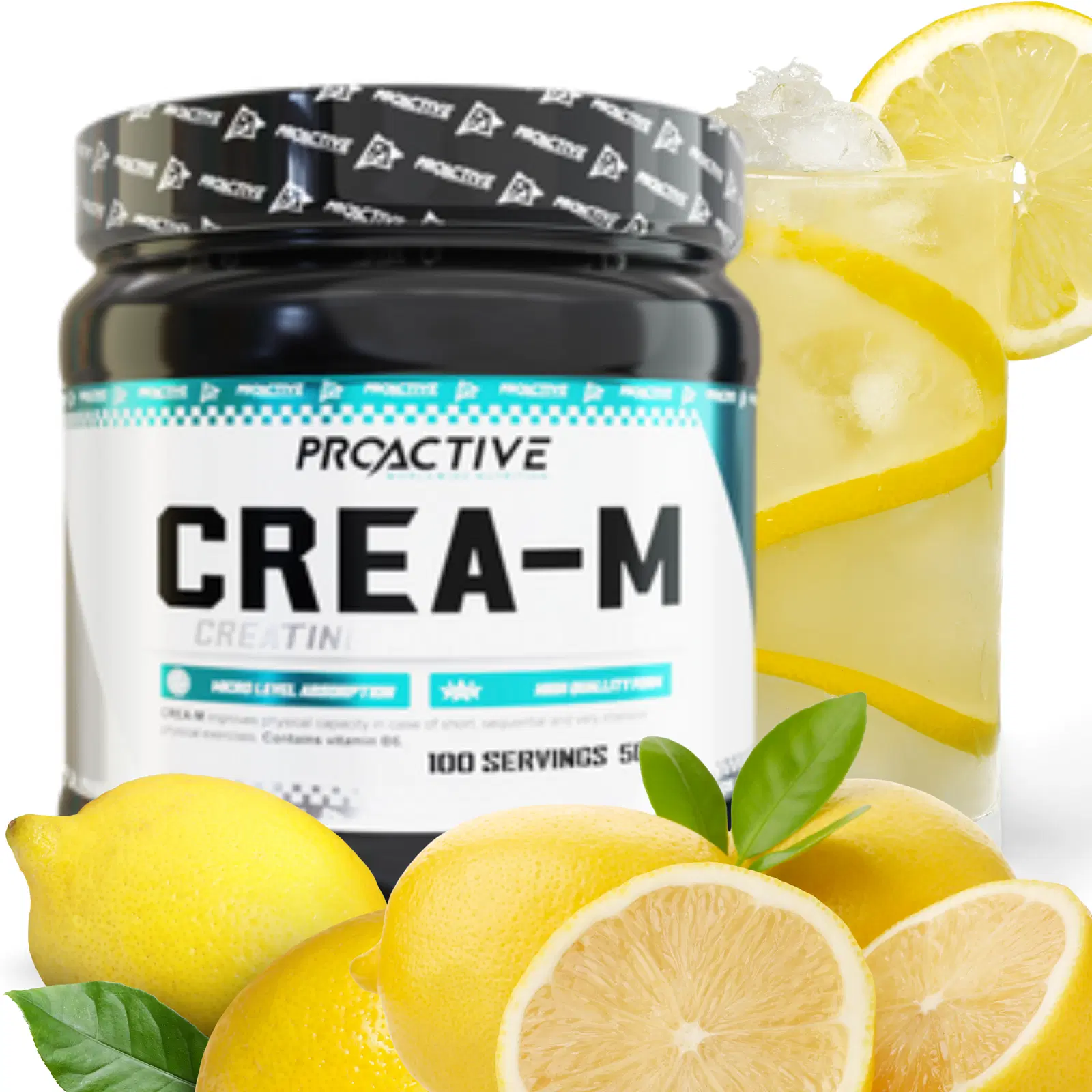 ProActive Creatine Monohydrate 500g – 6.52 €
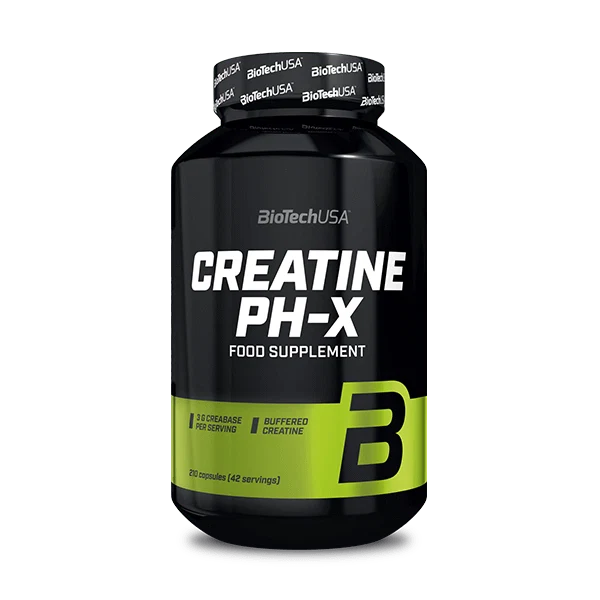 BioTech USA Creatine pH-X - 210 capsules – 31.90 €
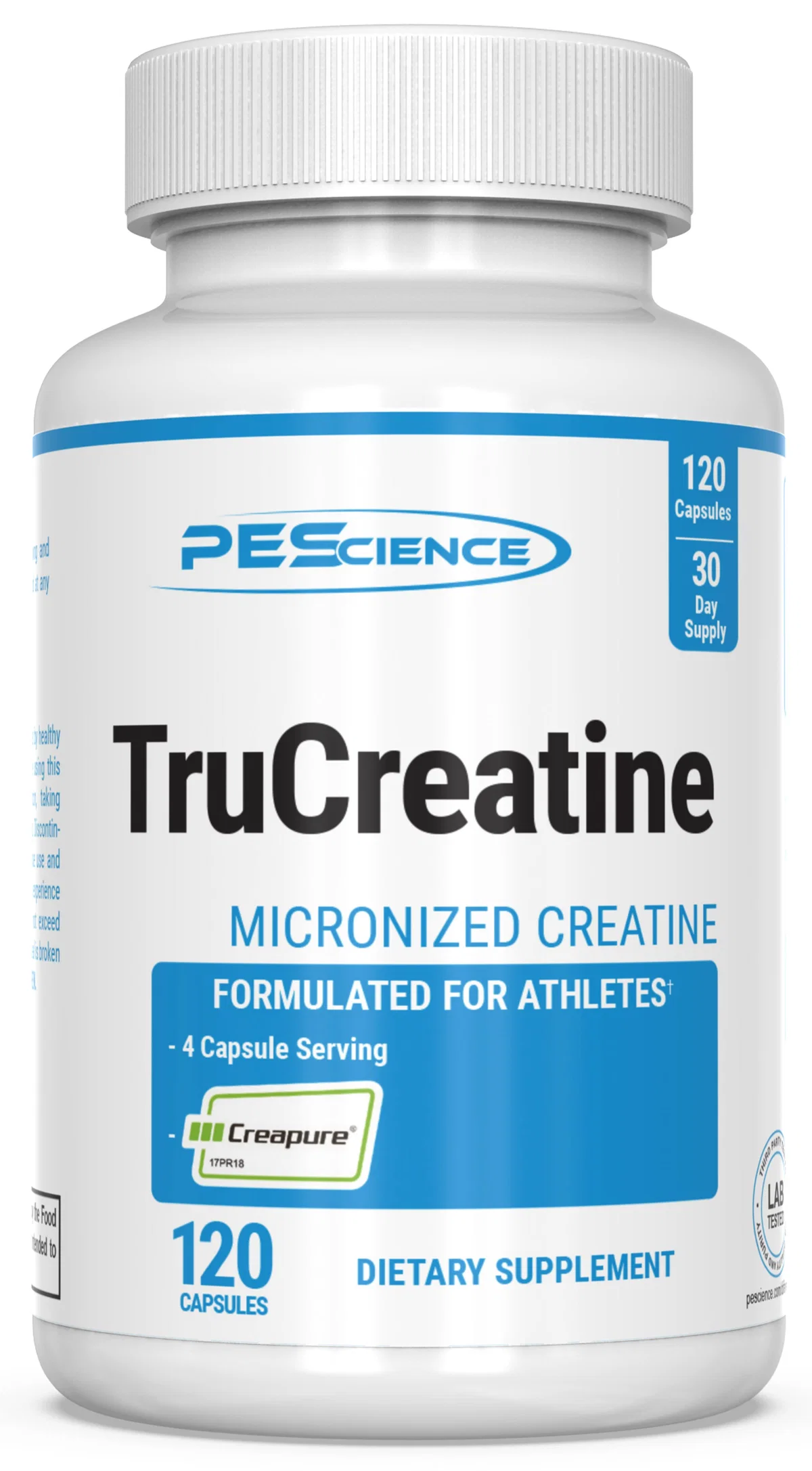 PEScience TruCreatine+ Capsules (90 порции (3 бр.)) – 49.99 €
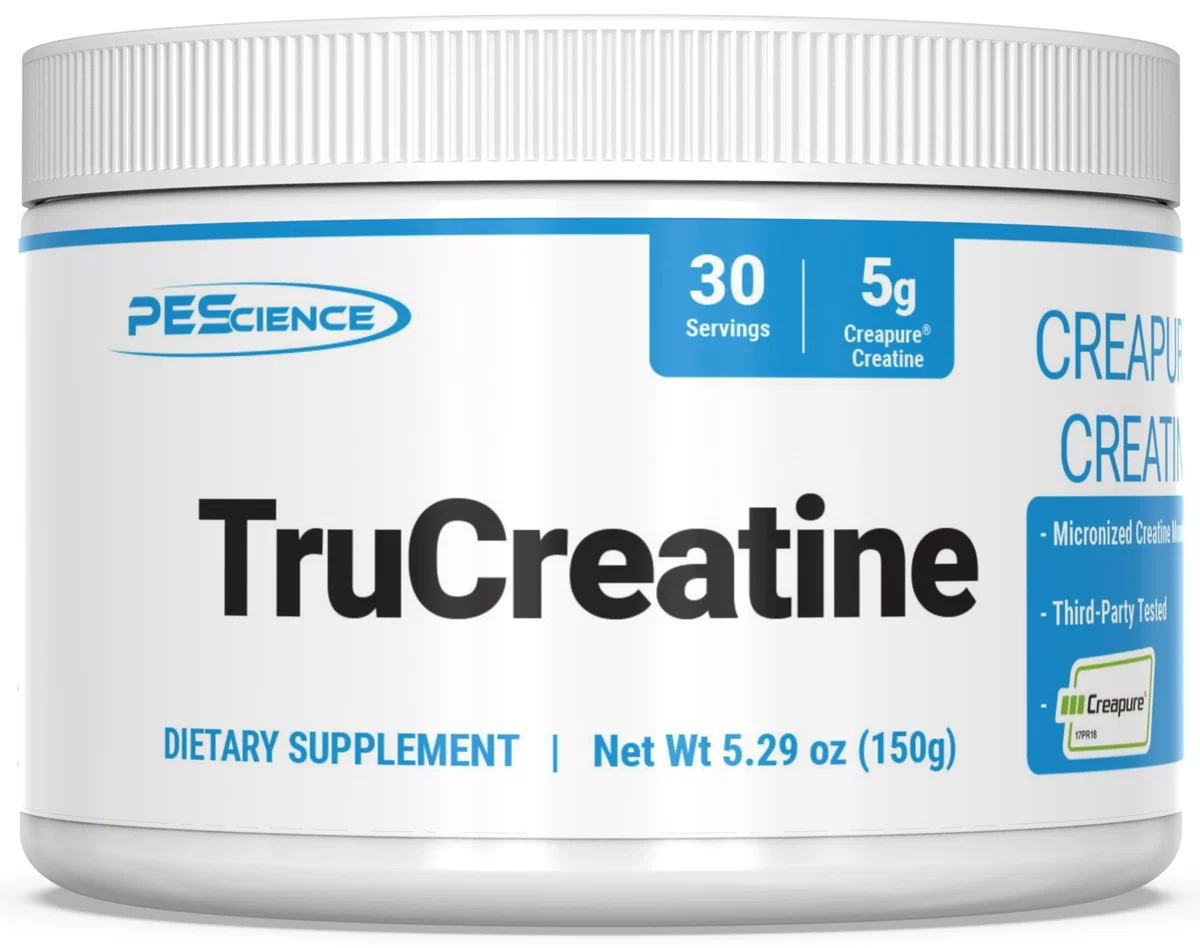 PEScience TruCreatine+ Powder (30 порции) – 19.99 €
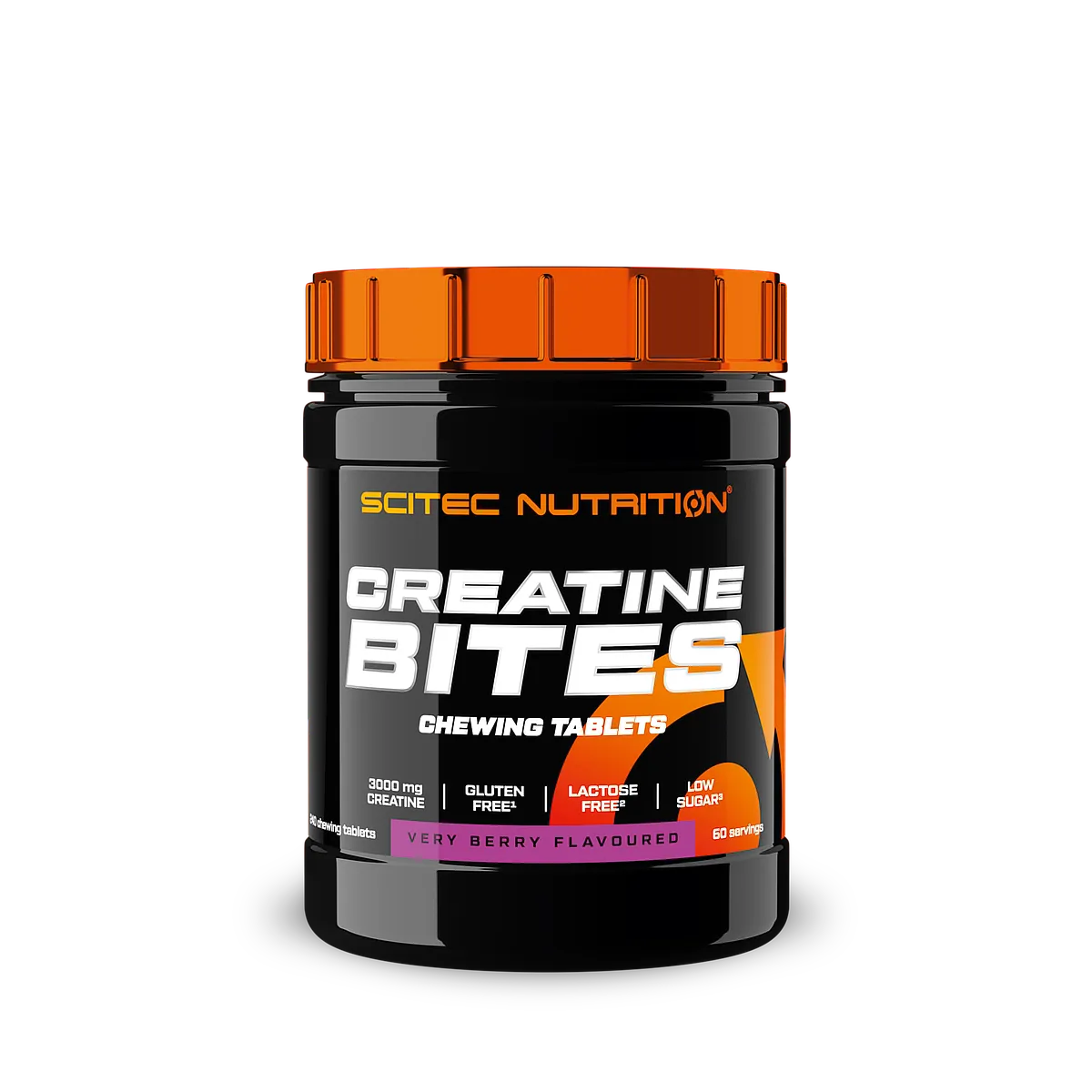 Scitec Nutrition Creatine Bites (240 tab.) – 27.90 €
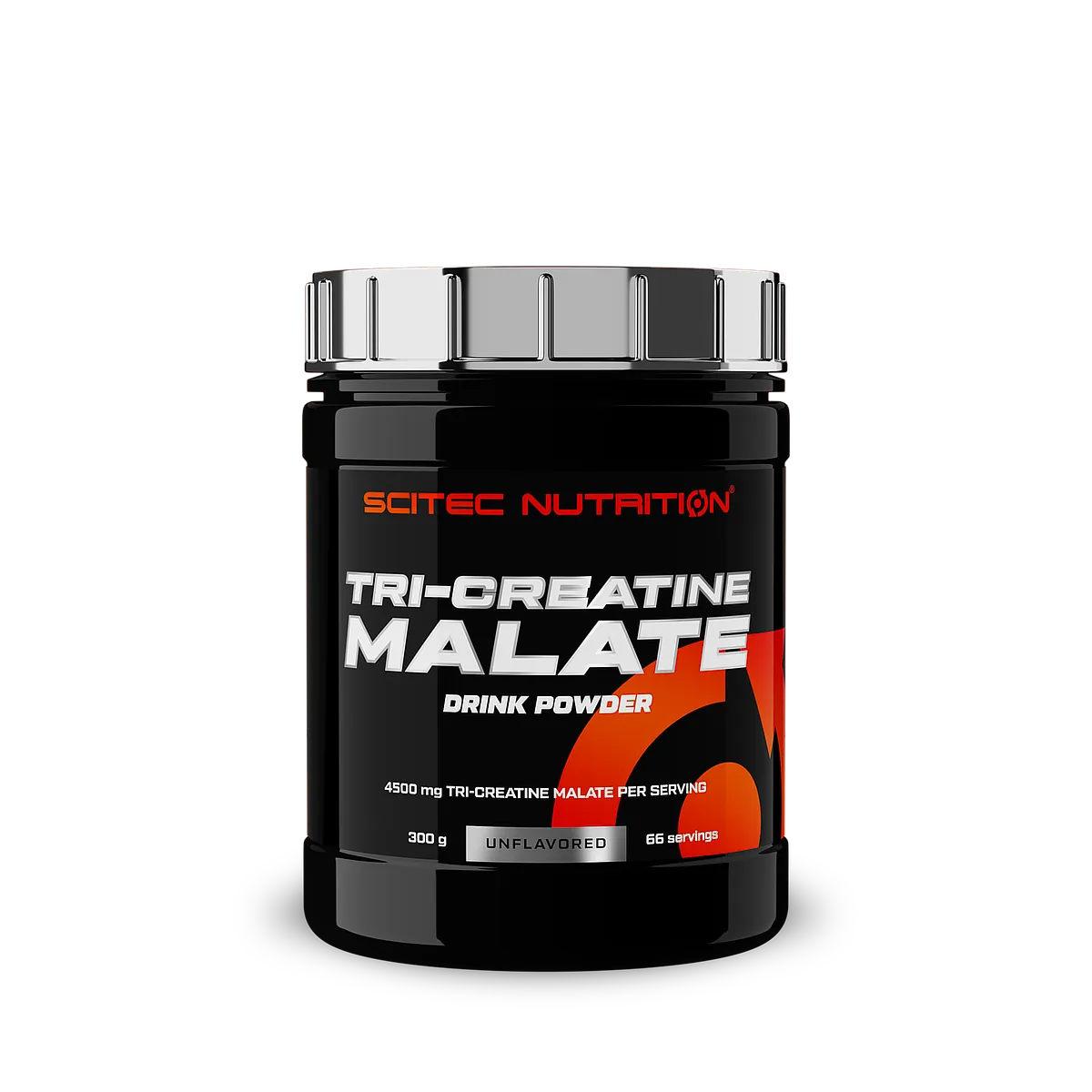 Scitec Nutrition Tri-Creatine Malate (300 gr.) – 24.90 €
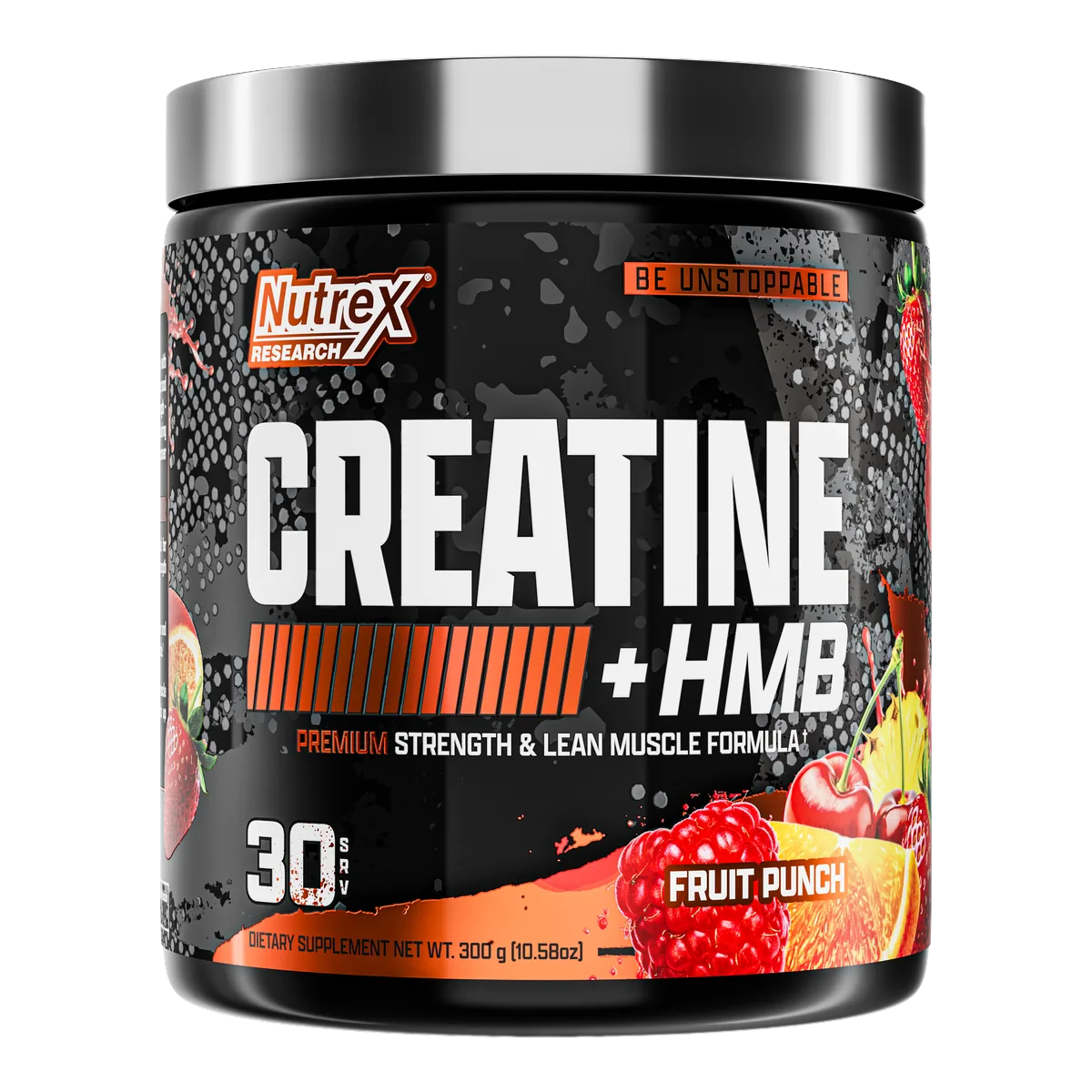 Creatine+ HMB Nutrex – 34.99 €
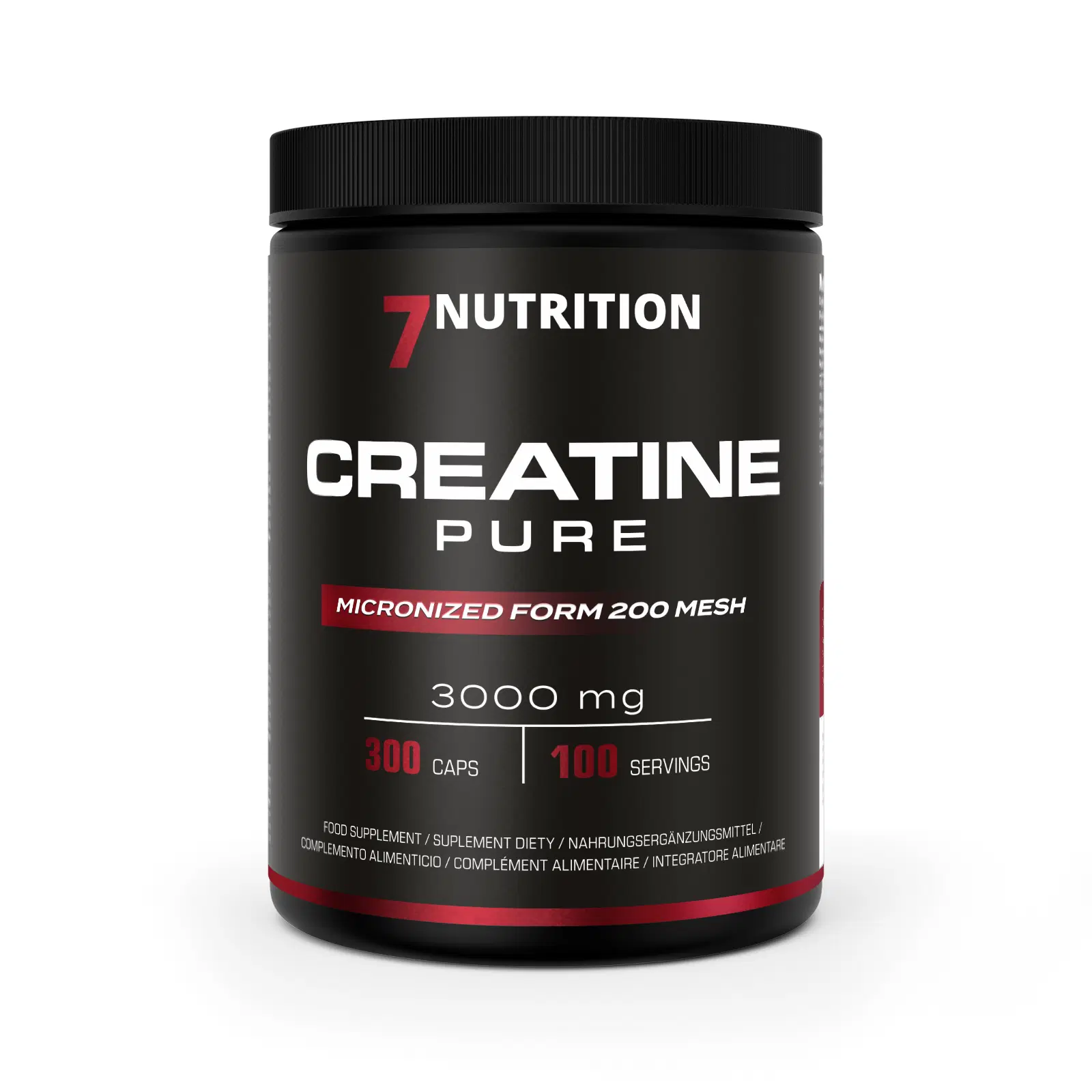 7Nutrition - Creatine – 22.90 €
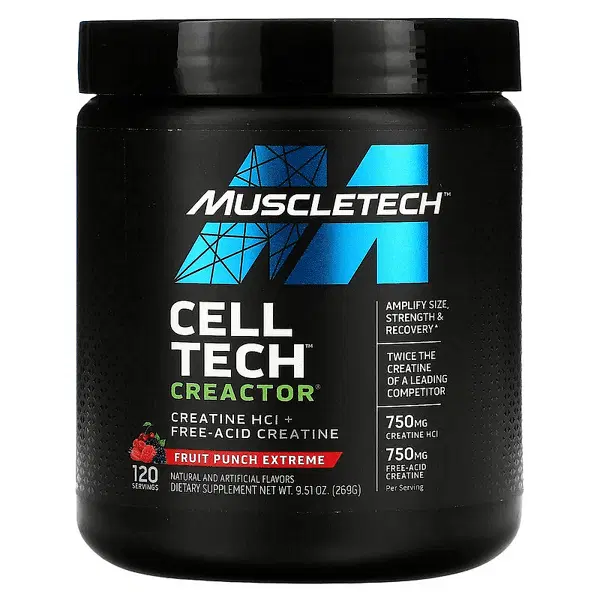 Креатин Хидрохлорид Cell Tech Creactor MuscleTech 269 грама – 53.90 €
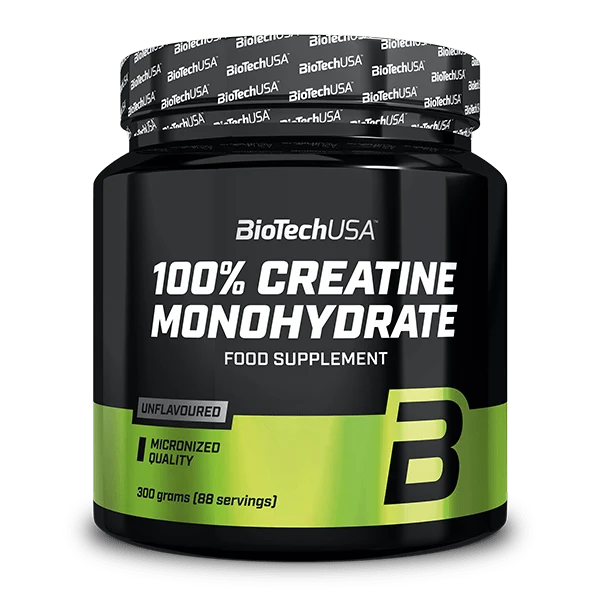 BioTech USA 100% Creatine Monohydrate - 300 g unflavoured – 29.90 €
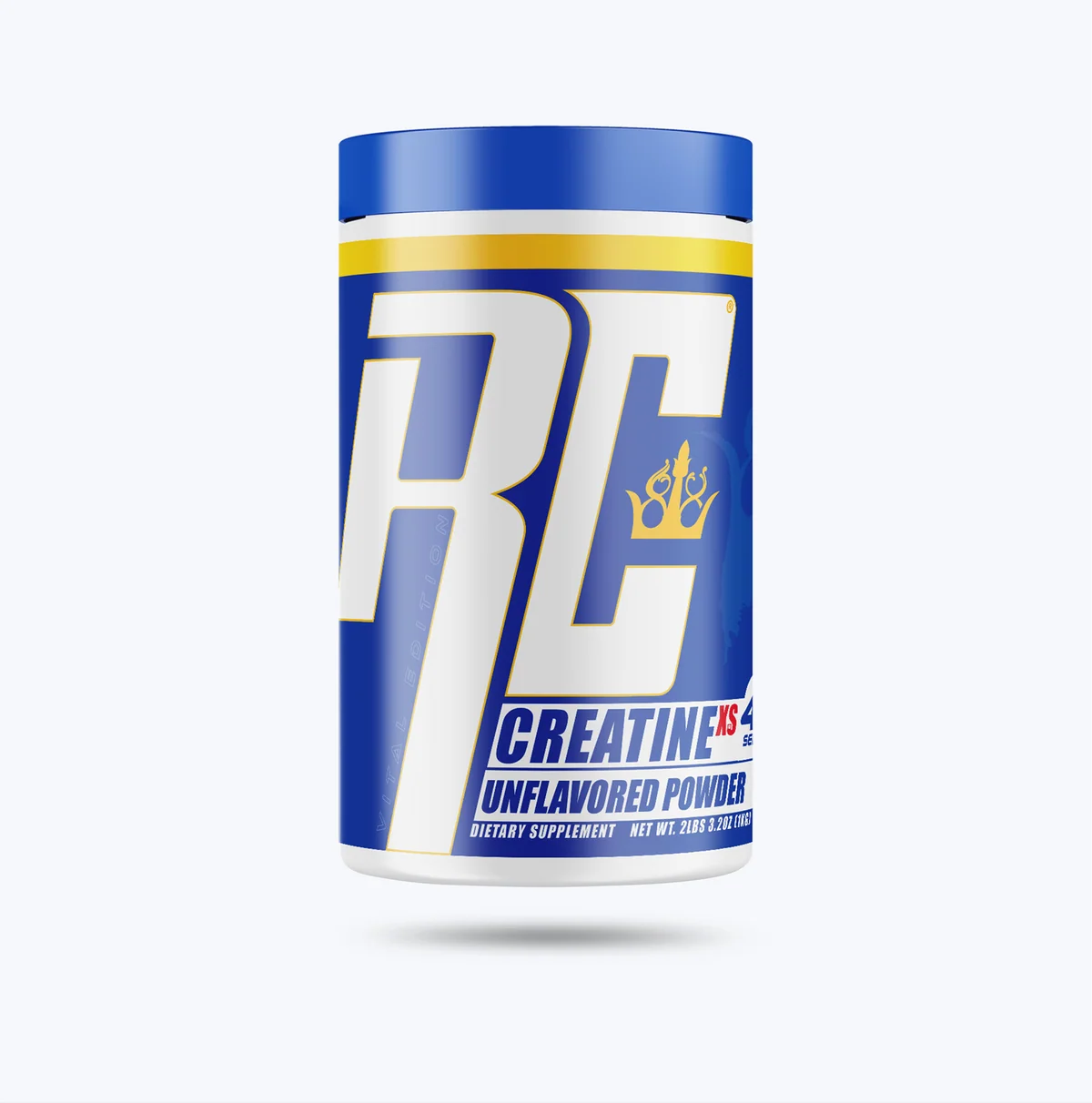 Ronnie Coleman Creatine XS 400 дози – 39.99 €
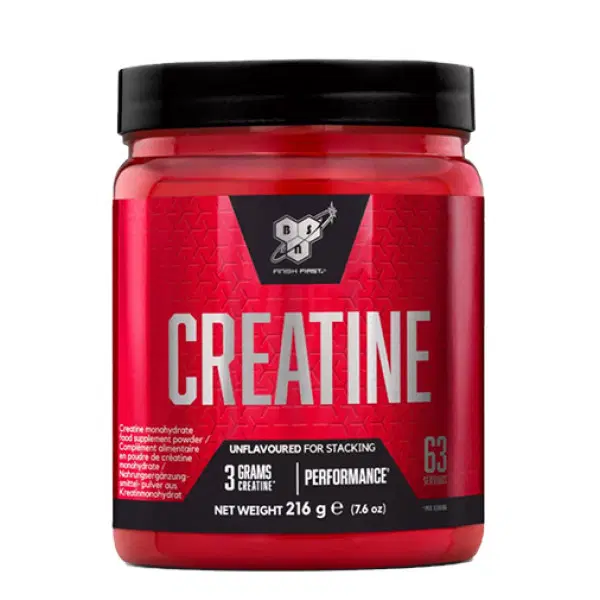 BSN Creatine DNA / 63 serv. – 13.80 €
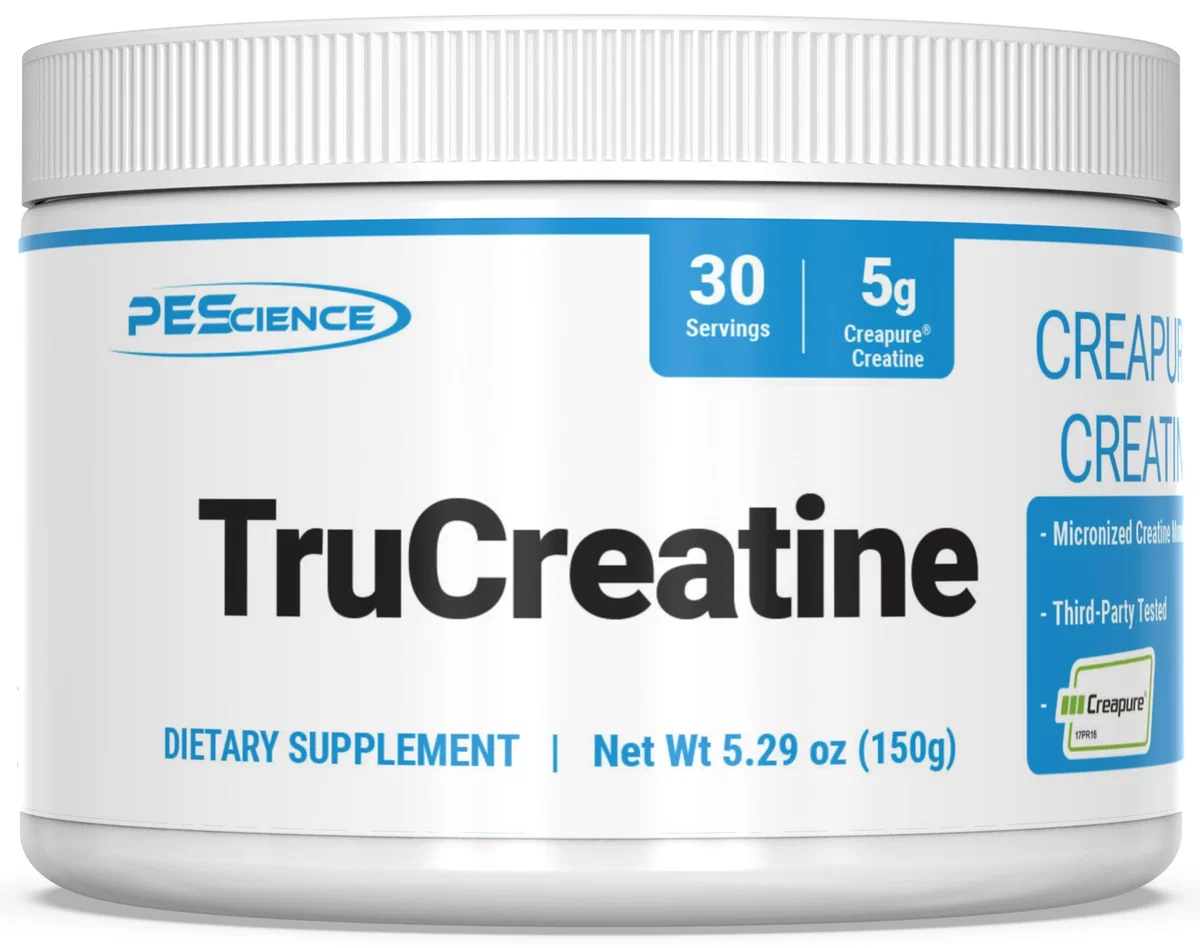 PEScience TruCreatine+ Powder (90 порции) – 39.99 €
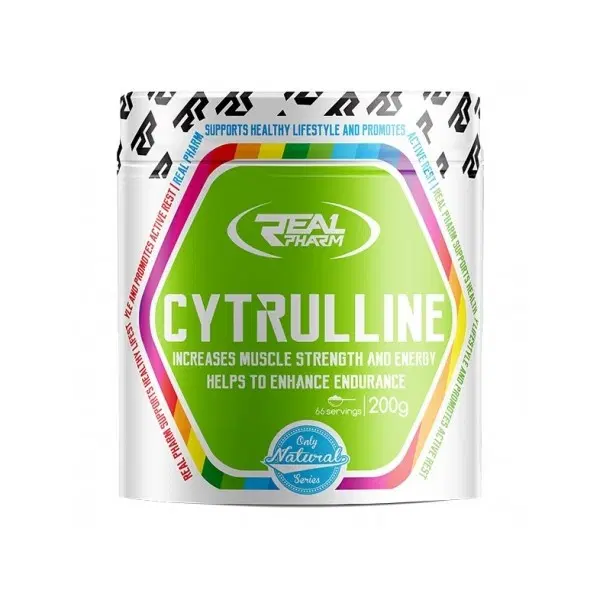 Real Pharm Citrulline 200 грама – 11.25 €
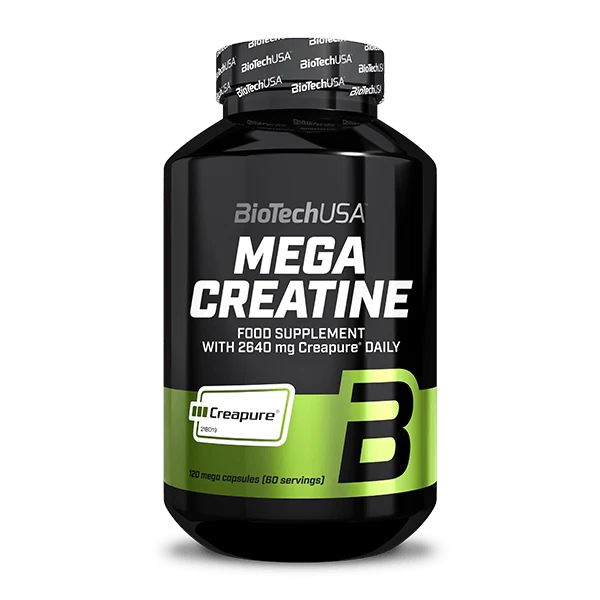 BioTech USA Mega Creatine - 120 megacapsules – 34.90 €
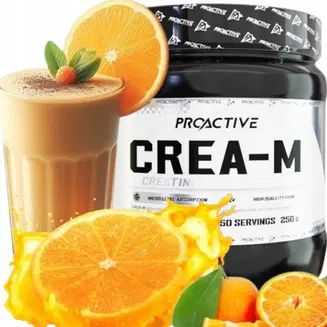 ProActive Creatine Monohydrate 250g Orange – 4.65 €
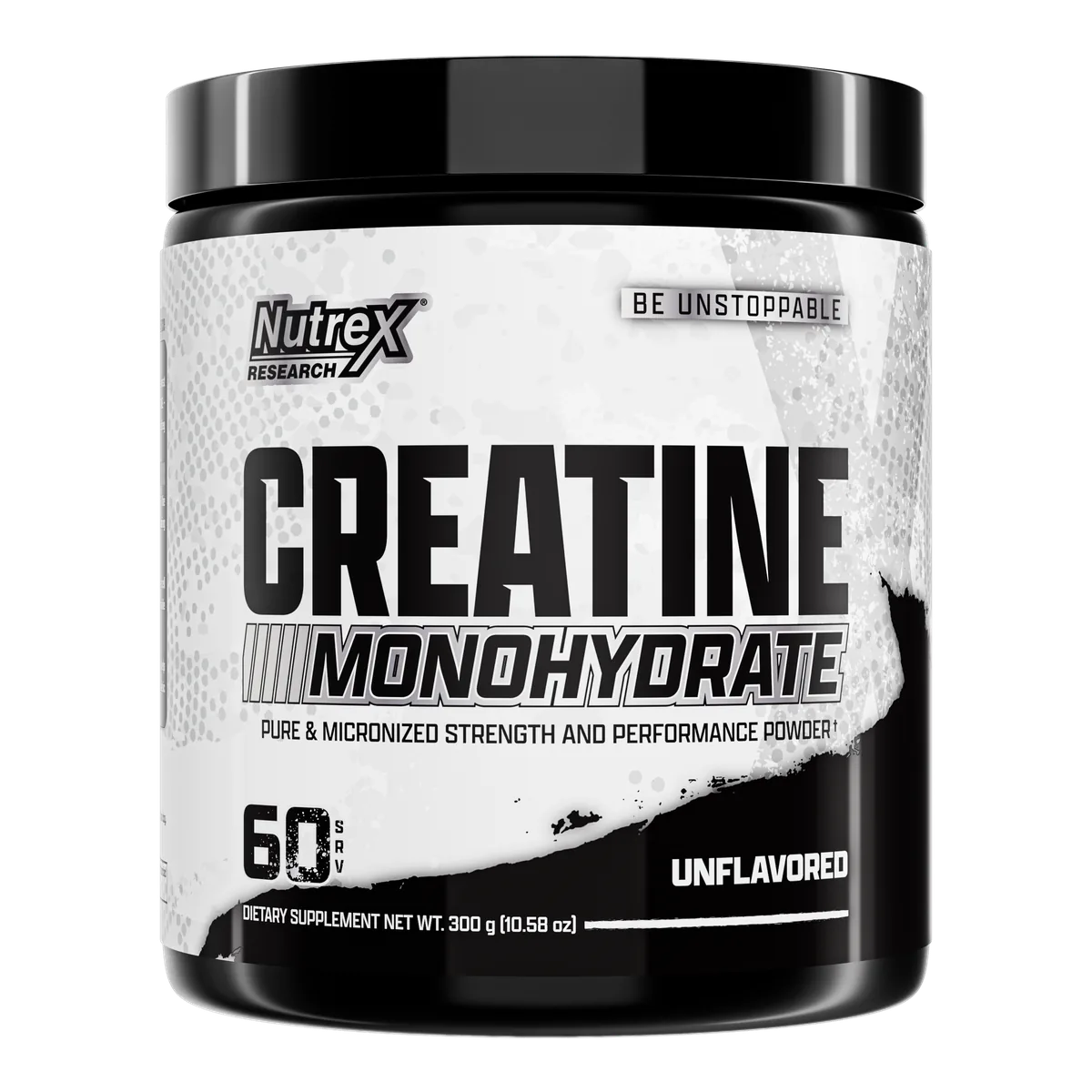 Creatine Monohydrate Nutrex – 24.99 €
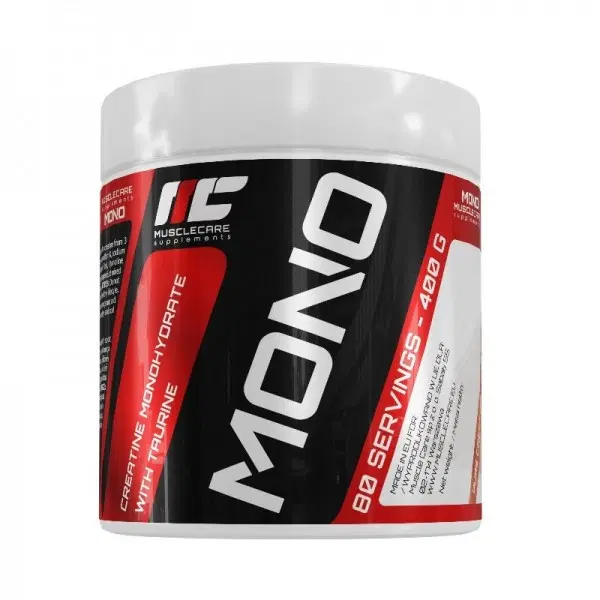 Muscle Care - Creatine Mono / 400g – 21.47 €
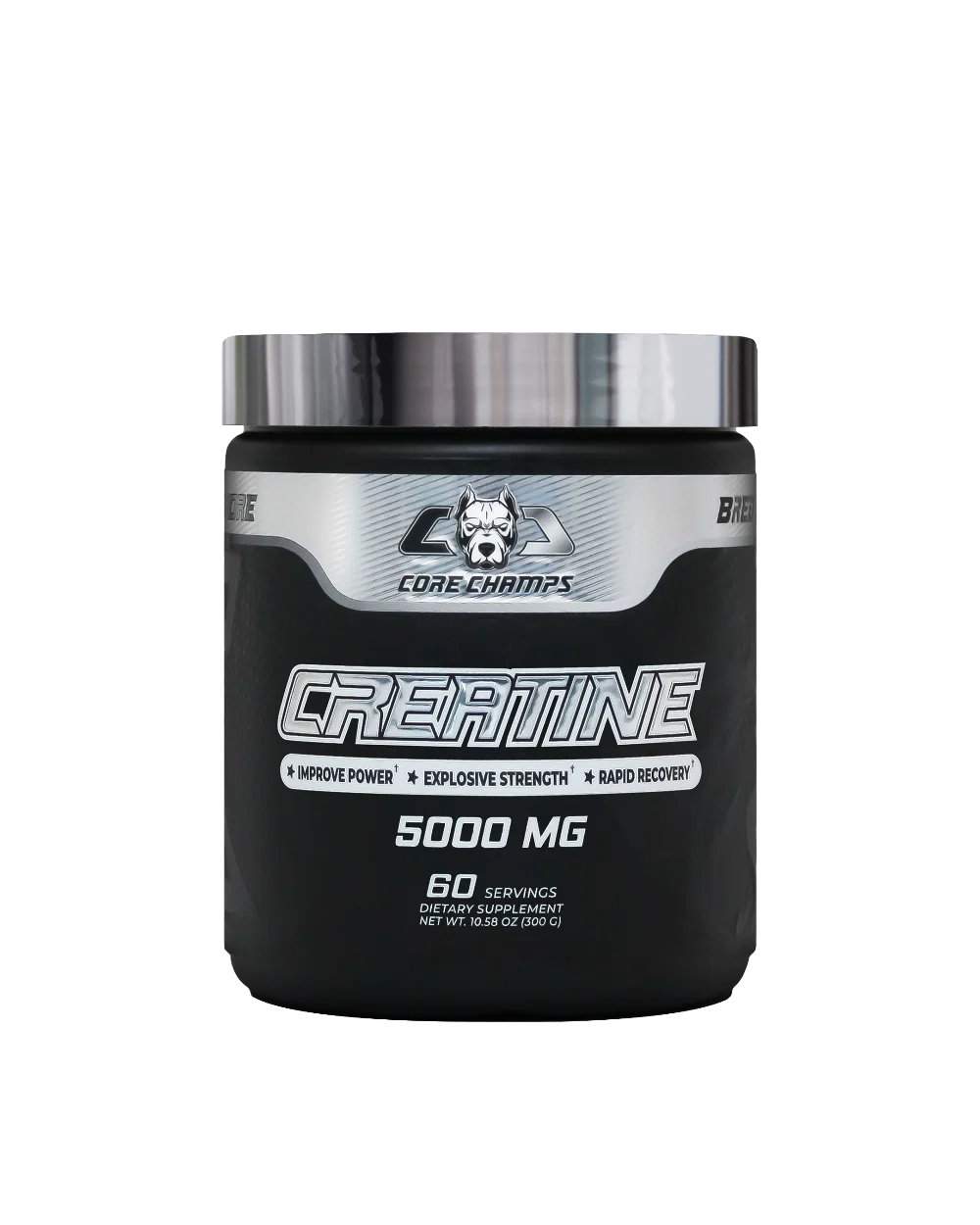 Core Champs Creatine 5000mg – 18.99 €
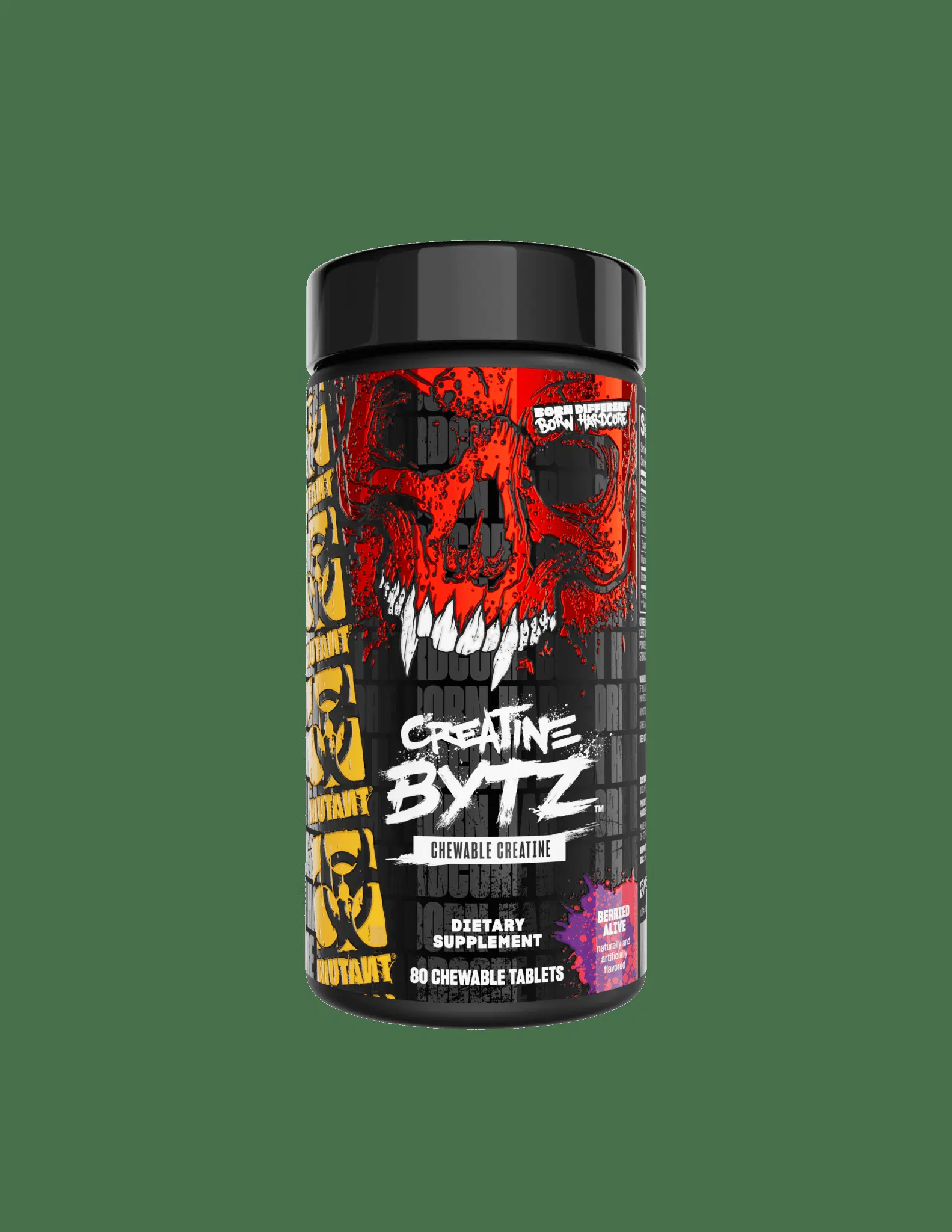 Mutant - Creatine BYTZ – 0.00 €
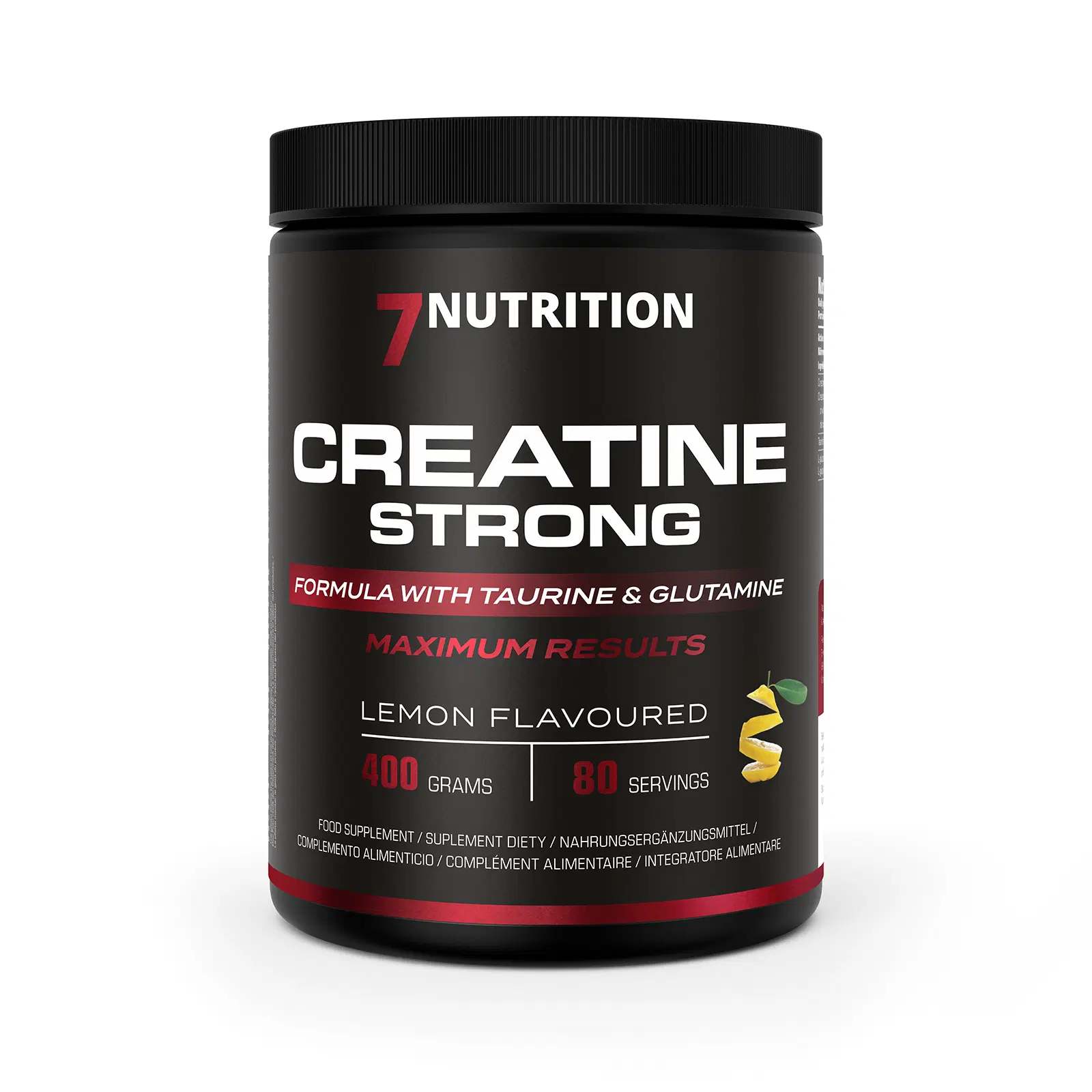 7Nutrition - Creatine Strong 400 g – 21.00 €
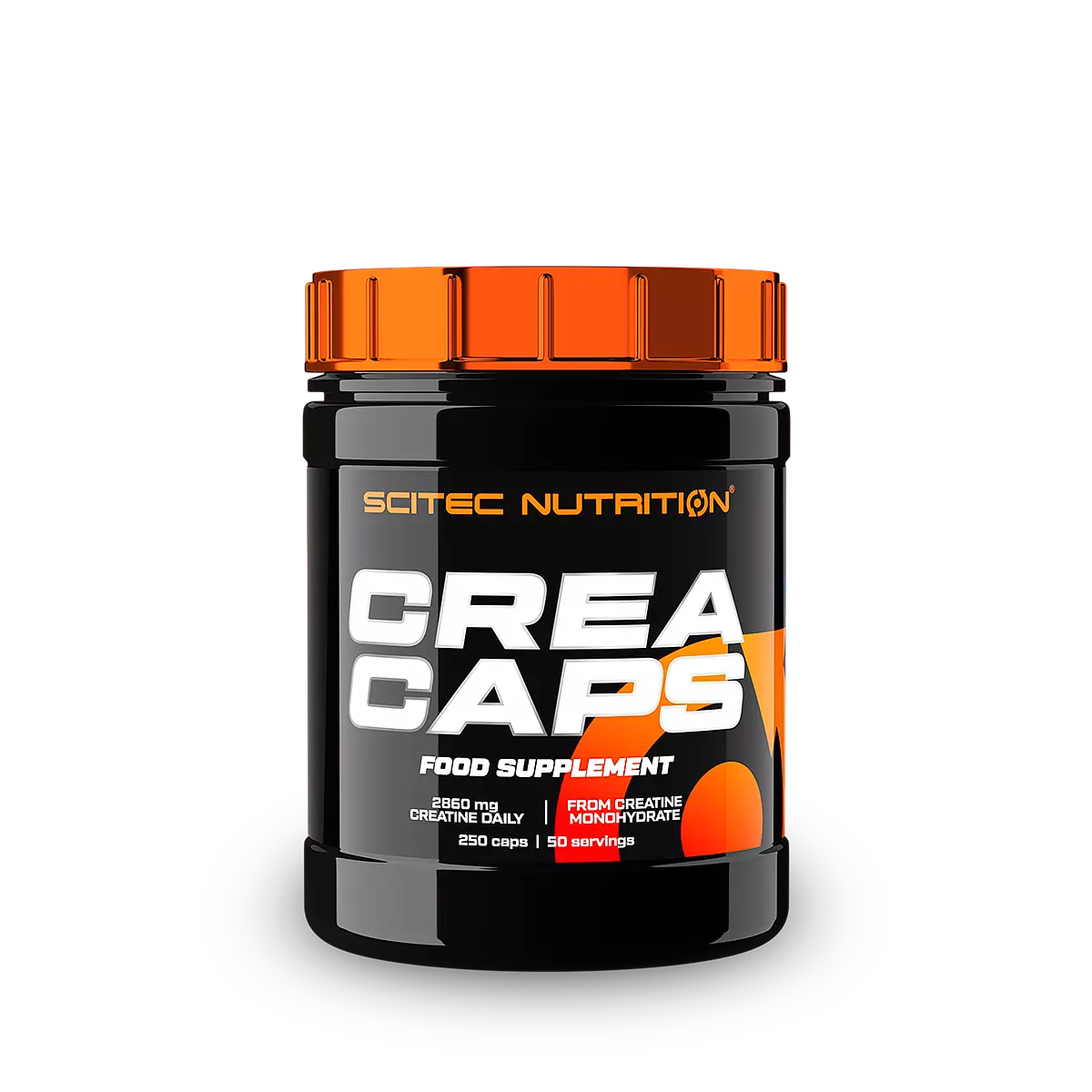 Scitec Nutrition Crea Caps (250 caps) – 24.90 €
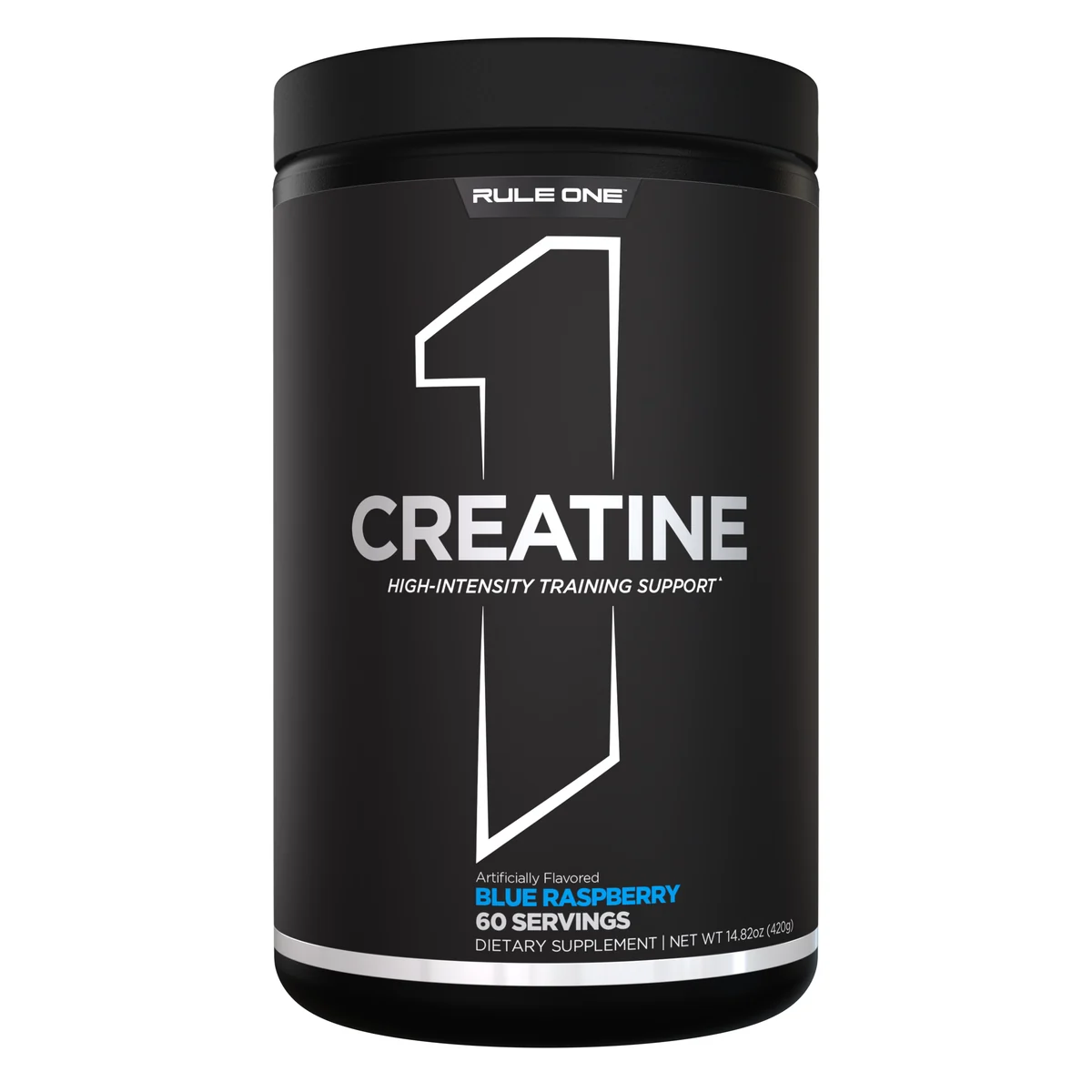 Rule 1 R1 Creatine 60 дози – 19.99 €
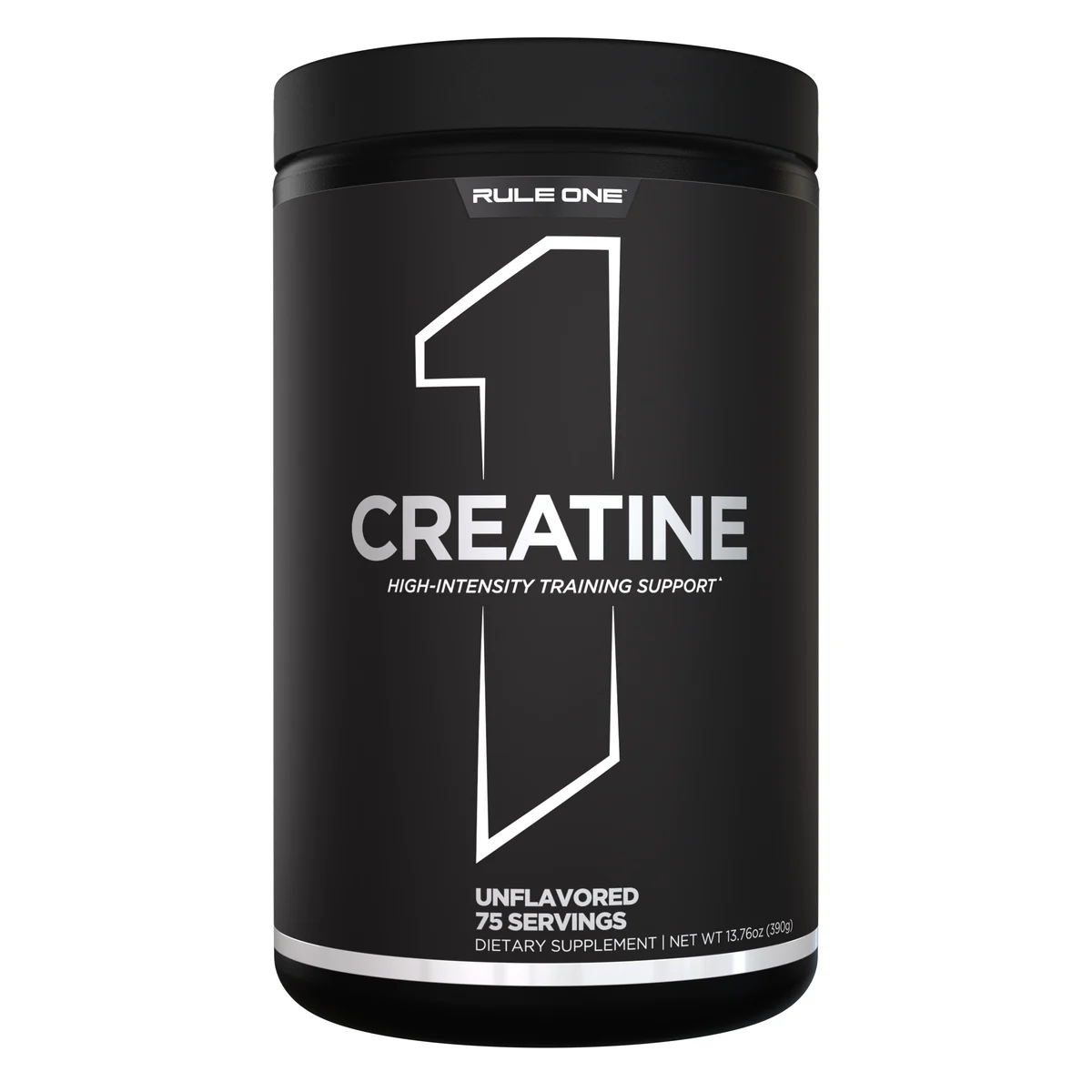 Rule 1 R1 Creatine 75 дози – 17.99 €
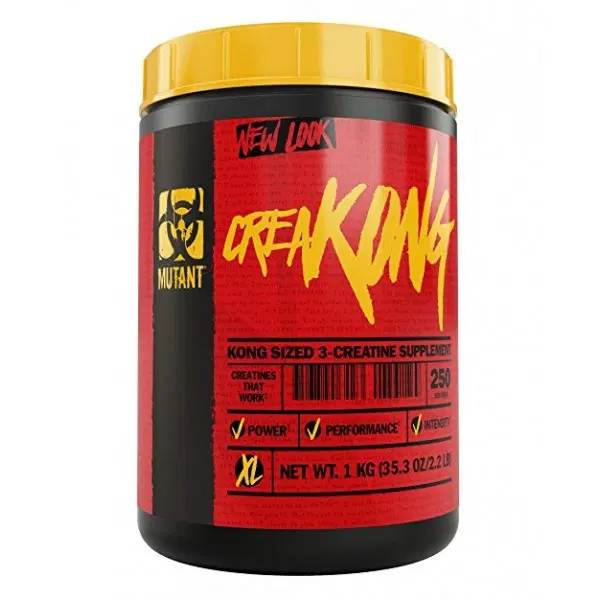 Mutant - CreaKong / 1000 gr. – 0.00 €
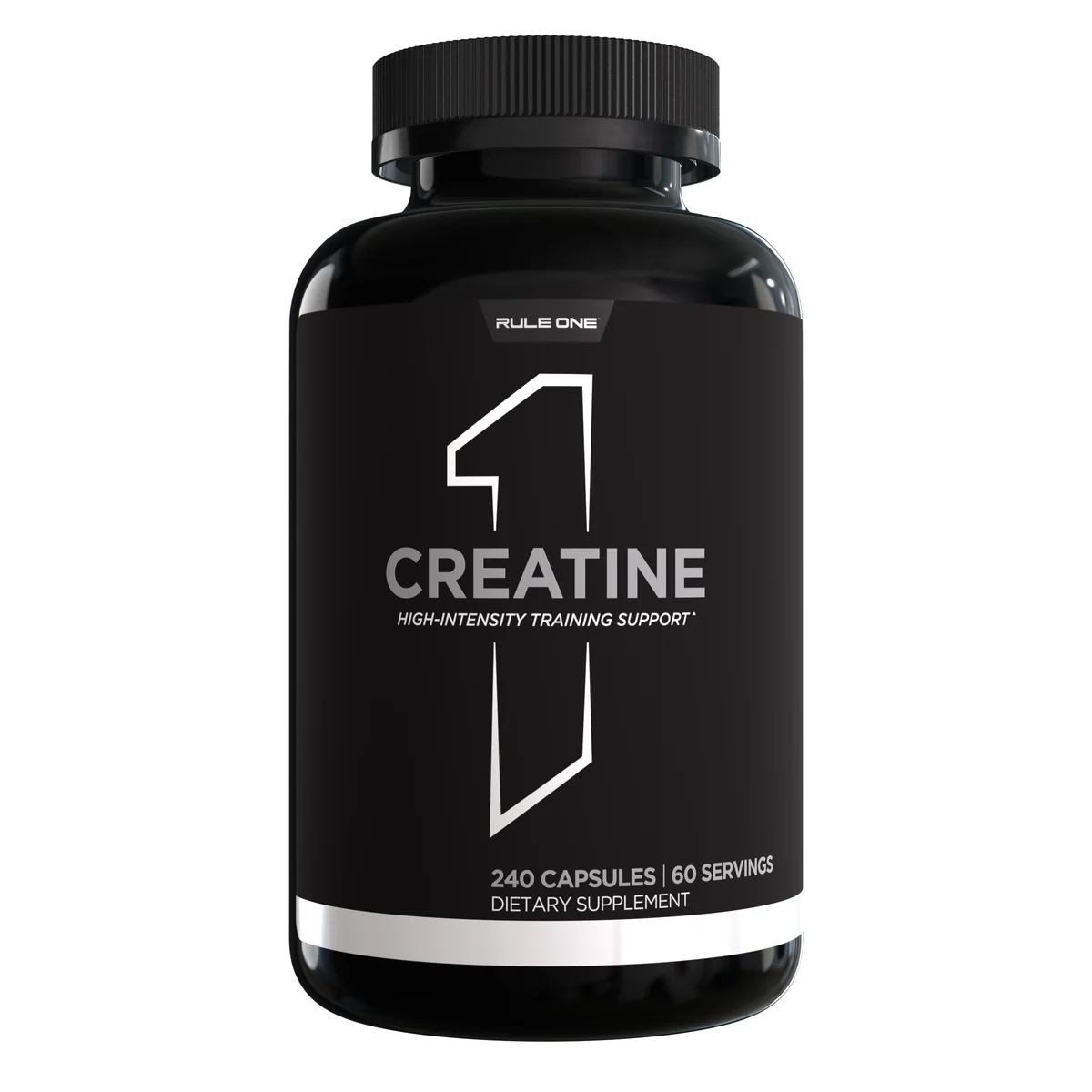 Rule 1 R1 Creatine 240 капсули – 29.99 €
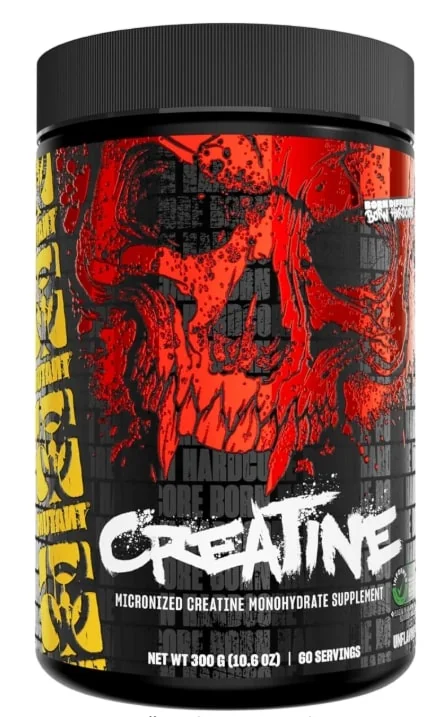 Mutant Pure Creatine Monohydrate 300 г – 18.00 €
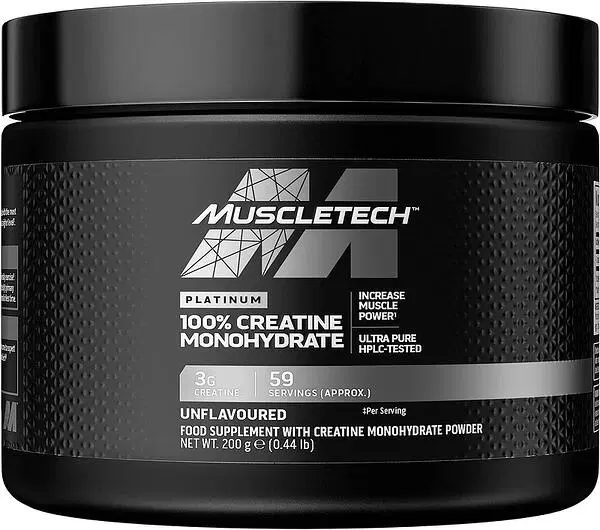 Platinum 100% Creatine Monohydrate MuscleTech 200 грама – 33.60 €
Creatine — the most researched supplement in the world
Creatine monohydrate has over 500 scientific studies and is the only supplement with proven effects on strength, power, and muscle mass. Safe for long-term use in healthy individuals.
Types of creatine
- Creatine Monohydrate — the gold standard. Look for Creapure® (German certified) — contained in Ultimate Nutrition Creatine Monohydrate.
- Creatine Ethyl Ester — claims better absorption, but without scientific evidence.
- Creatine Matrixes — combinations with beta-alanine, BCAA, carbohydrates for pre-workout.
How to take creatine
Without loading phase: 3-5 g daily, every day. The effect is felt after 3-4 weeks. With loading phase: 20 g daily (4×5 g) for 5-7 days, then maintenance 3-5 g. Drink with carbohydrates or juice for better absorption.
We recommend certified Creapure® from Ultimate Nutrition or micronized monohydrate from AllMax Nutrition — both brands are exclusive imports of SportZone.
Creatine Monohydrate vs Creapure® — What's the Difference?
Not all creatine monohydrate is created equal. Creapure® is a patented German raw material (AlzChem, Trostberg), certified for over 99.95% purity and tested for heavy metals, DCD, and dicyandiamide. Standard Chinese monohydrate is often 99.0-99.5% with impurities in the form of creatinine. For long-term use, Creapure® is the safer choice — found in Ultimate Nutrition Creatine Monohydrate (exclusively imported by SportZone since 2017).
Micronized vs. Regular Powder
Micronized creatine (smaller particles, 200 mesh) dissolves better in water and doesn't settle at the bottom of the cup. There's no difference in absorption — both types work equally well. Micronized is convenient if you drink creatine with little liquid (200 ml).
Creatine for Women — Myths and Facts
Women often fear creatine due to the misconception that it will make them "bloat." The truth: creatine retains water inside the muscle cell (intracellularly), not under the skin. This makes muscles look fuller and firmer, without subcutaneous puffiness. For women, we recommend the same dose of 3-5g daily — the results are improved physique, more strength in CrossFit and functional training, without gaining pure fat mass.
Creatine for Vegetarians and Vegans
Vegetarians and vegans have 20-30% lower creatine levels in their muscles because they don't consume meat and fish (natural sources). This means they experience the strongest effect from supplementation — often a record increase in strength in just the first month. All SportZone creatine products are synthetic, non-animal, and suitable for a vegan diet.
What Creatine DOES NOT Do
- It's not a steroid — creatine is an amino acid that the body naturally produces in the liver (about 1-2g daily).
- It doesn't interfere with sleep, doesn't increase testosterone, and doesn't cause acne.
- It's not doping — approved by WADA and all sports federations.
- It doesn't require breaks between cycles — you can take it continuously for years without consequences (confirmed by 5-year studies).
Creatine for Clubs and Gyms — B2B Supplies
SportZone offers wholesale terms for fitness centers, CrossFit gyms, and sports clubs. Register for a B2B account and get up to 25% off catalog prices for creatine products from Ultimate Nutrition, AllMax, 7Nutrition, and Real Pharm — all with direct exclusive import. Delivery with Speedy courier within 24 hours nationwide.