Otoimmün Hastalıklarda Beslenme

Кратка експертна дефиниция: какво е Хранене при автоимунни заболявания, как работи в организма и как се прилага в спортното хранене. Храненето при автоимунни заболявания е специфичен хранителен подход, насочен към намаляване на възпалението и подпомагане на имунната система при хора с автоимунни състояния. Автоимунните заболявания възникват, когато имунната система погрешно атакува собствените тъкани на организма. Храненето играе ключова роля в управлението на тези състояния чрез влияние върху възпалителните процеси, чревната пропускливост и общото здравословно състояние. **Как работи в организма:** * **Намаляване на възпалението:** Определени храни могат да провокират или да намаляват възпалението. Диетите при автоимунни заболявания често изключват или ограничават храни, известни като провъзпалителни (например преработени храни, захар, някои растителни масла, глутен и млечни продукти при чувствителни индивиди). Вместо това, те наблягат на противовъзпалителни храни като плодове, зеленчуци, здравословни мазнини (омега-3 мастни киселини от риба, ленено семе, чиа) и подправки (куркума, джинджифил). * **Подкрепа на чревното здраве:** Чревната бариера играе важна роля в имунната функция. Нарушената чревна пропускливост ("пропускливи черва") се свързва с автоимунни заболявания. Диетите, богати на фибри, ферментирали храни (като кисело зеле, кефир) и колаген, могат да подпомогнат здравето на чревната лигавица. * **Осигуряване на хранителни вещества:** Автоимунните заболявания могат да увеличат нуждите от определени витамини и минерали, които подпомагат имунната функция и намаляват възпалението (например витамин D, цинк, селен, магнезий). Диетата трябва да бъде богата на тези нутриенти. * **Идентифициране на тригери:** Индивидуалният отговор към храните варира. Някои хора може да имат специфични хранителни непоносимости или алергии, които влошават симптомите им. Елиминационните диети под наблюдението на специалист могат да помогнат за идентифицирането на тези тригери. **Приложение в спортното хранене:** Прилагането на принципите на храненето при автоимунни заболявания в спортното хранене изисква баланс между нуждите за спортни постижения и управлението на автоимунното състояние: * **Оптимизиране на възстановяването:** Спортът може да предизвика възпаление. Диета, насочена към намаляване на възпалението, може да подпомогне по-бързото възстановяване на мускулите и намаляване на общото възпаление в организма. * **Енергийни нужди:** Спортните постижения изискват достатъчен прием на енергия. Това може да бъде постигнато чрез избор на висококачествени, противовъзпалителни въглехидрати (плодове, зеленчуци, пълнозърнести храни, ако са толерирани) и здравословни мазнини. * **Хидратация и електролити:** Адекватната хидратация е от съществено значение за всички, особено за спортисти. Изборът на напитки трябва да бъде съобразен с индивидуалните нужди и толерантност. * **Протеинов прием:** Протеинът е важен за мускулния растеж и възстановяване. Източниците на протеин трябва да бъдат лесносмилаеми и да не провокират възпаление (например риба, птиче месо, яйца, растителни протеини като грахов или оризов протеин, ако са толерирани). * **Избягване на претоварване:** При автоимунни заболявания е важно да се слуша тялото и да се избягва прекомерно физическо натоварване, което може да влоши симптомите. Хранителният план трябва да подкрепя този баланс. * **Индивидуален подход:** Най-важното е, че спортното хранене при автоимунни заболявания трябва да бъде строго индивидуализирано, като се вземат предвид конкретното състояние, симптомите, хранителните непоносимости и спортните цели на индивида. Често е необходима консултация с диетолог или нутриционист, специализиран в автоимунни заболявания и спортно хранене.
Kısa cevap: Otoimmün hastalıklar için beslenme, bağışıklık tepkisini modüle etmek ve gıdaları ortadan kaldırıp yeniden tanıtarak iltihabı azaltmak için kişiselleştirilmiş bir yaklaşımdır; bu, sporcuların toparlanma ve performanslarını iyileştirmeleri için çok önemlidir. Pratik tavsiye: Yeterli protein (1,6-2,2 g/kg) ve karbonhidrat (3-5 g/kg) alımını sağlayın ve iltihabı azaltmak için Omega-3 (2-4 g EPA/DHA) ekleyin.
Otoimmün hastalıklar için beslenme, iltihabı azaltma ve bağışıklık sistemini destekleme ilkelerini kullanarak belirli gıdaların ortadan kaldırılmasını içeren kişiselleştirilmiş bir diyet yaklaşımıdır.
Geniş bir bağlam için doğru beslenme tam rehberini inceleyin — Sport Zona uzman ekibinden temel bir rehber.
Otoimmün hastalıklar nelerdir?
Otoimmün hastalıklar, özel olarak seçilmiş beslenmenin belirli gıdalardan kaçınarak iltihabı yatıştırmaya ve bağışıklık sistemini güçlendirmeye yardımcı olduğu durumlardır.
📖 Otoimmün beslenme
Tetikleyicileri ortadan kaldırarak ve bağırsak bariyerini destekleyerek bağışıklık tepkisini modüle etmeyi ve iltihabı azaltmayı amaçlayan özel bir beslenme rejimi, özellikle otoimmün hastalıklarda faydalıdır.
Otoimmün hastalıklar için beslenme, otoimmün durumların karakteristiği olan bağışıklık tepkisini modüle etmeyi ve sistemik iltihabı azaltmayı amaçlayan özel bir beslenme rejimidir. Temel özü, bağışıklık reaksiyonunu tetikleyebilecek veya "sızdıran bağırsak" olarak bilinen artan bağırsak geçirgenliğine katkıda bulunabilecek gıdalardan kaçınmaktır. Yaklaşım, belirli besin bileşenlerinin gastrointestinal sistem bariyerini etkileyerek ve bağışıklık sistemini aktive ederek otoimmün semptomlar için tetikleyici olarak hareket edebileceği kavramına dayanmaktadır.
Bu beslenme şekli evrensel bir protokol değil, daha çok bireyselleştirilmiş bir stratejidir. Tüm gerekli makro ve mikro besinleri sağlarken, aynı zamanda potansiyel olarak sorunlu gıdaları ortadan kaldırarak beslenme dengesini sağlamaya odaklanır. Amaç, semptomları hafifletmenin yanı sıra genel sağlık durumunu ve yaşam kalitesini iyileştirmektir, bu da özellikle aktif spor yapan kişiler için çok önemlidir.
Bu yaklaşım nasıl çalışır?
Otoimmün hastalıklar için beslenmenin etki mekanizması karmaşıktır ve birkaç temel yönü kapsar: iltihaplı gıdaların çıkarılması, bağırsak bariyerinin onarımı, mikrobiyota dengesinin sağlanması ve bağışıklık sisteminin desteklenmesi.
- Sistemik iltihabı ve otoimmün semptomları azaltır
- Bağırsak bariyerini ve mikrobiyotasını iyileştirir
- Enerji seviyelerini artırır ve yorgunluğu azaltır
- Sporcular için spor performansını ve toparlanmayı optimize eder
Dezavantajlar
- Birçok gıdanın katı bir şekilde elenmesini gerektirir ve takip edilmesi zor olabilir
- İyi planlanmazsa besin eksikliği riski taşır
- Yeniden tanıtım süreci sabır ve dikkatli izleme gerektirir
- Evrensel bir protokol değildir ve sonuçlar bireysel olarak değişir
Otoimmün hastalıklar için beslenmenin çalışma mekanizması birkaç temel prensibe dayanmaktadır. Birincisi, alerjiler, intoleranslar veya iltihaplı reaksiyonlarla (gluten, süt ürünleri, soya, rafine şekerler gibi) sıklıkla ilişkili gıdaların elenmesi yoluyla. İkincisi, bağırsak fonksiyonunu destekleyen ve iltihabı azaltan besin açısından zengin gıdalar sağlayarak - meyveler, sebzeler, saf proteinler ve sağlıklı yağlar. Üçüncüsü, bağışıklık sisteminin düzenlenmesinde merkezi bir rol oynayan bağırsak mikrobiyotasının onarımı yoluyla.
Süreç genellikle, tüm potansiyel olarak sorunlu gıdaların belirli bir süre (örneğin 30-90 gün) boyunca dışlandığı bir eliminasyon fazını içerir. Bir sonraki aşama, elenen gıdaların vücudun tepkileri dikkatlice izlenerek tek tek yeniden tanıtıldığı yeniden tanıtım aşamasıdır. Bu, bireyde semptomları tetikleyen belirli gıdaların tanımlanmasını sağlar. Enerji dengesi ve makro besin alımı, kilo ve fiziksel aktivite için enerji alımını sürdürme ihtiyaçlarına göre ayarlanır.
Otoimmün hastalıklarda sporcular için beslenme neden önemlidir?
Sporcular için otoimmün hastalıklar için beslenme, spor performansını ve toparlanmayı optimize etmek için kritik öneme sahiptir, çünkü otoimmün süreçler sıklıkla enerji azalmasına, kronik yorgunluğa ve antrenman sürecünü etkileyen eklem ve kas ağrılarına neden olur.
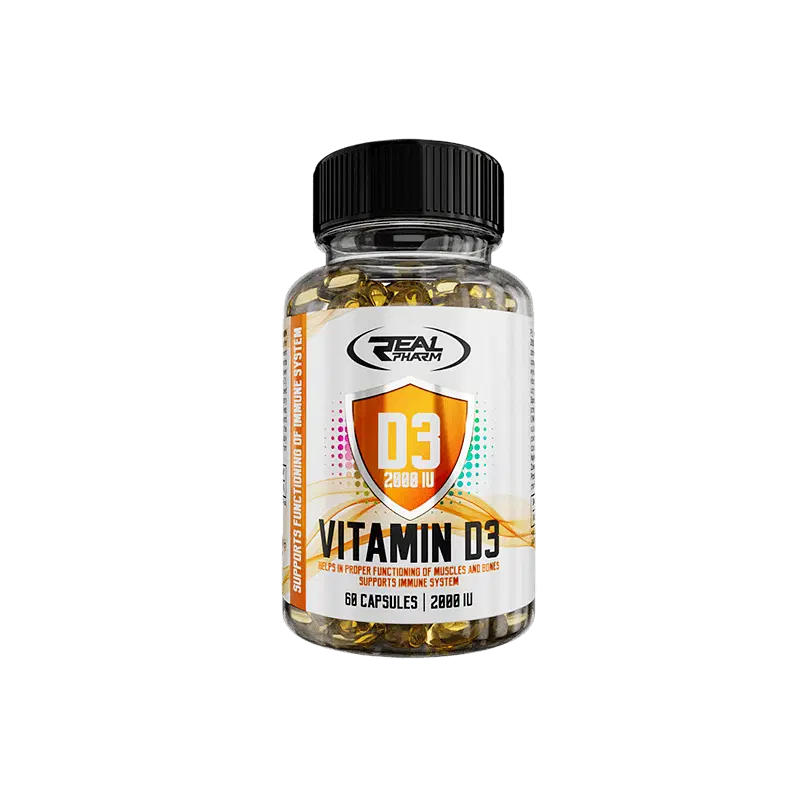
Uygun protein alımı (genellikle vücut ağırlığının kg'ı başına 1,6-2,2 g aralığında) kas kütlesini ve toparlanmayı sürdürmek için kritik öneme sahiptir ve yeterli karbonhidrat alımı (örneğin, orta yoğunlukta antrenmanlar için vücut ağırlığının kg'ı başına 3-5 g) antrenmanlar için enerji sağlar. Otoimmün hastalıklar eksikliklere yol açabileceğinden, yeterli mikro besin alımını sağlamak da önemlidir. Örneğin, yeterli Omega-3 yağ asidi alımı (günlük 2-4 g EPA/DHA) iltihabı azaltmaya yardımcı olabilir ve D vitamini (1000-4000 IU günlük, danışmanlık sonrası) ve çinko (15-30 mg günlük) bağışıklık fonksiyonu için kritiktir. Doğru beslenme, yoğun antrenman ve yarışma dönemlerinde semptomların alevlenme riskini en aza indirerek daha istikrarlı ve etkili bir performans sağlar.
İlgili terimler nelerdir?
FODMAP, otoimmün hastalıklar için bazı beslenme protokollerinin sindirim semptomlarını ve iltihabı azaltmak amacıyla sınırlanmasını önerdiği kısa zincirli karbonhidrat grubunu temsil eder. Antinutrientler, otoimmün hastalıklarda bağırsak bariyerini ve besin emilimini iyileştirme stratejisinin bir parçası olabilecek gıdalardan çıkarılması gereken maddelerdir. Lektinler, iltihabı azaltmayı amaçlayan otoimmün hastalıklar için diyet protokollerinde sıklıkla kaçınılan bileşiklerdir.
Otoimmün durumlarda, eliminasyon protokolü semptomları %70'e kadar azaltabilir ve sporcular için kas toparlanması için yüksek protein alımını (1,8 g/kg'ın üzerinde) sürdürmek özellikle önemlidir. — Petar Mitkov
Hatırlayın: Otoimmün hastalıklar için beslenme, iltihabı azaltmaya ve yaşam kalitesini iyileştirmeye yardımcı olan, özellikle sporcular için diyetin hassas yönetimi yoluyla bireyselleştirilmiş bir yaklaşımdır.
Sport Zona'dan Uzman Notu
Pratiğimden, otoimmün hastalıklara sahip sporculardaki en büyük zorluk, toparlanma için yeterli kalori alımı ile tetikleyici gıdalardan kaçınma arasındaki hassas dengeyi sağlamaktır. Katı protokol takibinin sonuç verdiğini görüyorum, ancak genellikle uzun vadede beslenme rejiminin dikkatli bir şekilde planlanmasını gerektiriyor. Bireysel yaklaşım ve sabır başarı için kritiktir.
Önerilen ürünler




Sıkça sorulan sorular
Otoimmün hastalıklar için beslenme nedir?
Bu, otoimmün hastalıkları hedefleyen ve potansiyel olarak reaksiyona neden olabilecek gıdaları ortadan kaldırarak iltihabı azaltmayı ve bağışıklık tepkisini etkilemeyi amaçlayan kişiselleştirilmiş bir beslenme rejimidir. Odak noktası bireysel tolerans ve gerekli besinlerin sağlanmasıdır.
Bu beslenme yaklaşımı nasıl çalışır?
Gluten ve süt ürünleri gibi potansiyel olarak iltihaplı gıdaları ortadan kaldırarak ve bunları antioksidanlar ve lif açısından zengin gıdalarla değiştirerek, bağırsak bariyerini onarmak ve iltihabı azaltmak amaçlanır. Süreç, eliminasyon ve ardından gıdaların yeniden tanıtılması aşamalarını içerir.
Otoimmün hastalığı olan sporcular için bu beslenme neden önemlidir?
Sporcular için bu rejim, otoimmün durumlarla sıklıkla ilişkili yorgunluk, ağrı ve iltihabı azaltmaya yardımcı olabilir. Bu, daha iyi iyileşmeye, antrenman sürecinin sürdürülmesine ve spor performansının optimize edilmesine yol açar.
Otoimmün hastalıklar için beslenme önemli besin eksikliklerine yol açabilir mi?
İyi planlanmazsa, bu yaklaşım özellikle mikro besin eksikliklerine yol açabilir. Bu nedenle, protein, karbonhidrat, sağlıklı yağların yanı sıra Omega-3, D vitamini ve çinko gibi vitamin ve minerallerin dengeli alımını sağlamak çok önemlidir.