Proteins
Protein constitutes about 20% of an adult's body mass, making it the second most abundant component after water. As a sports nutritionist with 15 years of experience, I can confirm that adequate protein intake is fundamental for recovery, muscle growth, and overall athletic performance. According to the position of the International Society of Sports Nutrition (ISSN), athletes and physically active individuals need 1.4 to 2.0 grams of protein per kilogram of body weight daily to optimize adaptation to training.
In my practice, I observe that many people underestimate the role of protein supplements in achieving these levels, especially with intensive training regimens or limited dietary intake. Here you will find 41 products that can help you meet your daily needs.
Choosing the right protein depends on your individual goals and dietary preferences. Whey protein is ideal for rapid absorption after a workout, while casein provides a slower release of amino acids, suitable for consumption before sleep. Plant-based proteins are an excellent alternative for vegans or people with lactose intolerance. Carefully examine the composition and choose a product that best suits your needs for recovery and growth.
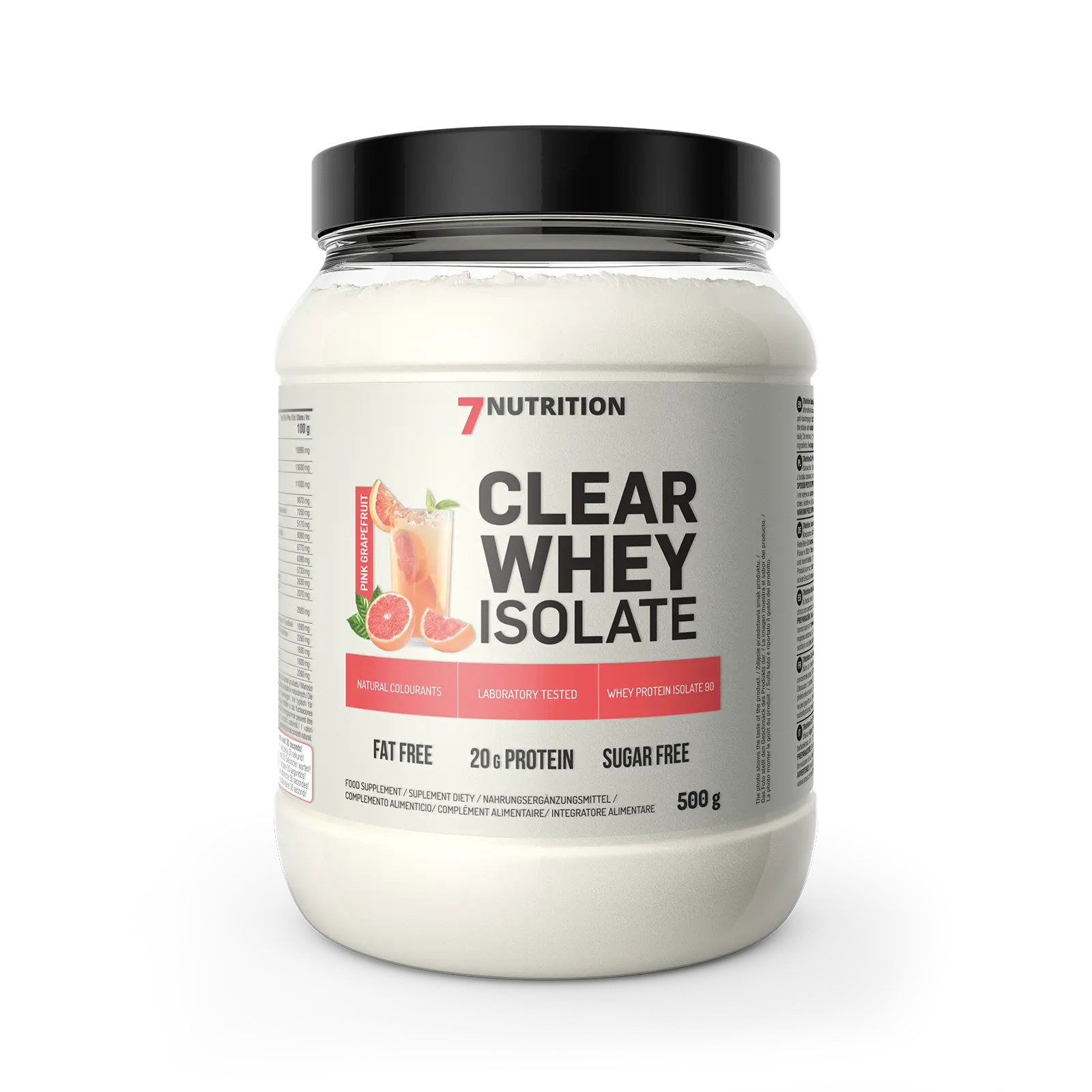
- 7Nutrition - Clear Whey Isolate 500g – 29.90 €
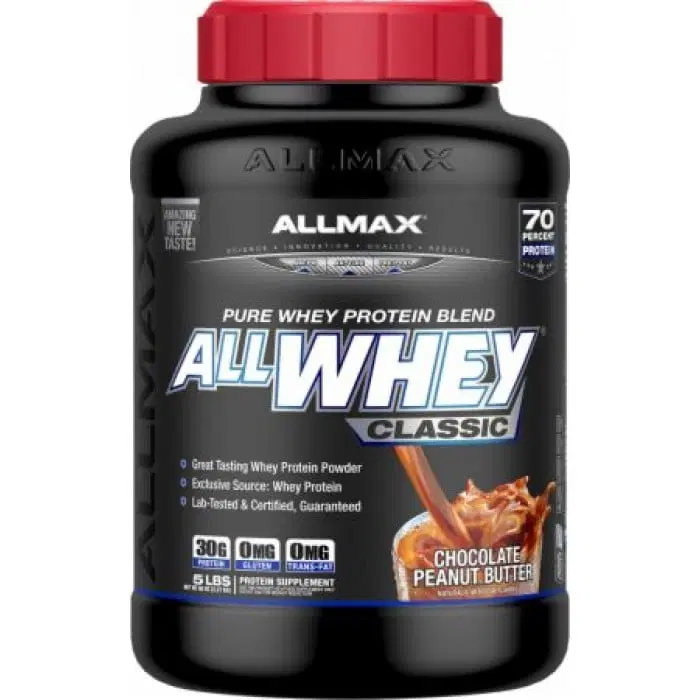 AllMax - All Whey / 5lb – 94.59 €
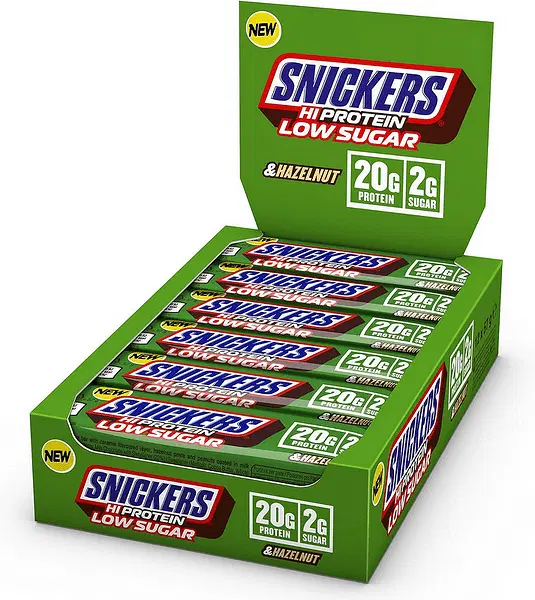 SNICKERS Hi Protein Hazelnut Low Sugar Bars 12 x 57 грама – 36.84 €
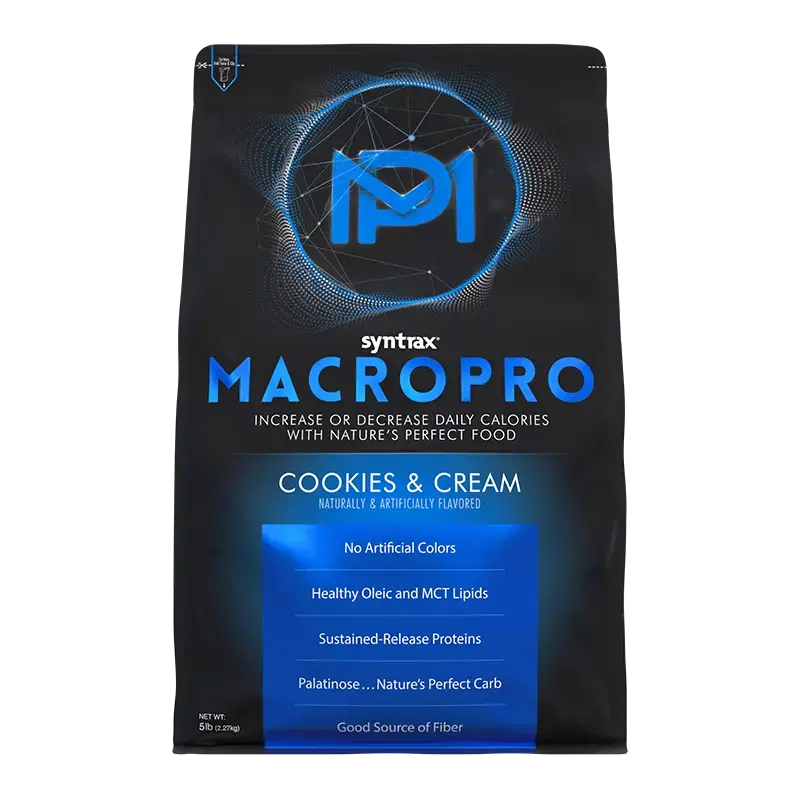 Syntrax MacroPro – 0.00 €
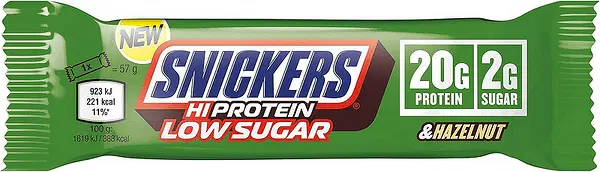 SNICKERS Hi Protein Hazelnut Low Sugar Bar 57 грама – 3.07 €
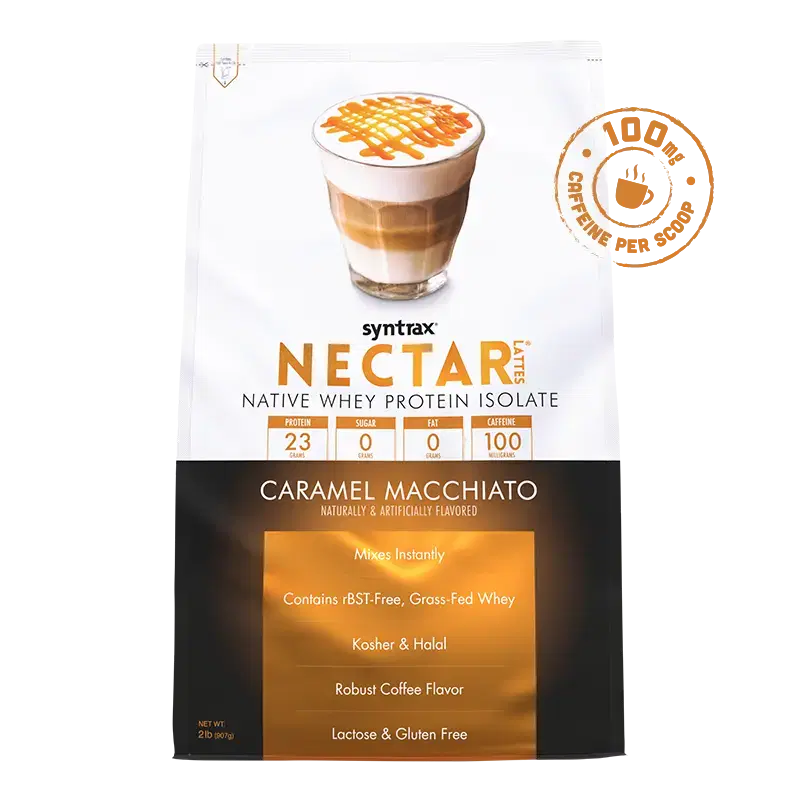 Syntrax Nectar Lattes – 0.00 €
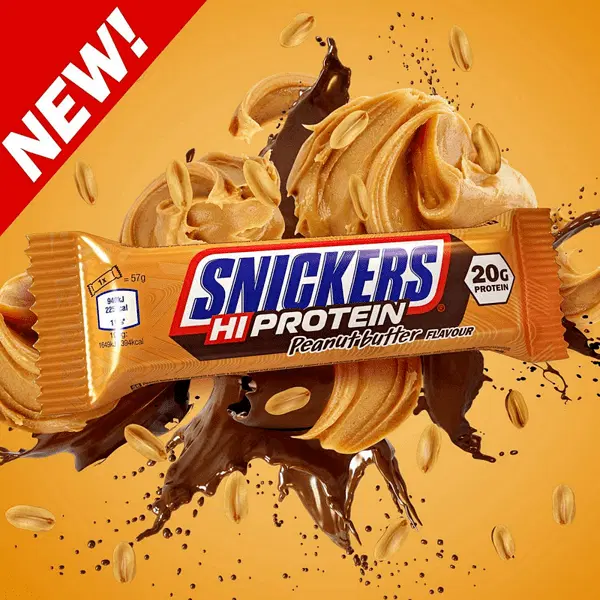 SNICKERS HI Protein Bars Peanut Butter 57 грама – 3.20 €
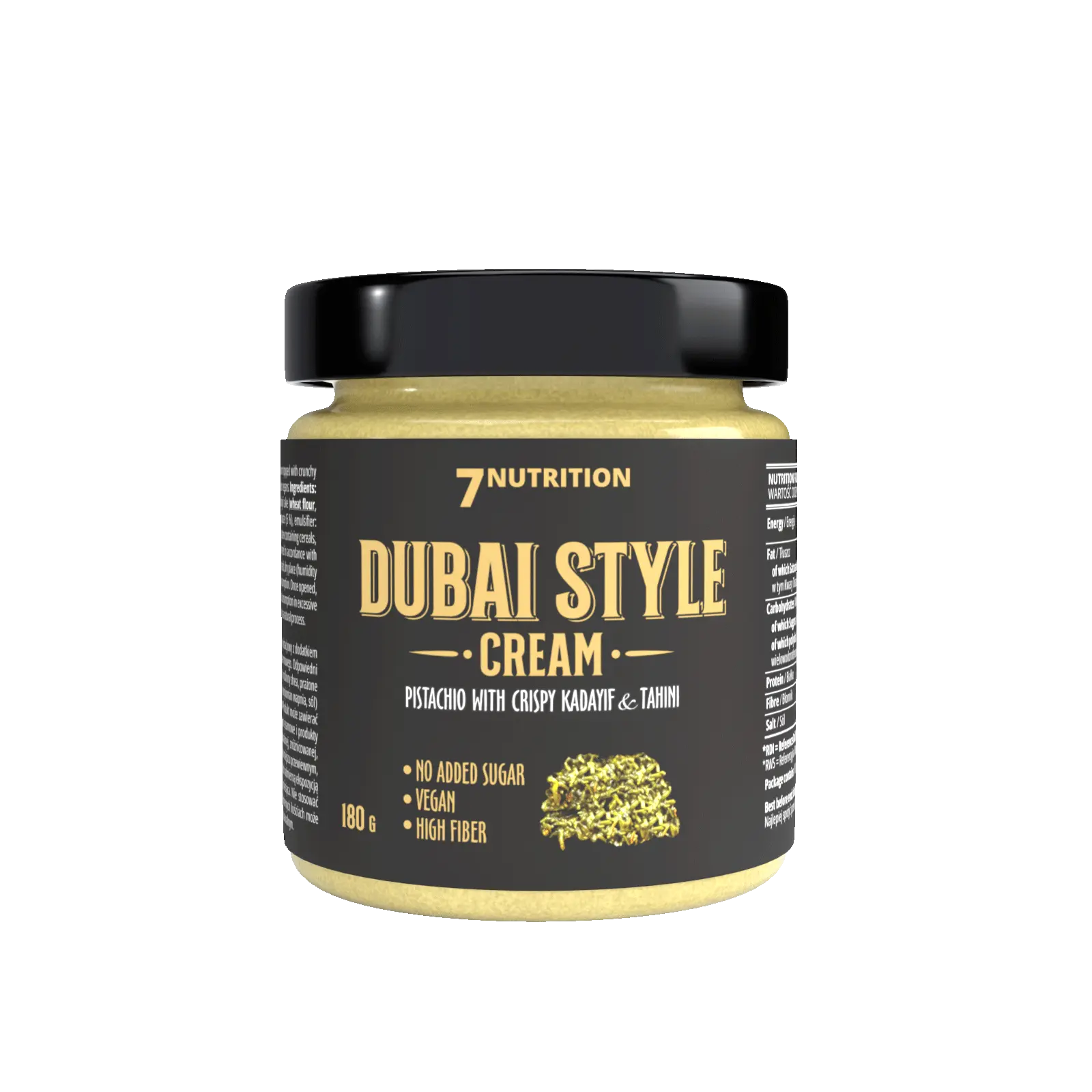 7Nutrition - Dubai Style Cream 180g – 8.90 €
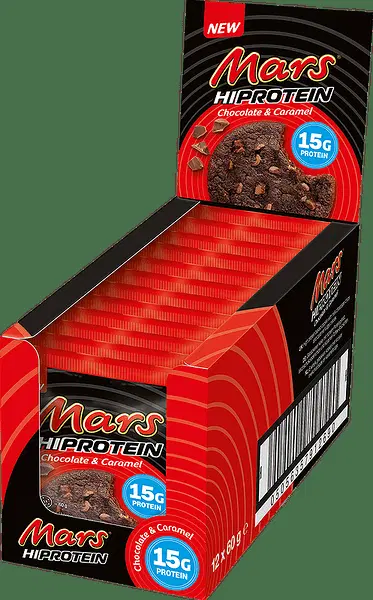 MARS HI Protein Cookie Chocolate and Caramel 12 x 60 грама – 33.72 €
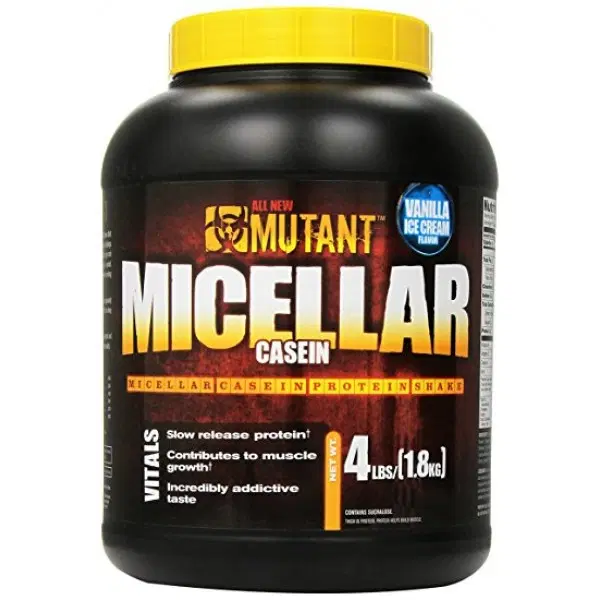 Mutant - Micellar CASEIN 1.8 кг. – 0.00 €
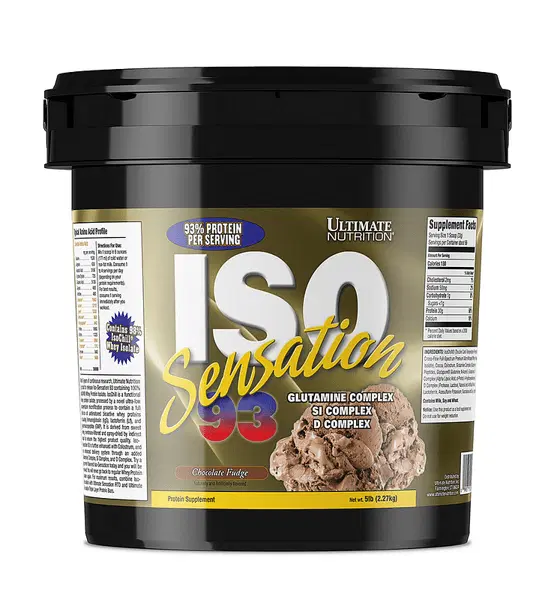 ISO Sensation 93 Ultimate Nutrition 2270 грама – 150.00 €
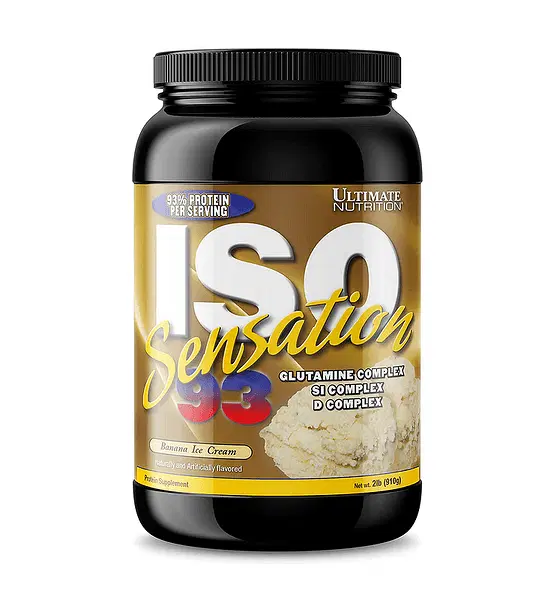 ISO Sensation 93 Ultimate Nutrition 910 грама – 75.00 €
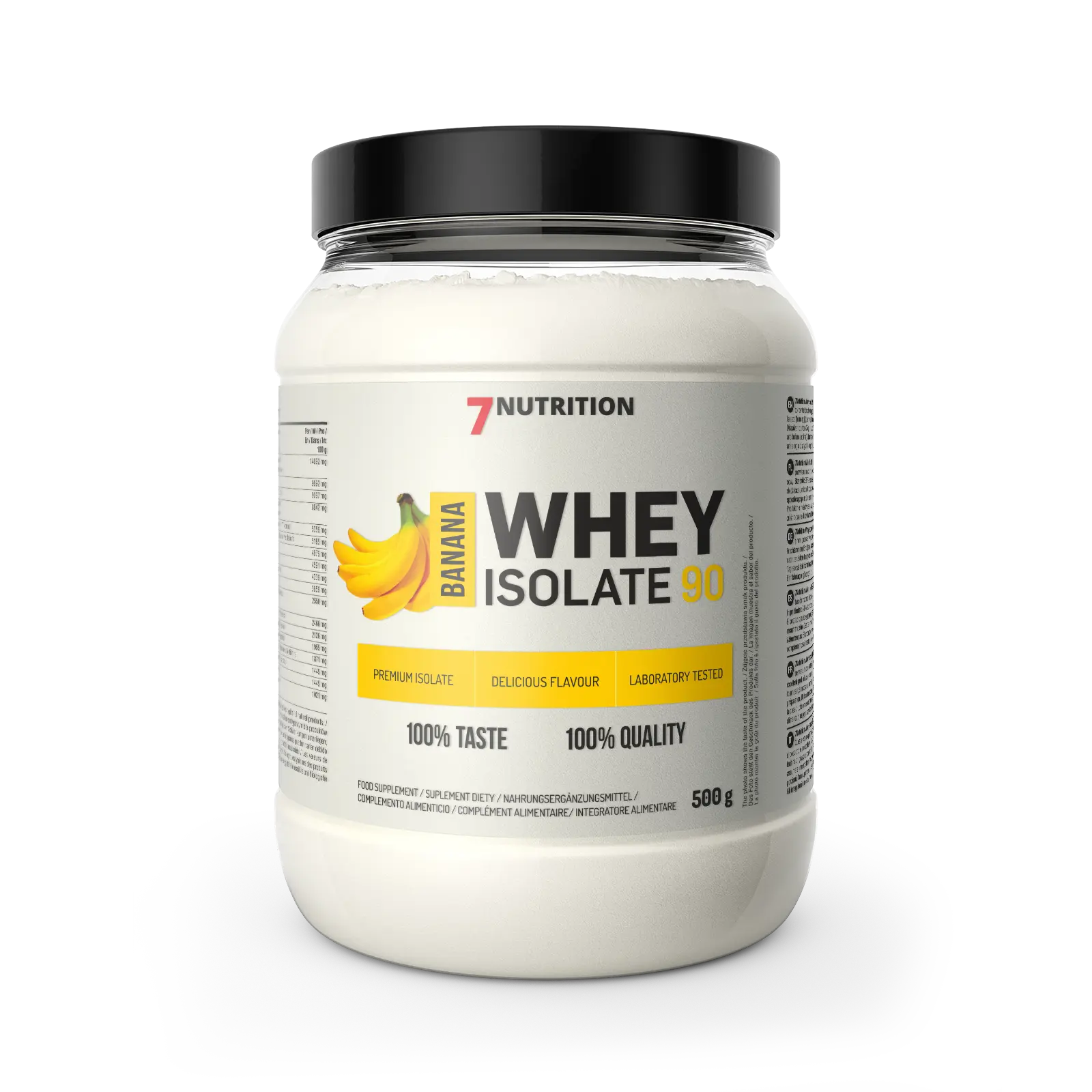 7Nutrition - Whey Isolate 90 500g – 30.00 €
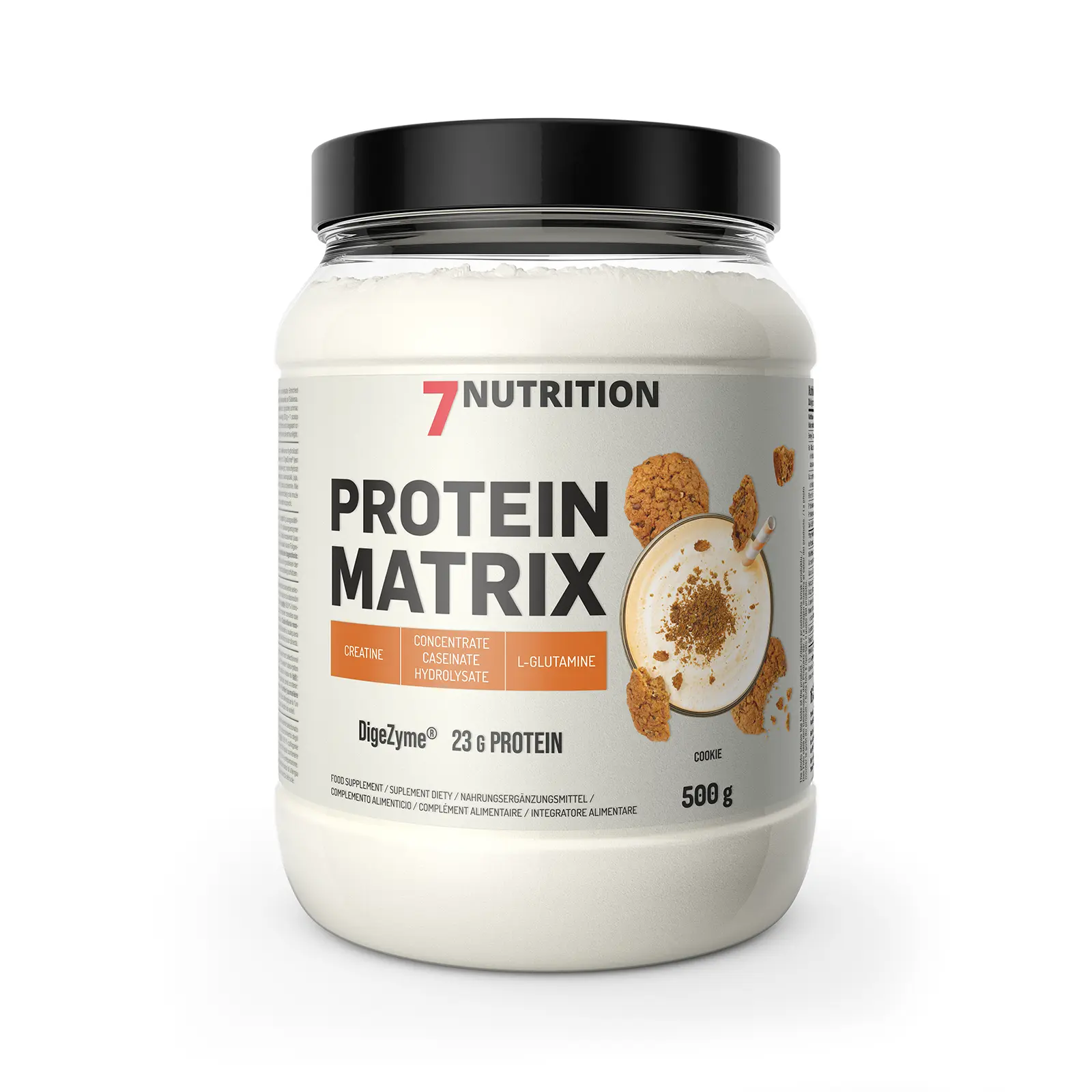 7Nutrition - Protein Matrix 500g – 18.90 €
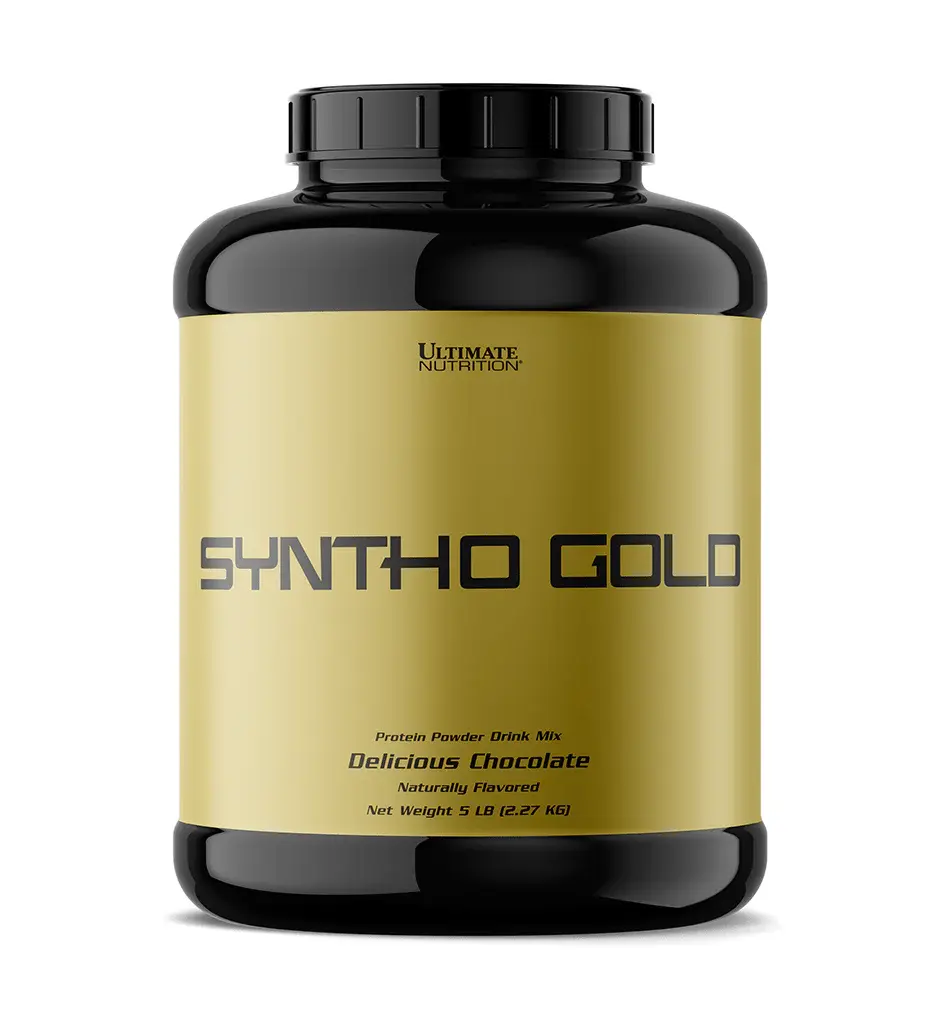 Syntho Gold Ultimate Nutrition 2270 грама – 0.00 €
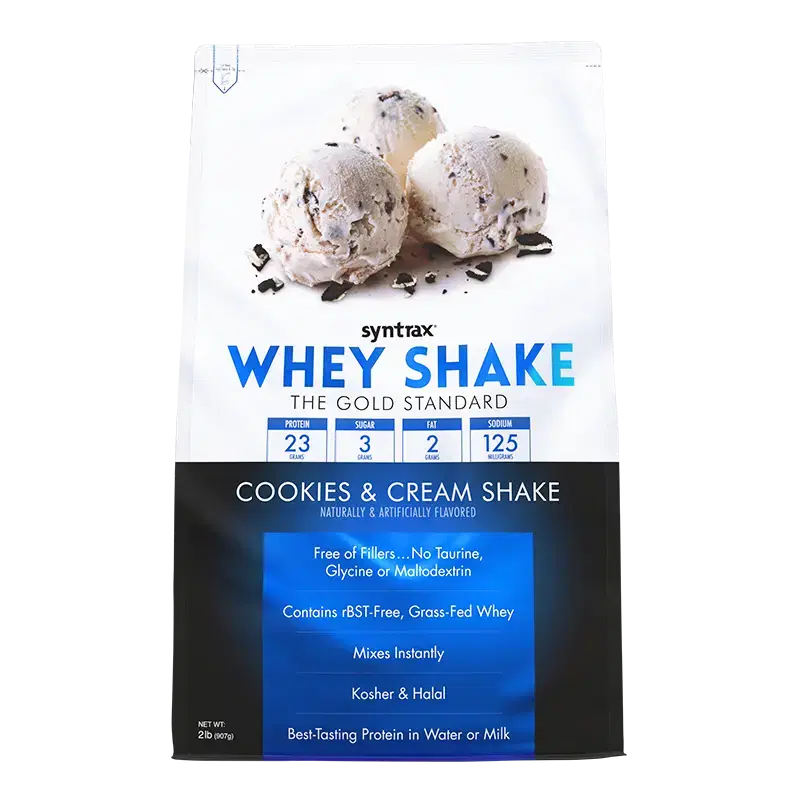 Syntrax Whey Shake – 80.78 €
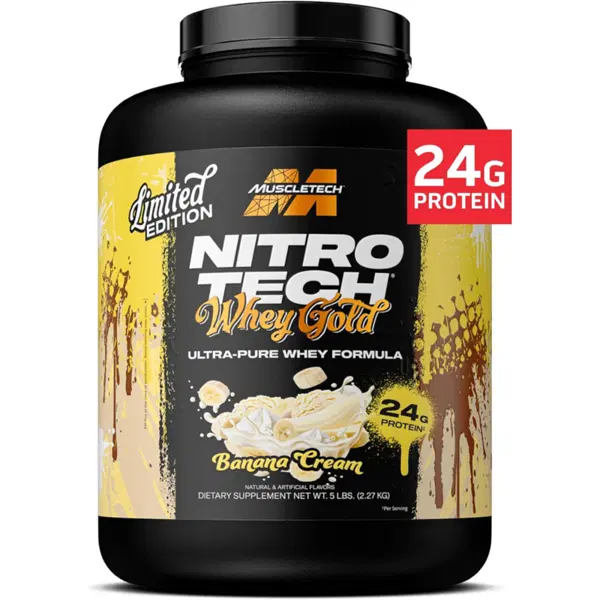 Nitro Tech 100% Whey Gold MuscleTech 2270 грама LIMITED EDITION – 163.80 €
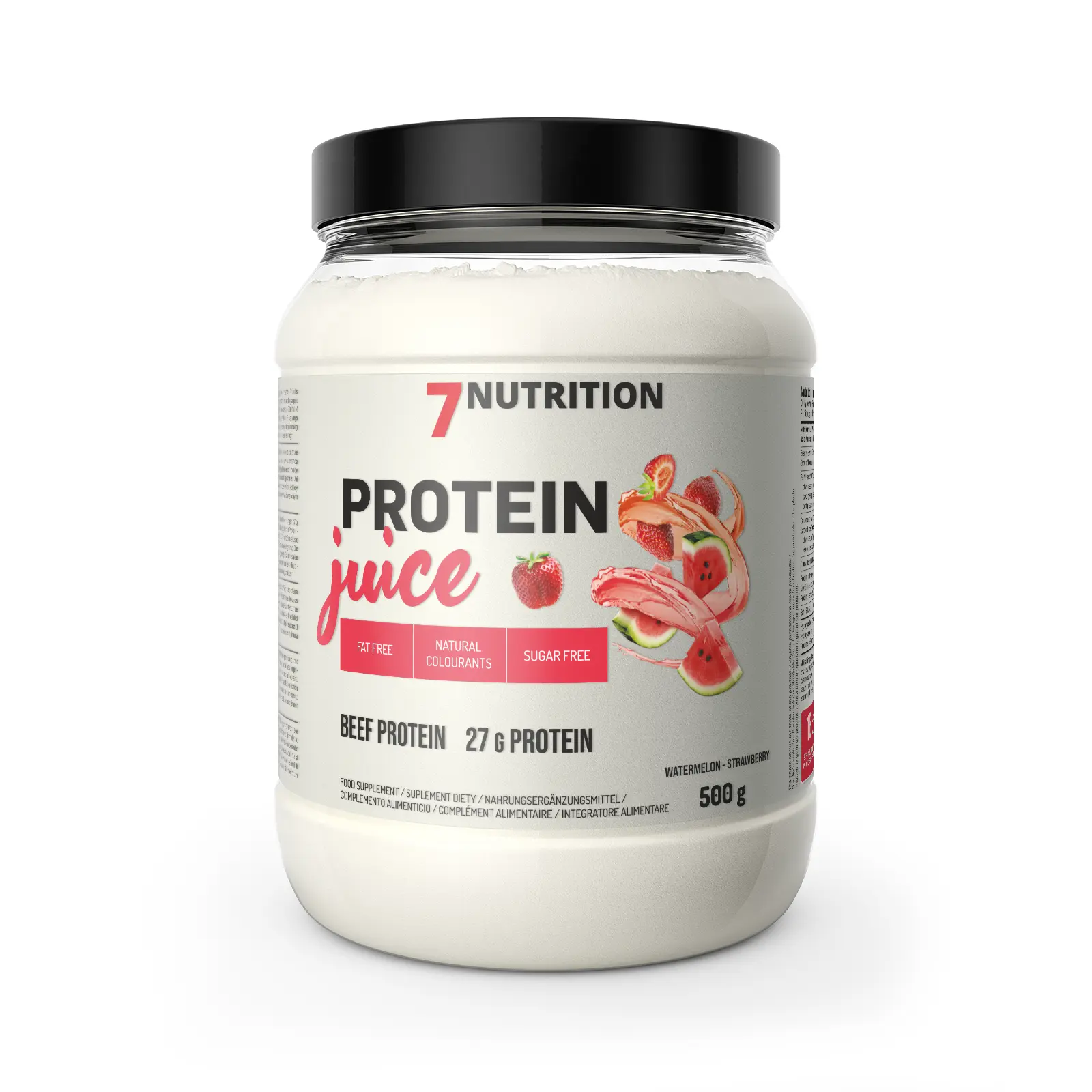 7Nutrition - Protein Juice 500g – 16.90 €
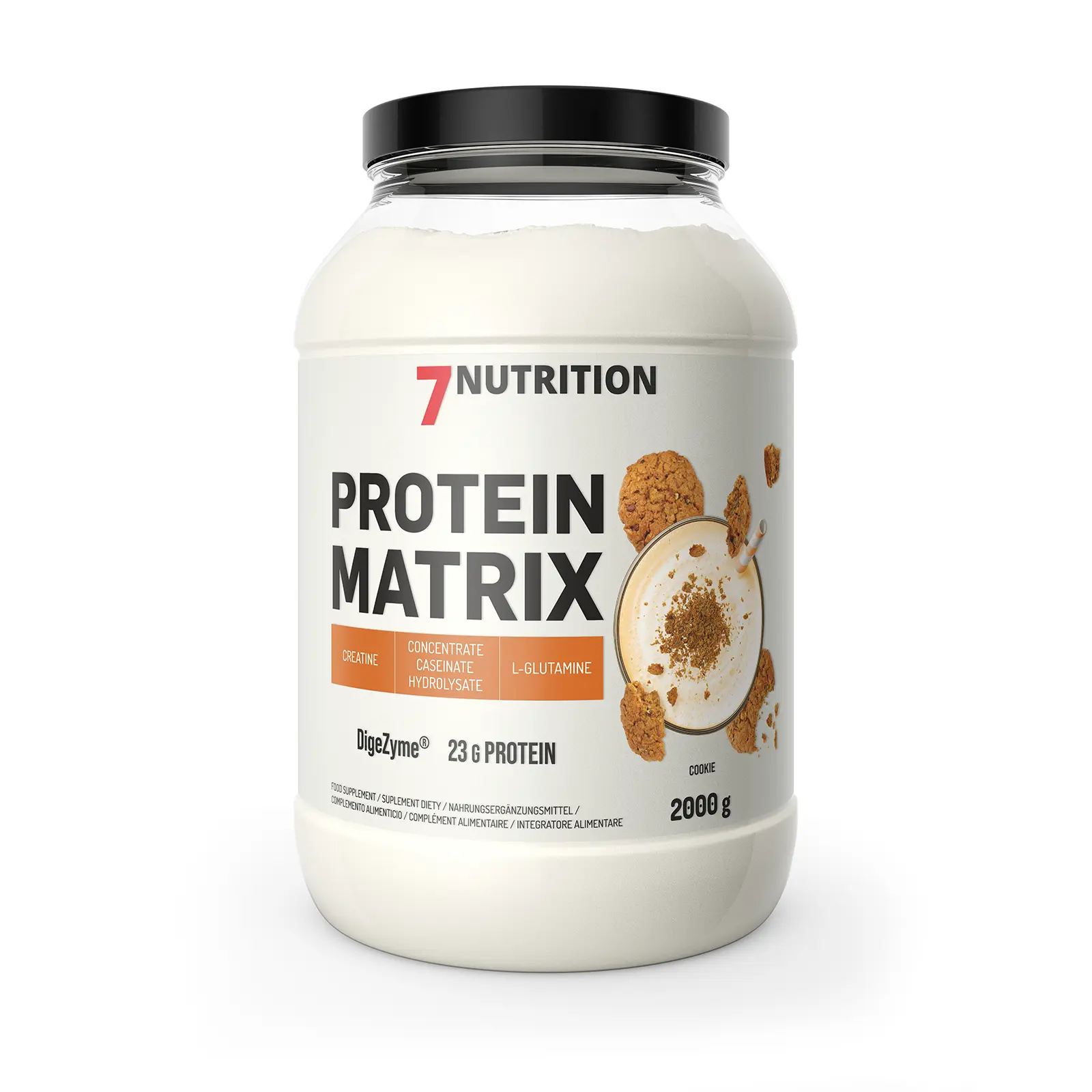 7Nutrition - Protein Matrix 2000g – 56.90 €
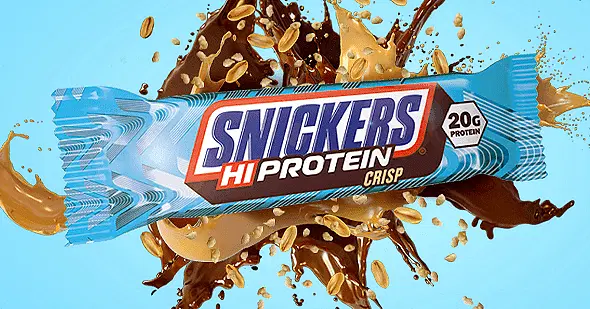 SNICKERS HI Protein Bars Crisp 55 грама – 3.07 €
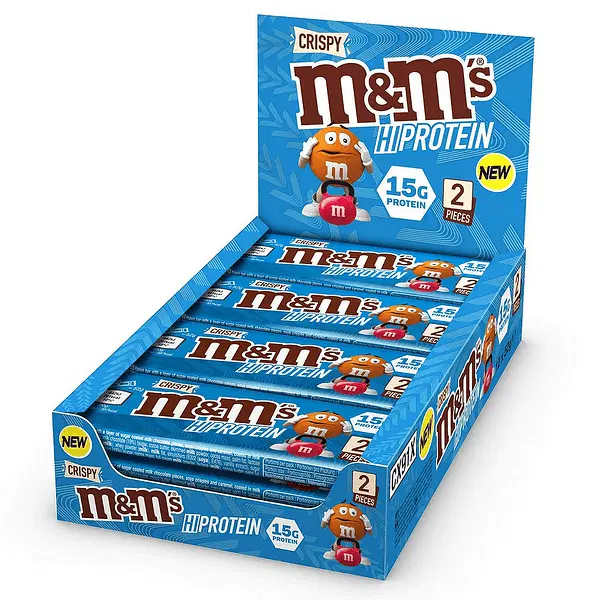 M&M Crispy HI Protein Bar 12 x 52 грама – 36.84 €
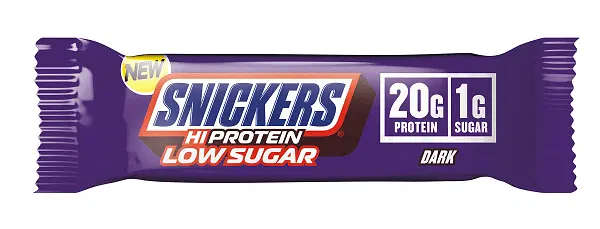 SNICKERS Hi Protein Dark Low Sugar Bar 57 грама – 3.20 €
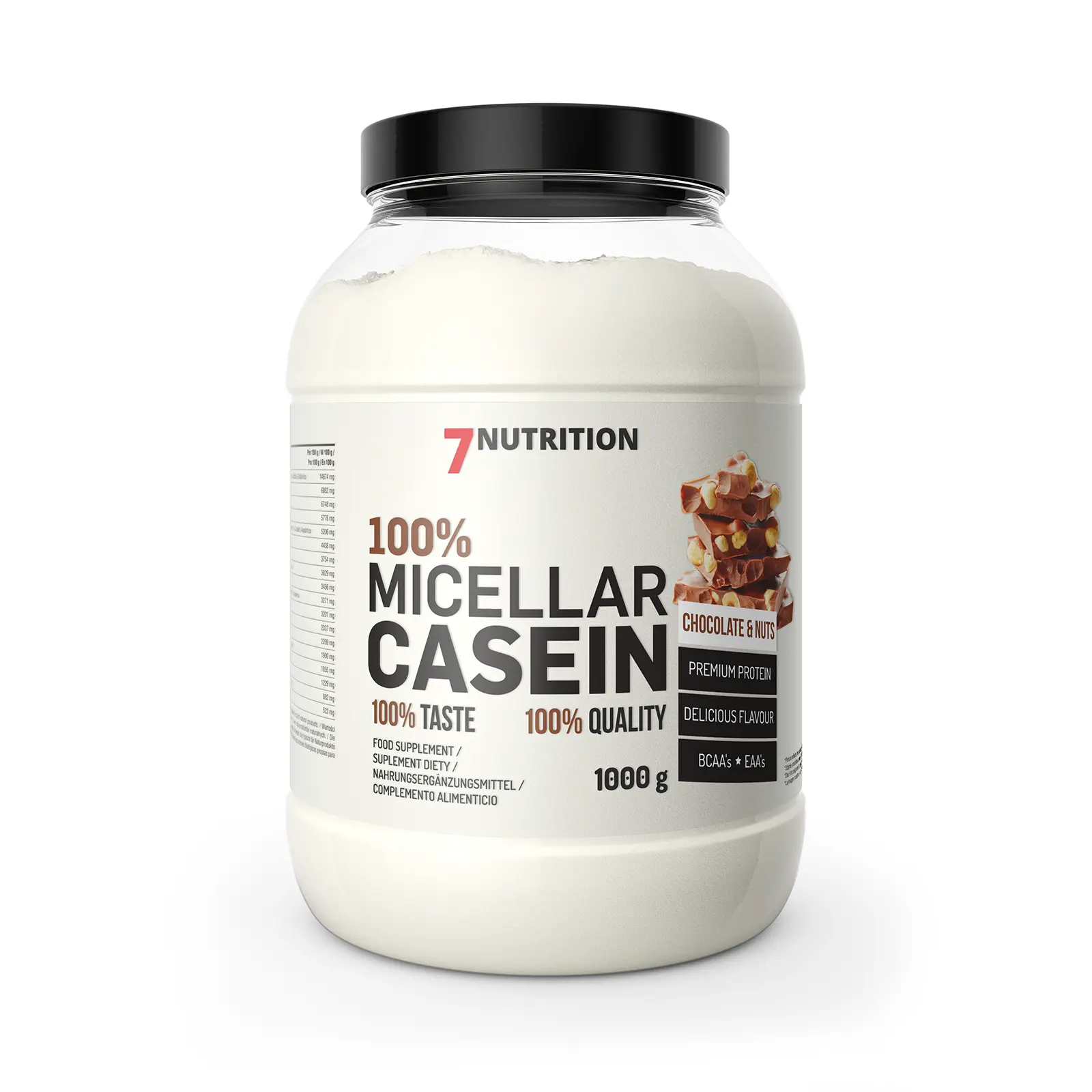 7Nutrition - Micellar Casein 100% 1000g – 32.00 €
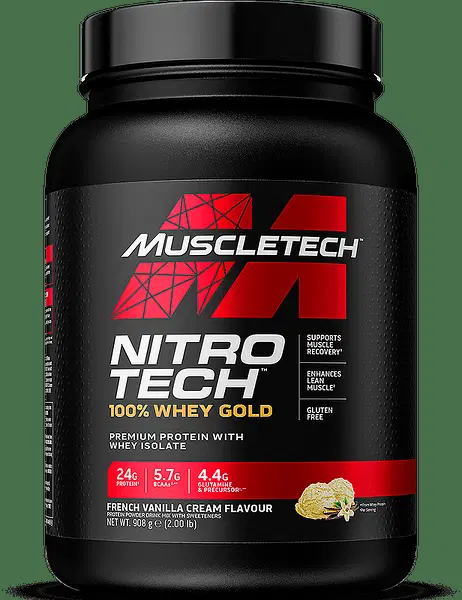 Nitro Tech 100% Whey Gold MuscleTech 908 грама – 74.91 €
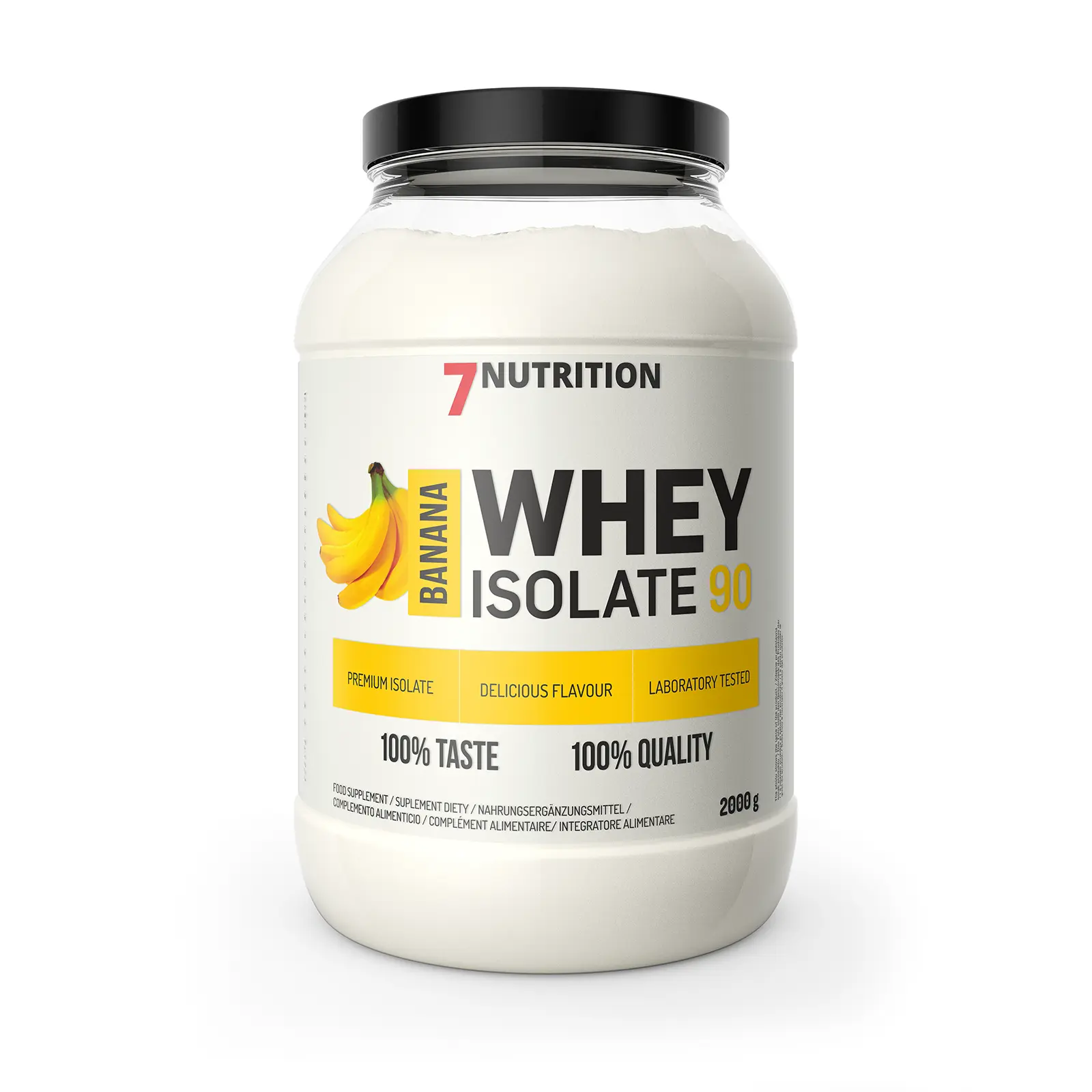 7Nutrition - Whey Isolate 90 2000g – 85.00 €
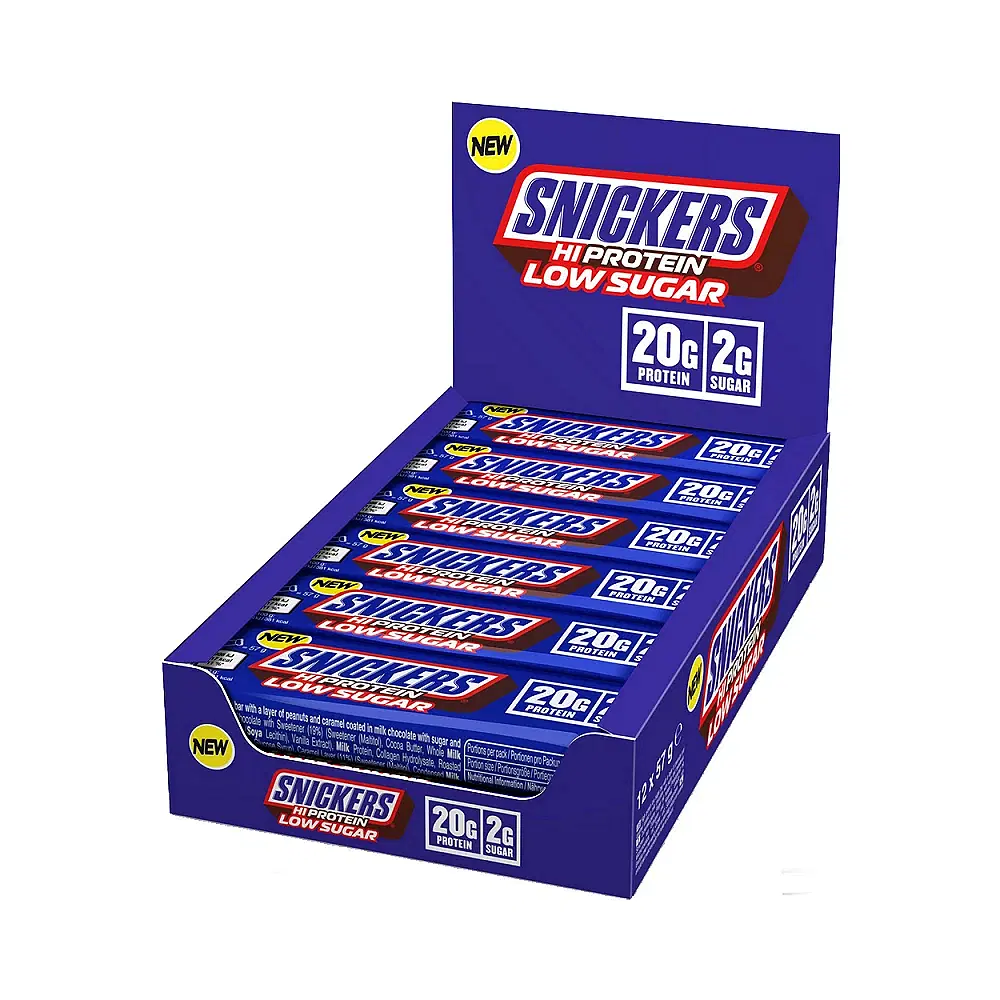 SNICKERS Hi Protein Low Sugar Bars 12 x 57 грама – 38.40 €
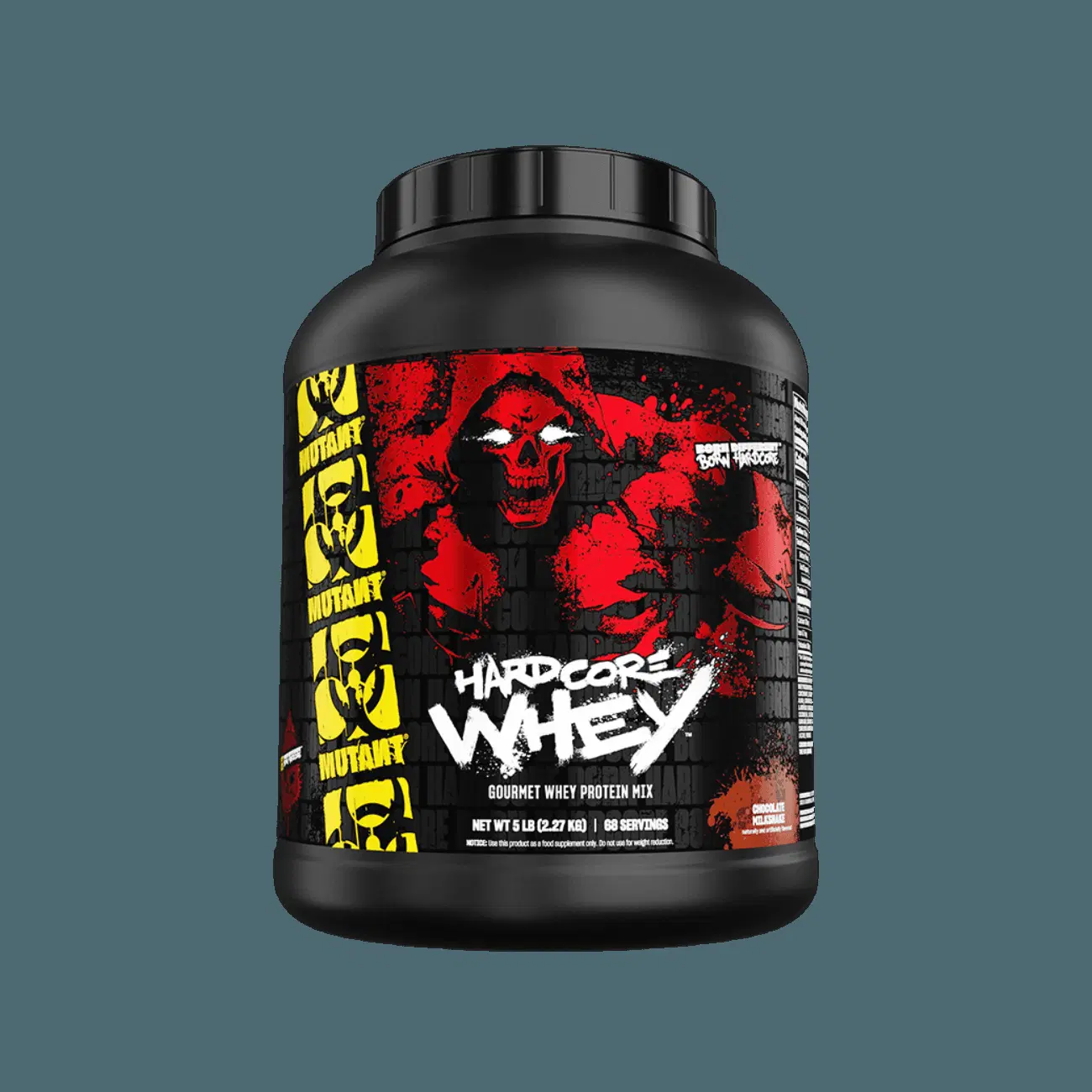 Mutant - HARDCORE Whey Protein – 0.00 €
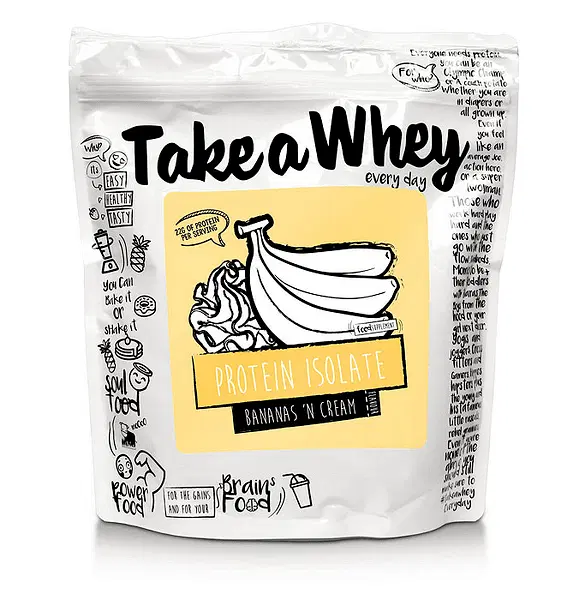 Суроватъчен Протеин Изолат Take A Whey 900 грама 32 дози – 57.99 €
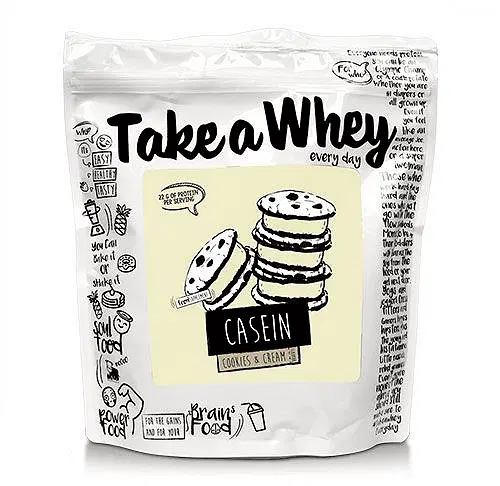 Micellar Casein Take A Whey 750 грама – 45.00 €
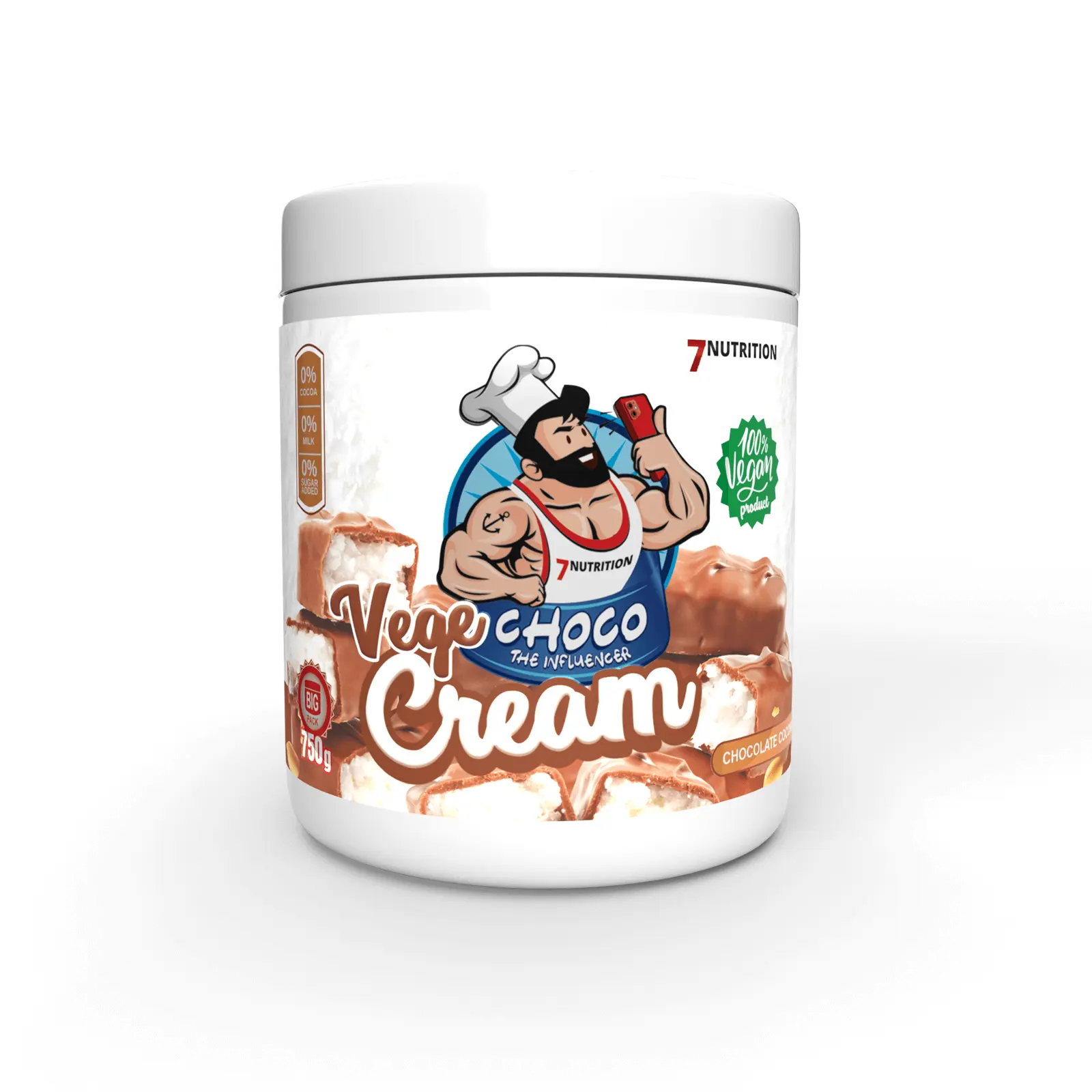 7Nutrition - Cream Chocolate Coconut 750g – 9.99 €
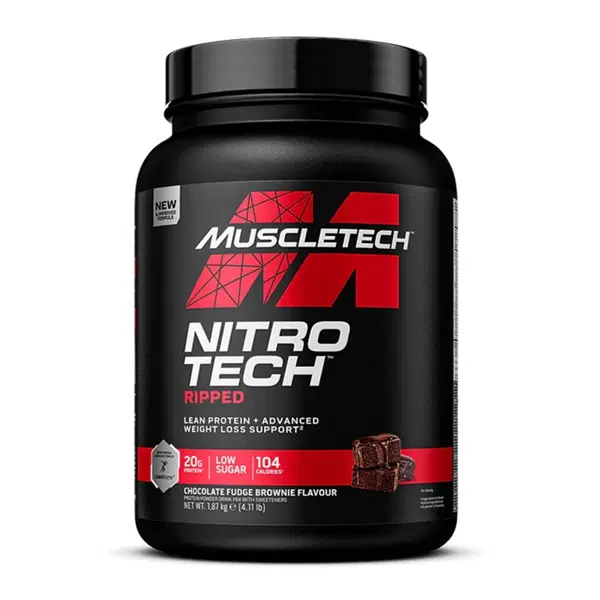 Nitro Tech Ripped MuscleTech 1870 грама – 81.81 €
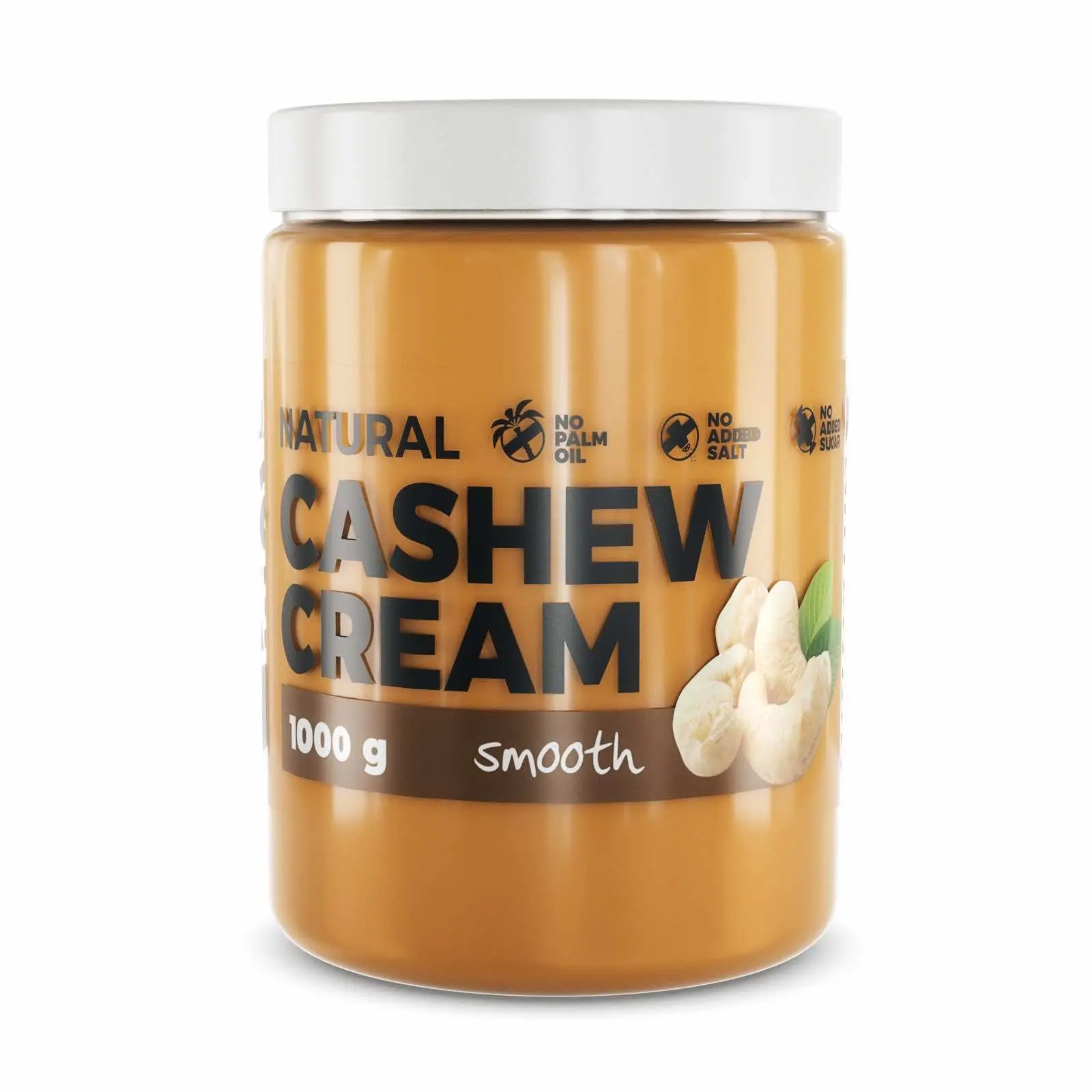 7Nutrition - Cashew Butter – 23.70 €
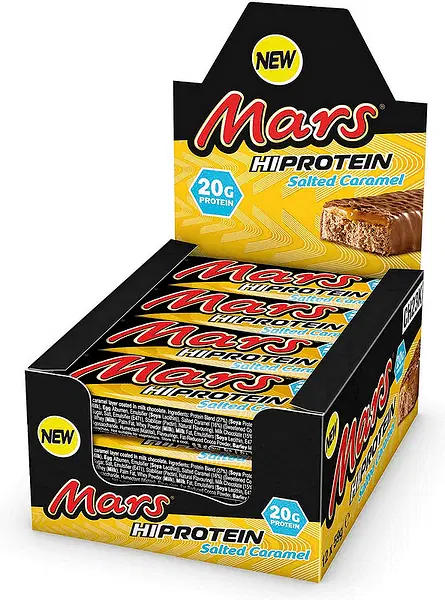 MARS Salted Caramel HI Protein Bars 12 x 57 грама – 36.84 €
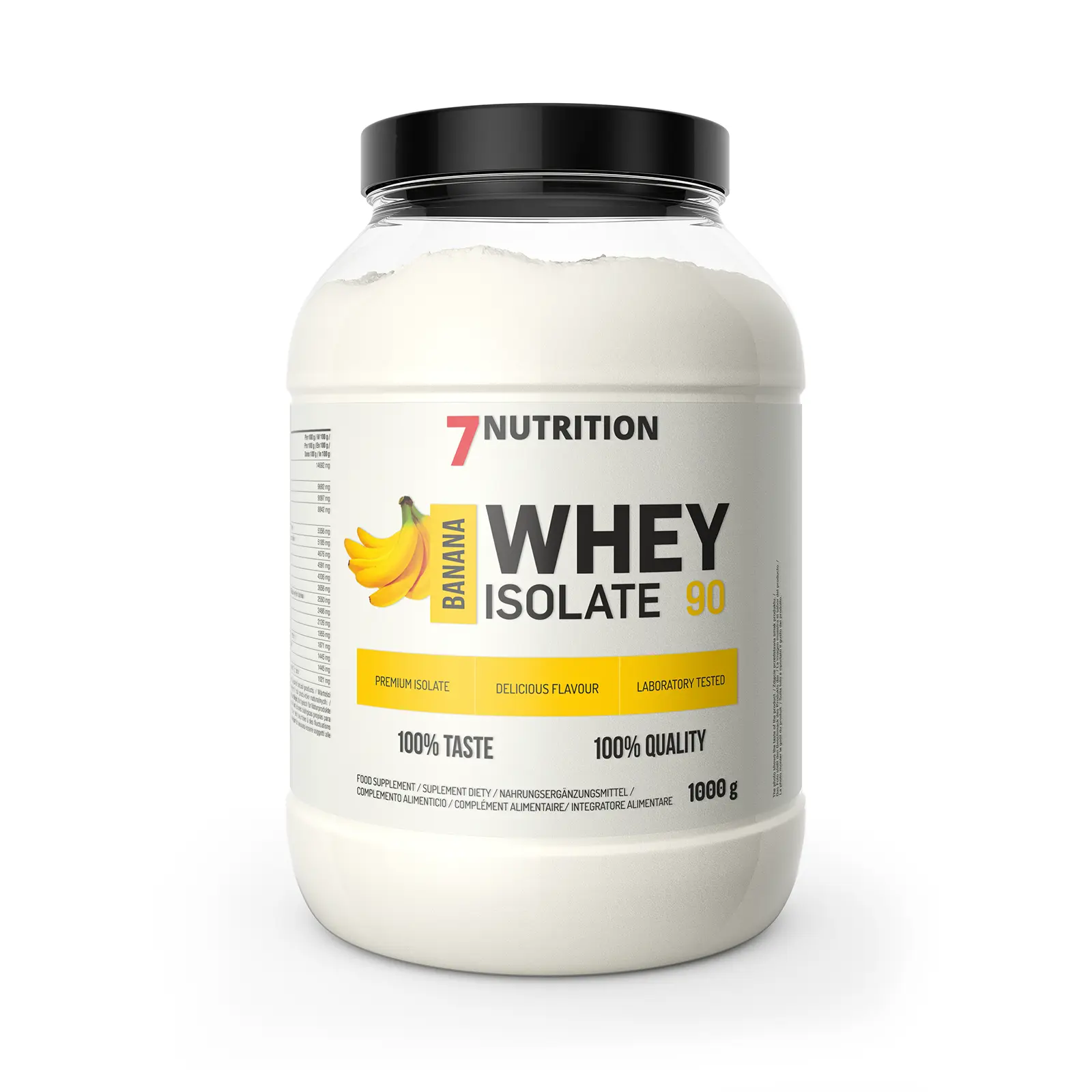 7Nutrition - Whey Isolate 90 1000g – 50.00 €
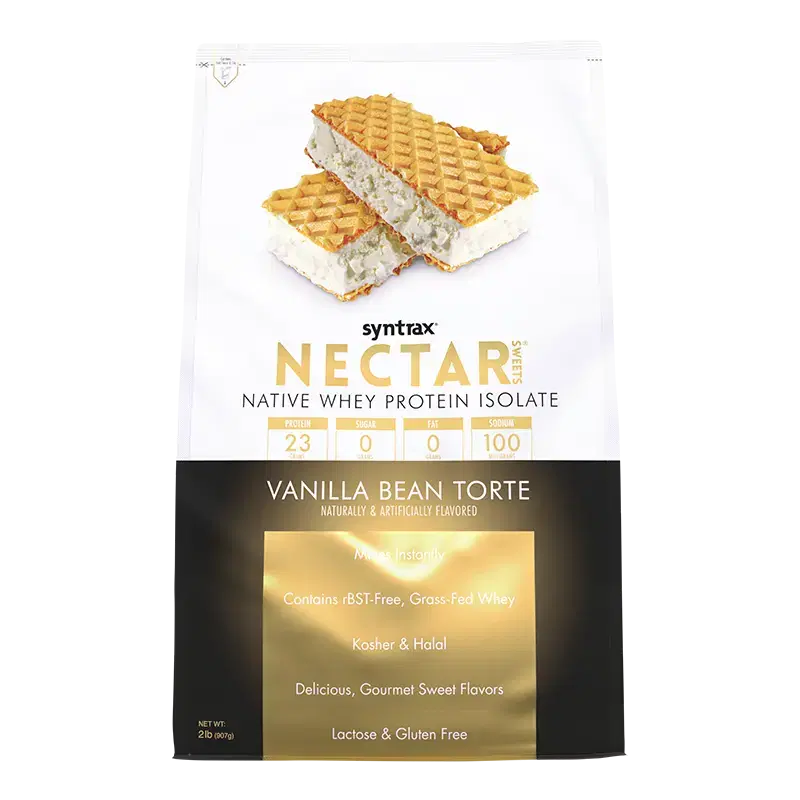 Syntrax Nectar Sweets – 0.00 €
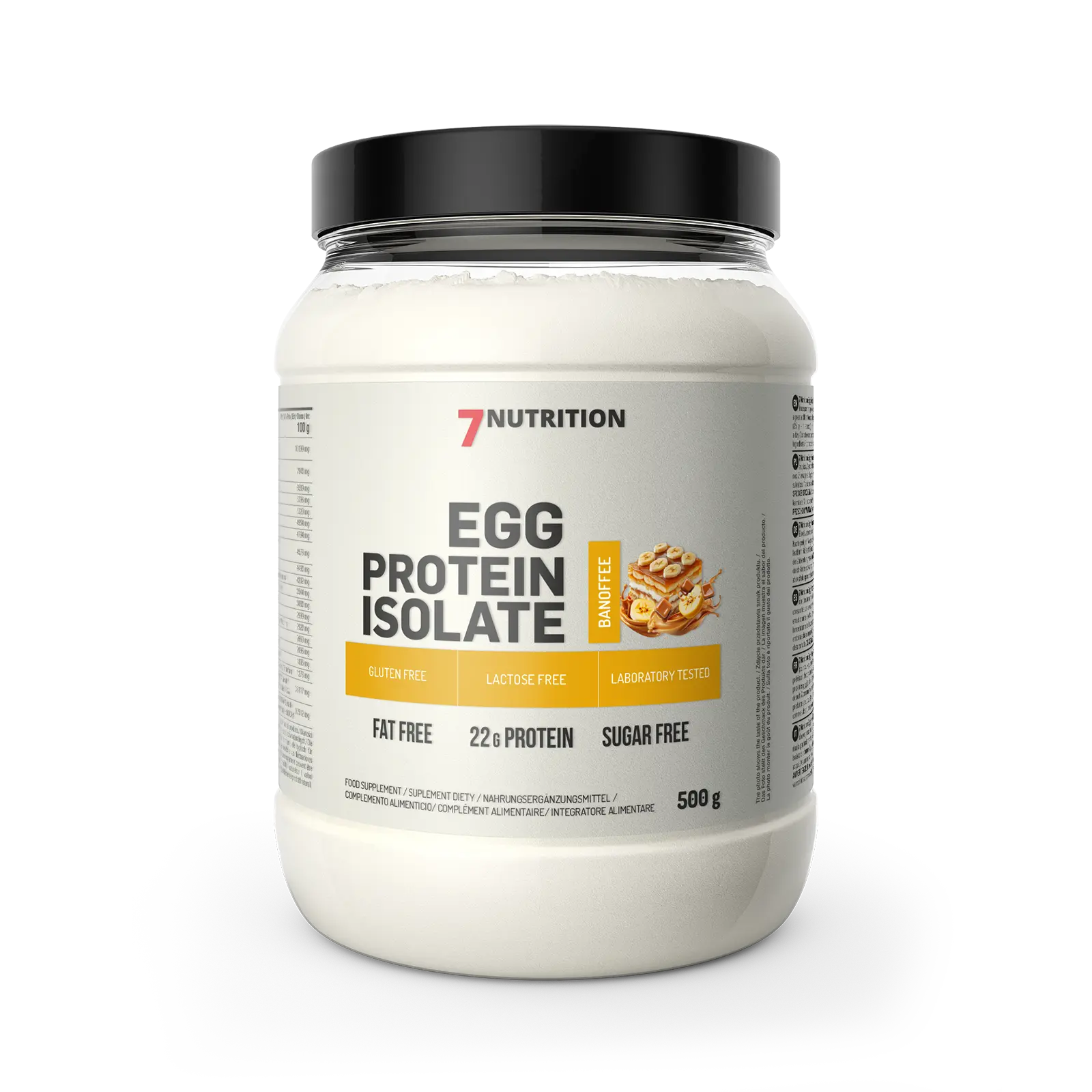 7Nutrition - Egg Protein Isolate 500g Crema Catalana – 20.00 €
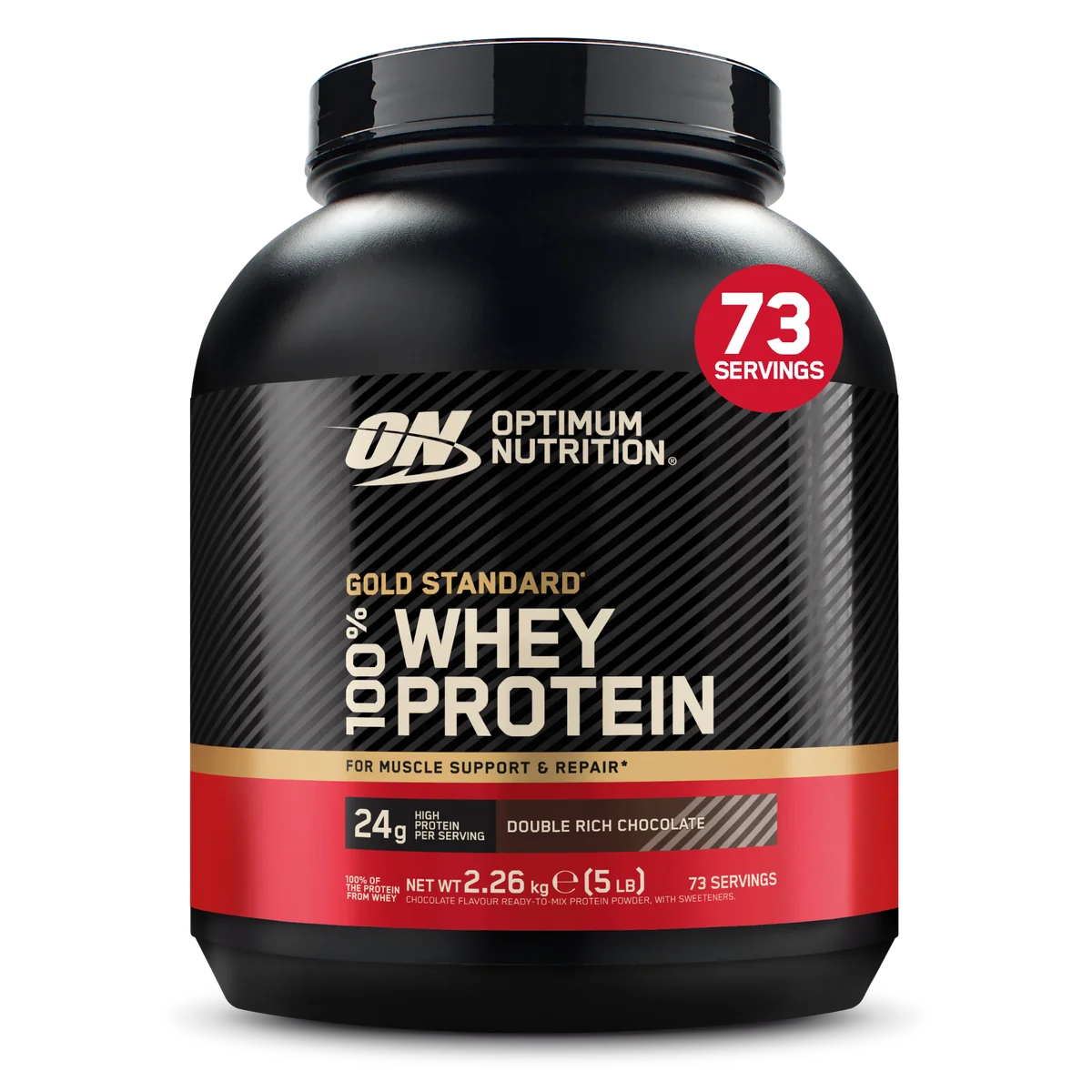 Whey Gold Standard 2.27kg – 109.99 €
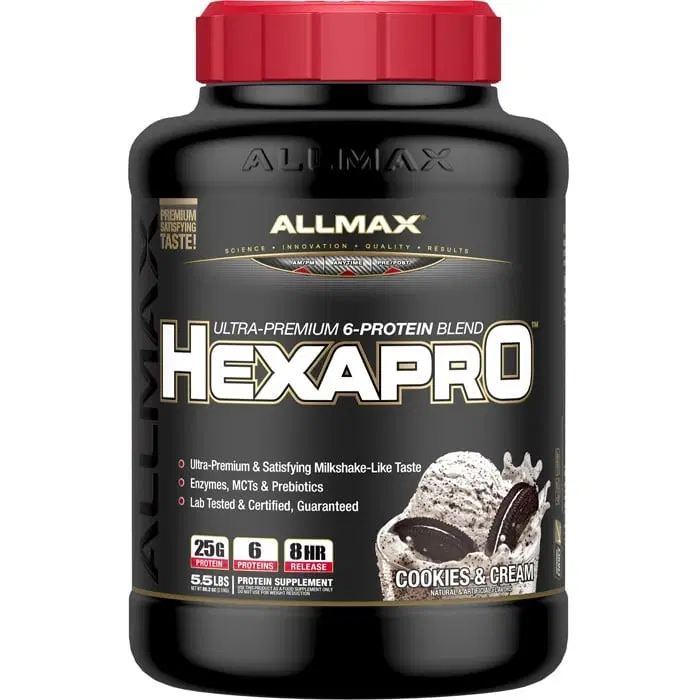 AllMax - HexaPro / 5lb. – 99.70 €
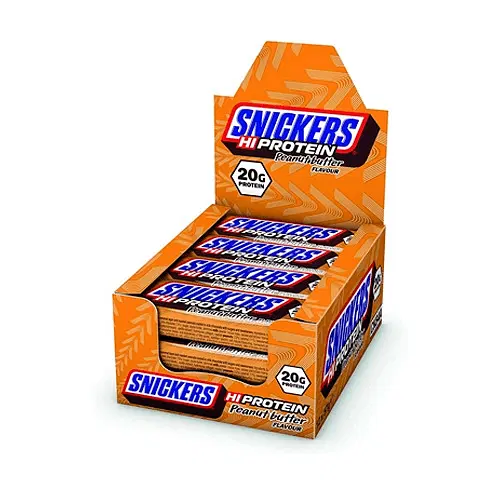 SNICKERS HI Protein Bars Peanut Butter 12 x 57 грама – 38.40 €
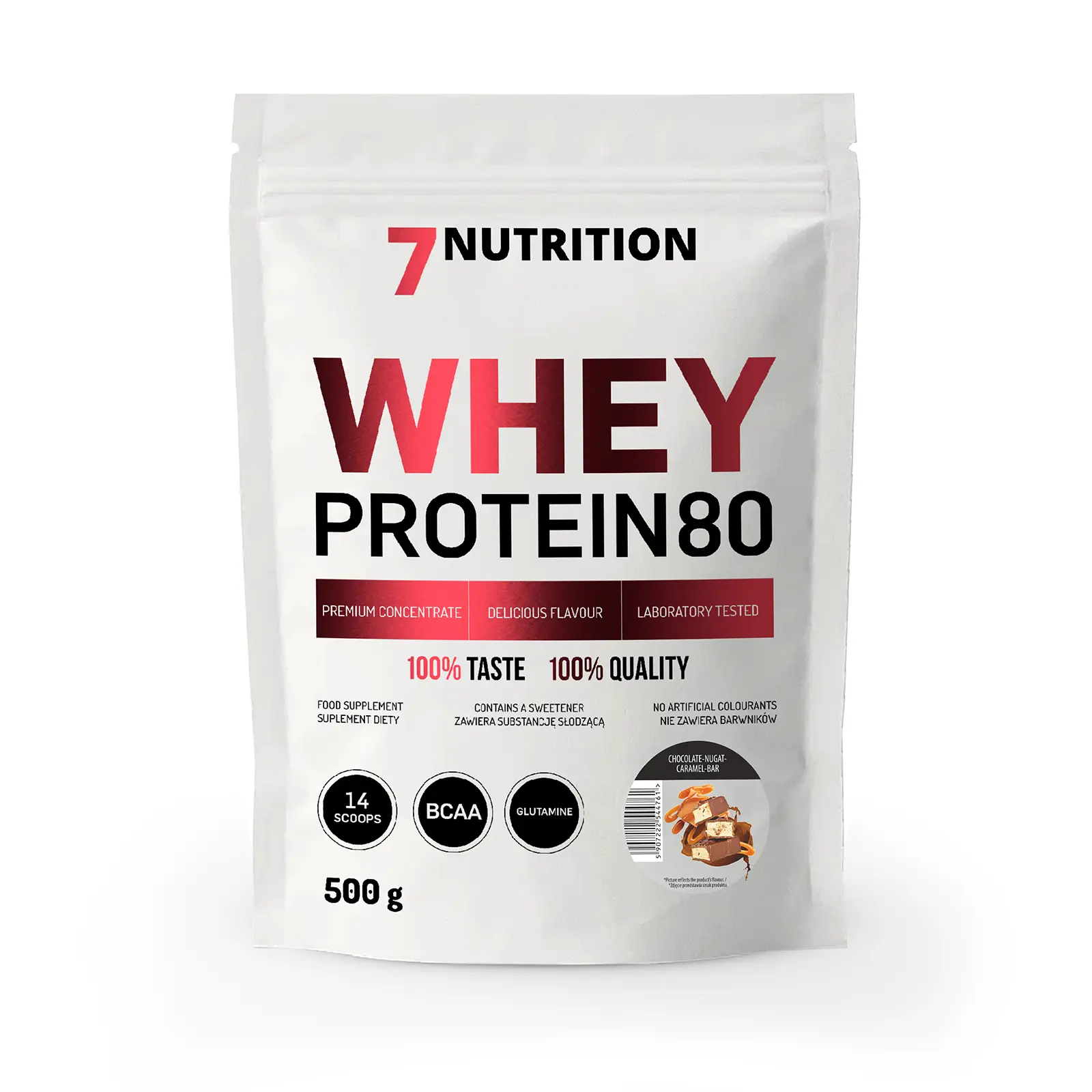 7Nutrition - Whey Protein 80 500g – 24.00 €
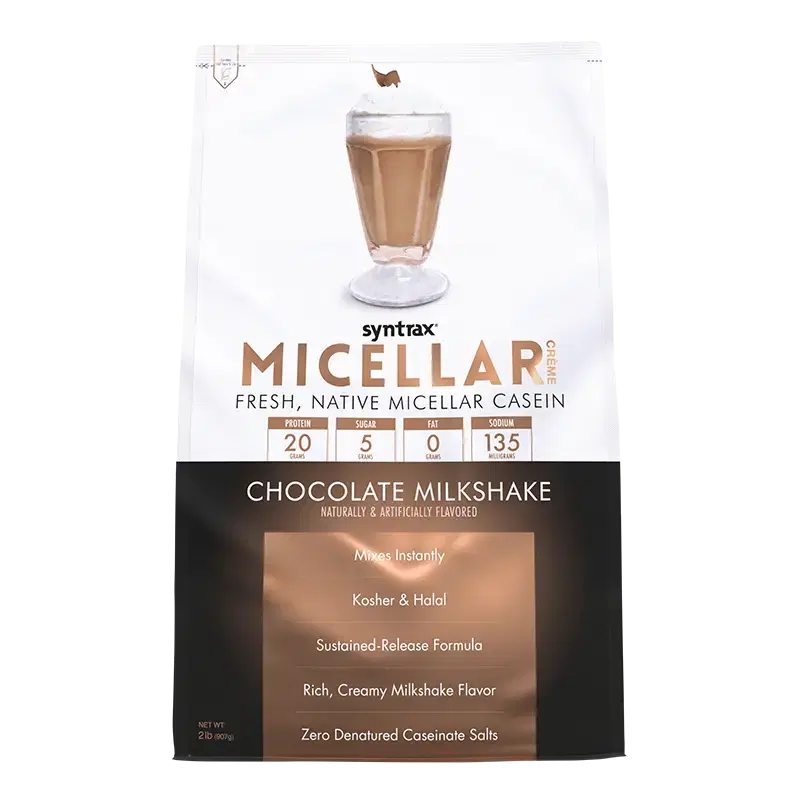 Syntrax Micellar Crème – 0.00 €
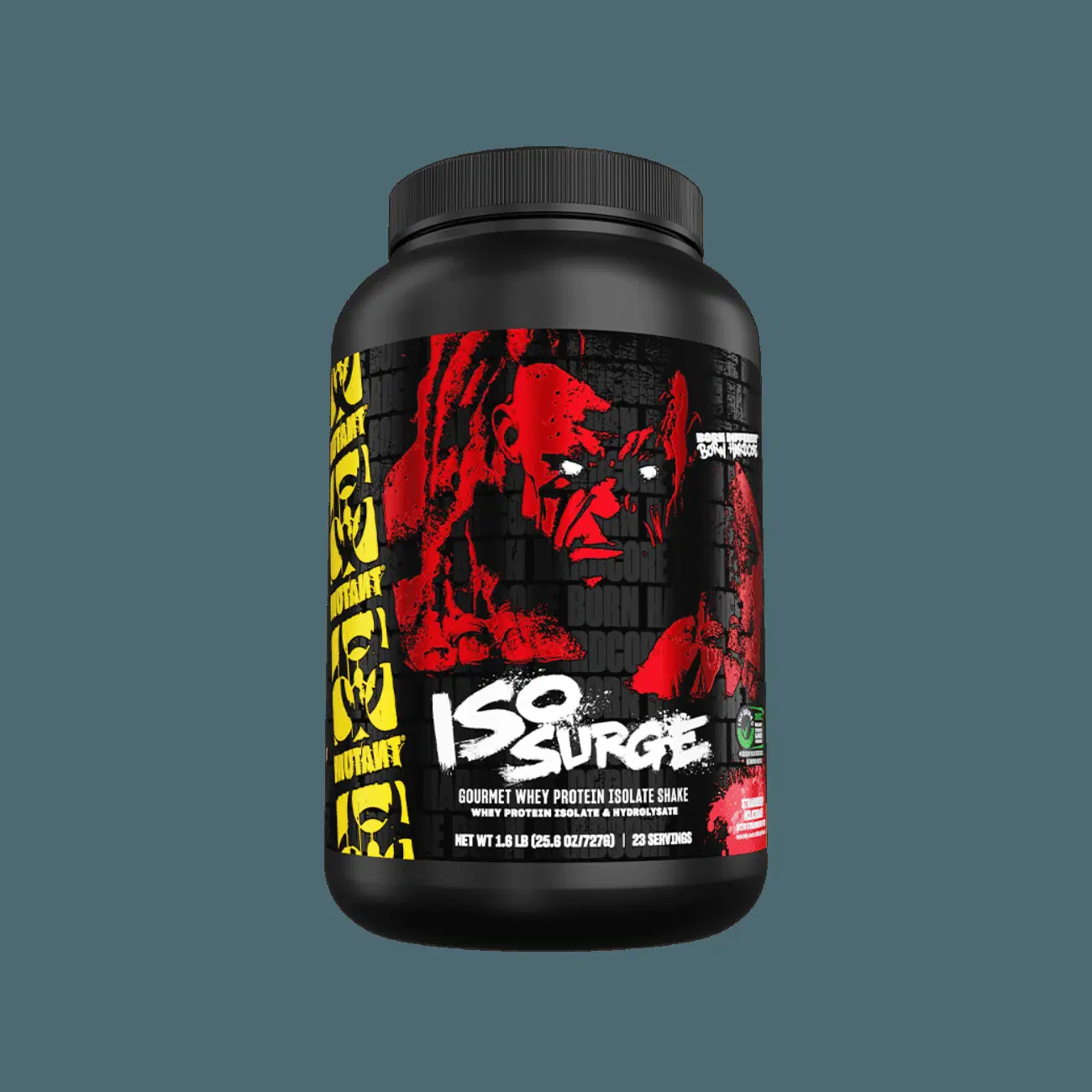 Mutant - Iso Surge / 1.6 lbs. – 45.76 €
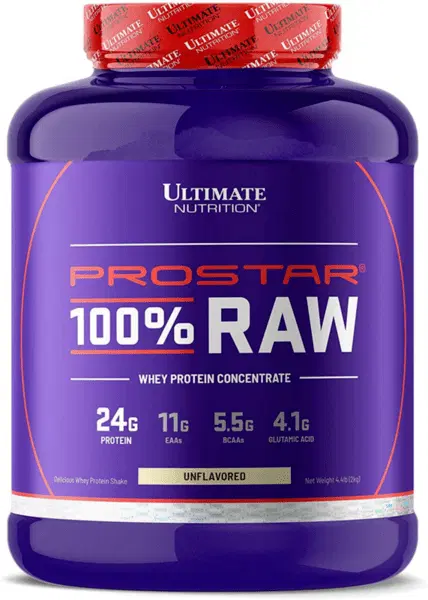 PROSTAR RAW 100% Неовкусен суроватъчен протеин концентрат Ultimate Nutrition 2000 грама – 76.69 €
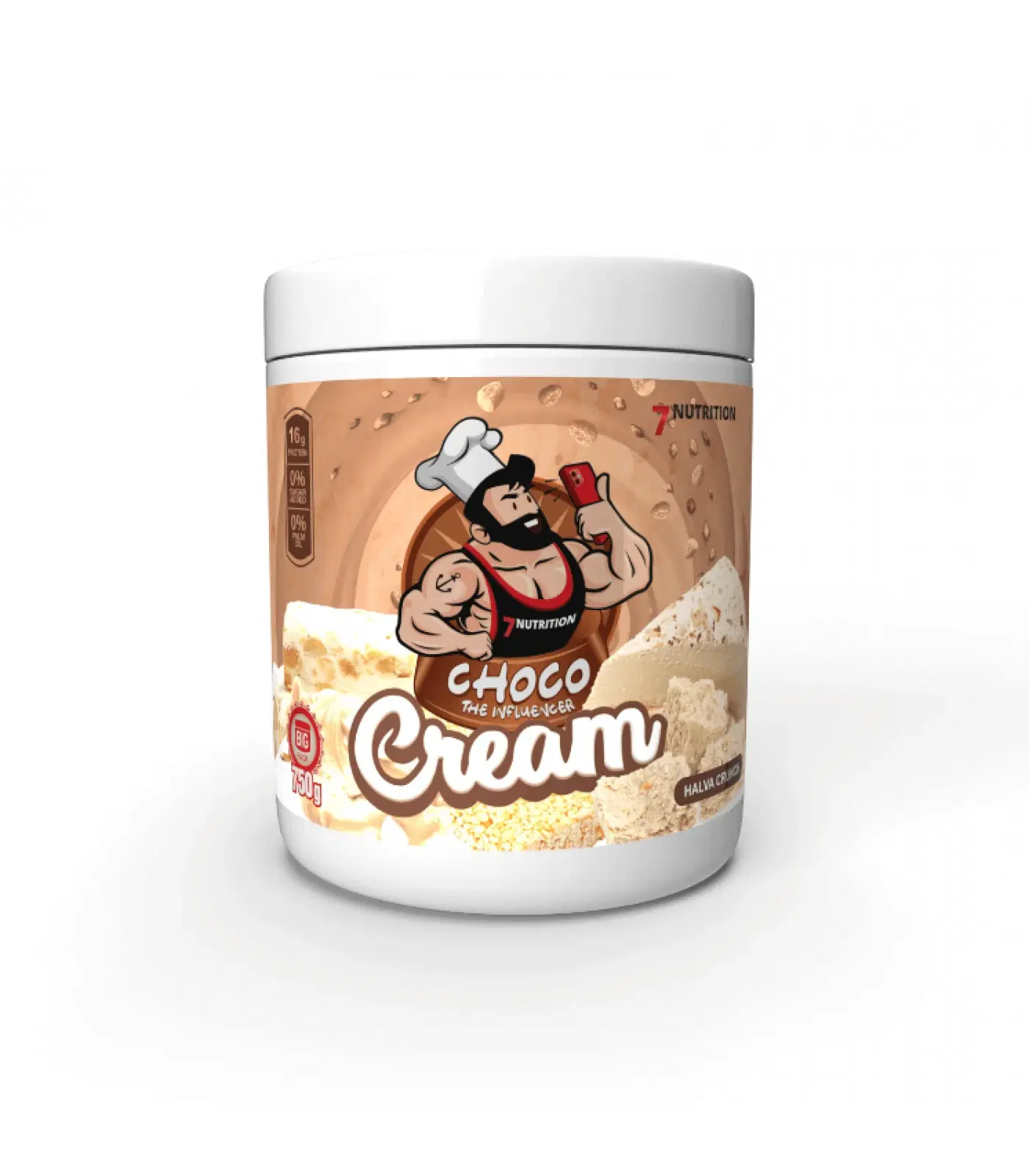 7Nutrition - Cream Halva Crunch / 750g – 13.29 €
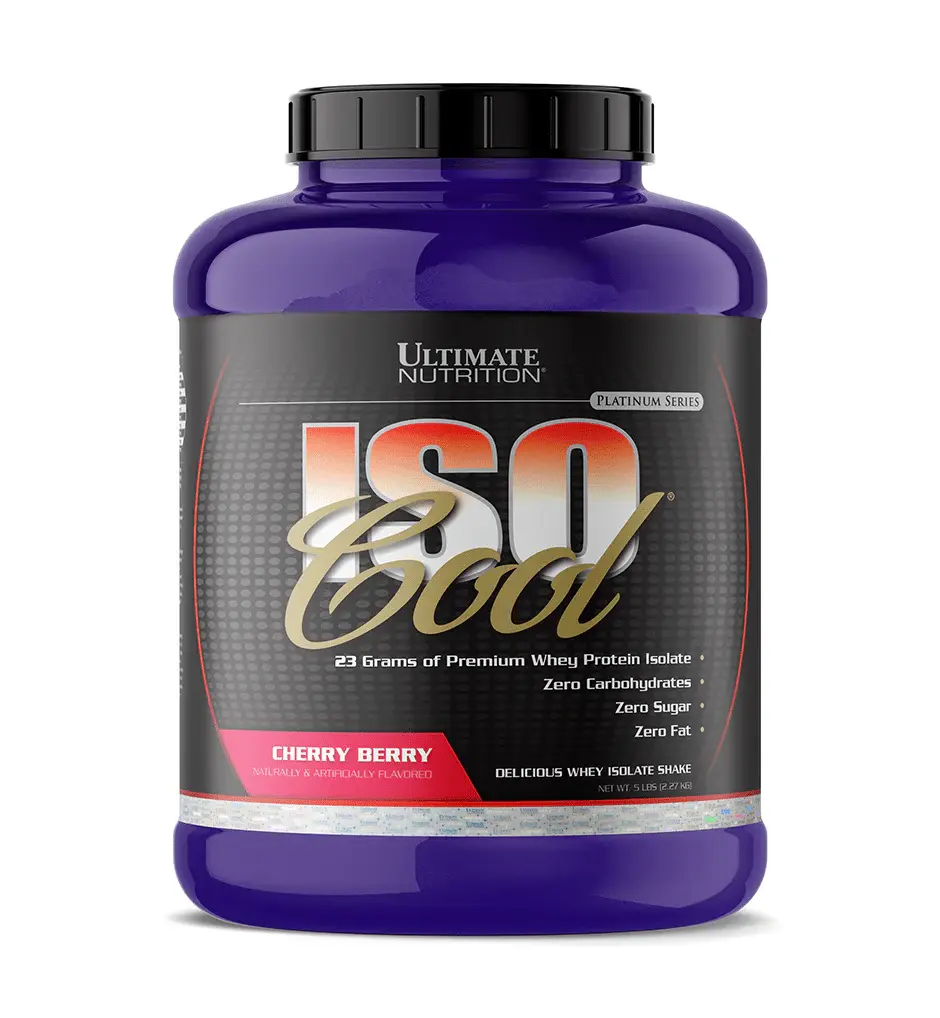 IsoCool Ultimate Nutrition 2270 грама – 132.94 €
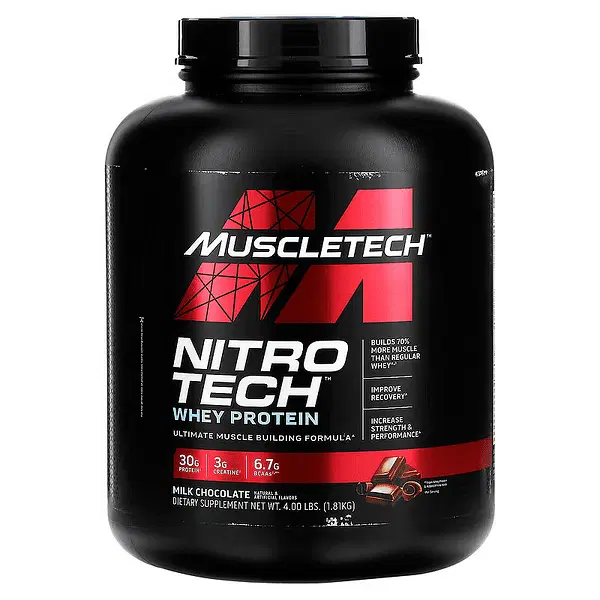 Nitro Tech Whey Protein MuscleTech 1800 грама – 86.92 €
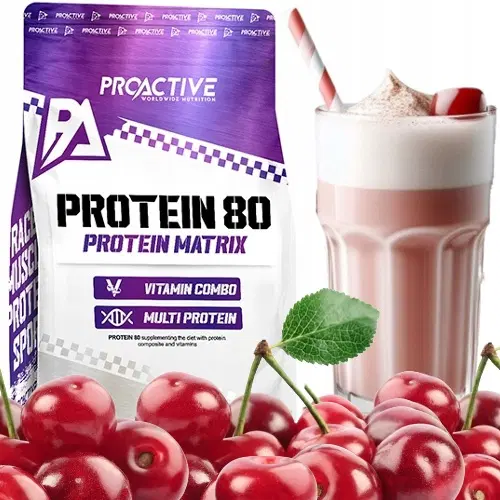 ProActive Protein 80 700g Cherry – 8.65 €
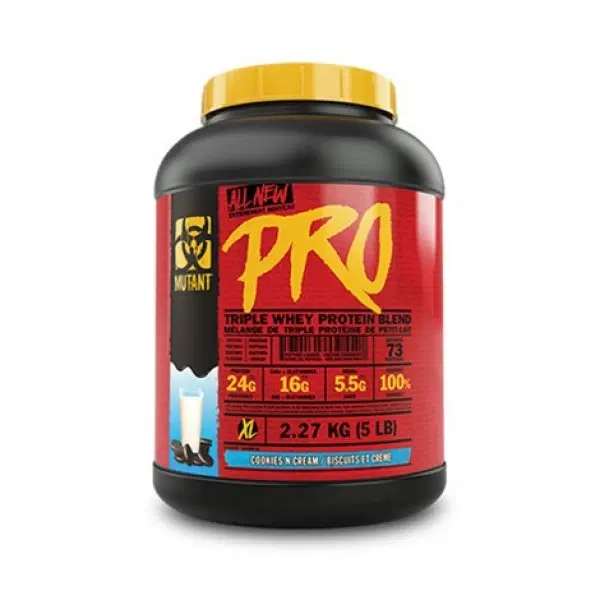 Mutant PRO / 5lb. – 102.26 €
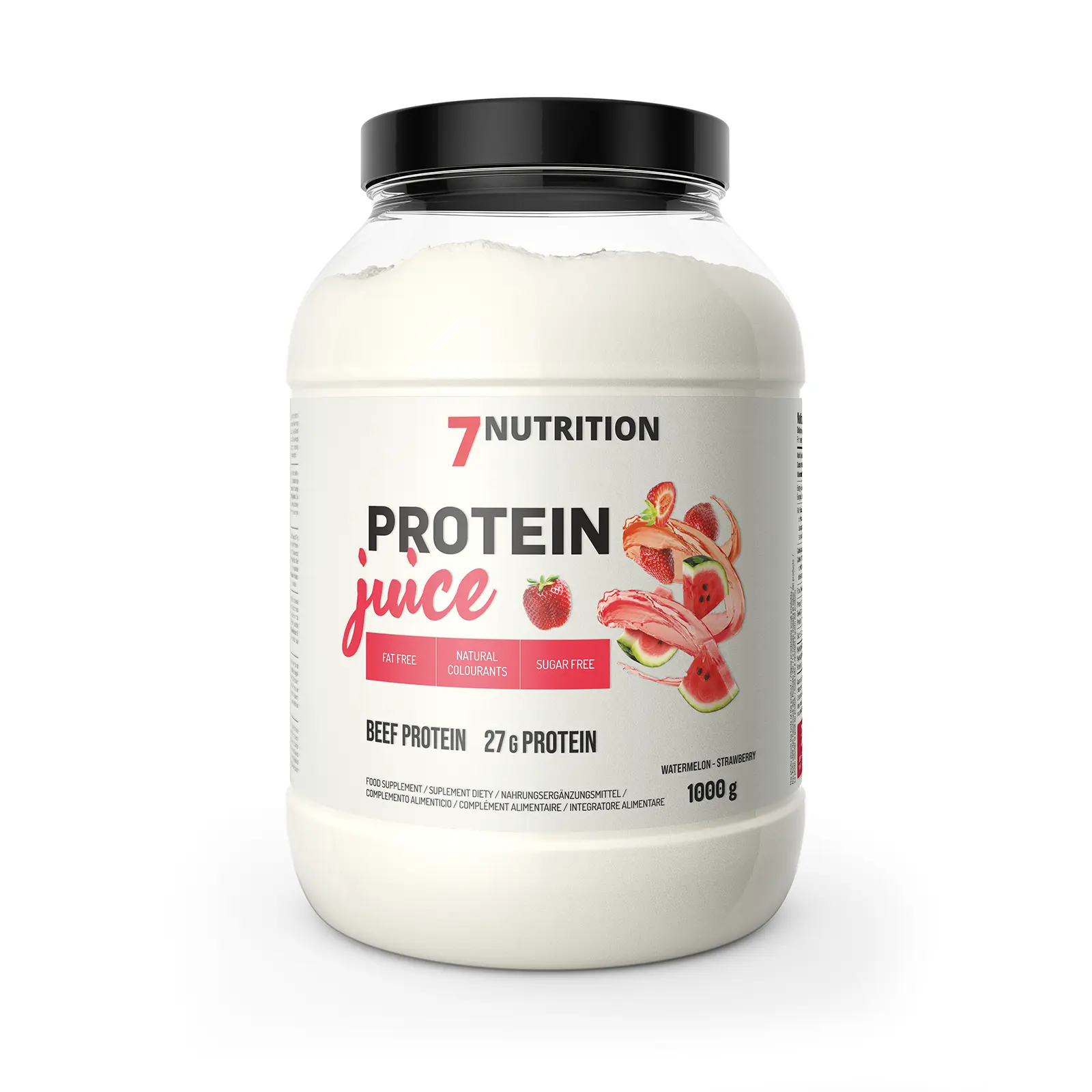 7Nutrition - Protein Juice 1000g – 29.90 €
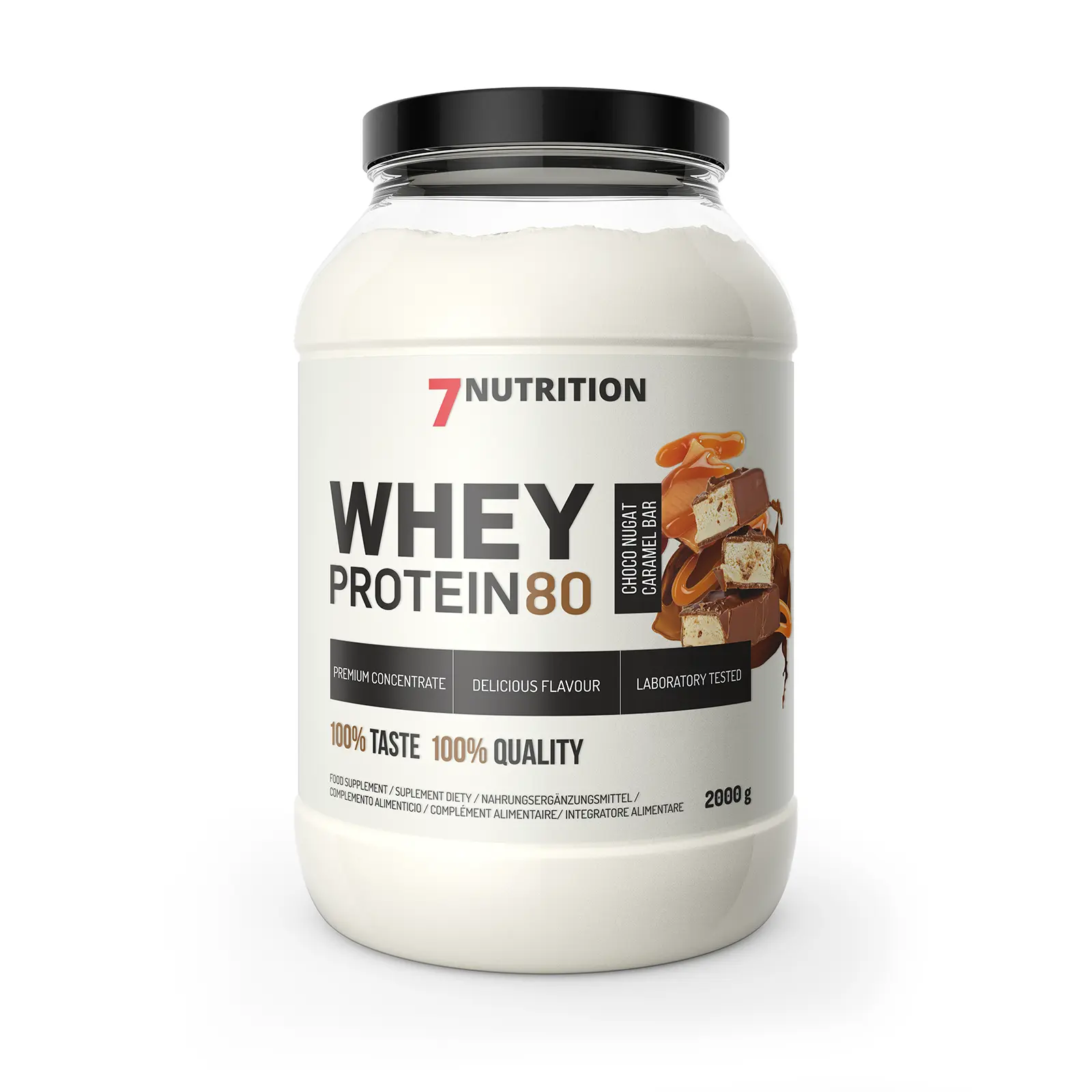 7Nutrition - Whey Protein 80 2000g – 69.00 €
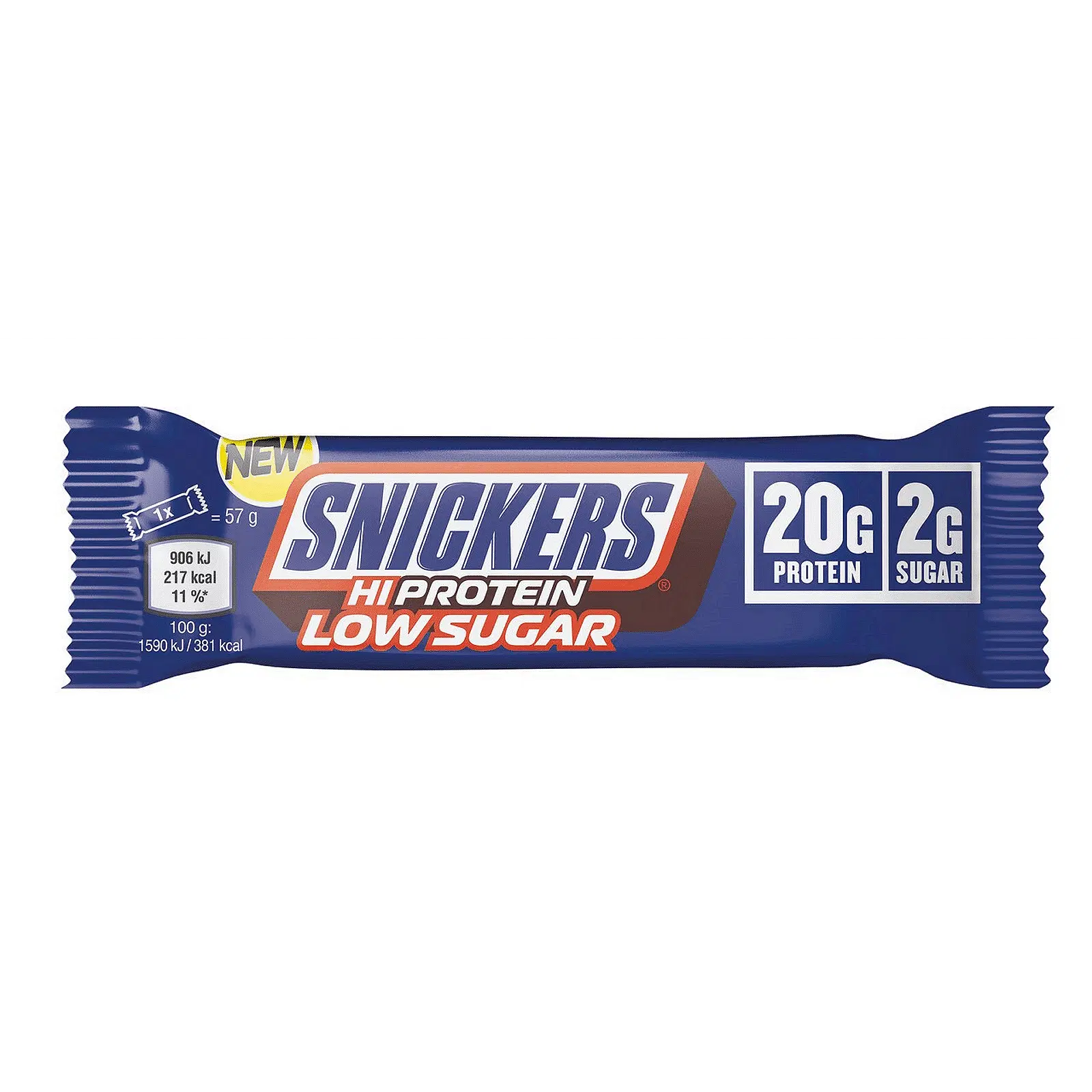 SNICKERS Hi Protein Low Sugar Bar 57 грама – 3.20 €
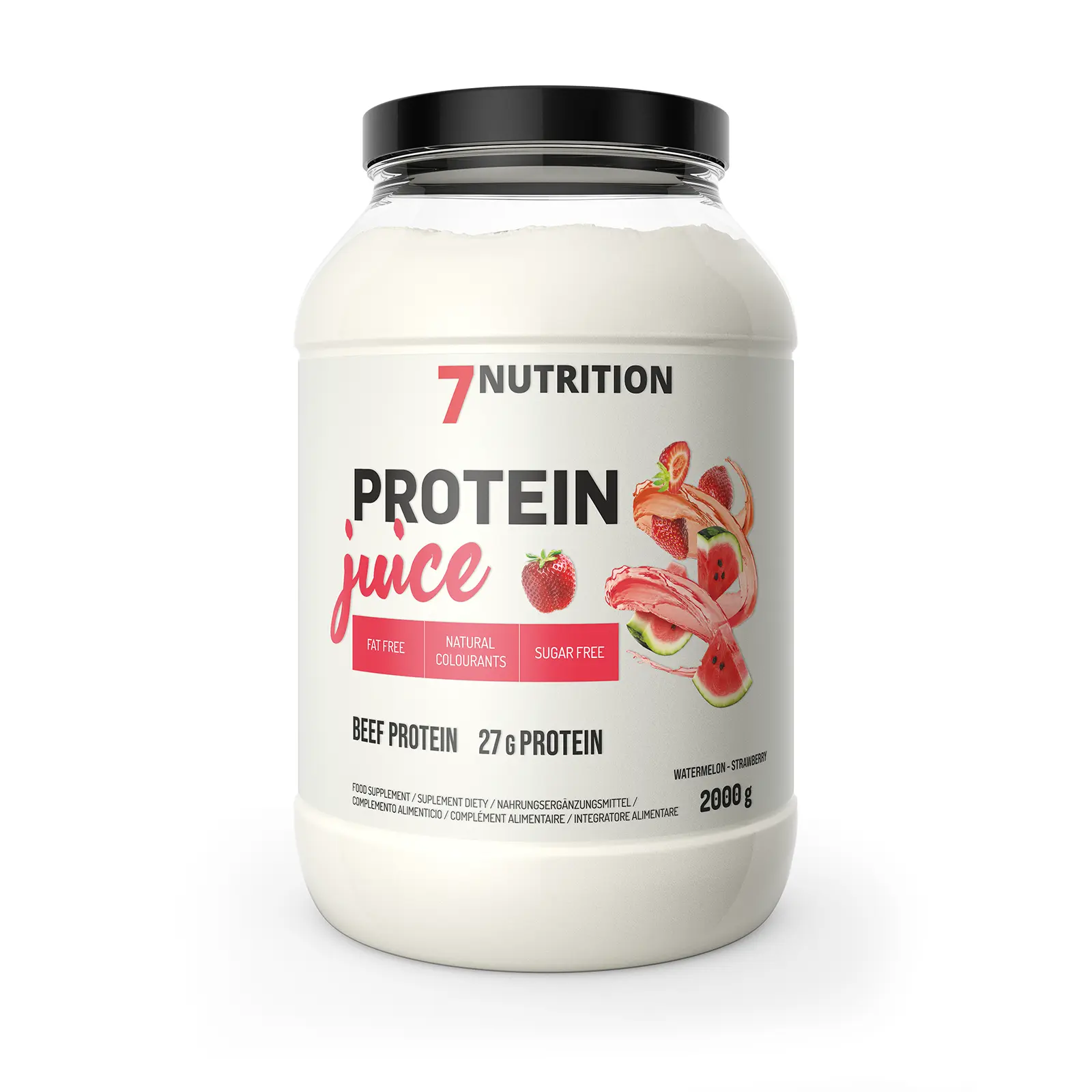 7Nutrition - Protein Juice 2000g – 54.90 €
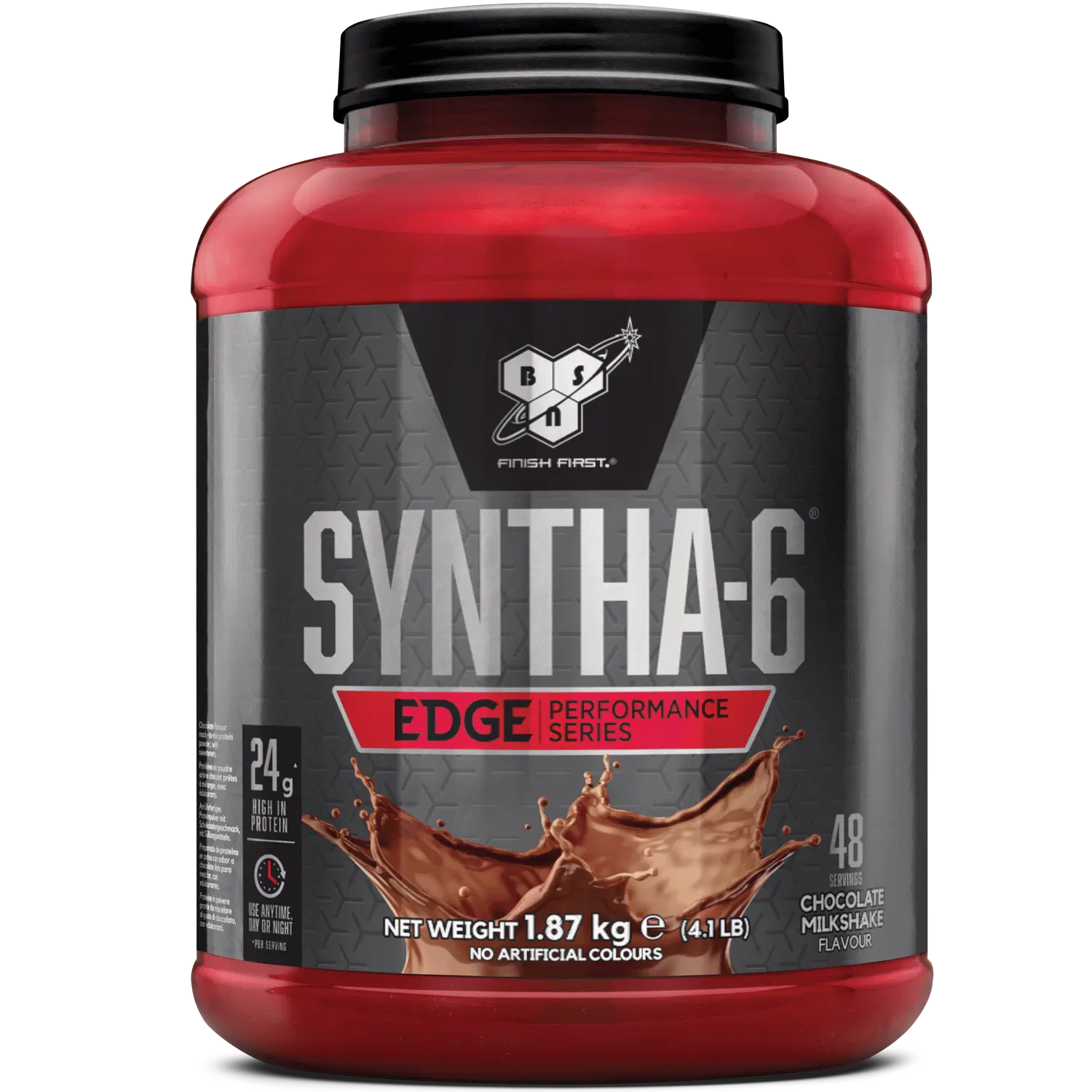 BSN Syntha-6 Edge – 129.90 €
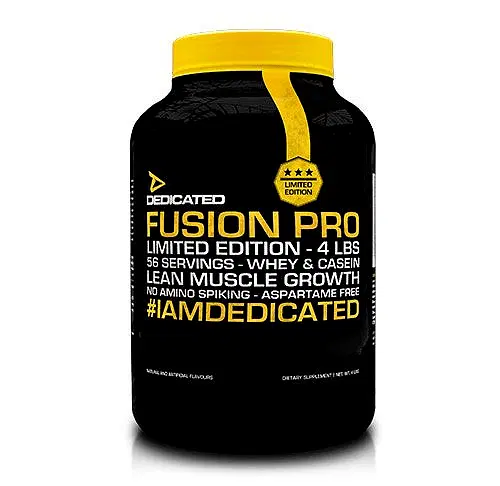 Fusion Pro LIMITED EDITION Dedicated Nutrition 1800 грама – 56.24 €
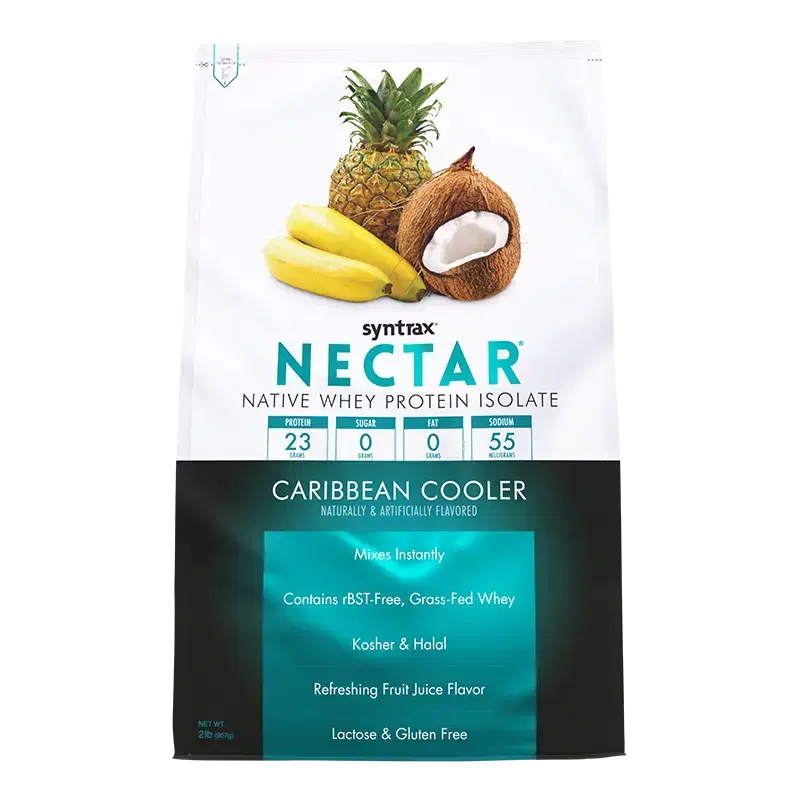 Syntrax Nectar – 0.00 €
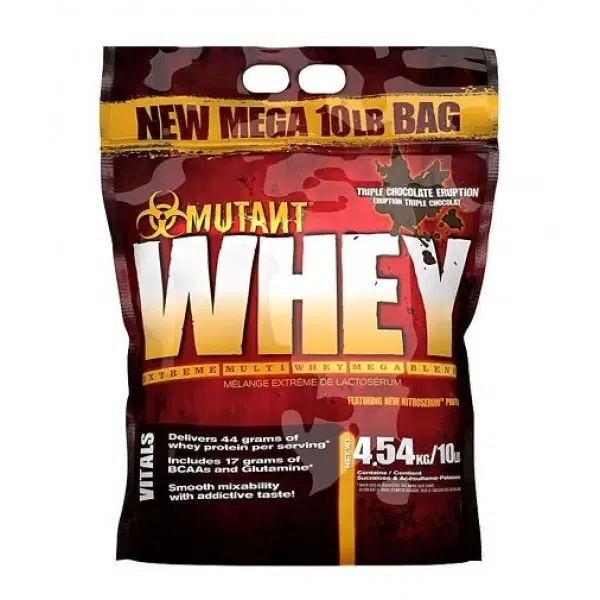 Mutant - Whey / 4540 gr. – 150.32 €
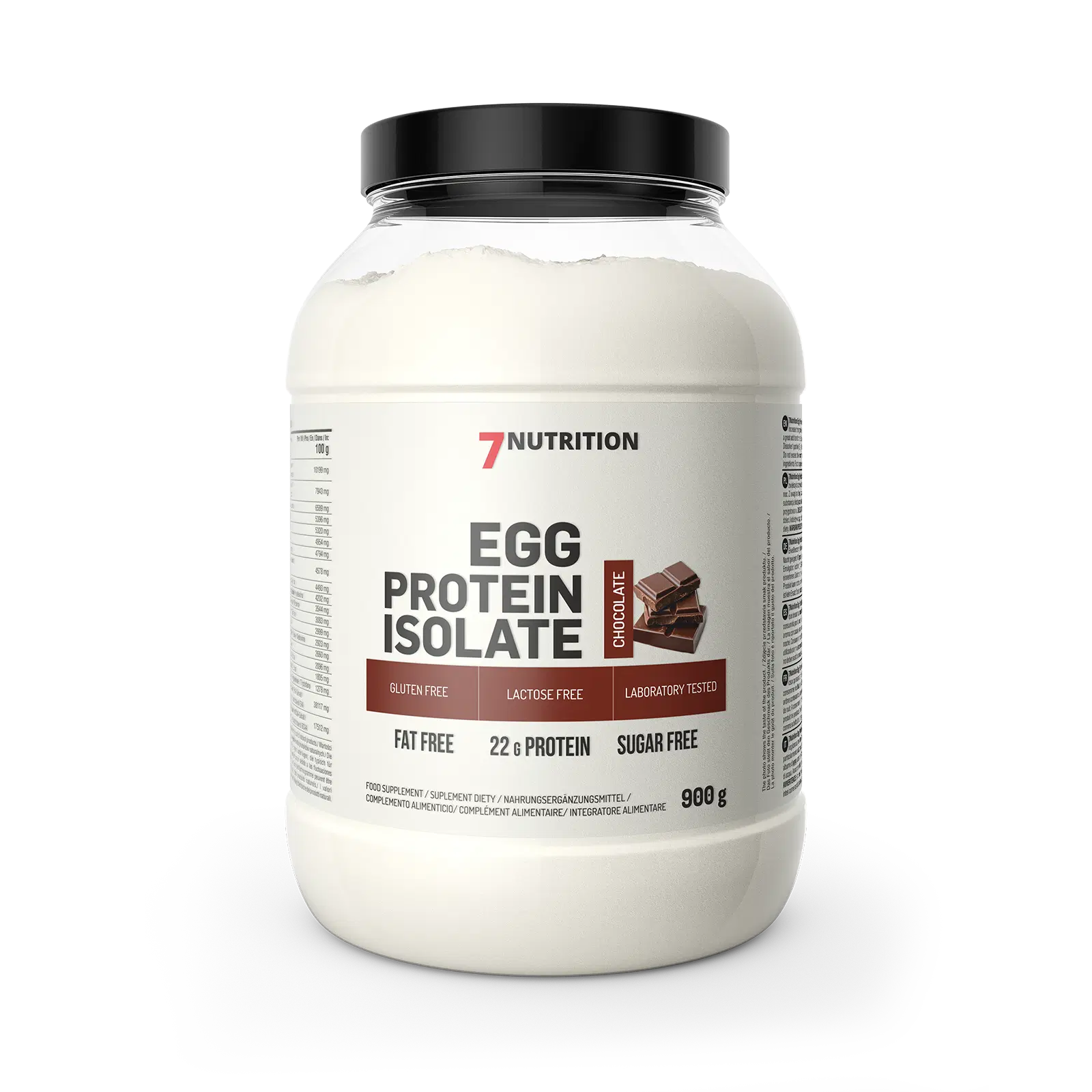 7Nutrition - Egg Protein Isolate 900g Chocolate – 34.00 €
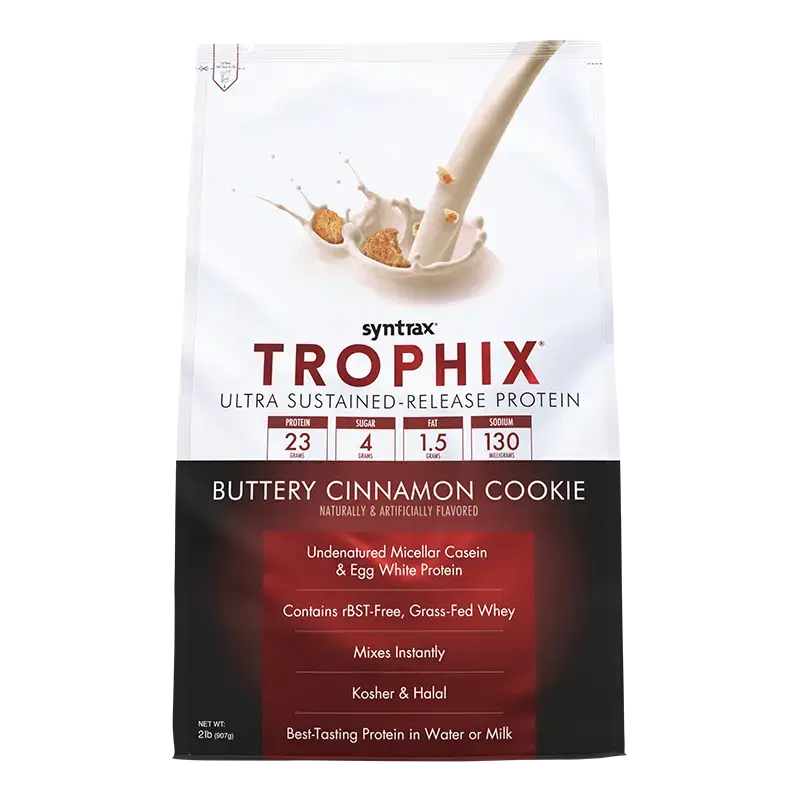 Syntrax Trophix – 0.00 €
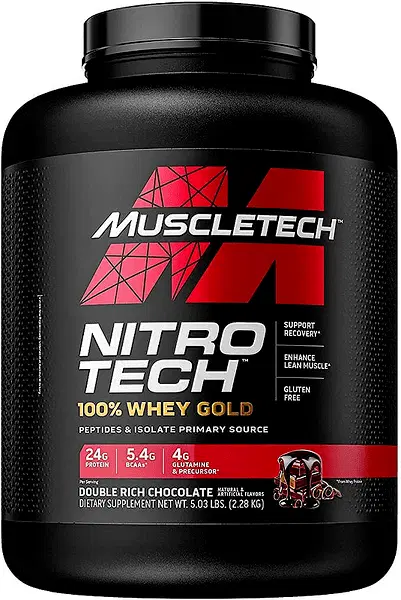 Nitro Tech 100% Whey Gold MuscleTech 2270 грама – 163.80 €
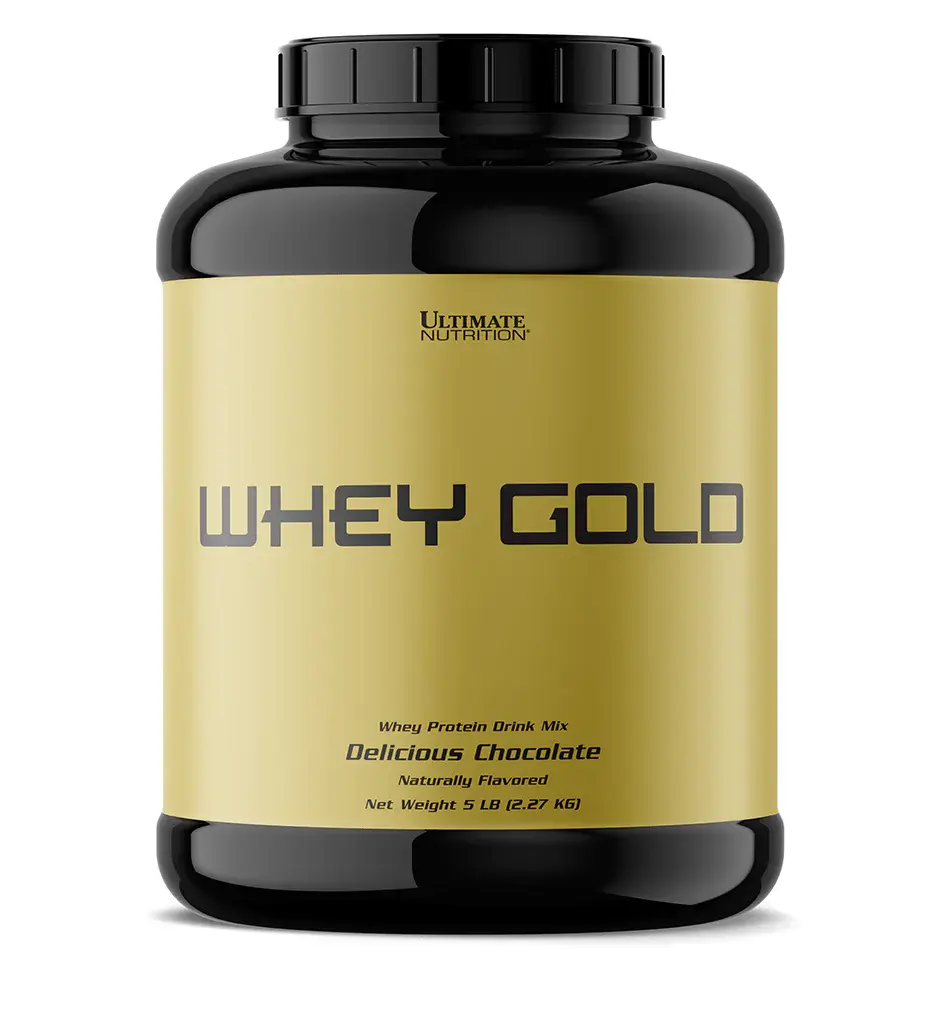 Whey Gold Ultimate Nutrition 2270 грама – 0.00 €
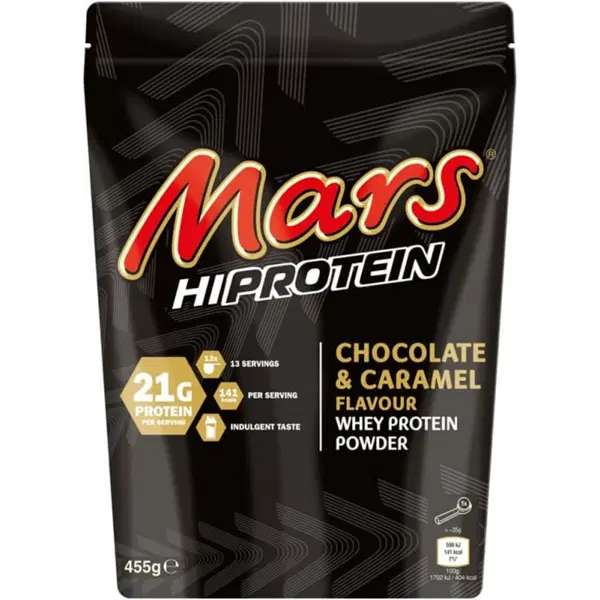 Суроватъчен Протеин Mars Hi Protein Powder 455 грама – 42.40 €
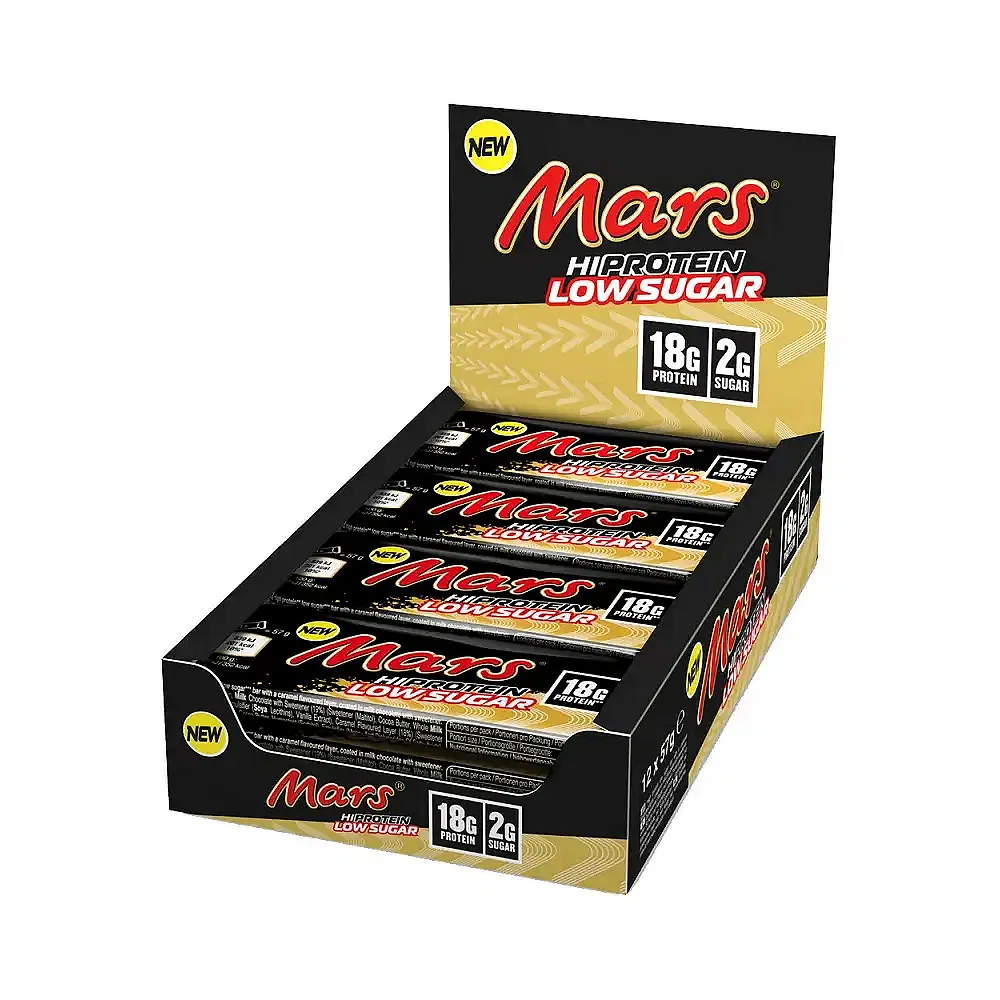 MARS Low Sugar HI Protein Bars 12 x 57 грама – 36.84 €
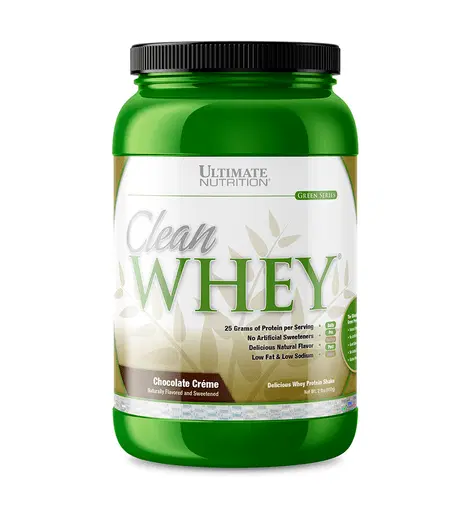 Суроватъчен Протеин със Стевия Clean Whey Ultimate Nutrition 910 грама – 49.08 €
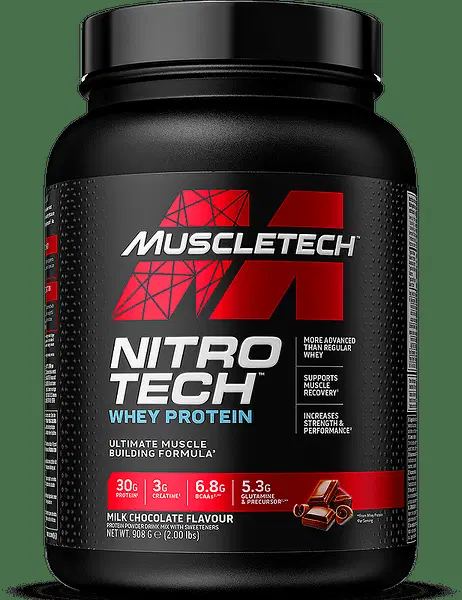 Nitro Tech Whey Protein MuscleTech 908 грама – 83.30 €
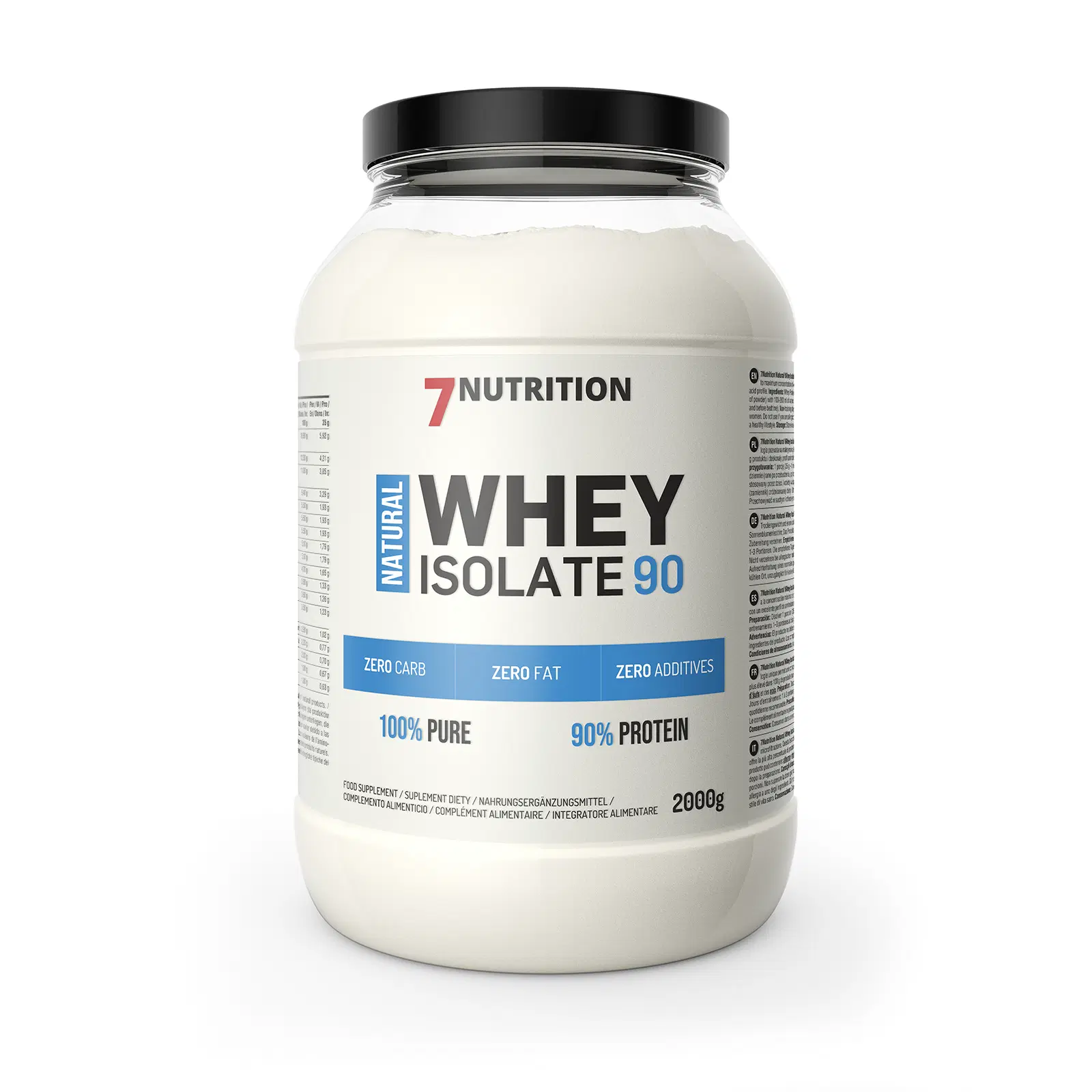 7Nutrition - Natural Whey Isolate 90 – 85.00 €
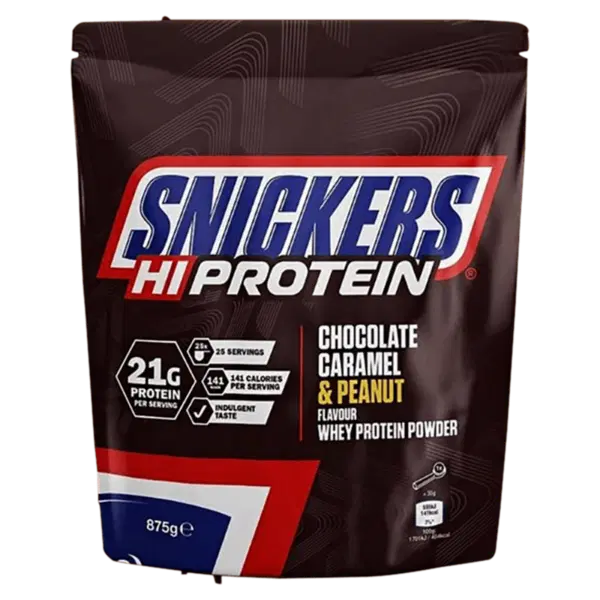 Суроватъчен Протеин Snickers Hi Protein Powder 875 грама – 63.99 €
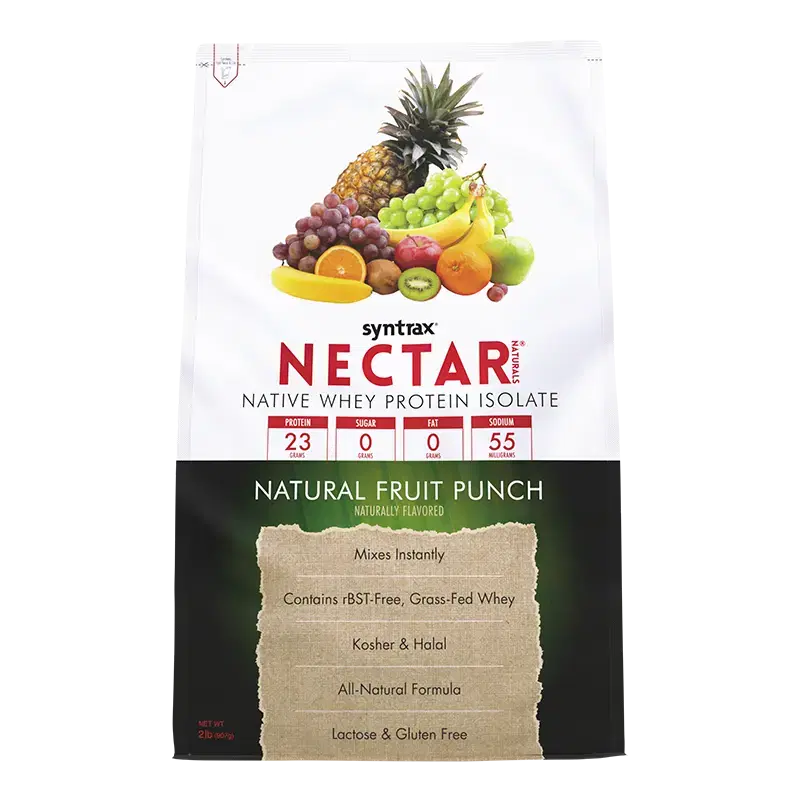 Syntrax Nectar Naturals – 0.00 €
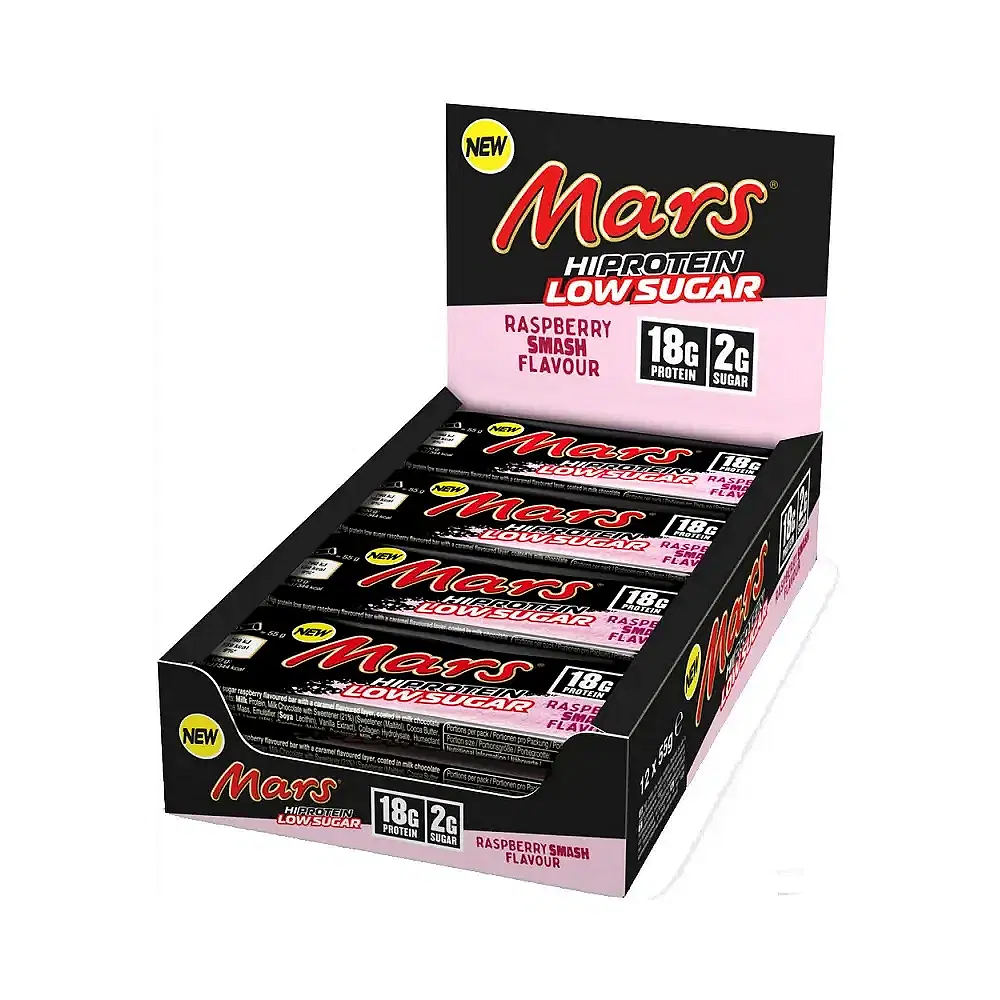 MARS Raspberry Smash Low Sugar HI Protein Bars 12 x 57 грама – 36.84 €
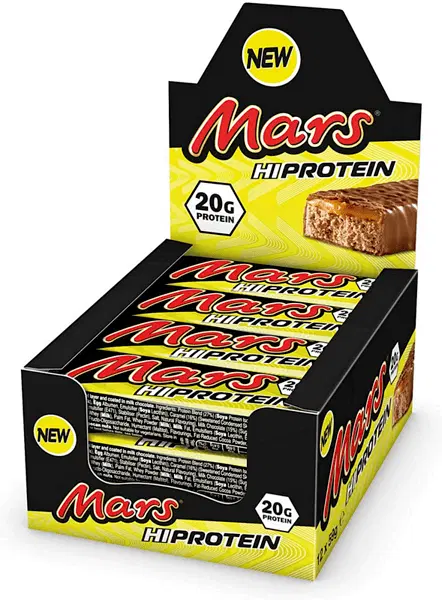 MARS HI Protein Bars 12 x 57 грама – 36.84 €
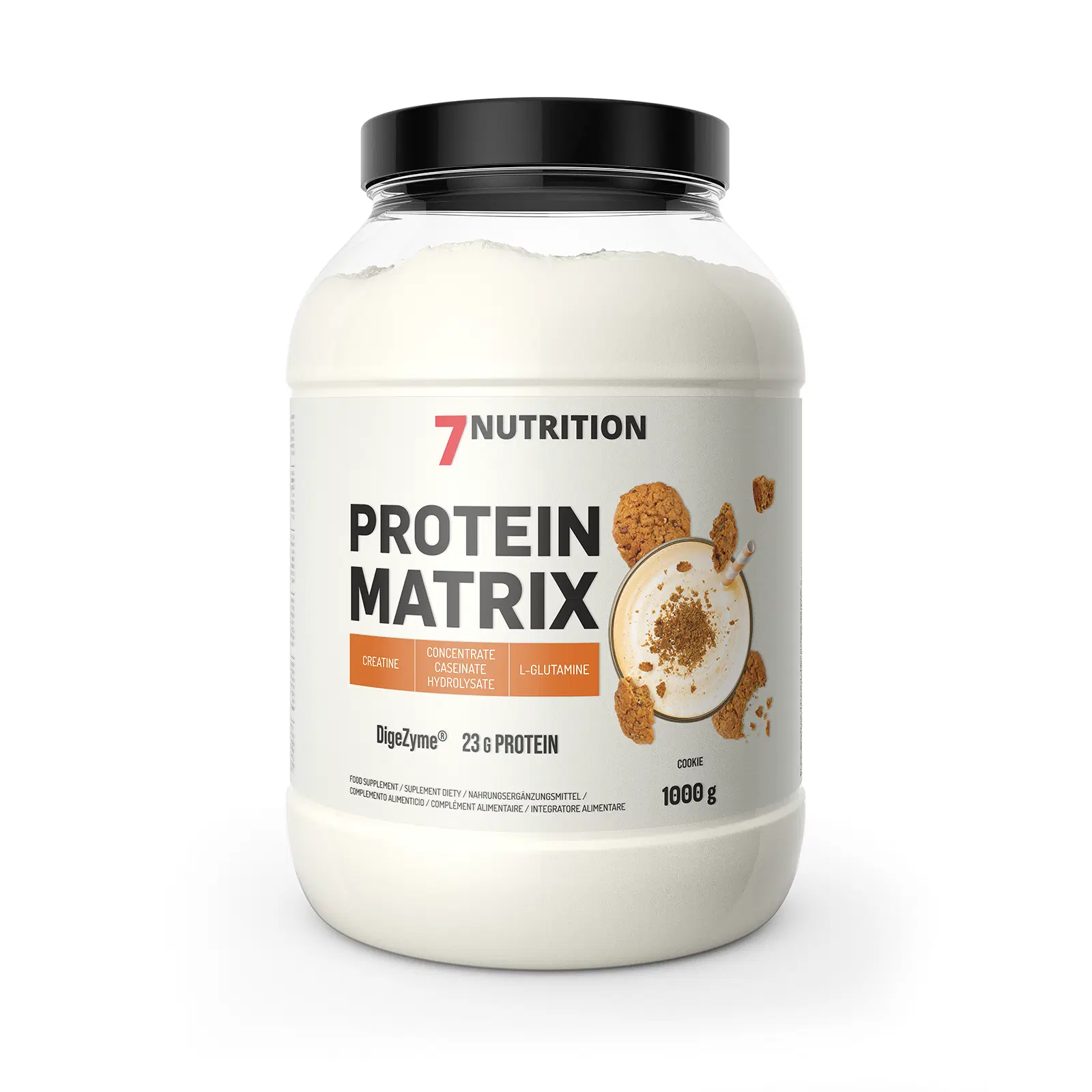 7Nutrition - Protein Matrix 1000g – 33.90 €
 FUSION PRO Whey Dedicated Nutrition 2260 грама – 62.38 €
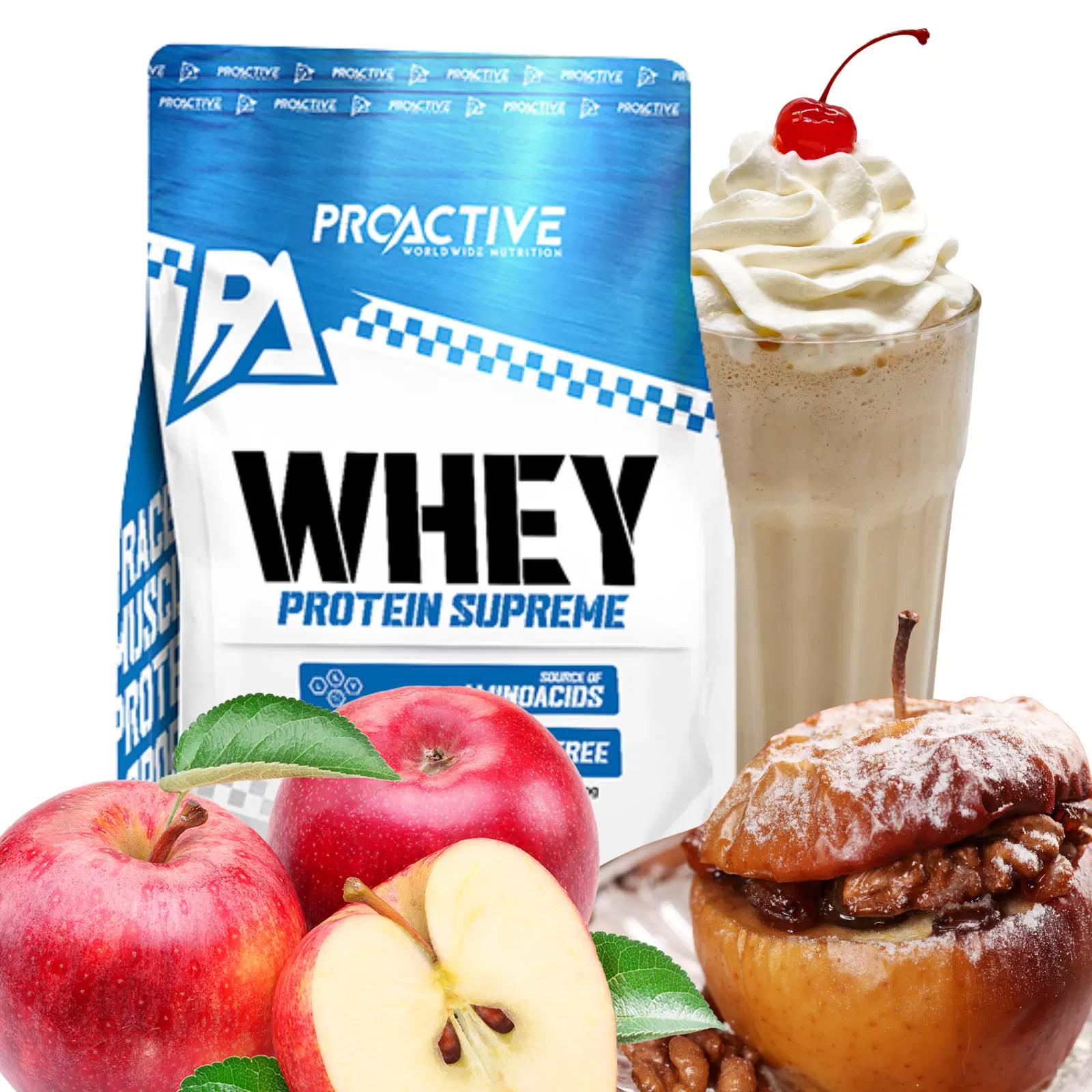 ProActive Whey Instant 700g Baked Apple – 14.01 €
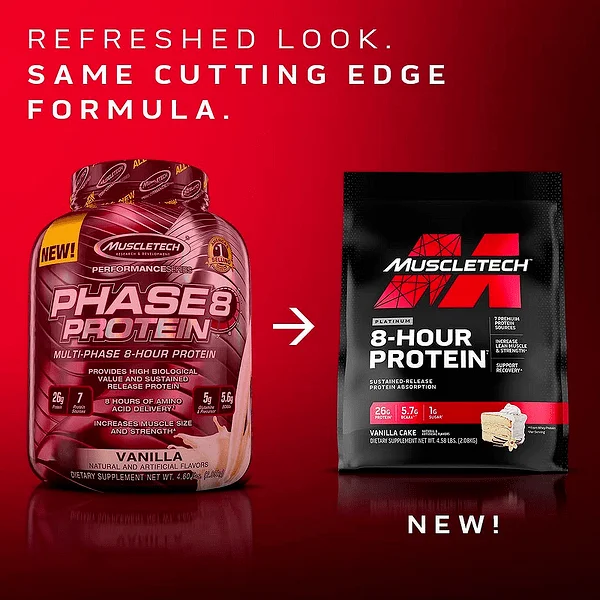 8 Hour Protein | Phase 8 MuscleTech 2080 грама – 76.69 €
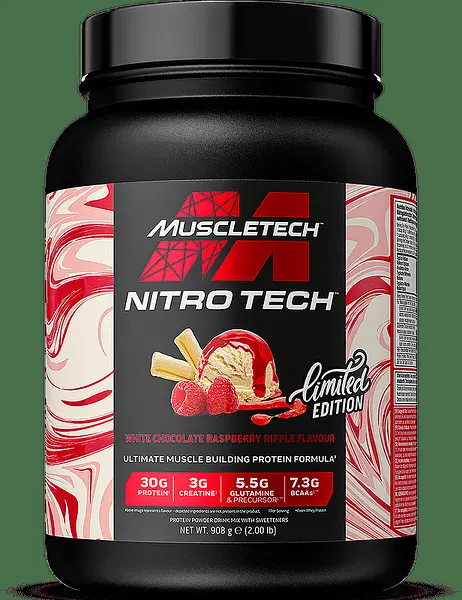 Nitro Tech Whey Protein MuscleTech 908 грама LIMITED EDITION – 66.50 €
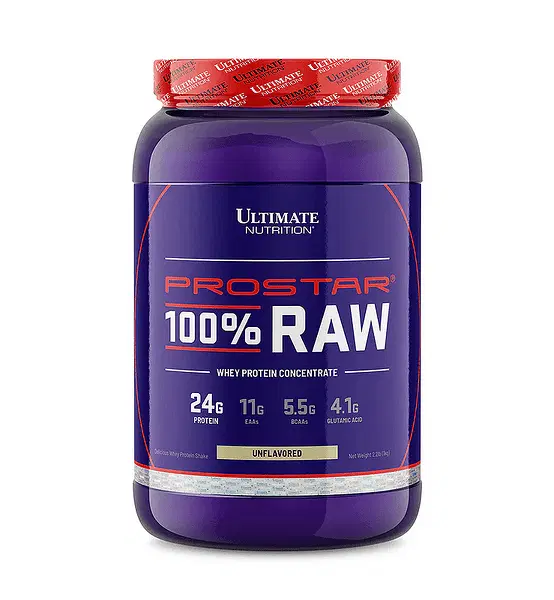 PROSTAR RAW 100% Неовкусен суроватъчен протеин концентрат Ultimate Nutrition 1000 грама – 50.00 €
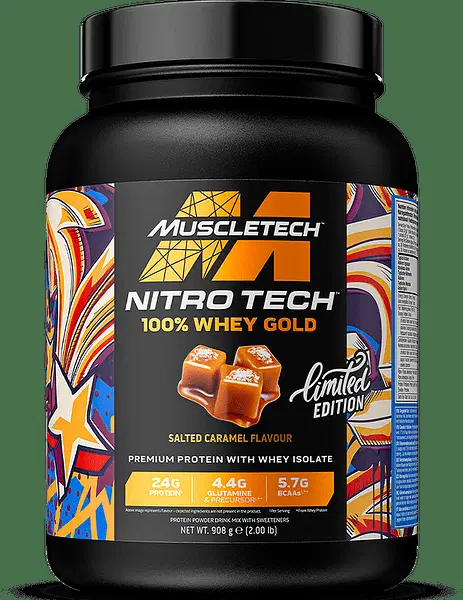 Nitro Tech 100% Whey Gold MuscleTech 908 грама LIMITED EDITION – 74.91 €
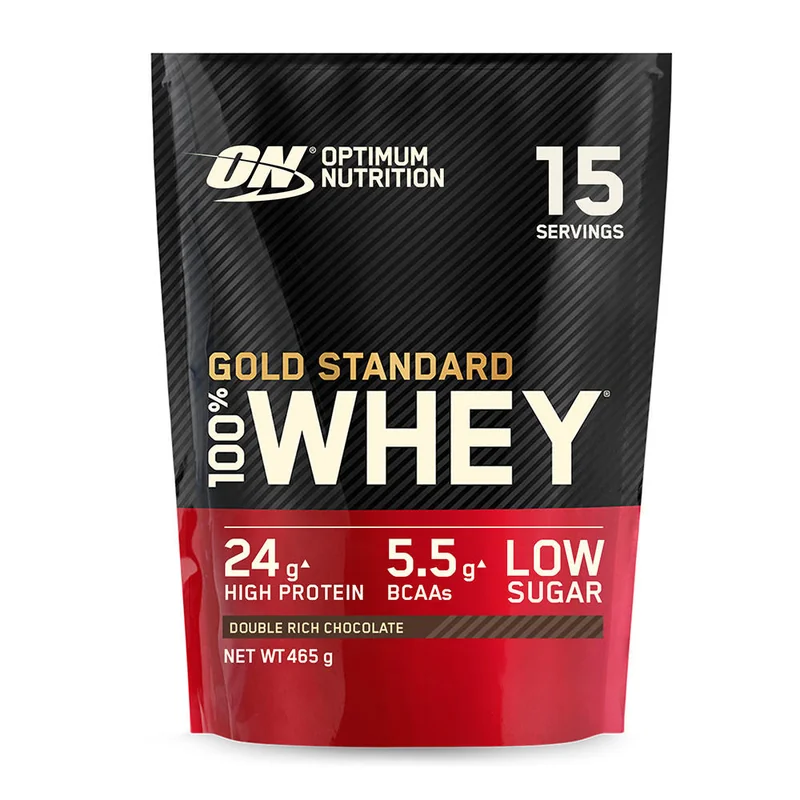 Whey Gold Standard 450g – 23.01 €
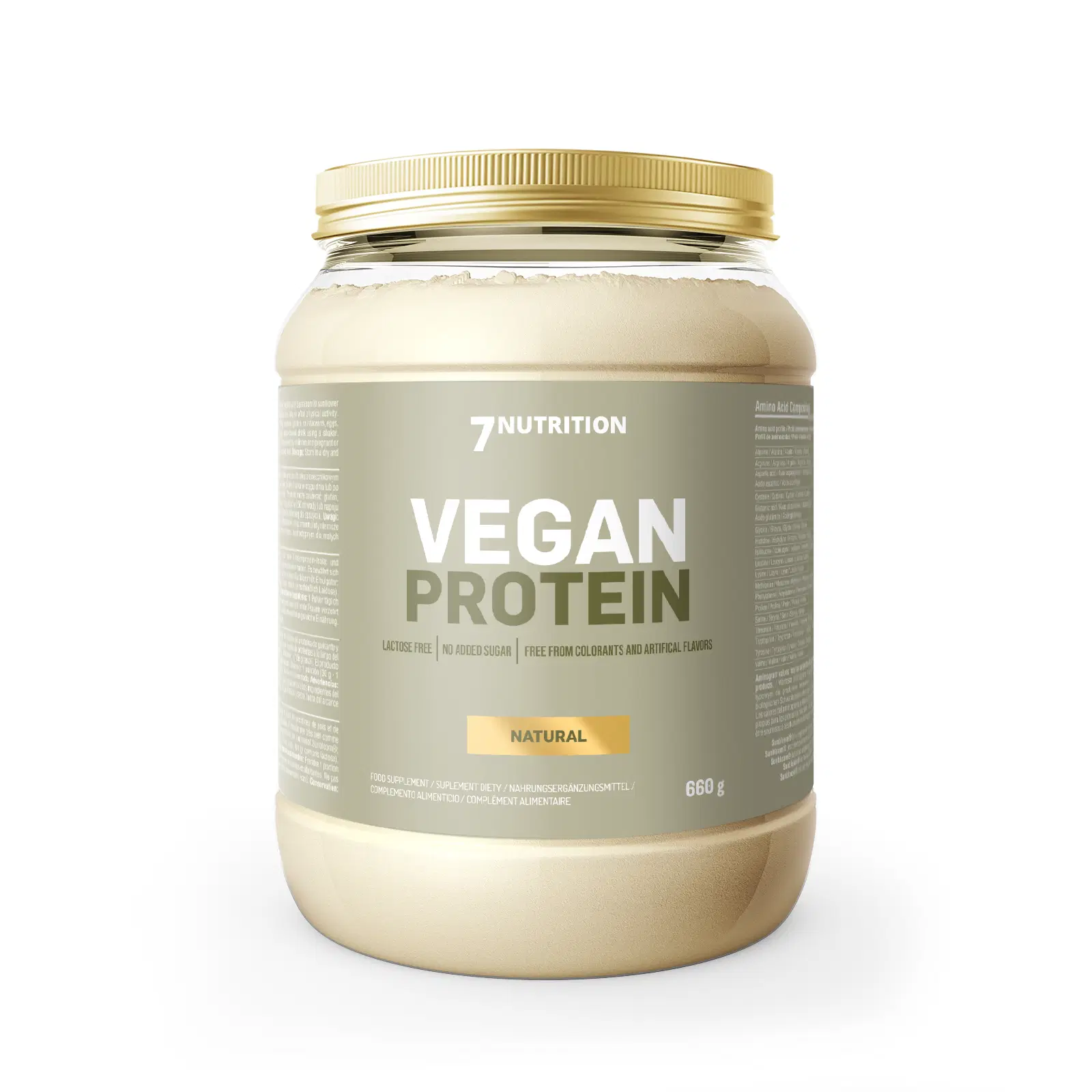 7Nutrition - Vegan Protein 660g – 19.00 €
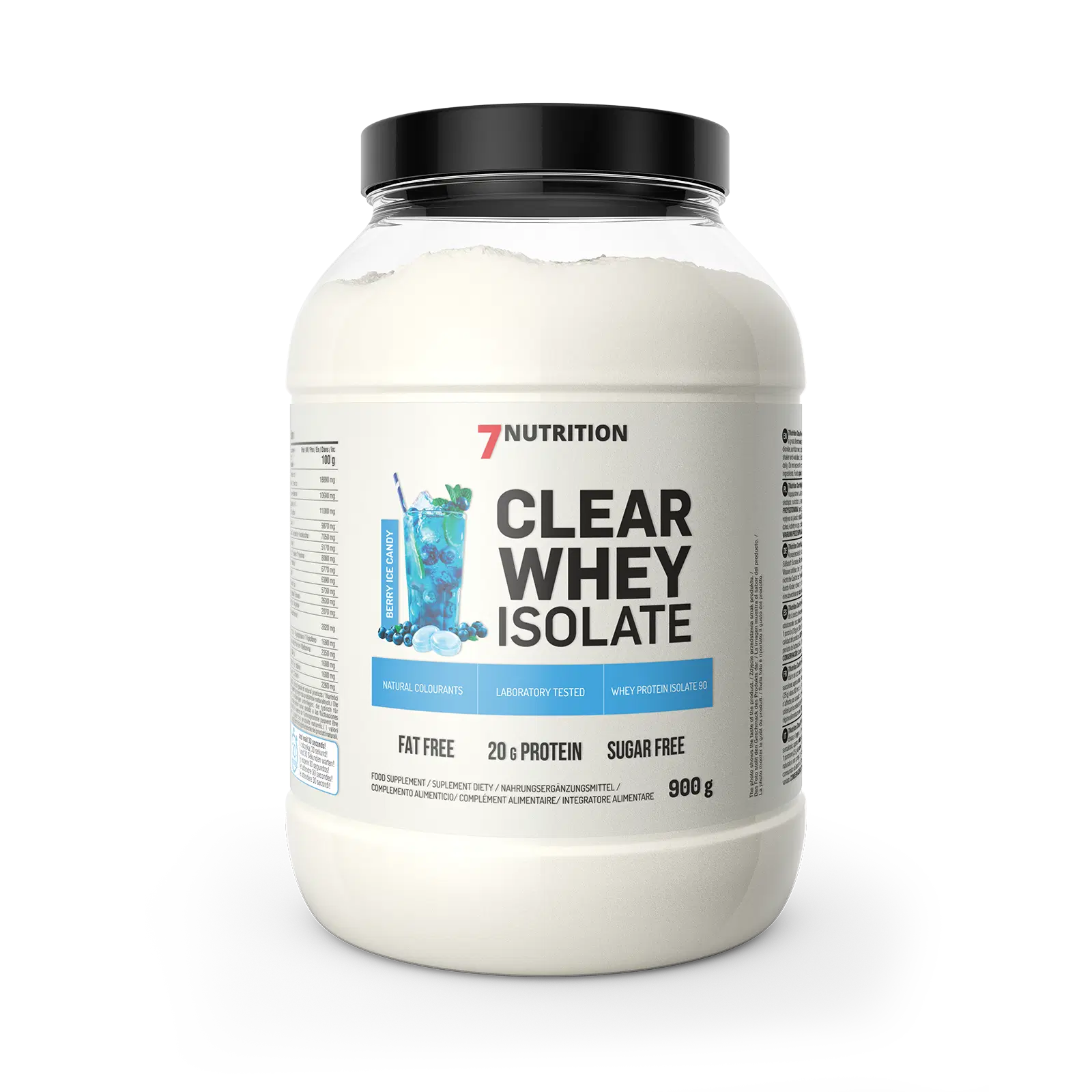 7Nutrition - Clear Whey Isolate 900g – 49.90 €
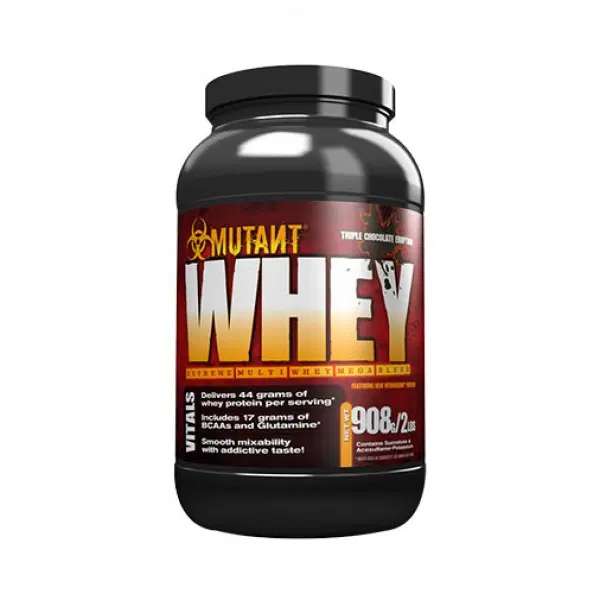 Mutant - Whey / 900 гр – 38.35 €
What is the best protein on the market in 2026?
The choice of quality protein depends on three factors: biological value, raw material purity, and manufacturer transparency. As the exclusive official importer for Bulgaria of global leaders, SportZone offers products that meet all these criteria — without intermediaries and without counterfeits.
Our exclusive brands
- AllMax Nutrition — Canadian leader with over 25 years of experience. cGMP, NSF, and Informed Choice certifications. The AllWhey Classic, IsoFlex, and Hydro Pure lines cover every budget and goal. Exclusive import since 2014.
- Ultimate Nutrition — American brand, founded 1979. The cult classic ISO Sensation 93 is a cross-flow microfiltration isolate with 93% protein. Prostar 100% Whey is the gold standard for a concentrate and isolate blend. Exclusive import since 2017.
Which protein for which goal?
- Lean muscle mass: whey isolate (IsoFlex, ISO Sensation 93) — fast absorption, minimum fat and carbohydrates.
- Slow recovery / before sleep: casein (Prostar Casein) — releases amino acids for 6-8 hours.
- Mass gain: protein matrices + gainers — a combination of fast and slow proteins with carbohydrates.
Why buy from SportZone
We are an official partner of absolutely all brands in the catalog. Every product comes directly from the manufacturer — 100% original, with fresh expiration dates and activated international warranty. Free shipping over 50 EUR for orders in Bulgaria.
Types of Protein Powder – A Complete Guide 2026
In my practice, I clearly distinguish between whey concentrate (about 70-80% protein, best price/quality ratio), whey isolate (90%+ protein, minimal lactose, rapid absorption), and hydrolysate (pre-digested for ultra-fast absorption, ideal before and immediately after training). Casein, plant-based blends (pea, rice, hemp), and egg protein are specialized solutions for specific goals and dietary regimes.
Comparison Table: Which Protein When
- After workout: whey isolate or hydrolysate – 25-30 g for quick recovery.
- Before bed: casein (micellar) – 30-40 g for slow release of amino acids overnight.
- Between meals / breakfast: concentrate or matrix – 20-25 g for stable satiety.
- For vegans / lactose intolerance: plant-based blends (pea + rice) – 30 g for a complete amino acid profile.
- For mass gain: protein matrix + gainer – a combination of fast and slow proteins with carbohydrates.
How to Calculate Your Daily Protein Intake
According to the position of the ISSN (International Society of Sports Nutrition), active individuals need 1.4–2.0 g of protein per kilogram of body weight daily. For an 80 kg male, this means 112-160 g per day, distributed in 4-5 servings of 25-40 g. From my experience: if you eat strictly from complete sources (meat, fish, eggs, dairy), one or two protein doses cover the difference without excessive caloric load.
Distribution Example (80 kg male, goal: mass maintenance)
- Breakfast: 30 g (eggs + cheese)
- Lunch: 40 g (chicken fillet)
- Afternoon: 25 g (protein shake)
- Dinner: 35 g (fish or beef)
- Before bed: 30 g (casein or cottage cheese) – optional
Protein for Women – Is There a Difference?
I am often asked if women should avoid protein powder for fear of becoming “masculine”. Absolutely not – protein itself does not build mass; calories and training do. Women who strength train 3-4 times a week recover faster with 1.2-1.6 g/kg of protein daily. Whey isolate with a pleasant taste (strawberry, vanilla, chocolate) is the most accessible choice – it replaces dessert without the extra sugars.
Safety and Contraindications
Quality whey protein is safe for healthy adults. Individuals with diagnosed kidney disease or severe liver damage must consult a doctor before consumption. Lactose intolerance is rarely an issue with isolates (under 1% lactose), but with concentrates, it can cause discomfort. Always start with half a serving to test tolerance.
The information does not replace medical advice. For health problems, consult a doctor or dietitian.
B2B – Wholesale for Gyms, Sports Clubs, and Stores
SportZone is an official importer and offers preferential terms for fitness centers, dietitians, trainers, and retail outlets. You get access to quick ordering, individual trade prices, marketing support from the manufacturer, and certificates of authenticity for each batch. Register as a trader to activate a B2B profile.